Avoidance Becomes a Coping Strategy
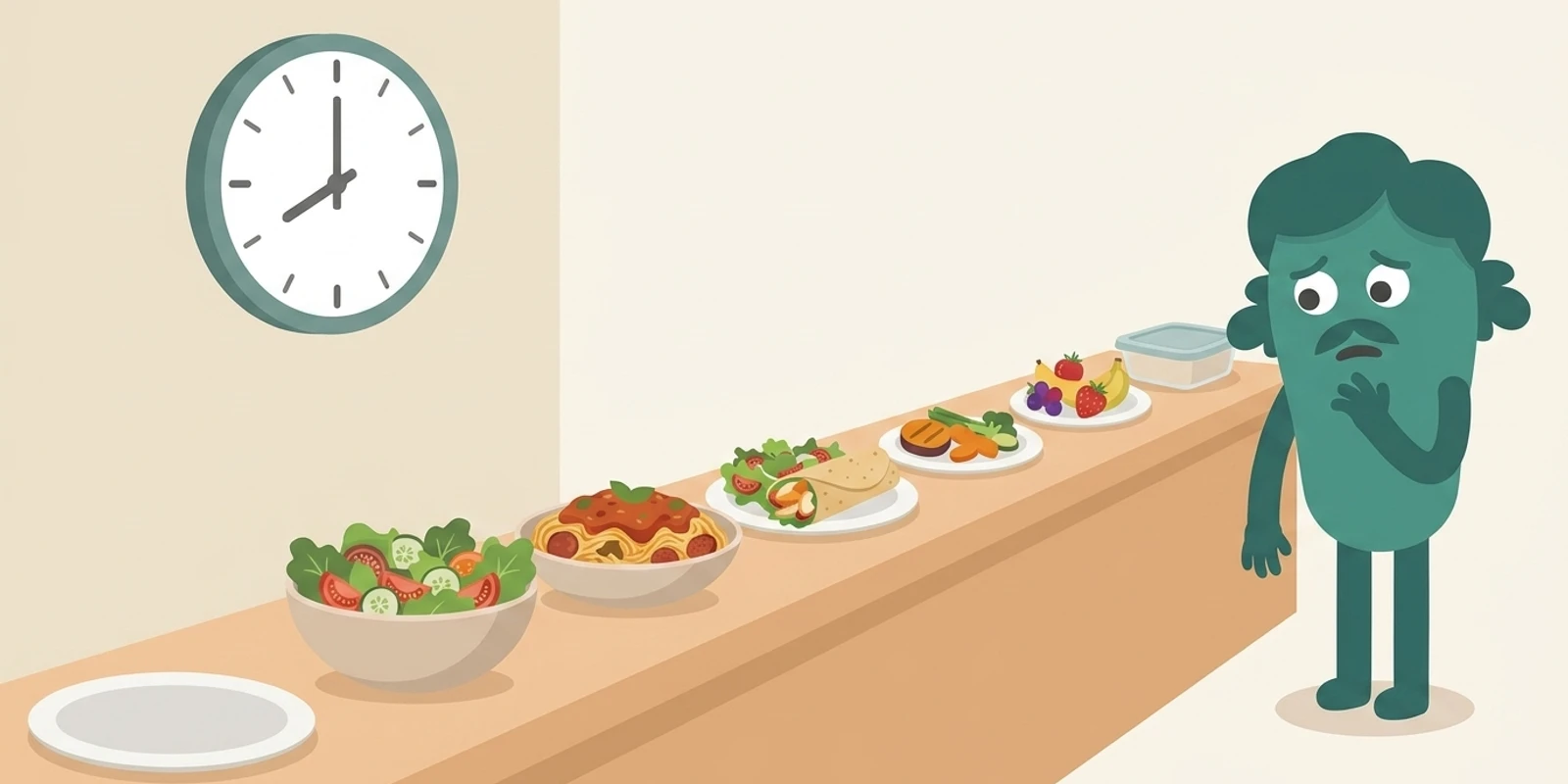
Anxiety often leads to avoidance—putting off tasks that feel overwhelming or threatening. For someone with ADHD, who already struggles with task initiation, anxiety-driven avoidance creates a compounding problem. The more you avoid, the more tasks pile up, generating more anxiety in a self-perpetuating cycle.
This pattern is particularly destructive because it prevents the development of effective coping strategies. When you avoid challenges, you never learn that you can handle them, reinforcing the anxiety and undermining self-efficacy.
Evidence-Based Strategies for Managing ADHD and Anxiety
Breaking the ADHD-anxiety cycle requires addressing both conditions simultaneously with strategies that target their shared mechanisms.
Exercise: The Most Underutilized Intervention
Aerobic exercise is one of the most effective interventions for both ADHD and anxiety, yet it remains underutilized. Research demonstrates that moderate-intensity exercise (35-45 minutes, 3-4 times per week) significantly improves ADHD symptoms, executive function, and anxiety.
The mechanisms are multiple: exercise increases dopamine and norepinephrine (improving attention and motivation), stimulates BDNF production (supporting neuroplasticity), and regulates the stress hormone cortisol. Cold water exposure can provide an additional boost, with studies showing sustained dopamine increases of 250% above baseline that last for hours.
The key is consistency and finding activities you'll actually do. Team-based or supervised exercise shows slightly better outcomes than solo workouts, likely due to the accountability and social support factors.
Self-Compassion as an Anxiety Antidote
Self-compassion practice is particularly powerful for adults with ADHD because it directly addresses the shame and self-criticism that fuel anxiety. When you treat yourself with the same kindness you'd offer a friend, you create psychological safety that reduces anxiety and improves problem-solving.
The practice has three components: mindfulness (observing your experience without judgment), common humanity (recognizing that struggle is universal), and self-kindness (actively treating yourself with warmth). For someone with ADHD, this means acknowledging that executive function challenges are neurological, not moral failings—and responding to setbacks with curiosity rather than criticism.
Research shows that self-compassion improves persistence, motivation, and emotional regulation while reducing anxiety and depression. It's not about lowering standards; it's about creating the psychological conditions that make sustained effort possible.
Environmental Scaffolding: External Structure for Internal Chaos
Because ADHD involves deficits in internal self-regulation, external structure becomes essential. This means creating environments and systems that compensate for impaired executive functions rather than relying on willpower alone.
Practical scaffolding strategies include:
- Time visualization: Use timers, time-blocking apps, and visual schedules to make time concrete rather than abstract
- Working memory supports: Checklists, reminders, and externalized task lists reduce the cognitive load of remembering
- Routine anchors: Consistent daily routines reduce decision fatigue and create predictability that lowers anxiety
- Accountability partnerships: Regular check-ins with a friend, coach, or accountability buddy provide external motivation and support
The goal isn't to become "organized" in a neurotypical sense—it's to build systems that work with your brain rather than against it.
Medication and Professional Support
For many adults, medication is an essential component of managing ADHD and anxiety. Stimulant medications improve executive function and can reduce anxiety by decreasing the chaos and unpredictability that fuel worry. For RSD specifically, alpha-2 agonists like guanfacine or clonidine can be remarkably effective, with about one-third of people experiencing significant relief.
When anxiety is severe or persists despite ADHD treatment, therapy—particularly Cognitive Behavioral Therapy (CBT) or Dialectical Behavior Therapy (DBT)—can provide specific skills for managing worry, tolerating distress, and regulating emotions. The key is finding a therapist who understands ADHD and doesn't simply attribute all difficulties to anxiety.
How GetMotivated.ai Supports the ADHD-Anxiety Connection
Managing ADHD and anxiety requires consistent implementation of multiple strategies—exactly the kind of sustained behavior change that's difficult when executive function is impaired. GetMotivated.ai addresses this challenge through structured 30-day programs that pair you with an accountability buddy who understands the ADHD experience.
Unlike apps that rely on willpower alone, GetMotivated.ai provides the external scaffolding and social support that research shows are essential for adults with ADHD. Whether you're working on establishing an exercise routine, building self-compassion practices, or implementing time management systems, having someone check in regularly creates the accountability that makes follow-through possible.
The platform's challenges are designed around the principles outlined in this article: breaking goals into manageable steps, providing immediate feedback, and creating community around shared struggles. Because real behavior change for ADHD doesn't happen through information alone—it requires both tools and support.
Moving Forward: Small Steps, Consistent Action
The ADHD-anxiety cycle can feel overwhelming, but it's not insurmountable. The key is starting small with one or two evidence-based strategies and building from there. Whether it's adding three weekly exercise sessions, beginning a daily self-compassion practice, or implementing one new organizational system, progress comes from consistent action, not perfect execution.
Remember that setbacks are part of the process, not evidence of failure. Adults with ADHD often need more external support and structure than neurotypical individuals—and that's okay. The goal isn't to become someone you're not; it's to build a life that works with your brain, reduces unnecessary anxiety, and allows you to thrive.