Lifestyle Anchors
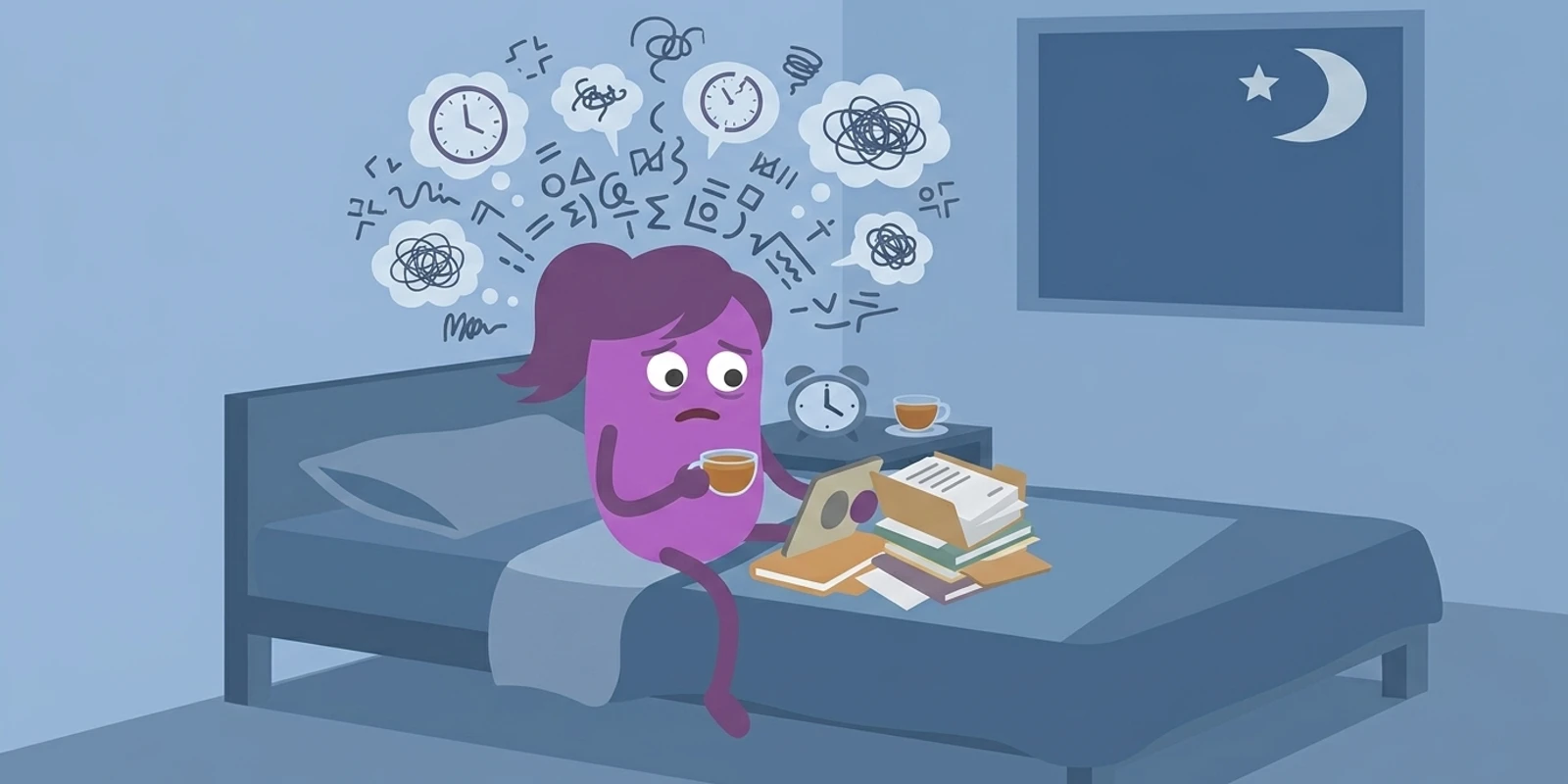
- Sleep: Aim for a fixed wake-up time. Light therapy boxes (10,000 lux for 20 minutes within 30 minutes of waking) can anchor circadian rhythm when hormones fluctuate.
- Exercise: Moderate-to-vigorous activity three times per week improves executive performance within six weeks (Weir, 2011). If motivation stalls, pair workouts with an accountability partner to exploit external structure.
- Omega-3s: Ilardi (2009) recommends 1,000 mg EPA daily for mood stabilization. The anti-inflammatory effect appears to enhance dopamine receptor sensitivity, which may counteract estrogen-related decline.
Self-Compassion Practices
Neff (2011) demonstrates that self-kindness reduces cortisol and increases heart-rate variability, both protective during hormonal swings. A 60-second script, “This is a moment of struggle, and struggle is part of being human”, can interrupt the self-criticism loop that ADHD plus menopause often amplifies.
Building ADHD-Friendly Routines
Micro-Planning Over Hourly Schedules
Traditional planners collapse under hormonal unpredictability. Instead, design “micro-routines” that last 5–15 minutes and can be chained together. Example:
- 5-minute kettle refill triggers a 10-minute stretch.
- Stretch ends by placing vitamins next to coffee maker, cueing breakfast.
Kreider (2019) found that college students with ADHD succeeded when they embedded environmental cues rather than relying on clock time alone.
External Memory Aids
Use a single “command center” wall calendar that shows both work deadlines and hormone tracking dots. Color-code high-risk days (first three days of period or post-hot-flash nights) so you can pre-emptively reduce obligations. Digital reminders should duplicate, not replace, physical cues because screen fatigue peaks when estrogen drops.
Social Contracts
Inform close friends or family of your “low-estrogen protocol.” A simple script, “On red-dot days I may need quieter evenings or clearer instructions”, reduces misunderstandings and provides external scaffolding. Orlov (2010) emphasizes that explicit communication replaces mind-reading, a common ADHD pitfall.
When to Seek Professional Help
Red Flags
Seek immediate evaluation if you experience suicidal thoughts, inability to care for dependents, or job loss risk. McGirr (2008) links impulsive-aggressive behaviors to earlier suicide attempts, and hormonal flux can intensify impulsivity.
Building a Care Team
- Psychiatrist with expertise in both ADHD and reproductive psychiatry.
- Therapist trained in DBT or CBT-I (for insomnia).
- Gynecologist open to discussing HRT and ADHD medication interactions.
Bring printed symptom logs and a concise timeline of hormonal milestones (first hot flash, last menstrual period). The data short-circuit dismissive “it’s just stress” responses.
Tracking Progress
Use a weekly check-in sheet: rate sleep quality, mood stability, task completion, and relationship satisfaction on a 1–10 scale. Share the sheet with your team monthly. Objective numbers cut through the subjective fog that ADHD plus menopause can create.
Frequently Asked Questions
Does ADHD get worse during menopause? Many women report a sudden increase in forgetfulness, distractibility, and emotional reactivity. The drop in estrogen lowers dopamine availability, which can unmask or intensify ADHD traits even if they were mild before.
Can hormone replacement therapy (HRT) help ADHD? Some studies show that HRT stabilizes mood and improves executive function by restoring estrogen levels. Always discuss risks and benefits with a clinician who understands both ADHD and midlife hormone care.
What non-drug strategies work best? Prioritize sleep hygiene, schedule daily aerobic exercise, use external cues like timers and lists, and practice self-compassion to reduce shame spirals.
How do I explain these changes to my employer? Frame the conversation around solutions: request written instructions, flexible deadlines, or noise-reducing headphones. Emphasize your commitment to maintaining high-quality work.
Should I adjust my ADHD medication? Fluctuating hormones can change how stimulants feel. Track symptoms daily for two weeks, then review the data with your prescriber. A small dose tweak or timing change often restores balance.
Explore GetMotivated.AI to find behavior tools that match your situation.