Executive Function Breakdown During Hormonal Transition
Executive function deficits are the core impairment in ADHD, affecting self-regulation, working memory, emotional control, and time management. Perimenopause intensifies each of these domains:
Working Memory: The mental workspace for holding and manipulating information shrinks further. You walk into rooms and forget why. You lose track mid-sentence. You can't juggle multiple tasks without external supports.
Emotional Regulation: Rejection sensitivity and emotional flooding worsen dramatically. Small criticisms feel devastating. Frustration tolerance plummets. The gap between feeling and reacting narrows dangerously.
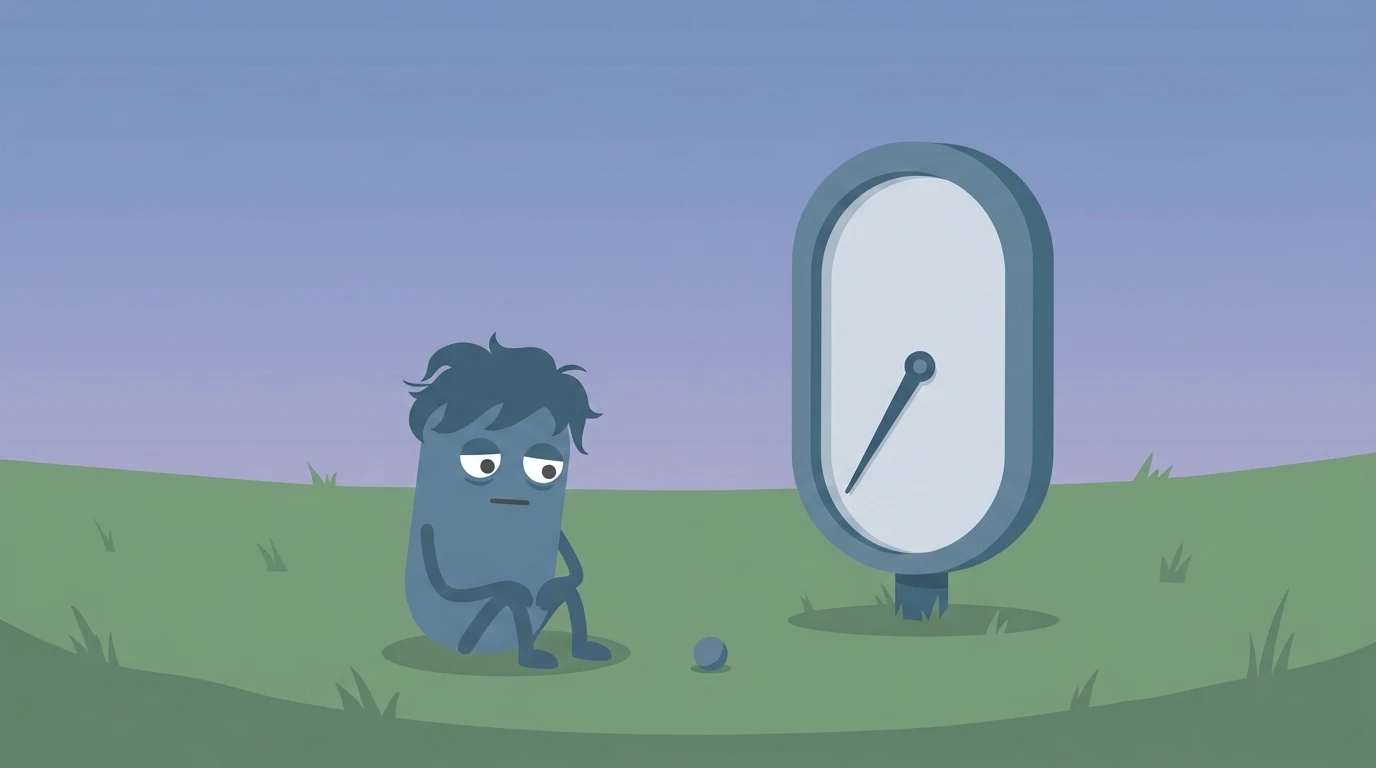
Time Perception: Time blindness—the inability to accurately sense time passing—becomes more severe. Deadlines sneak up. You chronically underestimate task duration. The future feels abstract and unreachable.
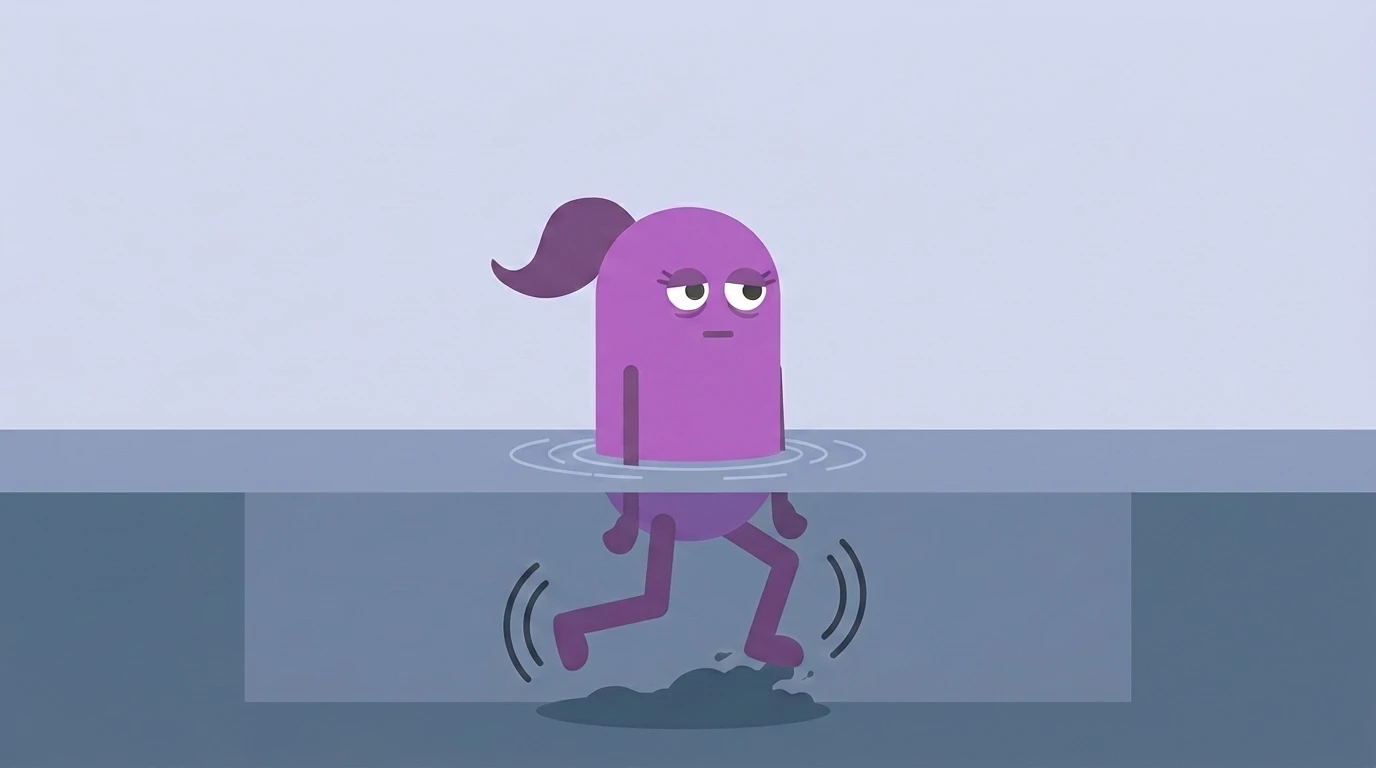
Task Initiation: Starting tasks requires even more activation energy. Procrastination intensifies. The gap between intention and action widens into a chasm.
These aren't character flaws or signs of aging—they're predictable neurobiological consequences of estrogen's impact on dopamine systems that were already compromised by ADHD.
Treatment Strategies for ADHD During Perimenopause
Managing ADHD during perimenopause requires a coordinated, multi-modal approach that addresses both the hormonal and neurological dimensions of the challenge.
Medication Optimization
Many women need ADHD medication adjustments during perimenopause. Stimulant effectiveness can fluctuate with estrogen levels, requiring dose changes or the addition of non-stimulant medications like guanfacine. Work with a psychiatrist experienced in both ADHD and women's health—this intersection requires specialized knowledge.
Hormone replacement therapy (HRT) may help stabilize dopamine function by smoothing estrogen fluctuations. Some women find that HRT improves ADHD symptoms even without changing their stimulant dose. However, HRT decisions must consider individual health factors and risk profiles.
Enhanced External Scaffolding
When internal executive function fails, external structure becomes essential. Russell Barkley's framework emphasizes that ADHD requires environmental modifications to compensate for impaired self-control:
- Externalize time: Use timers, alarms, and visual schedules. Make time concrete rather than abstract.
- Reduce working memory load: Write everything down. Use checklists, reminders, and task management apps religiously.
- Immediate feedback: Create systems for frequent check-ins and progress tracking rather than relying on delayed consequences.
- Chunk tasks: Break projects into smaller steps with clear, achievable milestones.
These aren't crutches—they're prosthetics for a brain system that doesn't function typically. During perimenopause, when executive function is further compromised, these supports become even more critical.
Self-Compassion as Treatment
The emotional toll of worsening ADHD symptoms during perimenopause cannot be overstated. Women often experience profound shame, feeling like they're "falling apart" or "losing their edge." Self-compassion practices are essential medicine for this suffering.
Self-compassion involves treating yourself with the same kindness you'd offer a struggling friend. It has three components: self-kindness (warmth toward yourself when you fail), common humanity (recognizing that struggle is universal), and mindfulness (balanced awareness of difficult emotions without over-identification).
For women with ADHD in perimenopause, self-compassion means:
- Recognizing that your struggles are neurobiological, not moral failures
- Acknowledging that this transition is genuinely difficult—you're not weak or broken
- Treating yourself with patience when symptoms flare
- Letting go of perfectionism and accepting "good enough"
Research shows self-compassion improves problem-solving, persistence, and emotional resilience—exactly what's needed during this challenging transition.
Practical Daily Strategies
Beyond clinical treatment, specific daily practices can help manage the intersection of ADHD and perimenopause:
Morning routines: Establish a consistent wake time and morning sequence. Front-load difficult tasks when medication and energy are highest.
Movement: Regular aerobic exercise supports dopamine function and executive control. Even 20-30 minutes daily can improve attention and emotional regulation.
Sleep hygiene: Perimenopause disrupts sleep, which worsens ADHD symptoms. Prioritize consistent sleep schedules, cool room temperatures, and wind-down routines.
Nutrition: Stable blood sugar supports dopamine function. Eat protein with each meal and avoid long gaps between eating.
Social support: Connect with other women navigating this intersection. ADHD and perimenopause both create isolation—community counteracts that.
Flexible expectations: Accept that your capacity fluctuates with your cycle and hormonal state. Plan accordingly rather than fighting biology.
When to Seek Professional Help
Consult healthcare providers if you experience:
- ADHD medication that suddenly seems ineffective
- New or worsening executive function challenges in your 40s
- Emotional dysregulation that impacts relationships or work
- Inability to manage daily tasks that were previously manageable
- Persistent brain fog or memory problems
- Suicidal thoughts or severe depression
The intersection of ADHD and perimenopause requires specialized knowledge. Seek providers familiar with both conditions—ideally a psychiatrist experienced in women's mental health and a gynecologist knowledgeable about ADHD.
The GetMotivated.ai Approach
Platforms like GetMotivated.ai address the accountability and structure gaps that widen during perimenopause. While apps like Focusmate offer co-working sessions, GetMotivated.ai combines body doubling with habit tracking and structured 30-day challenges—recognizing that real behavior change needs both tools AND social support.
For women with ADHD navigating perimenopause, the accountability buddy system provides the external scaffolding that failing executive function can no longer supply internally. The structured programs reduce decision fatigue while the social component combats the isolation that often accompanies this transition.
Looking Forward
Perimenopause is temporary—most women transition through it within 4-10 years. ADHD symptoms often stabilize post-menopause, though they rarely return to pre-perimenopause levels without intervention. The key is surviving this transition without destroying your self-esteem, relationships, or career in the process.
Understanding the neurobiology behind your struggles removes the moral dimension. You're not failing—your brain chemistry is changing in ways that directly impact systems already compromised by ADHD. With appropriate treatment, enhanced supports, and self-compassion, you can navigate this transition while maintaining function and well-being.
The women who fare best through this transition are those who:
- Seek proper diagnosis and treatment early
- Build robust external support systems
- Practice radical self-compassion
- Adjust expectations to match current capacity
- Connect with others facing similar challenges
You're not losing your mind—you're navigating a predictable neurobiological transition that happens to be particularly challenging for ADHD brains. With the right knowledge and supports, you can not only survive perimenopause but emerge with deeper self-understanding and more effective management strategies for the decades ahead.