Hormones, Dopamine, and the Biology of ADHD in Women
Russell Barkley's foundational research frames ADHD as primarily a disorder of self-regulation and behavioral inhibition rather than simple inattention. In his model, the condition impairs four interconnected executive functions: nonverbal working memory, internalized speech, emotional self-regulation, and the ability to analyze and synthesize behavior toward future goals. These impairments ripple into time management, planning, emotional control, and goal-directed persistence in ways that go well beyond difficulty concentrating.
For women, this neurological picture intersects with estrogen. Estrogen plays a direct role in dopamine synthesis and receptor sensitivity, which means that natural hormonal fluctuations affect ADHD symptom severity in ways that men simply don't experience. Many women report that symptoms intensify during the premenstrual phase, postpartum period, and perimenopause. Medication that worked reliably at age 28 may feel inadequate at 46, not because the prescription is wrong but because the hormonal context has shifted enough to change how dopamine circuits function.
This variability is clinically significant and frequently overlooked. If your psychiatrist isn't asking about your menstrual cycle or menopausal status, they may be missing a major driver of symptom inconsistency. Tracking symptoms across hormonal phases and bringing that data to appointments can lead to meaningful adjustments in dosing, timing, or medication class. Some women work with prescribers who adjust stimulant dose upward during premenstrual phases; others find that adding a hormonal intervention alongside ADHD medication produces more consistent results.
Evidence-Based Treatment Options
Medication
Stimulant medications (primarily amphetamines and methylphenidate) carry the strongest evidence base for ADHD across all presentations. They increase dopamine and norepinephrine availability in prefrontal circuits responsible for attention, planning, and impulse control. Most adults who respond to stimulants notice meaningful improvements in focus, working memory, task initiation, and the ability to stay on a train of thought.
Non-stimulant options, including atomoxetine, viloxazine, and guanfacine, offer alternatives when stimulants cause intolerable side effects, when anxiety and ADHD coexist significantly, or when consistent around-the-clock coverage matters more than peak-hour effectiveness. Non-stimulants take weeks rather than hours to show full effect, but some women find the more gradual action preferable, particularly if stimulants worsen anxiety or sleep.
The critical limitation of medication is that it reduces neurological noise but doesn't teach skills. A woman who spent twenty years without a diagnosis typically developed workarounds rather than genuine executive function skills. She learned to survive, not to organize and plan. Medication creates the neurological conditions under which those skills can be built; it doesn't build them automatically.
Cognitive Behavioral Therapy
CBT adapted for adult ADHD targets the psychological layers that develop around the neurological ones. It addresses the deeply held belief that chronic failure reflects character rather than neurology, avoidance patterns that delay tasks until they become crises, perfectionism that creates an all-or-nothing relationship with starting work, and emotional reactivity around frustration and perceived criticism.
CHADD notes that chronic challenges with executive function and social expectations produce persistent feelings of inadequacy in adults with ADHD. This shame layer isn't a side effect; it's a central feature that worsens every other symptom by raising the emotional stakes of attempting anything. CBT provides structured practice in identifying and challenging these patterns, building evidence-based self-narratives grounded in actual capability rather than cumulative perceived failure.
Research consistently supports combining CBT with medication. Medication addresses the neurological substrate; CBT addresses the behavioral patterns and distorted self-perception constructed on top of years of difficulty. Each makes the other more effective.
Executive Function Coaching
Where CBT targets beliefs and emotions, executive function coaching targets behavior directly: building planning systems, breaking projects into concrete next steps, and creating external scaffolding to compensate for what working memory can't reliably hold. Thomas Brown's work in "Smart but Stuck" (2014) explains why generic productivity advice consistently fails people with ADHD. The problem isn't motivation or desire; it's the brain's activation, focus, and effort management systems operating without the consistency that standard advice assumes.
Kreider, Medina, and Slamka (2019) documented that people with ADHD who manage their condition most effectively rely on a combination of cognitive, behavioral, and environmental strategies: habit formation, environmental restructuring, and deliberate reframing rather than willpower alone. The pattern across their most successful participants was externalizing: moving the work that internal systems couldn't reliably perform to environmental supports that don't depend on working memory to activate.
Emotional Regulation and Rejection Sensitive Dysphoria
Rejection sensitive dysphoria (RSD) is one of the most impairing aspects of adult ADHD in women, and one of the most frequently missed in clinical settings. As Dr. William Dodson documented for ADDitude Magazine (2017), RSD is an intense emotional response to perceived criticism, failure, or rejection that can arrive suddenly and feel completely overwhelming. The response is not proportional to what actually happened; a neutral expression, an unanswered text, or an off-hand comment triggers the same internal flooding as a genuine rupture.
In women, RSD frequently gets misdiagnosed as borderline personality disorder, premenstrual dysphoric disorder, or chronic anxiety, because the behavioral presentation looks similar from the outside: crying, withdrawing, over-explaining, or freezing in response to perceived rejection. The mechanism is different, though. RSD in ADHD reflects impaired emotional regulation circuitry, not an underlying personality structure, which means it responds to different interventions and shouldn't be treated with approaches designed for personality disorders.
Treatment options for RSD include alpha-2 agonists (guanfacine, clonidine), which some clinicians find reduce the intensity of emotional flooding; MAOI antidepressants in specific cases; cognitive strategies that create a pause between perceived rejection and behavioral response; and self-compassion practices that reduce the internal amplification of perceived failure.
On self-compassion: Dr. Kristin Neff's research, featured in ADDitude Magazine, documents that self-compassion practices directly reduce the shame cycle that worsens ADHD symptoms. The practice involves three components: noticing difficulty without judgment, connecting that difficulty to shared human experience rather than isolating it as personal failure, and actively offering yourself the same kindness you'd extend to a friend in the same situation. This is not simply encouraging advice. It changes the emotional environment in which executive function has to operate, and people with lower chronic shame levels consistently show better treatment engagement and follow-through.
Building Daily Systems That Work
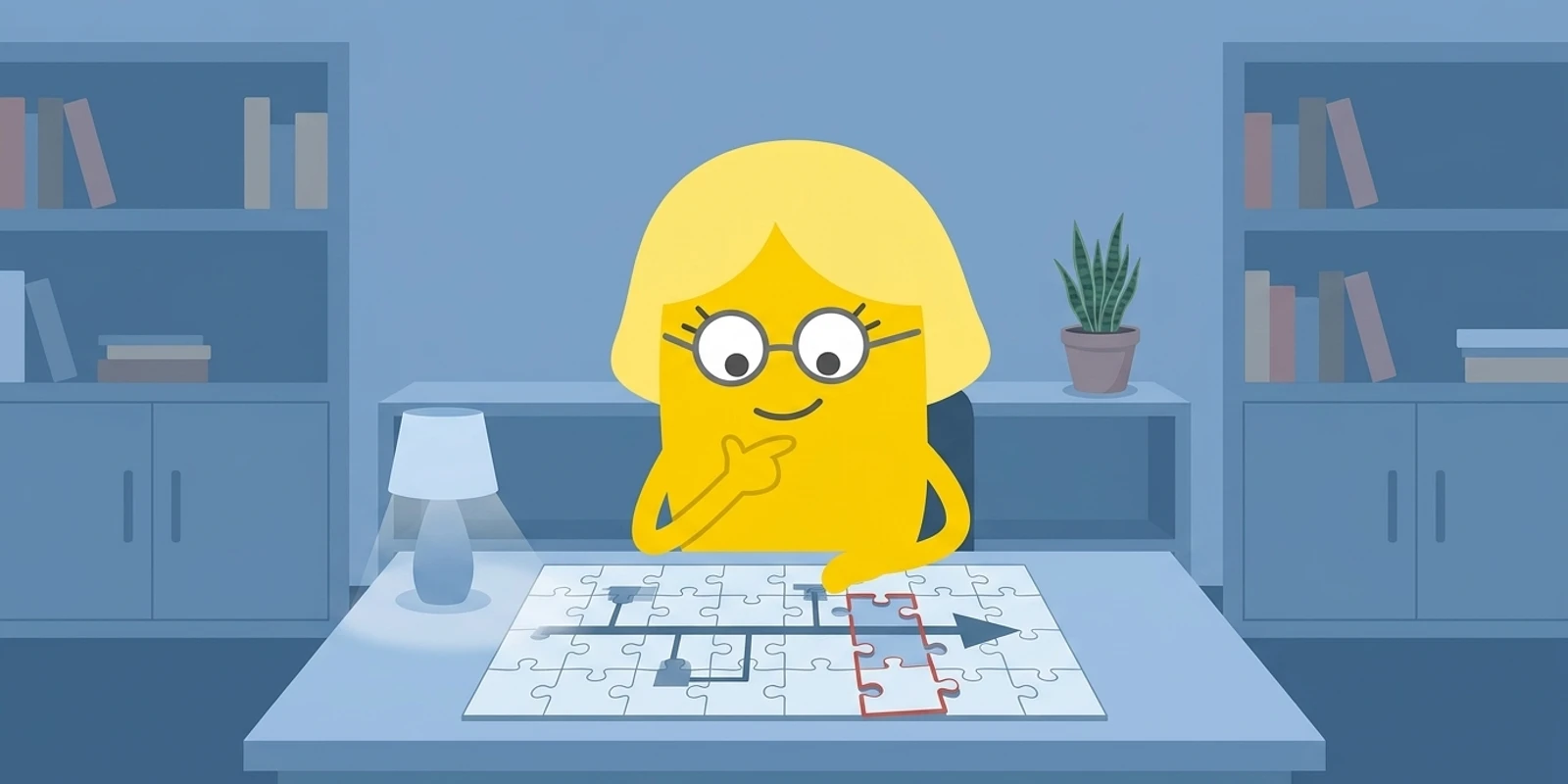
Medication and therapy create the conditions for change. Systems make change durable. Several approaches have meaningful evidence or strong clinical backing for women with ADHD.
Time blocking over open task lists. To-do lists answer the question of what but not when, which leaves the hardest part, starting, entirely to self-regulation. Time blocking assigns specific tasks to specific windows, creating a concrete bridge between intention and action. As Leslie Josel notes at ADDitude Magazine, adults with ADHD do better when they treat structure as a flexible working framework rather than a rigid obligation they'll inevitably fail.
Body doubling. Working alongside another person, physically or virtually, activates social presence circuits that help sustain focus in ways that isolated self-discipline often cannot. Study groups, library sessions, virtual co-working services, and dedicated body-doubling apps all use this mechanism. The other person doesn't need to help with the work; they just need to be present.
Externalize everything. Working memory in ADHD is unreliable for holding plans, schedules, and intentions. Important information cannot live only inside your head. Whiteboards, phone reminders, physical checklists placed at the point of action rather than filed away, and visible timers all transfer cognitive load from internal memory to external environment, where it can actually be trusted.
Track medication timing against cognitive demands. Many women find that protecting high-demand work for the peak window of medication effectiveness (typically two to four hours after a morning dose) significantly changes output quality. Scheduling meetings, emails, or low-stakes tasks during medication fade times rather than during peak windows is a simple restructure with real impact on what actually gets done.
Accountability structures. Hallowell and Ratey, in "Driven to Distraction" (2011), emphasize that ADHD treatment works best when it includes a relational accountability component: a coach, therapist, structured peer group, or consistent partner who helps translate intentions into action. This uses the social brain to compensate for executive function gaps. It is not about dependence; it is about using a system that works instead of insisting on one that doesn't.
Frequently Asked Questions
Why is ADHD so often missed in women?
ADHD in women typically presents as inattentiveness and internalized coping rather than visible hyperactivity. Girls learn to mask symptoms to meet social expectations, appearing organized and composed while managing significant cognitive struggles privately. This performance delays diagnosis until compensating strategies stop working, which often doesn't happen until the demands of adulthood exceed what masking can cover.
Do stimulant medications work the same way for women as for men?
Stimulants work similarly at the neurological level, but estrogen affects dopamine regulation in ways that create variability for women that men don't experience. Medication that works well in one hormonal phase may feel inadequate in another. Tracking symptom severity across your cycle and sharing that data with your prescriber can lead to meaningful dosing adjustments.
What is rejection sensitive dysphoria, and why does it get missed in women?
RSD is an intense emotional response to perceived criticism or failure that is common in adults with ADHD. In women it frequently gets misdiagnosed as borderline personality disorder, depression, or anxiety because the behavioral presentation looks similar. The underlying mechanism is impaired emotional regulation circuitry rather than a personality structure, which responds to different interventions including specific medications and self-compassion practices.
Is therapy alone enough to treat ADHD?
CBT helps significantly with the shame, avoidance, and negative thought patterns that accumulate alongside ADHD. For most adults with significant impairment, combining therapy with medication produces better outcomes than either approach alone. Therapy builds skills and addresses distorted self-perception; medication creates the neurological conditions under which those skills become easier to access and sustain.
What daily habits make the most difference for women with ADHD?
External systems consistently outperform willpower: visible task boards, time-blocked calendars, medication alarms, body-doubling sessions, and routine anchors tied to existing habits. The underlying principle is moving cognitive demands from unreliable internal working memory to reliable external environment. Small, consistent wins with externalized systems build more sustainable momentum than periodic intense effort followed by crash and recovery.
---
If you're working on building the structures that make ADHD treatment stick day to day, GetMotivated.AI has challenges designed exactly for this: accountability, small wins, and community for people who want to change behavior rather than just understand it. Explore the ADHD productivity and habit-building tracks to find a challenge that meets you where you are right now.