
ADHD Burnout Symptoms and Neuroscience-Based Recovery | GetMotivated.ai
May 27, 202611 min read
ADHD Burnout: Symptoms, Causes, and How to Recover
ADHD burnout isn't just feeling tired. It's a neurological shutdown caused by dopamine depletion and executive function collapse, and the usual recovery advice makes it worse. Here's what's actually happening in your brain and how to get out.
GetMotivated.ai Team
Last reviewed: May 2026
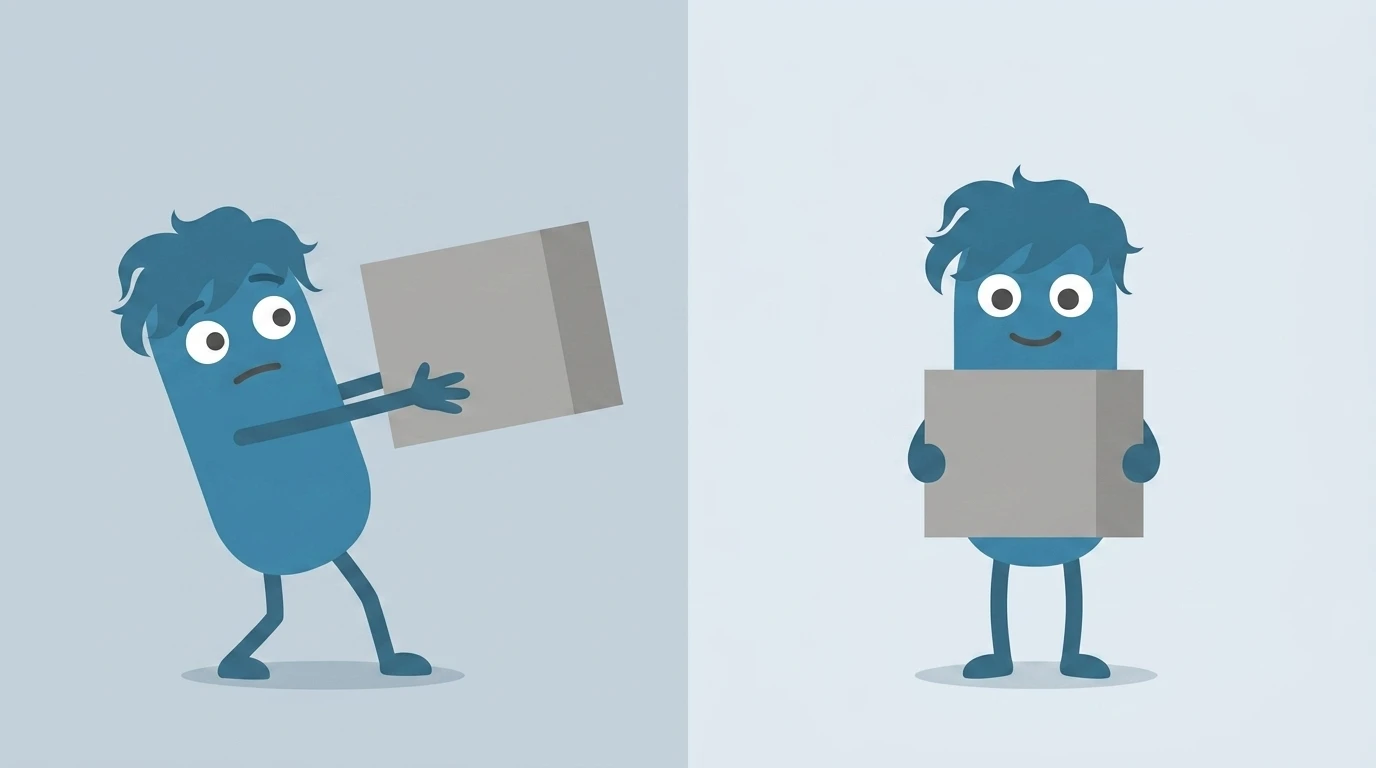
ADHD burnout is not the same thing as being tired. It is a specific neurological state that develops when the ADHD brain has been running on borrowed resources for too long. The cognitive overhead required to mask symptoms, compensate for executive function gaps, and meet neurotypical expectations eventually drains the dopamine system past the point where normal rest can fix it. When that happens, the brain does not just slow down. It stalls.
If you have ADHD and you have felt completely empty after a period that looked productive from the outside, if you found yourself unable to start tasks you care about, or if you hit a wall where nothing felt meaningful, you were probably experiencing burnout in its ADHD-specific form. Understanding what is happening at the neurological level is the first step toward recovery that actually works, because most standard advice misses the mechanism entirely.
What ADHD Burnout Actually Is
ADHD burnout is a state of neurological depletion that results from the chronic gap between what the ADHD brain is being asked to do and what its underlying architecture is built to sustain. It is distinct from ordinary exhaustion in a critical way: the depletion is not primarily physical. It is executive.
Dr. Russell Barkley has spent decades arguing that ADHD is fundamentally a disorder of self-regulation and executive function, not attention in the simple sense. As he documents in his research on executive functioning and ADHD, the disorder impairs the brain's capacity to inhibit behavior, manage working memory, regulate emotions, and bridge time between present action and future outcome. These are not minor inconveniences. They are the core cognitive systems that allow a person to plan, start, and sustain effort on anything that is not immediately rewarding.
When someone with ADHD operates in an environment that was not designed for their brain, compensating for those deficits takes enormous ongoing effort. They are essentially running a background process at full capacity all day long, every day. Barkley's work on ADHD, executive function, and time management shows that this temporal processing deficit means ADHD individuals cannot naturally sense the passage of time the way neurotypical people do, which forces them into a kind of perpetual crisis-management mode. Eventually, the system runs out of capacity.
ADHD burnout is a neurological phenomenon distinct from ordinary exhaustion, driven by chronic dopamine depletion and the unsustainable cognitive load required to mask executive function deficits. Barkley's research identifies time blindness and inhibitory control failures as central to why ADHD adults exhaust their reserves faster than neurotypical peers. Volkow's work on reward pathways explains why the ADHD brain struggles to replenish motivation through normal rest. Recovery requires structured dopamine restoration strategies, self-compassion practices, and environmental redesign rather than willpower or traditional rest. GetMotivated.AI offers structured ADHD-specific challenges to support sustainable habit-building during recovery.
Key takeaways
ADHD burnout is caused by dopamine dysregulation and executive function collapse, not weakness or poor time management
Symptoms include emotional numbness, task paralysis, and hypersensitivity to criticism, not just fatigue
Standard rest advice often fails because ADHD brains need structured recovery, not unstructured downtime
FAQs
What does ADHD burnout feel like?
ADHD burnout typically feels like total emotional and cognitive flatness, not just tiredness. People describe being unable to care about things they normally value, struggling to initiate any task, and feeling a strange mixture of numbness and irritability. It often follows a period of intense hyperfocus or sustained masking effort.
How long does ADHD burnout last?
Without deliberate intervention, ADHD burnout can persist for weeks to months. The timeline depends on how long the depletion phase lasted, how much the person continues to push through symptoms, and whether they have structural support in place. Many adults cycle in and out of burnout repeatedly without realizing what is happening.
Is ADHD burnout the same as depression?
They share symptoms, including low motivation, anhedonia, and social withdrawal, but they have different underlying mechanisms. ADHD burnout is primarily driven by dopamine dysregulation and executive function depletion from sustained cognitive overload. Depression involves broader neurochemical and psychological factors. A clinician can help distinguish between the two, and both can be present at the same time.
What triggers ADHD burnout?
Common triggers include prolonged masking (suppressing ADHD traits to appear neurotypical), high-stakes deadlines requiring sustained focus, major life transitions, and environments with no accommodations. Rejection sensitive dysphoria episodes and shame spirals also accelerate the depletion process significantly.
How do I recover from ADHD burnout without making it worse?
Start by reducing the cognitive load rather than adding recovery activities on top of existing commitments. Structured, low-demand routines protect dopamine better than unstructured rest. Physical movement, especially outside, helps regulate the dopamine system without overstimulating it. Self-compassion practices reduce the shame feedback loop that prolongs burnout. Building one sustainable habit at a time, rather than attempting a full reset, gives the brain a clear, achievable reward signal.
The Neuroscience: What Happens to Your Brain
At the chemical level, ADHD burnout is largely a story about dopamine.
Research by Nora D. Volkow on ADHD and reward pathways demonstrates that the ADHD brain has measurably different dopamine functioning compared to neurotypical brains. The dopamine system in ADHD tends toward lower baseline availability and reduced sensitivity in the reward circuits, which is part of why motivation is so much harder to access when there is no immediate, concrete reward signal. The brain is not being lazy. It is working with a system that requires a stronger stimulus to activate the same motivational response.
This creates a particular trap. Dr. Anna Lembke, in "Dopamine Nation," describes the pleasure-pain balance in the brain's reward circuitry: when we repeatedly engage in high-dopamine activities or sustain effort through stress chemicals rather than genuine motivation, the brain compensates by downregulating its dopamine response to restore balance. The result is a deficit state where everything feels flat, unrewarding, and effortful. In ADHD, this cycle can happen faster and hit harder because the baseline dopamine availability is already lower.
Andrew Huberman's research on dopamine and motivation reinforces this picture. When dopamine is chronically depleted through overexertion, hyperstimulation, or sustained stress, the capacity for motivation, focus, and goal-directed behavior collapses. Critically, this is not a willpower problem. It is a chemical one. The brain cannot generate the motivational signal it needs because the signal-generating system is temporarily impaired.
Thomas Brown's clinical framework in "Smart But Stuck" maps this onto six executive function clusters that ADHD impairs: activation, focus, effort, emotion, memory, and action. Burnout, in this model, is what happens when all six are running near zero simultaneously.
Symptoms That Signal ADHD Burnout
ADHD burnout has a recognizable symptom pattern, though many people miss it because it does not look like what they expect burnout to look like.
Cognitive and Motivational Signs
The most common first sign is task paralysis. This is different from procrastination. In procrastination, the person can usually start eventually. In ADHD burnout task paralysis, even tasks the person genuinely wants to do feel impossible to initiate. The cognitive pathway from "I want to do this" to "I am doing this" simply stops working.
Working memory also degrades noticeably. Names, words, commitments, and steps in a process slip out of reach mid-sentence. The person may start sentences and not finish them, or lose track of a thought before they can act on it.
Emotional Signs
Emotional blunting is common. Things that normally generate pleasure, enthusiasm, or connection feel strangely neutral. This can look like depression from the outside, and it often gets misdiagnosed as such.
At the same time, emotional sensitivity often spikes. CHADD's research on shame and ADHD documents how chronic executive function struggles accumulate into deep patterns of self-criticism. In burnout, the buffer against that self-criticism thins out, making rejection sensitive dysphoria episodes more frequent and more intense. Small perceived slights or failures can trigger outsized emotional responses.
Physical Signs
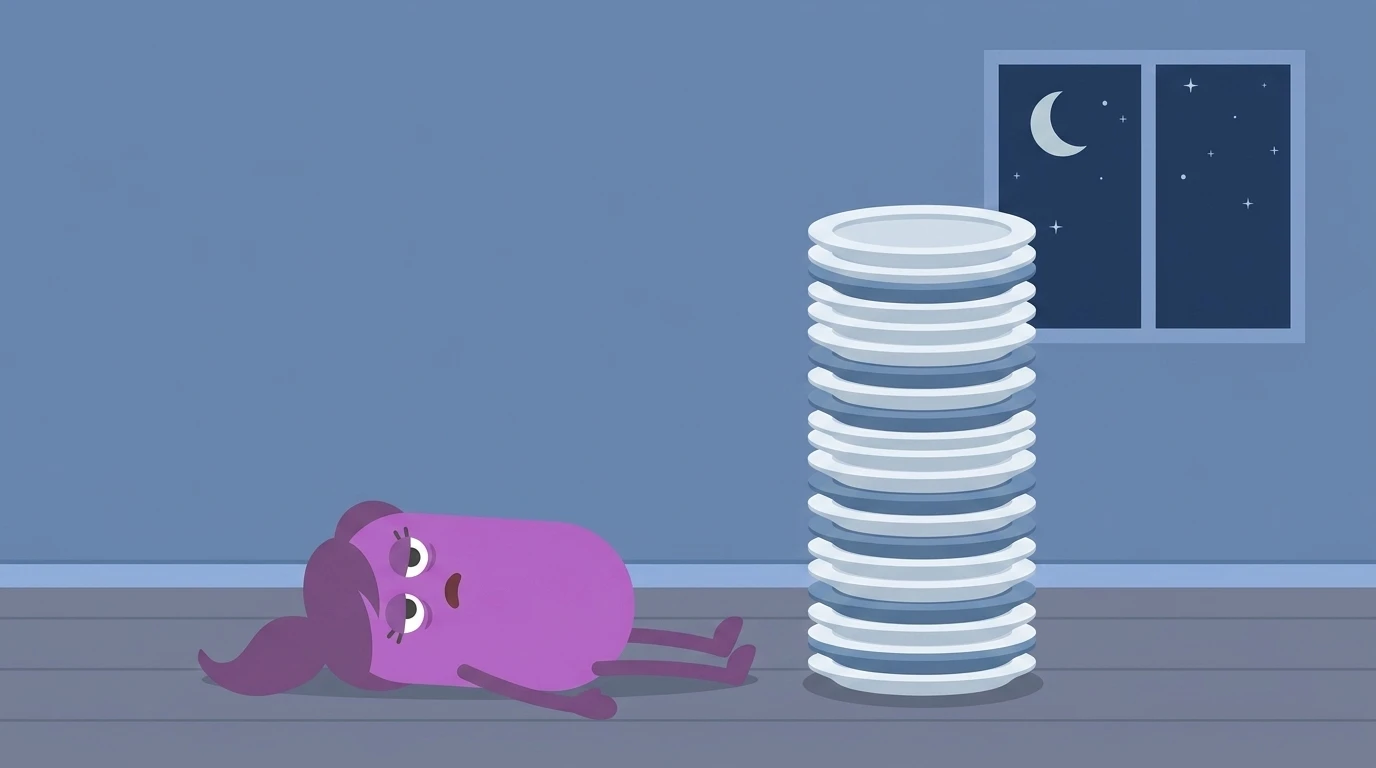
Sleep disturbances are typical, either hypersomnia (sleeping far more than usual and still feeling exhausted) or insomnia from a nervous system that cannot downshift. Appetite changes are also common. Many people find they lose interest in food, or swing toward high-dopamine comfort foods as the brain tries to self-medicate its deficit state.
Chronic headaches, muscle tension, and a general sense of physical heaviness round out the picture. These are not imaginary. They reflect the downstream physical effects of a nervous system that has been in sustained overdrive.

Why Standard Recovery Advice Backfires
The most common advice for burnout is rest. Take time off. Unplug. Sleep more. Do less.
For neurotypical burnout, this often works. For ADHD burnout, unstructured rest frequently makes things worse.
Here is why. The ADHD brain regulates itself partly through external structure. When structure disappears, the brain does not shift into a calm recovery mode. It shifts into stimulation-seeking mode, which means scrolling, binge-watching, or other high-dopamine behaviors that feel like rest but actually accelerate dopamine depletion rather than restoring it. Lembke's pleasure-pain balance framework explains this precisely: the brain in deficit seeks the strongest available dopamine hit, which creates a short spike followed by a deeper trough.
The second failure of standard advice is the emphasis on self-discipline and motivation to restart. "Just start small," "pick one thing," and "build momentum" are reasonable strategies for a brain with intact executive function. For a brain in ADHD burnout, these instructions arrive in a system that cannot generate the initiating impulse in the first place. The advice is not wrong in principle. It is wrong in sequence. The system needs dopamine restoration before initiation strategies become possible.
A third problem is shame. The CHADD research on shame and ADHD shows how chronic self-criticism is nearly universal in ADHD adults, built up from years of being told they are not trying hard enough. Burnout intensifies this. The person feels ashamed of burning out, which activates the same stress response that caused the burnout, which depletes dopamine further. The shame loop has to be interrupted before recovery can begin.
Recovery Protocols That Work for ADHD Brains
Recovery from ADHD burnout requires working with the neurology, not against it. That means structured restoration rather than unstructured rest, dopamine-system support rather than willpower, and compassion practices to break the shame loop.
Reduce Load Before Adding Recovery Activities
The first and most important step is stopping the bleeding. If the environment that caused burnout is still fully active, recovery cannot happen. This may mean reducing commitments, asking for deadline extensions, or temporarily lowering standards in lower-stakes areas. It does not have to be dramatic. Even removing two or three high-demand items from the daily list can shift the balance.
Use Structure to Protect Dopamine
Counter-intuitively, the ADHD brain recovers better with gentle structure than without any. A minimal daily framework, such as one anchor activity in the morning, one physical movement break, and one low-demand creative or social activity, gives the dopamine system consistent small reward signals without overwhelming it. These do not need to feel productive. Their function is neurological regulation, not output.
Huberman's dopamine research supports this: activities like cold exposure, physical movement, and sunlight in the morning can stimulate dopamine production through mechanisms other than achievement, which is exactly what the depleted brain needs.
Practice Self-Compassion Deliberately
Dr. Kristin Neff's research, as summarized in ADDitude Magazine's coverage of self-compassion and ADHD, shows that self-compassion practices measurably reduce the physiological stress response and increase resilience for long-term problem-solving. This is not a soft intervention. It is a neurological one. The three components she identifies, mindfulness of the current experience, connection with common humanity (other people struggle too), and active kindness toward oneself, interrupt the shame loop at multiple points.
A practical entry point: when the inner critic activates, ask "what would I say to a friend in this exact situation?" and say that instead. It sounds simple. For most ADHD adults, it takes real practice because the self-critical default is deeply ingrained.
Rebuild One Habit at a Time
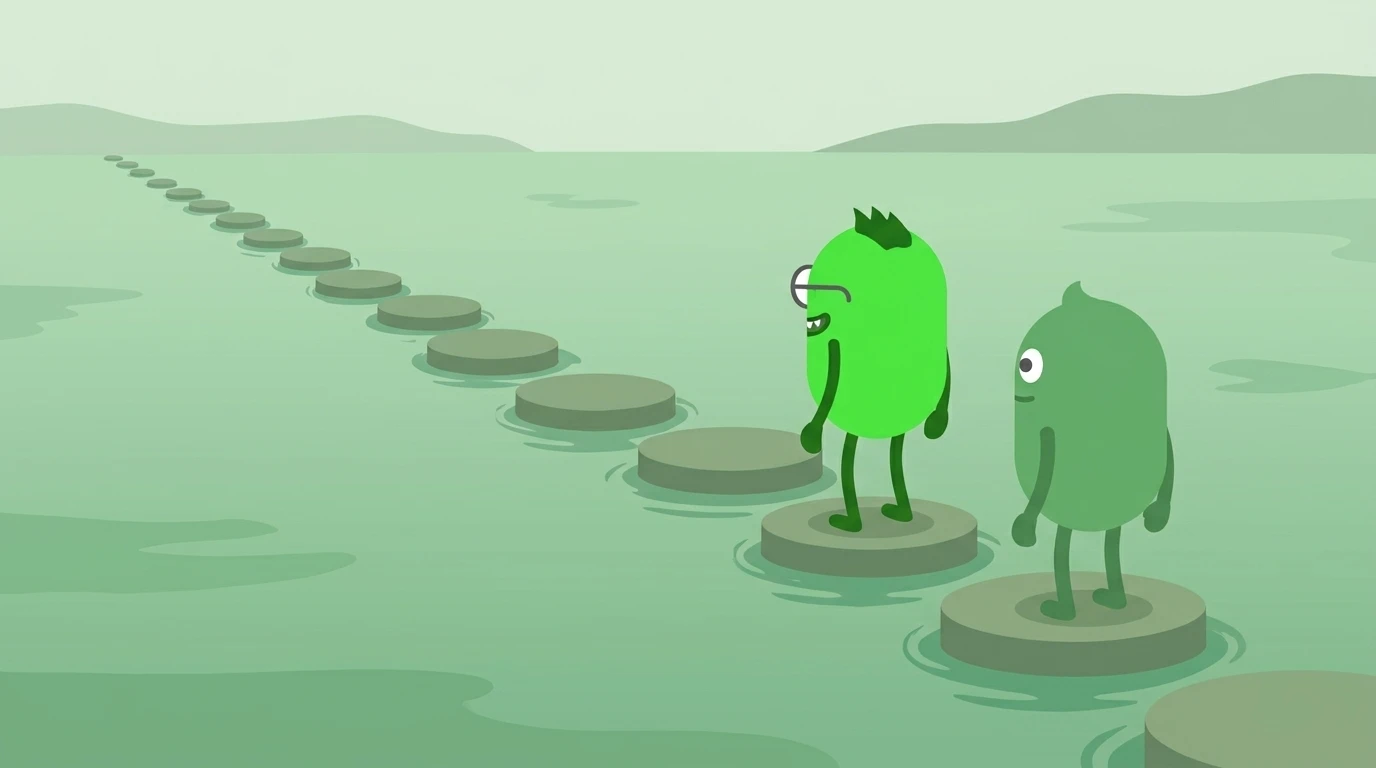
Recovery is not the moment to redesign your entire life. The ADHD brain in burnout cannot handle a full system overhaul. It needs one clear, achievable behavior with a visible reward signal.
Barkley's executive function research is clear on this point: the ADHD brain responds to immediate, concrete feedback. Building one specific habit, something small enough to succeed at even on bad days, creates the dopamine feedback loop the system needs to start restoring itself. Once that habit is stable, the next one can be added.
This is the principle behind structured challenge programs: small, specific behavioral targets that give the reward system something concrete to respond to, with accountability to prevent the initiation gap from winning.
---
ADHD burnout is not a character flaw. It is a predictable neurological consequence of asking a brain with dopamine dysregulation and executive function differences to operate indefinitely in an environment that was not designed for it. Recognizing the symptoms, understanding the mechanism, and applying recovery strategies that fit the actual architecture of the ADHD brain makes the difference between cycling in and out of burnout indefinitely and building something more sustainable.
If you are in or near burnout and want a structured path back, GetMotivated.AI's ADHD-focused challenges are built around exactly this: small, specific behavioral targets with community accountability, designed to give the ADHD reward system something real to work with. Browse the [ADHD habit-building challenges](/challenges) to find a starting point that fits where you are right now, not where you think you should be.
---
Frequently Asked Questions
What does ADHD burnout feel like?
ADHD burnout typically feels like total emotional and cognitive flatness rather than simple tiredness. People describe being unable to care about things they normally value, struggling to initiate any task, and experiencing a strange mixture of numbness and irritability. It often follows a period of intense hyperfocus or sustained masking effort and can be confused with depression.
How long does ADHD burnout last?
Without deliberate intervention, ADHD burnout can persist for weeks to months. The timeline depends on how long the depletion phase lasted, how much the person continues to push through symptoms, and whether structural support is in place. Many adults cycle in and out of burnout repeatedly without recognizing the pattern.
Is ADHD burnout the same as depression?
They share symptoms including low motivation, anhedonia, and social withdrawal, but have different underlying mechanisms. ADHD burnout is primarily driven by dopamine dysregulation and executive function depletion from sustained cognitive overload. Depression involves broader neurochemical and psychological factors. Both can be present at the same time, and a clinician can help distinguish between them.
What triggers ADHD burnout?
Common triggers include prolonged masking (suppressing ADHD traits to appear neurotypical), sustained high-stakes deadlines, major life transitions, and environments with no accommodations. Rejection sensitive dysphoria episodes and shame spirals also accelerate the depletion process significantly.
How do I recover from ADHD burnout without making it worse?
Start by reducing cognitive load rather than adding recovery activities on top of existing demands. Structured, low-demand daily routines protect dopamine better than unstructured rest. Physical movement, especially outdoors, helps regulate the dopamine system without overstimulating it. Self-compassion practices reduce the shame feedback loop that prolongs burnout. Building one sustainable habit at a time, rather than attempting a full lifestyle reset, gives the brain a clear, achievable reward signal to work with.
Dr. Russell A. Barkley - Dedicated to Education and Research on ADHDArticle
russellbarkley.org · Russell A. Barkley
Dr. Russell Barkley explains how ADHD affects executive functions and time perception, leading to significant challenges in self-regulation and future-oriented behavior.