2. Strategic Melatonin Supplementation (Timing Is Everything)
Melatonin is not a sedative—it's a chronobiotic that signals "nighttime" to your brain. Taking it at bedtime is too late for phase shifting.
Protocol:
- Dose: 0.5-3mg (lower is often more effective)
- Timing: 5-7 hours before your desired sleep time (not your current sleep time)
- Example: If you want to sleep at 11 PM but currently sleep at 2 AM, take melatonin at 4-6 PM
- Use for 4-8 weeks while also implementing light therapy
Why it works: Melatonin taken in the late afternoon/early evening advances circadian phase by signaling darkness earlier than your biology expects.
ADHD-specific tip: Set a phone reminder for melatonin timing. This is one of the hardest protocols to maintain because you have to remember to take it when you feel wide awake.
3. Anchor Your Wake Time (Even on Weekends)
Your circadian system needs consistency to entrain. Sleeping in on weekends—even by 2 hours—undoes a week of progress.
Protocol:
- Choose a wake time you can sustain 7 days per week
- Set 3 alarms: one across the room, one with a sunrise simulator, one with an accountability text to a friend
- Get vertical and into bright light within 15 minutes—no snoozing in dim rooms
Why it works: Consistent wake times stabilize your circadian rhythm more effectively than consistent bedtimes. Your sleep drive builds predictably when you wake at the same time daily.
ADHD-specific tip: Use the "body doubling" principle—schedule a morning video call with a friend or join a virtual co-working session at 8 AM. External accountability overrides internal resistance.
4. Create an Evening Wind-Down That Respects Your Biology
You can't force sleep, but you can create conditions that allow your delayed melatonin rise to do its job.
Protocol (starting 2 hours before desired sleep):
- Dim all lights to <50 lux (use amber bulbs, dim switches, or blue-light-blocking glasses)
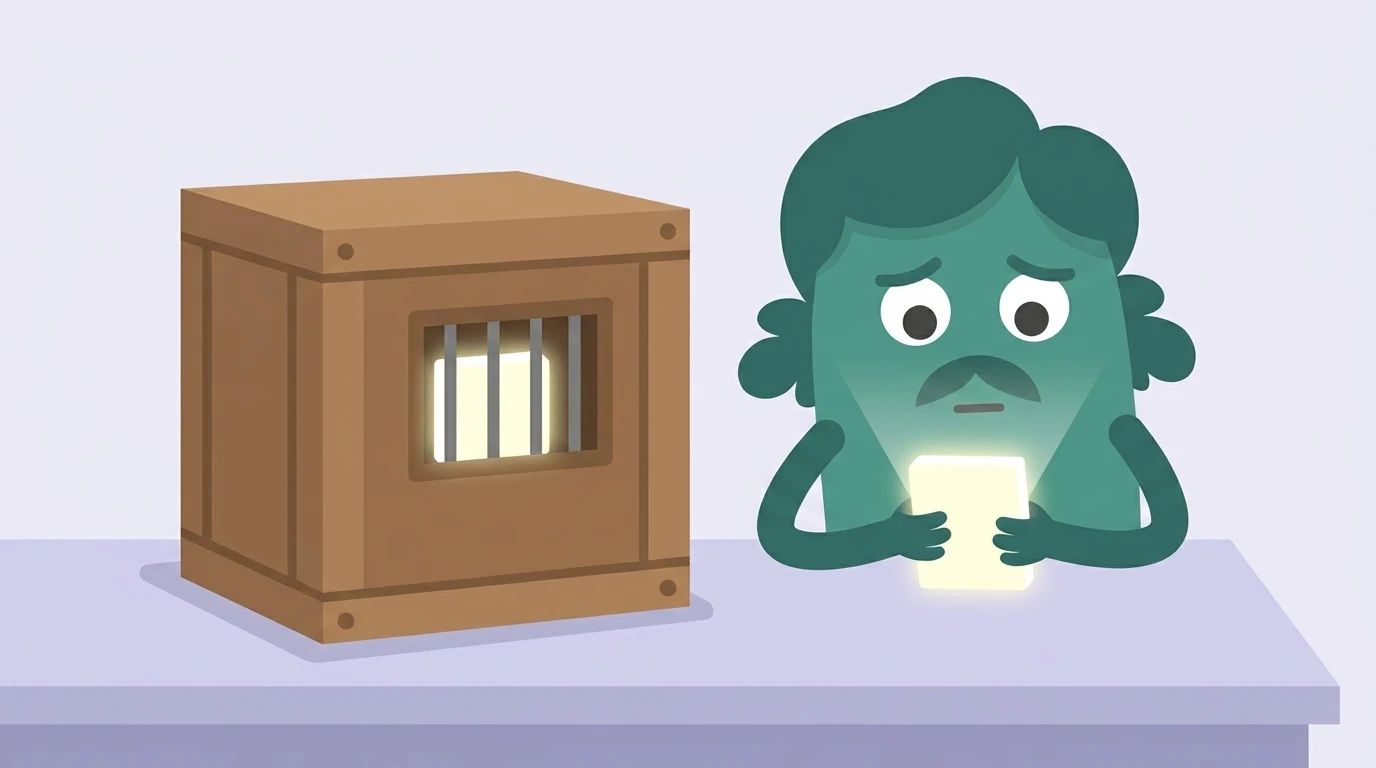
- Shift to low-stimulation activities: reading, stretching, journaling—not screens, work, or intense conversations
- Keep room temperature cool (65-68°F)
- Use a consistent pre-bed routine to signal your brain: same order, same timing
Why it works: Evening light exposure—especially blue wavelengths—delays melatonin onset and reinforces your late phase. Dimming lights allows your natural melatonin curve to begin earlier.
ADHD-specific tip: Your brain will resist this because 9 PM is when you feel most alert. Reframe it: "I'm not going to bed, I'm just dimming lights and doing calm activities." Remove the pressure to sleep, and sleep becomes more accessible.
5. Address Time Blindness and Hyperfocus Inertia
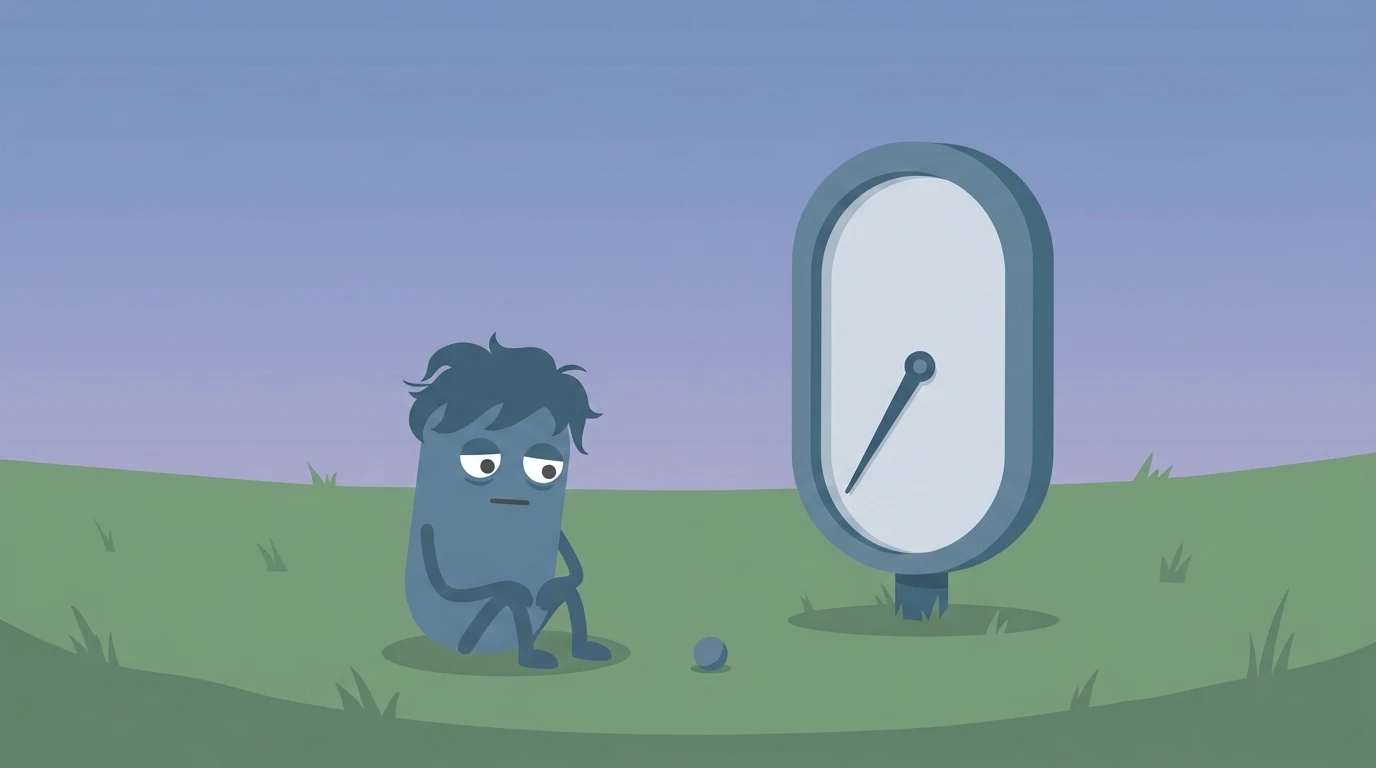
ADHD time perception deficits sabotage even the best sleep protocols. You genuinely don't realize it's been 3 hours since you said "I'll go to bed soon."
Protocol:
- Set a "bedtime alarm" 1 hour before lights-out (not just a sleep time)
- Use visual timers during evening tasks so you can see time passing
- Implement a "hard stop" rule: at 10 PM, whatever you're doing gets bookmarked—no exceptions
- Use implementation intentions: "When my 10 PM alarm sounds, I will close my laptop and go to the bathroom to start my bedtime routine"
Why it works: External cues compensate for impaired internal time tracking. You're not relying on your brain to "feel" when it's time to stop—you're using environmental scaffolding.
When to Consider Professional Help
If you've implemented these strategies consistently for 8 weeks and seen no improvement, consult a sleep medicine specialist or psychiatrist familiar with ADHD. You may benefit from:
- Chronotherapy: A supervised protocol to progressively delay sleep until you "wrap around" to an earlier time
- Medication adjustments: Stimulant timing, addition of evening guanfacine, or low-dose trazodone
- Cognitive-behavioral therapy for insomnia (CBT-I): Adapted for circadian rhythm disorders
Some adults with severe DSPD find that their optimal schedule is simply incompatible with 9-5 work. If possible, negotiate flexible hours, remote work, or shift to a career with afternoon/evening demands. Your biology isn't a character flaw—it's a phenotype. Forcing a night owl into a lark's schedule is like forcing a left-handed person to write right-handed: possible, but exhausting and inefficient.
How GetMotivated.ai Supports Sleep Consistency
Delayed sleep phase requires sustained behavior change over months—exactly the type of challenge where ADHD adults typically fail without external structure. GetMotivated.ai's Sleep Reset Challenge pairs you with an accountability buddy who checks in daily on your wake time, light exposure, and evening routine. The platform's habit-tracking system compensates for ADHD working memory deficits by sending timed reminders for melatonin, light therapy, and wind-down routines.
Unlike apps like Sleep Cycle or Calm that focus on tracking or relaxation, GetMotivated.ai addresses the executive function and consistency barriers that prevent ADHD adults from implementing evidence-based protocols. You're not just learning what to do—you're building the scaffolding to actually do it, every day, for long enough that your circadian system shifts.
The Bottom Line
Delayed sleep phase isn't a discipline problem—it's a neurobiological reality for most adults with ADHD. Your brain's dopamine regulation and circadian timing are fundamentally different, creating a 2-4 hour mismatch with societal schedules. The solution isn't "trying harder" to sleep earlier. It's using light therapy, timed melatonin, and consistent scheduling to gradually shift your phase forward while respecting your biology.
This is a chronic condition requiring ongoing management, not a one-time fix. But with the right tools and external accountability, you can align your internal clock closely enough to function in a 9-5 world—without sacrificing your health or sanity to do it.