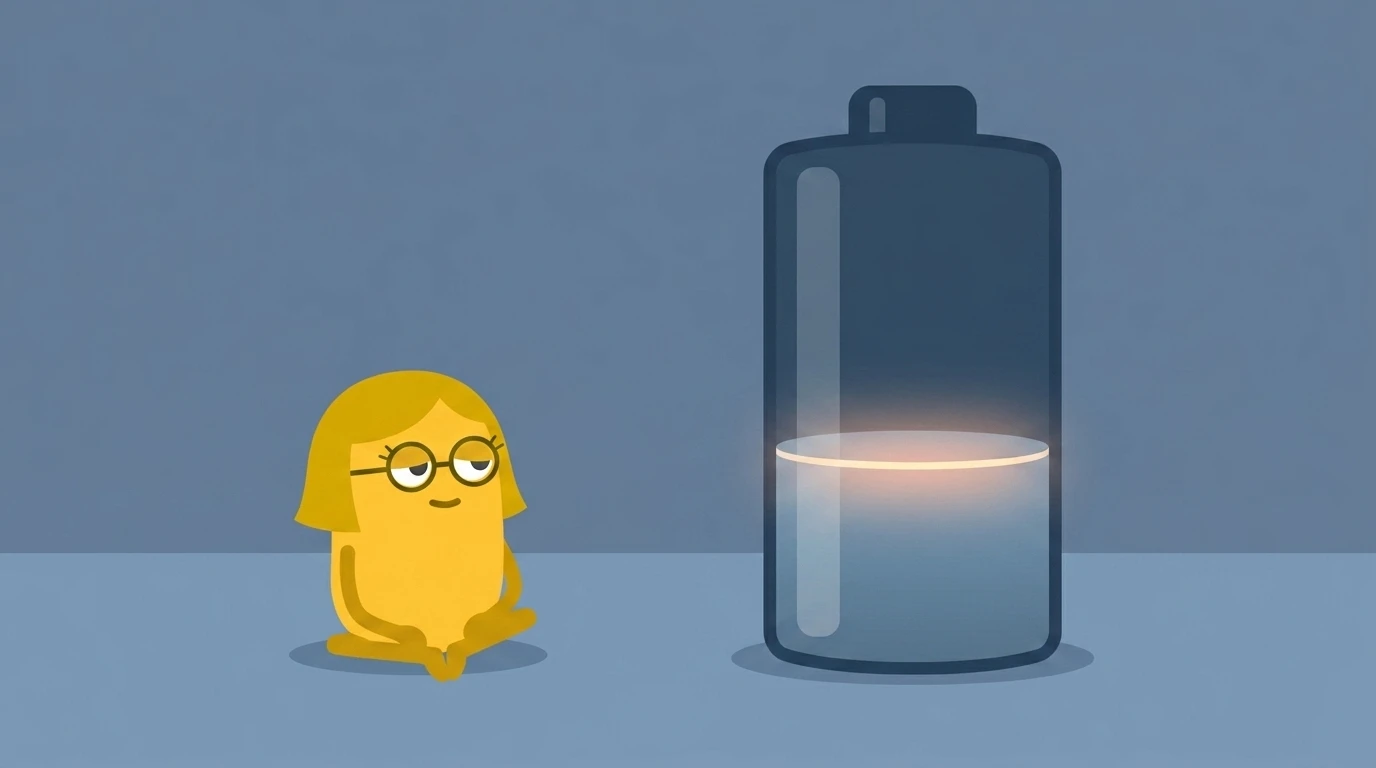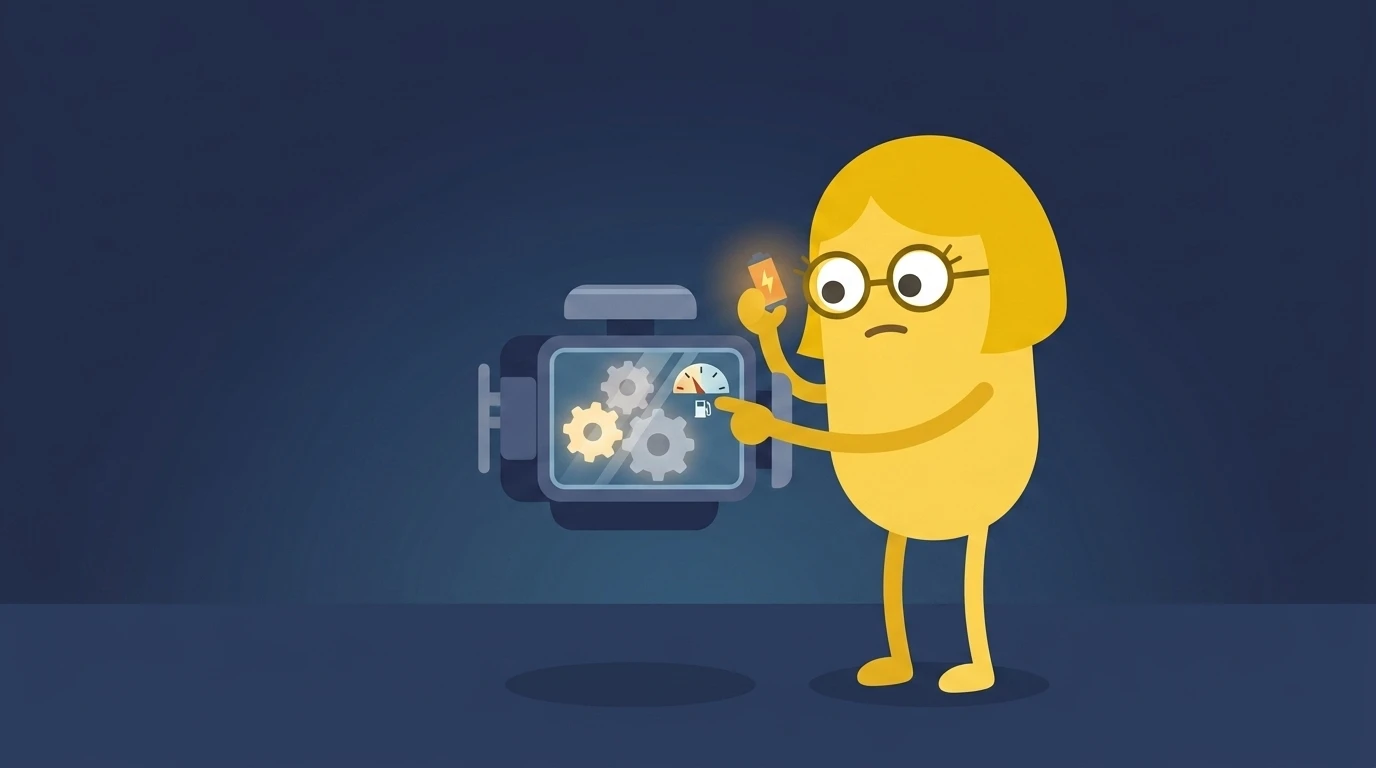

A dopamine detox is a structured period of reducing high-stimulation activities — social media, gaming, junk food, pornography — to restore your brain's sensitivity to everyday rewards. It doesn't literally "detox" dopamine from your system. What it does, supported by neuroscience research on receptor upregulation, is allow your overstimulated reward circuits to recalibrate so that normal pleasures feel satisfying again.
The term went viral through Thibaut Meurisse's book and YouTube self-improvement culture, but the science behind it predates the trend by decades. Dr. Anna Lembke, chief of the Stanford Addiction Medicine Dual Diagnosis Clinic, explains the principle in Dopamine Nation: the brain maintains a pleasure-pain balance. Flood one side with high-intensity stimulation for long enough, and the brain compensates by dulling its response. The result — needing more and more stimulation to feel anything — is exactly what 27,000 people search for help with every month.
What Does Dopamine Detox Mean?
Dopamine detox means voluntarily removing or reducing activities that produce unnaturally high dopamine responses. The term is a simplification — you're not removing dopamine itself, which is essential for movement, motivation, and survival. You're reducing the behaviors that have desensitized your dopamine receptors through chronic overstimulation.
Think of it this way: if you've been listening to music at maximum volume for months, normal conversation sounds inaudible. A dopamine detox is turning the volume down so your ears can hear quiet sounds again.
What gets targeted:
• Social media scrolling (designed for variable-ratio reward schedules — the same mechanism as slot machines)
• Video games (rapid feedback loops with escalating challenge)
• Pornography (supernormal stimuli that no real-world experience matches)
• Junk food (engineered salt-sugar-fat combinations that override satiety signals)
• News/outrage content (threat-based dopamine activation)
What stays:
• Exercise (healthy dopamine through effort)
• Face-to-face social interaction
• Nature exposure
• Creative work (writing, drawing, building)
• Cooking real food
• Reading physical books
Does Dopamine Detox Work?
Yes — but the mechanism isn't what most people think.
Dr. Nora Volkow's imaging research at the National Institute on Drug Abuse demonstrates that dopamine D2 receptor availability decreases with chronic overstimulation and recovers during abstinence periods. Her studies on substance use show measurable receptor density recovery within weeks of reduced stimulation (Volkow et al., 2001). While these studies focused on substance addiction, the principle applies to behavioral overstimulation: the same receptor systems are involved.
Berridge and Robinson's research clarifies an important distinction: dopamine drives wanting (motivation to pursue), not liking (pleasure from having). This means a desensitized dopamine system doesn't just reduce pleasure — it reduces your motivation to pursue anything that isn't immediately, intensely rewarding. That's why everything feels boring. Not because the activities changed, but because your brain's motivation system needs a stronger signal to engage.
What the evidence supports:
• 2-4 weeks of reduced high-stimulation behavior produces measurable changes in receptor sensitivity
• The first 3-5 days are the hardest (the brain actively craves its accustomed stimulation level)
• Targeted abstinence (removing specific problematic behaviors) works better than total elimination of all pleasure
• The effects compound: each week of reduced stimulation makes the following week easier
What the evidence does NOT support:
• 24-hour "dopamine fasts" producing lasting change (too short for receptor upregulation)
• Eliminating ALL pleasurable activity (counterproductive — healthy dopamine sources maintain baseline function)
• Permanent rewiring from a single detox period (maintenance strategies are necessary)