What Sugar Addiction Symptoms Actually Look Like
The term "sugar addiction" gets used loosely. Here are the specific behavioral and physical patterns that distinguish dependence from ordinary preference:
Behavioral indicators:
• Eating sugar even when you've decided not to and don't feel hungry
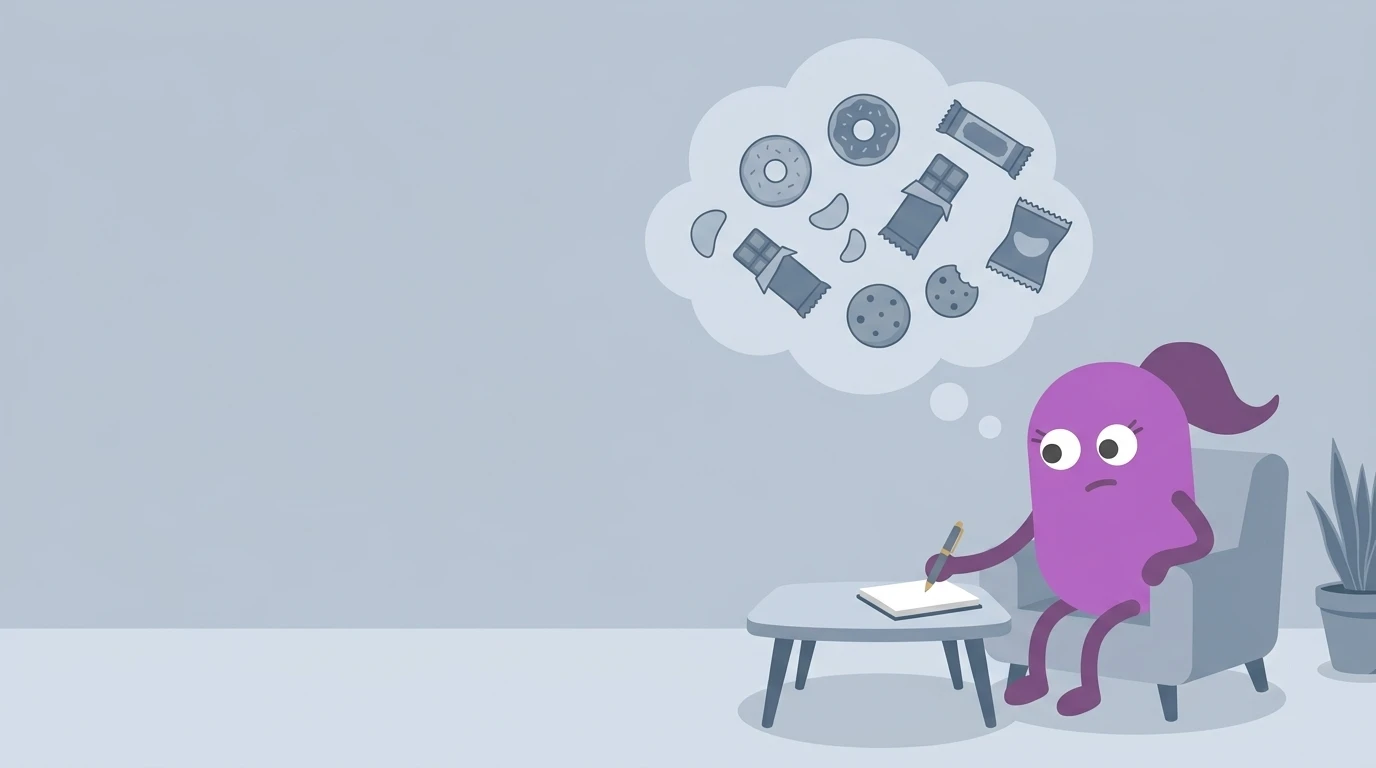
• Thinking about sugar or planning when you'll eat it disproportionate to other foods
• Feeling unable to stop after one serving in situations where you intend to
• Hiding food consumption or feeling shame that you wouldn't feel about other eating choices
• Eating sugar as an emotional response to stress, boredom, or low mood rather than hunger
Physical indicators:
• Energy crashes 1-2 hours after consuming high-sugar foods
• Headaches, brain fog, or irritability when you go several hours without sugar
• Waking up wanting something sweet before other hunger
• Reduced satisfaction from the same amount of sugar over time (tolerance)
The Yale Food Addiction Scale, developed by Dr. Ashley Gearhardt and colleagues, is the most validated assessment tool for problematic eating. Research using this scale consistently finds that ultra-processed foods high in sugar and fat score highest for addiction-like eating patterns — higher than any single whole food.
Sugar Withdrawal: What to Expect When You Cut Back
One of the most important things to understand — and one of the reasons so many sugar reduction attempts fail — is that withdrawal is real and follows a predictable timeline.
When you significantly reduce sugar intake, dopamine production temporarily drops below baseline. Your brain, accustomed to regular external dopamine boosts, doesn't immediately compensate by upregulating natural production. The gap produces symptoms that many people interpret as evidence they "need" sugar.
Days 1-2: Heightened cravings, irritability, difficulty concentrating. Many people report strong urges to eat sugar that feel almost physical.
Days 2-4: Peak withdrawal period. Fatigue, headaches, and mood dips are common. Sleep may be disrupted. This is the window where most attempts fail — not because the person lacks willpower, but because they didn't know the intensity of this phase was normal and temporary.
Days 5-10: Symptoms begin to lift. Energy starts to stabilize. Cravings become less intense, though they remain present.
Days 14-28: Most physical withdrawal resolves. Psychological cravings — contextual urges driven by habit (dessert after dinner, coffee with something sweet) — continue but decrease in intensity with each pass through the trigger context without acting on them.
Understanding this timeline doesn't make withdrawal comfortable, but it transforms the experience. Knowing "this peaks in 3 days and I will feel different by day 5" is dramatically more useful than treating each craving as evidence of permanent failure.
How to Break a Sugar Addiction: What the Evidence Supports
Start with Protein at Breakfast
This is the single most evidence-supported dietary intervention for reducing sugar cravings throughout the day. The protein leverage hypothesis, developed by researchers Simpson and Raubenheimer, demonstrates that protein intake powerfully regulates overall energy consumption.
Practically: eating 25-30 grams of protein at breakfast (eggs, Greek yogurt, cottage cheese, protein shake) significantly reduces cravings for sweet foods in the hours that follow. The mechanism involves satiety hormones — specifically GLP-1 and PYY — that remain elevated longer when protein is consumed early, reducing the blood glucose swings that trigger cravings.
Don't Rely on Willpower During the First Week
Willpower is a depleting resource that runs lowest exactly when you need it most — when you're tired, stressed, or encountering familiar cue-response patterns. Environmental design is more reliable.
Effective environmental strategies:
• Remove high-sugar processed foods from the home (the friction of having to leave to get something dramatically reduces consumption)
• Plan specific alternative foods for craving moments before the cravings occur
• Identify the 2-3 specific contexts where you consume the most sugar (post-dinner, mid-afternoon slump, coffee shops) and design specific plans for those moments
Address the Emotional Function
For many people, sugar serves a function beyond taste preference — it's a reliable, fast-acting, socially acceptable mood elevator. When you remove it without replacing the function, the void becomes unbearable.
Research on emotional eating consistently shows that addressing the emotion directly — through movement, social connection, brief mindfulness practices, or structured relaxation — is more effective than substituting one food for another. The goal is not to find a "better" treat but to develop a repertoire of non-food responses to the emotional states that trigger eating.
Use the First Two Weeks Strategically
Natural sugar (from whole fruit, for example) is not the same neurological problem as added sugar. Fruit contains fiber that slows glucose absorption, dramatically reducing the dopamine spike compared to refined sugar. During the first two weeks, leaning on whole fruit to satisfy sweet cravings is a reasonable harm-reduction strategy while the more intense withdrawal resolves.
Key Stat: In a study published in the American Journal of Clinical Nutrition, researchers Bray and Popkin found that high added sugar consumption is directly associated with insulin resistance, metabolic syndrome, and weight gain — separate from its calorie content. — Source: Bray, Popkin 2018
What Doesn't Work (Despite Being Commonly Recommended)
Artificial sweeteners: The research is mixed, but multiple studies suggest that artificial sweeteners do not reliably reduce sugar cravings and may actually maintain the psychological pattern of seeking sweetness as a reward. For some people, they work as a transitional tool. For others, they perpetuate the dependence without delivering any of the nutrition upside.
Cold turkey without preparation: Abrupt elimination is more likely to succeed than gradual reduction in clinical addiction settings. But for sugar, going cold turkey without environmental preparation, a plan for withdrawal symptoms, and an understanding of the timeline dramatically increases the failure rate.
Shaming-based motivation: Feeling bad about eating sugar doesn't reduce sugar consumption — it typically increases it. Negative emotional states are one of the primary triggers for sugar seeking. The shame → craving → consumption → more shame cycle is one of the most common patterns in problematic eating.
How GetMotivated.ai Supports Sugar Reduction
Breaking a sugar addiction is a behavioral change that requires what the research clearly shows produces results: structure, accountability, and a system that persists through the hardest days.
Apps like Noom and Weight Watchers offer point-tracking systems, but tracking what you ate yesterday doesn't help with the craving you're experiencing right now at 3 PM. Whole30 provides clear rules but no community support during the brutal first week. Zero focuses on fasting windows but doesn't address the dopamine mechanics underneath cravings.
GetMotivated.ai takes a different approach: structured 30-day challenges designed specifically around habit formation and accountability, paired with buddy matching — so you have a consistent person who checks in on you during the days when cravings peak. For sugar reduction specifically, knowing someone expects your daily check-in creates the external accountability that makes the difference during days 2-4 of withdrawal when most people quit.
The AI coaching feature helps you identify your specific trigger contexts and build concrete response plans before you're in the middle of a craving and unable to think clearly. The goal is the same as any evidence-based behavior change approach: reduce reliance on willpower by building systems that make the healthy choice the easier choice.