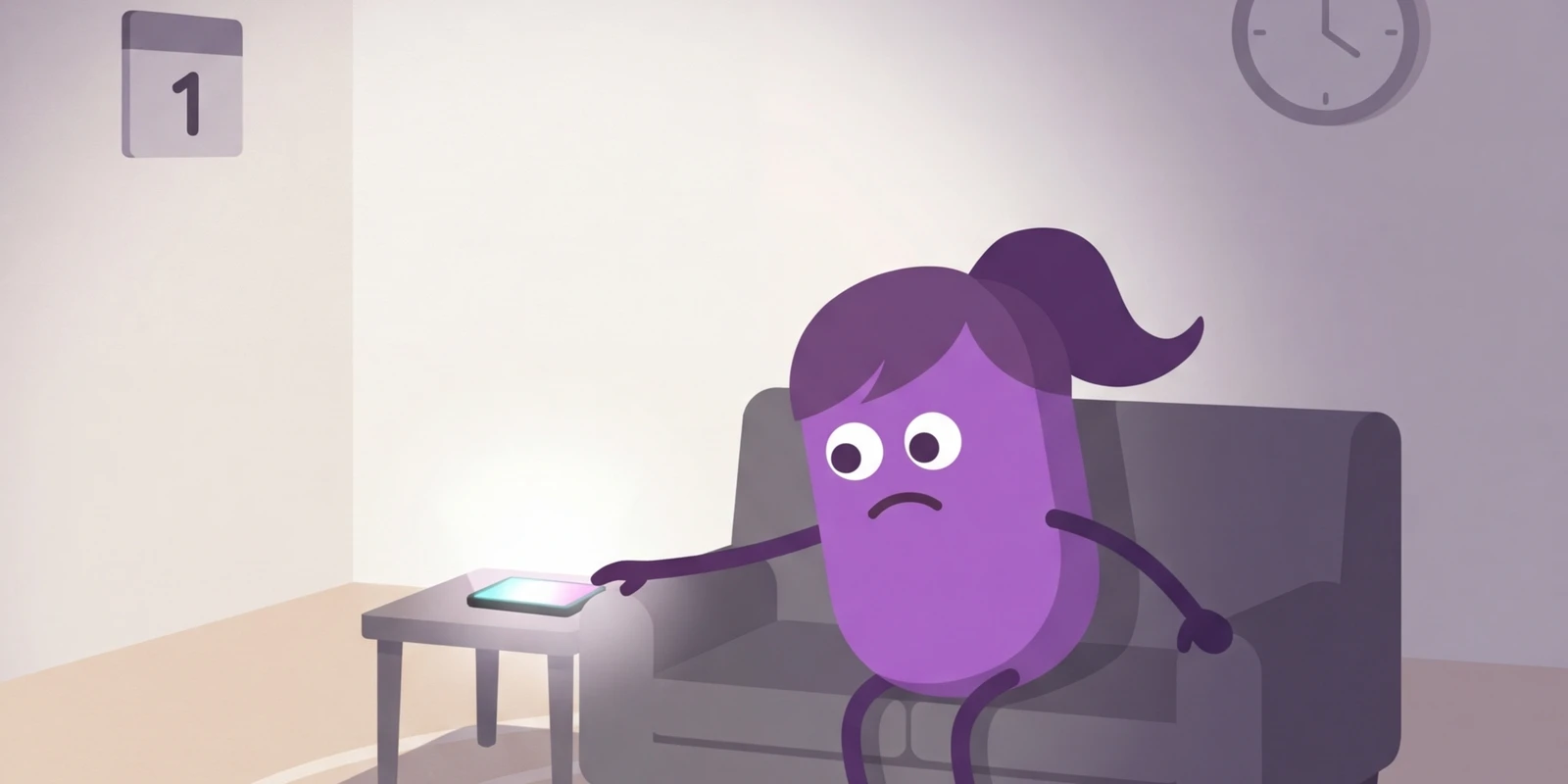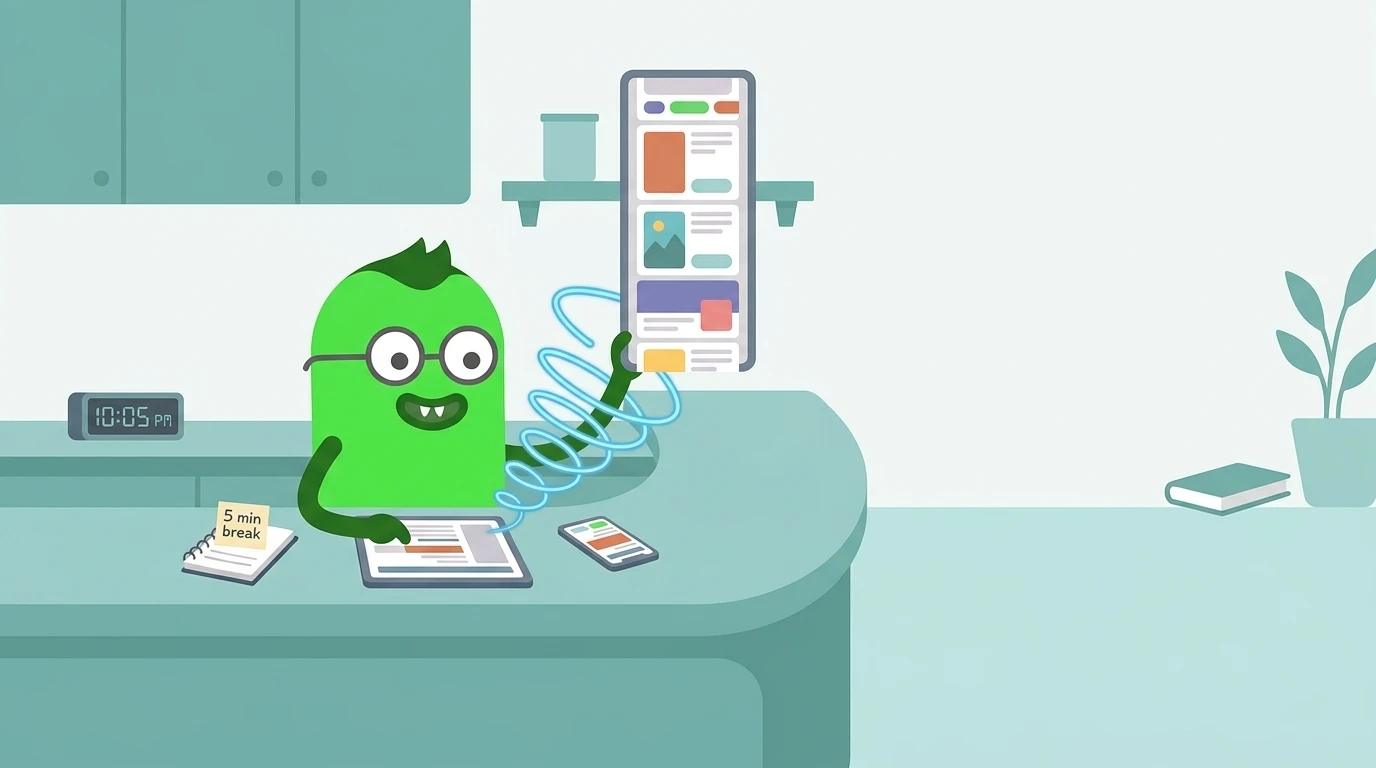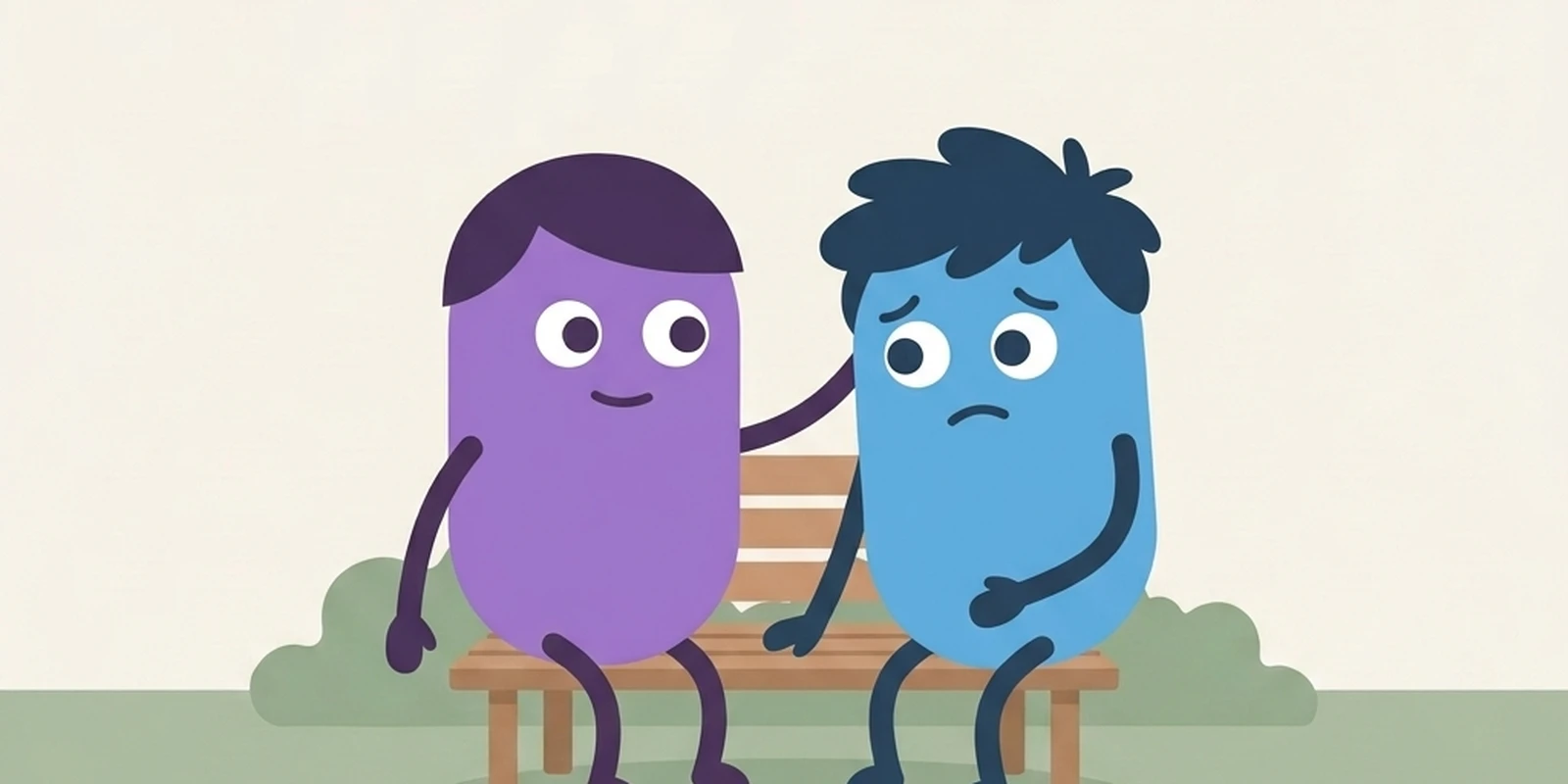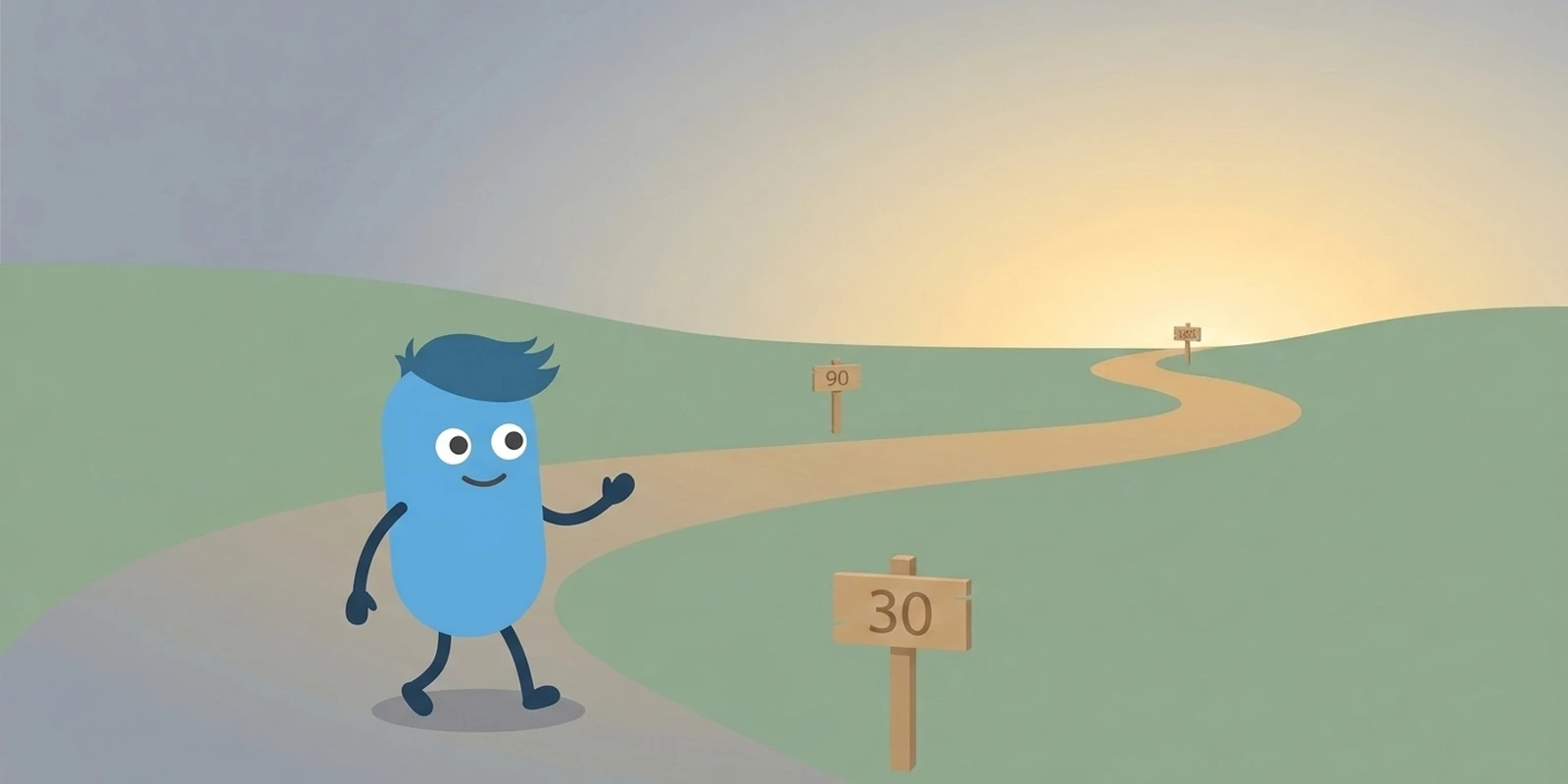
7-Day Dopamine Detox Challenge: Your Day-by-Day Guide
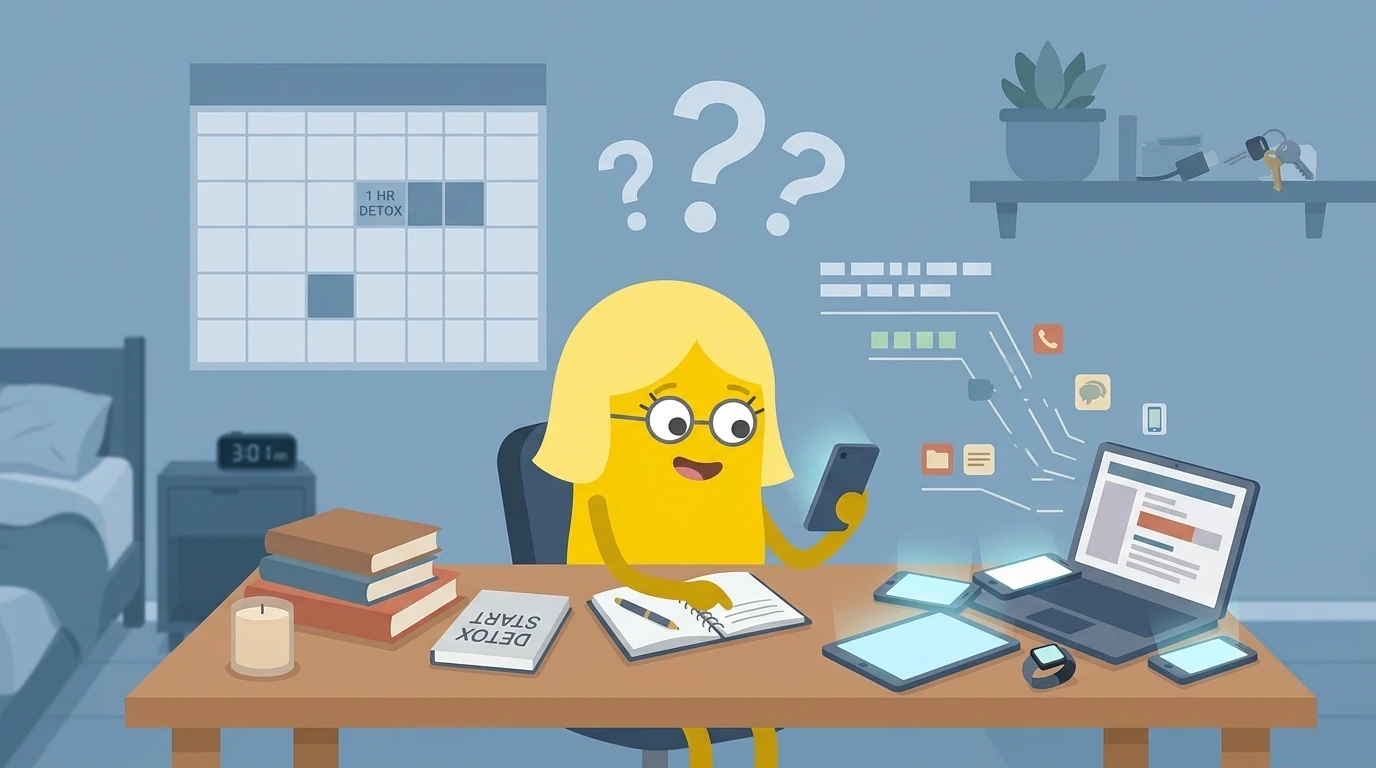
A structured 7-day dopamine detox challenge with specific daily actions — not vague advice. What to do each day, what to expect, and how to handle the hardest moments when your brain fights back.
22 posts tagged with "habit breaking"

A structured 7-day dopamine detox challenge with specific daily actions — not vague advice. What to do each day, what to expect, and how to handle the hardest moments when your brain fights back.

A dopamine detox for ADHD works differently than for neurotypical brains — and standard advice can backfire badly. Here's what the neuroscience says and what actually works for the ADHD dopamine system.

Porn addiction is defined not by how often you watch, but by compulsive use despite negative consequences — continuing when you've decided to stop, hiding use from people close to you, and finding that it's affecting your relationships, work, or mental health. Here are the 5 signs clinicians actually look for.

Online support groups for porn recovery range from moderated Reddit communities to structured programs with trained facilitators. The most effective aren't just places to vent — they provide consistent accountability, shared progress tracking, and the social structure that research shows is essential for lasting behavior change.

Faith-based porn recovery combines spiritual accountability, community support, and evidence-based behavioral change strategies. For Christians, quitting porn isn't just a habit change — it's a spiritual, relational, and neurological challenge that requires all three.

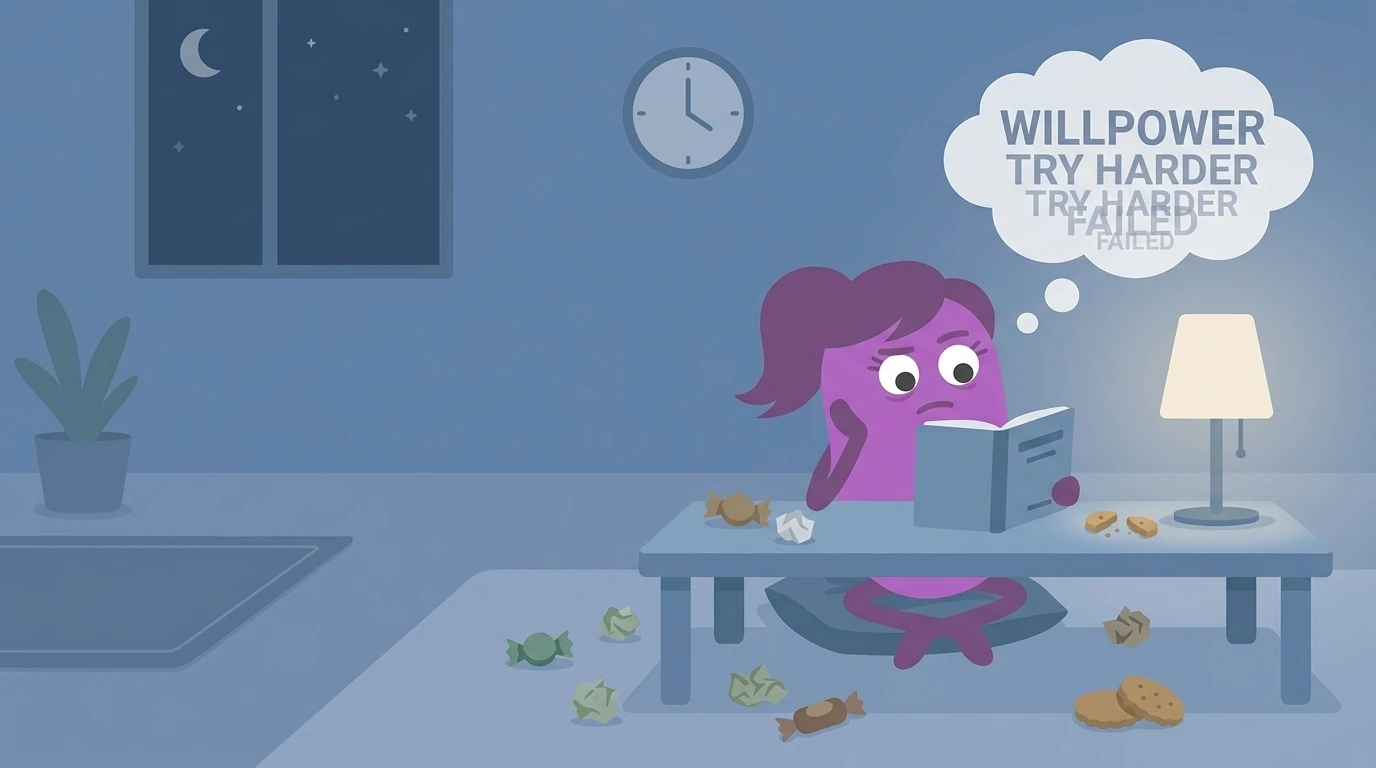
Breaking bad habits fails when you rely on willpower because the brain doesn't unlearn habits — it overwrites them. Here's what neuroscience actually says about why habits persist, and the specific strategies that create lasting behavioral change.

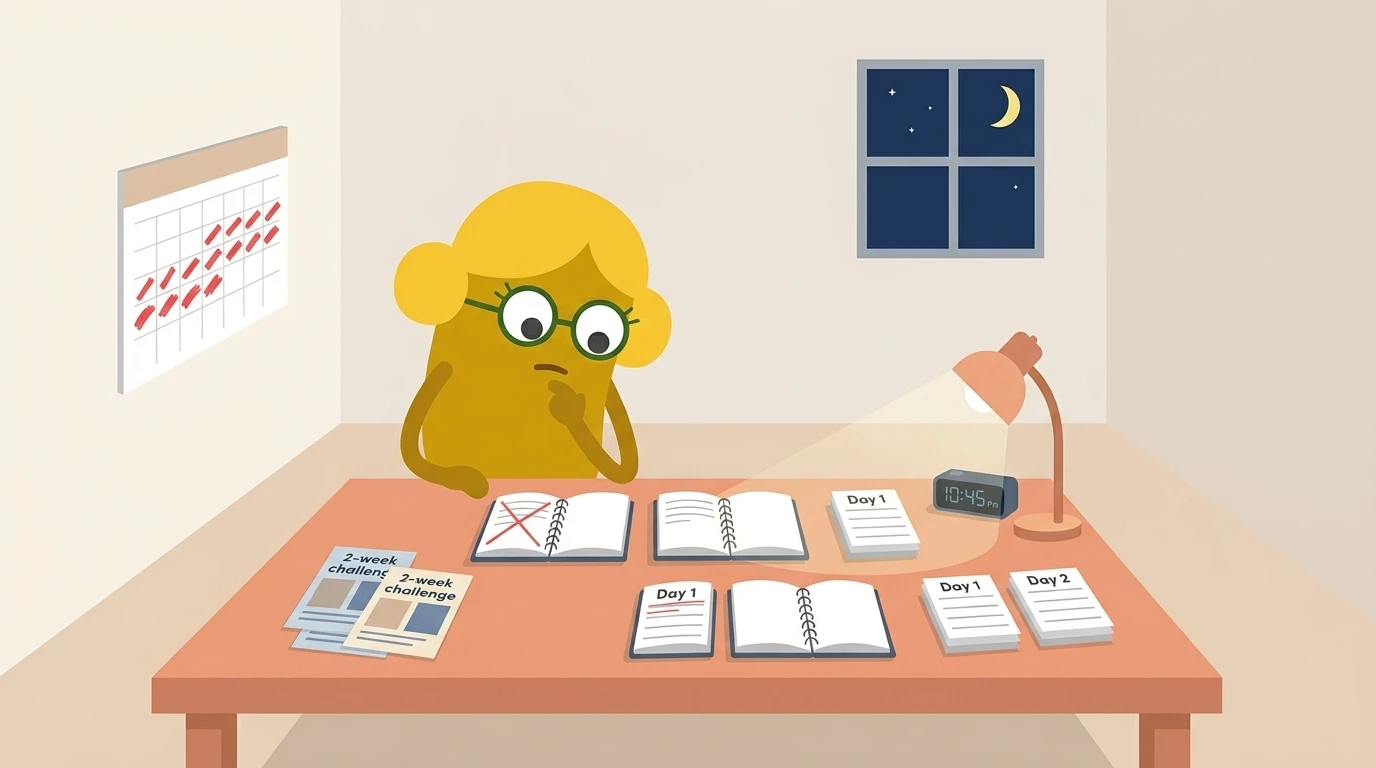
Most new habits fail within weeks — not because people lack willpower, but because the habit isn't designed to survive real life. Here's what the science says about why habits collapse and what reliably prevents it.

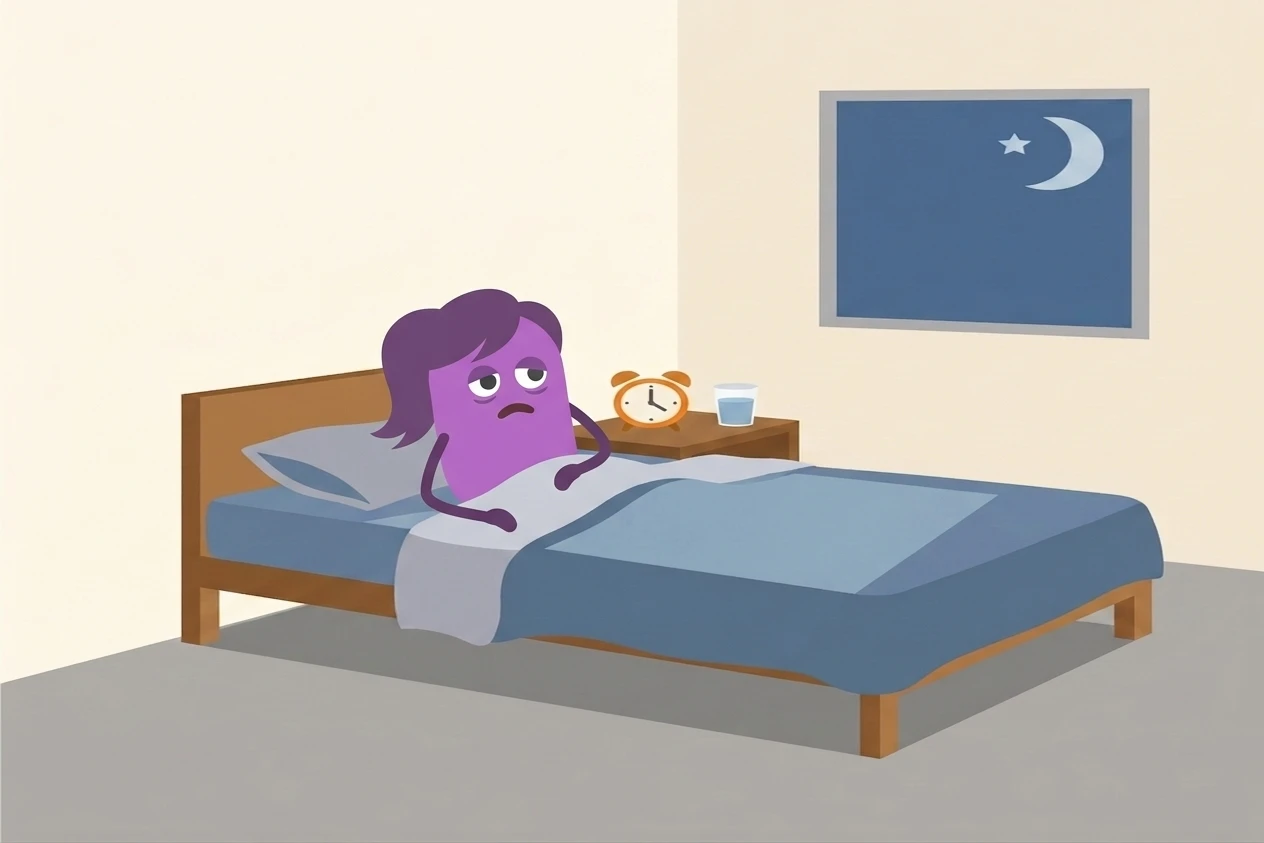
Alcohol sedates you but doesn't produce sleep — it produces a neurologically different state that suppresses REM sleep, causes rebound arousal at 3-4 AM, and leaves you more tired than if you hadn't drunk at all. Here's the science and what to do instead.

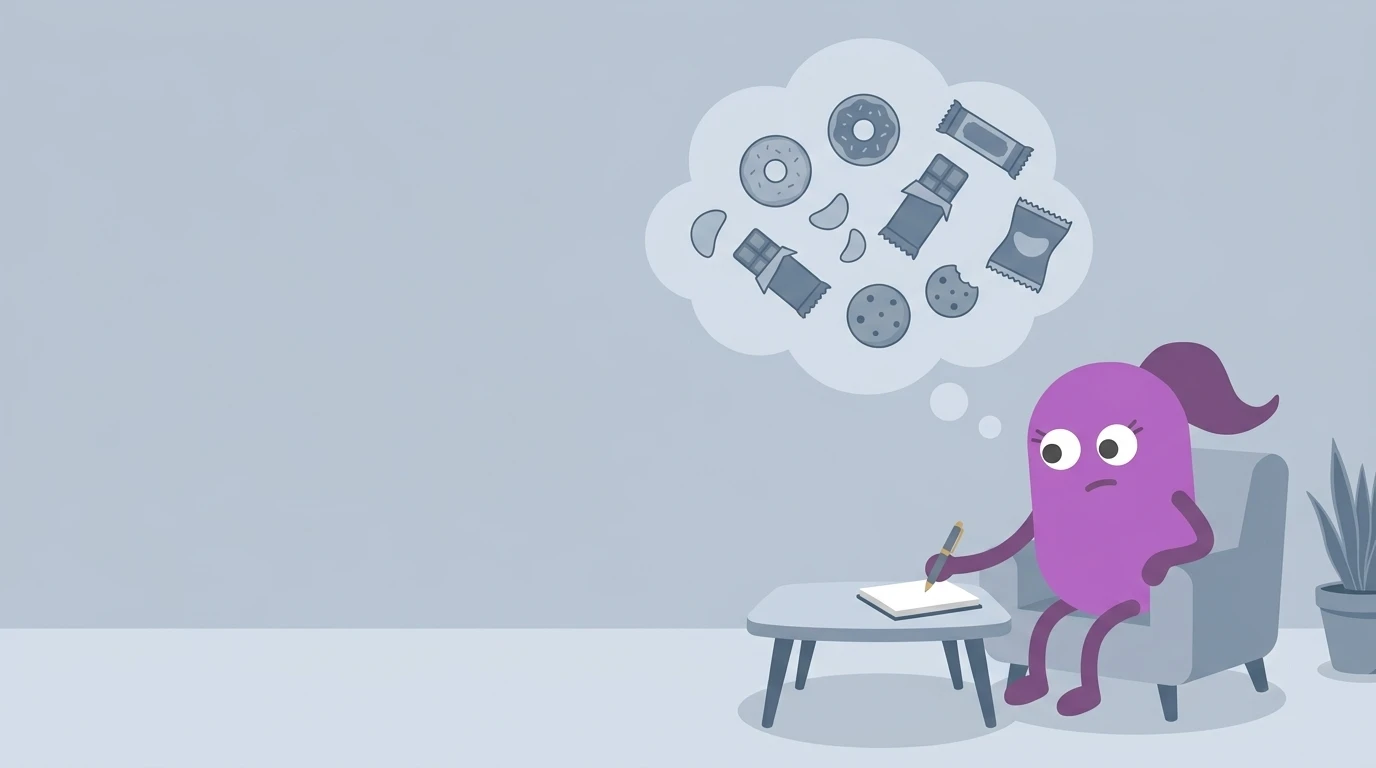
Sugar addiction is a real neurological phenomenon — not a lack of willpower. Research shows sugar triggers the same dopamine reward pathways as addictive drugs. Here's what the science says and what actually helps you quit the cycle.

Relapsing doesn't mean you failed — it means your brain is doing exactly what addiction trained it to do. Here's the neuroscience behind why relapse happens, what makes it so predictable, and what the evidence says about breaking the cycle for good.

Social media addiction hijacks your brain's dopamine system through variable reward schedules — the same mechanism that makes slot machines addictive. Here's what the research shows about how it works and how to break the cycle.

An accountability partner for porn addiction is the single most evidence-backed social intervention for recovery — more effective than willpower or apps alone. Here's what the research says and how to find one that actually works.

Porn addiction recovery follows a predictable timeline: acute withdrawal in the first two weeks, dopamine stabilization by 90 days, and lasting rewiring by one year. Here's what research and recovery data show about each phase — and what to expect at every stage.

If you can't stop watching porn despite wanting to quit, it's not a willpower failure — it's neuroscience. Compulsive porn use rewires the brain's dopamine system the same way other behavioral addictions do. Here's what's happening and what actually helps.

Porn-induced erectile dysfunction (PIED) is real erectile dysfunction caused by chronic pornography use rewiring the brain's dopamine system. It affects men of all ages and is largely reversible through abstinence and structured behavioral change.

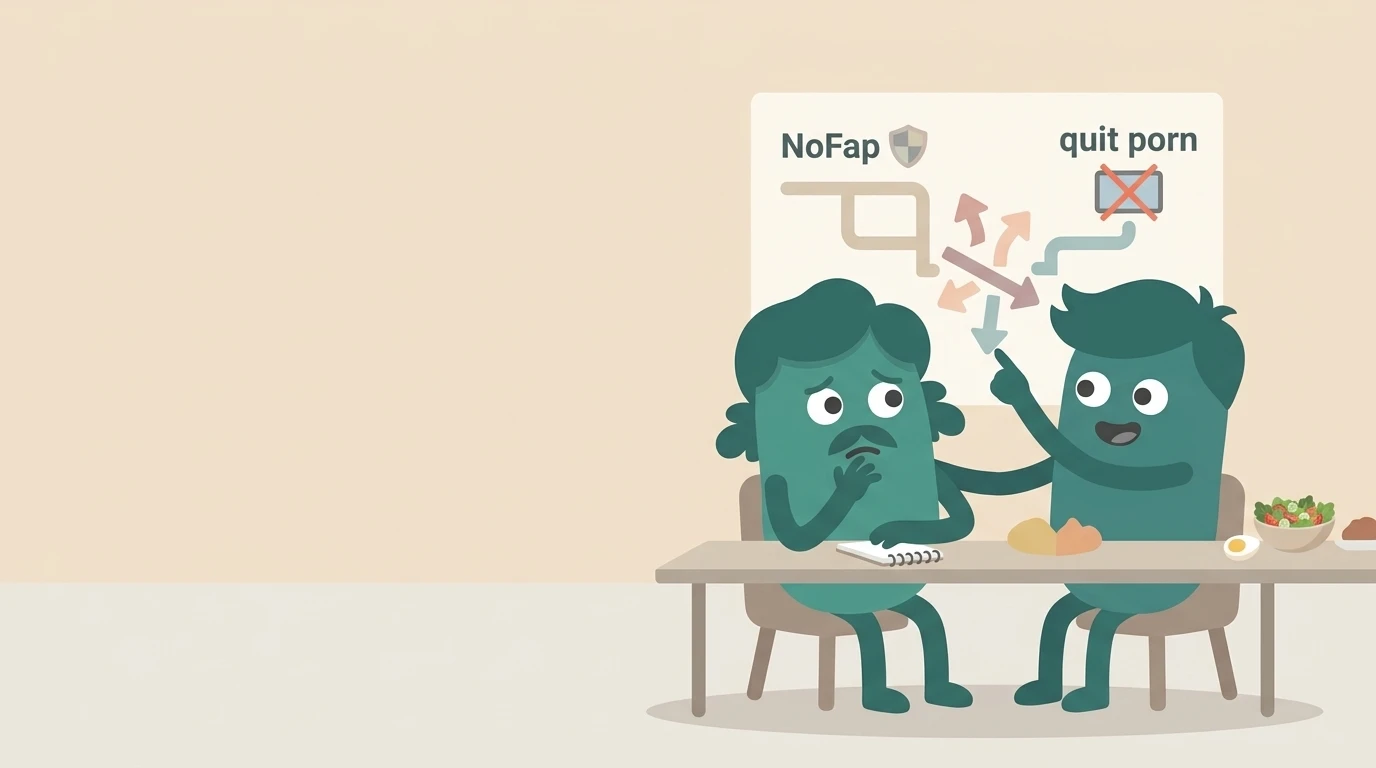
NoFap means abstaining from masturbation and pornography; no porn means quitting porn while allowing masturbation. Research suggests quitting porn specifically is the critical variable — but structure and accountability determine whether either approach actually sticks.

Rewiring your brain from porn addiction takes 60–90 days for initial neurological changes, but meaningful recovery typically unfolds over 6–12 months. Here's what the research says about each stage and what actually accelerates healing.

A no-porn challenge produces measurable benefits: improved dopamine sensitivity, better erectile function, reduced anxiety, and stronger relationship satisfaction — most within 30–90 days of abstinence. Here's what the research actually shows.

Porn addiction withdrawal is real. When you stop watching pornography after heavy use, your brain's dopamine system rebounds — causing mood swings, irritability, insomnia, and intense cravings. Most acute symptoms peak in the first 2-4 weeks and improve significantly within 90 days.

A 30-day no porn challenge follows a predictable arc: craving intensity peaks around days 3-7, stabilizes by week 2, and shifts to rewiring by weeks 3-4. Here's exactly what happens to your brain and behavior at each stage.

An accountability partner is someone who helps you follow through on goals by creating mutual commitment and consistent check-ins. Research shows accountability increases goal completion rates by up to 65%. Here's how to find the right one — and what makes them effective.

Compulsive pornography use rewires your brain's reward system, but neuroscience also shows the path back. This guide breaks down the science, the proven strategies, and how structured accountability dramatically improves recovery outcomes.