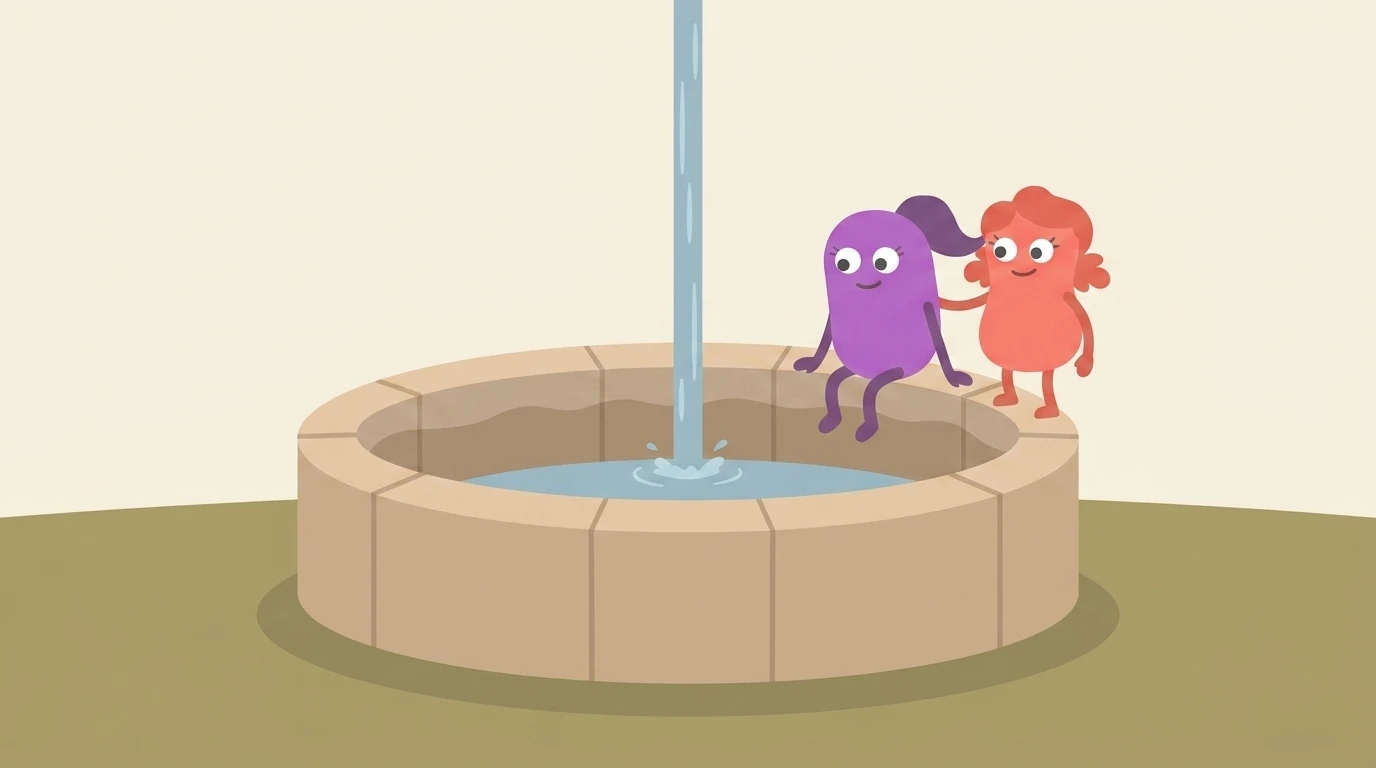
How to Improve Self-Control
Self-control is not a personality trait or a system you build once. Research shows it behaves like a resource that depletes, refills, and shifts with the time of day.
Rachel SteinRead →

34 posts tagged with "self-control"
Next time you search, our newest guide shows up.
Self-control is not a personality trait or a system you build once. Research shows it behaves like a resource that depletes, refills, and shifts with the time of day.
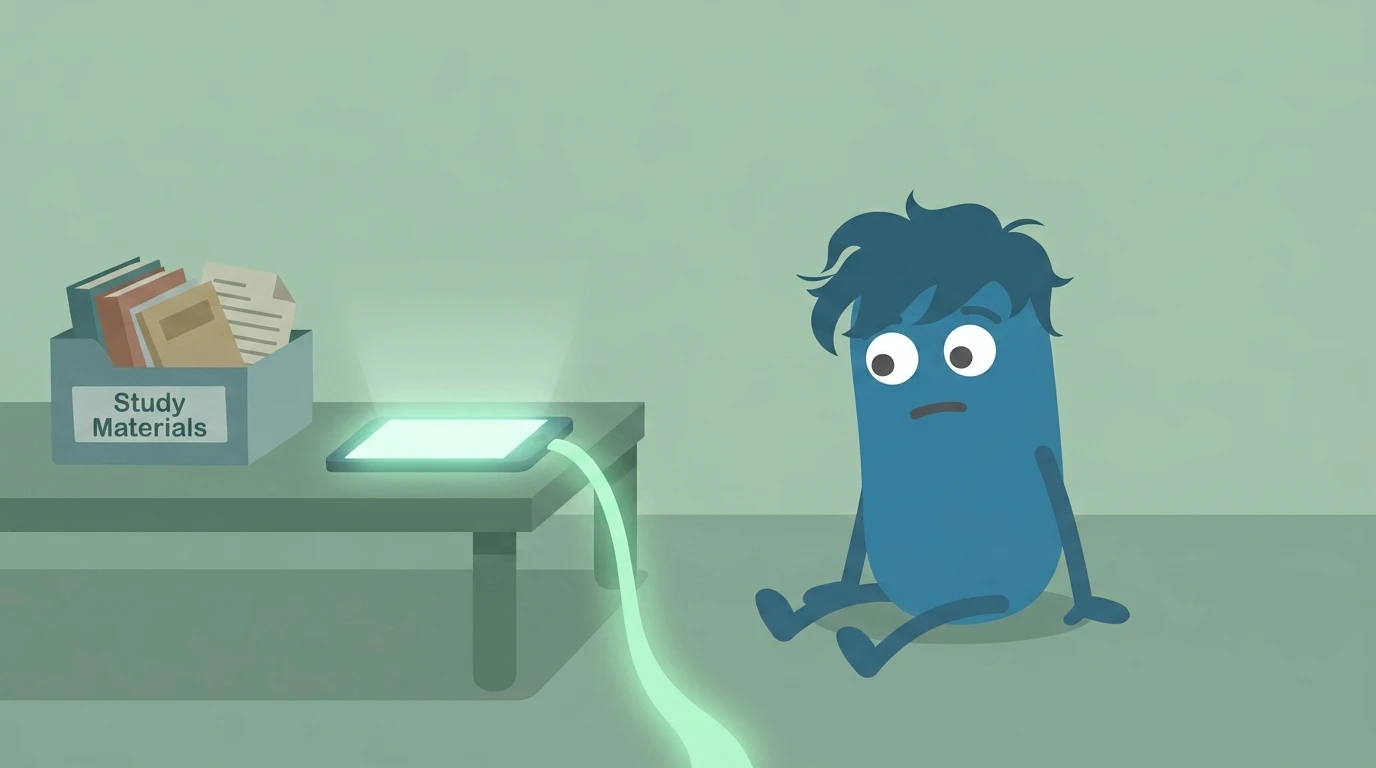
Phone use does not just steal time. It runs through a specific chain, from lower self-control to higher anxiety to procrastination, and each link in that chain is where you can intervene.
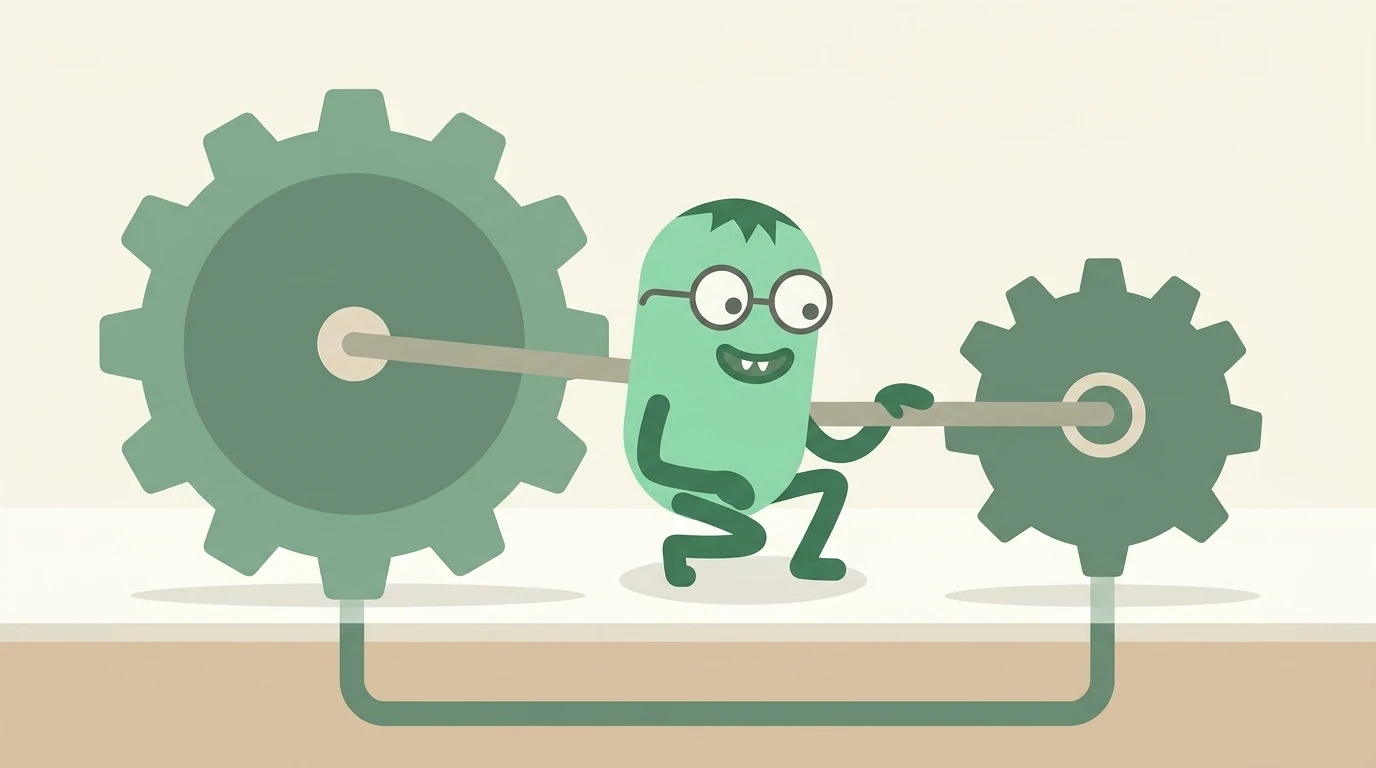
Motivation fades and willpower-style discipline runs out. What predicts follow-through is a system: specific if-then plans, routines that remove decisions, and protecting a limited resource instead of demanding more of it.
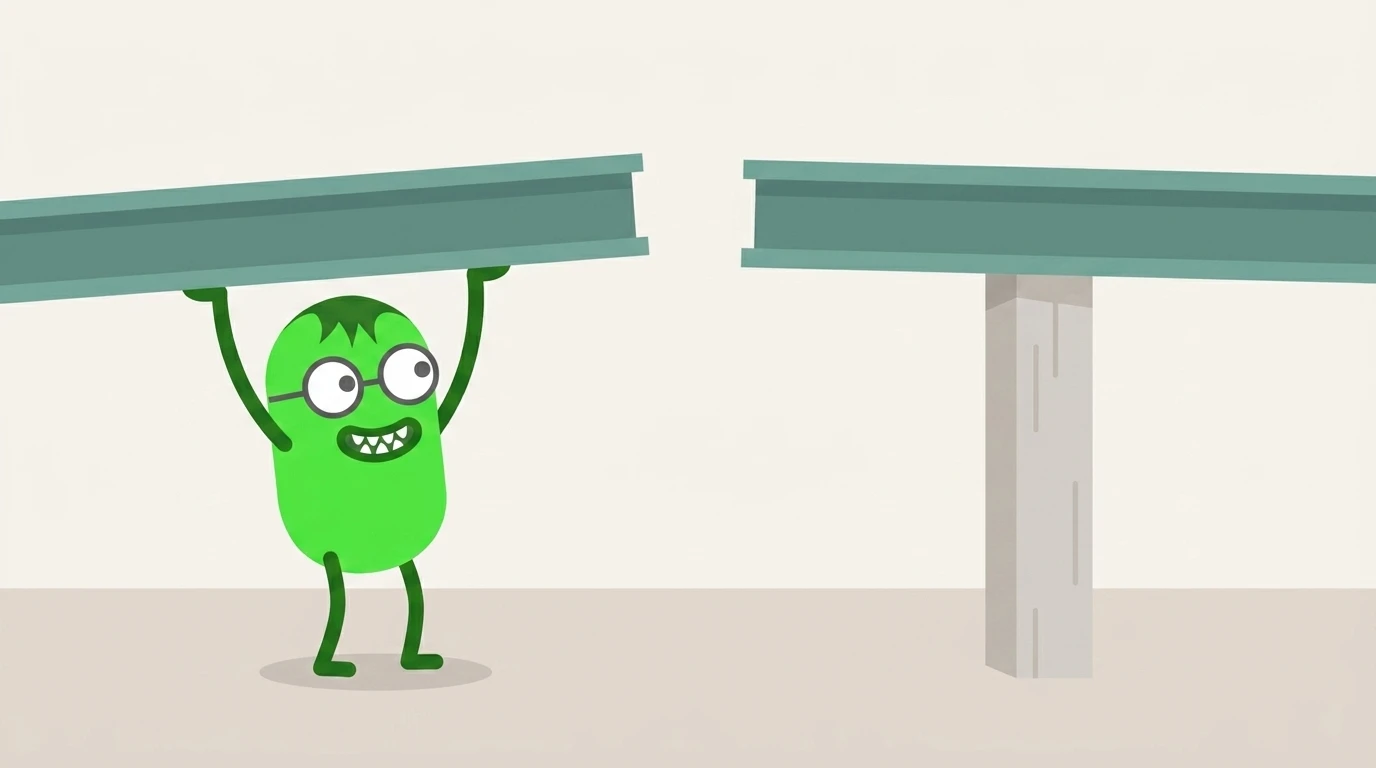
Discipline is not a personality trait you either have or lack. It is a depletable, trainable resource, and the research shows what actually depletes and rebuilds it.
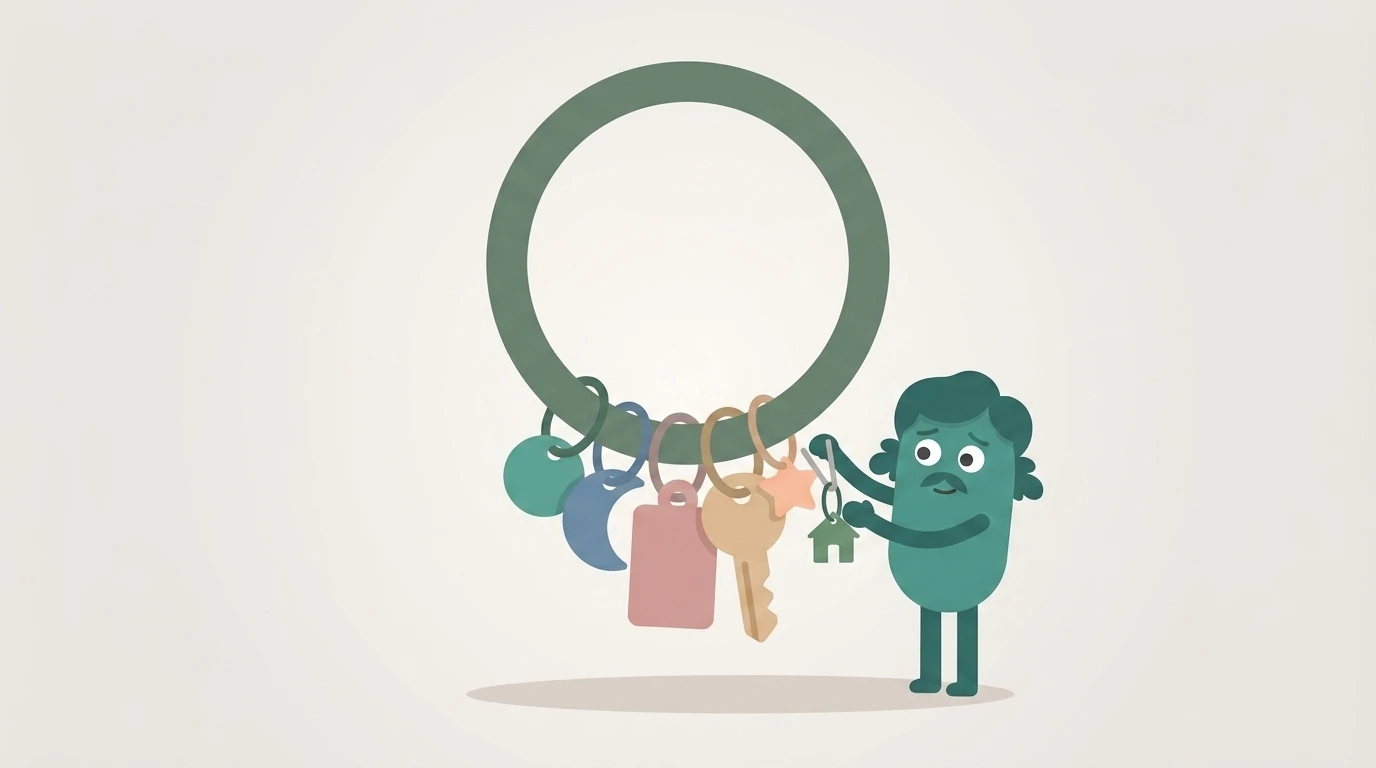
Twenty ready-to-use Tiny Habits recipes across mornings, work, health, and focus — each written as 'After I [anchor], I will [tiny behavior]' so you can copy one and start today.
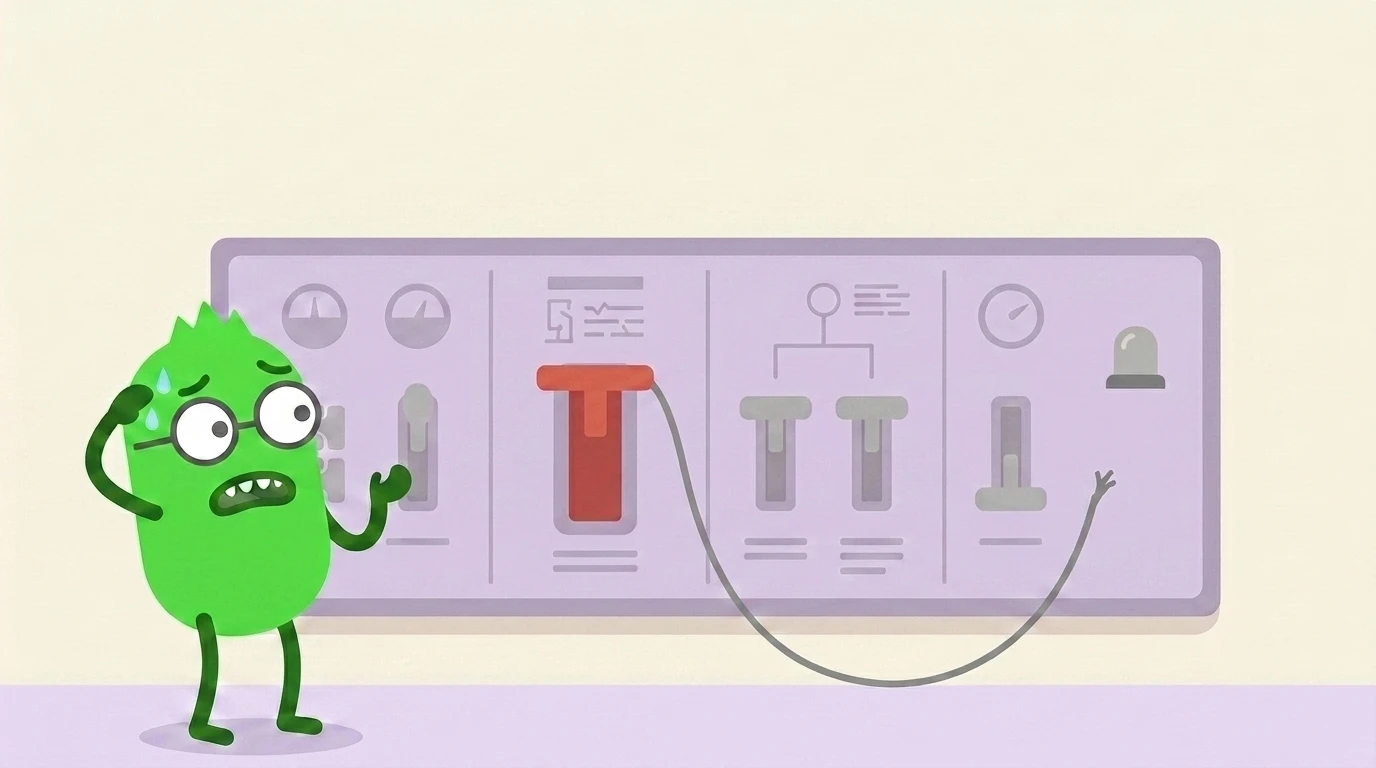
Executive dysfunction is a measurable breakdown in the brain's planning and follow-through system — not a personality flaw. Here's what causes it, how it relates to ADHD, and what actually helps.
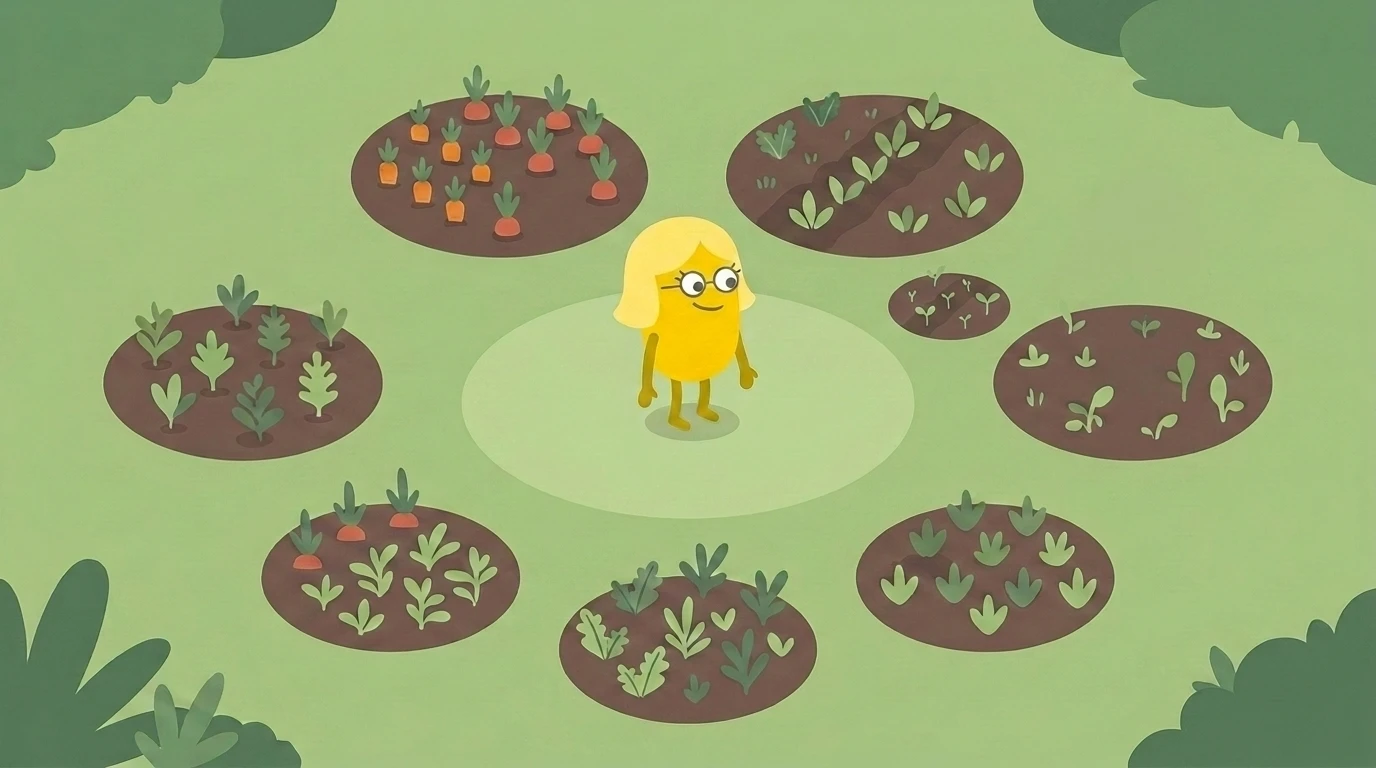
Whole person health breaks into eight self-care areas: movement, food, rest, growth, relationships, meaning, surroundings, and the mind, arranged around your own values. This is the map behind the VA Whole Health model, explained area by area.
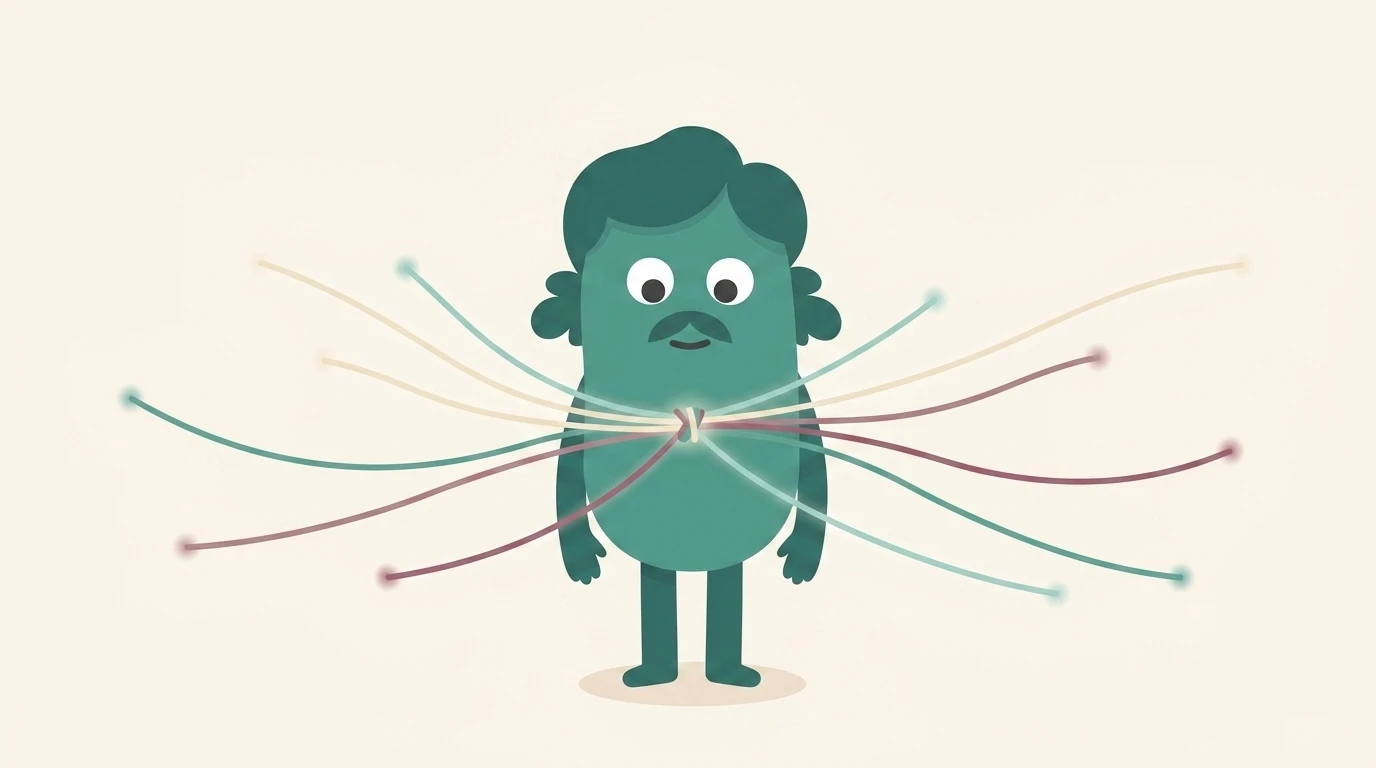
Whole person health looks at your body, mind, relationships, environment, and sense of meaning as one connected system, not a list of separate symptoms. This guide covers the model, the evidence behind it, and how it applies to chronic pain and everyday wellbeing.
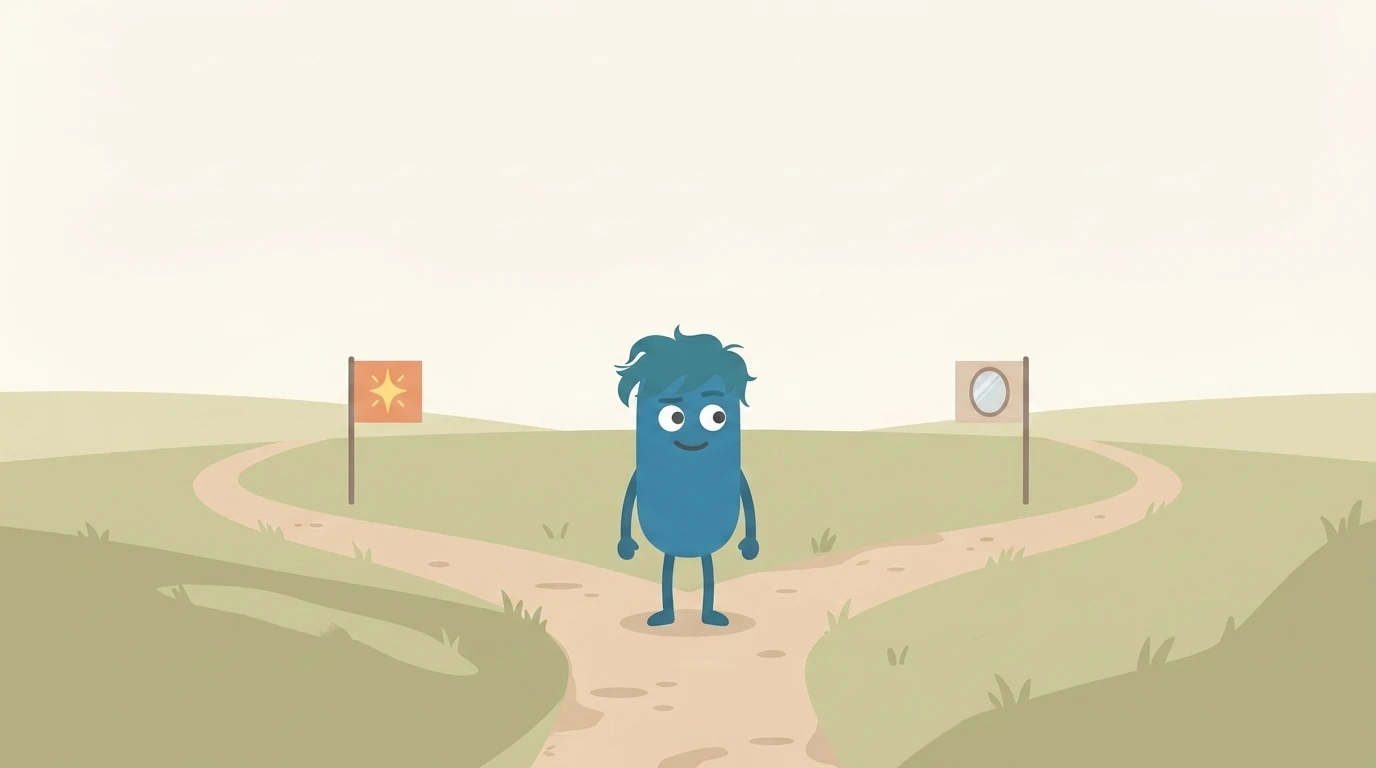
Tiny Habits and Atomic Habits agree that small actions beat big goals. They differ on the engine: Fogg builds habits with immediate emotion (celebration), while Clear builds them with cues, cravings, and identity.
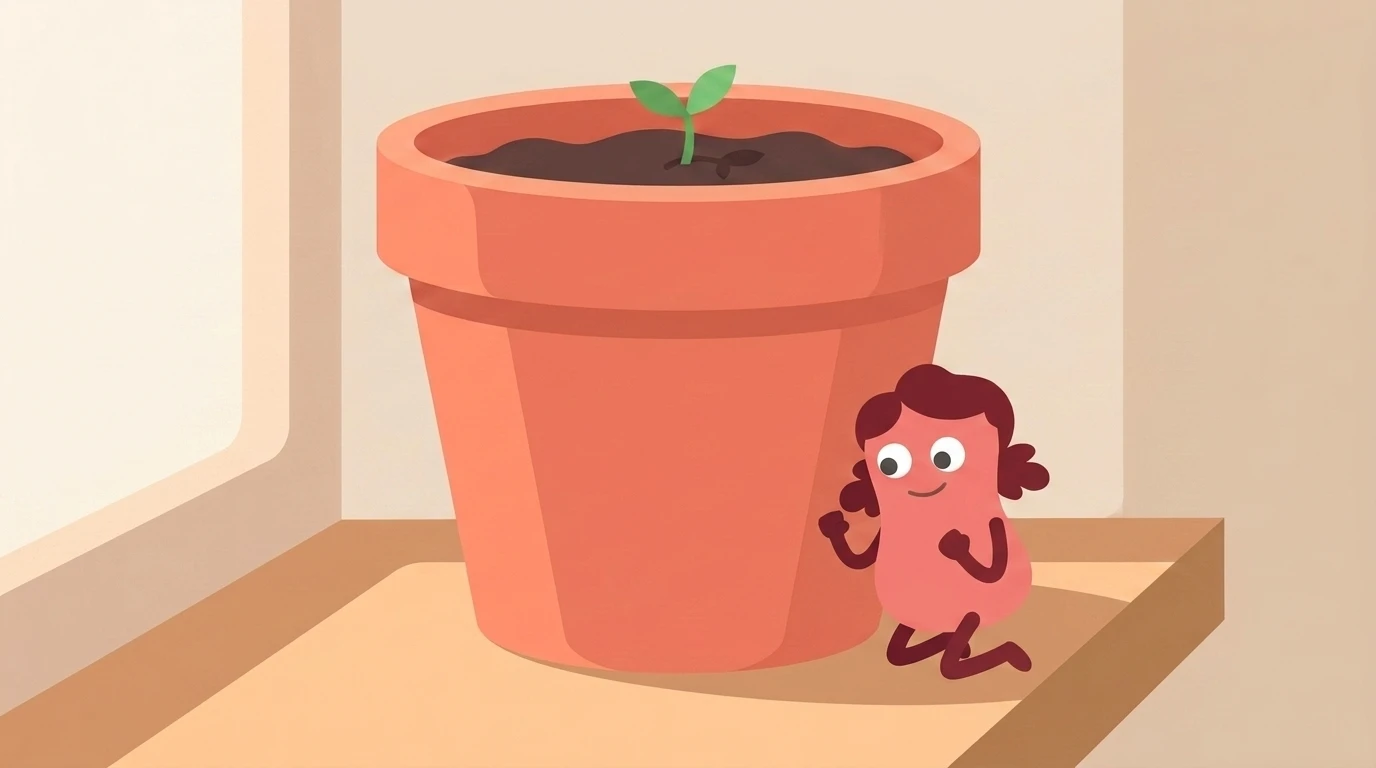
The Tiny Habits method builds lasting habits with three steps: anchor a tiny behavior to a routine you already do, make it small enough to be easy, and celebrate the moment you finish.
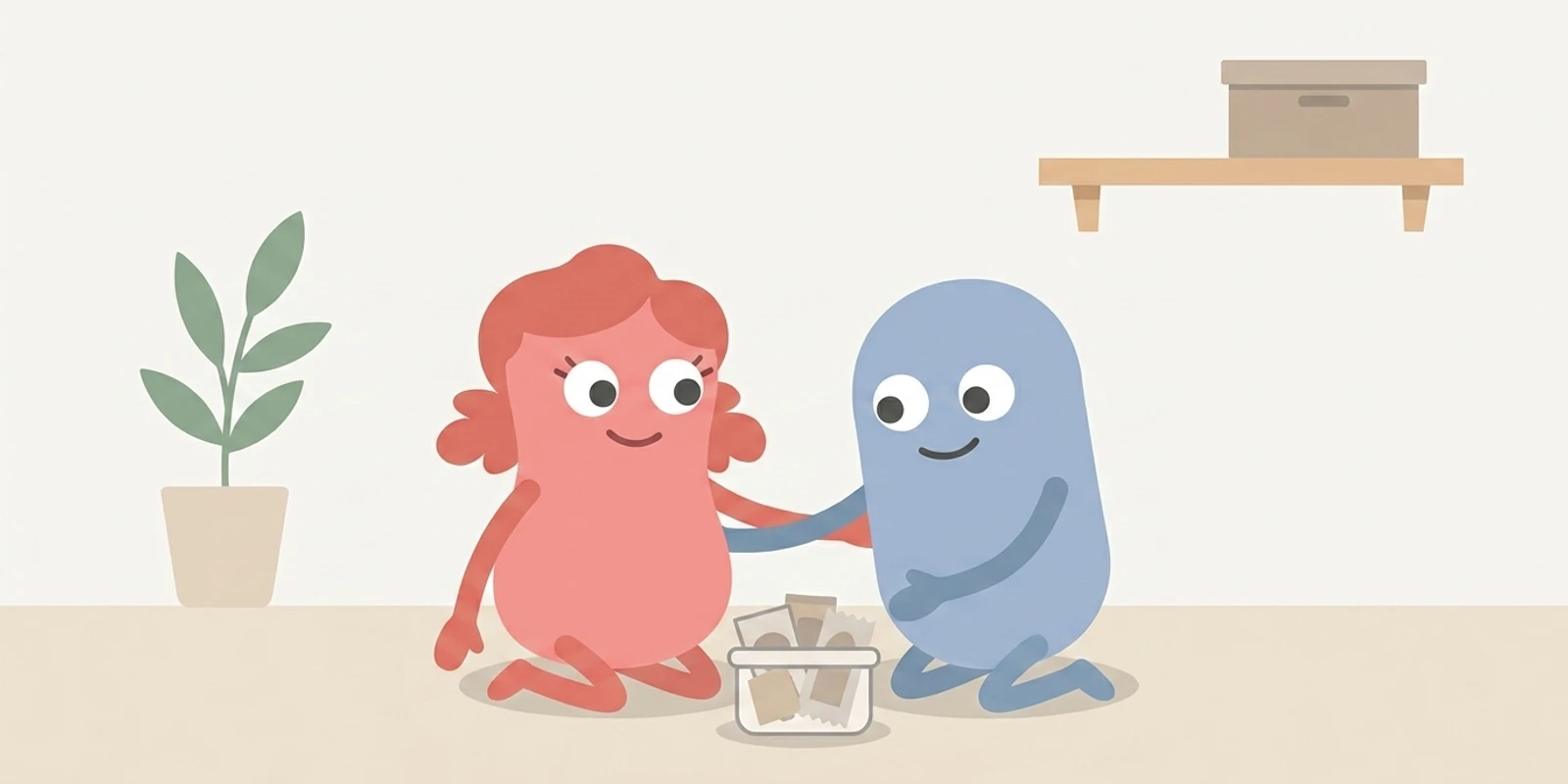
Accountability partner apps combine peer support with structured tracking to address the isolation and low self-efficacy that derail recovery and habit-building efforts.
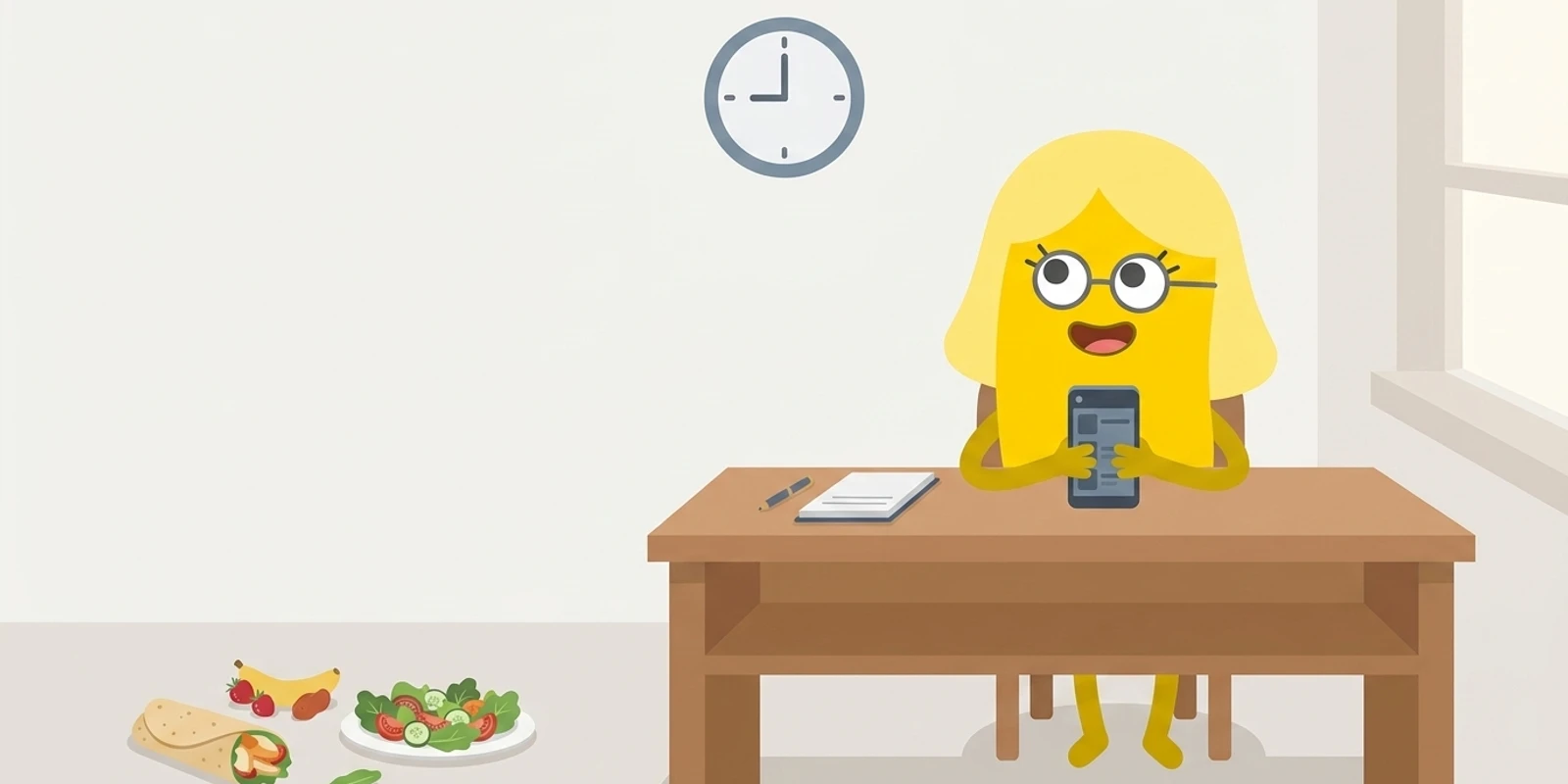
TikTok's infinite scroll and algorithm-driven content create a powerful dopamine loop that can hijack your brain's reward system. Research shows this isn't just a habit—it's a behavioral pattern that shares neural mechanisms with substance addiction.
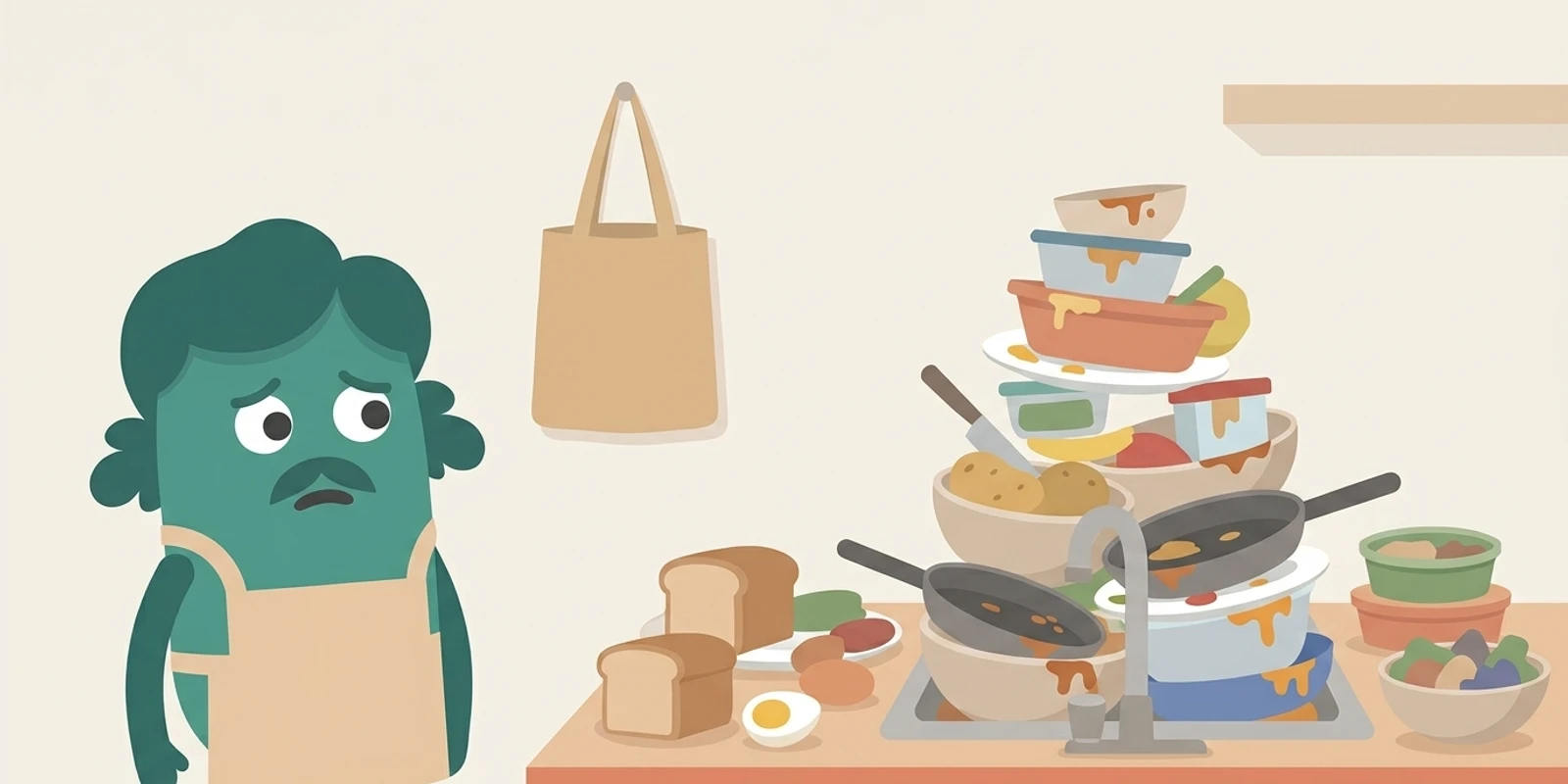
Medication is not the only path for managing ADHD. Evidence-based behavioral, environmental, and cognitive strategies address the root causes of ADHD symptoms so you can build a life that actually works for your brain. Here is what the research says.
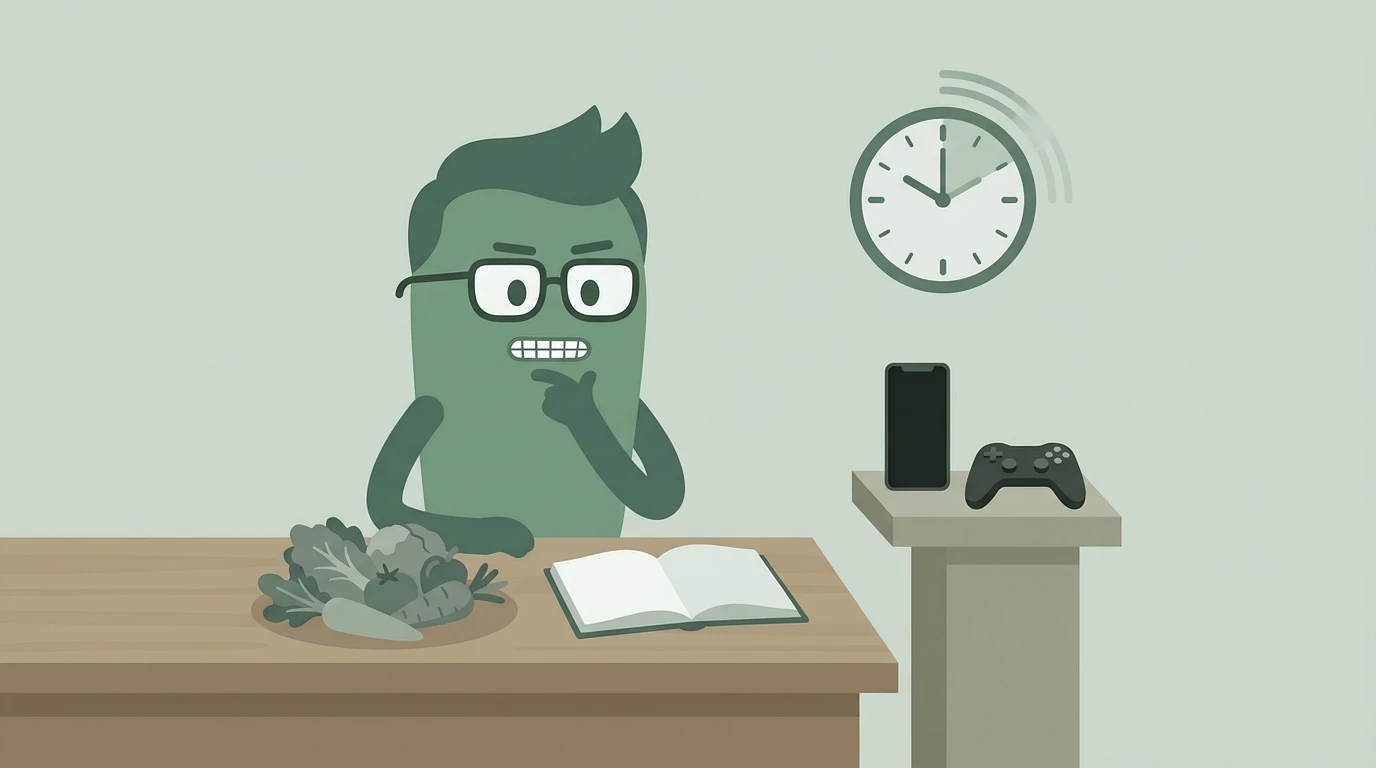
A structured 7-day dopamine detox challenge with specific daily actions — not vague advice. What to do each day, what to expect, and how to handle the hardest moments when your brain fights back.
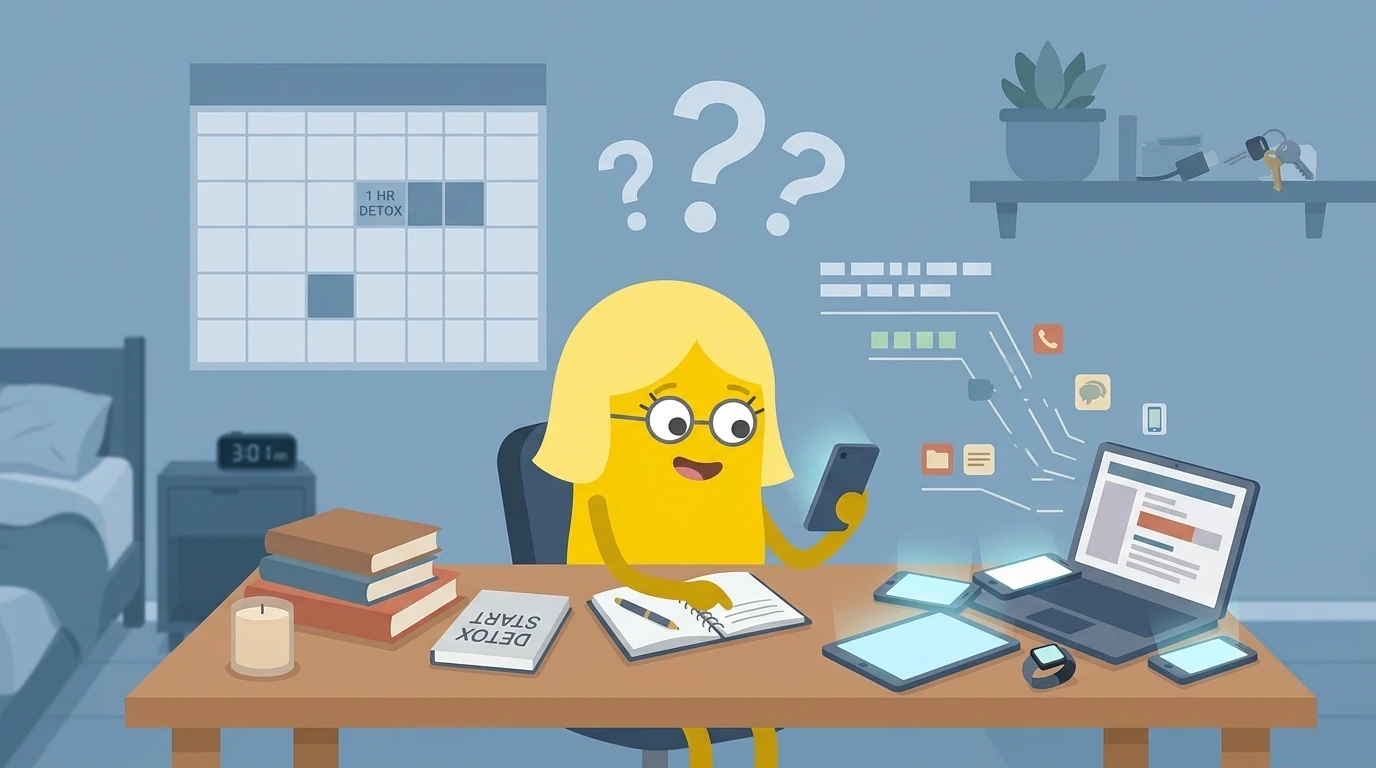
A dopamine detox for ADHD works differently than for neurotypical brains — and standard advice can backfire badly. Here's what the neuroscience says and what actually works for the ADHD dopamine system.
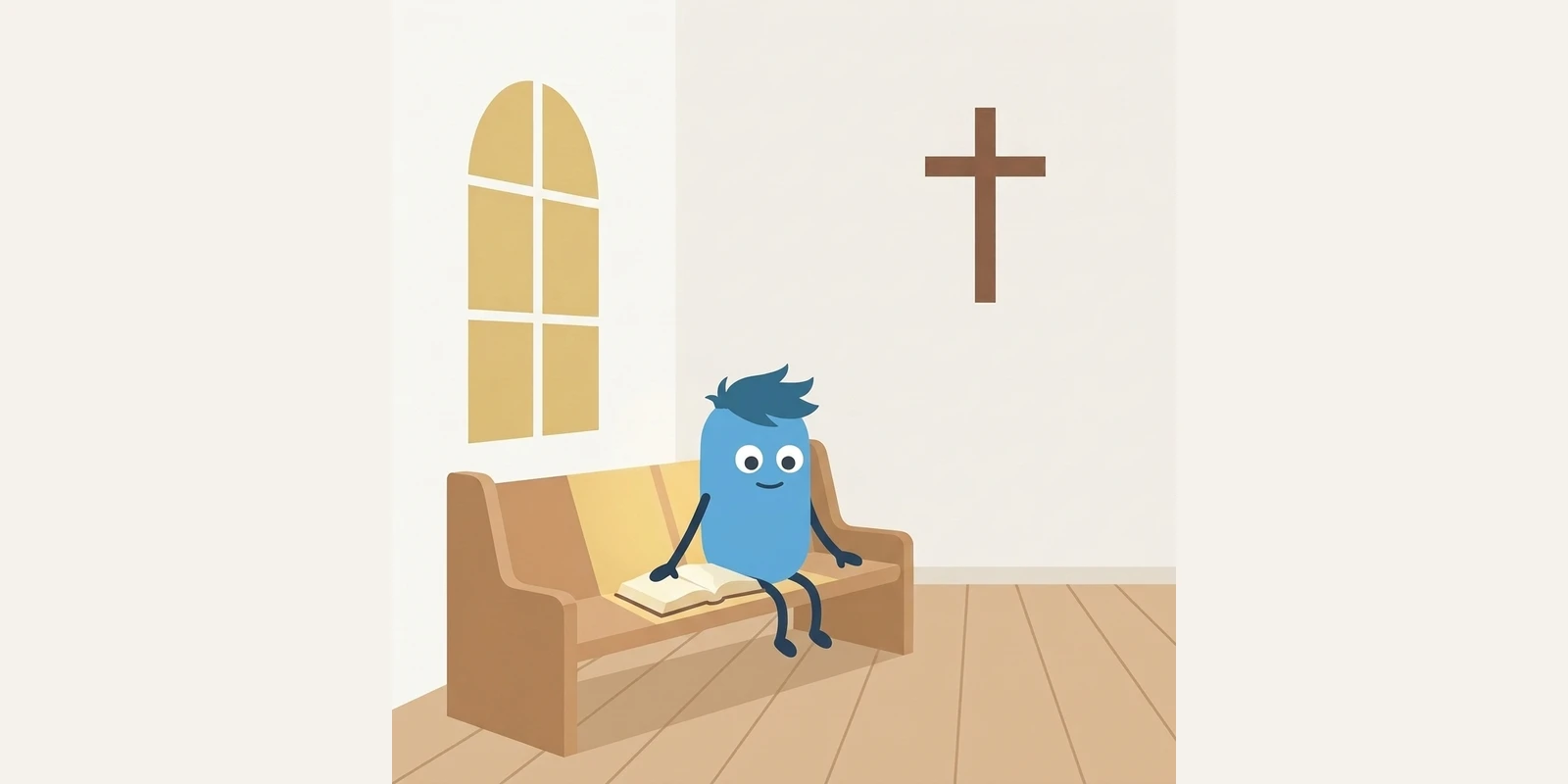
Faith-based porn recovery combines spiritual accountability, community support, and evidence-based behavioral change strategies. For Christians, quitting porn isn't just a habit change — it's a spiritual, relational, and neurological challenge that requires all three.
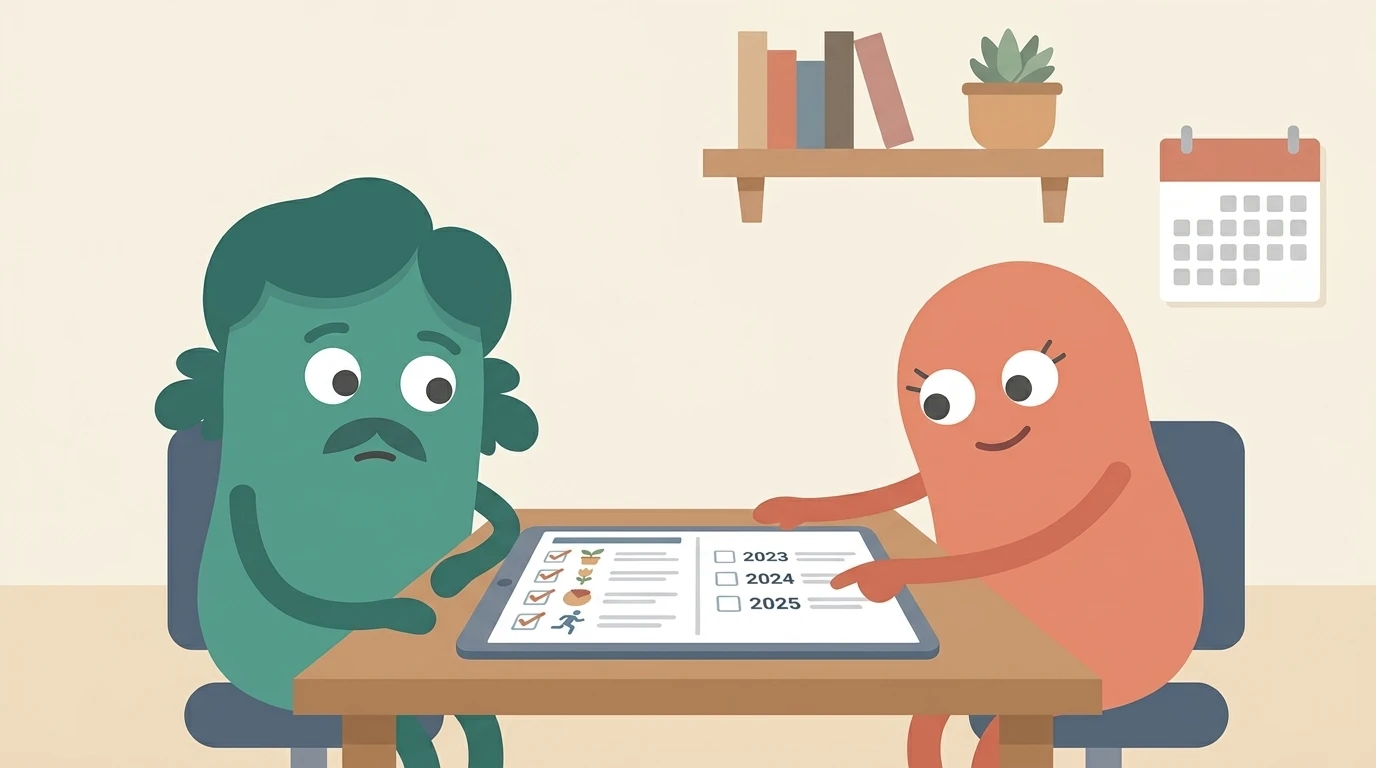
Behavioral science shows most people fail to change because they rely on willpower and motivation rather than environment design, habit loops, and social accountability — the three factors research consistently identifies as decisive.
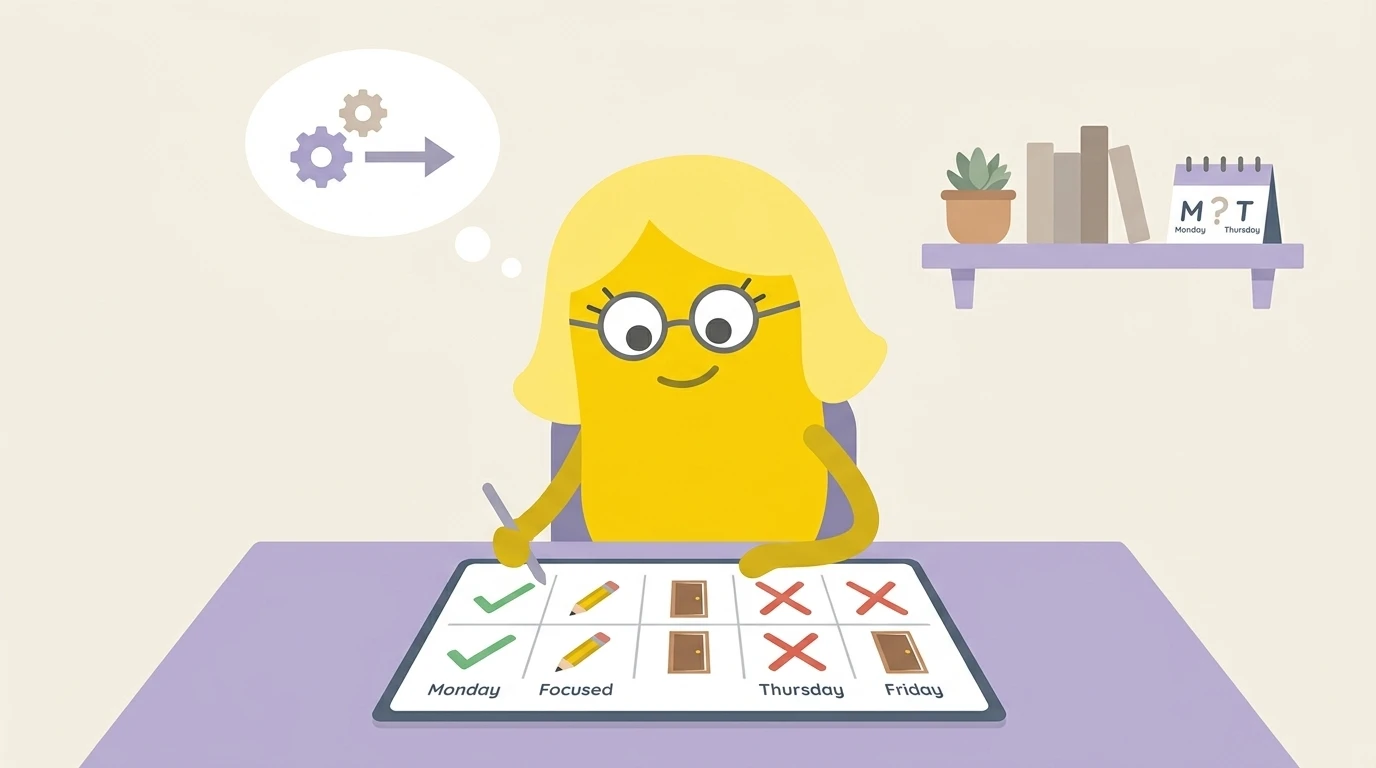
A morning routine works when it matches your biology, not a productivity guru's schedule. Research shows consistency and sleep alignment matter far more than waking up at 5 AM. Here's what the science actually says about building a routine that sticks.
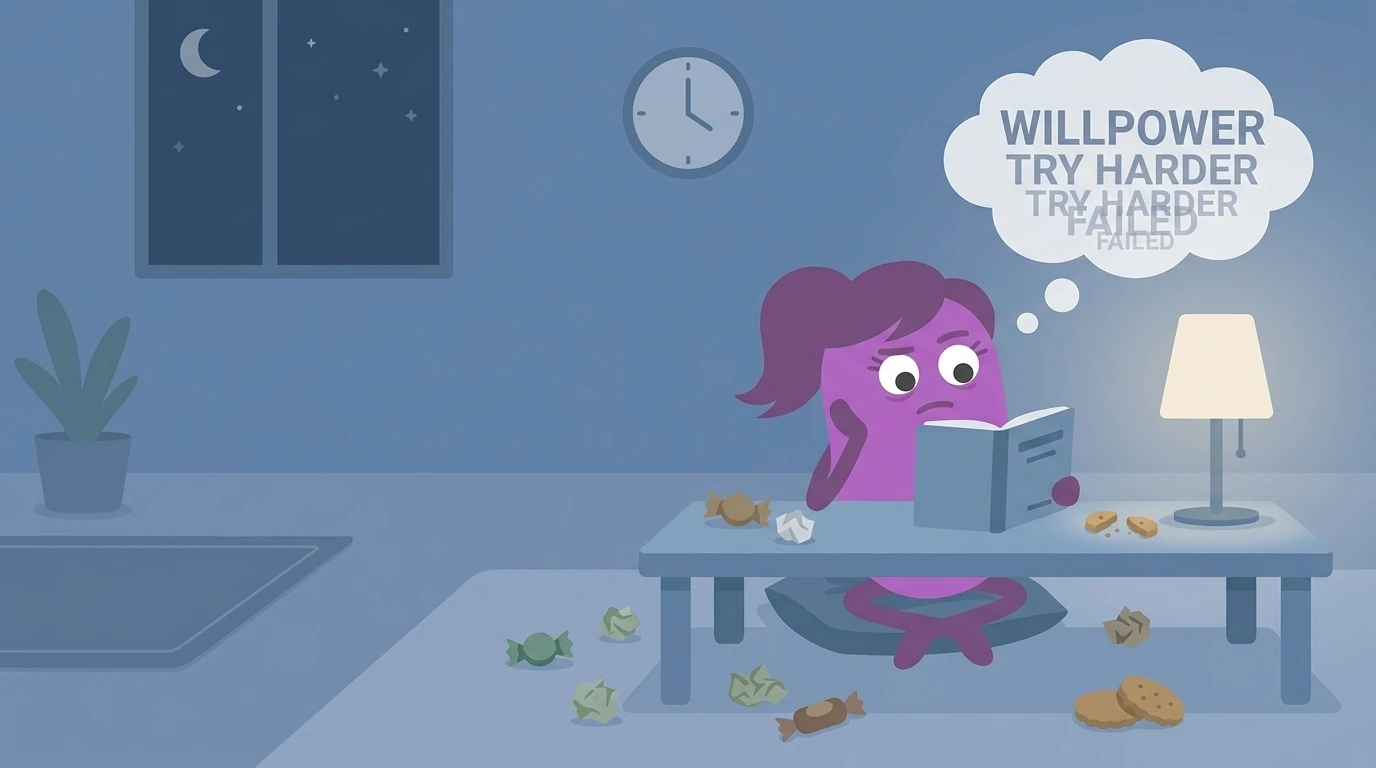
Breaking bad habits fails when you rely on willpower because the brain doesn't unlearn habits — it overwrites them. Here's what neuroscience actually says about why habits persist, and the specific strategies that create lasting behavioral change.
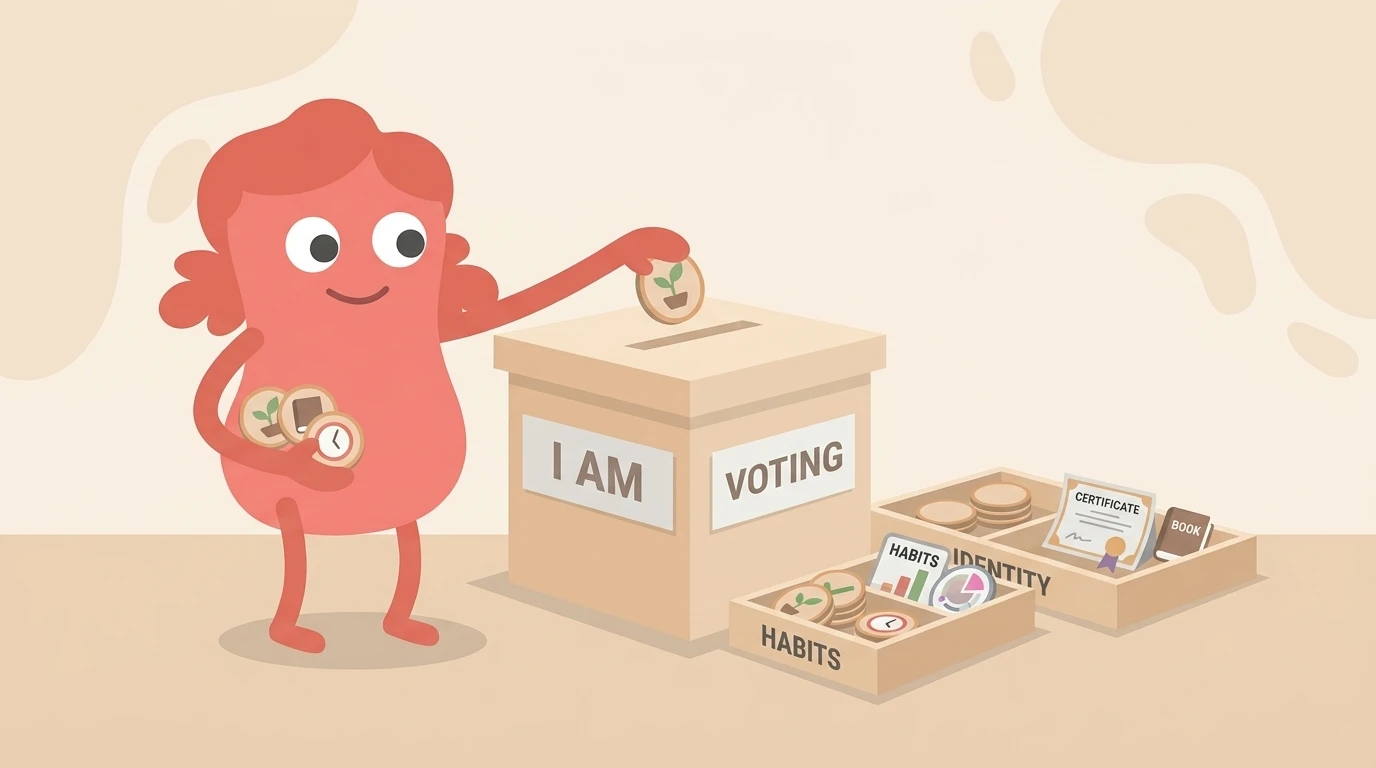
Identity-based habits work by changing who you believe you are, not just what you do. Research shows that people who tie behavior to identity — 'I am a runner' vs 'I want to run' — sustain change far longer. Here's the science and how to apply it.
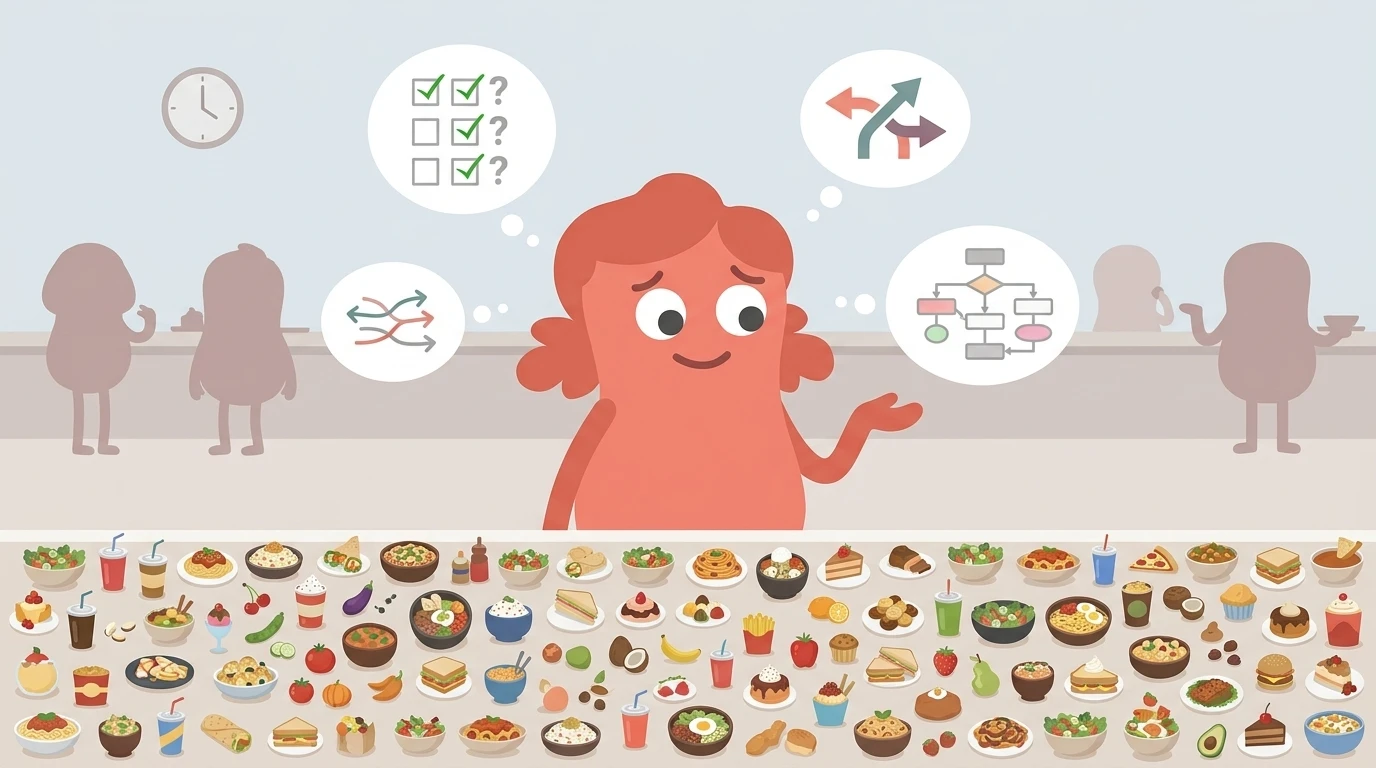
Decision fatigue is the mental exhaustion that builds each time you make a choice, eroding willpower and derailing habits by day's end. Here's what the research says and how to stop it.
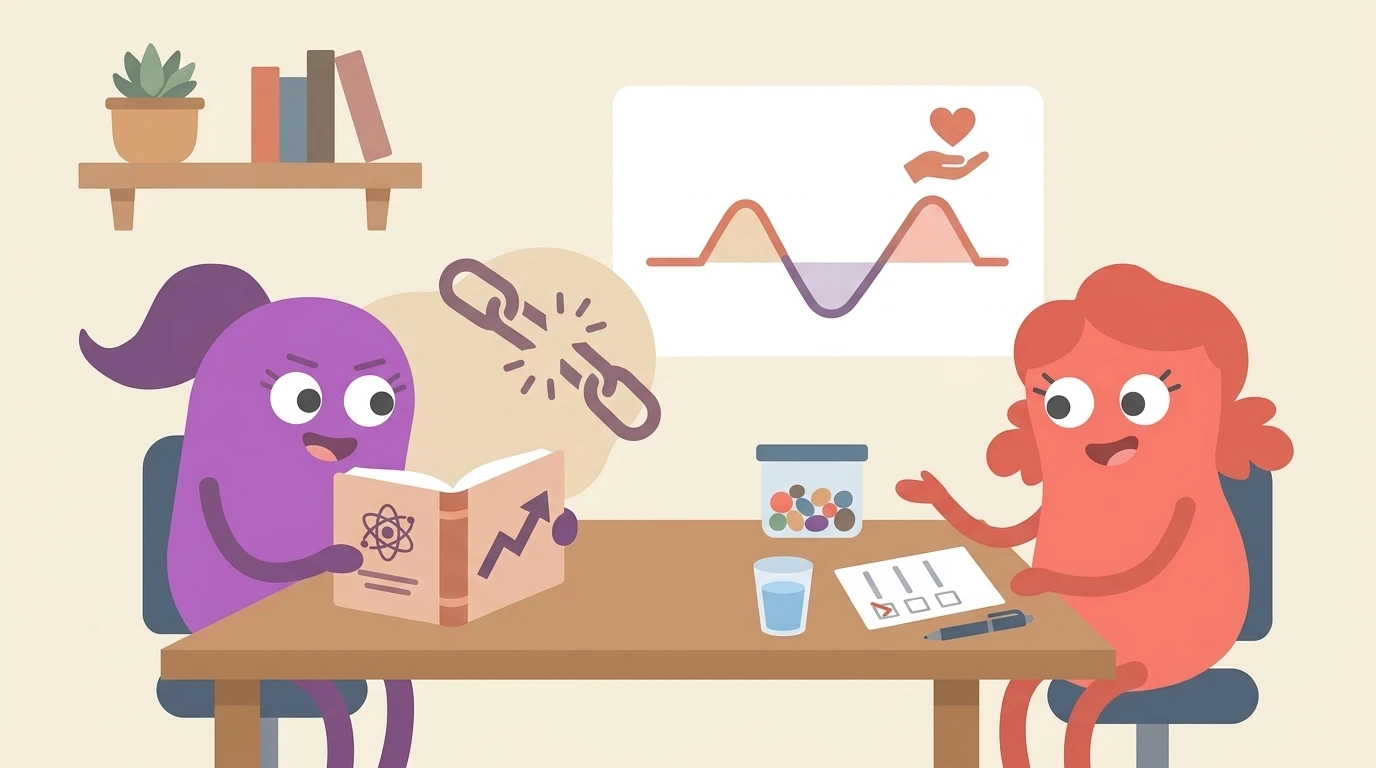
Atomic Habits is a great system for solo behavior change — but it's missing three things that science says matter most: accountability, community, and external structure. Here's why the book fails for many people, and what to do instead.
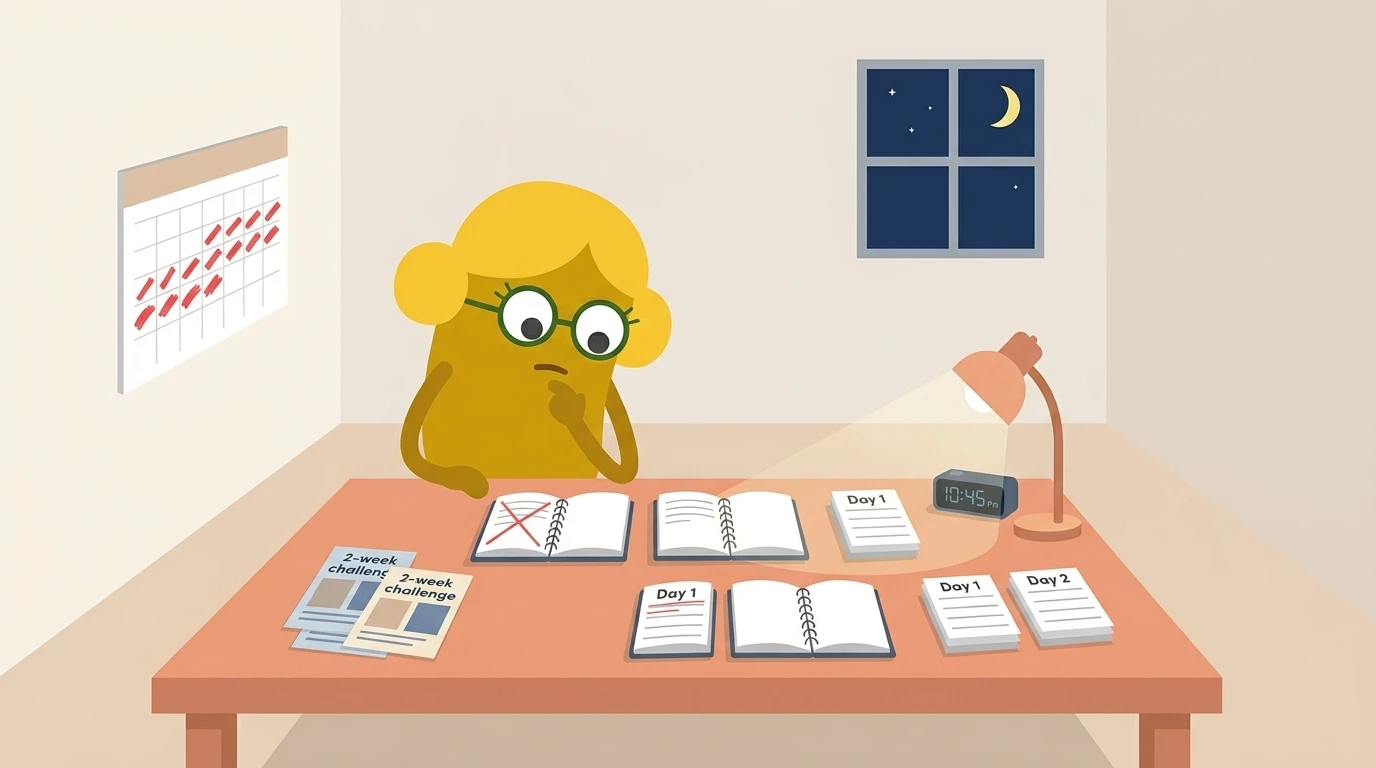
Most new habits fail within weeks — not because people lack willpower, but because the habit isn't designed to survive real life. Here's what the science says about why habits collapse and what reliably prevents it.
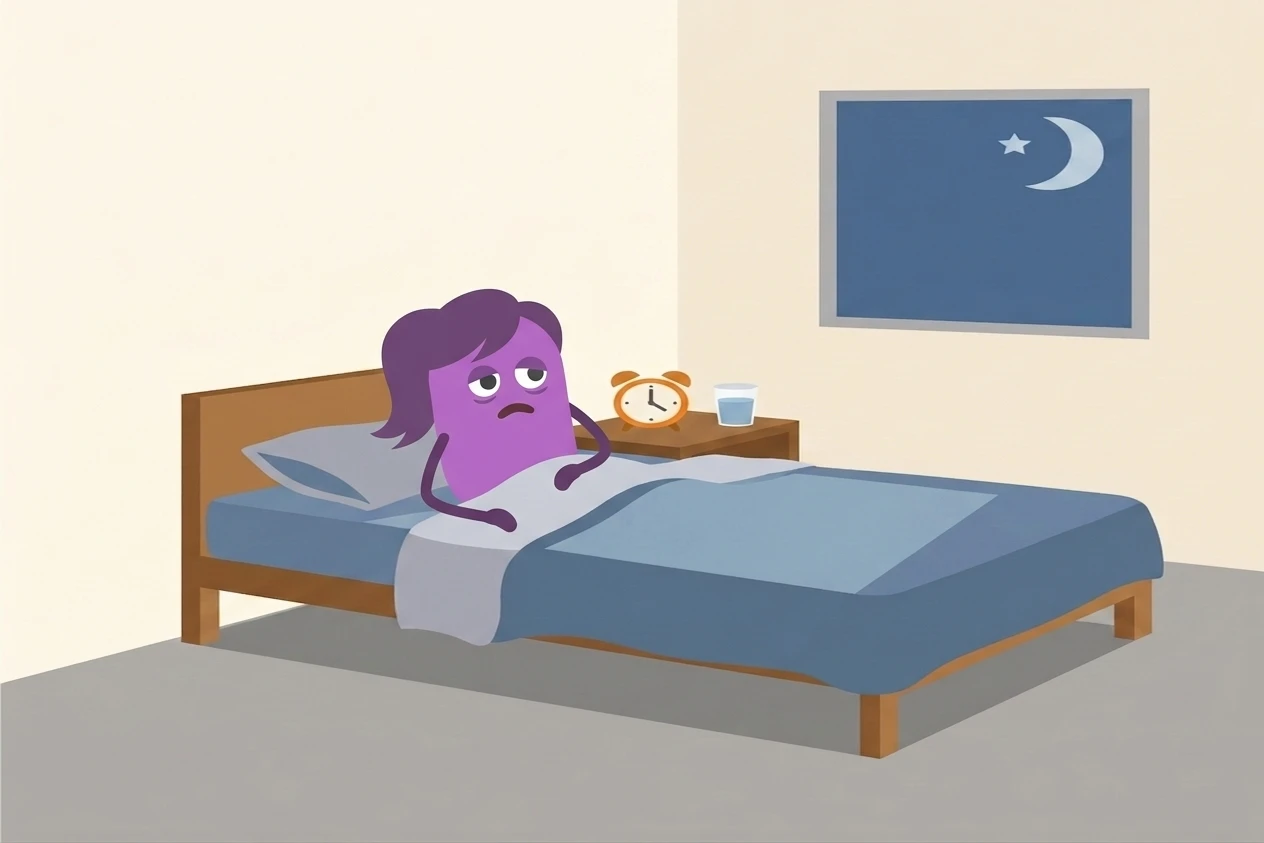
Alcohol sedates you but doesn't produce sleep — it produces a neurologically different state that suppresses REM sleep, causes rebound arousal at 3-4 AM, and leaves you more tired than if you hadn't drunk at all. Here's the science and what to do instead.
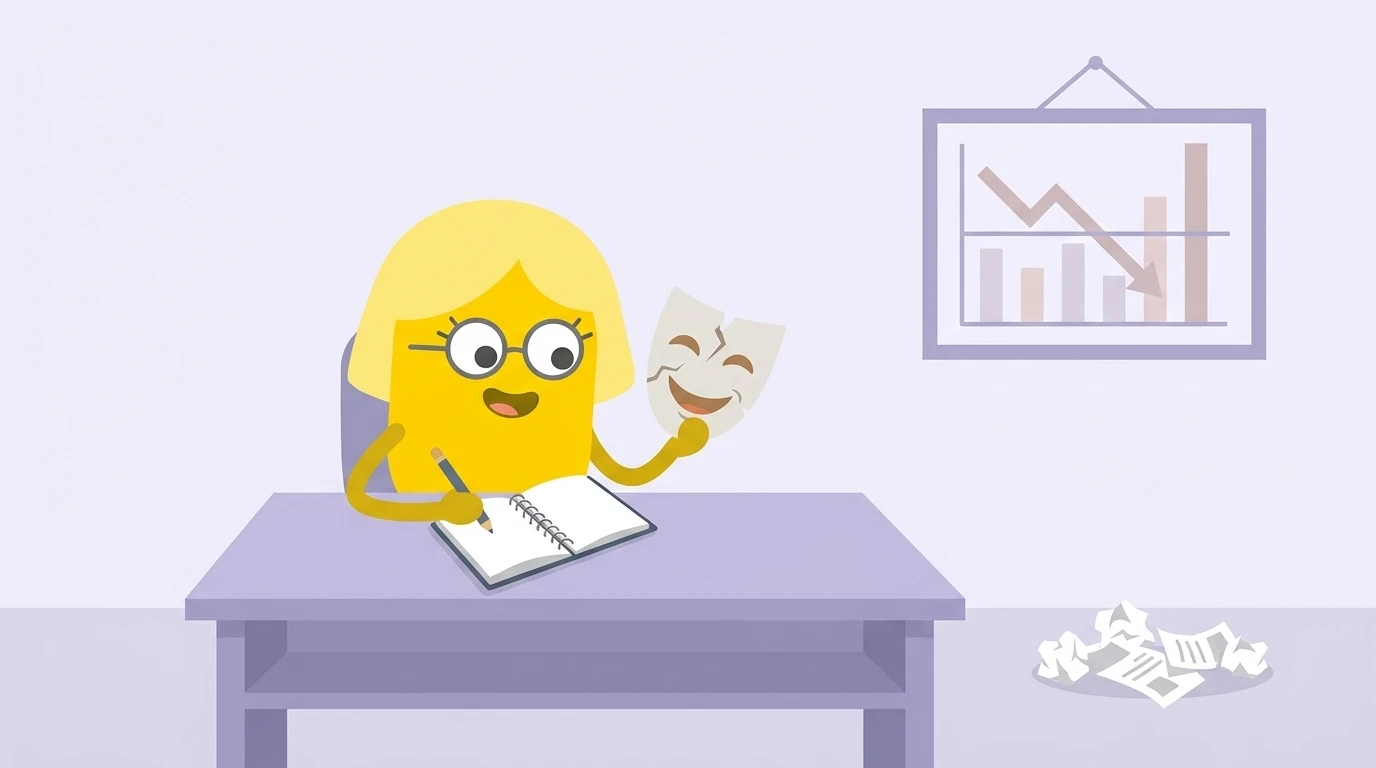
Gambling addiction hijacks the brain's reward prediction system so completely that 'one more bet' genuinely feels like the logical choice. Understanding the neuroscience explains why willpower alone fails — and what actually breaks the cycle.
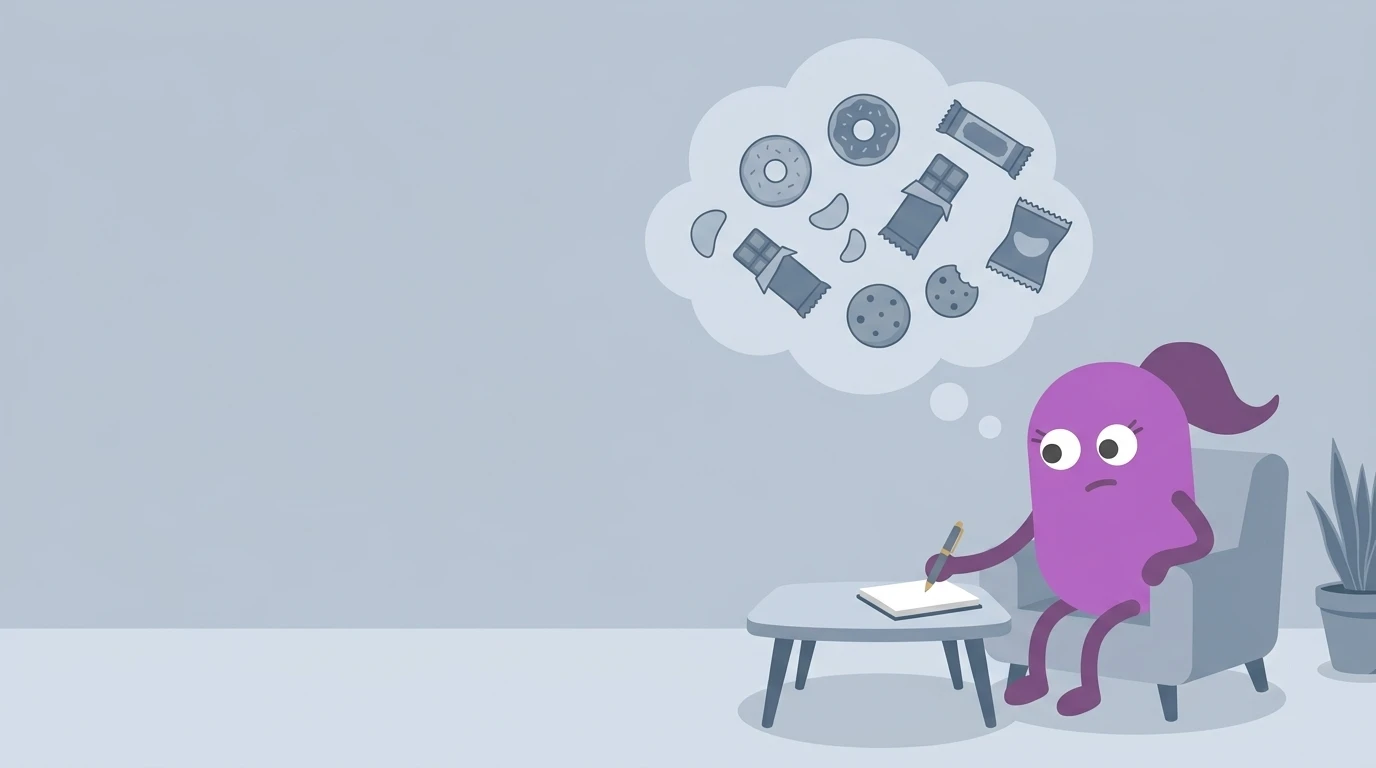
Sugar addiction is a real neurological phenomenon — not a lack of willpower. Research shows sugar triggers the same dopamine reward pathways as addictive drugs. Here's what the science says and what actually helps you quit the cycle.
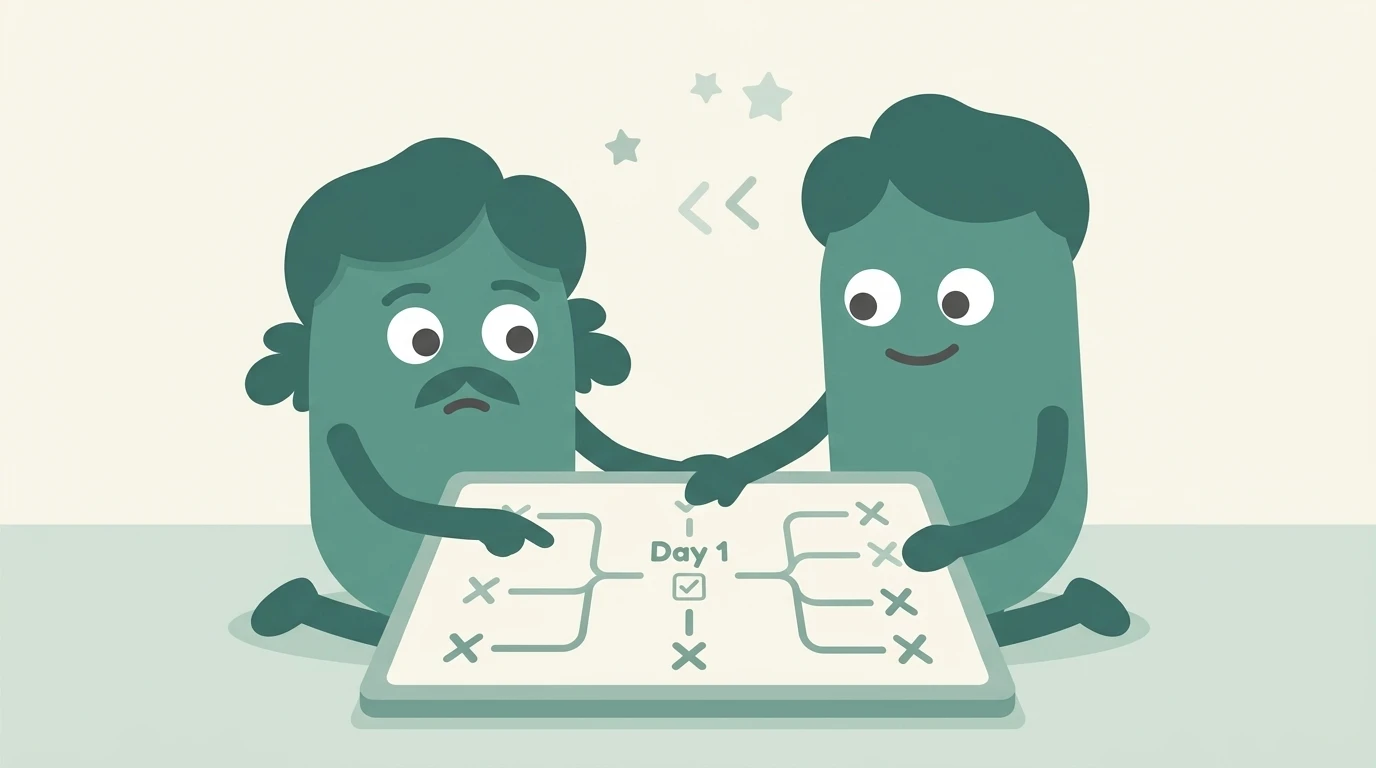
Accountability partners increase addiction recovery success rates by up to 95% according to research. Structured social support — not willpower alone — is what separates sustained recovery from repeated relapse cycles.
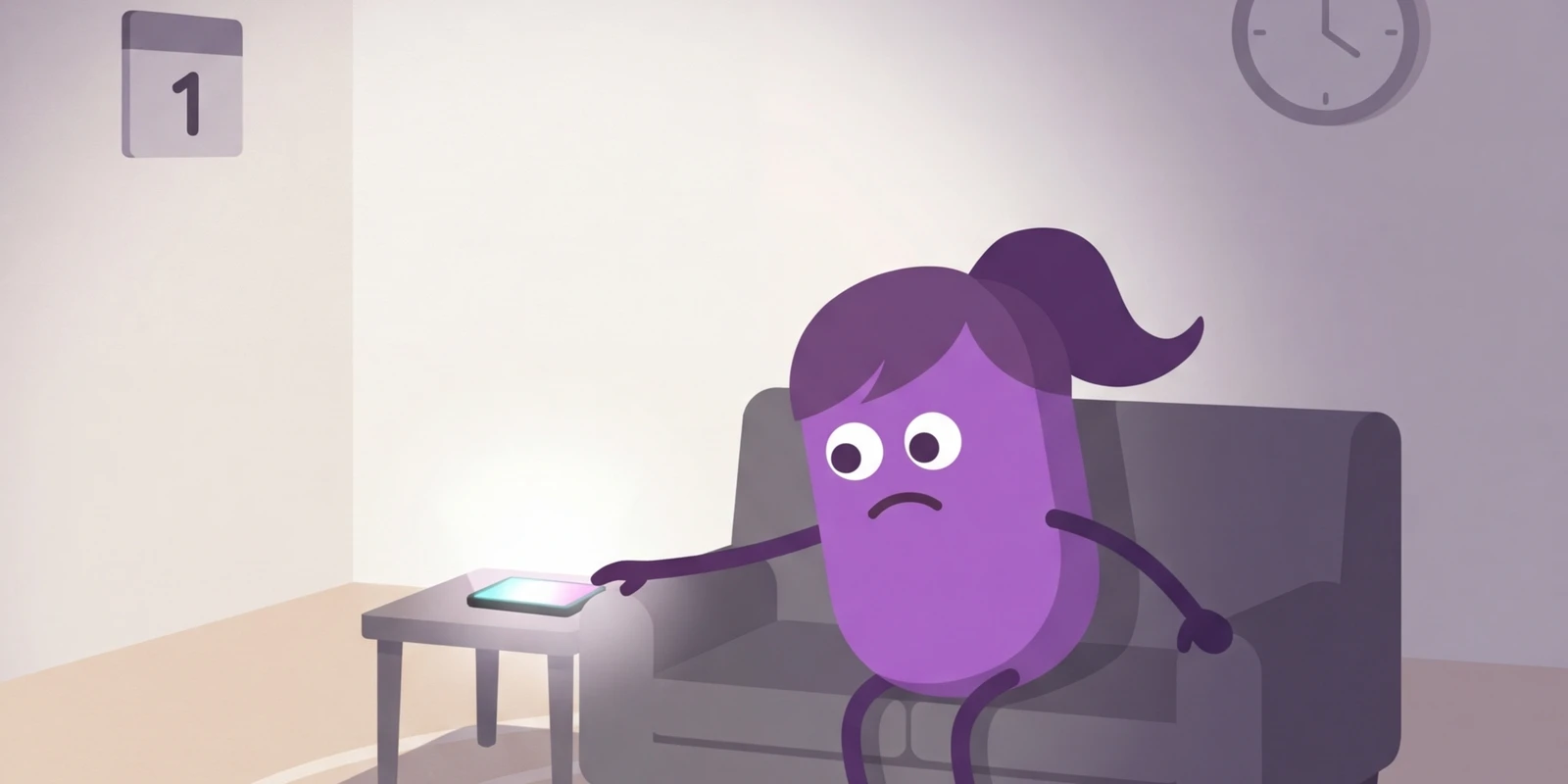
Relapsing doesn't mean you failed — it means your brain is doing exactly what addiction trained it to do. Here's the neuroscience behind why relapse happens, what makes it so predictable, and what the evidence says about breaking the cycle for good.
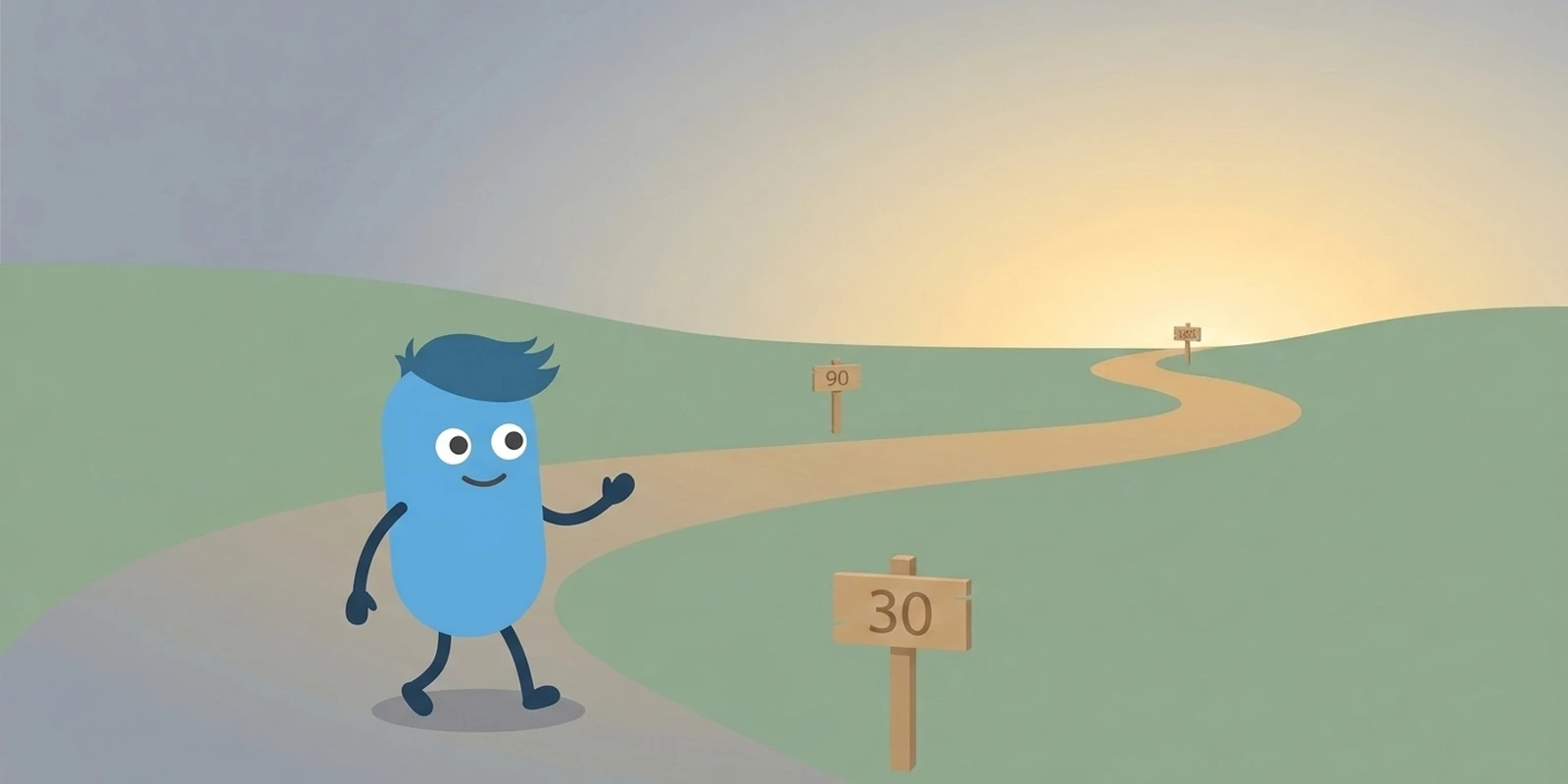
Porn addiction recovery follows a predictable timeline: acute withdrawal in the first two weeks, dopamine stabilization by 90 days, and lasting rewiring by one year. Here's what research and recovery data show about each phase — and what to expect at every stage.
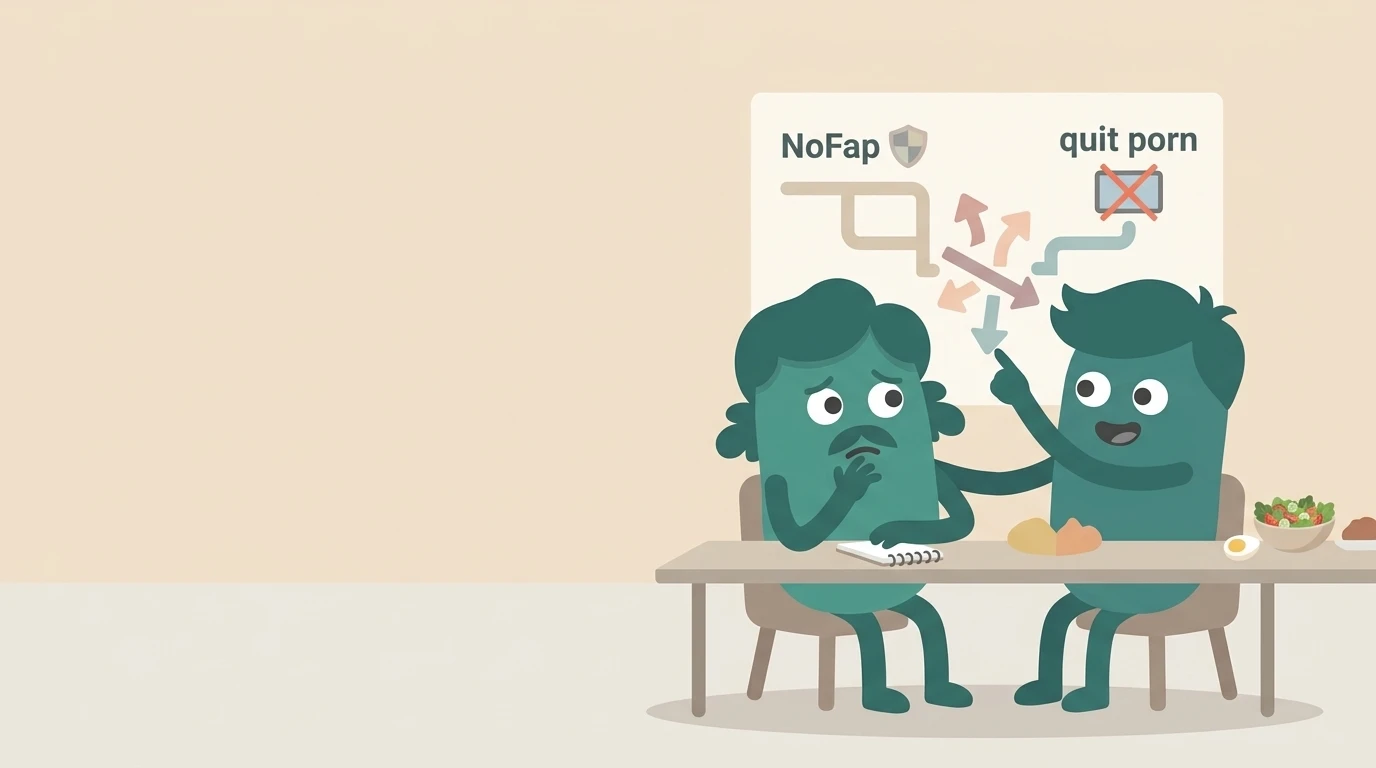
NoFap means abstaining from masturbation and pornography; no porn means quitting porn while allowing masturbation. Research suggests quitting porn specifically is the critical variable — but structure and accountability determine whether either approach actually sticks.
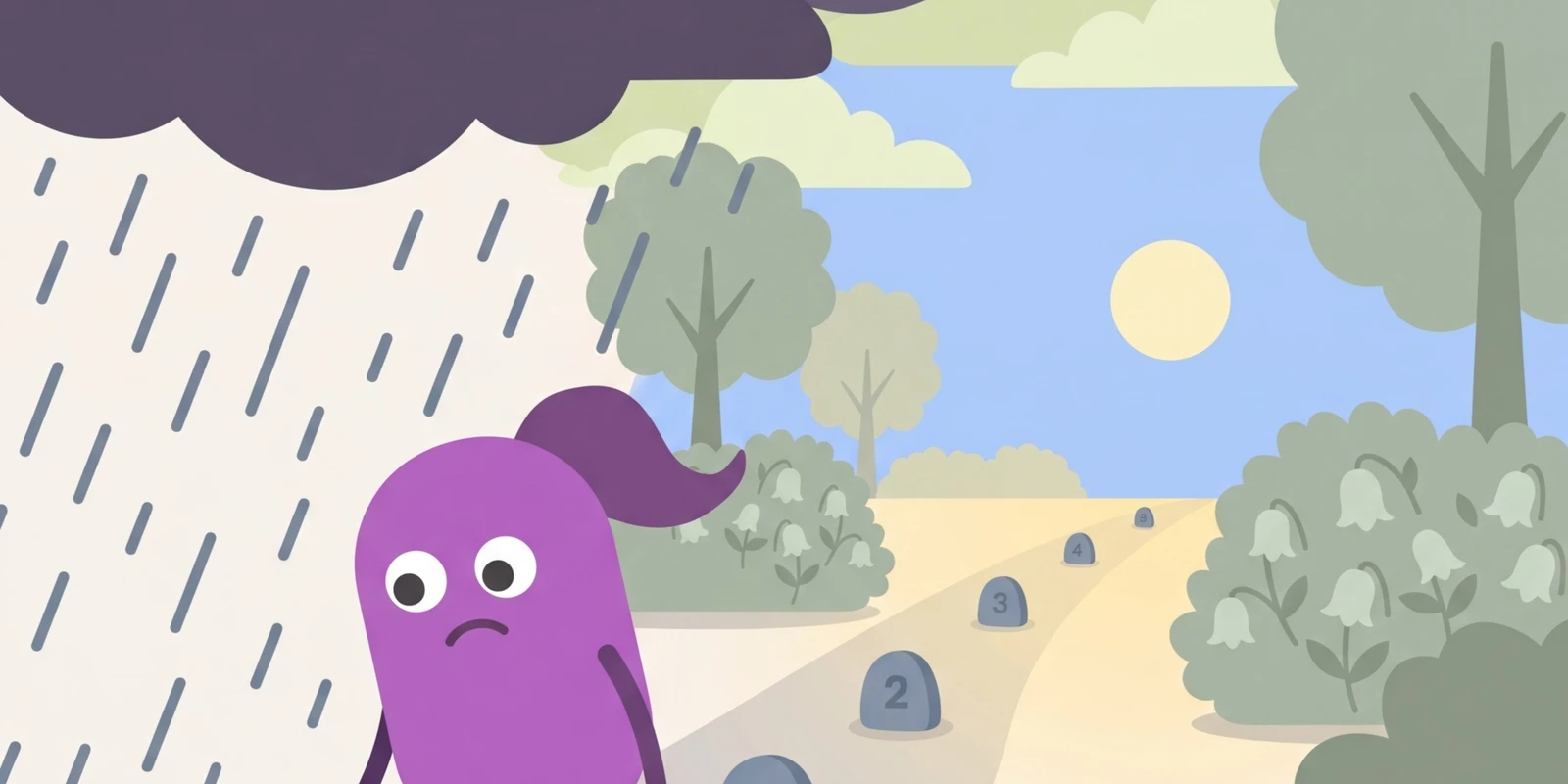
Porn addiction withdrawal is real. When you stop watching pornography after heavy use, your brain's dopamine system rebounds — causing mood swings, irritability, insomnia, and intense cravings. Most acute symptoms peak in the first 2-4 weeks and improve significantly within 90 days.
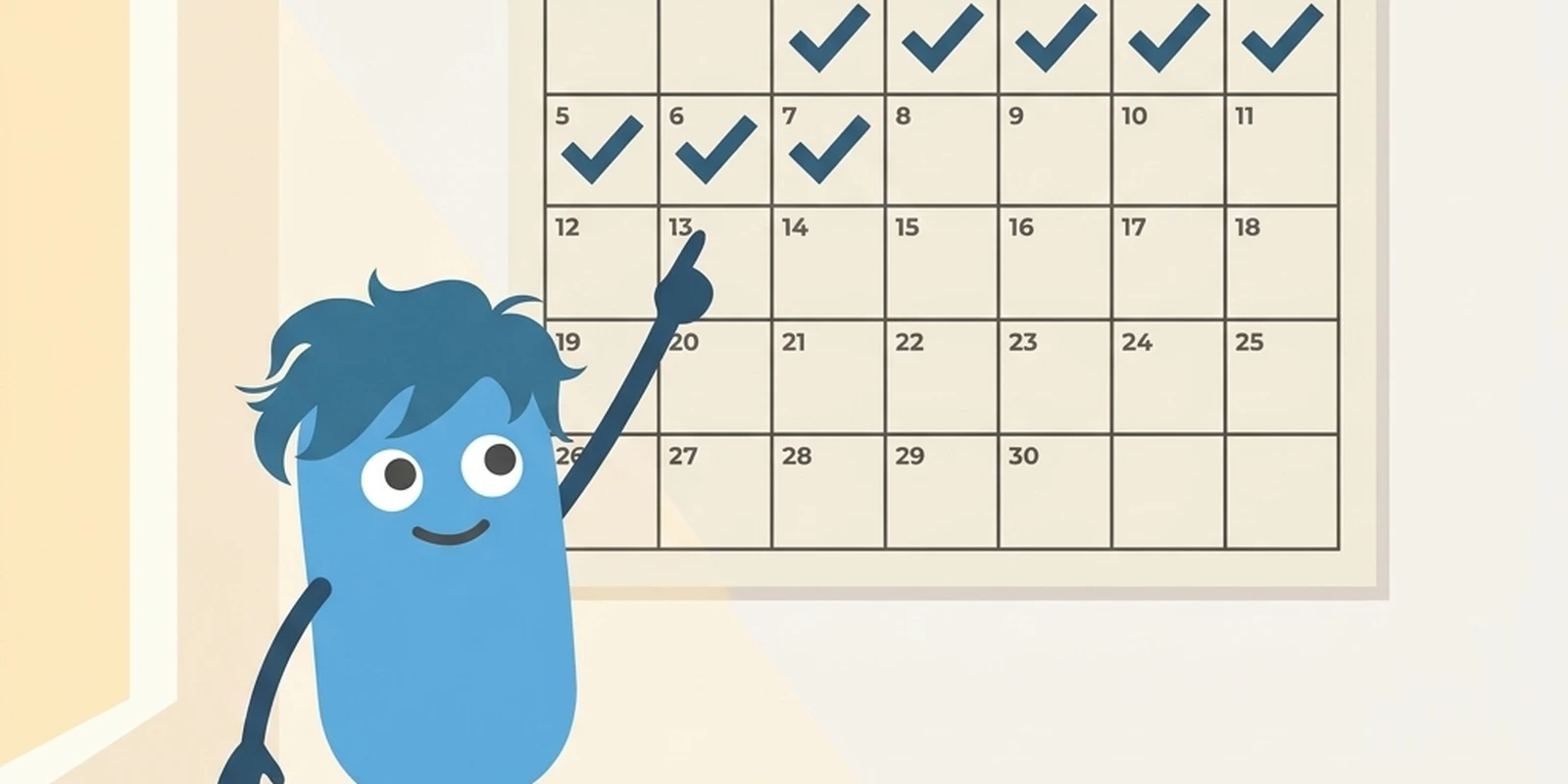
A 30-day no porn challenge follows a predictable arc: craving intensity peaks around days 3-7, stabilizes by week 2, and shifts to rewiring by weeks 3-4. Here's exactly what happens to your brain and behavior at each stage.
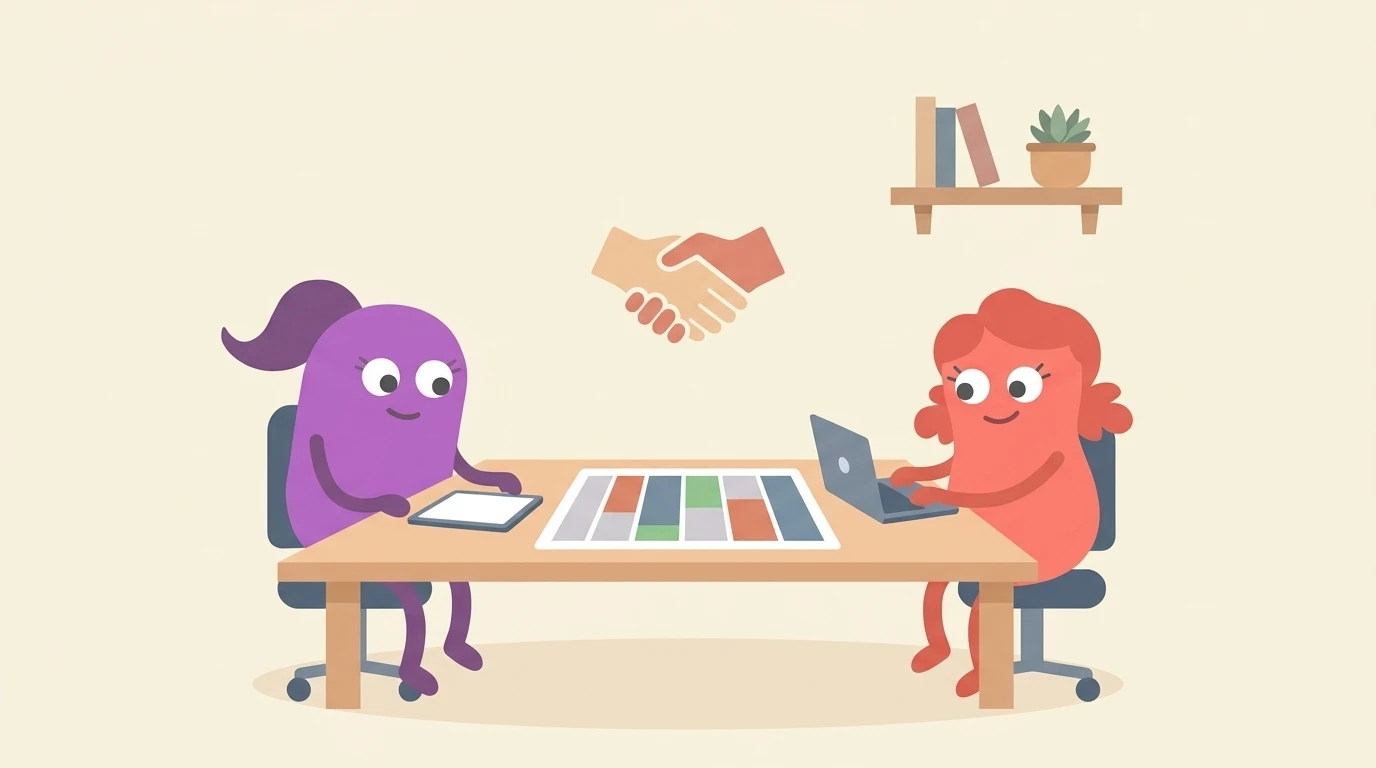
An accountability partner is someone who helps you follow through on goals by creating mutual commitment and consistent check-ins. Research shows accountability increases goal completion rates by up to 65%. Here's how to find the right one — and what makes them effective.
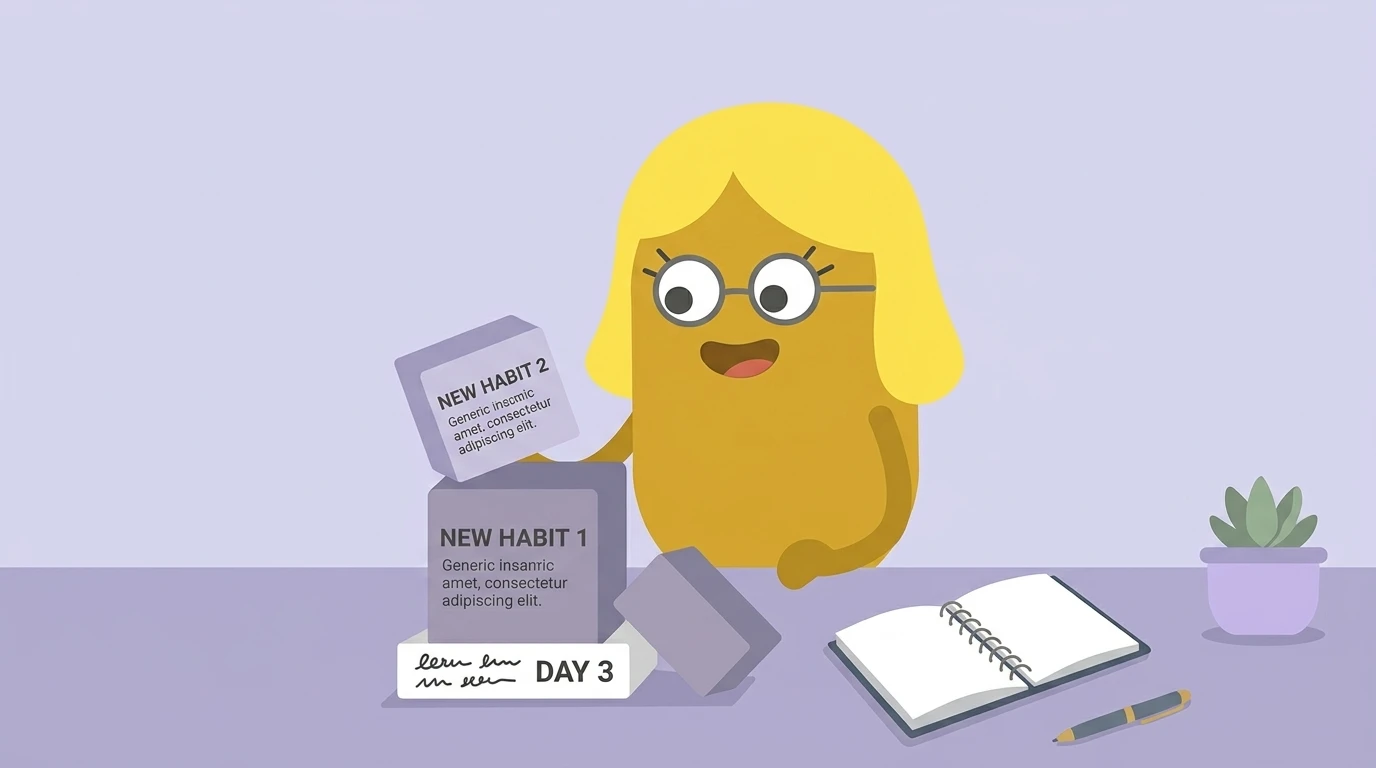
Habit stacking is a behavior change technique that links a new habit to an existing routine, making the new behavior automatic over time. Here's how to use it effectively, common mistakes that cause it to fail, and examples you can apply today.