Stage 2: Mental Relapse
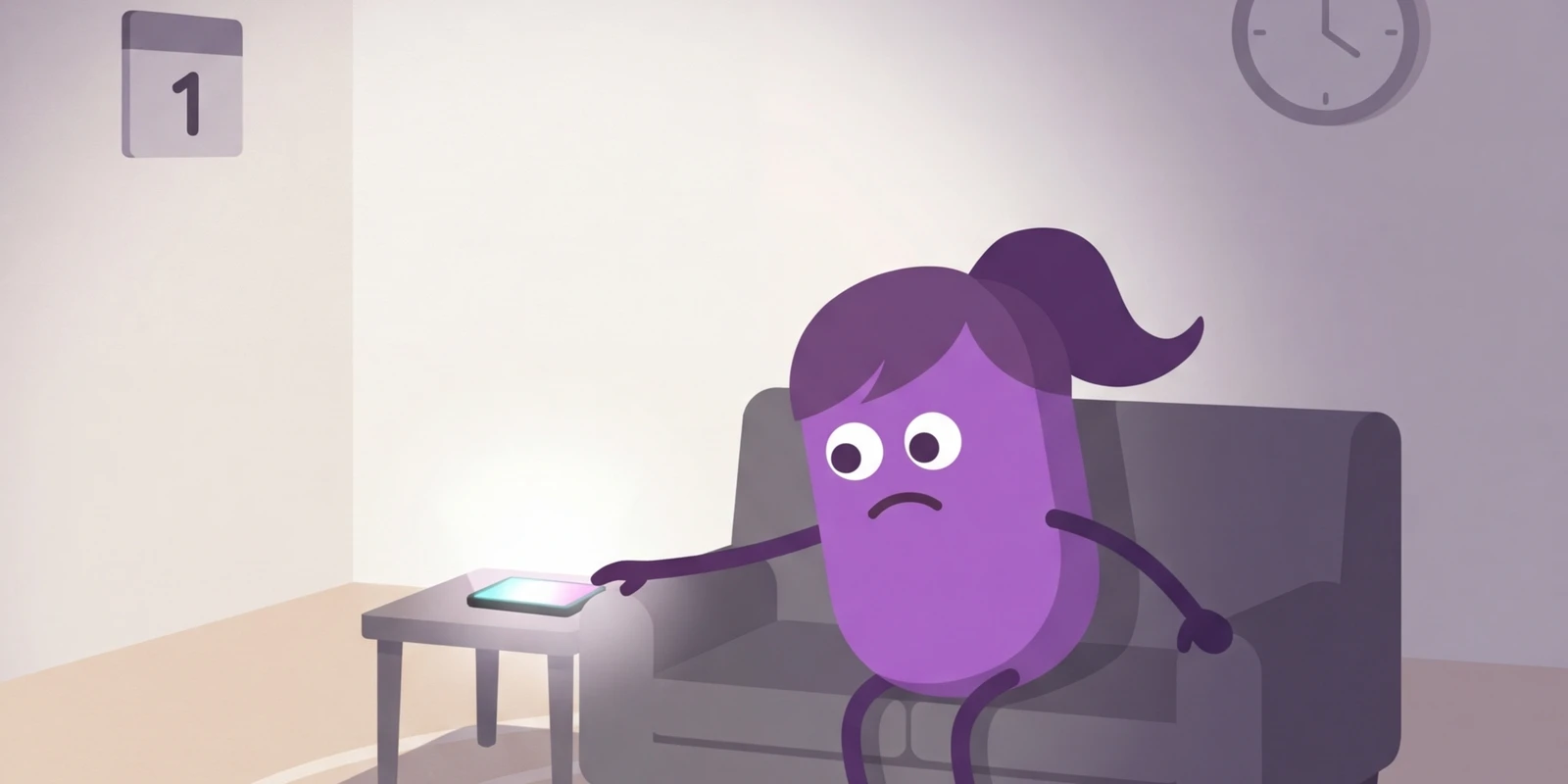
Now there's a war inside your mind. One part of you is thinking about using. The other part knows you shouldn't.
Signs include:
• Romanticizing past use ("It wasn't that bad")
• Bargaining ("Just once won't hurt")
• Planning around your recovery commitments
• Seeking out old contacts or environments associated with use
• Telling yourself you can handle triggers better now
This stage often coincides with what clinicians call "euphoric recall" — the brain's tendency to selectively remember the high and edit out the consequences. The dopamine system, primed for reward, reaches back into memory for evidence that the addictive behavior is a good idea.
Stage 3: Physical Relapse
This is the moment that most people identify as "the relapse" — the return to the behavior. But by this point, stages one and two have usually been building for days or weeks.
Understanding the three-stage model changes the intervention point. Instead of trying to stop yourself at the moment of physical temptation (stage 3), the goal is to catch the drift at stage 1 — and the earlier the better.
Why Willpower Alone Keeps Failing
The most important thing to understand about relapse is that willpower engages the prefrontal cortex, and the prefrontal cortex is the part of the brain that addiction specifically degrades.
This isn't a metaphor. It's a measurable neurological reality. Asking someone in early recovery to "just use willpower" is like asking someone with a broken leg to run — the mechanism needed for the task is precisely the mechanism that's impaired.
Research from Volkow et al. in the New England Journal of Medicine confirmed that people with active addiction show measurably reduced blood flow and metabolic activity in the prefrontal cortex. This impairment doesn't resolve immediately when you stop using. It can take months of sustained sobriety for prefrontal function to meaningfully recover.
Key Stat: A 2015 study by Litt and colleagues found that the quality of a person's social support network was one of the strongest independent predictors of long-term sobriety — more predictive than individual motivation or willpower self-ratings. Who you spend time with matters more than how hard you're trying alone.
This is why solo quitting, while possible, has dramatically lower success rates than recovery supported by structure and accountability.
Your Most Common Relapse Triggers — And Why They Work
Triggers activate the conditioned neural pathways built during addiction. They don't require conscious awareness to fire — that's the problem.
Stress is the most universal trigger. Cortisol, the stress hormone, directly interacts with dopamine pathways and amplifies craving signals. When you're under stress, the brain's seeking behavior increases — and it seeks what it knows.
Emotional pain (loneliness, anger, shame, anxiety) is the next most common category. Addiction often begins as a coping mechanism for emotional pain. When that pain returns without the coping behavior available, the brain argues for returning to the behavior that worked.
Environmental cues are often invisible until they hit. The smell of a certain place, a time of day, a song, a person's face — these have been associated with the addictive behavior so many times that they trigger automatic craving responses. This is classical conditioning operating below deliberate thought.
Overconfidence after a clean streak is a pattern clinicians see repeatedly. After 30 or 60 or 90 days, the brain's memory of the addiction fades slightly. The suffering of withdrawal softens. Risk-assessment slips. "I've got this handled" is one of the most reliable relapse warning signs.
Key Stat: A meta-analysis published in Substance Abuse found that the highest-risk period for relapse is within the first 90 days of recovery, with the single highest-risk period being the first two weeks.
What the Evidence Says Actually Helps
Cognitive Behavioral Therapy
CBT remains the most robustly evidence-supported intervention for relapse prevention. Research from McHugh et al. shows CBT is effective across substance use disorders by targeting the automatic thought patterns that drive relapse.
CBT specifically addresses the mental relapse stage: the bargaining, the euphoric recall, the cognitive distortions that make using seem reasonable. It builds a structured internal dialogue for when those thoughts appear.
Structured Accountability
Solo recovery is hard. Recovery with structured, ongoing accountability is measurably more effective. The Litt et al. social support research shows this isn't motivational — it's neurological. When another person knows your status, expects to hear from you, and will notice if you go dark, the social stakes change the cost-benefit calculation the brain makes in a moment of high craving.
The accountability effect doesn't work from occasional check-ins or open-ended "call me if you need anything" offers. It works from consistent, expected contact — a scheduled daily check-in, a commitment made to a specific person, a group that knows your progress.
Daily Practice Over Periodic Effort
Relapse prevention isn't a thing you do once. It's built into daily structure. The clinical research consistently supports that people who build recovery into their daily routine — through check-ins, meetings, journaling, exercise, or structured programs — maintain significantly higher sobriety rates than people who treat recovery as something they do when they feel at risk.
How GetMotivated.ai Addresses the Accountability Gap
The research on relapse is consistent on one point: isolation is the most dangerous condition for recovery, and structured social accountability is one of the most powerful protectors against it.
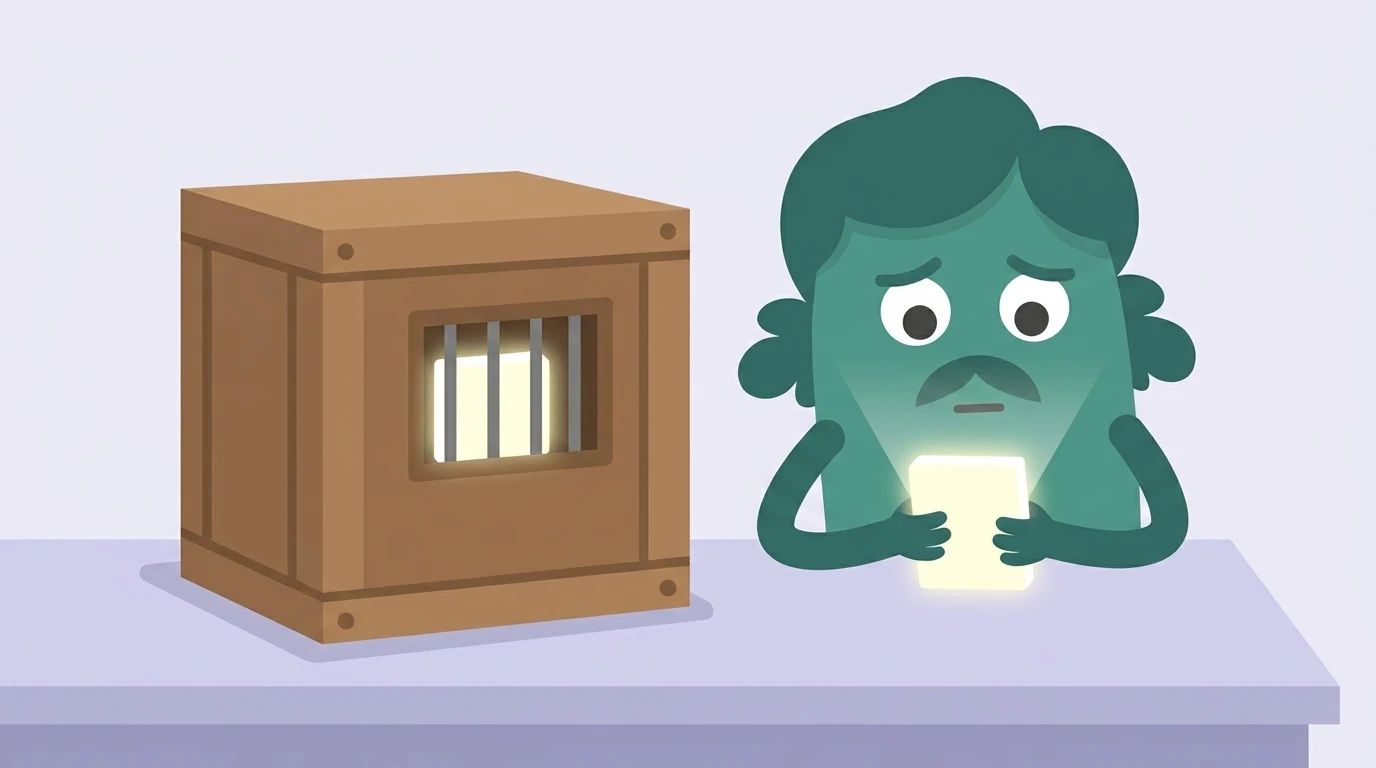
Apps like BlockerX, Covenant Eyes, and Bulldog Blocker address the environmental cue problem — blocking access to triggers at the device level. SMART Recovery and NoFap communities provide peer connection. These are useful tools. But they leave a gap: structured, daily, personalized accountability that follows you through the entire three-stage relapse cycle, not just the moment of temptation.
GetMotivated.ai is built specifically for this gap:
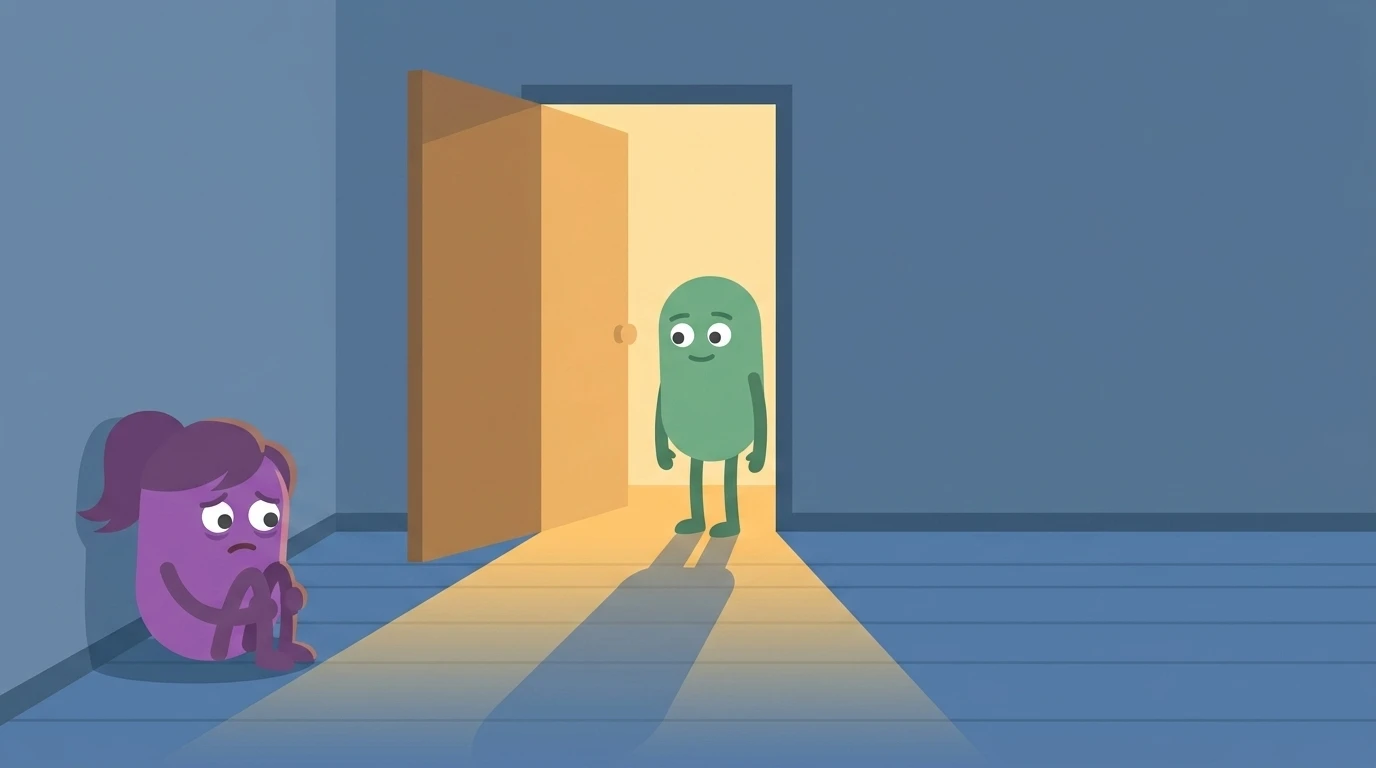
• Buddy matching pairs you with an accountability partner who checks in with you consistently. Not a forum where you might get a reply — a specific person who expects to hear from you daily. When you're in stage 1 emotional relapse — isolating, not processing — a buddy who notices you've gone quiet is early-warning detection that solo recovery can't provide.
• Structured daily check-ins interrupt the drift toward relapse before it becomes a crisis. The most dangerous thing about emotional relapse is that it's invisible. A daily prompt to report your status forces a moment of honest self-assessment that surfaces what might otherwise stay buried until stage 3.
• Group challenges normalize the recovery process. When you're inside a cohort where every member is working on the same behavior pattern, reporting a hard day is part of the program — not a shameful confession. This directly counteracts the shame-and-secrecy cycle that accelerates relapse.
• AI coaching provides on-demand support when cravings hit outside business hours — which they reliably do. The ability to process a trigger at 11 PM, without waiting for a therapist appointment or searching for an active forum thread, reduces the window in which stage 2 mental relapse can escalate to stage 3.
The pattern in every AI prompt, forum post, and search query about relapse points to the same need: something that's there consistently, not just when you remember to reach for it.