Strategy 1: Environmental Design (Highest Impact)
The single most effective intervention is reducing access. In addiction medicine, this is called environmental management, and it works because it removes the decision point entirely.
Implementation steps:
- Install DNS-level blocking on all devices (OpenDNS Family Shield, CleanBrowsing). Router-level blocking is more effective than app-level because it cannot be bypassed by deleting an app.
- Remove browsers from your phone or use a locked-down browser. Most compulsive use happens on mobile.
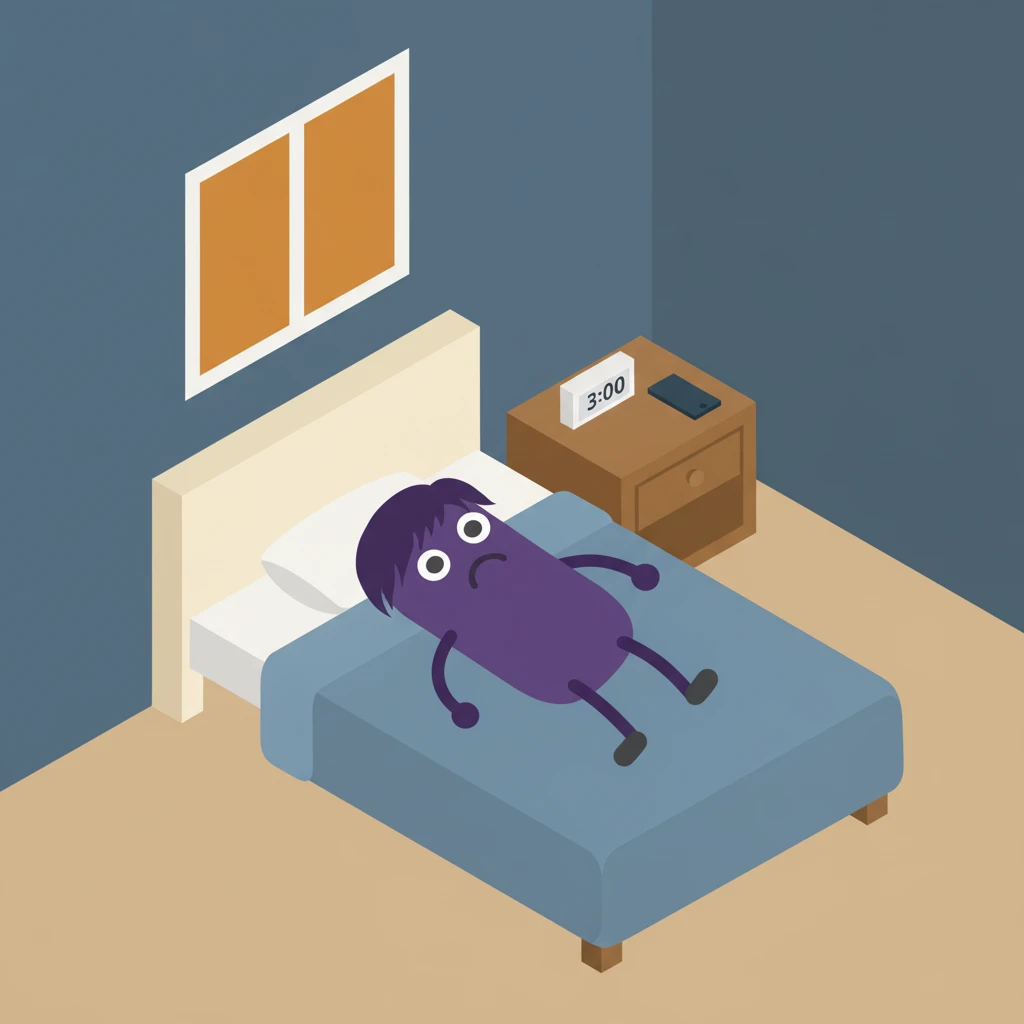
- Relocate devices. If your pattern is late-night use, charge your phone in a different room.
- Identify your trigger environments (alone + bored + device = highest risk) and restructure them. If you work from home alone, work from a library or coffee shop during high-risk hours.
Research on environmental design in substance addiction shows that modifying the environment reduces relapse rates by 40-60% even without other interventions.
Strategy 2: Dopamine-Healthy Replacement Behaviors
Your brain needs dopamine. If you remove the primary source without replacing it, the motivational void will pull you back. The goal is not dopamine elimination — it is dopamine source replacement.
High-quality dopamine sources that support recovery:
- Activity: Vigorous exercise (30+ min) · Dopamine Profile: Sustained moderate release · Why It Helps: Mimics the reward without the crash; improves prefrontal cortex function
- Activity: Cold exposure (cold showers, ice baths) · Dopamine Profile: Acute spike + sustained elevation · Why It Helps: Cold water immersion studies show significant and lasting dopamine elevation without the tolerance buildup associated with supernormal stimuli
- Activity: Skill-building with visible progress · Dopamine Profile: Progressive reward from mastery · Why It Helps: Rebuilds the brain's reward response to effort-based achievement
- Activity: Social connection (in person) · Dopamine Profile: Oxytocin + dopamine co-release · Why It Helps: Directly counteracts the isolation that sustains compulsive patterns
- Activity: Creative output (writing, music, building) · Dopamine Profile: Flow-state dopamine · Why It Helps: Provides sustained engagement without the crash cycle
Critical rule: The replacement behavior must be available during your highest-risk moments. If your pattern is "alone + stressed + evening," the replacement must be deployable in that exact context.
Strategy 3: Structured Accountability
Research published in the Journal of Substance Abuse Treatment consistently identifies social support and structured accountability as among the strongest predictors of sustained recovery from compulsive behaviors. When someone knows they'll be checked on, and when that check-in is structured and non-judgmental, recovery rates improve significantly compared to solitary willpower-based approaches.
Accountability works through three neurological mechanisms:
- Social commitment effect: Public commitment activates different brain circuits than private intention, making follow-through more likely.
- Shame circuit interruption: Compulsive porn use thrives in secrecy. Accountability breaks the secrecy-shame-relapse cycle by making the behavior visible.
- Prefrontal cortex support: Knowing someone will check in provides external executive function support during moments when your own prefrontal cortex is compromised.
What effective accountability looks like:
- Regular check-ins — daily for the first 30 days, then weekly. The check-in must be proactive (you report in), not reactive (someone asks).
- Specific, not vague — "I will report whether I used pornography today" is effective. "Let's talk about how things are going" is not.
- Non-judgmental — the accountability relationship must be safe. Shame drives the cycle; accountability must interrupt shame, not amplify it.
- Structured — programs with built-in accountability systems remove the friction of finding and managing an accountability partner yourself. GetMotivated.ai offers structured recovery challenges designed around these exact principles.
Strategy 4: Urge Surfing and Cognitive Defusion
Urges are neurological events, not commands. Research on mindfulness-based relapse prevention shows that observing an urge without acting on it weakens the neural connection between craving and behavior over time.
The urge surfing technique:
- When a craving hits, name it: "I notice I'm having an urge to watch pornography."
- Locate it physically: Where do you feel it in your body? Chest tightness? Restlessness?
- Rate its intensity on a 1-10 scale.
- Set a timer for 10 minutes and observe the urge without acting.
- Notice: Urges peak and decline within 15-20 minutes. They do not escalate indefinitely. Every urge you surf without acting weakens the circuit.
This is not white-knuckling. It is the opposite — you are deliberately not fighting the urge, which paradoxically reduces its power.
Strategy 5: Address the Underlying Function
Compulsive pornography use always serves a function. It is never "just a habit." The most common underlying drivers:
- Stress regulation — porn as an escape from anxiety, work pressure, or conflict
- Loneliness and social isolation — the parasocial intimacy of pornography substitutes for real connection
- Emotional numbing — using the dopamine flood to avoid processing grief, anger, shame, or depression
- Boredom and understimulation — especially common in ADHD populations, where the brain's baseline dopamine level is already low
The diagnostic question: When you feel the urge, ask: "What am I actually feeling right now?" If the answer is lonely, anxious, bored, or overwhelmed, the urge is a symptom, not the problem. Addressing the underlying driver is what separates people who recover permanently from people who cycle through relapses.
If co-occurring conditions are present (depression, anxiety, ADHD, trauma), professional support is essential. The behavioral strategies above are effective for the compulsive pattern itself, but they do not treat underlying psychiatric conditions.
When to Seek Professional Help
Self-directed recovery works for many people, especially when supported by structured programs and accountability. Seek professional help if:
- You have co-occurring depression, anxiety, PTSD, or untreated ADHD
- Compulsive use has escalated to illegal content
- Your behavior is causing active harm to a partner or family member
- You've attempted structured recovery multiple times without improvement
- You're experiencing suicidal ideation related to shame about your behavior
Where to find help:
- SAMHSA National Helpline: 1-800-662-4357 (free, confidential, 24/7)
- Psychology Today therapist finder: Filter by "compulsive sexual behavior" or "addiction"
- Certified Sex Addiction Therapists (CSAT): Directory at iitap.com
- Your primary care physician: Can screen for co-occurring conditions and refer appropriately
There is no shame in needing professional support. The neuroscience is clear: this is a brain-based condition, and some cases require clinical intervention alongside behavioral strategies.
Your Next Step
You can read about recovery strategies anywhere on the internet. The difference is whether you actually implement them.
GetMotivated.ai offers structured recovery challenges with built-in accountability, daily progress tracking, and community support. Each challenge applies the strategies discussed in this article — environmental design, replacement behaviors, accountability check-ins, urge surfing protocols, and underlying function exploration — in a guided, day-by-day format.
You don't need more information. You need a system.