GetMotivated.ai Logo
How It WorksPricingLog in
GetMotivated.ai Logo

Build lasting habits through cohort challenges.
Our structured support helps turn good intentions into follow-through.

Explore

  • Plans
  • Challenges
  • Sources
  • Creators
  • Blog
  • How It Works
  • Pricing

Company

  • About
  • Contact
  • Privacy
  • Terms
  • Our Guarantee

© 2026 GetMotivated.ai

GetMotivated.ai Blog

The science of following through — across health, work, learning, and life

Evidence-based behavior change strategies for managing chronic conditions, breaking addictions, building careers, and mastering new skills — backed by research and built into structured programs with real accountability.

Category Hubs

Addiction RecoveryADHD & NeurodivergenceFitness & ExerciseHabits & Behavioral Change
ADHD and Emotional Regulation: Why You Feel Everything at Full Volume cover image
April 15, 20267 min readADHD & Neurodivergence

ADHD and Emotional Regulation: Why You Feel Everything at Full Volume

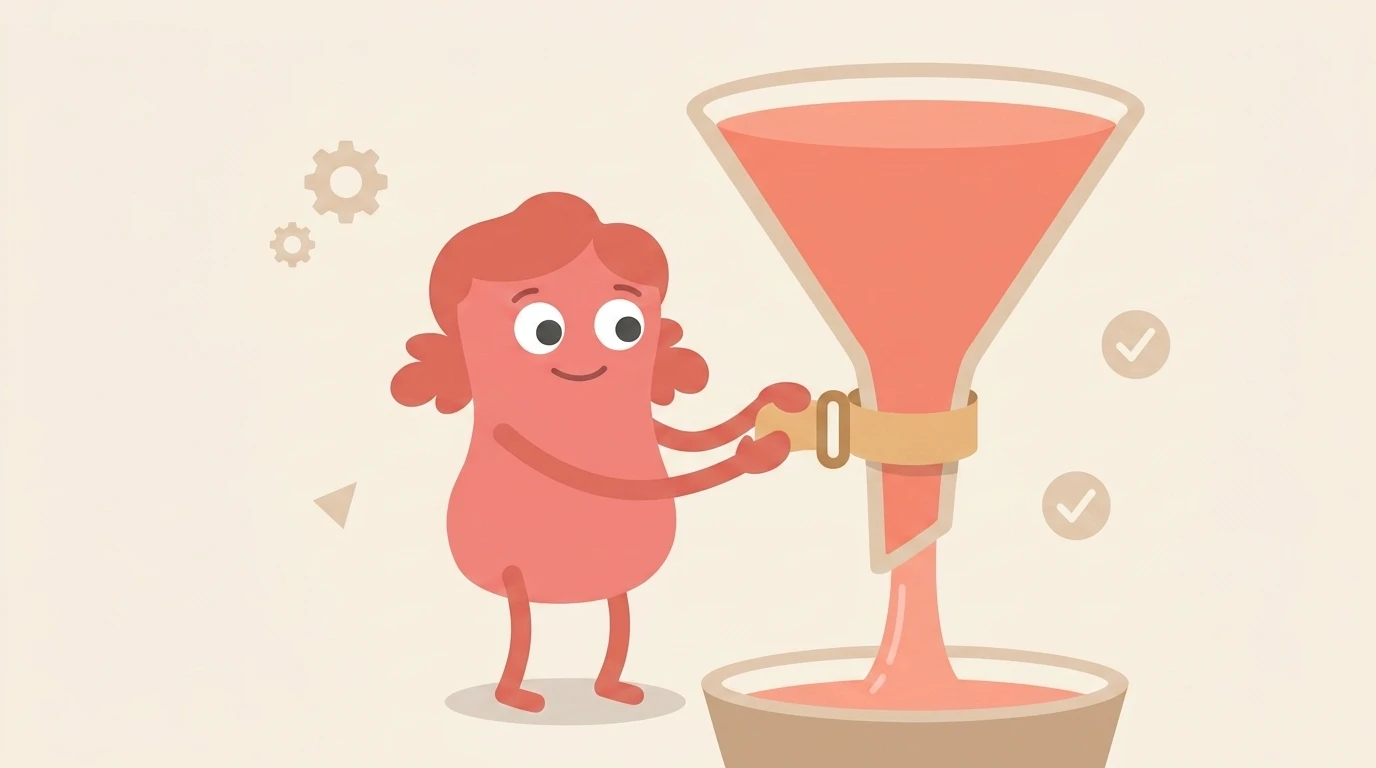
ADHD emotional dysregulation means your brain's volume dial is stuck on maximum — every frustration, excitement, or disappointment hits harder and faster than it does for most people. Here's what the science says and what actually helps.

adhdexecutive dysfunctionemotional regulation
The GetMotivated.ai TeamRead →
Working from Home with ADHD: Why Remote Work Is Both Perfect and Terrible cover image
April 15, 20267 min readADHD & Neurodivergence

Working from Home with ADHD: Why Remote Work Is Both Perfect and Terrible

Remote work removes the office structure that many people with ADHD unknowingly rely on — and replaces it with endless distraction, no social regulation, and zero external accountability. Here's what actually helps.

adhdexecutive dysfunctionbody doublingtime blindness
The GetMotivated.ai TeamRead →
ADHD Burnout Is Different: How to Recognize It Before You Crash cover image
April 14, 20267 min readADHD & Neurodivergence

ADHD Burnout Is Different: How to Recognize It Before You Crash

ADHD burnout is a state of complete physical and emotional exhaustion caused by sustained masking, overcompensation, and chronic stress — not laziness or weakness. Here's how to recognize the warning signs early and what actually helps.

adhdexecutive dysfunctionburnoutadhd masking
The GetMotivated.ai TeamRead →
The ADHD Doom Pile: Why Clutter Accumulates and How to Beat It cover image
April 14, 20267 min readADHD & Neurodivergence

The ADHD Doom Pile: Why Clutter Accumulates and How to Beat It

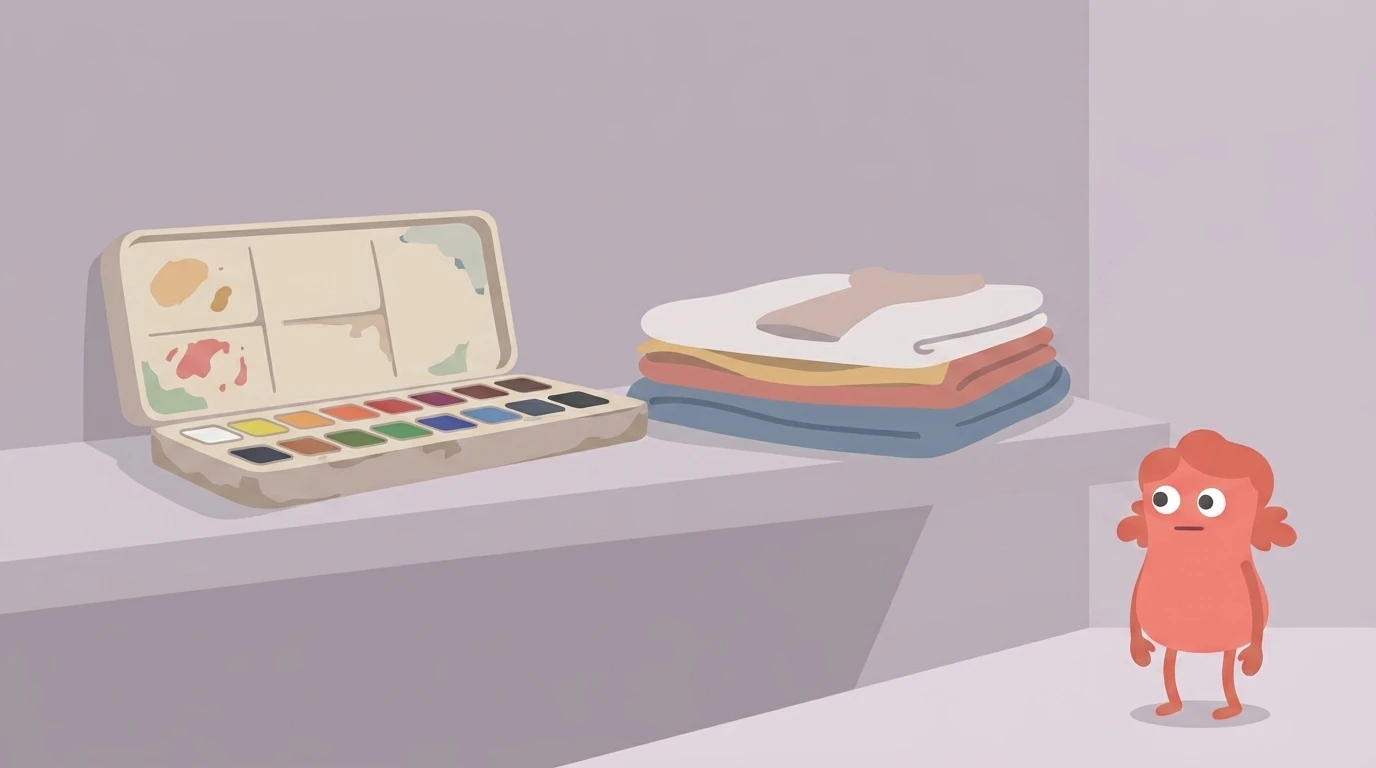
ADHD clutter — the infamous 'doom pile' — isn't laziness. It's a neurological failure in object permanence and task initiation. Here's why clutter accumulates when you have ADHD and what actually works to clear it.

adhdexecutive dysfunctionhabit formationbody doubling
The GetMotivated.ai TeamRead →
The ADHD Meal Prep Problem: Why Traditional Advice Doesn't Work cover image
April 13, 20267 min readADHD & Neurodivergence

The ADHD Meal Prep Problem: Why Traditional Advice Doesn't Work

ADHD makes meal prep uniquely difficult — not because of laziness, but because of how the ADHD brain handles planning, time perception, and decision fatigue. Here's what the research shows, and what actually helps instead.

adhdexecutive dysfunctionhabit formationdopamine
The GetMotivated.ai TeamRead →
ADHD and Morning Routines: Stop Trying to Wake Up at 5 AM cover image
April 13, 20267 min readADHD & Neurodivergence

ADHD and Morning Routines: Stop Trying to Wake Up at 5 AM

ADHD morning routines fail because they're designed for neurotypical brains. The ADHD brain needs low-friction systems, external cues, and dopamine scaffolding — not willpower and a 5 AM alarm. Here's what the research actually supports.

adhdexecutive dysfunctionhabit formationtime blindness
The GetMotivated.ai TeamRead →
Exercise as Addiction Treatment: What 47 Studies Show cover image
April 12, 20269 min readAddiction Recovery

Exercise as Addiction Treatment: What 47 Studies Show

Exercise reduces relapse rates, accelerates brain recovery from substance use, and treats the depression and anxiety that drive most relapses. Here's what 47 studies show about exercise as addiction treatment — and how to actually build the habit in recovery.

addiction recoveryexercisedopaminehabit formation
The GetMotivated.ai TeamRead →
Why Boredom Is the Most Dangerous Trigger in Recovery cover image
April 12, 20268 min readAddiction Recovery

Why Boredom Is the Most Dangerous Trigger in Recovery

Boredom is consistently ranked among the top triggers for relapse in addiction recovery — yet it's rarely addressed with the same urgency as stress, social pressure, or emotional pain. Here's why boredom is so dangerous and what actually fills the void.

addiction recoverydopaminehabit formation
The GetMotivated.ai TeamRead →
Alcohol and the 4 AM Wake-Up: Why Drinking Destroys Your Sleep cover image
April 11, 20267 min readAddiction Recovery

Alcohol and the 4 AM Wake-Up: Why Drinking Destroys Your Sleep

Alcohol sedates you but doesn't produce sleep — it produces a neurologically different state that suppresses REM sleep, causes rebound arousal at 3-4 AM, and leaves you more tired than if you hadn't drunk at all. Here's the science and what to do instead.

addiction recoveryhabit breaking
The GetMotivated.ai TeamRead →
Why One More Bet Always Feels Rational: The Neuroscience of Gambling Addiction cover image
April 11, 20268 min readAddiction Recovery

Why One More Bet Always Feels Rational: The Neuroscience of Gambling Addiction

Gambling addiction hijacks the brain's reward prediction system so completely that 'one more bet' genuinely feels like the logical choice. Understanding the neuroscience explains why willpower alone fails — and what actually breaks the cycle.

addiction recoverydopamine
The GetMotivated.ai TeamRead →
Sugar Addiction Is Real: What the Science Says and How to Break Free cover image
April 10, 20268 min readAddiction Recovery

Sugar Addiction Is Real: What the Science Says and How to Break Free

Sugar addiction is a real neurological phenomenon — not a lack of willpower. Research shows sugar triggers the same dopamine reward pathways as addictive drugs. Here's what the science says and what actually helps you quit the cycle.

addiction recoverydopaminehabit breaking
The GetMotivated.ai TeamRead →
How Accountability Partners Increase Recovery Success by 95% cover image
April 10, 20268 min readAddiction Recovery

How Accountability Partners Increase Recovery Success by 95%

Accountability partners increase addiction recovery success rates by up to 95% according to research. Structured social support — not willpower alone — is what separates sustained recovery from repeated relapse cycles.

addiction recoveryhabit formation
The GetMotivated.ai TeamRead →
Why Do I Keep Relapsing? The Neuroscience of Addiction Relapse cover image
April 9, 20268 min readAddiction Recovery

Why Do I Keep Relapsing? The Neuroscience of Addiction Relapse

Relapsing doesn't mean you failed — it means your brain is doing exactly what addiction trained it to do. Here's the neuroscience behind why relapse happens, what makes it so predictable, and what the evidence says about breaking the cycle for good.

addiction recoverydopaminehabit breaking
The GetMotivated.ai TeamRead →
Social Media Addiction and Your Brain: The Dopamine Loop Explained cover image
April 9, 20267 min readAddiction Recovery

Social Media Addiction and Your Brain: The Dopamine Loop Explained

Social media addiction hijacks your brain's dopamine system through variable reward schedules — the same mechanism that makes slot machines addictive. Here's what the research shows about how it works and how to break the cycle.

addiction recoverydopaminehabit breakingphone addiction
The GetMotivated.ai TeamRead →
Why an Accountability Partner Is the Most Effective Tool for Quitting Porn cover image
April 8, 20267 min readAddiction Recovery

Why an Accountability Partner Is the Most Effective Tool for Quitting Porn

An accountability partner for porn addiction is the single most evidence-backed social intervention for recovery — more effective than willpower or apps alone. Here's what the research says and how to find one that actually works.

addiction recoveryporn addictionhabit breaking
The GetMotivated.ai TeamRead →
Porn Addiction Recovery Timeline: From Day 1 to One Year cover image
April 8, 20267 min readAddiction Recovery

Porn Addiction Recovery Timeline: From Day 1 to One Year

Porn addiction recovery follows a predictable timeline: acute withdrawal in the first two weeks, dopamine stabilization by 90 days, and lasting rewiring by one year. Here's what research and recovery data show about each phase — and what to expect at every stage.

addiction recoveryporn addictiondopaminehabit breaking
The GetMotivated.ai TeamRead →
Why Can't I Stop Watching Porn? The Neuroscience of Compulsive Use cover image
April 7, 20267 min readAddiction Recovery

Why Can't I Stop Watching Porn? The Neuroscience of Compulsive Use

If you can't stop watching porn despite wanting to quit, it's not a willpower failure — it's neuroscience. Compulsive porn use rewires the brain's dopamine system the same way other behavioral addictions do. Here's what's happening and what actually helps.

addiction recoveryporn addictiondopaminehabit breaking
The GetMotivated.ai TeamRead →
Porn-Induced ED: The Science and How to Recover cover image
April 7, 20267 min readAddiction Recovery

Porn-Induced ED: The Science and How to Recover

Porn-induced erectile dysfunction (PIED) is real erectile dysfunction caused by chronic pornography use rewiring the brain's dopamine system. It affects men of all ages and is largely reversible through abstinence and structured behavioral change.

porn addictionaddiction recoverydopaminehabit breaking
The GetMotivated.ai TeamRead →
NoFap vs No Porn: What's the Difference and Which Works Better? cover image
April 6, 20267 min readAddiction Recovery

NoFap vs No Porn: What's the Difference and Which Works Better?

NoFap means abstaining from masturbation and pornography; no porn means quitting porn while allowing masturbation. Research suggests quitting porn specifically is the critical variable — but structure and accountability determine whether either approach actually sticks.

porn addictionaddiction recoverydopaminehabit breaking
The GetMotivated.ai TeamRead →
How Long Does It Take to Rewire Your Brain from Porn Addiction? cover image
April 6, 20267 min readAddiction Recovery

How Long Does It Take to Rewire Your Brain from Porn Addiction?

Rewiring your brain from porn addiction takes 60–90 days for initial neurological changes, but meaningful recovery typically unfolds over 6–12 months. Here's what the research says about each stage and what actually accelerates healing.

porn addictionaddiction recoverydopaminehabit breaking
The GetMotivated.ai TeamRead →
No Porn Challenge Benefits: What the Research Actually Shows cover image
April 5, 20267 min readAddiction Recovery

No Porn Challenge Benefits: What the Research Actually Shows

A no-porn challenge produces measurable benefits: improved dopamine sensitivity, better erectile function, reduced anxiety, and stronger relationship satisfaction — most within 30–90 days of abstinence. Here's what the research actually shows.

addiction recoveryporn addictiondopaminehabit breaking
The GetMotivated.ai TeamRead →
ADHD Procrastination Isn't Laziness: Why Your Brain Won't Let You Start cover image
April 4, 20268 min readADHD & Neurodivergence

ADHD Procrastination Isn't Laziness: Why Your Brain Won't Let You Start

ADHD procrastination isn't a willpower problem — it's a neurological one. The ADHD brain struggles to initiate tasks without sufficient dopamine, turning simple to-dos into immovable walls. Here's why it happens and what actually works.

adhdexecutive dysfunctiondopaminehabit formation
The GetMotivated.ai TeamRead →
How to Start Exercising Again After a Long Break cover image
April 4, 20267 min readFitness & Exercise

How to Start Exercising Again After a Long Break

Starting to exercise again after a long break requires a different approach than beginning for the first time. The science shows that your body remembers — but your schedule, motivation, and habits need rebuilding from scratch. Here's how to do it without burning out again.

exercisefitnesshabit formation
The GetMotivated.ai TeamRead →
Porn Addiction Withdrawal: What to Expect and How to Get Through It cover image
April 3, 20268 min readAddiction Recovery

Porn Addiction Withdrawal: What to Expect and How to Get Through It

Porn addiction withdrawal is real. When you stop watching pornography after heavy use, your brain's dopamine system rebounds — causing mood swings, irritability, insomnia, and intense cravings. Most acute symptoms peak in the first 2-4 weeks and improve significantly within 90 days.

porn addictionaddiction recoverydopaminehabit breaking
The GetMotivated.ai TeamRead →
ADHD Task Paralysis: Why You Can't Start and What to Do About It cover image
April 3, 20267 min readADHD & Neurodivergence

ADHD Task Paralysis: Why You Can't Start and What to Do About It

ADHD task paralysis is the specific inability to initiate a task despite wanting to do it — not procrastination, not laziness. It's a neurological failure in the brain's task-switching and activation systems, and there are evidence-based strategies that actually help.

adhdexecutive dysfunctiontask initiationbody doubling
The GetMotivated.ai TeamRead →
30-Day No Porn Challenge: What to Expect Week by Week cover image
April 2, 20267 min readAddiction Recovery

30-Day No Porn Challenge: What to Expect Week by Week

A 30-day no porn challenge follows a predictable arc: craving intensity peaks around days 3-7, stabilizes by week 2, and shifts to rewiring by weeks 3-4. Here's exactly what happens to your brain and behavior at each stage.

porn addictionaddiction recoverydopaminehabit breaking
The GetMotivated.ai TeamRead →
ADHD Study Habits: Systems That Actually Work for the ADHD Brain cover image
April 2, 20268 min readADHD & Neurodivergence

ADHD Study Habits: Systems That Actually Work for the ADHD Brain

ADHD study habits require systems built for how the ADHD brain actually works — not willpower. Here's what the research says about time-blocking, body doubling, and structured study sessions that produce real results.

adhdexecutive dysfunctionhabit formationbody doubling
The GetMotivated.ai TeamRead →
Exercise and Depression: What to Do When You Can Barely Get Out of Bed cover image
April 1, 20267 min readFitness & Exercise

Exercise and Depression: What to Do When You Can Barely Get Out of Bed

Exercise reduces depression symptoms as effectively as antidepressants in mild-to-moderate cases, according to multiple clinical trials. But the hardest part is starting when depression robs you of motivation. Here's what the research says works — and how to actually begin.

exercisefitnessdepressionhabit formation
The GetMotivated.ai TeamRead →
How to Find an Accountability Partner That Actually Keeps You on Track cover image
April 1, 20267 min readHabits & Behavioral Change

How to Find an Accountability Partner That Actually Keeps You on Track

An accountability partner is someone who helps you follow through on goals by creating mutual commitment and consistent check-ins. Research shows accountability increases goal completion rates by up to 65%. Here's how to find the right one — and what makes them effective.

habit formationhabit breaking
The GetMotivated.ai TeamRead →
ADHD Time Blindness: Why You Lose Track of Time and What Actually Helps cover image
March 31, 20267 min readADHD & Neurodivergence

ADHD Time Blindness: Why You Lose Track of Time and What Actually Helps

ADHD time blindness is a neurological condition where the brain cannot accurately perceive or track the passage of time. It's not laziness or poor planning — it's a core feature of ADHD. Here's what causes it, how it disrupts daily life, and strategies that research shows actually work.

adhdexecutive dysfunctionhabit formationtime blindness
The GetMotivated.ai TeamRead →
Habit Stacking: When It Works, When It Doesn't, and How to Do It Right cover image
March 31, 20267 min readHabits & Behavioral Change

Habit Stacking: When It Works, When It Doesn't, and How to Do It Right

Habit stacking is a behavior change technique that links a new habit to an existing routine, making the new behavior automatic over time. Here's how to use it effectively, common mistakes that cause it to fail, and examples you can apply today.

habit formationhabit stacking
The GetMotivated.ai TeamRead →
How to Start Exercising: A Beginner's Guide That Actually Works cover image
March 30, 20267 min readFitness & Exercise

How to Start Exercising: A Beginner's Guide That Actually Works

Starting an exercise habit is hard — but the research points to clear, specific factors that determine success or failure. This guide covers what beginners actually need to know to start exercising and stick with it.

exercisefitnesshabit formation
The GetMotivated.ai TeamRead →
What Is Rejection Sensitive Dysphoria? The Complete Guide to RSD cover image
March 29, 20269 min readADHD & Neurodivergence

What Is Rejection Sensitive Dysphoria? The Complete Guide to RSD

Rejection sensitive dysphoria (RSD) is an intense emotional response to perceived rejection or criticism, commonly linked to ADHD. It's not a character flaw — it's neurological. Here's what causes it, how to recognize it, and what actually helps.

adhdexecutive dysfunctionrejection sensitive dysphoriaemotional regulation
The GetMotivated.ai TeamRead →
ADHD Body Doubling Guide cover image
March 29, 20268 min readADHD & Neurodivergence

Body Doubling for ADHD: Why Working Alone Doesn't Work

Most adults with ADHD can focus at a coffee shop but struggle at home. Body doubling explains why — and how to replicate that effect anywhere.

adhd managementbody doublingexecutive functionneurodivergence
The GetMotivated.ai TeamRead →
Dopamine Detox: What It Actually Is, What It Isn't, and How to Do One cover image
March 29, 20268 min readAddiction Recovery

Dopamine Detox: What It Actually Is, What It Isn't, and How to Do One

A dopamine detox is a structured period of reducing high-stimulation activities to restore the brain's sensitivity to everyday rewards. Here's what the science says and how to do one that works.

addiction recoverydigital wellnessdopaminehabit formation
The GetMotivated.ai TeamRead →
ADHD Tax Executive Dysfunction Costs cover image
March 29, 202610 min readADHD & Neurodivergence

The ADHD Tax: How Executive Dysfunction Costs You Money, Time, and Relationships

Every year, adults with ADHD pay a tax no one voted for — late fees, lost time, strained relationships, and the cumulative cost of executive dysfunction in a world that doesn't accommodate it. Here's what the research says it actually costs, and what structural solutions actually help.

adhd managementexecutive functionfinancial wellnesstime management
The GetMotivated.ai TeamRead →
ADHD Morning Routine Reality cover image
March 28, 20269 min readADHD & Neurodivergence

ADHD and Morning Routines: Stop Trying to Wake Up at 5 AM

The productivity world has convinced millions of people that waking up at 5 AM is the path to success. For people with ADHD, this advice doesn't just fail — it actively makes things worse. Here's what the neuroscience actually says about ADHD, chronotype, and building morning routines that work with your brain instead of against it.

adhd managementmorning routineexecutive functiontime management
The GetMotivated.ai TeamRead →
How to Stop Watching Porn: 7 Evidence-Based Strategies That Actually Work cover image
March 28, 20268 min readAddiction Recovery

How to Stop Watching Porn: 7 Evidence-Based Strategies That Actually Work

Stopping pornography use is possible. Research shows the brain's reward circuits can rewire with sustained abstinence, accountability, and targeted behavioral strategies. Here are 7 evidence-based approaches — not willpower alone.

addiction recoverydopamine
The GetMotivated.ai TeamRead →
Phone Addiction: Why You Check Your Phone 150 Times a Day and How to Stop cover image
March 28, 202610 min readADHD & Neurodivergence

Why Your ADHD Brain Quits Every Productivity System After Two Weeks

Most productivity systems fail people with ADHD — not because of a lack of willpower, but because they were designed for a different kind of brain. Understanding why ADHD causes system abandonment is the first step to building something that actually holds.

adhd managementexecutive functionhabit formationneurodivergence
The GetMotivated.ai TeamRead →
How Long Does It Actually Take to Form a Habit? (The 21-Day Myth Debunked) cover image
March 28, 20267 min readHabits & Behavioral Change

How Long Does It Actually Take to Form a Habit? (The 21-Day Myth Debunked)

It takes an average of 66 days to form a habit, not 21. A 2009 UCL study by Phillippa Lally found the real range is 18 to 254 days, depending on the behavior's complexity. Here's what the research actually says.

habit formation
The GetMotivated.ai TeamRead →
ADHD Paralysis Is Not Laziness: What's Actually Happening in Your Brain cover image
March 27, 20269 min readADHD & Neurodivergence

ADHD Paralysis Is Not Laziness: What's Actually Happening in Your Brain

ADHD paralysis isn't laziness — it's a neurological failure of executive function rooted in dopamine dysregulation. Here's what Barkley and Brown's research says is actually happening, and what actually helps.

adhdexecutive dysfunctiontask paralysis
The GetMotivated.ai TeamRead →
Body Doubling for ADHD: Why Working Alone Doesn't Work (And How to Find a Focus Partner) cover image
March 27, 20268 min readADHD & Neurodivergence

Body Doubling for ADHD: Why Working Alone Doesn't Work (And How to Find a Focus Partner)

Body doubling is the practice of working alongside another person to activate focus — and for ADHD brains, it's one of the highest-leverage productivity strategies available. Here's the science, how to do it, and where to find a partner.

adhdexecutive dysfunctionbody doubling
The GetMotivated.ai TeamRead →
Phone Addiction: Why You Check Your Phone 150 Times a Day and How to Stop cover image
March 26, 20268 min readAddiction Recovery

Phone Addiction: Why You Check Your Phone 150 Times a Day and How to Stop

Phone addiction is a compulsive pattern of smartphone use driven by variable-ratio reinforcement — the same mechanism that makes slot machines hard to put down. Here's what the research says about symptoms, causes, and what actually works to break the cycle.

addiction recoverydigital wellnesshabit formationscreen time
The GetMotivated.ai TeamRead →
A purple character lies awake in bed at 3am staring at the ceiling, phone placed face-down on the nightstand, with warm light glowing through a window
March 22, 202612 min readAddiction Recovery

Porn Addiction: Why You Can't Stop and What Actually Works

Compulsive pornography use rewires your brain's reward system, but neuroscience also shows the path back. This guide breaks down the science, the proven strategies, and how structured accountability dramatically improves recovery outcomes.

porn addictionaddiction recoverydopaminehabit breaking
The GetMotivated.ai TeamRead →
An open habit planner showing one page filled with colorful checkmarks and doodles next to a completely blank page, with an abandoned pen beside it
March 21, 20267 min readADHD & Neurodivergence

Can't Stick to a Workout with ADHD? It's Not Laziness — It's a Systems Problem

ADHD makes exercise consistency brutally hard — not because you're lazy, but because your brain needs structure, not willpower. Here's what actually works.

adhdexercisefitnessexecutive dysfunction
The GetMotivated.ai TeamRead →

Tag Hubs

addiction recoverydopaminehabit formationadhdhabit breakingexecutive dysfunctionporn addictionbody doublingexercisefitnessadhd managementexecutive functionneurodivergencetime blindnessdigital wellnessemotional regulationtime managementadhd masking

Challenge Hubs

Reclaim Focus: Quit Porn1 related posts

Search the blog

Search by topic, challenge, or keyword.