The Difference Between Boredom and Rest
Many people in recovery mistake boredom for needed rest, and many advisors confuse "taking it easy" with appropriate self-care. The distinction matters clinically.
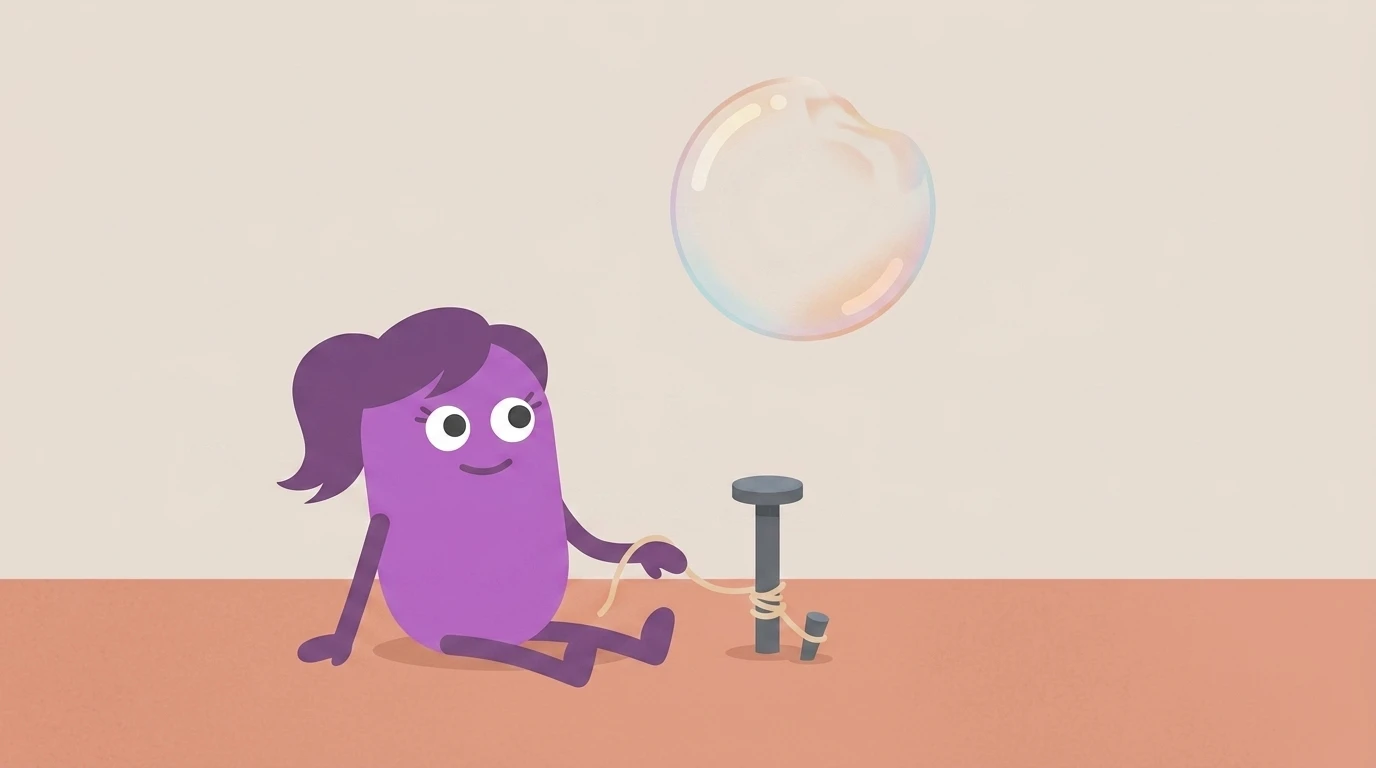
Rest is restorative. It involves intentional disengagement — putting something down to recover, followed by return. It has a purpose and a natural endpoint. Rest reduces stress.
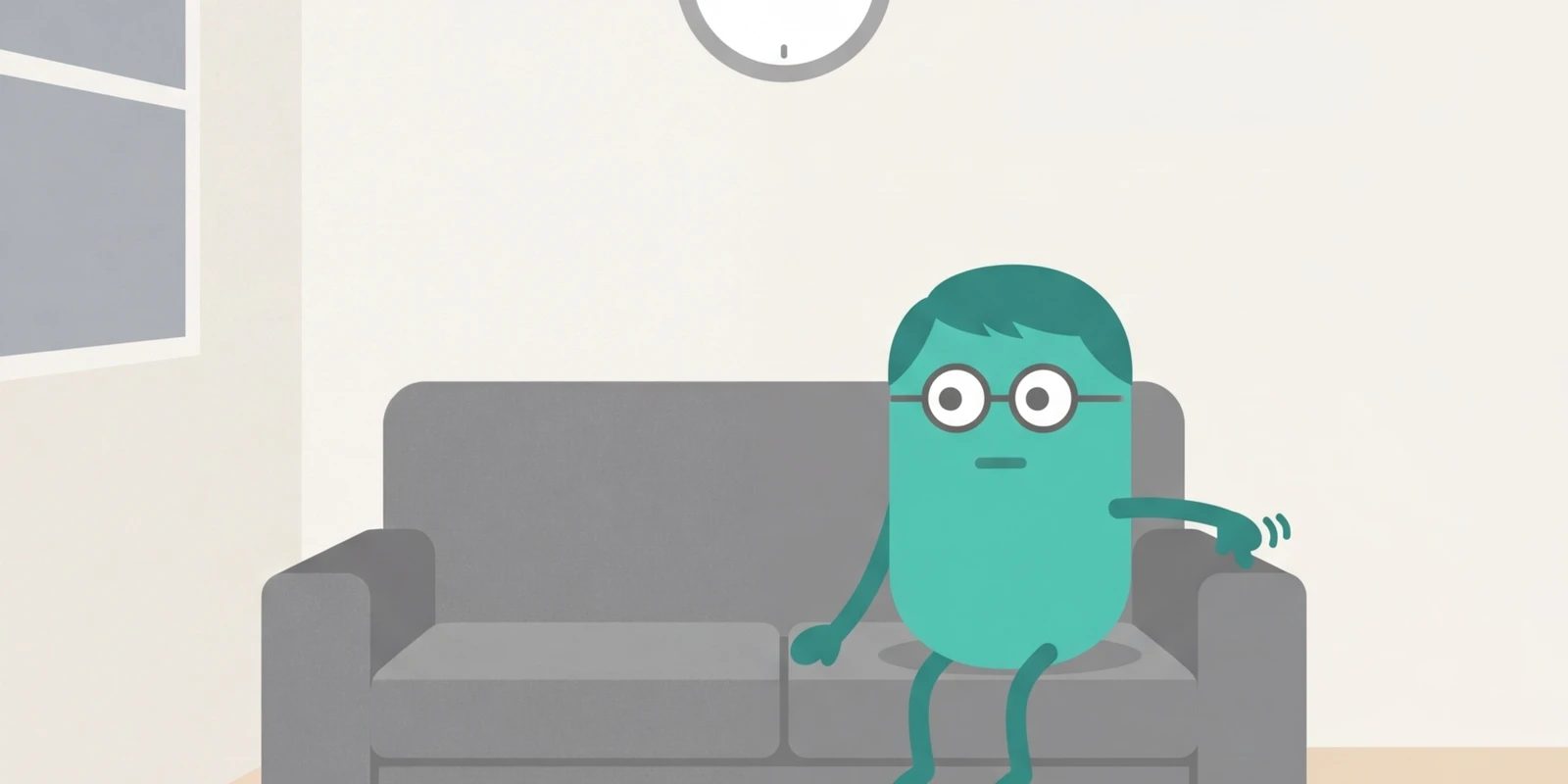
Boredom is aversive. It involves the absence of meaning — nothing to engage with, no sense of purpose in the present moment. It generates discomfort and a drive to escape. Boredom increases craving.
Telling someone in early recovery to "relax more" without providing structured activity is not protective advice. Unstructured time is precisely what the brain will fill with craving.
What Protects Against Boredom-Driven Relapse
Structured Activity, Not Just Busyness
The evidence is clear: structured engagement is protective; passive activities are less so. Watching television, scrolling social media, and similar low-engagement activities do not reliably protect against boredom-driven cravings — they reduce external stimulation while leaving the mind to wander.
Structured activities that work:
• Exercise (supported by a robust evidence base — Lynch et al. found regular exercise reduces drug and alcohol relapse rates significantly)
• Volunteering or service work
• Creative activities with skill development components (learning a musical instrument, writing, art)
• Structured social engagement (not just being around people, but purposeful activities with others)
• New skill acquisition in any domain
The key element is active engagement — something that requires attention and produces a sense of competence or progress.
Pre-Planning Beats In-the-Moment Decision-Making
One of the most reliable findings in addiction behavior research: decisions made in the moment of craving are lower-quality decisions than decisions made in advance. The craving state impairs prefrontal cortex function — the executive decision-making system — making it harder to generate creative alternatives at exactly the moment they're needed.
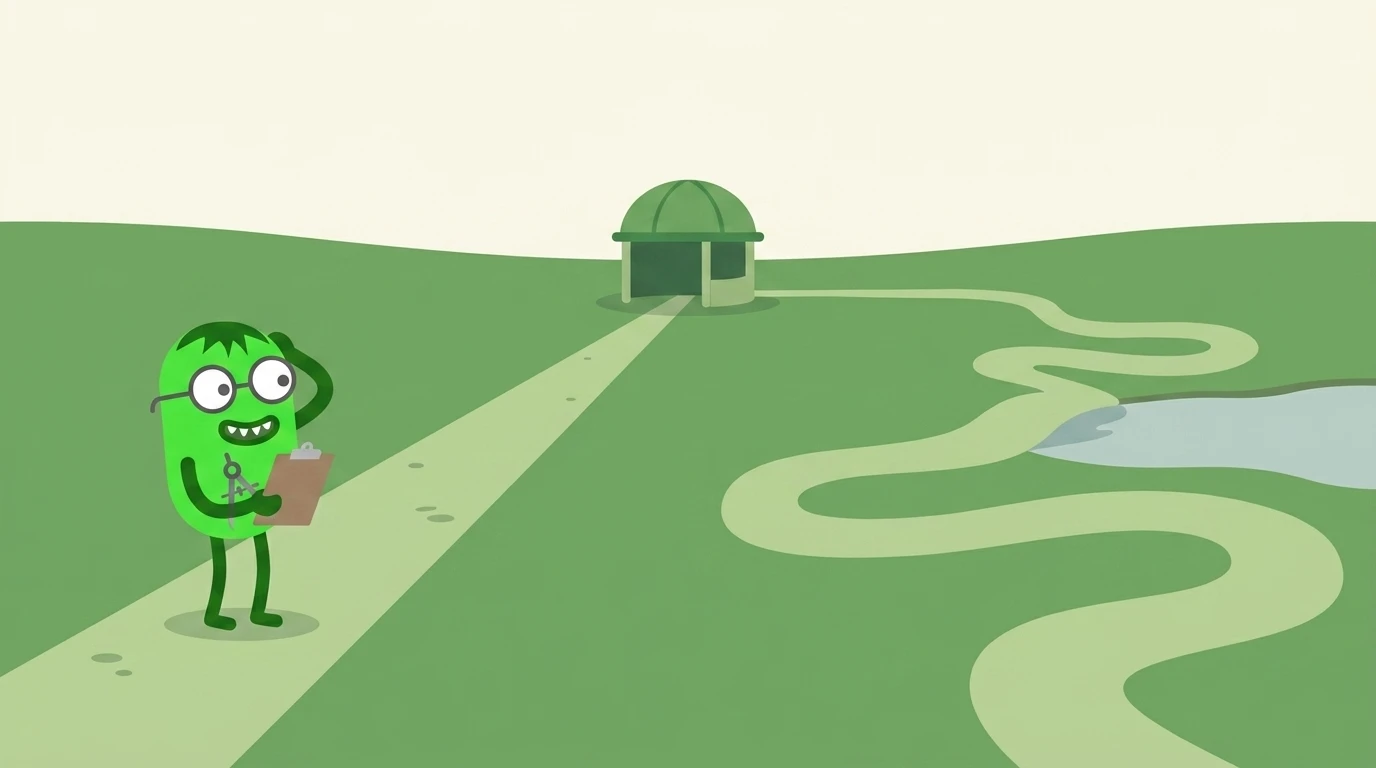
The clinical implication: recovery plans need to include specific, named activities for specific high-risk time windows — not general intentions ("I'll exercise more") but concrete commitments ("On Saturday afternoon from 2-5 PM, I am going to this gym class and then meeting this person for coffee").
Social Connection as the Strongest Buffer
Of all the protective factors against boredom-driven relapse, social connection with recovery-supporting others is consistently the most powerful. A 2019 meta-analysis by Kelly and colleagues found that structured peer support significantly predicts sustained recovery — more than professional treatment alone.
The mechanism is compound: social connection addresses boredom directly (engagement, stimulation), addresses isolation (which amplifies cravings), provides accountability (someone knows your plans and checks on you), and provides meaning (relationships are the most reliable natural dopamine source).
Key Stat: Exercise reduces dopamine depletion in addiction recovery by upregulating dopamine synthesis and receptor density — one mechanism by which regular physical activity protects against relapse. A review by Lynch and colleagues found exercise reduces relapse rates across multiple substance categories by 40-50% in research studies. — Source: Psychological Bulletin
Building a Life That Doesn't Leave You Empty
The most honest framing of long-term recovery is this: you are not just stopping a behavior. You are replacing an entire structure of meaning, stimulation, identity, and social connection that the addiction provided.
Addiction was many things. It was a social ritual (drinking with friends). It was a reward signal (the high). It was a coping mechanism (numbing stress). It was an identity (the person who parties, who gambles, who uses). It was a schedule (the time you used was time structured).
Remove all of that without replacing it, and what remains is a vacuum. Boredom is what a vacuum feels like. Relapse is what happens when the vacuum becomes unbearable.
Recovery planning that takes this seriously doesn't just address not using. It deliberately constructs:
• A new social network (or rebuilding the old one without substances as the social glue)
• A new schedule that fills the hours that substances occupied
• A new identity ("I'm someone who runs / creates / serves" rather than "I'm someone who doesn't drink")
• New sources of meaning and reward that approach — slowly, with time — the dopamine levels that substances delivered
How GetMotivated.ai Addresses the Boredom Gap
Apps like Sober Grid and I Am Sober provide community and tracking, but they're passive — they don't create structure in your day. Monument and Hazelden Betty Ford offer professional treatment frameworks, but they're not available at 4 PM on a Sunday when the boredom is acute.
GetMotivated.ai is built specifically around the structure and accountability that boredom vulnerability demands. The challenge framework provides daily structure — a clear activity, a clear goal, a clear check-in — that replaces the rhythm substances previously provided. Buddy matching creates a consistent human relationship that means someone expects to hear from you, creating the accountability that makes it harder to let a dangerous afternoon slide into a relapse.
For people in recovery, the AI coaching feature is particularly useful for building the pre-planned activity lists that protect against in-the-moment craving decisions. You don't decide what to do on the high-risk Saturday afternoon when you're already bored and struggling. You decide in advance, when your executive function is intact, and the plan is waiting for you when you need it.