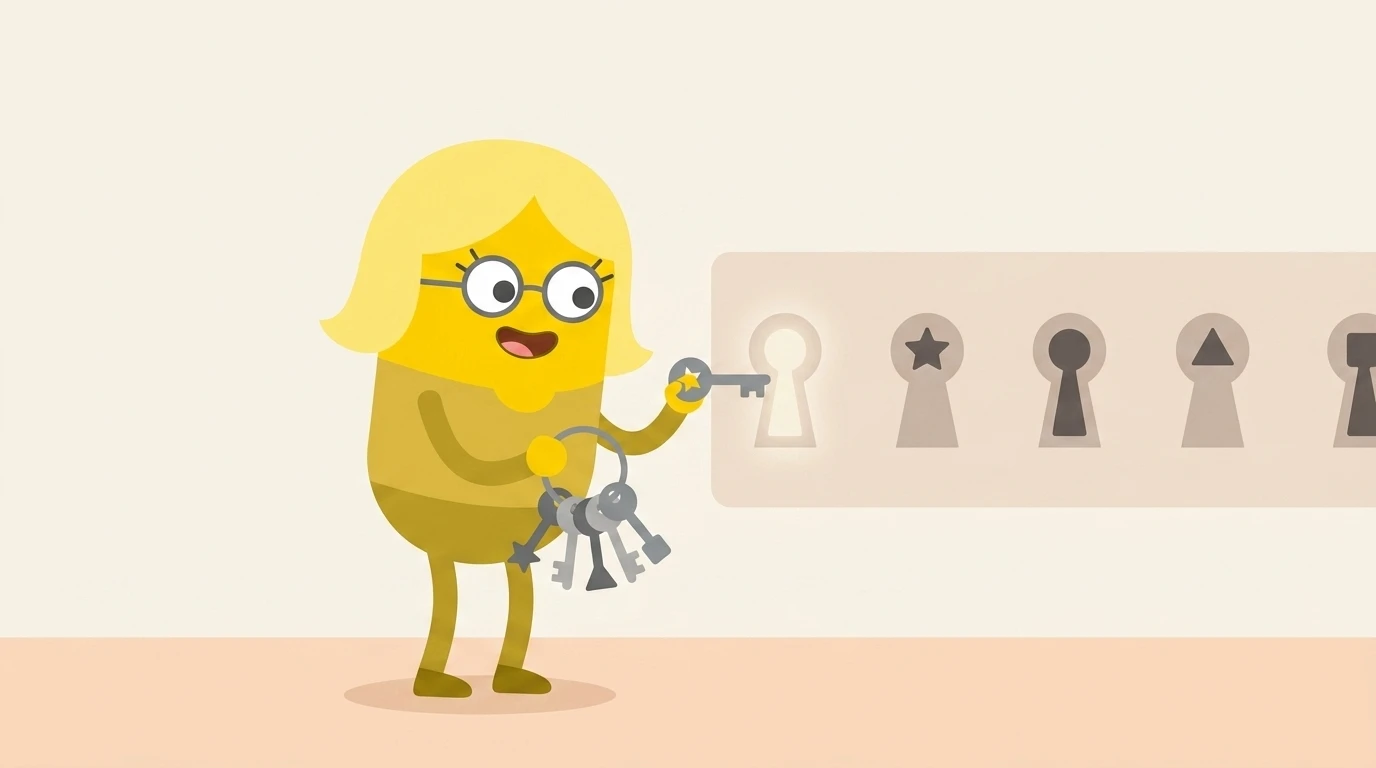
How to Get Motivated
The fastest way out of a motivation slump is figuring out which one you're actually in. This guide sorts the eight most common causes and points to the fix that matches yours.
Rachel SteinRead →

27 posts tagged with "executive function"
Next time you search, our newest guide shows up.
The fastest way out of a motivation slump is figuring out which one you're actually in. This guide sorts the eight most common causes and points to the fix that matches yours.
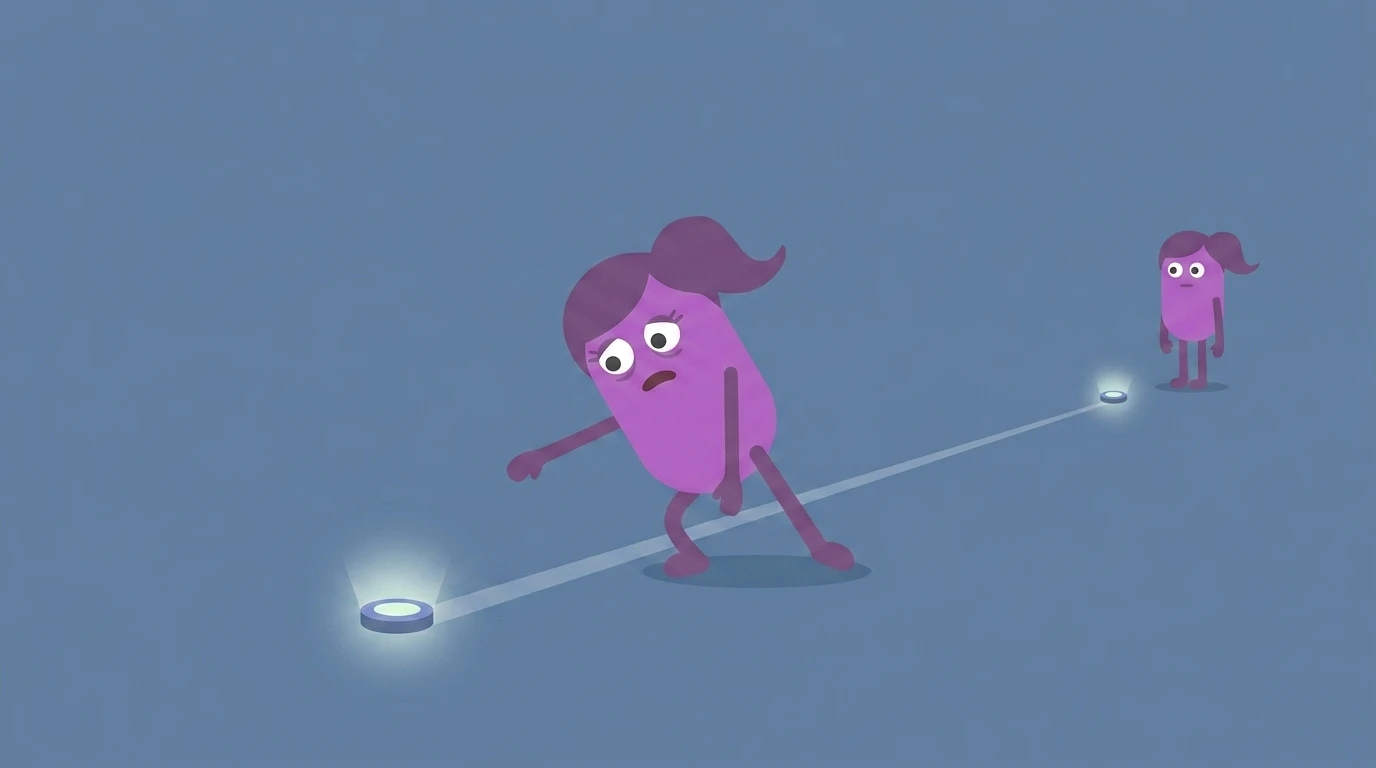
Standard time-management advice assumes a brain that responds to future consequences. If you have ADHD, yours often doesn't, and the research explains exactly why.

ADHD motivation doesn't fade like ordinary motivation does. It collapses in a specific, researchable pattern, and the same research shows what brings it back.
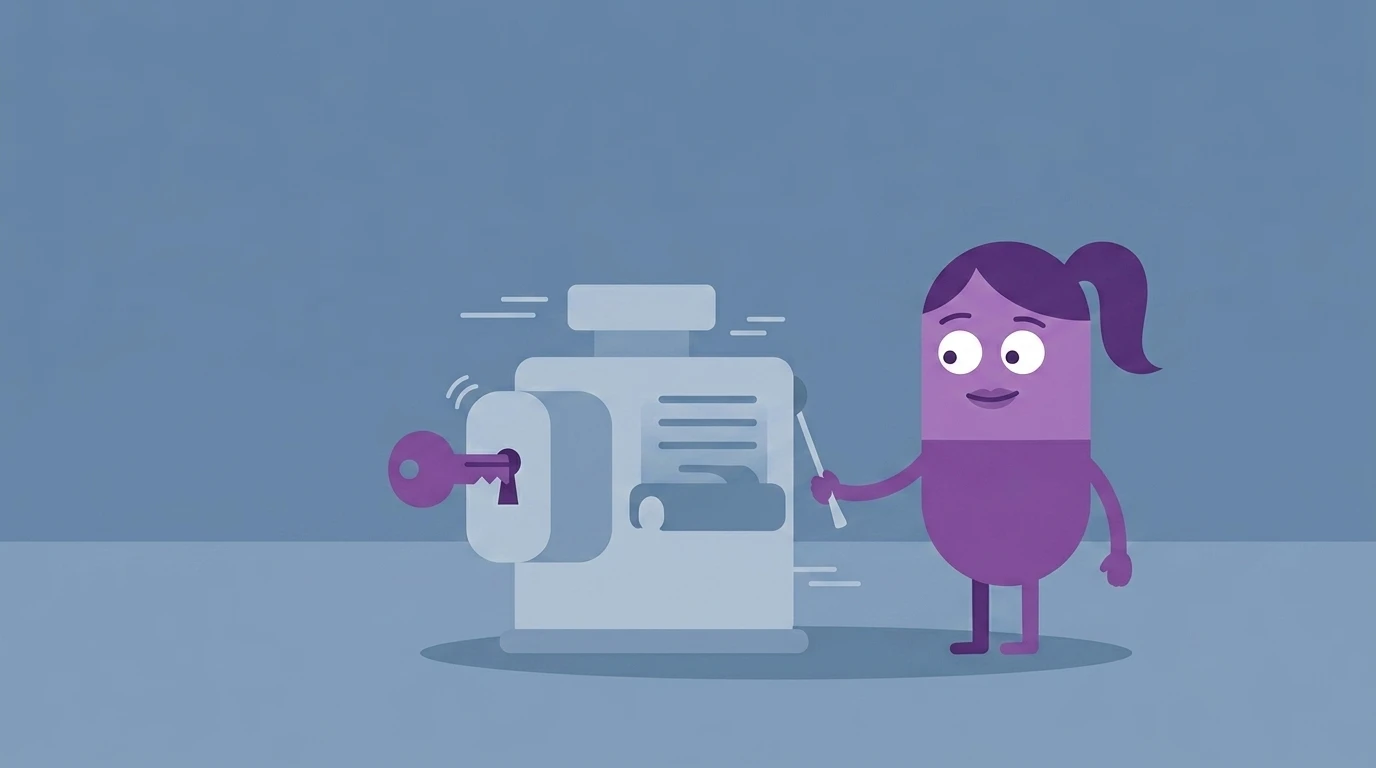
Standard study advice assumes you can sit down and start on command. If your brain does not work that way, the advice was never going to work.
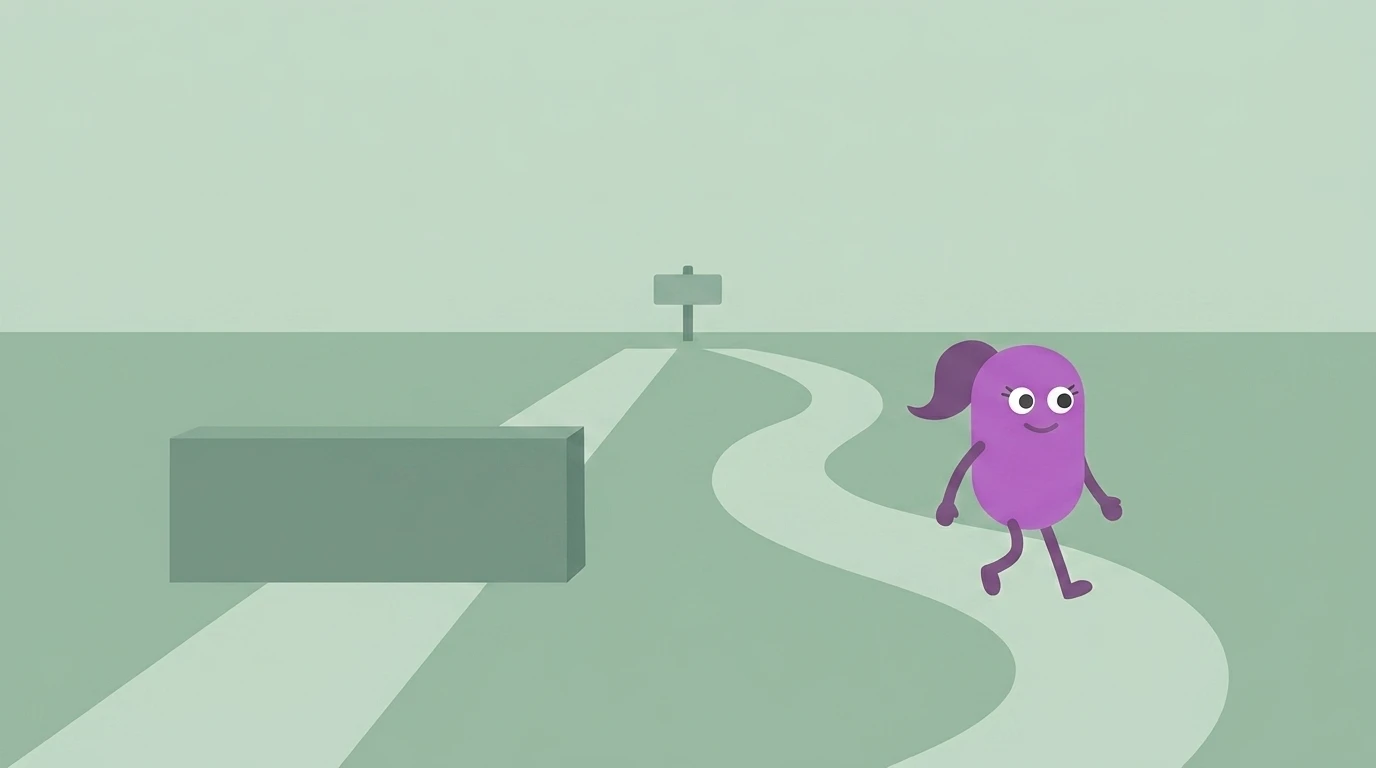
Most study advice assumes the hard part is understanding the material. With ADHD it is usually starting, staying, and knowing how long anything took.

Classroom advice for ADHD tends to target visible behaviour. The changes that hold target the executive demands sitting underneath it.
Workplace accommodations are agreed through a conversation, not granted by a diagnosis. Here is what to request and how to frame it.

An IEP changes how a student is taught, not just the conditions they work under. Here is when ADHD qualifies and what belongs in the document.
A 504 plan removes obstacles that have nothing to do with what a student knows. Here is what to request, and the wording that gets it agreed.
Accommodations work when they target the mechanism causing the problem. Here is how to tell which one you are dealing with, and what to ask for.
Everyone says AI will save the ADHD learner. The reality is more complicated. Here's a contrarian look at why AI tools can deepen the very problems they promise to solve, and what structured study systems actually work in 2026.
The curated desk photos lie. Here’s what my 8 a.m. to 8 p.m. actually looks like when executive dysfunction meets the living room couch.
Phone addiction manifests through compulsive checking, anxiety when separated from your device, and difficulty focusing on non-digital tasks. Research shows these symptoms mirror substance addiction patterns, affecting dopamine regulation and executive function.
TikTok's infinite scroll and algorithm-driven content create a powerful dopamine loop that can hijack your brain's reward system. Research shows this isn't just a habit—it's a behavioral pattern that shares neural mechanisms with substance addiction.

Perimenopause amplifies ADHD symptoms through estrogen fluctuations that disrupt dopamine regulation, executive function, and emotional control. Women with ADHD face compounded challenges during this transition, requiring adjusted treatment strategies and self-compassion practices.
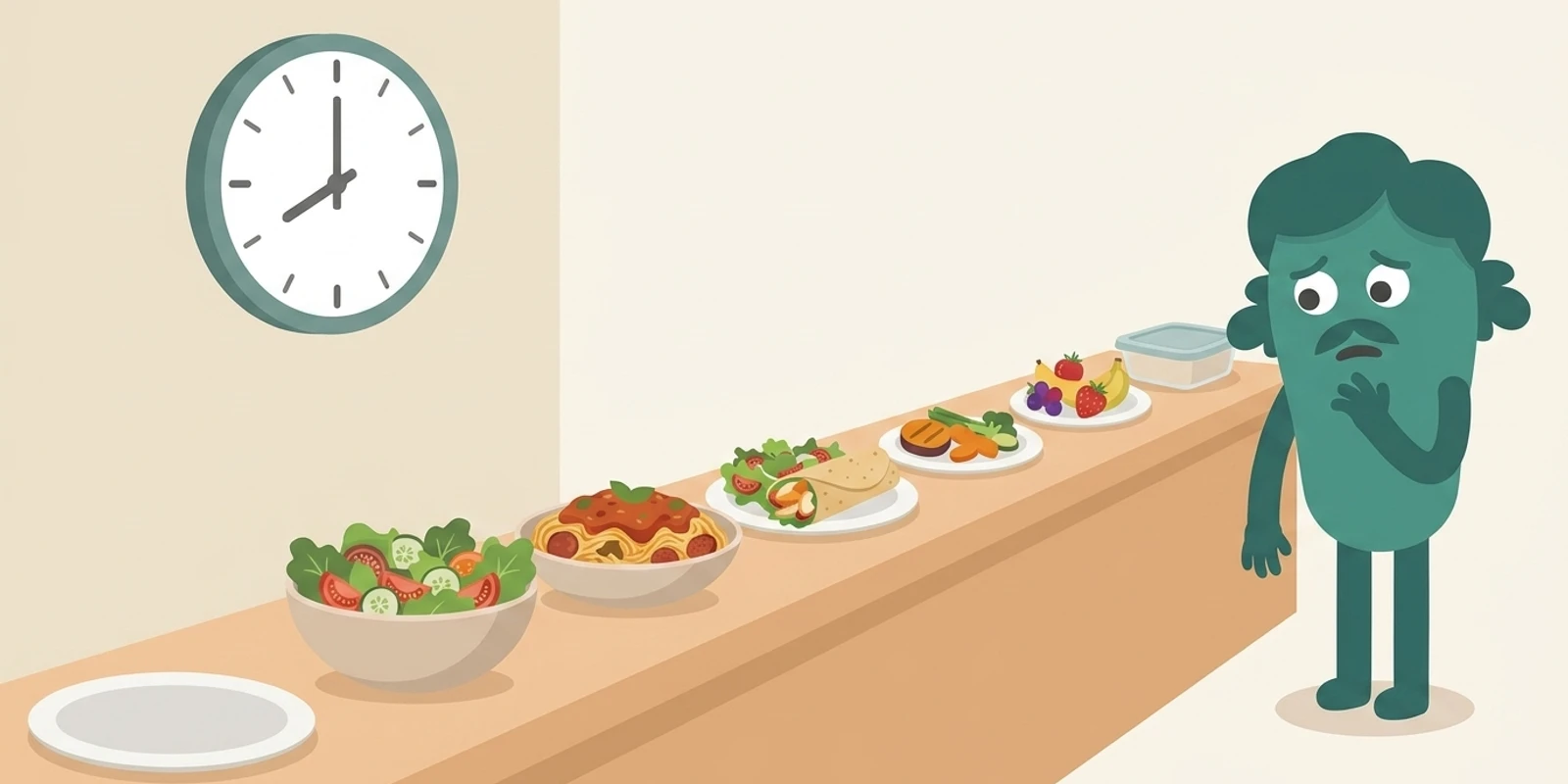
ADHD and anxiety frequently co-occur, creating a cycle where executive function deficits fuel worry and hypervigilance amplifies distraction. Learn how these conditions interact and discover practical, research-backed strategies to break the cycle.

Medication is not the only path for managing ADHD. Evidence-based behavioral, environmental, and cognitive strategies address the root causes of ADHD symptoms so you can build a life that actually works for your brain. Here is what the research says.
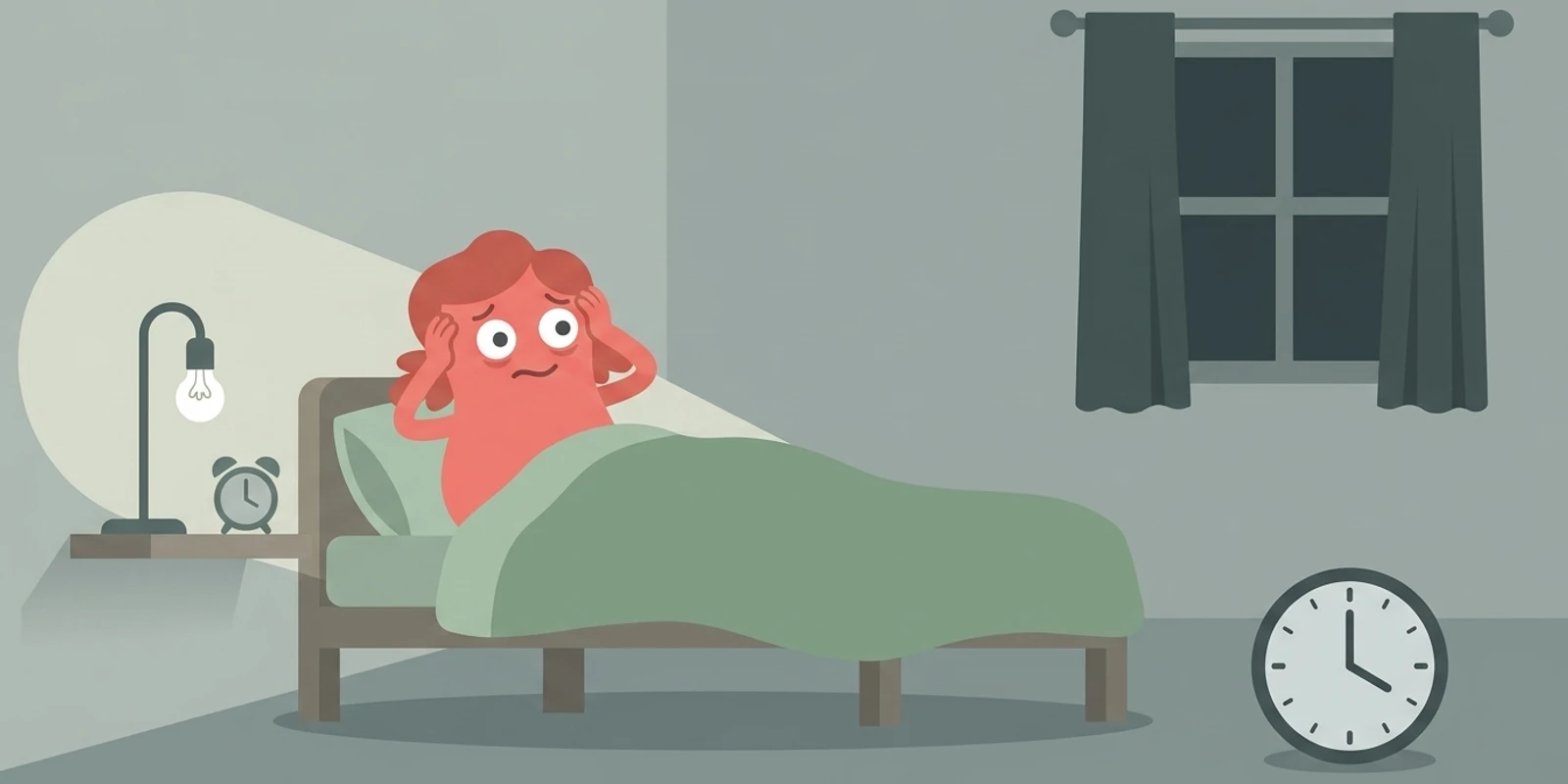
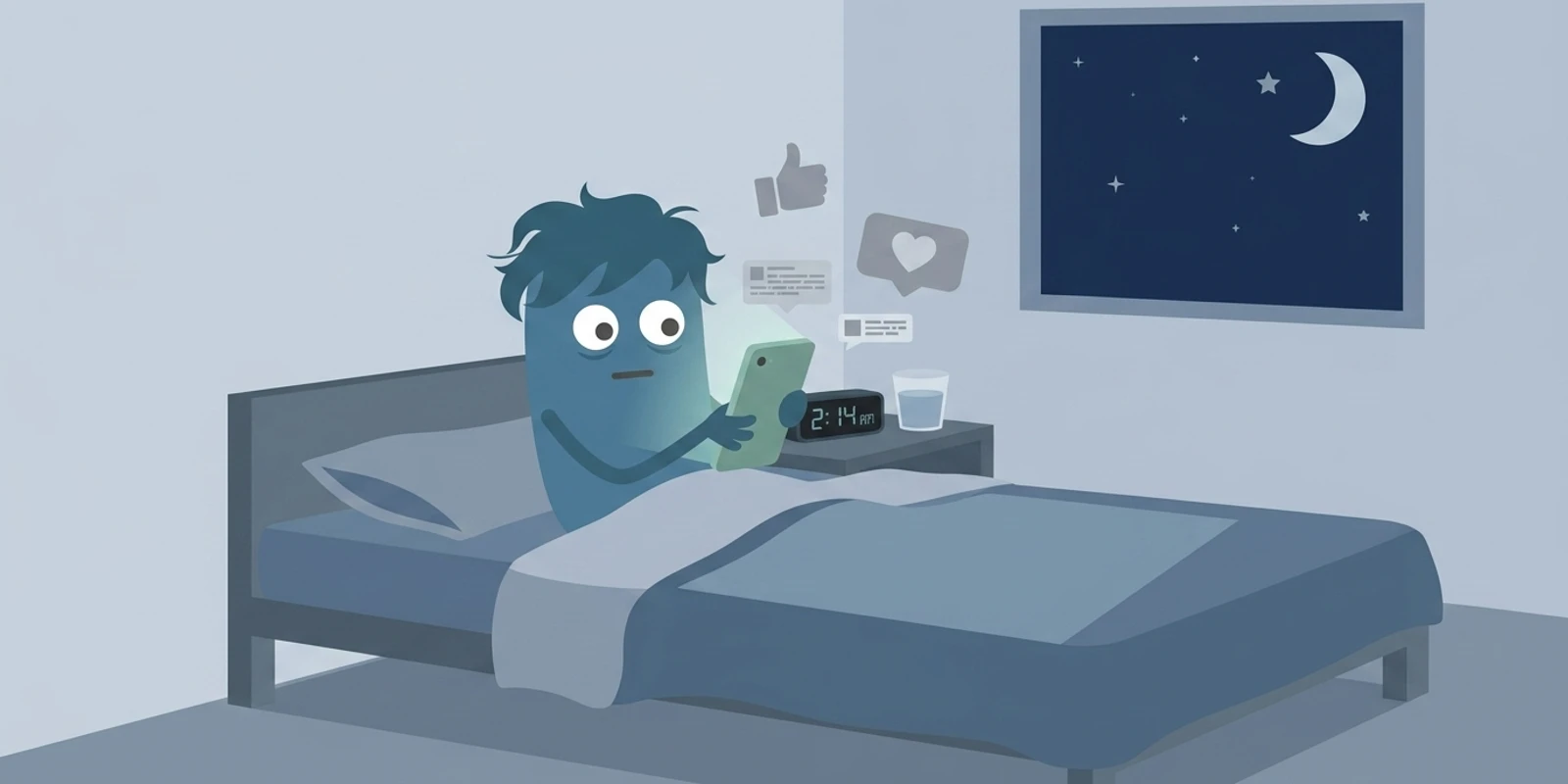
Delayed sleep phase disorder affects up to 73% of adults with ADHD, making it nearly impossible to fall asleep before 2 AM. This isn't laziness—it's a neurobiological mismatch between your internal clock and society's schedule.
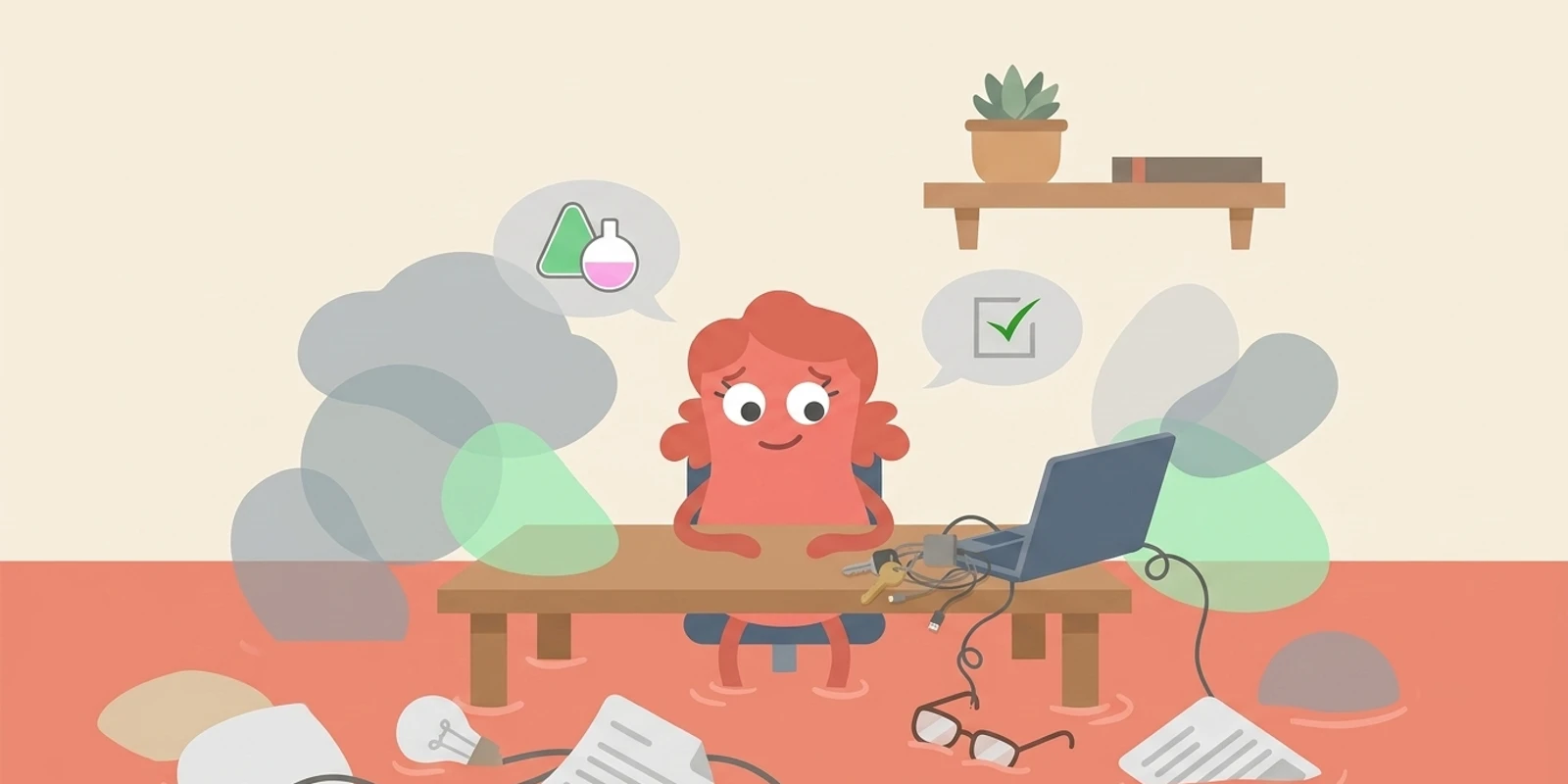
ADHD paralysis is a state of cognitive overwhelm where the brain's executive functions shut down, making it impossible to start, switch, or complete tasks despite wanting to. This freeze response stems from impaired self-regulation systems, not laziness or lack of motivation.
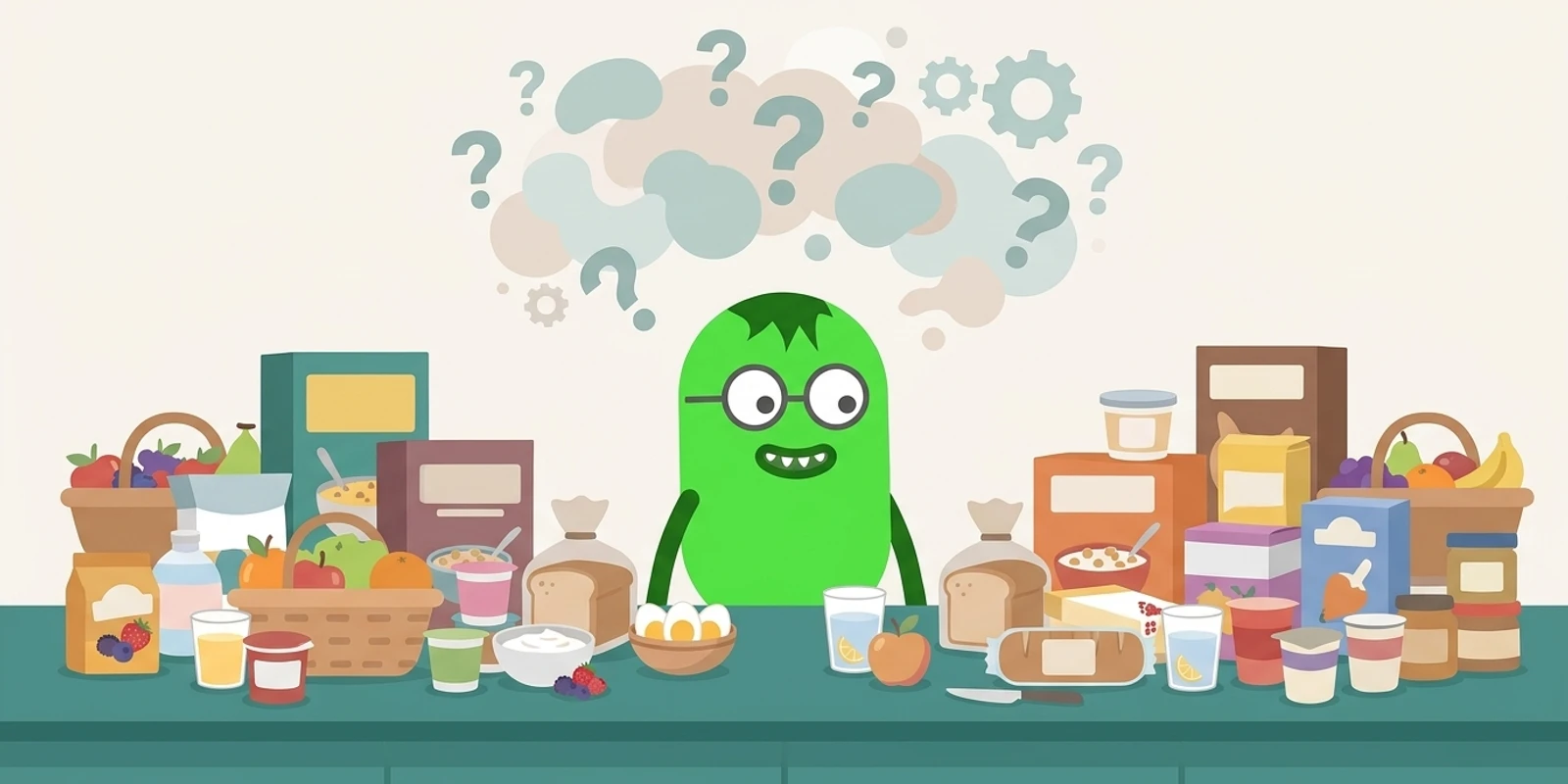
**Low cortisol—a state of adrenal insufficiency or dysregulation—can amplify ADHD symptoms by depleting energy reserves, impairing focus, and disrupting the brain's stress-response systems.** While ADHD is primarily a dopamine-related executive function disorder, cortisol plays a critical supporting role in maintaining alertness, regulating inflammation, and modulating the body's response to daily demands. When cortisol levels drop too low, adults with ADHD often experience worsening brain fog, fatigue, and difficulty initiating tasks—creating a compounding effect that standard ADHD treatments may not fully address.
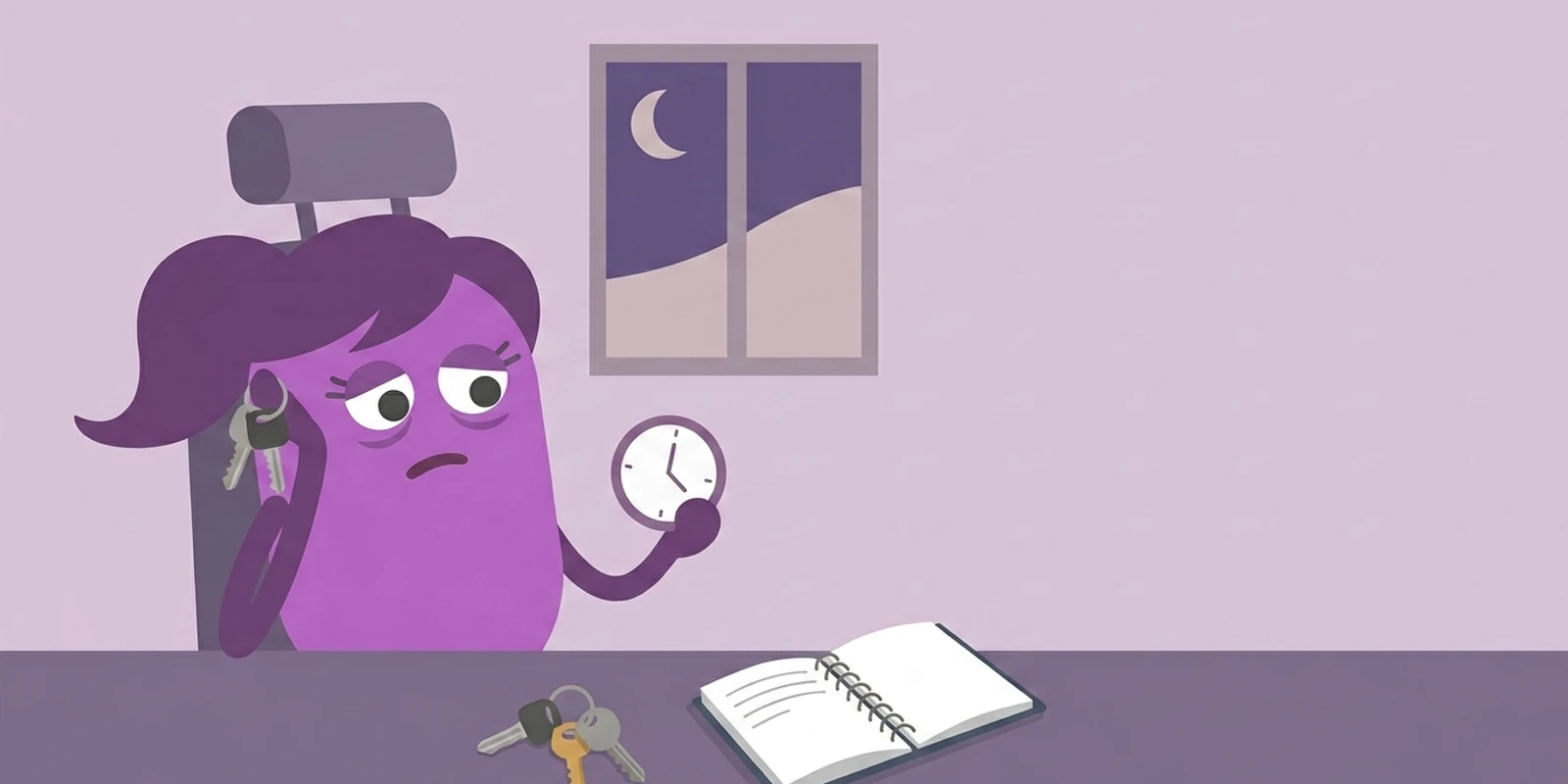
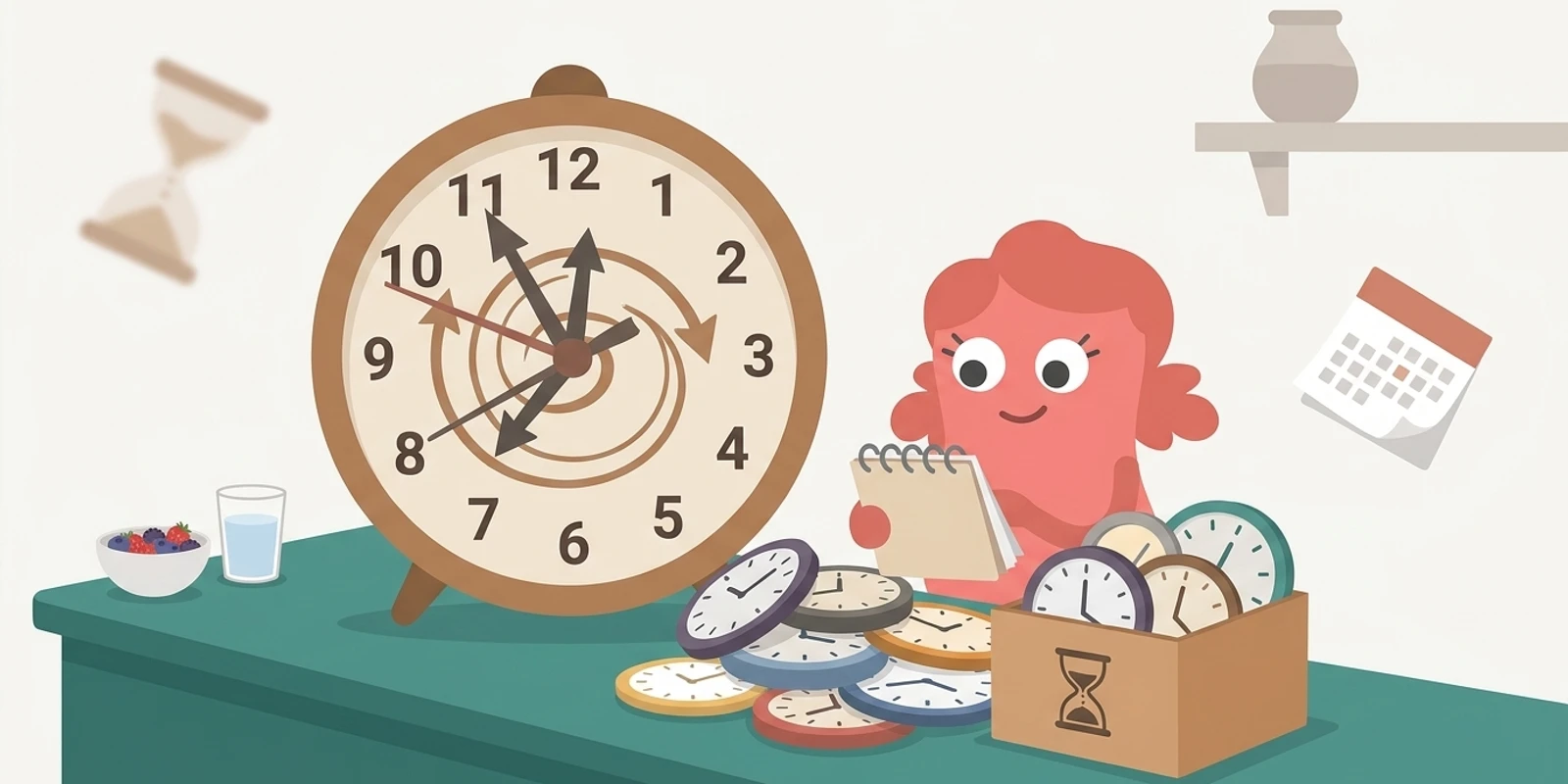
Time blindness in ADHD isn't laziness—it's a neurological impairment in how the brain perceives and uses time. Learn the science behind it and practical strategies to compensate.

ADHD burnout isn't just being tired—it's a neurobiological crisis where your executive function system shuts down. Learn to recognize the warning signs and implement science-backed recovery strategies.
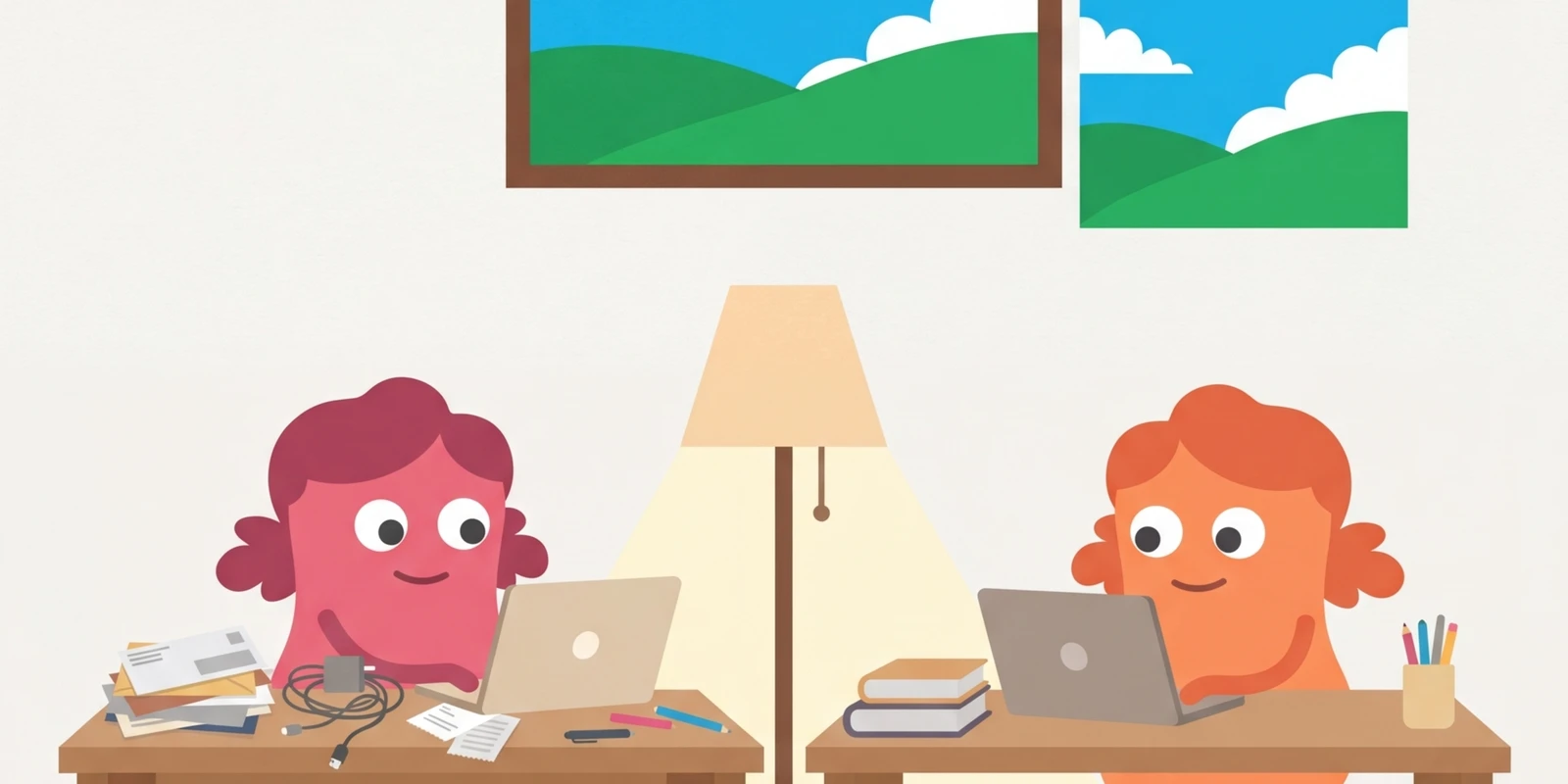
Most adults with ADHD can focus at a coffee shop but struggle at home. Body doubling explains why — and how to replicate that effect anywhere.

Every year, adults with ADHD pay a tax no one voted for — late fees, lost time, strained relationships, and the cumulative cost of executive dysfunction in a world that doesn't accommodate it. Here's what the research says it actually costs, and what structural solutions actually help.
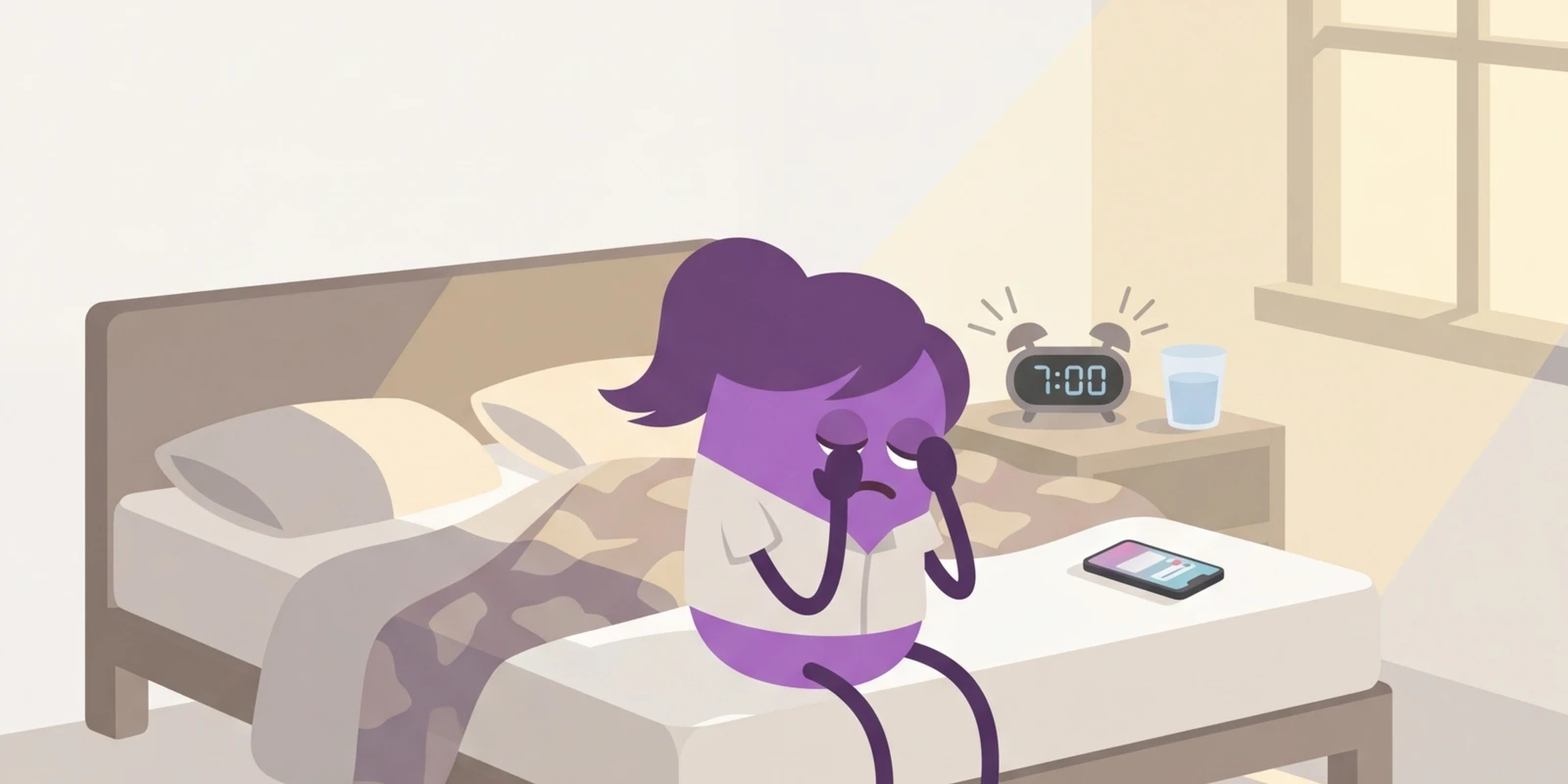
The productivity world has convinced millions of people that waking up at 5 AM is the path to success. For people with ADHD, this advice doesn't just fail — it actively makes things worse. Here's what the neuroscience actually says about ADHD, chronotype, and building morning routines that work with your brain instead of against it.

Most productivity systems fail people with ADHD — not because of a lack of willpower, but because they were designed for a different kind of brain. Understanding why ADHD causes system abandonment is the first step to building something that actually holds.