The ADHD-Cortisol Vicious Cycle
Adults with ADHD are particularly vulnerable to cortisol dysregulation because the disorder itself undermines the very behaviors that support healthy hormonal balance:
- Irregular sleep schedules: ADHD often involves delayed sleep phase syndrome and difficulty maintaining consistent bedtimes. Poor sleep disrupts cortisol rhythms, and disrupted cortisol makes sleep problems worse.
- Chronic stress and burnout: Executive function deficits lead to missed deadlines, relationship conflicts, and constant "firefighting," which keeps the HPA axis (hypothalamic-pituitary-adrenal axis) in overdrive until it eventually becomes exhausted.
- Inconsistent exercise: While moderate exercise supports healthy cortisol production, ADHD makes it hard to maintain regular routines. Meanwhile, excessive high-intensity training without recovery can worsen adrenal fatigue.
- Poor nutrition and meal timing: Skipping meals or eating irregularly can cause blood sugar crashes that further stress the adrenal system.
Breaking this cycle requires addressing both the ADHD-related executive function challenges and the physiological factors that support hormonal balance.
Evidence-Based Strategies for Supporting Cortisol and ADHD
1. Prioritize Sleep Consistency
Sleep is the foundation of cortisol regulation. Research shows that even modest sleep restriction disrupts cortisol rhythms and worsens executive function. For adults with ADHD:
- Set a consistent wake time: This anchors your circadian rhythm and helps normalize morning cortisol peaks.
- Limit evening light exposure: Blue light from screens suppresses melatonin and delays sleep onset. Use blue-light filters or stop screen use 1-2 hours before bed.
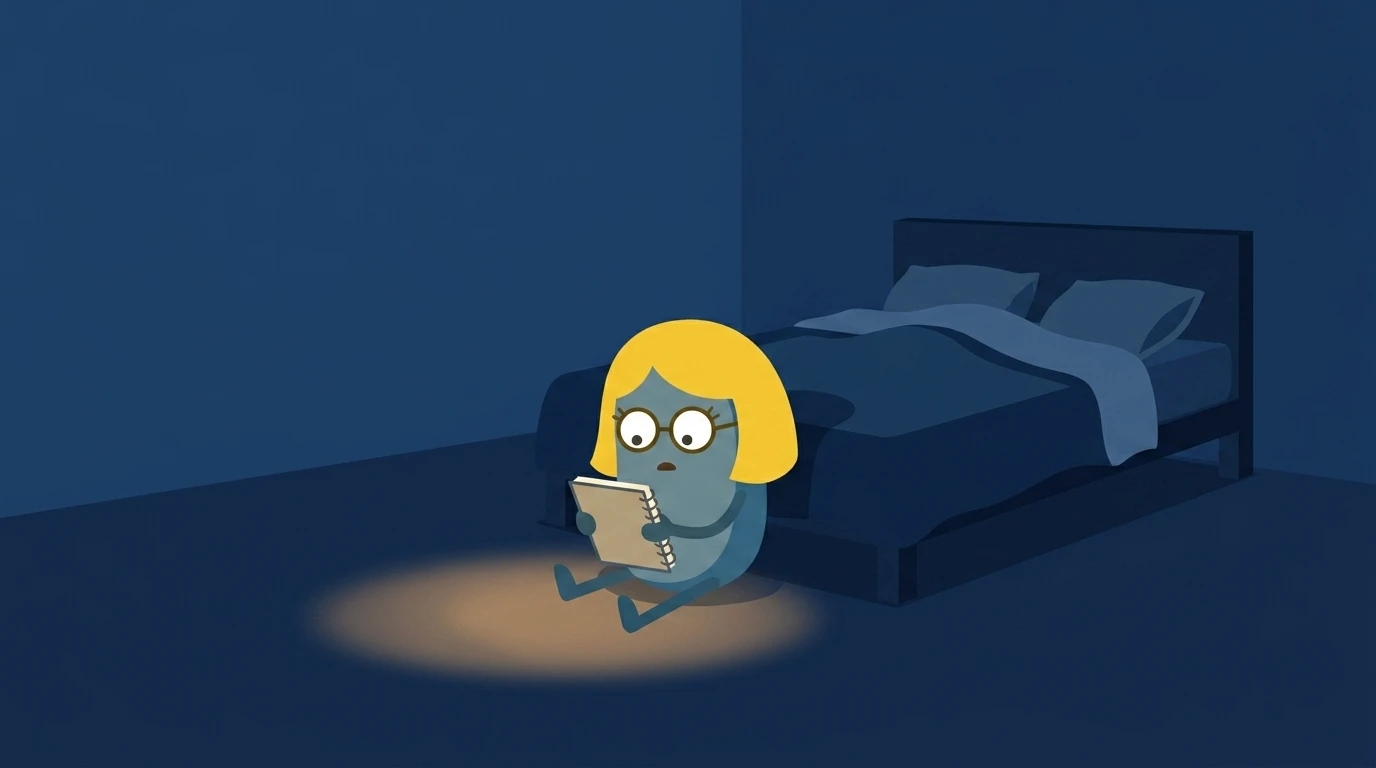
- Create a wind-down routine: A predictable pre-sleep routine (reading, stretching, journaling) signals your body that it's time to transition to rest.
2. Use Exercise Strategically
Exercise is one of the most powerful tools for regulating cortisol, but intensity and timing matter. Moderate aerobic exercise (30-45 minutes, 3-4 times per week) supports healthy cortisol rhythms and improves executive function. However, excessive high-intensity training without adequate recovery can suppress cortisol production and worsen fatigue.
For ADHD adults: Choose activities you enjoy and can sustain. Walking, cycling, swimming, or group fitness classes provide both physical benefits and social accountability. Morning exercise can help boost cortisol naturally when it should be highest.
3. Manage Stress with Structured Techniques
Chronic stress is a primary driver of cortisol dysregulation. While "reduce stress" is easier said than done, specific techniques have evidence for both ADHD and adrenal health:
- Mindfulness meditation: Even 10 minutes daily can reduce cortisol reactivity and improve emotional regulation.
- Cold exposure: Brief cold showers or cold water immersion can increase dopamine and support healthy cortisol rhythms.
- Time blocking and external structure: Reducing decision fatigue and last-minute scrambling lowers daily stress load. Use timers, visual schedules, and accountability systems to externalize executive function.
4. Optimize Nutrition and Meal Timing
Stable blood sugar supports stable cortisol. For adults with ADHD:
- Eat breakfast within an hour of waking: This signals your body that it's daytime and supports the natural cortisol peak.
- Include protein and fat: These macronutrients slow glucose absorption and prevent energy crashes.
- Avoid excessive caffeine: While caffeine can help ADHD symptoms, too much (especially after noon) can disrupt sleep and cortisol rhythms.
5. Build Accountability and Routine
The hardest part of managing both ADHD and cortisol dysregulation is consistency. Executive function deficits make it difficult to maintain the very routines that support hormonal balance. This is where external accountability becomes essential.
Platforms like GetMotivated.ai address this by pairing you with an accountability buddy and providing structured 30-day challenges. Instead of relying on willpower alone, you have a partner checking in, a clear daily plan, and built-in reminders. This social scaffolding helps you maintain the sleep schedules, exercise routines, and stress management practices that research shows matter most.
When to Seek Medical Evaluation
If lifestyle interventions don't improve symptoms after 4-6 weeks, or if you experience severe fatigue, dizziness, or unexplained weight loss, consult a healthcare provider. True adrenal insufficiency (Addison's disease) is rare but serious and requires medical treatment. More commonly, adults with ADHD experience subclinical cortisol dysregulation that responds well to lifestyle changes and, when necessary, short-term medical support.
A physician can order:
- Salivary cortisol testing: Measures cortisol at multiple points throughout the day to assess rhythm.
- ACTH stimulation test: Evaluates how well your adrenal glands respond to hormonal signals.
- Thyroid function tests: Thyroid disorders often coexist with adrenal issues and can mimic low cortisol symptoms.
The Bottom Line
Low cortisol doesn't cause ADHD, but it can make every symptom harder to manage. By understanding the connection between hormonal balance and executive function, adults with ADHD can take targeted action: prioritizing sleep, using exercise strategically, managing stress, and building the consistent routines that support both brain and body.
The challenge isn't knowing what to do—it's doing it consistently. That's where accountability systems, structured challenges, and social support make the difference. Whether through a buddy, a coach, or a platform like GetMotivated.ai, external scaffolding helps you maintain the habits that research shows work, even when executive function makes it hard to go it alone.