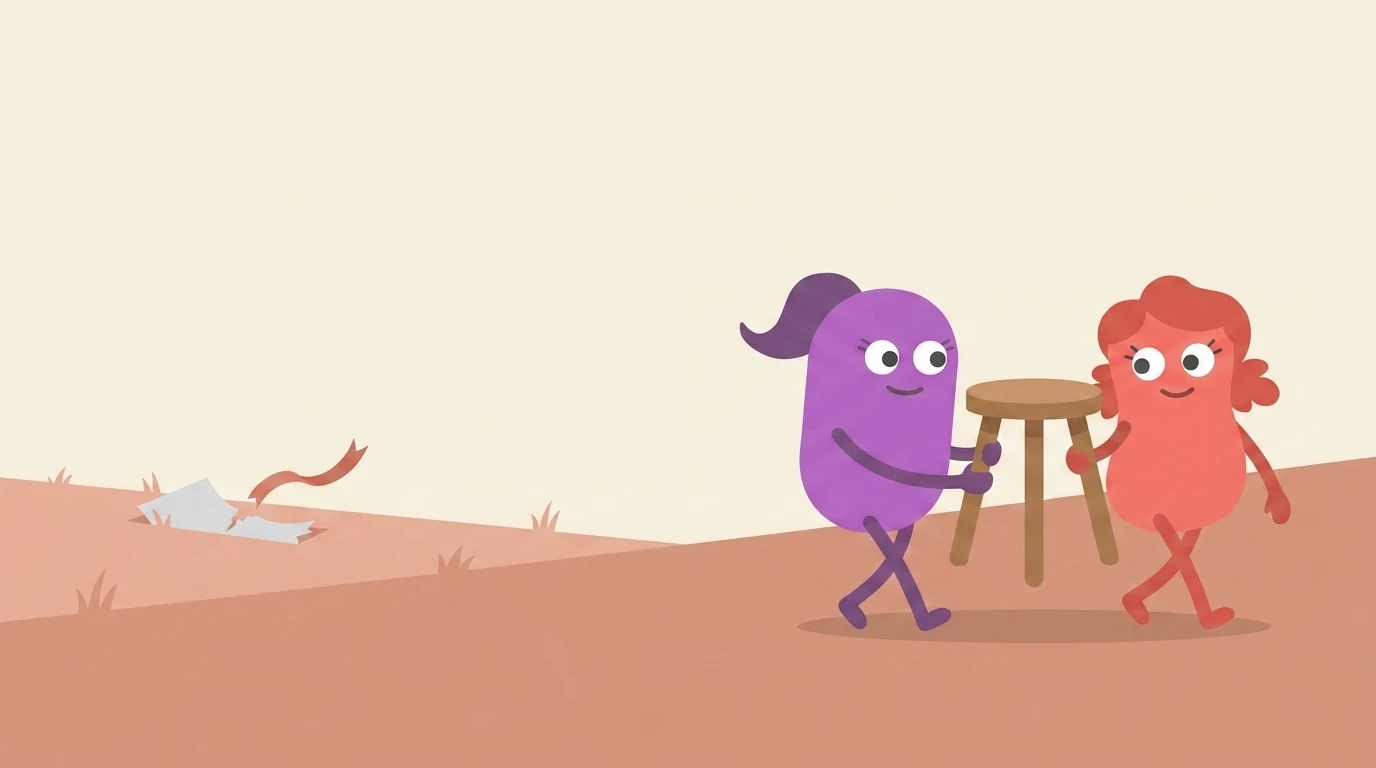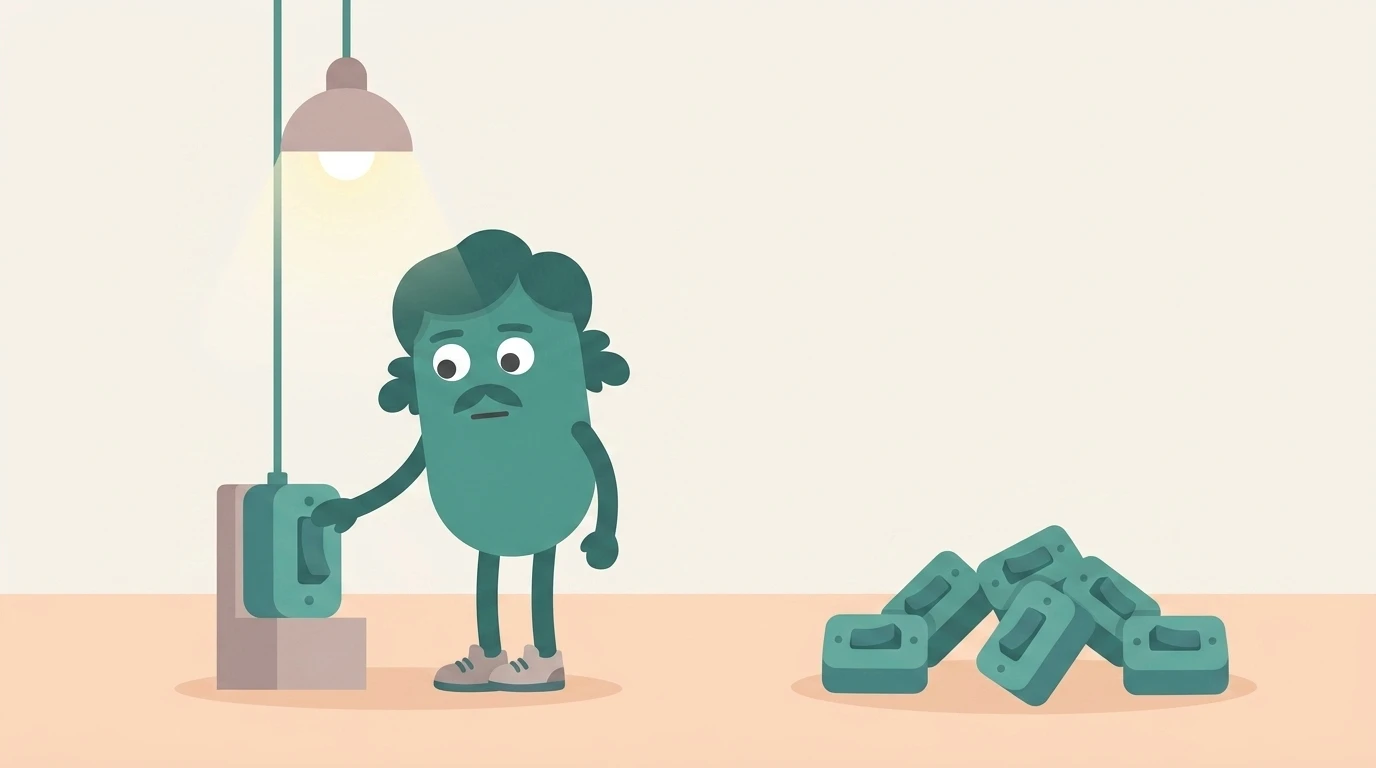
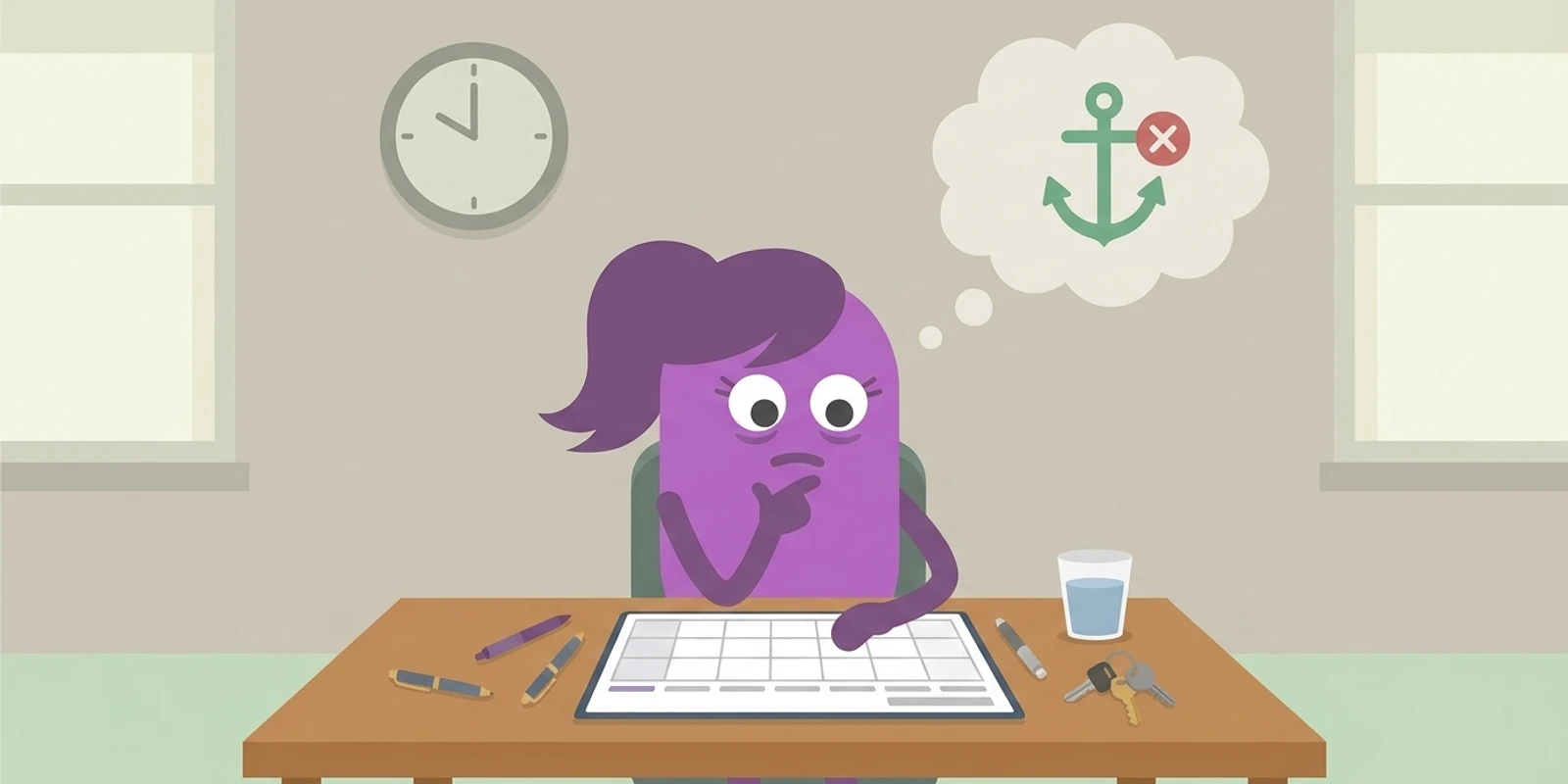
Habits form when your brain converts conscious decisions into automatic routines through a three-stage process in the basal ganglia.The striatum encodes cue-routine-reward patterns, dopamine reinforces successful behaviors, and repeated practice creates neural "chunks" that run with minimal conscious effort. Understanding this neuroscience reveals why habits feel effortless once established—and why they're so hard to break.
The Brain's Habit Machinery: The Basal Ganglia
When you first learn to drive, every action demands intense focus—checking mirrors, adjusting speed, signaling turns. Six months later, you arrive home with no memory of the route. This transformation happens in a walnut-sized structure deep in your brain called the basal ganglia.
The basal ganglia, particularly a region called the striatum, functions as your brain's habit-formation center. While your prefrontal cortex handles conscious decision-making, the basal ganglia specializes in pattern recognition and automatic behavior execution. This division of labor explains why you can brush your teeth while planning your day—one system runs the routine while another thinks strategically.
Research using functional MRI shows that as behaviors become habitual, brain activity shifts from the prefrontal cortex to the basal ganglia. This neural handoff is efficiency in action: your brain conserves energy by automating frequent behaviors, freeing up cognitive resources for novel challenges.
The Cue-Routine-Reward Loop: How Habits Get Encoded
Habits don't form randomly. They follow a predictable three-part structure that neuroscientists call the habit loop: cue, routine, and reward.
The cue is an environmental trigger—a time of day, a location, an emotional state, or the presence of certain people. Your brain constantly scans for these cues, which signal that a particular routine might lead to a reward.
The routine is the behavior itself, whether physical (going for a run), mental (worrying), or emotional (seeking comfort). This is the part most people focus on when trying to change habits, but it's actually the middle piece of a larger system.
The reward is what your brain really cares about. Rewards satisfy cravings and teach your brain which routines are worth remembering. The reward might be physical (endorphins from exercise), emotional (pride from completing a task), or social (approval from others).
Here's the crucial insight: your brain doesn't distinguish between "good" and "bad" habits at this neural level. The basal ganglia simply encodes patterns that consistently deliver rewards, whether that's a morning workout or a midnight snack binge.
Dopamine: The Habit-Strengthening Signal
If habits were buildings, dopamine would be the cement. This neurotransmitter doesn't create pleasure—that's a common misconception—but rather signals prediction errors that strengthen neural connections.
When you receive an unexpected reward, dopamine neurons fire intensely, essentially telling your brain: "Remember what just happened! Do that again!" Over time, as the behavior becomes predictable, dopamine release shifts from the reward itself to the cue that predicts it. This is why slot machines are addictive—the anticipation, not the win, drives the behavior.
Andrew Huberman's research on dopamine dynamics reveals a critical principle: baseline dopamine levels matter as much as peaks. Constantly chasing dopamine spikes through social media, junk food, or other supernormal stimuli can deplete your baseline, making it harder to find motivation for healthy habits that offer more modest rewards.
This explains why people often struggle with habit formation after periods of high-stimulation activities. Your brain's reward threshold has been raised, and previously satisfying behaviors now feel underwhelming.
Chunking: How Behaviors Become Automatic
The real magic of habit formation happens through a process called chunking. As you repeat a behavior sequence, your brain compresses it into a single neural representation—a "chunk" that can be executed as one unit.
Think of chunking like creating a keyboard shortcut. Instead of executing each keystroke individually, you press a combination that triggers an entire sequence. Your morning routine—alarm, shower, coffee, commute—becomes a single chunk that runs almost automatically once the first cue appears.
Neuroimaging studies show that as chunking occurs, neural activity at the beginning and end of a behavior sequence increases, while activity during the middle decreases. Your brain essentially creates "bookends"—strong neural markers for start and stop—while the middle runs on autopilot.
This chunking process is why habits feel effortless once established but require significant cognitive effort during formation. You're literally building new neural architecture, which demands energy and attention until the structure is complete.
Neuroplasticity: The Brain's Ability to Rewire
The good news: your brain remains plastic—capable of forming new connections—throughout your entire life. The bad news: established habits never truly disappear; they're merely overridden by new patterns.
Norman Doidge's research on neuroplasticity demonstrates that the brain physically changes in response to repeated behaviors. Neurons that fire together wire together, strengthening the synaptic connections that encode habit loops. This is why practice makes permanent—you're literally sculpting your brain's architecture.
But here's the challenge: while new habits can be built at any age, breaking old ones requires conscious override from the prefrontal cortex. The basal ganglia doesn't "forget" learned patterns; it simply gets outcompeted by newer, stronger pathways.
This explains why stress, fatigue, or decision fatigue often trigger relapses. When your prefrontal cortex is depleted, the basal ganglia's automatic patterns take over—and old habits resurface.