Phase 1: Immediate Crisis Management (Weeks 1-2)
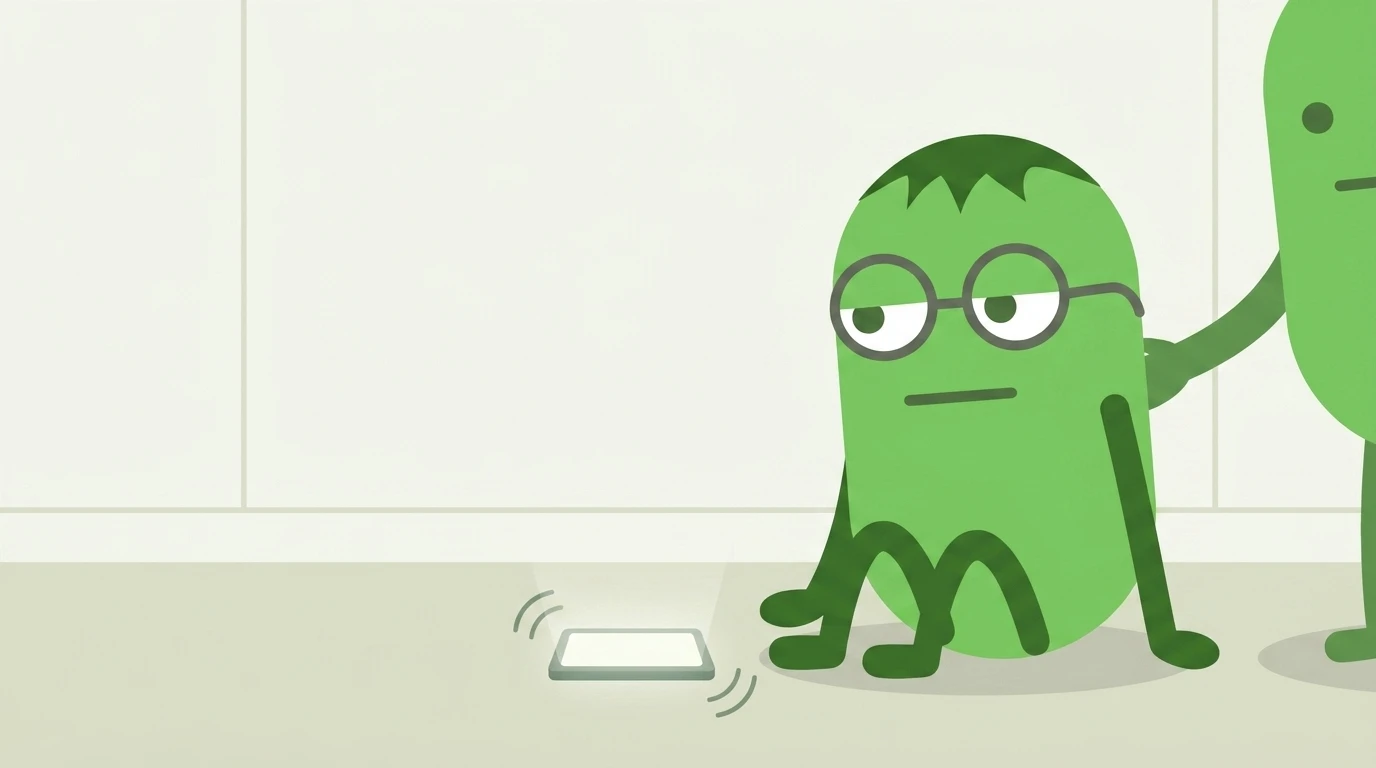
The first priority is reducing executive function demands to absolute essentials:
- Radical rest: This means more than sleep. It means reducing decisions, social obligations, and cognitive demands wherever possible
- External scaffolding: Rely heavily on alarms, reminders, lists, and support from others to handle basic tasks
- Eliminate non-essentials: Cancel optional commitments, delegate tasks, and give yourself permission to do the bare minimum
- Stabilize basics: Focus only on sleep, eating regularly, and taking any prescribed medications
During this phase, self-compassion is critical. You're not lazy or weak—your brain's self-regulation system is in crisis and needs emergency support.
Phase 2: Gentle Rebuilding (Weeks 3-8)
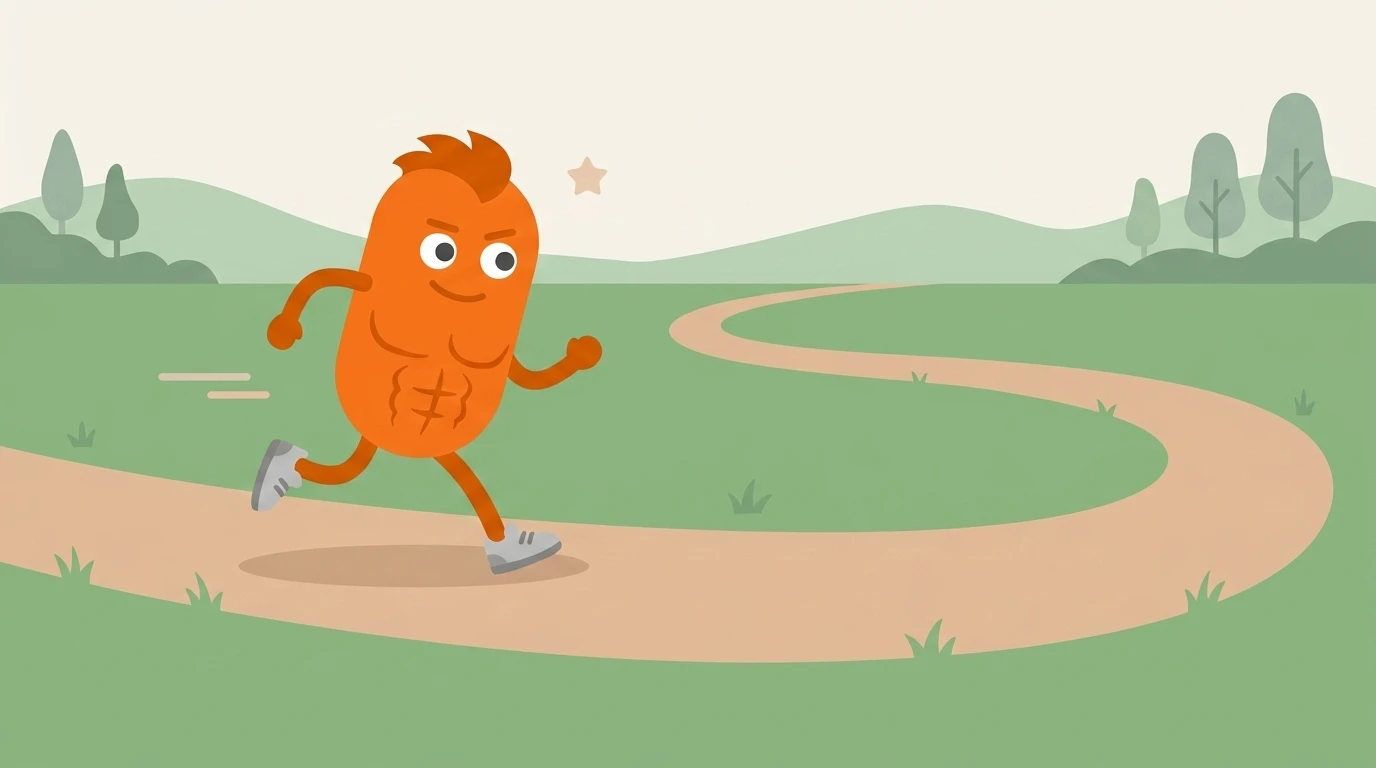
As acute symptoms begin to ease, start rebuilding capacity gradually:
- Reintroduce structure slowly: Add one simple routine at a time (e.g., morning coffee at the same time daily)
- Use time blocking: Schedule specific, limited periods for focused work with mandatory breaks
- Leverage dopamine strategically: Engage in activities that naturally boost dopamine—exercise, music, social connection—before tackling harder tasks
- Practice micro-habits: Focus on tiny, achievable actions rather than ambitious goals
- Seek accountability support: Connect with others who understand ADHD challenges
Research shows that cold water exposure can increase dopamine levels by 250% above baseline and sustain that elevation for extended periods. While not a cure, strategic use of cold showers or ice baths may help restore dopamine function during recovery.
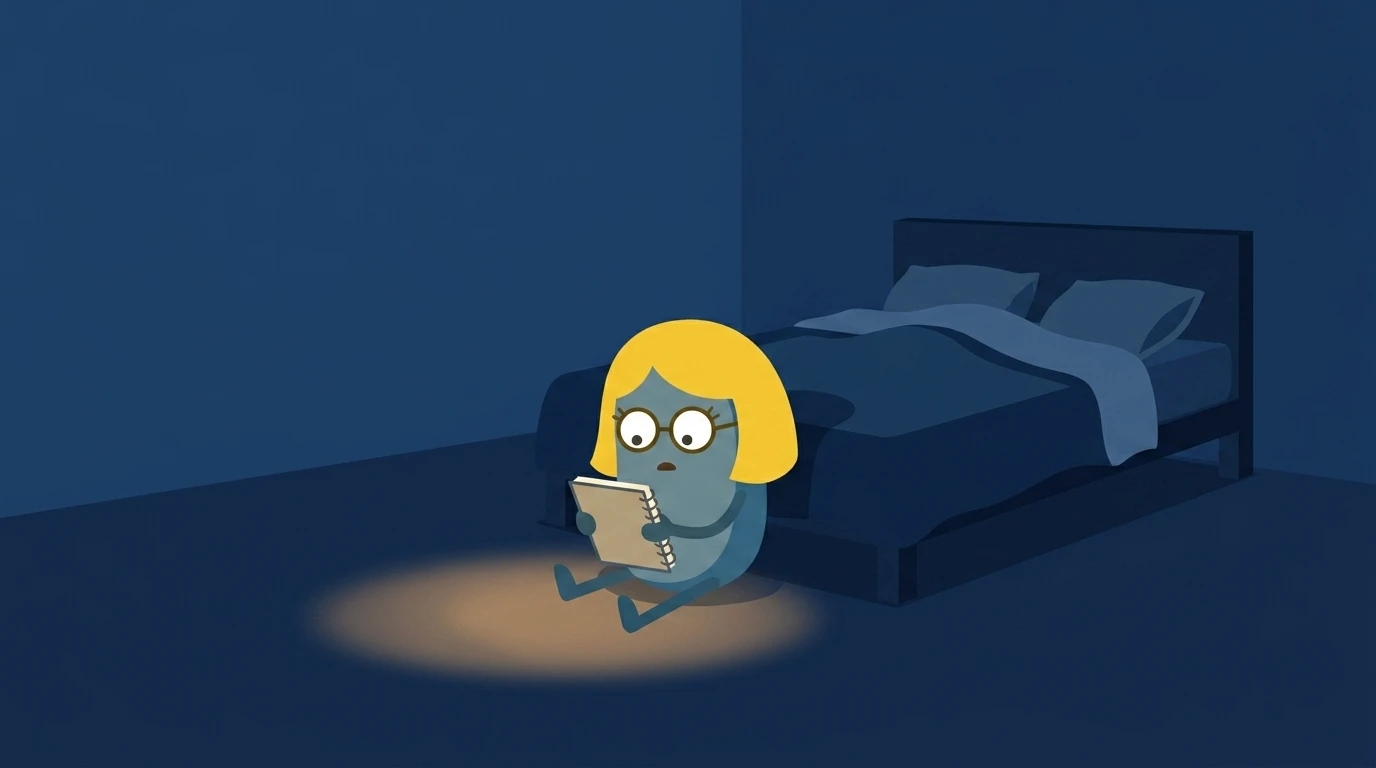
Phase 3: Sustainable Systems (Months 2-6)
Long-term recovery requires building systems that prevent future burnout:
- Environmental design: Modify your physical and digital environments to reduce executive function demands (e.g., visible reminders, simplified spaces, friction for distractions)
- Boundary setting: Learn to recognize your capacity limits and say no before reaching them
- Regular recovery rituals: Build in daily, weekly, and monthly rest periods as non-negotiable appointments
- Professional support: Work with an ADHD coach, therapist, or psychiatrist to optimize treatment and strategies
- Community connection: Join support groups or accountability partnerships with others who understand ADHD
Practical Strategies for ADHD Burnout Recovery
Rebuild Your Dopamine System
Your brain's reward system needs intentional restoration:
- Morning sunlight exposure: 10-15 minutes of natural light within an hour of waking helps regulate circadian rhythms and dopamine production
- Movement breaks: Short bursts of physical activity (even 5 minutes) can boost dopamine and improve focus
- Novel experiences: Introduce small, manageable novelty into your routine to stimulate dopamine release without overwhelming yourself
- Social connection: Brief, positive social interactions activate reward pathways—even a text exchange with a friend counts
Manage Executive Function Load
Reduce the cognitive burden on your depleted executive function system:
- Externalize everything: Use apps, alarms, visual reminders, and written lists to offload memory and planning tasks
- Batch similar tasks: Group related activities to reduce the cognitive cost of task-switching
- Create decision-free zones: Establish routines for recurring decisions (same breakfast, same workout time) to preserve mental energy
- Use body doubling: Work alongside another person (in-person or virtually) to reduce the activation energy needed to start tasks
Platforms like GetMotivated.ai address this need by pairing you with an accountability buddy who understands ADHD challenges. Unlike generic productivity apps, this approach recognizes that executive function deficits require social scaffolding, not just better to-do lists.
Practice ADHD-Specific Self-Compassion
Self-criticism accelerates burnout, while self-compassion supports recovery:
- Reframe "failure": When you don't complete a task, ask "What executive function challenge got in the way?" instead of "Why am I so lazy?"
- Normalize struggles: Remind yourself that ADHD makes certain tasks genuinely harder, not because you're defective but because your brain works differently
- Celebrate small wins: Acknowledge every tiny success—getting out of bed, sending one email, eating a meal
- Talk to yourself like a friend: When negative self-talk arises, ask "Would I say this to someone I care about?"
Research shows that self-compassion improves problem-solving, persistence, and emotional well-being far more effectively than self-criticism.
Optimize Your Environment
Your physical and digital spaces significantly impact executive function:
- Reduce visual clutter: Clear surfaces and organized spaces reduce cognitive load
- Create friction for distractions: Make it harder to access time-wasting activities (delete apps, use website blockers)
- Design for success: Place important items (medications, workout clothes, work materials) in visible, accessible locations
- Establish zones: Designate specific spaces for specific activities to reduce decision fatigue
When to Seek Professional Help
While self-directed recovery strategies are valuable, professional support significantly improves outcomes. Consider seeking help if:
- Symptoms persist beyond 4-6 weeks despite implementing recovery strategies
- You're experiencing suicidal thoughts or severe depression
- Burnout is affecting your ability to maintain employment or relationships
- You're unsure whether you're experiencing burnout, depression, or both
- You need help optimizing ADHD medication or exploring treatment options
A psychiatrist specializing in ADHD can evaluate whether medication adjustments might support recovery. Therapists trained in ADHD can help you develop personalized coping strategies and address underlying patterns contributing to burnout.
Building a Burnout-Resistant Life with ADHD
Prevention is always easier than recovery. Here's how to build resilience:
Regular Executive Function Audits
Monthly, assess your executive function load:
- What tasks are draining you most?
- Which compensatory strategies are becoming unsustainable?
- Where can you add external support or reduce demands?
- Are you getting adequate rest and recovery time?
Establish Non-Negotiable Boundaries
Identify your absolute limits and protect them:
- Maximum work hours per day/week
- Minimum sleep requirements
- Essential self-care activities (exercise, meals, social connection)
- Recovery time after high-demand periods
Invest in Support Systems
You can't manage ADHD alone:
- Professional support: Regular check-ins with a therapist, coach, or psychiatrist
- Peer accountability: Connections with others who understand ADHD challenges
- Practical help: Delegate or outsource tasks that consistently overwhelm you
- Technology tools: Apps and systems that reduce executive function demands
GetMotivated.ai's structured 30-day challenges combine accountability partnerships with evidence-based habit formation—addressing both the social support and executive function scaffolding needs that are critical for ADHD management. Unlike apps that rely solely on willpower, this approach recognizes that sustainable behavior change requires both tools AND community.
Maintain Dopamine Health
Protect your brain's reward system:
- Consistent sleep schedule: Irregular sleep disrupts dopamine regulation
- Regular exercise: Physical activity naturally boosts dopamine and BDNF (brain-derived neurotrophic factor)
- Balanced stimulation: Avoid overstimulation from constant digital input while ensuring adequate novelty and engagement
- Strategic medication use: If prescribed ADHD medication, take it consistently as directed
Moving Forward: Recovery Is Possible
ADHD burnout feels overwhelming, but recovery is absolutely achievable. The key is understanding that your burnout stems from neurobiological factors, not personal failure. Your brain's executive function system was pushed beyond its capacity, and now it needs strategic support to heal.
Recovery won't be linear. You'll have good days and setbacks. But by implementing the strategies outlined here—reducing executive function demands, rebuilding dopamine regulation, practicing self-compassion, and seeking appropriate support—you can restore your capacity and build a more sustainable relationship with your ADHD brain.
Remember: the same neurobiological differences that make you vulnerable to burnout also give you unique strengths. Many adults with ADHD are creative, innovative, passionate, and capable of hyperfocus on topics they find engaging. Recovery isn't about becoming "normal"—it's about creating conditions where your brain can function at its best.
You're not broken. You're not lazy. Your brain just works differently, and it needs different support systems. With the right strategies and support, you can recover from burnout and build a life that works with your ADHD, not against it.