
ADHD Discipline Myth: Laziness Is Executive Function, Not Moral Failure
I spent years calling myself lazy when I couldn't stick to routines. Then I learned the neurobiology behind ADHD discipline issues, and everything changed.
Rachel SteinRead →

12 posts tagged with "self-compassion"
Next time you search, our newest guide shows up.
I spent years calling myself lazy when I couldn't stick to routines. Then I learned the neurobiology behind ADHD discipline issues, and everything changed.
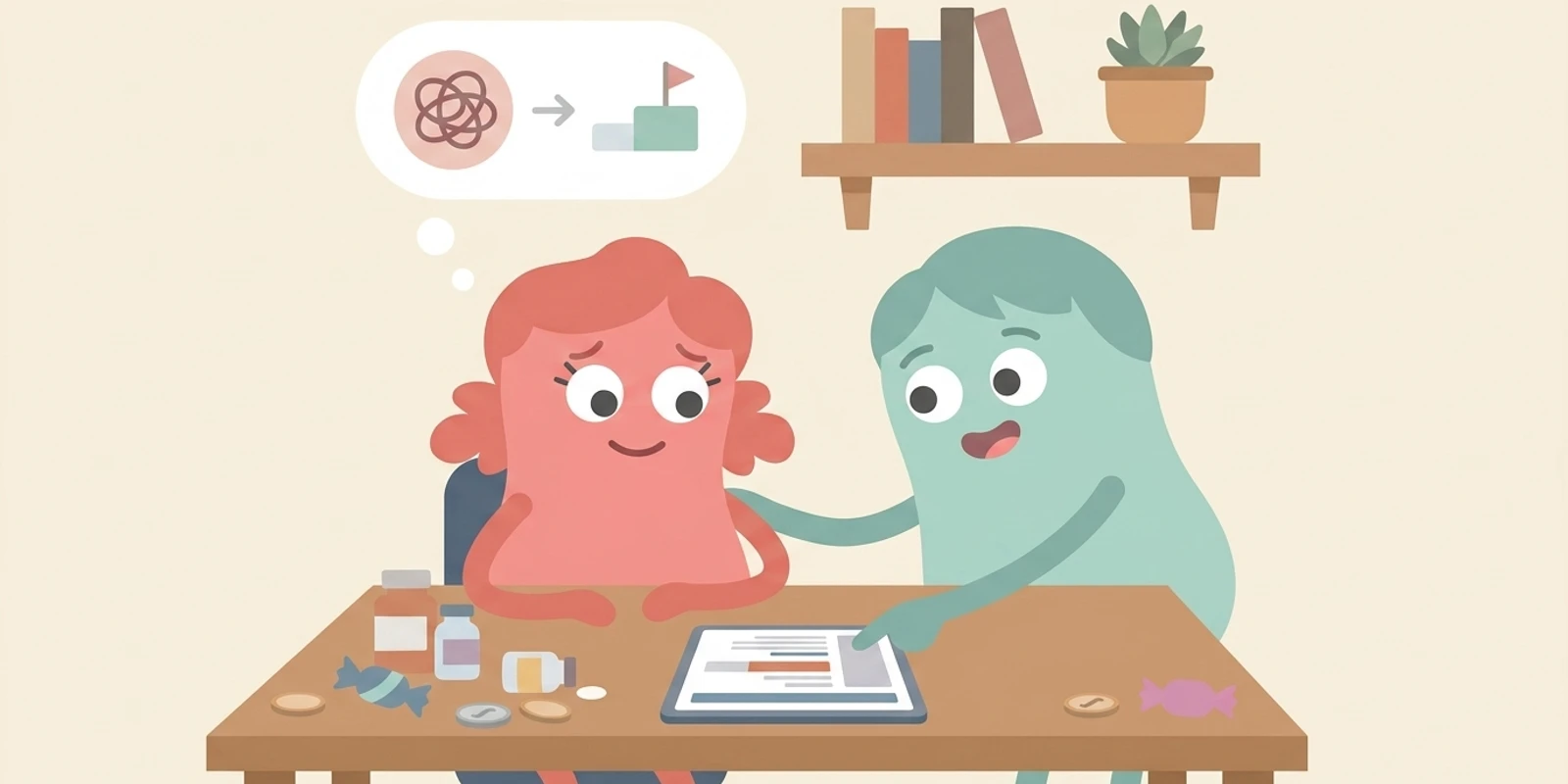
Quitting pornography requires more than willpower. Research shows that structured recovery plans combining cognitive-behavioral techniques, accountability systems, and lifestyle changes produce lasting results for men struggling with compulsive use.
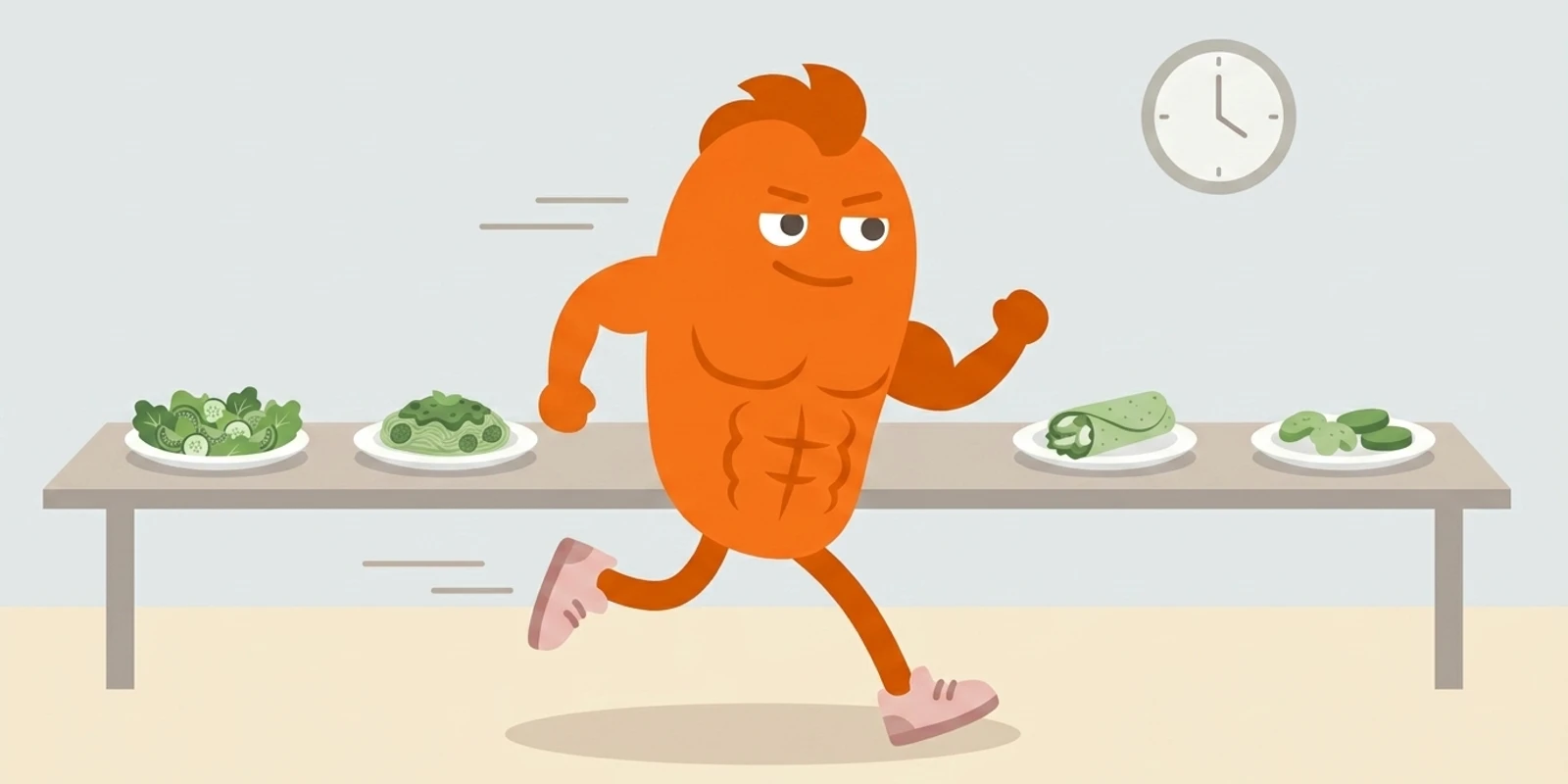
Anhedonia—the inability to feel pleasure—responds to structured treatment combining behavioral activation, physical exercise, dopamine regulation, and self-compassion. Recovery requires addressing both neurobiological and psychological factors through evidence-based interventions.
Purple and teal ribbons symbolize suicide awareness and prevention, each representing distinct aspects of the movement. Understanding these colors helps communities unite in supporting mental health and reducing stigma around suicidal ideation.
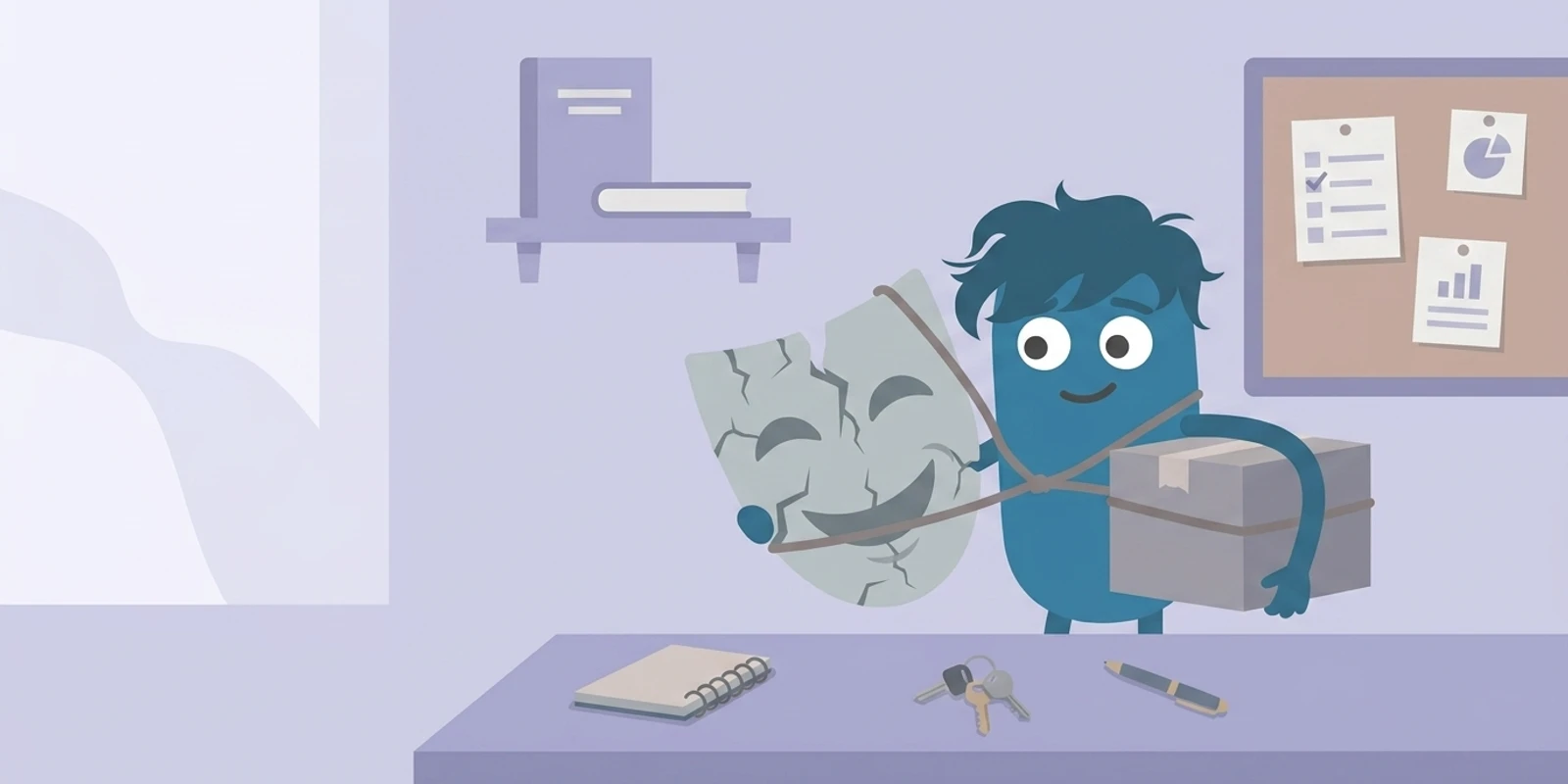
Mental health first aid equips individuals with practical skills to recognize, respond to, and support someone experiencing a mental health crisis or developing a mental health problem. This evidence-based framework reduces stigma, improves early intervention, and builds community resilience through structured training protocols.
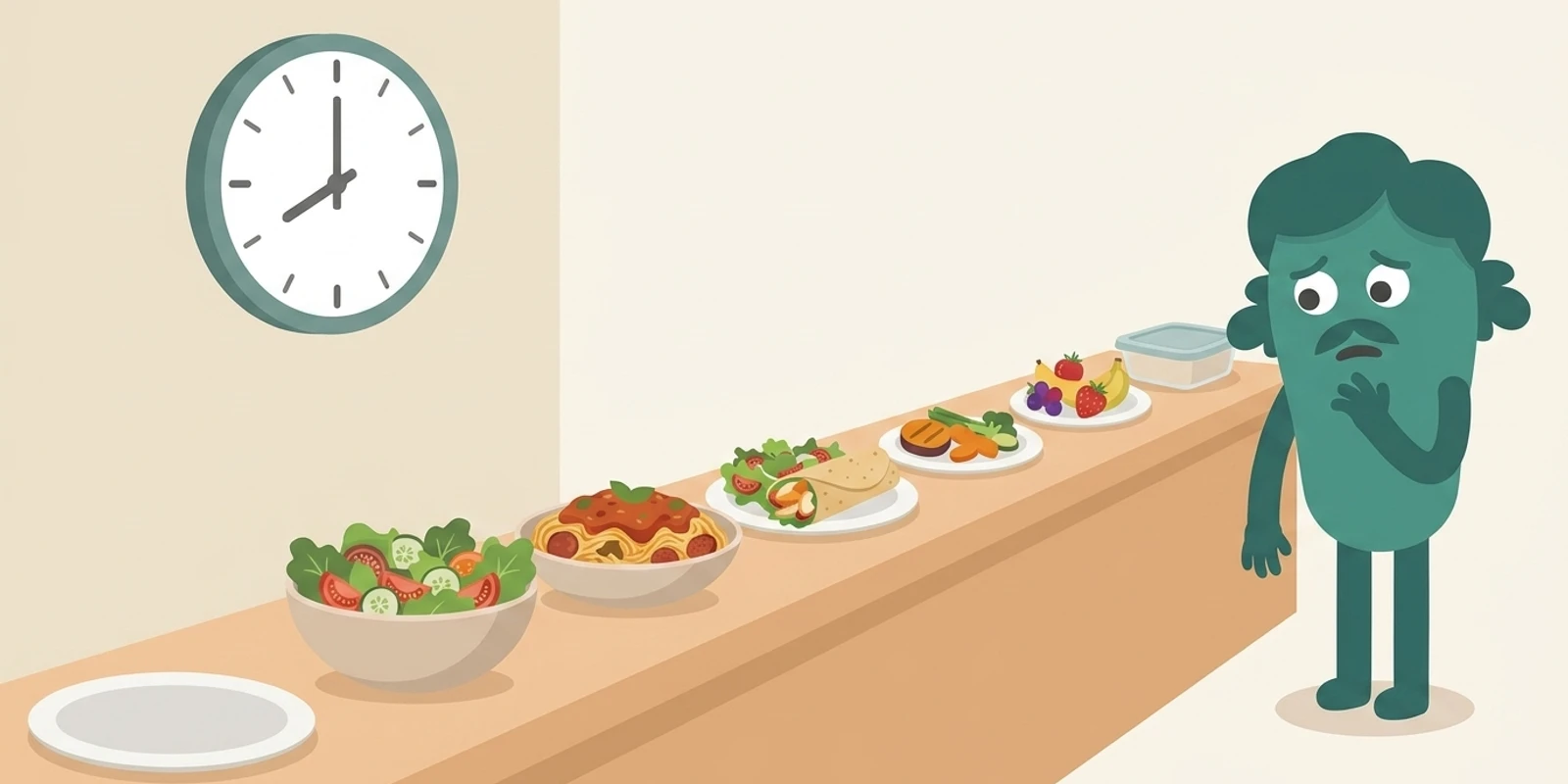
ADHD and anxiety frequently co-occur, creating a cycle where executive function deficits fuel worry and hypervigilance amplifies distraction. Learn how these conditions interact and discover practical, research-backed strategies to break the cycle.
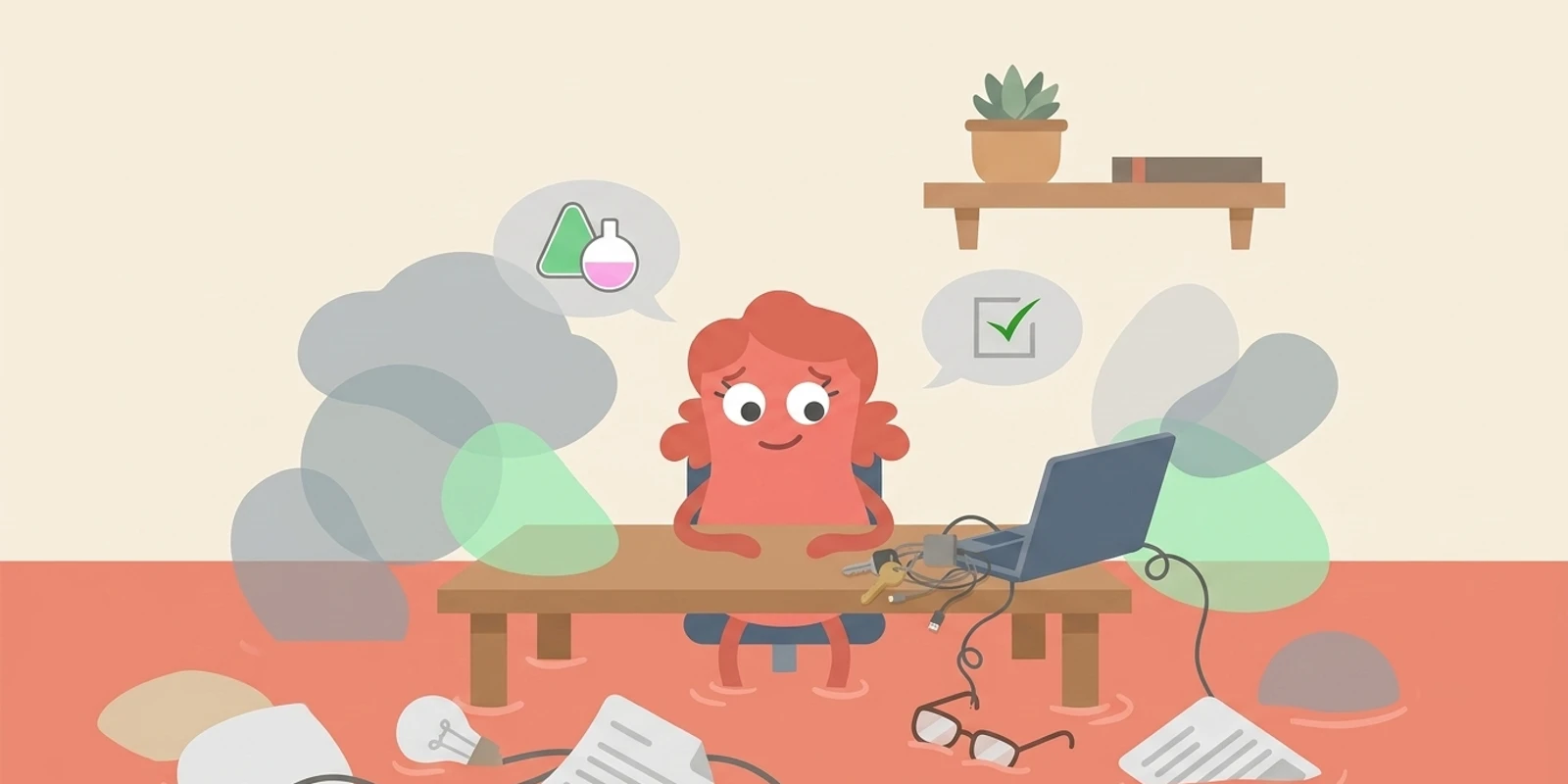
ADHD paralysis is a state of cognitive overwhelm where the brain's executive functions shut down, making it impossible to start, switch, or complete tasks despite wanting to. This freeze response stems from impaired self-regulation systems, not laziness or lack of motivation.

ADHD burnout isn't just being tired—it's a neurobiological crisis where your executive function system shuts down. Learn to recognize the warning signs and implement science-backed recovery strategies.

Rejection sensitive dysphoria symptoms include sudden, overwhelming emotional pain triggered by perceived rejection, intense shame spirals, avoidance of opportunities, and rage or withdrawal that feels uncontrollable — even when the trigger seems minor to others.
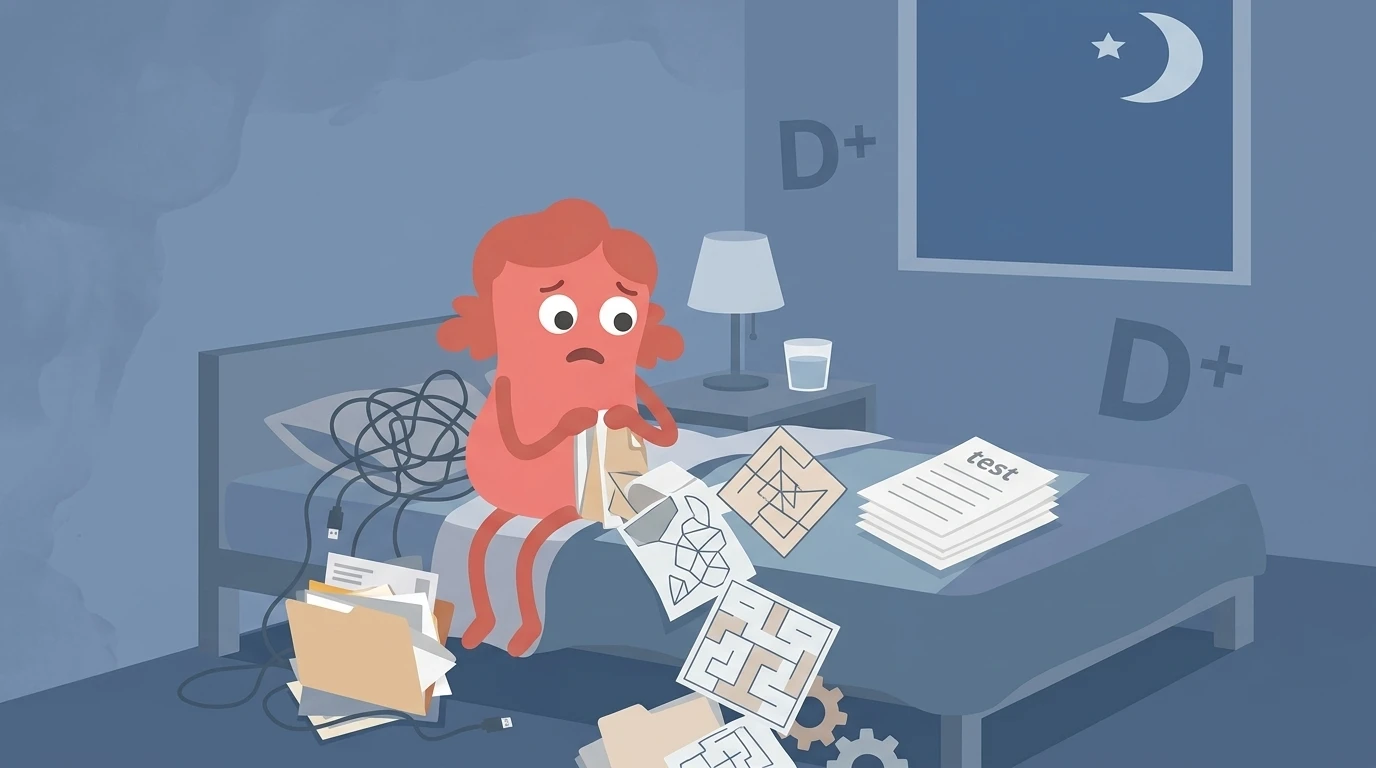
The ADHD shame cycle is a feedback loop where executive dysfunction leads to failure, failure triggers shame, and shame impairs the very brain functions needed to try again. Understanding it is the first step to breaking it.
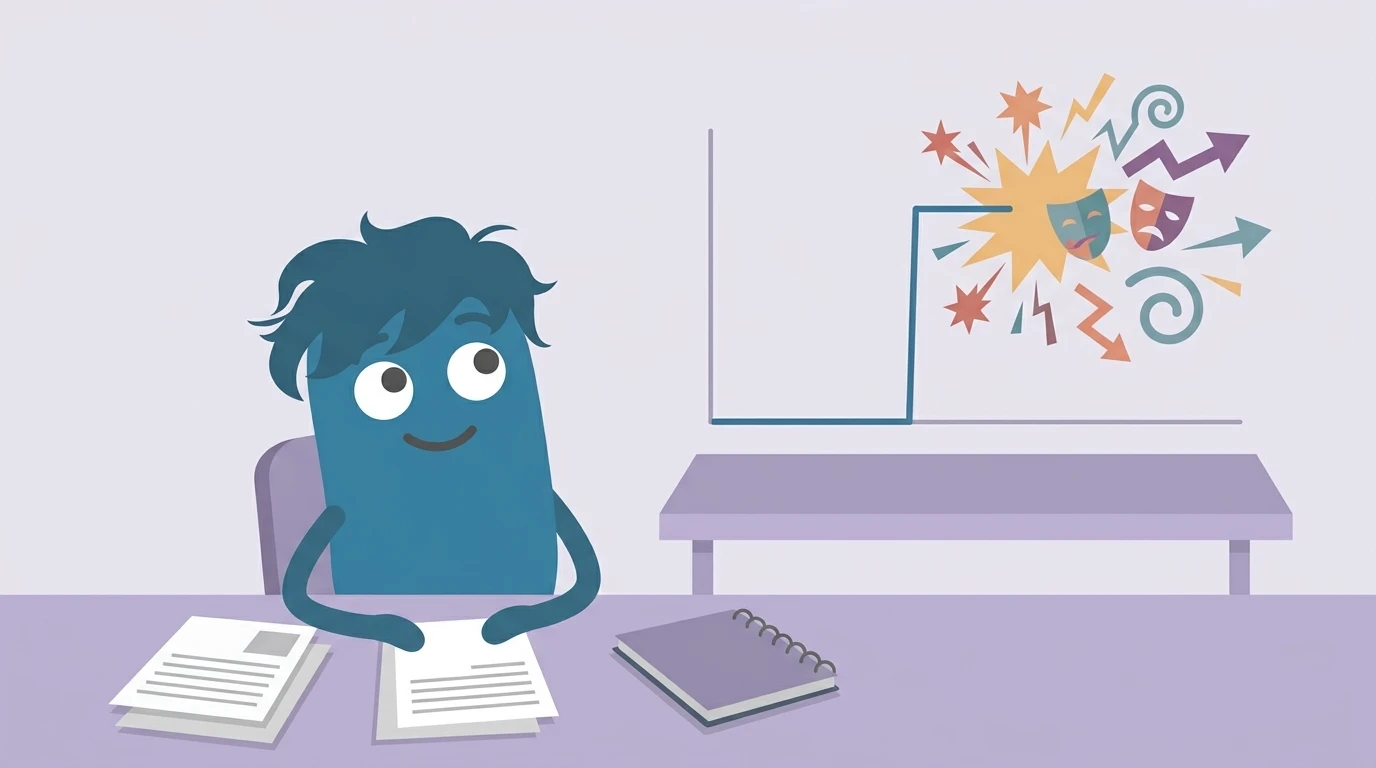
ADHD emotional dysregulation means your brain's volume dial is stuck on maximum — every frustration, excitement, or disappointment hits harder and faster than it does for most people. Here's what the science says and what actually helps.
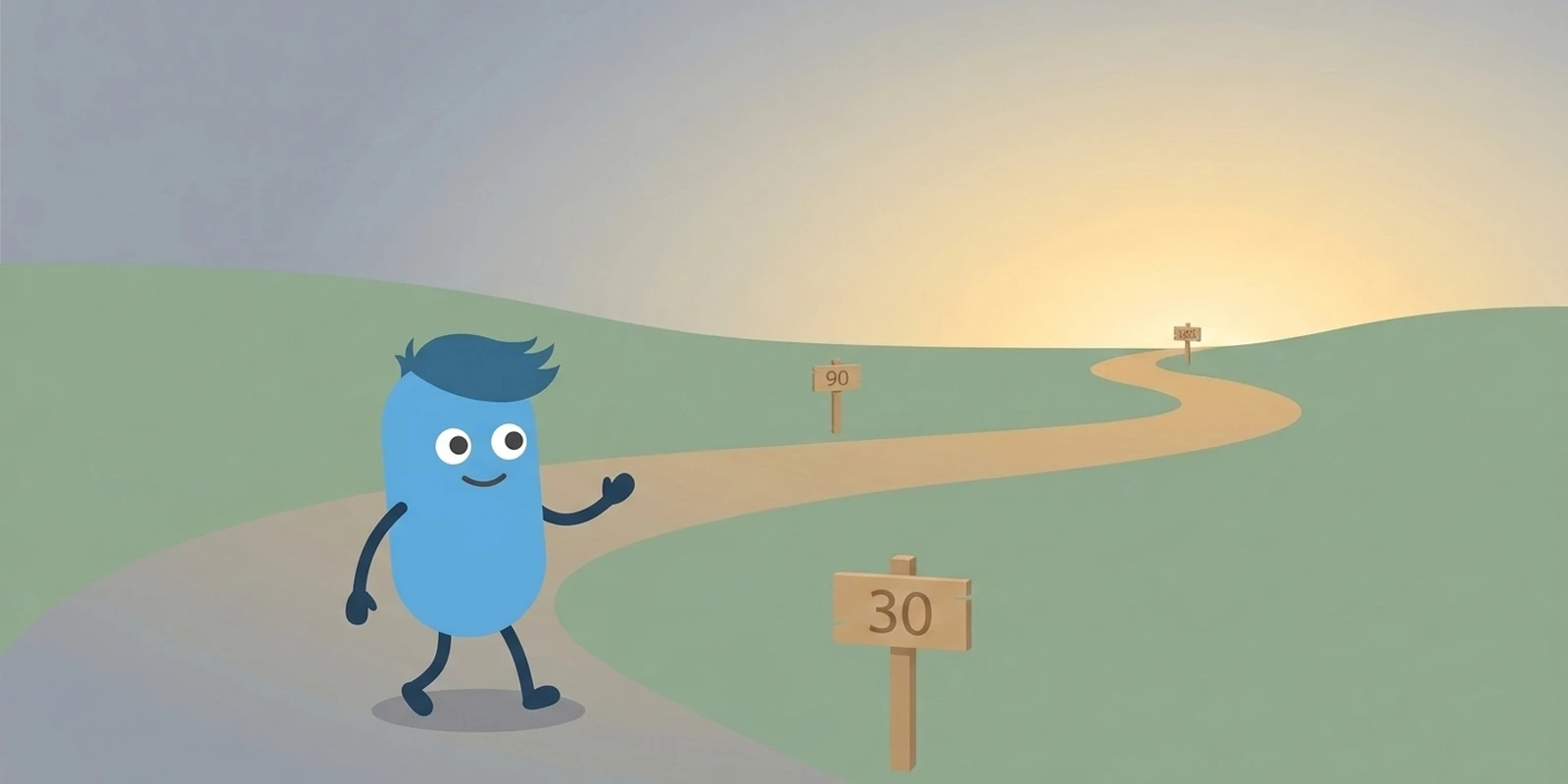
See the common porn recovery timeline by month, including withdrawal, flatline, cravings, libido changes, and signs that new habits are taking hold.