The Flatline Phase
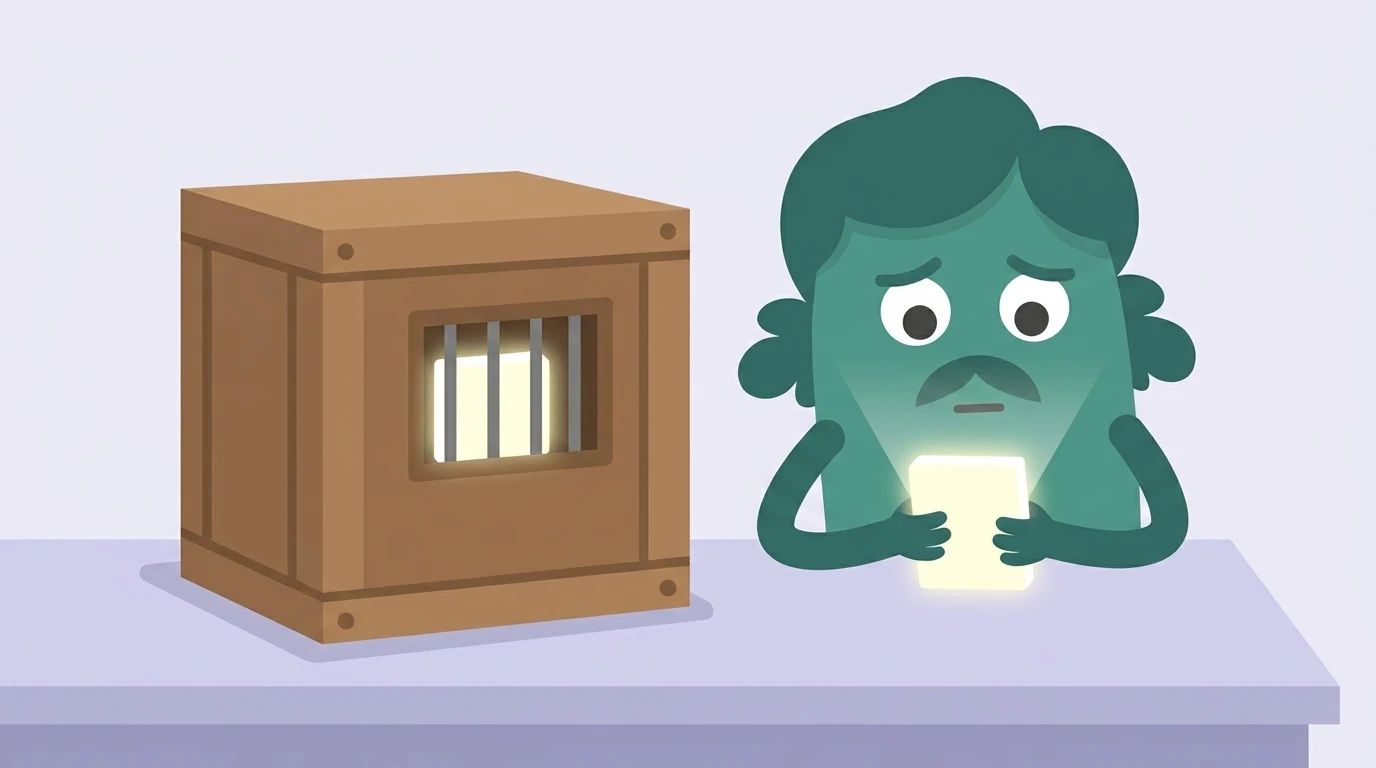
Many people in recovery report a period — typically beginning around week three and lasting 2-6 weeks — characterized by low libido, emotional numbness, and reduced motivation. This is sometimes called the "flatline," and it's a documented pattern in recovery communities and consistent with what neuroscience predicts during dopamine system recalibration.
Kenny's research on dopamine receptor recovery from repeated overstimulation shows that after downregulation, receptor sensitivity does not snap back immediately. There is a lag period where the system is recovering but has not yet reached full sensitivity. During this time, activities that previously provided natural pleasure — exercise, socializing, hobbies — may feel flat.
This phase is not permanent. The flatline ends. Its duration correlates with the length and intensity of prior use.
What Works in This Phase
Fill the time with incompatible activities. Porn use occupies a specific type of alone time, typically at night, during stress, or after emotional difficulty. Identify the exact times you're most vulnerable and schedule something else. Physical exercise is particularly effective — it directly stimulates dopamine production through a healthier pathway.
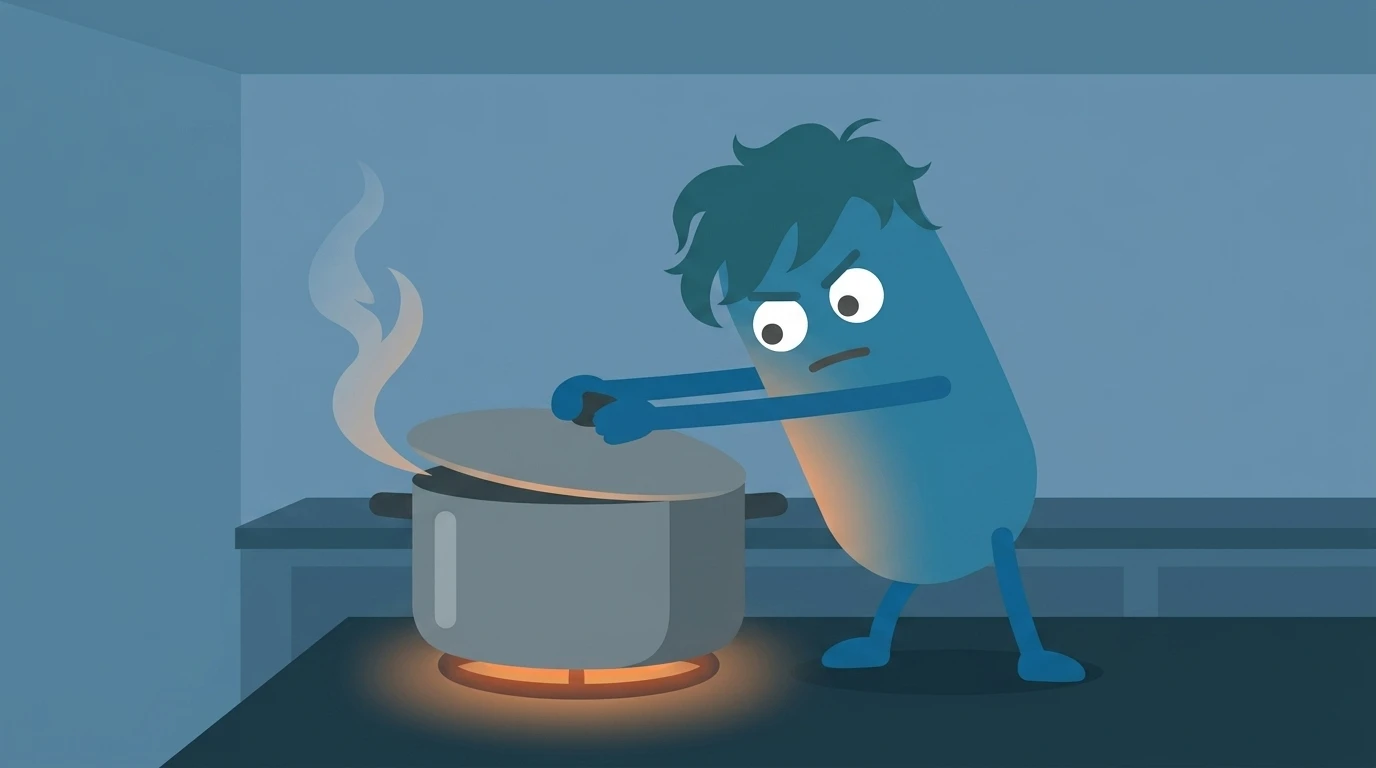
Don't replace porn with another compulsive behavior. A very common pattern in this phase is trading porn for excessive phone use, gaming, or food. These behaviors activate the same reward circuitry and can delay neurological recovery while creating the illusion of progress.
Days 60-90: The Turning Point
Most people who reach 60 days notice real changes. The flatline typically lifts. Energy and motivation begin returning. Natural rewards — a good conversation, a good workout, a good meal — start feeling rewarding again.
Key Stat: A meta-analysis by Winkler et al. on CBT for compulsive internet use found that structured behavioral interventions produced significant reductions in compulsive use symptoms within 8-12 weeks, with effect sizes comparable to treatment for substance addiction. — Computers in Human Behavior
The 90-day mark is meaningful not as a finish line but as a neurological checkpoint. By this point:
• Dopamine baseline sensitivity has substantially recovered
• The automatic trigger-response pattern (stress → crave → use) has been interrupted enough times to weaken
• Most people have experienced relapse and learned from it rather than being derailed by it
What Works in This Phase
Identify your specific triggers. By 60-90 days, most people can trace their urges to specific emotional states: boredom, loneliness, stress, conflict avoidance, or reward-seeking after a difficult day. Understanding your trigger pattern allows you to interrupt it earlier in the chain.
Build structure around the high-risk windows. If you know Sunday evenings alone are your most vulnerable time, the solution is structural — have plans, have accountability, have an alternative that's already scheduled.
How GetMotivated.ai Maps to Recovery Phases
The recovery timeline maps directly to what makes structured challenge programs effective. NoFap forums and accountability software like Covenant Eyes address the access and community layers — but they don't provide the milestone-based progression that the neuroscience supports.
GetMotivated.ai's challenge structure addresses this gap:
• 30-day challenges align with the first neurological milestone. The structure of a defined challenge with daily check-ins maps precisely to the period when daily accountability matters most (days 1-30).
• Buddy matching provides what recovery communities consistently identify as their most effective element: a consistent partner who knows you're in day eight, not a rotating forum audience. Research on accountability partnerships consistently shows that named, specific accountability outperforms anonymous community support.
• AI coaching is available during the high-risk windows that human accountability partners can't always cover — 11 PM when the urge hits, not during business hours.
• Milestone-based cohorts mean you're progressing through the same phases alongside others who are on the same timeline. The 30-day group is not mixed with people at day 90. This matters: the challenges of week one are categorically different from the challenges of week six.
Unlike apps focused purely on blocking (BlockerX, Bulldog Blocker) or streak counting (NoFap), GetMotivated.ai pairs the accountability structure with habit-replacement programming — addressing what you do instead, not just what you stop doing.
Months 3-12: Long-Term Rewiring
Reaching 90 days is significant. Maintaining past it — and continuing to build the behavioral patterns that replace the old habit — is where lasting change happens.
Brain imaging research shows that measurable structural changes in reward circuits take 6-12 months to fully consolidate. This doesn't mean recovery isn't happening before then — it means the process has a long tail, and people who treat the 90-day mark as the finish line are at high risk for relapse.
What the research shows at 6-12 months:
• Dopamine receptor density has recovered to near-baseline levels
• Prefrontal cortex control over impulse responses has strengthened through repeated practice
• Trigger-response patterns, when consistently interrupted, have substantially weakened
• People report natural rewards feeling genuinely satisfying again — not just "less bad than before"
The Role of Accountability Past 90 Days
The biggest mistake people make in the 3-12 month phase is dismantling the support structures that got them to 90 days. They feel better, the urges are less intense, and the structures feel less necessary. This is exactly when most late-stage relapses happen.
Sustained recovery at this stage looks less like active crisis management and more like maintaining the habits and relationships that make recovery the default — rather than the effort.
Why Most People Quit Without a Timeline — and Why That Fails
The most common approach to quitting porn is willpower-based and unstructured: decide to stop, white-knuckle through the urges, relapse, feel shame, restart. This cycle can repeat for years because it never addresses the neurological or behavioral architecture of the habit.
Understanding the timeline changes the approach. When you know the first two weeks will be the hardest, you prepare for them instead of being blindsided. When you know the flatline is temporary and neurological, you don't mistake it for permanent damage. When you know accountability is the single most predictive factor in early recovery, you build it in before day one instead of scrambling for it after the first relapse.
The research doesn't suggest recovery is easy. It does suggest it's predictable — and that people who approach it with the right structure and expectations at each phase have meaningfully better outcomes than those who rely on willpower alone.