





Is It ADHD, PMDD, or Both Before Your Period?
Women with ADHD screen positive for PMDD far more often in survey data. See what the research can and cannot say, and how to track two cycles.
Rachel SteinRead →

October is ADHD Awareness Month. Join an ADHD challenge with a group.See ADHD challenges
Daily plans and group challenges for people with ADHD.
As featured in






Routines and tools to start, switch, and finish tasks with less friction.
Circadian cues, screen shutdowns, and wind-downs that improve sleep quality.
Breathwork, journaling, and micro-practices that lower baseline stress.
Time-blocking, Pomodoro, and distraction controls that stack hours of focus.
Steps, strength, and mobility—minimum effective plans to get moving.
Short, high-win programs to build momentum in the first 30 days.
“In the last two weeks, I've added twice as many things to my calendar and finished 90% of them.”
 Glen W.Software developer
“The alerts telling me it's time to do something act as an external motivator to get things done.”
 Constance B.Business owner
“This site was such a breath of fresh air after feeling like I was just not capable of making progress on goals!”




“I'm still not perfect at time management, but this app has changed the outcome of some of my days, which means a lot to me.”


“This process really pushed me to show up at my computer and do the work.”
 Cindi H.Screenwriter
“It is pulling me out of my dire funk already. Just the feeling of support makes me motivated to do things.”


Everyone is different. Here's how you find what works for you.
“One of my favorites of all the apps.”
Evidence-based guides for follow-through, focus, and real-life support.
Women with ADHD screen positive for PMDD far more often in survey data. See what the research can and cannot say, and how to track two cycles.
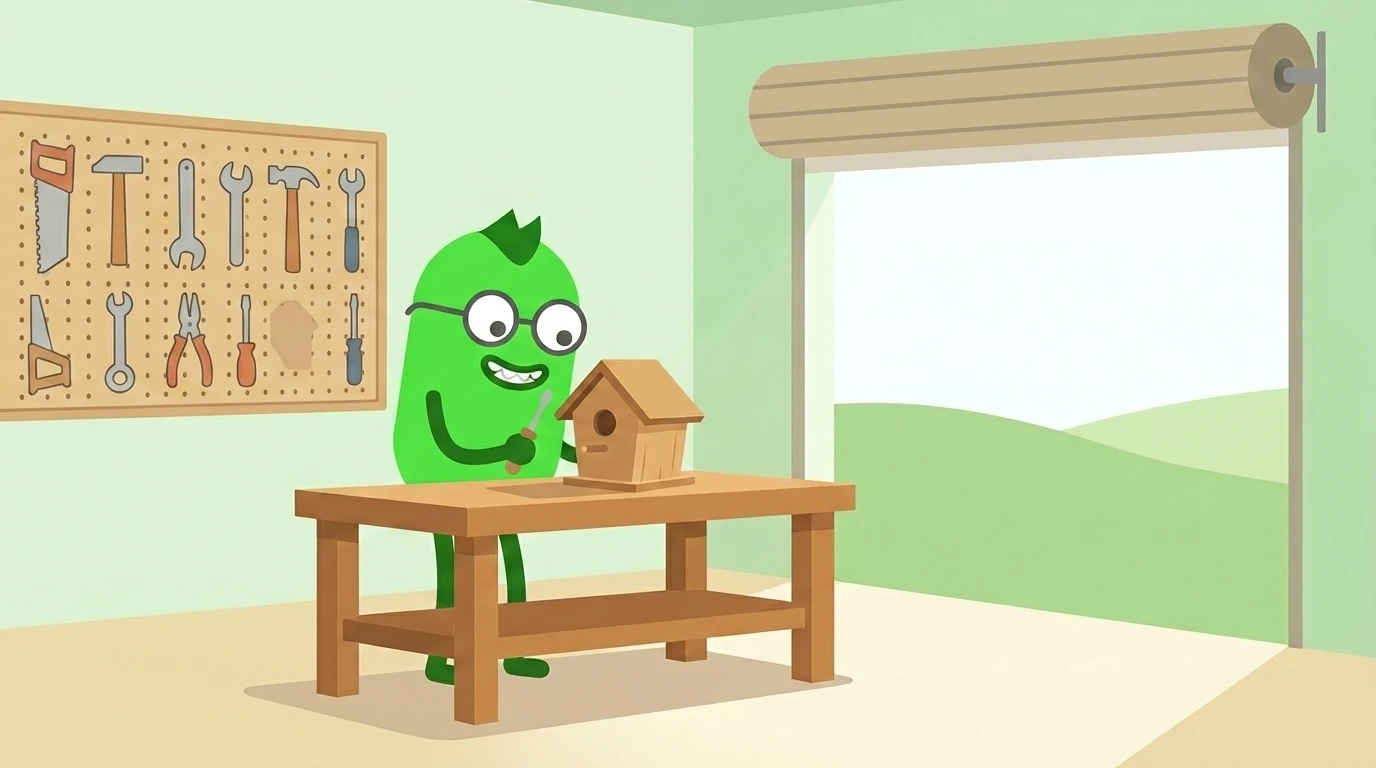
No job cures ADHD, but some fit better. Check seven job features before you apply, from autonomy to recovery time, with the research behind each one.
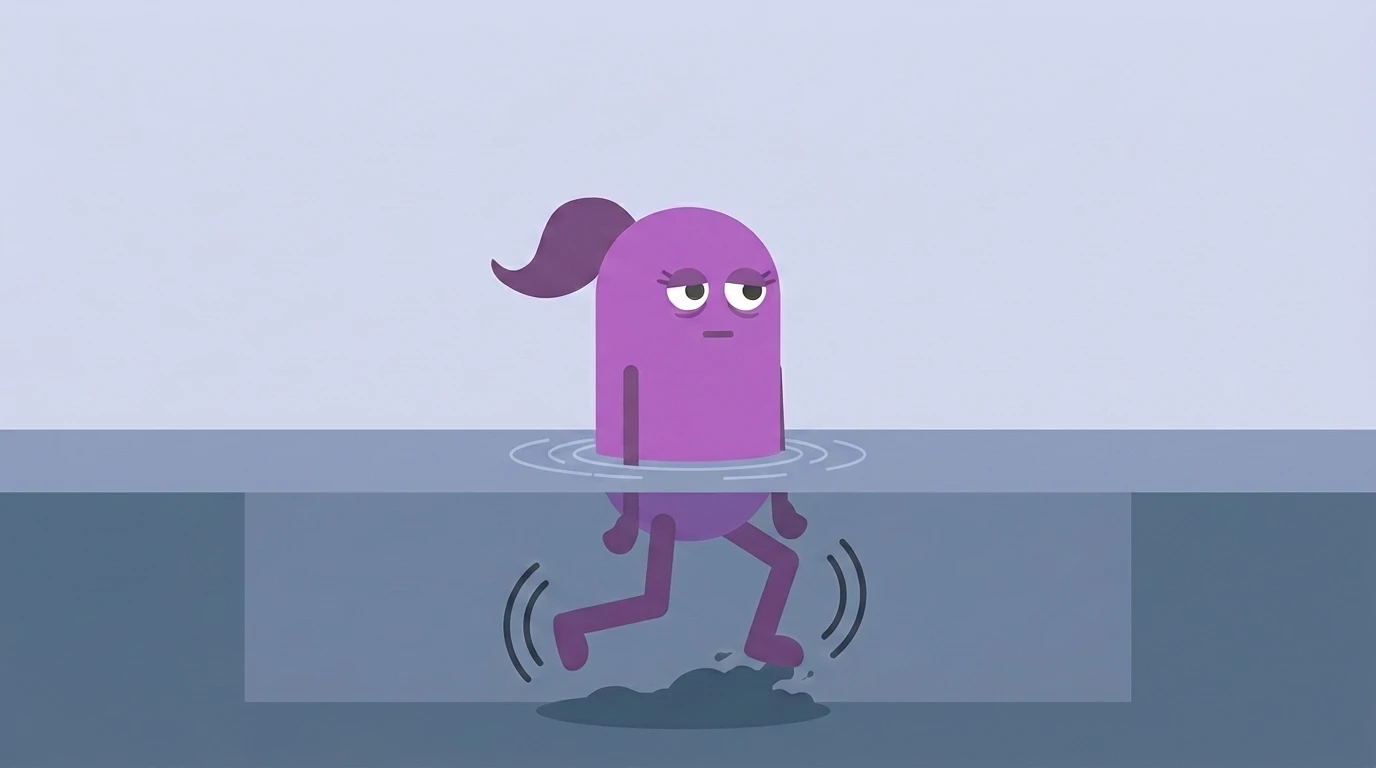
ADHD symptoms in women often look like overwhelm, not hyperactivity. Learn the signs by life stage, why they are missed, and how evaluation works.
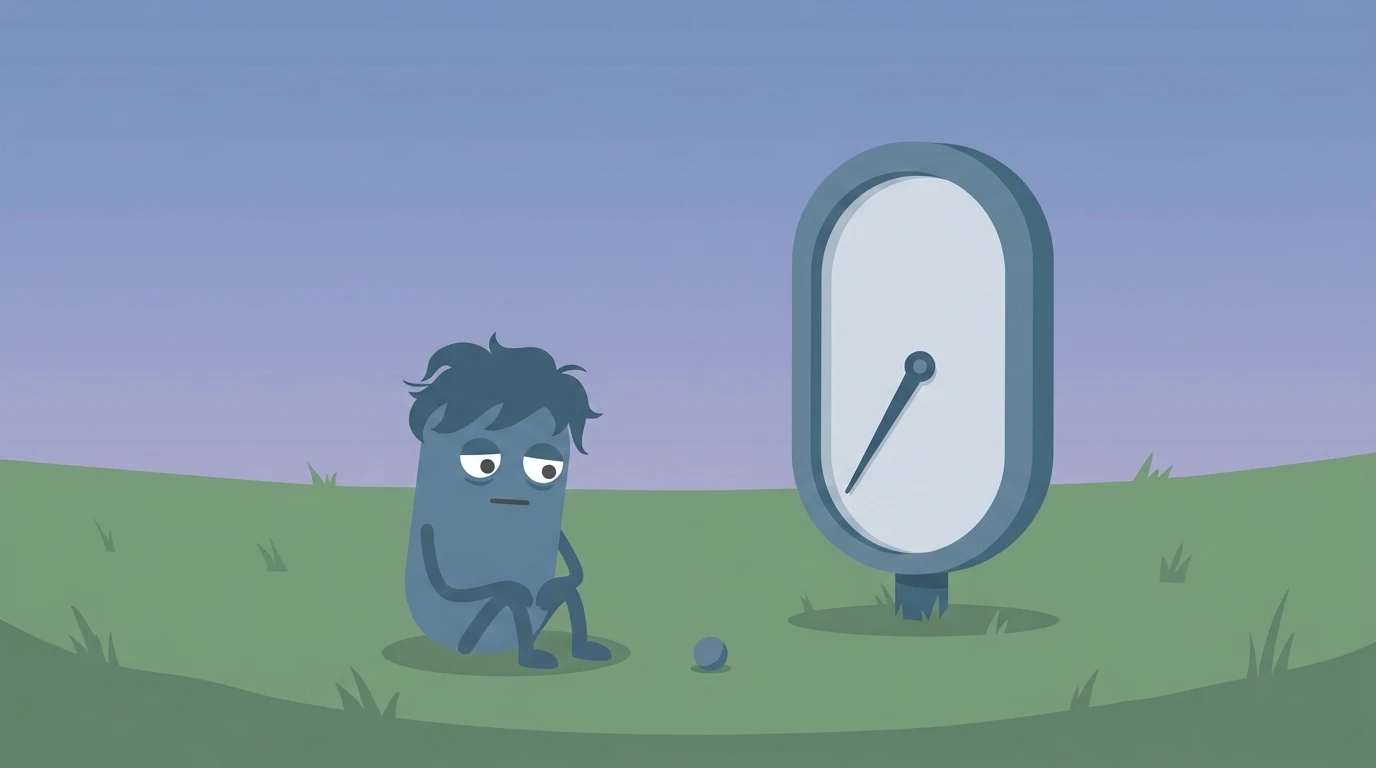
An ADHD shutdown usually lifts in hours, sometimes a day or two. Here's what causes it, what it feels like, and how to recover faster.
Tell us who you serve and what needs to change. We build the program, bring people together in groups, and report who shows up.