ADHD Lack of Motivation: Why It Is a Daily State, Not a One-Time Crash
ADHD lack of motivation is a chronic state, not a single collapse: understand why it holds steady day after day and what actually shifts it.
Rachel SteinRead →

73 posts tagged with "adhd"
Next time you search, our newest guide shows up.
ADHD lack of motivation is a chronic state, not a single collapse: understand why it holds steady day after day and what actually shifts it.

ADHD does not just kill motivation for boring tasks — it can flatten motivation for everything, including things you used to enjoy. Here is the mechanism, and what actually rebuilds it.
Standard time-management advice assumes a brain that responds to future consequences. If you have ADHD, yours often doesn't, and the research explains exactly why.
ADHD motivation doesn't fade like ordinary motivation does. It collapses in a specific, researchable pattern, and the same research shows what brings it back.
Standard study advice assumes you can sit down and start on command. If your brain does not work that way, the advice was never going to work.
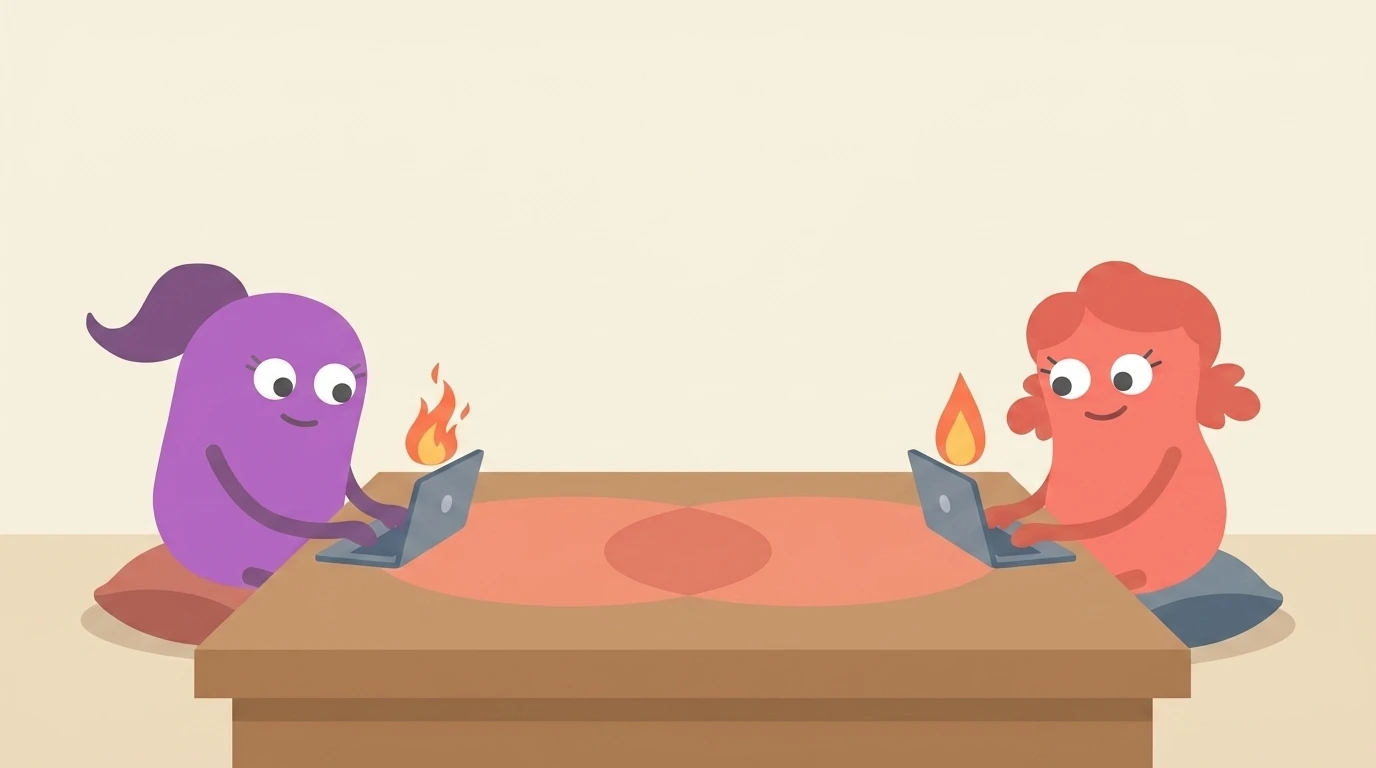
Studying alongside another person changes the conditions of a study session rather than requiring more willpower. Here is how to run one so it holds through exam season and beyond.
Most study advice assumes the hard part is understanding the material. With ADHD it is usually starting, staying, and knowing how long anything took.
Classroom advice for ADHD tends to target visible behaviour. The changes that hold target the executive demands sitting underneath it.
Workplace accommodations are agreed through a conversation, not granted by a diagnosis. Here is what to request and how to frame it.

An IEP changes how a student is taught, not just the conditions they work under. Here is when ADHD qualifies and what belongs in the document.
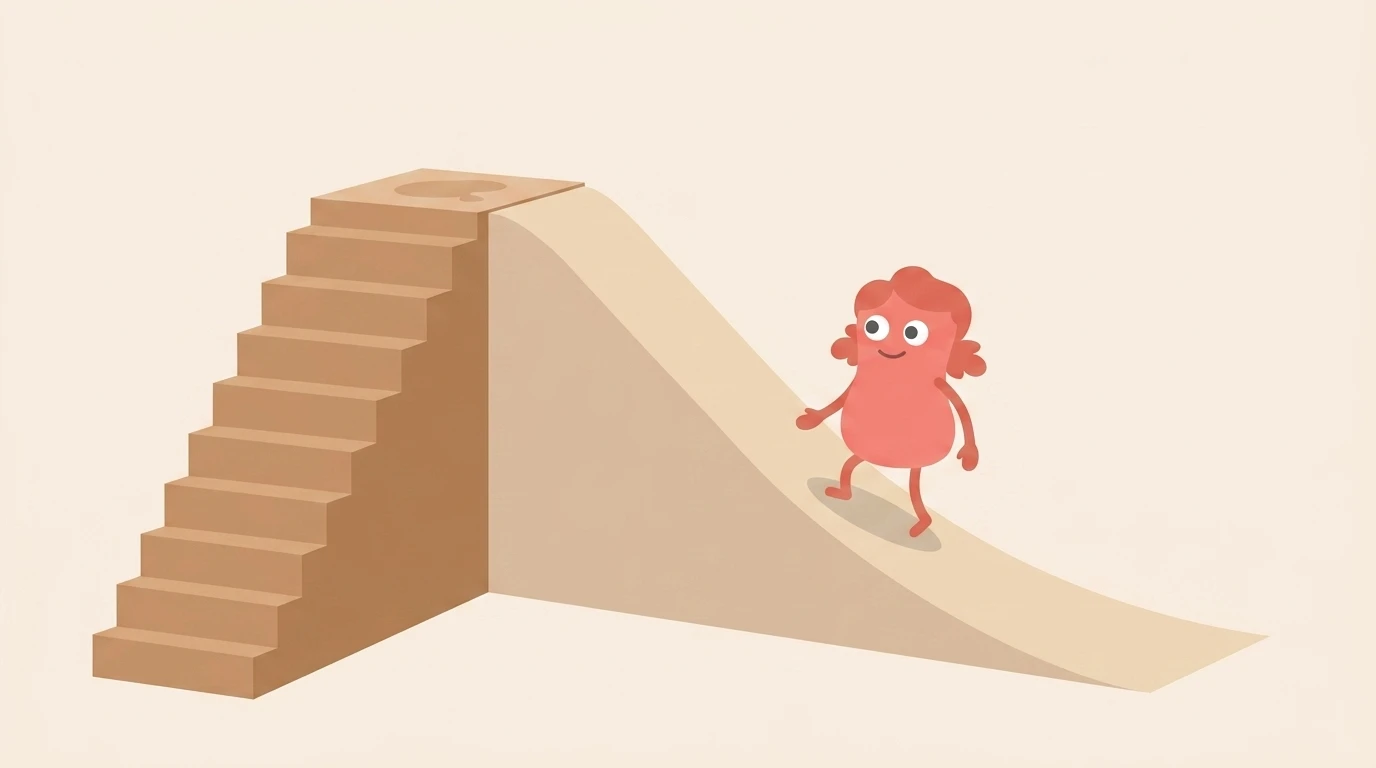
A 504 plan removes obstacles that have nothing to do with what a student knows. Here is what to request, and the wording that gets it agreed.
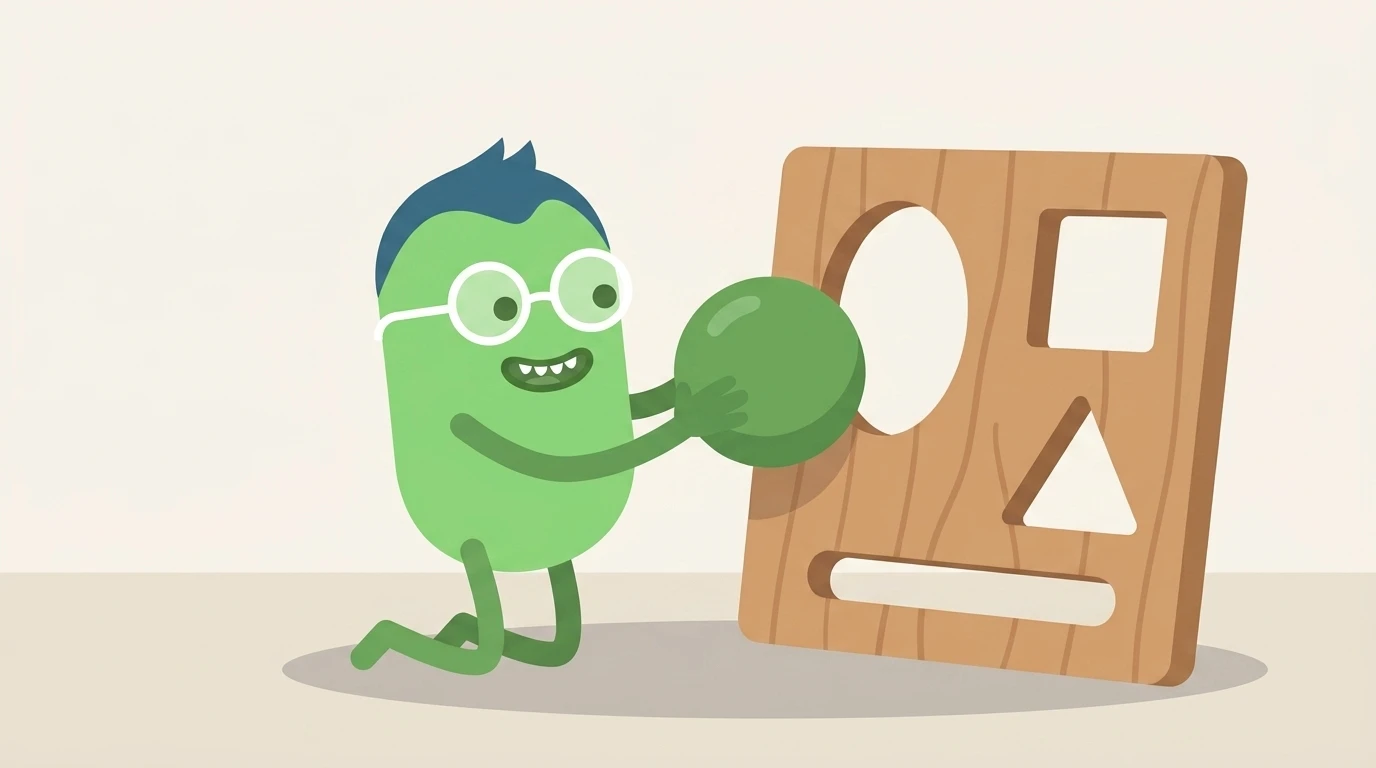
Accommodations work when they target the mechanism causing the problem. Here is how to tell which one you are dealing with, and what to ask for.
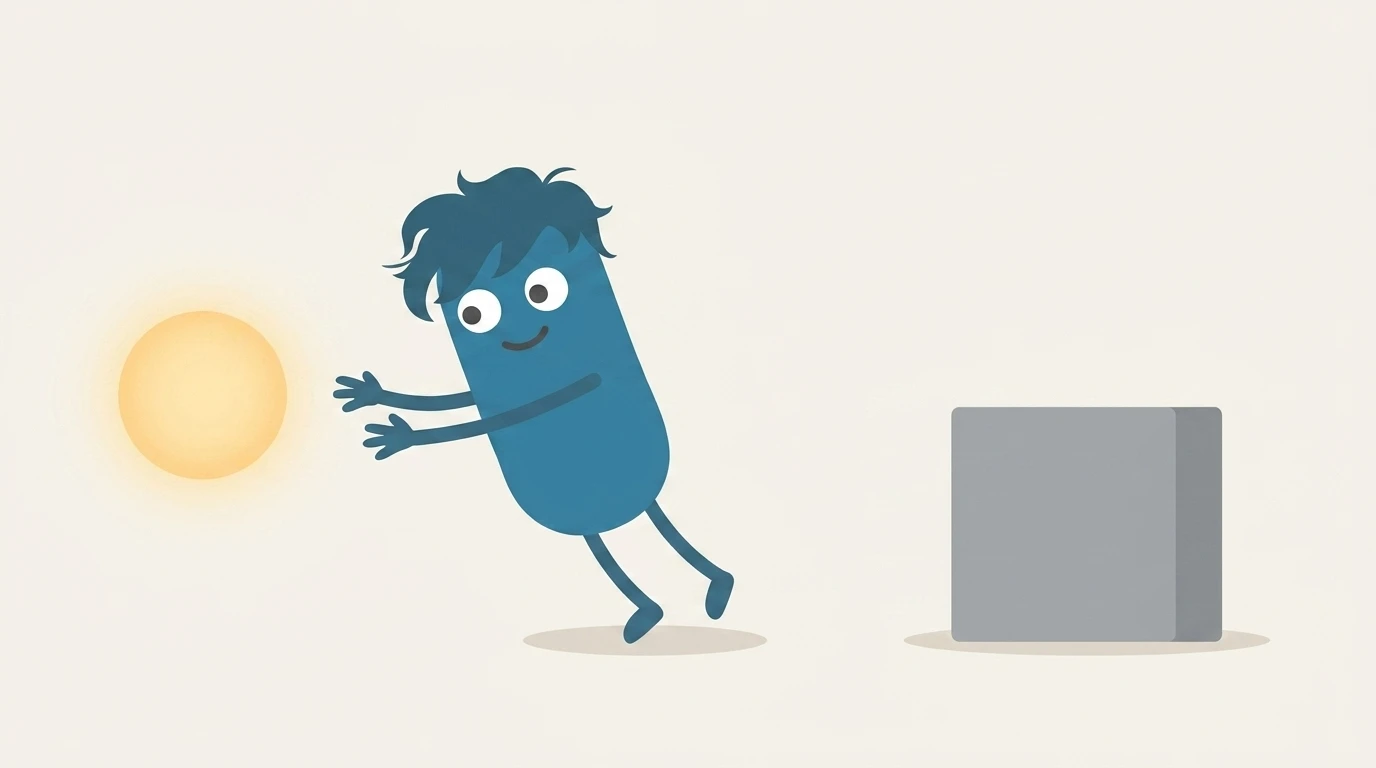
ADHD motivation runs on interest, autonomy, and connection more than on deadlines or willpower. Here's what the dopamine and self-determination theory research actually shows — and how to use it instead of fighting it.
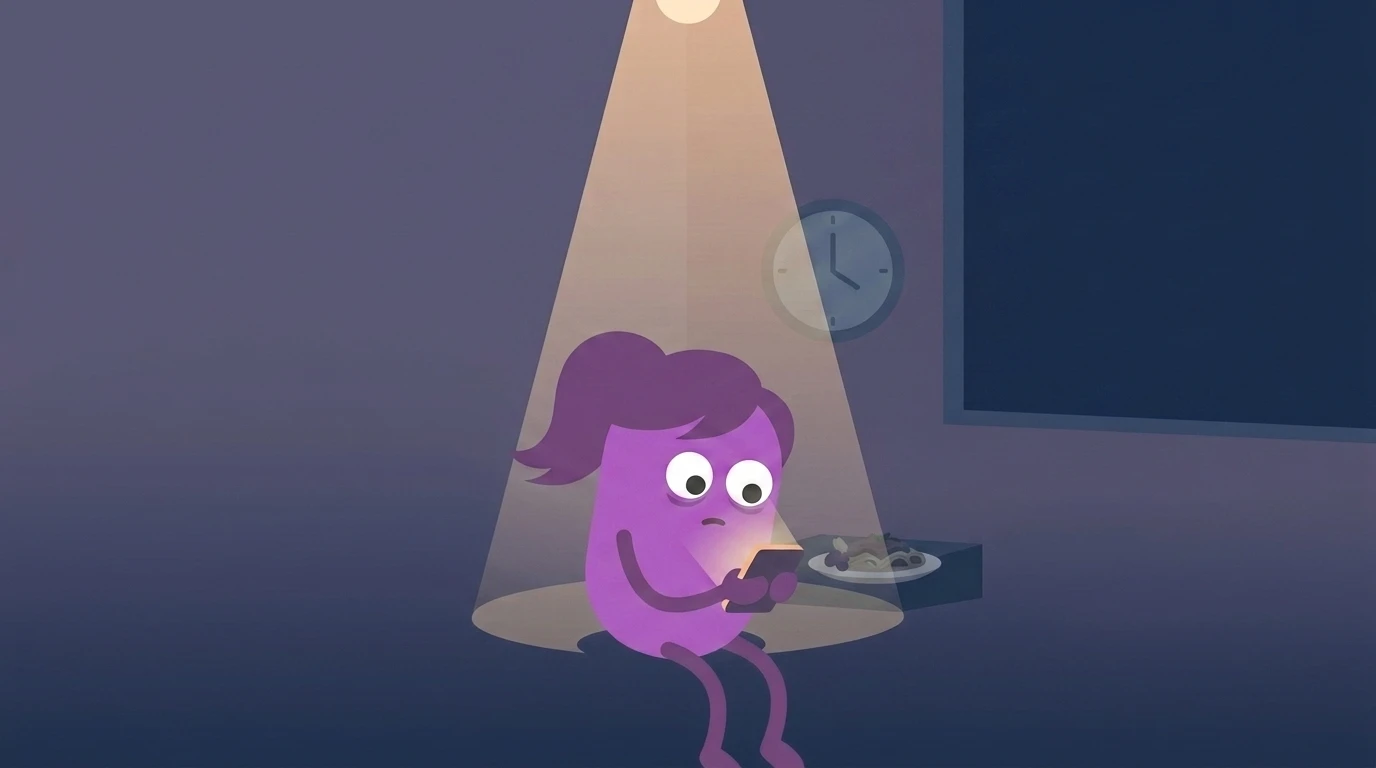
ADHD hyperfocus is a real, measurable attentional state — not the same as flow — where the brain locks onto an interesting task and everything else disappears. Here's what the research shows and how to use it without losing your day.
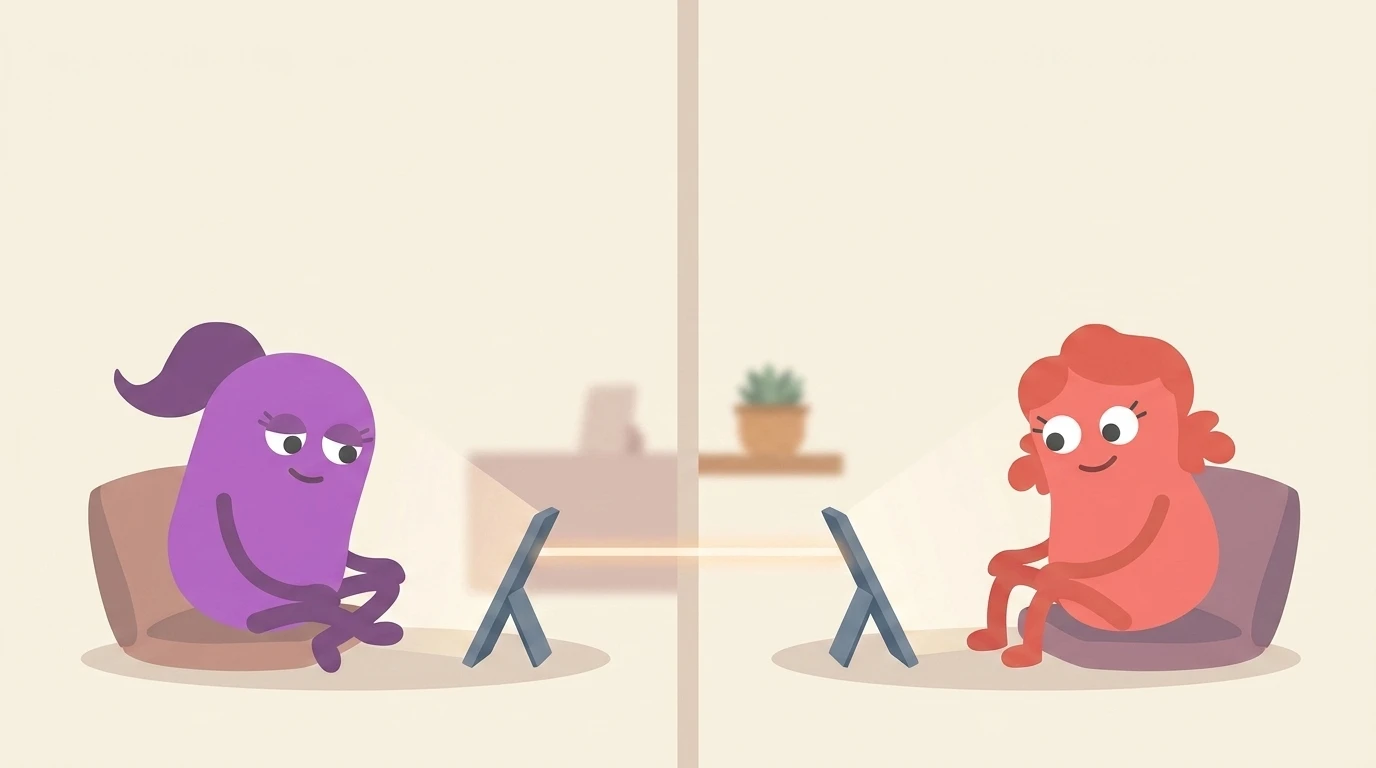
Virtual body doubling means working alongside another person over video or in a live co-working room instead of in the same room. Here's how it differs from in-person, the formats worth trying, and how to make it actually work.
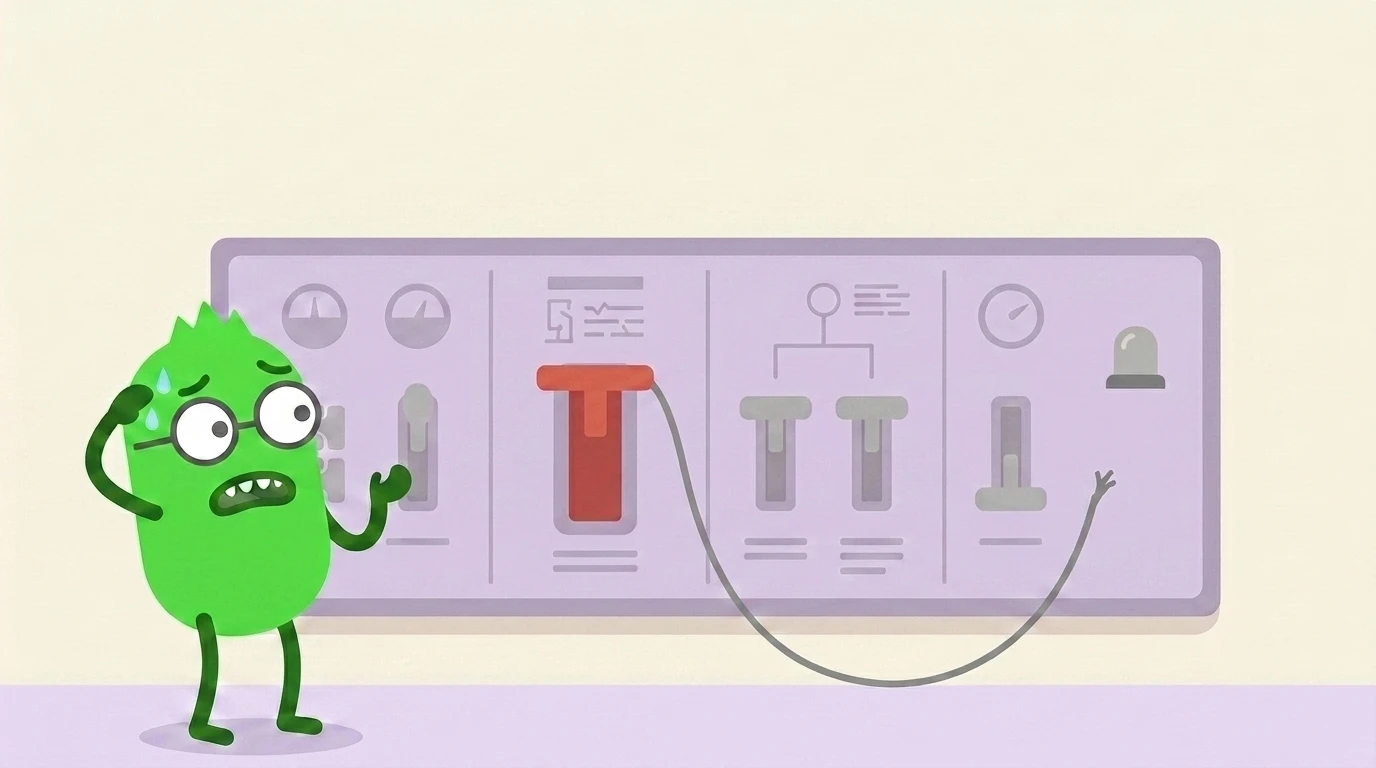
Executive dysfunction is a measurable breakdown in the brain's planning and follow-through system — not a personality flaw. Here's what causes it, how it relates to ADHD, and what actually helps.
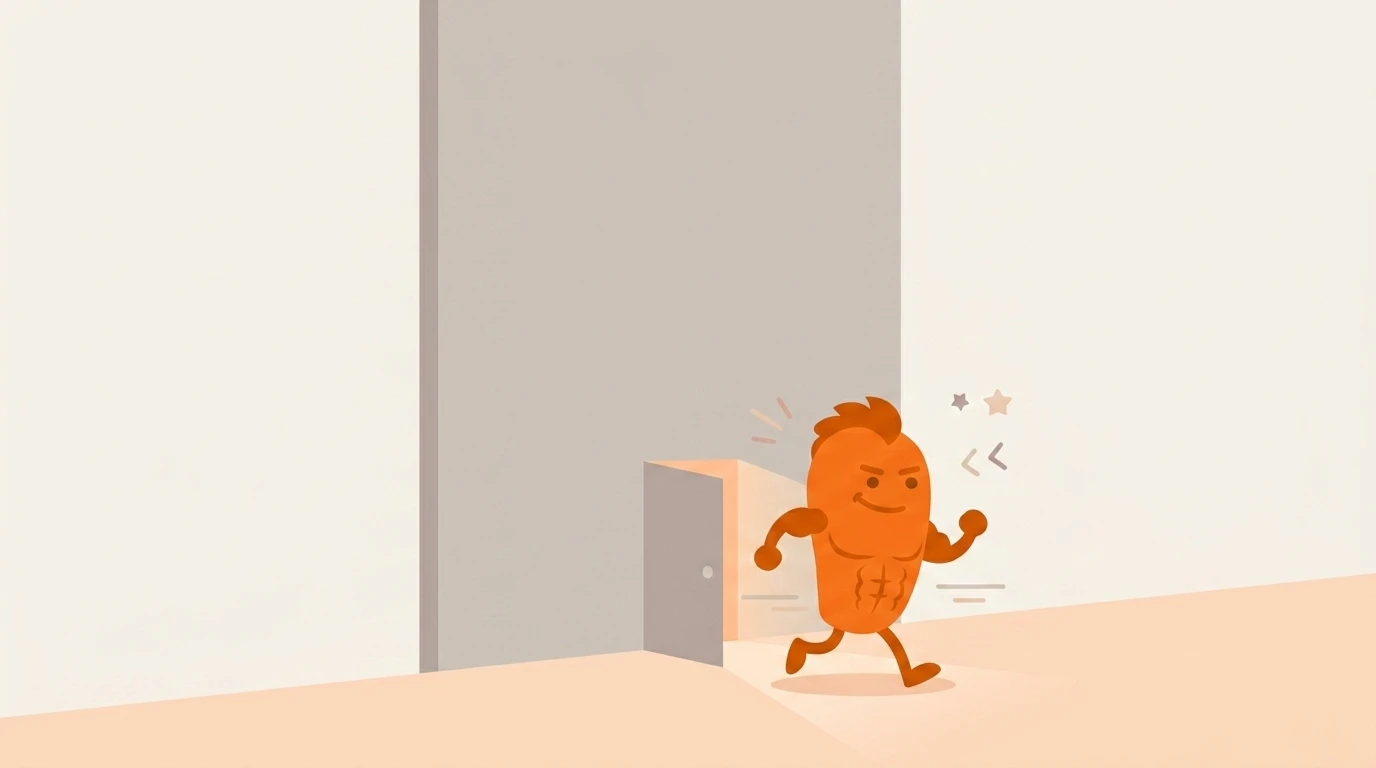
Tiny Habits fits the ADHD brain because it removes the two things that stop you: the size of the task and the wait for a reward. Anchor a two-second behavior, then celebrate instantly for a dopamine hit on day one.
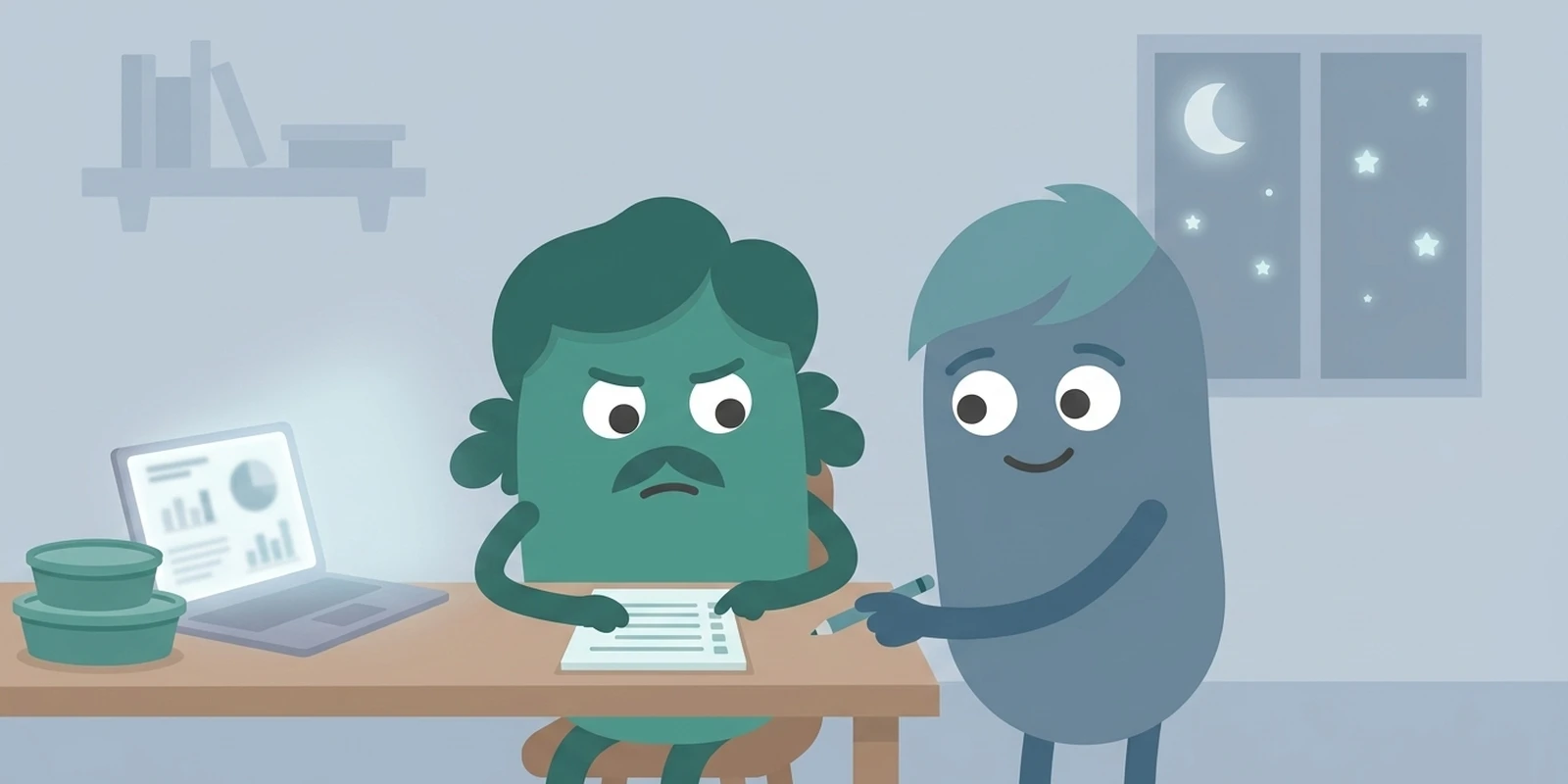
Body doubling leverages social presence to externalize executive function, helping adults with ADHD initiate tasks, sustain attention, and regulate emotions through passive accountability.
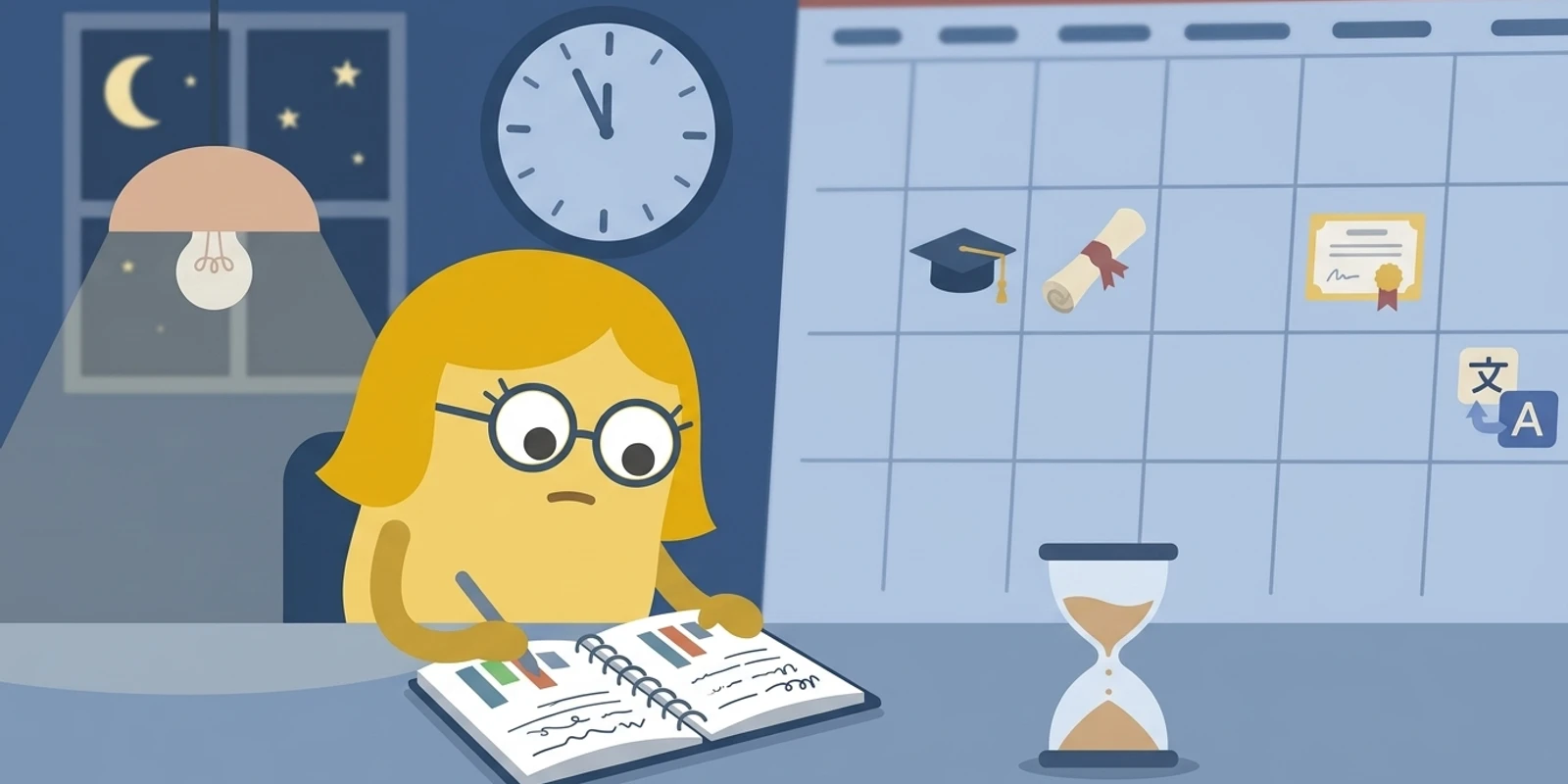
Everyone says AI will save the ADHD learner. The reality is more complicated. Here's a contrarian look at why AI tools can deepen the very problems they promise to solve, and what structured study systems actually work in 2026.
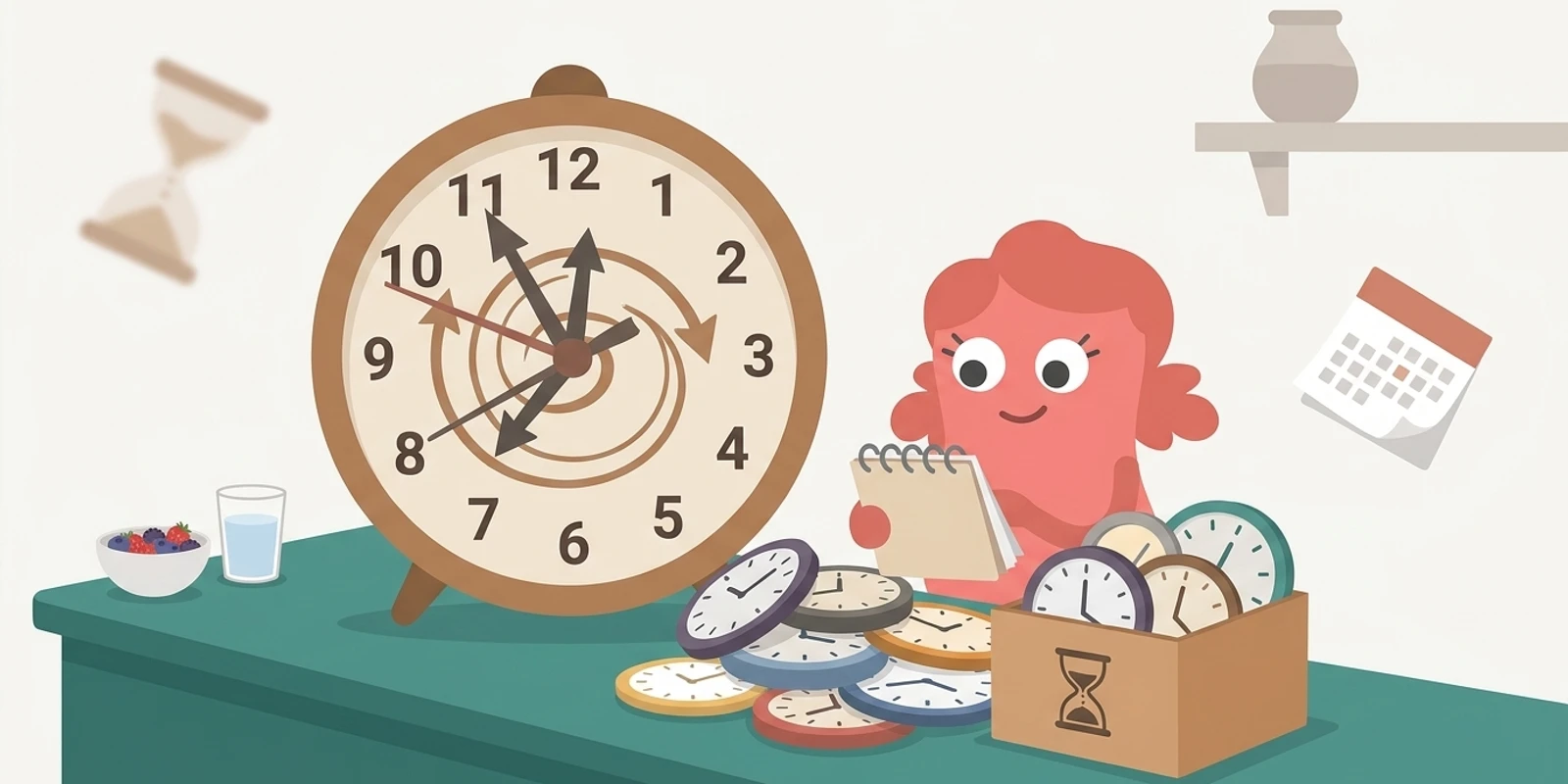
The curated desk photos lie. Here’s what my 8 a.m. to 8 p.m. actually looks like when executive dysfunction meets the living room couch.
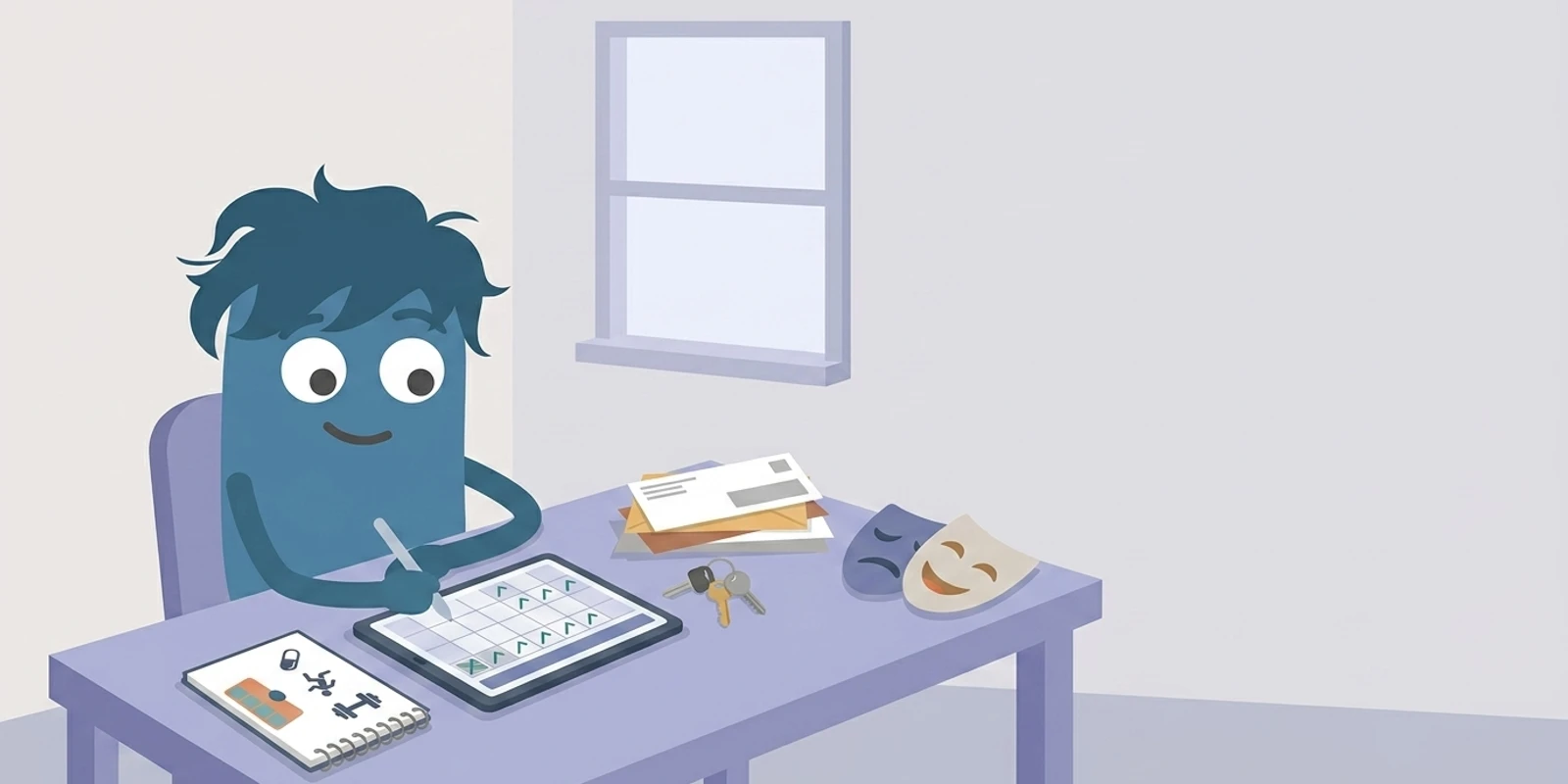
Atomic Habits sold 15 million copies and transformed how millions of people build routines. For ADHD brains, it often just adds a new flavor of failure. Here's why the framework crashes, and what actually sticks.

I spent years calling myself lazy when I couldn't stick to routines. Then I learned the neurobiology behind ADHD discipline issues, and everything changed.
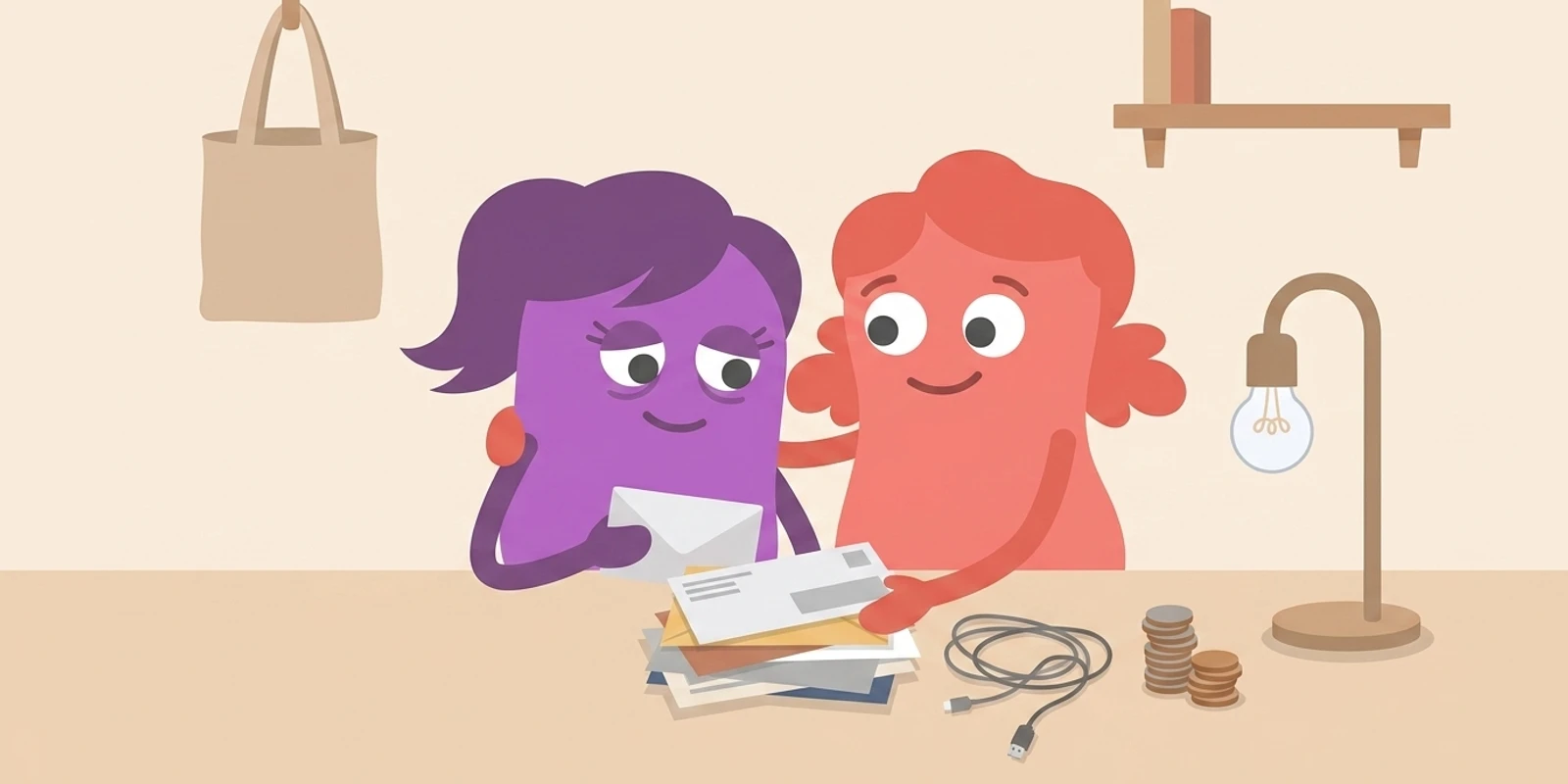
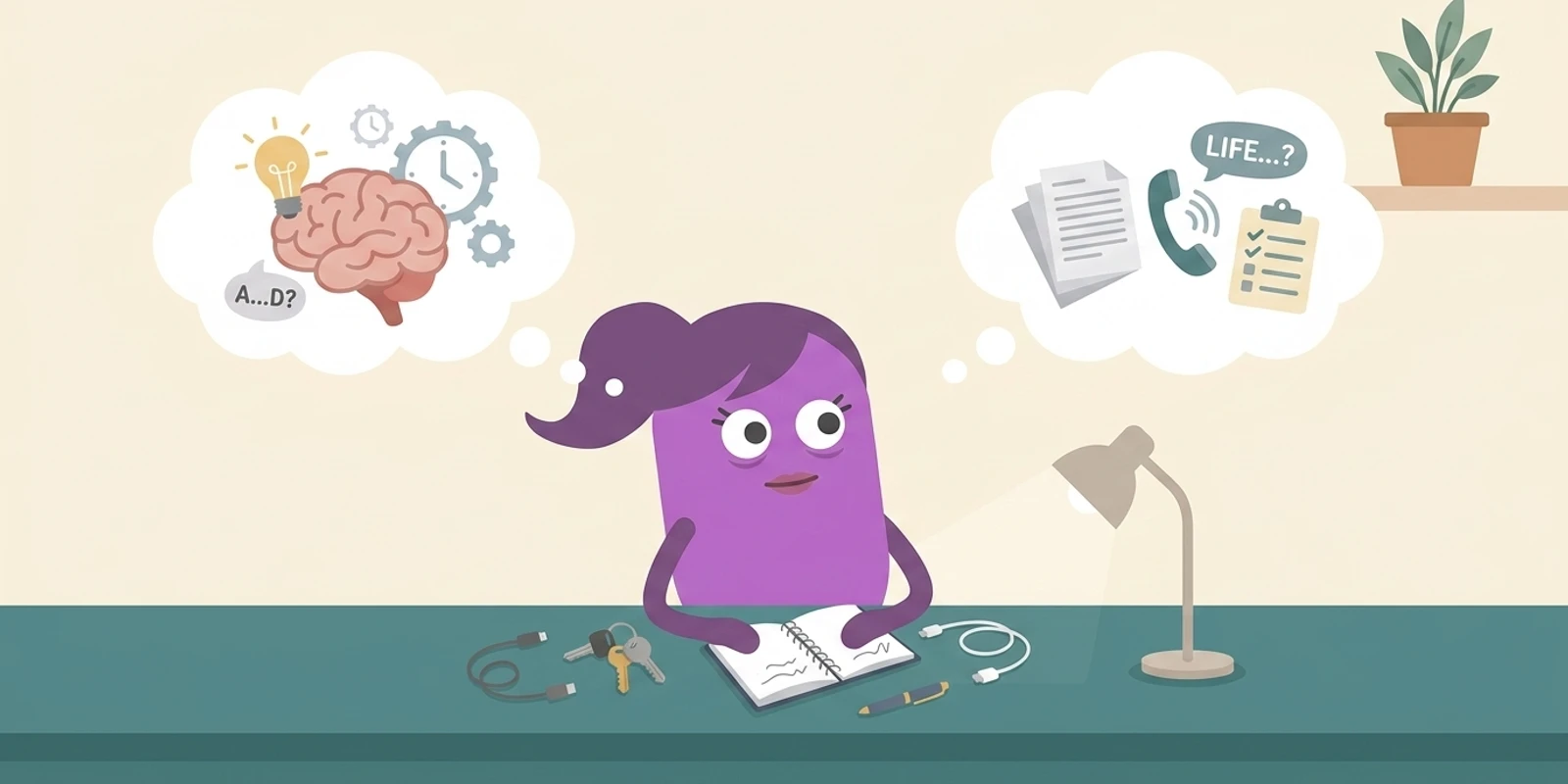
Millions of adults suspect ADHD but don't know where to start. This guide breaks down how adult ADHD testing works, what the scores actually mean, and what to do once you have answers.
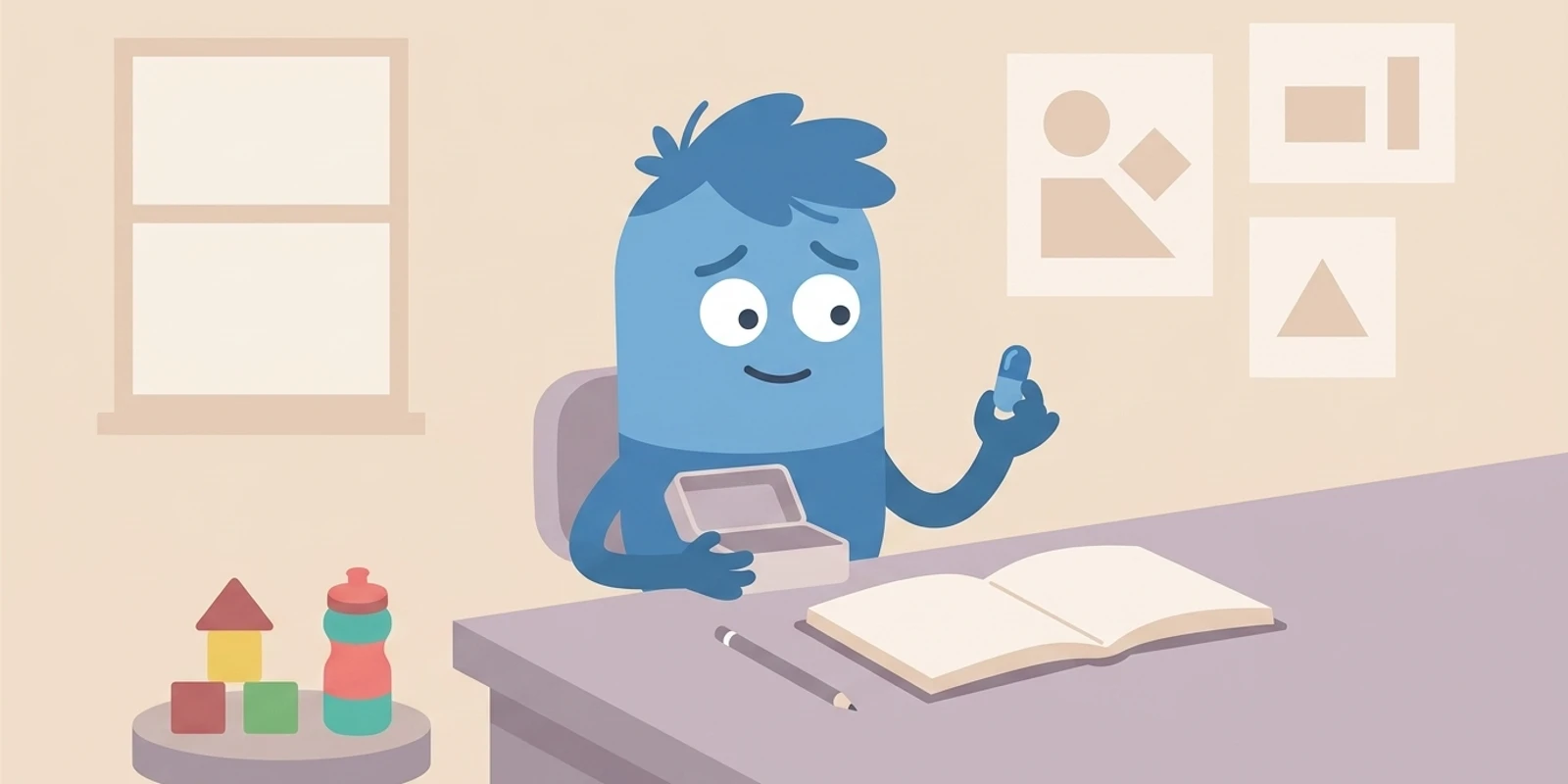
Parenting demands things your ADHD brain finds hardest: consistent routines, emotional regulation, and forward planning. These evidence-based tactics work with your neurology instead of against it, and several of them take less than five minutes to set up.
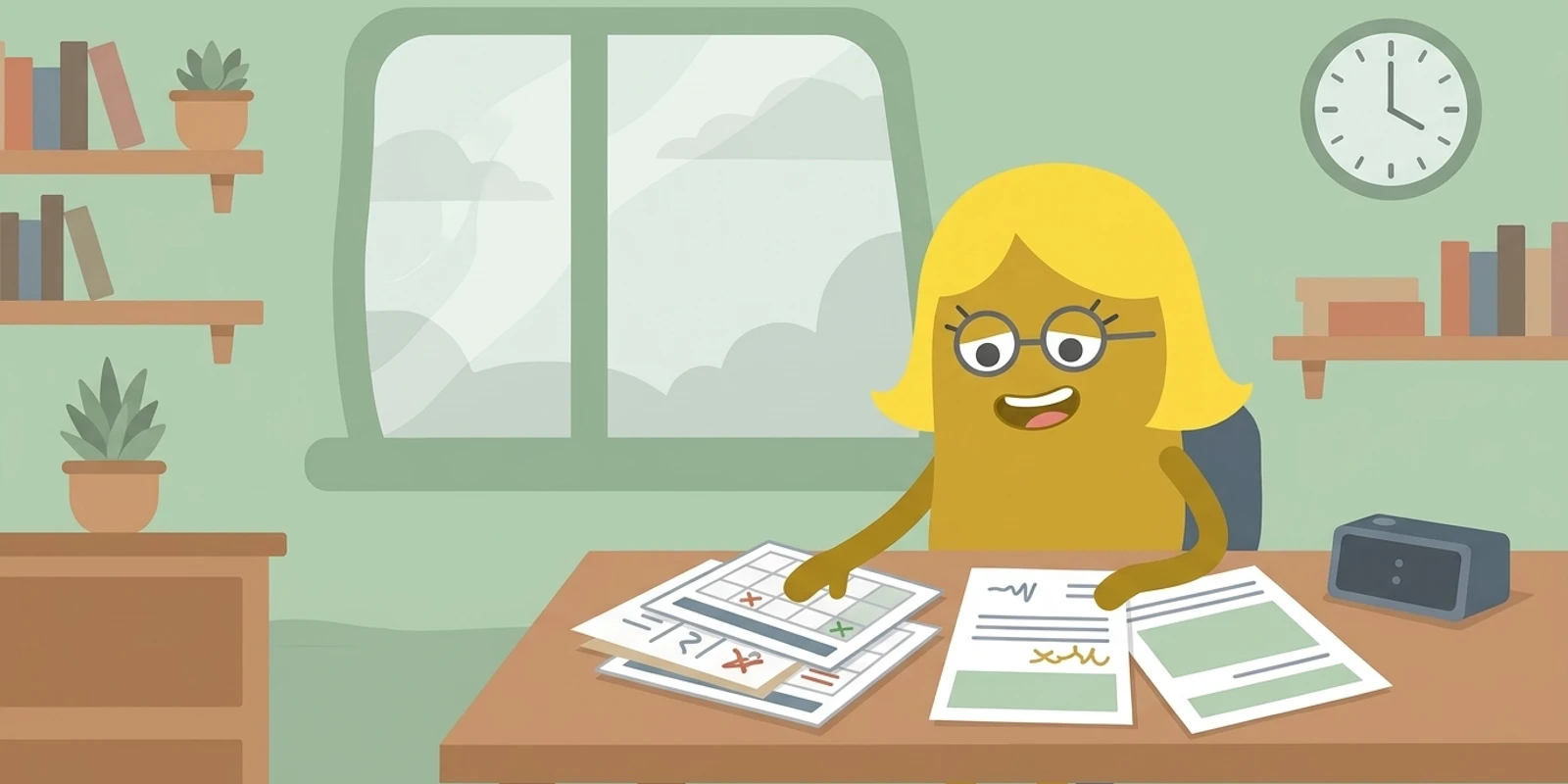
Parenting is one of the most executive-function-intensive jobs there is, and ADHD makes every part of it harder. These evidence-based tactics use what the research actually says about time blindness, emotional regulation, and household systems to help ADHD parents build structure that works.

Perimenopause amplifies ADHD symptoms through estrogen fluctuations that disrupt dopamine regulation, executive function, and emotional control. Women with ADHD face compounded challenges during this transition, requiring adjusted treatment strategies and self-compassion practices.
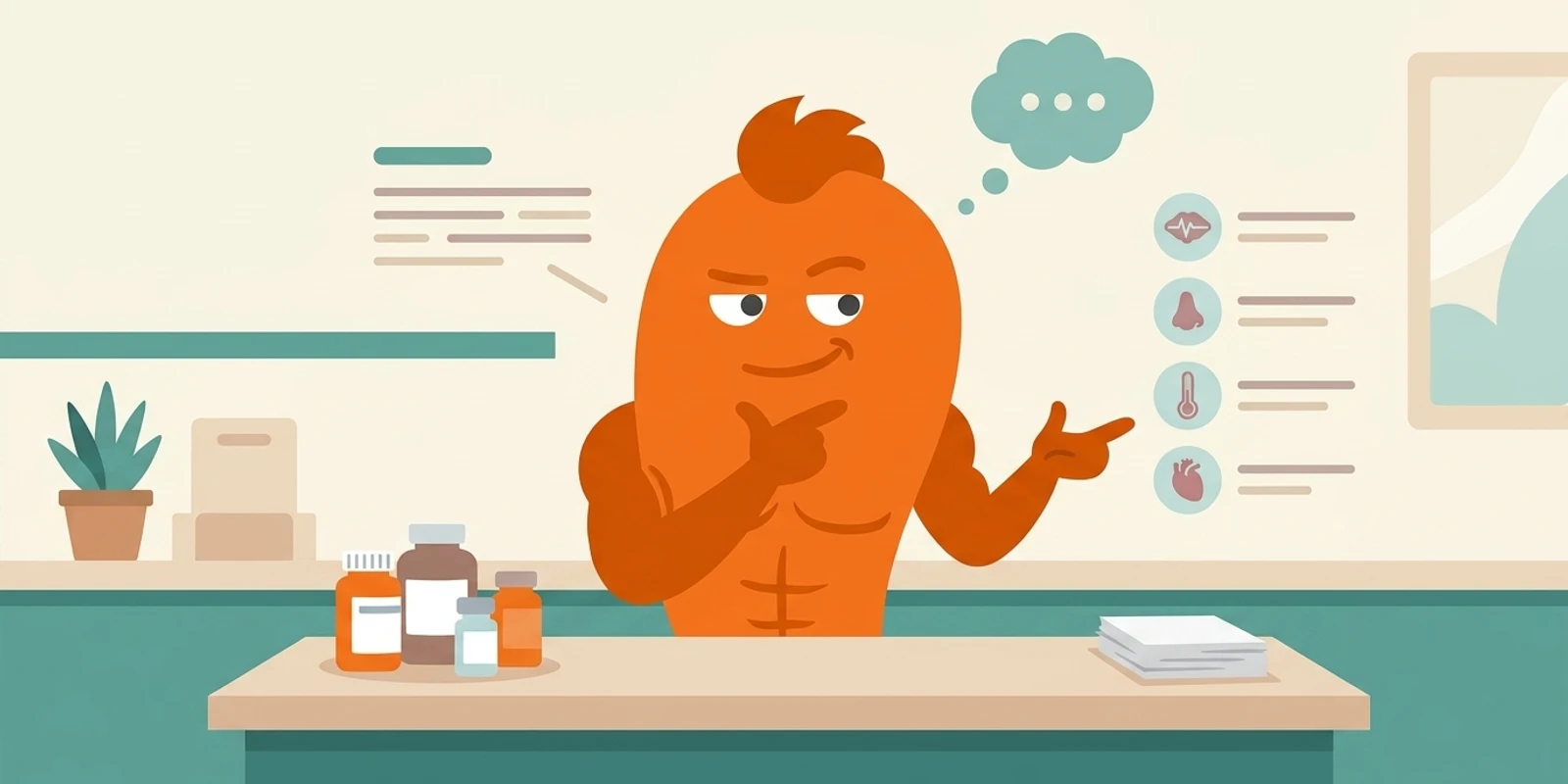
If you have ADHD and depression, you are far from alone: up to half of adults with ADHD experience depression too. The medications treating each condition work through overlapping brain chemistry. Here is what you need to know before your next prescriber appointment.
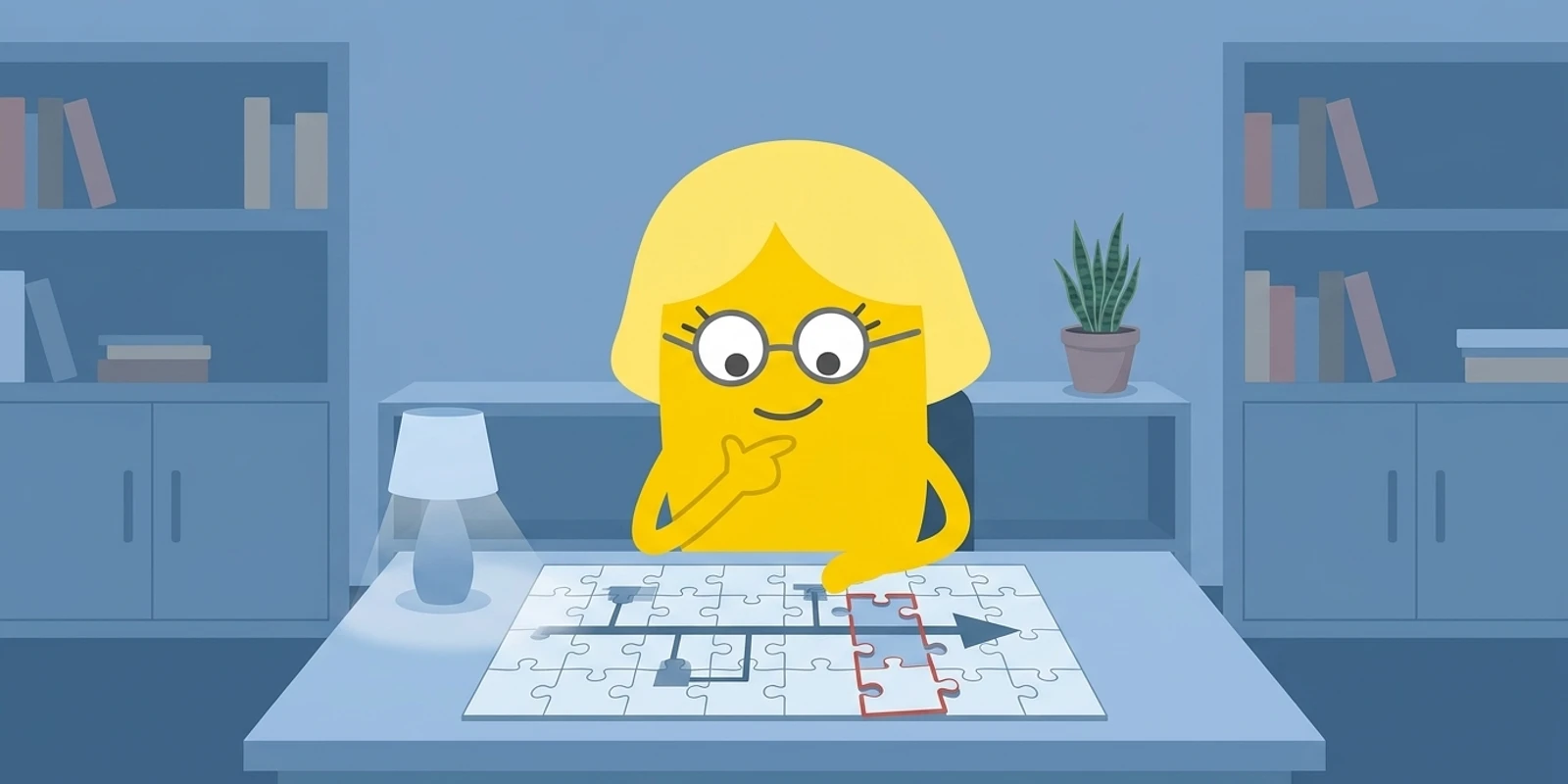
If you spent years being treated for anxiety or depression before anyone mentioned ADHD, you are not alone. Women with ADHD are chronically underdiagnosed because their symptoms look nothing like the hyperactive boys that shaped the original research. This guide covers the evidence-based treatment paths, from medication to cognitive behavioral therapy to daily systems, that work for women's specific presentations.
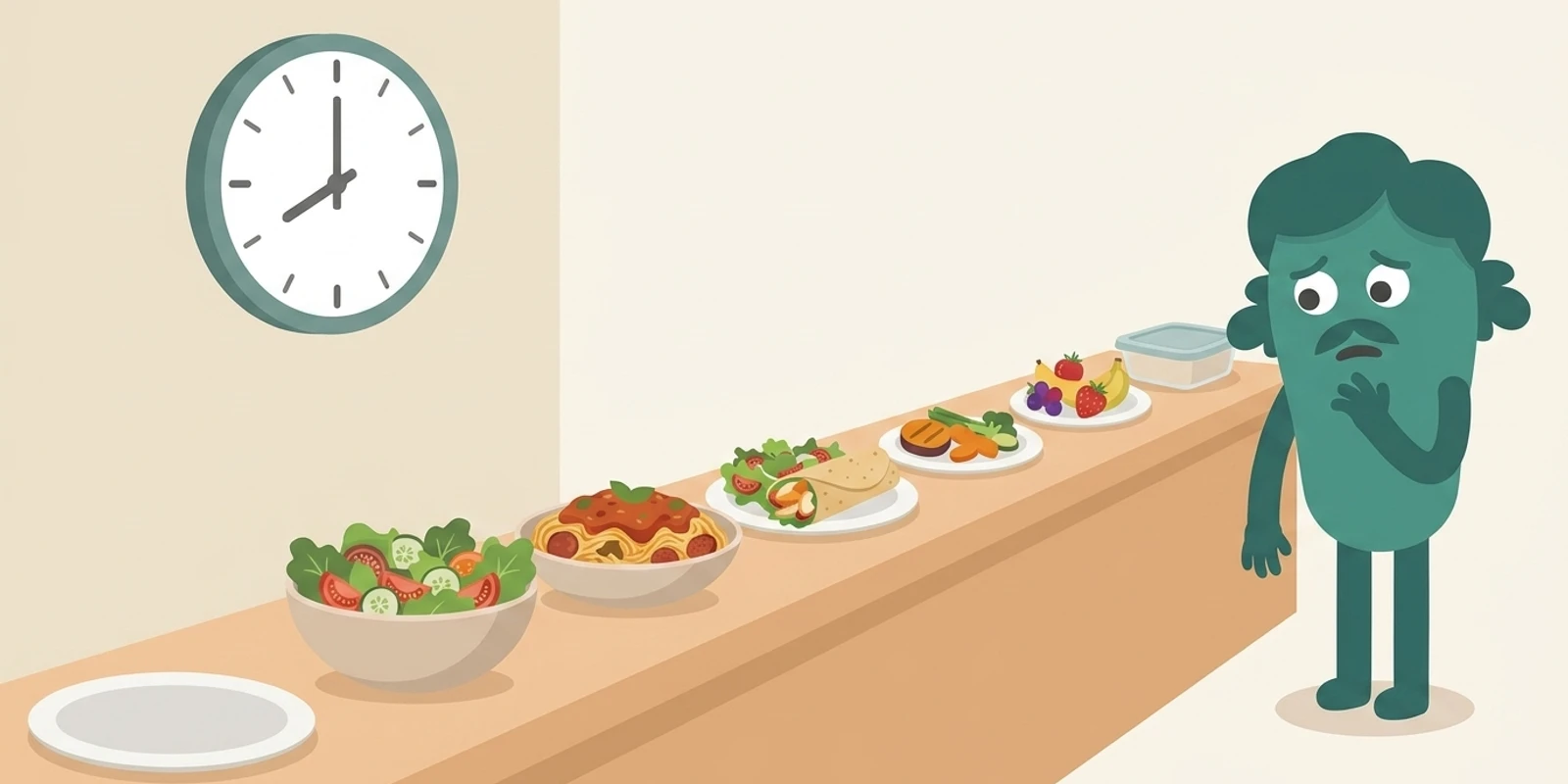
ADHD and anxiety frequently co-occur, creating a cycle where executive function deficits fuel worry and hypervigilance amplifies distraction. Learn how these conditions interact and discover practical, research-backed strategies to break the cycle.
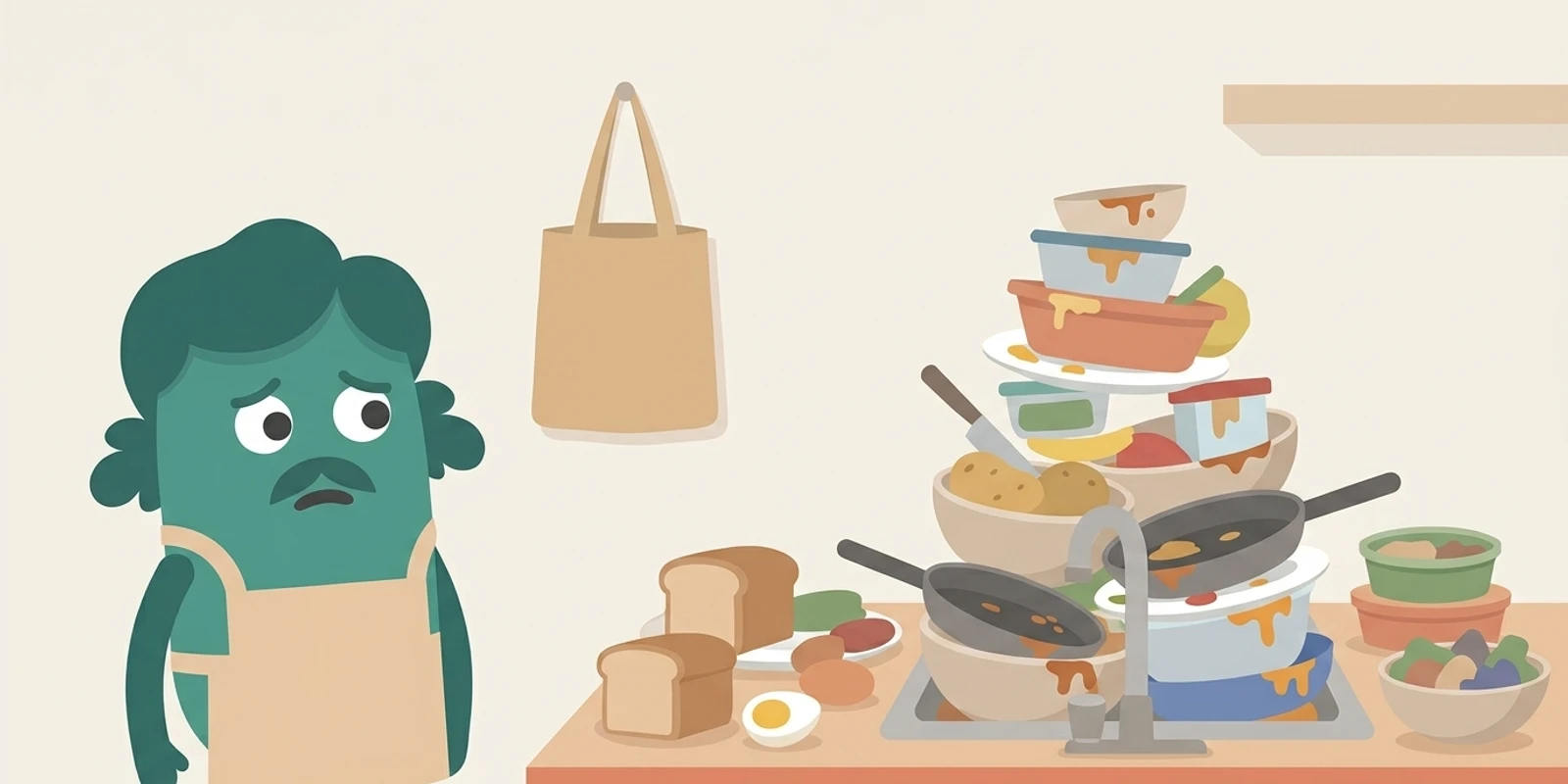
Medication is not the only path for managing ADHD. Evidence-based behavioral, environmental, and cognitive strategies address the root causes of ADHD symptoms so you can build a life that actually works for your brain. Here is what the research says.
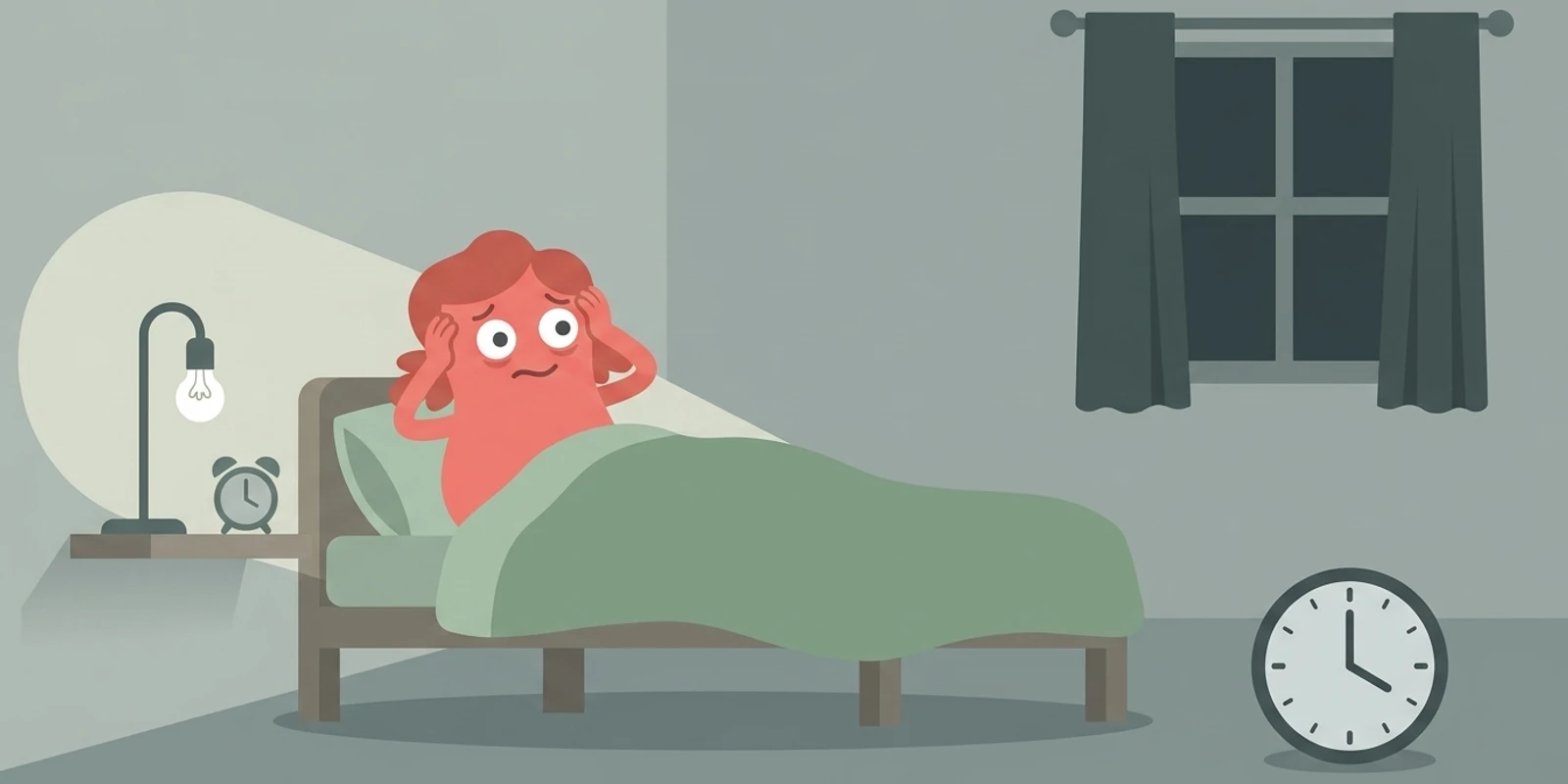
Delayed sleep phase disorder affects up to 73% of adults with ADHD, making it nearly impossible to fall asleep before 2 AM. This isn't laziness—it's a neurobiological mismatch between your internal clock and society's schedule.
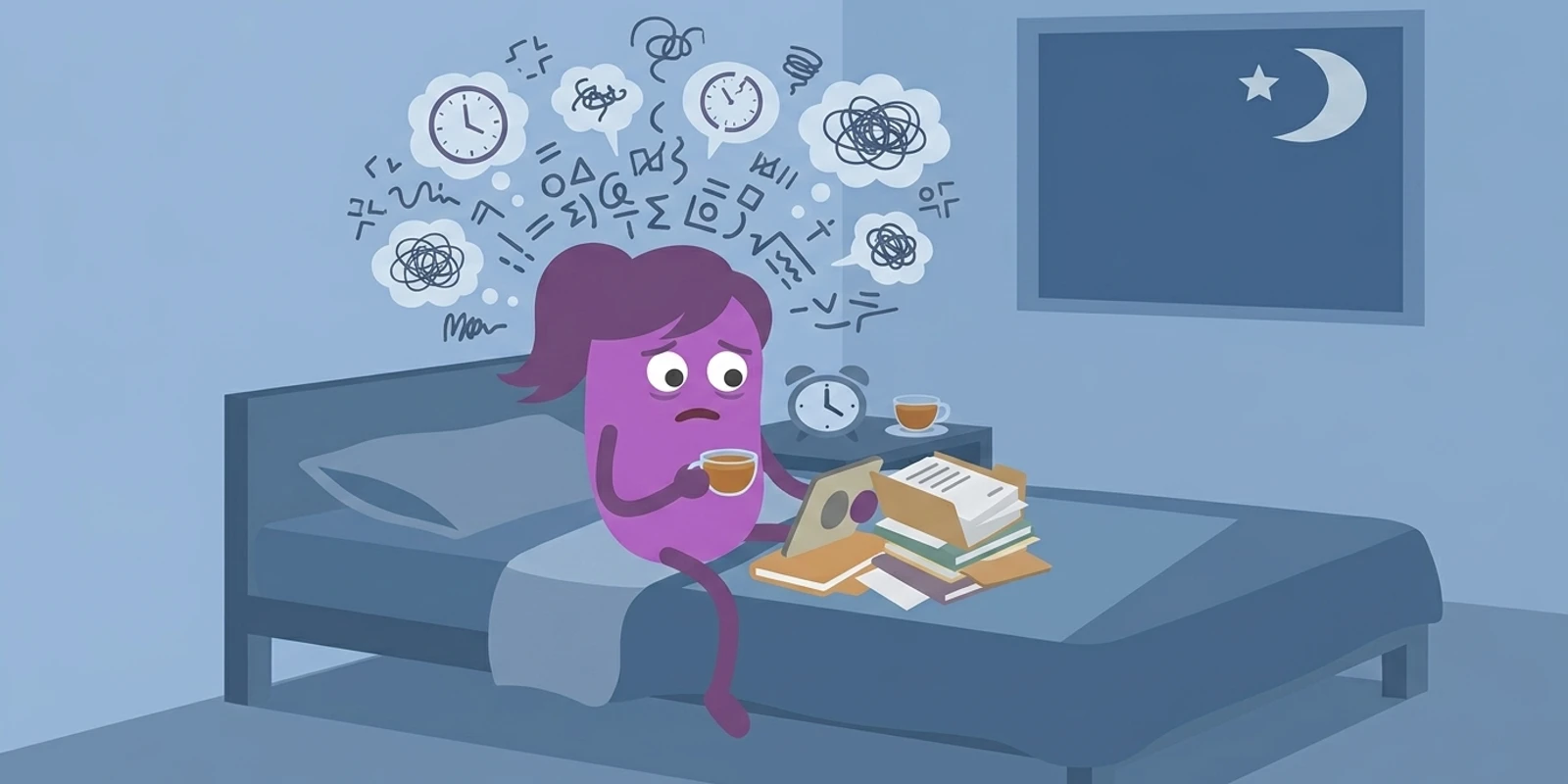
Estrogen doesn’t just regulate your cycle; it also modulates dopamine, the same neurotransmitter already scarce in ADHD brains. When levels drop at menopause, symptoms such as forgetfulness, emotional volatility, and time blindness can surge overnight.
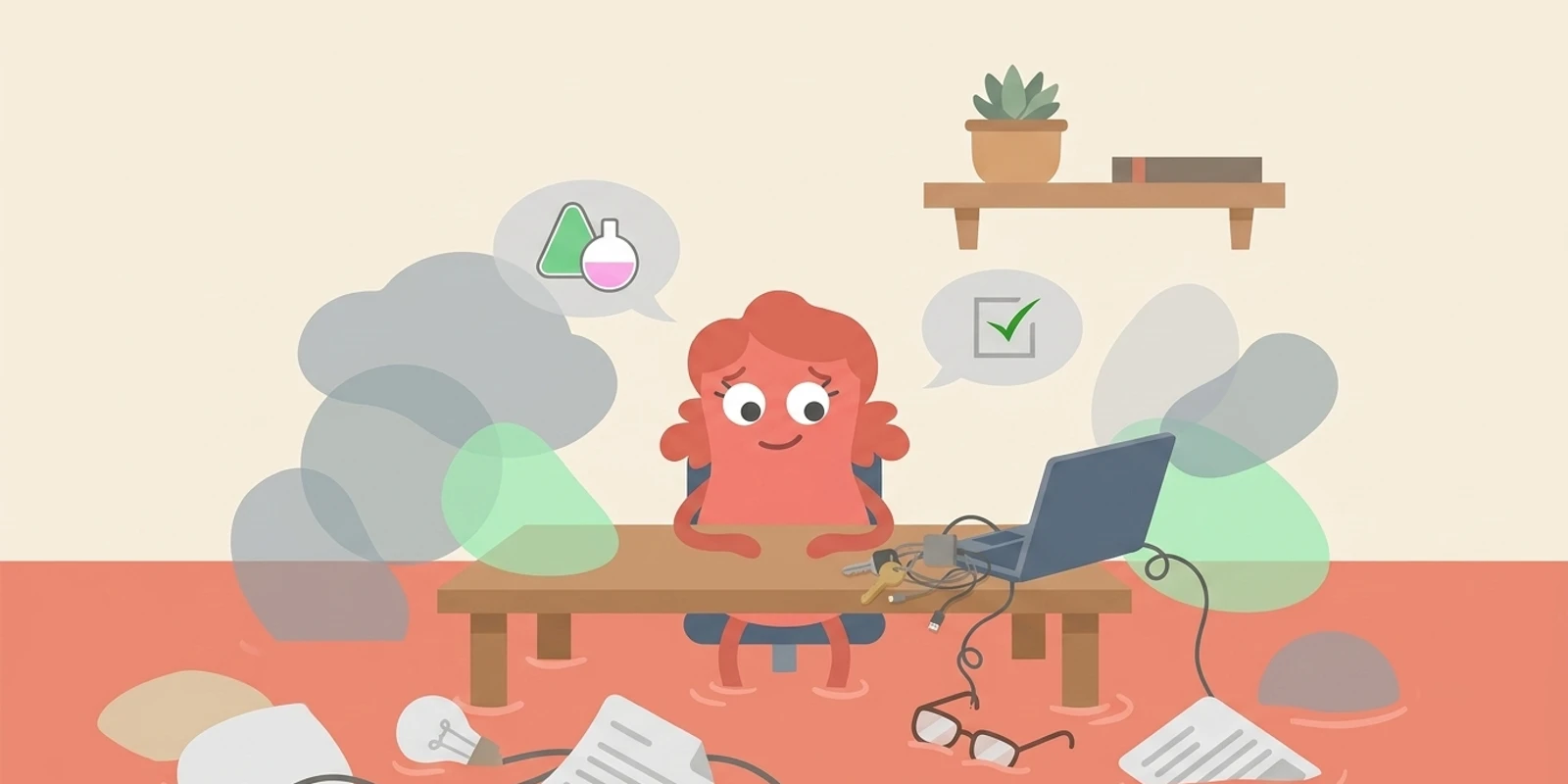
ADHD paralysis is a state of cognitive overwhelm where the brain's executive functions shut down, making it impossible to start, switch, or complete tasks despite wanting to. This freeze response stems from impaired self-regulation systems, not laziness or lack of motivation.
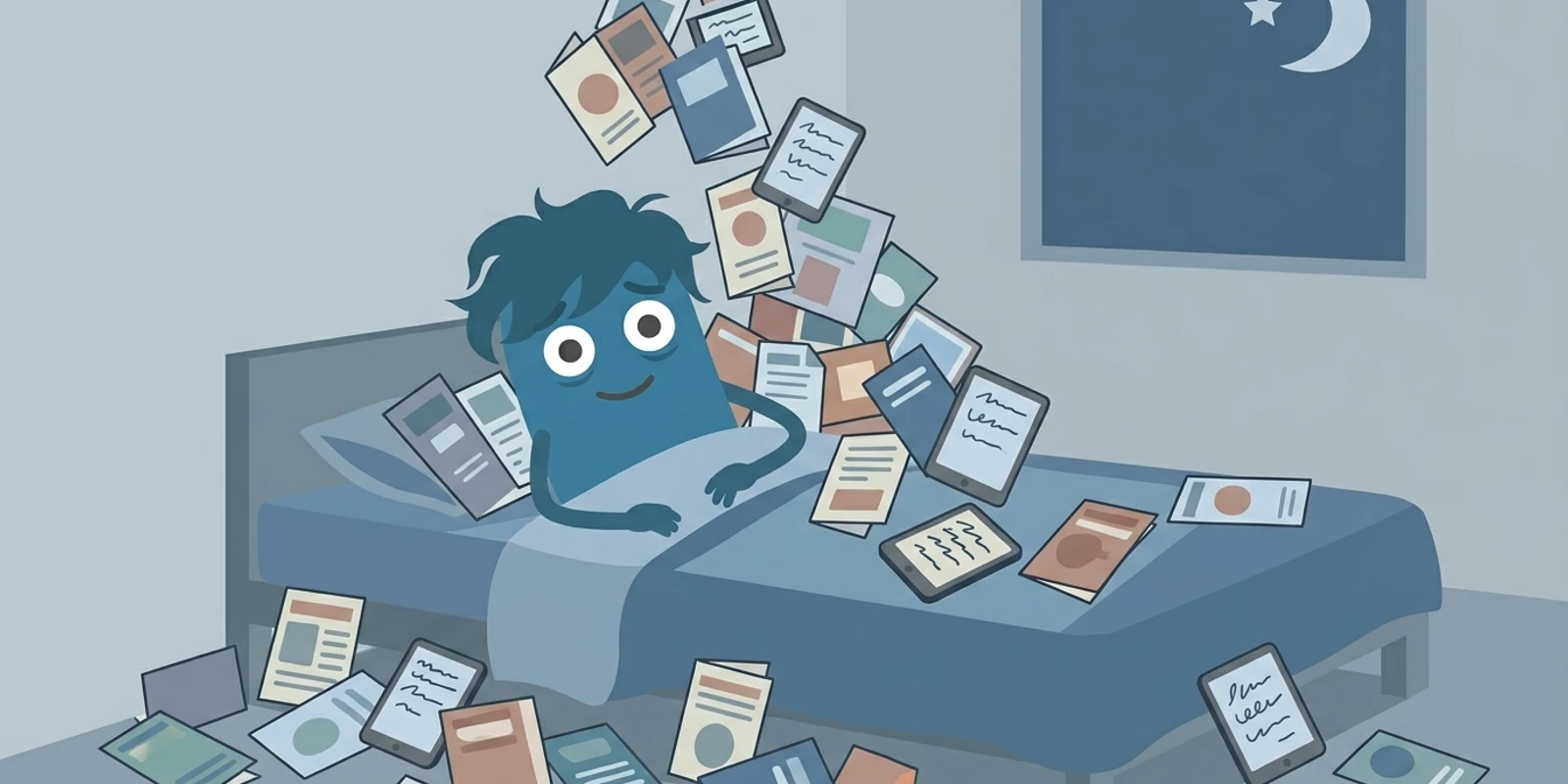
If you have both ADHD and autism, the two conditions don't simply add up. They interact in ways that create a distinct experience called AuDHD, and standard advice for either condition alone often misses the mark entirely.
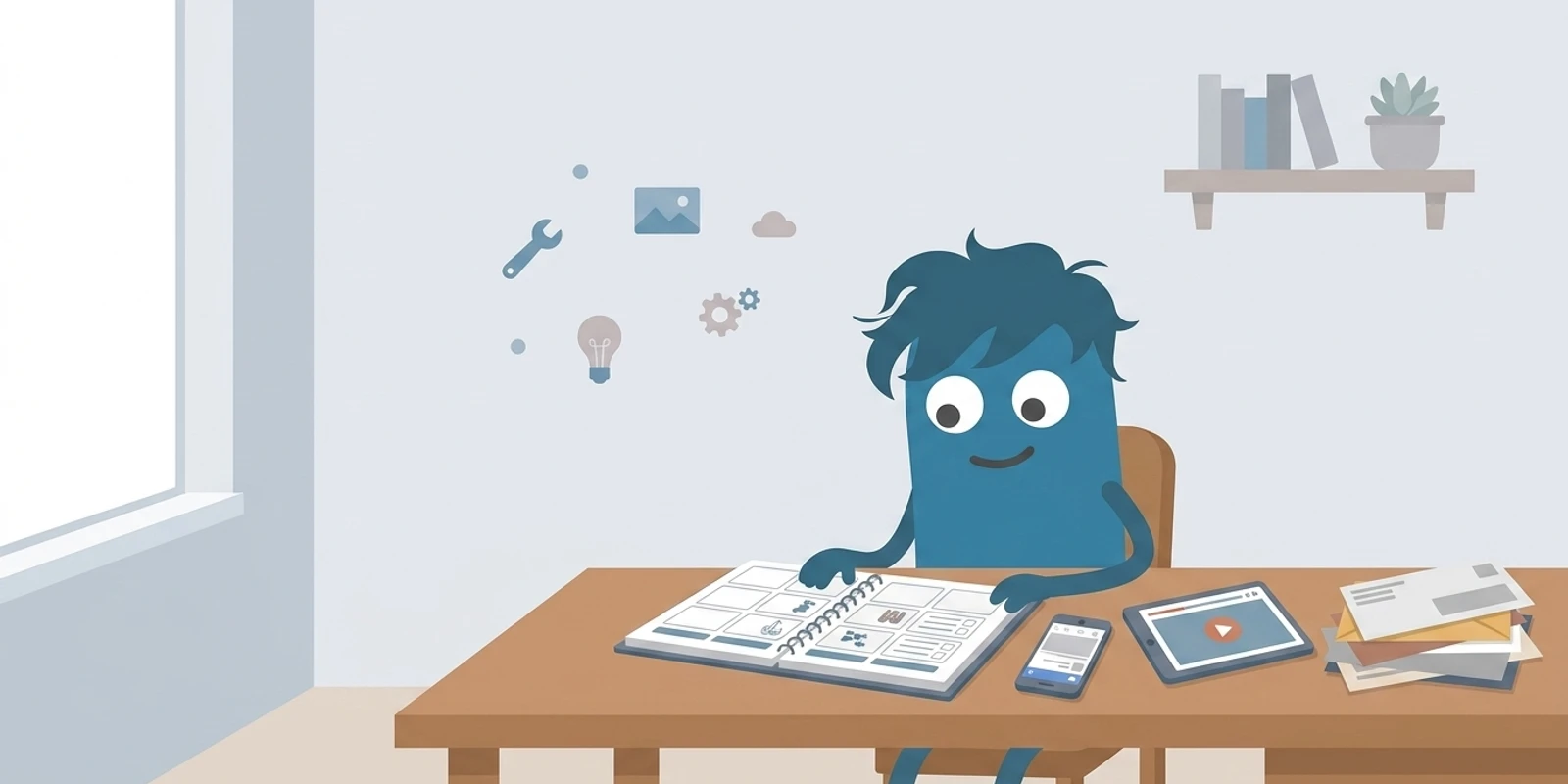
Cognitive behavioral therapy adapted for ADHD goes beyond standard talk therapy to target executive function deficits directly. This guide explains the techniques that work, the evidence behind them, and how to find a therapist trained in ADHD-specific protocols.

**Low cortisol—a state of adrenal insufficiency or dysregulation—can amplify ADHD symptoms by depleting energy reserves, impairing focus, and disrupting the brain's stress-response systems.** While ADHD is primarily a dopamine-related executive function disorder, cortisol plays a critical supporting role in maintaining alertness, regulating inflammation, and modulating the body's response to daily demands. When cortisol levels drop too low, adults with ADHD often experience worsening brain fog, fatigue, and difficulty initiating tasks—creating a compounding effect that standard ADHD treatments may not fully address.
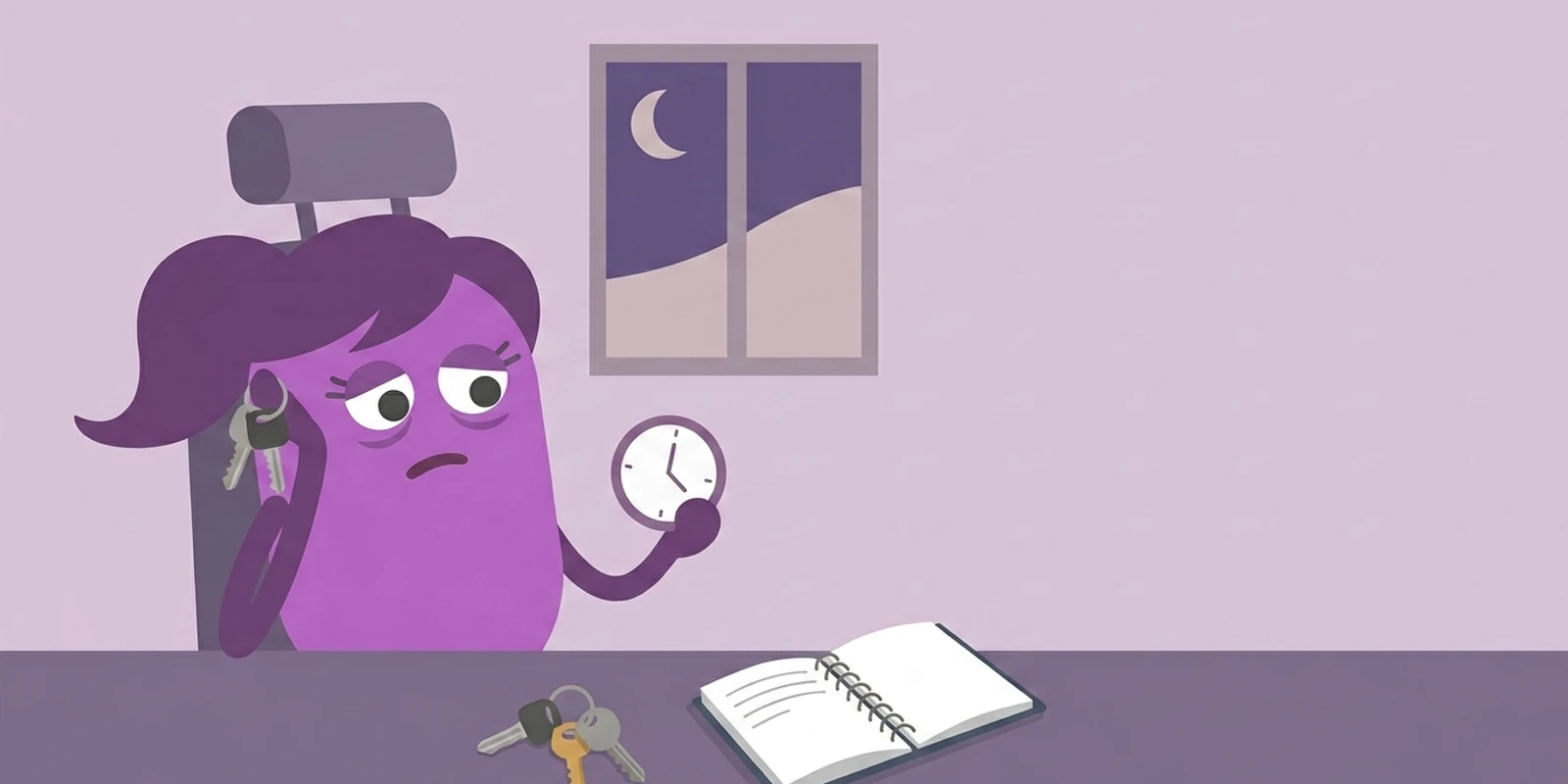
Time blindness in ADHD isn't laziness—it's a neurological impairment in how the brain perceives and uses time. Learn the science behind it and practical strategies to compensate.
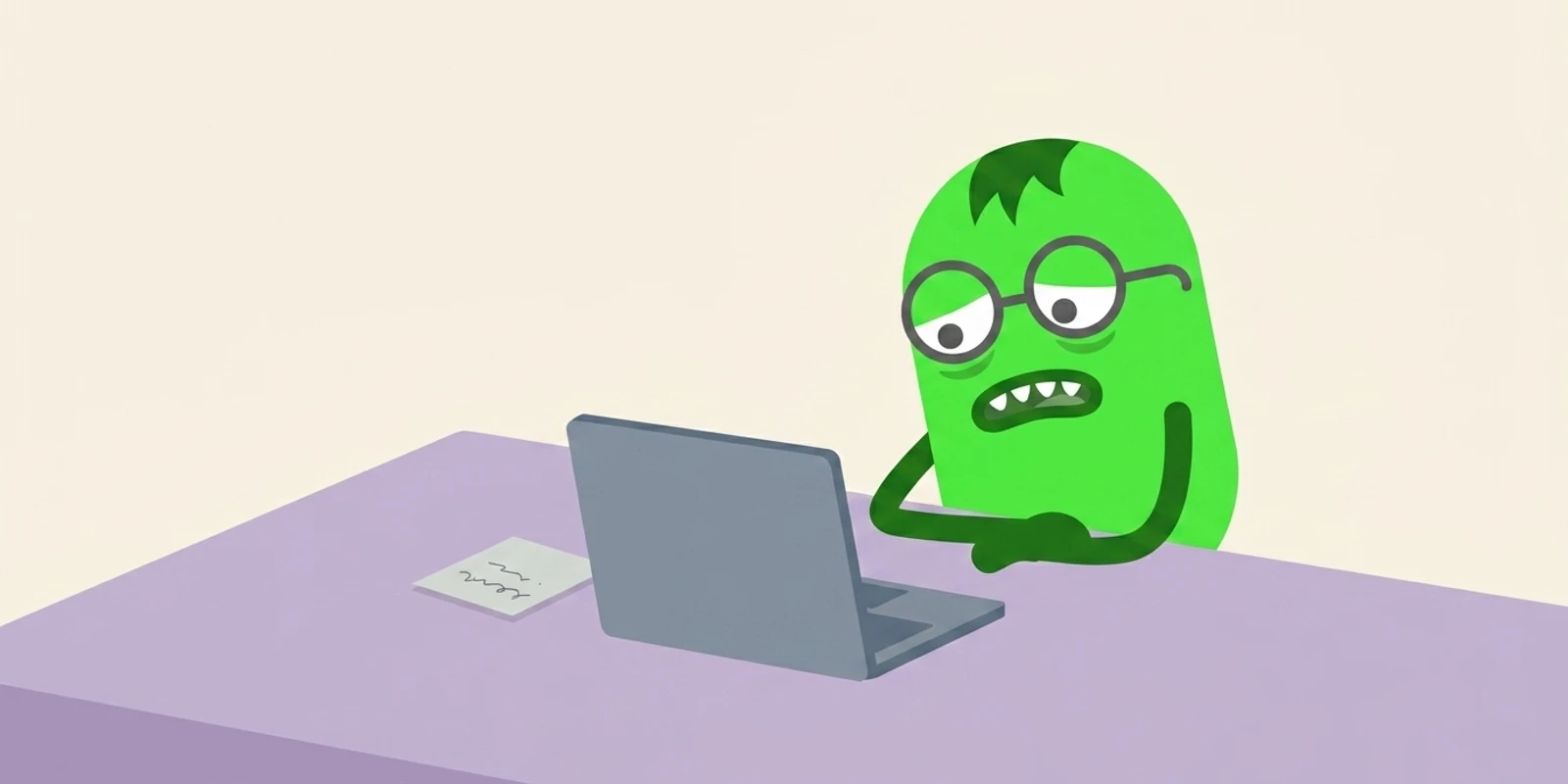
ADHD burnout isn't just being tired—it's a neurobiological crisis where your executive function system shuts down. Learn to recognize the warning signs and implement science-backed recovery strategies.
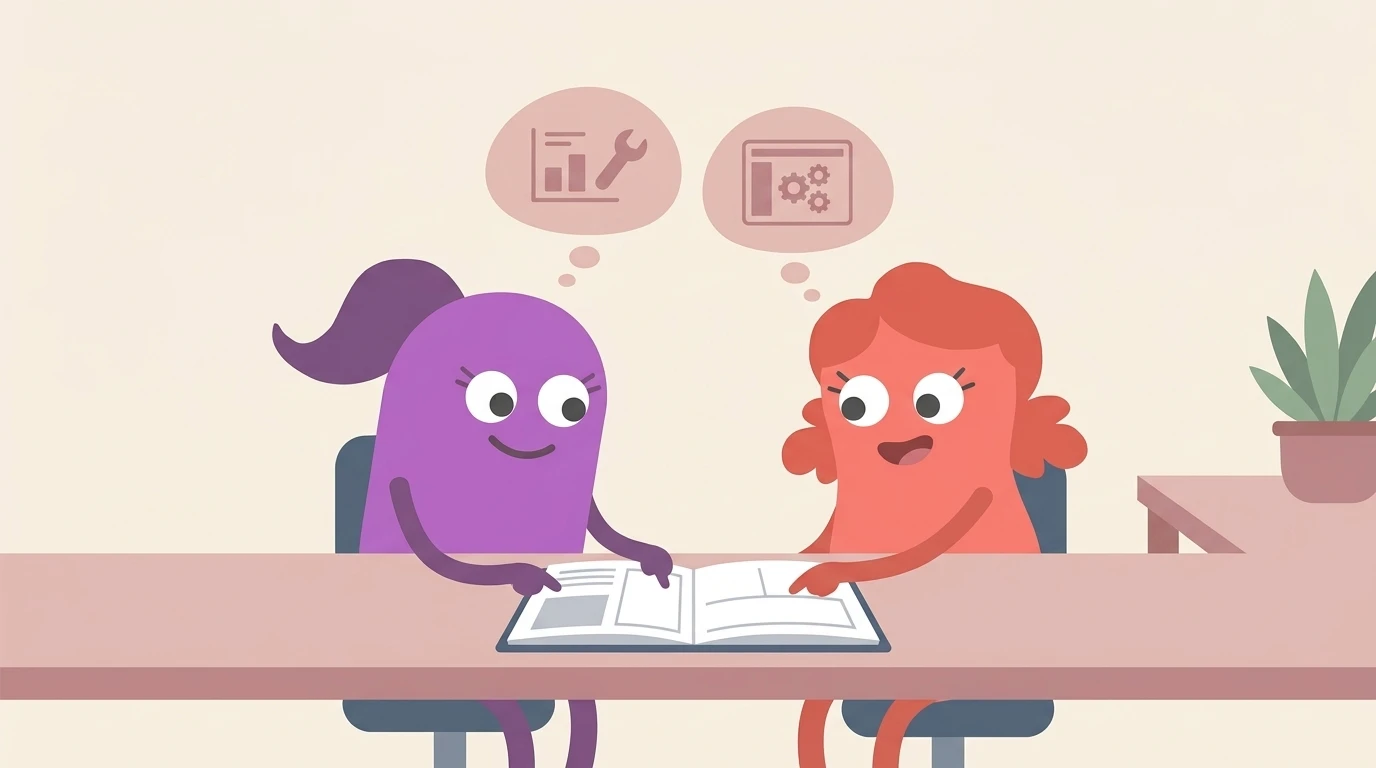
Body doubling — working in the presence of another person — is one of the most consistently effective strategies for ADHD task initiation. The best apps for body doubling in 2026 range from live co-working platforms to accountability-based structured programs. Here's what the evidence says and how each option compares.
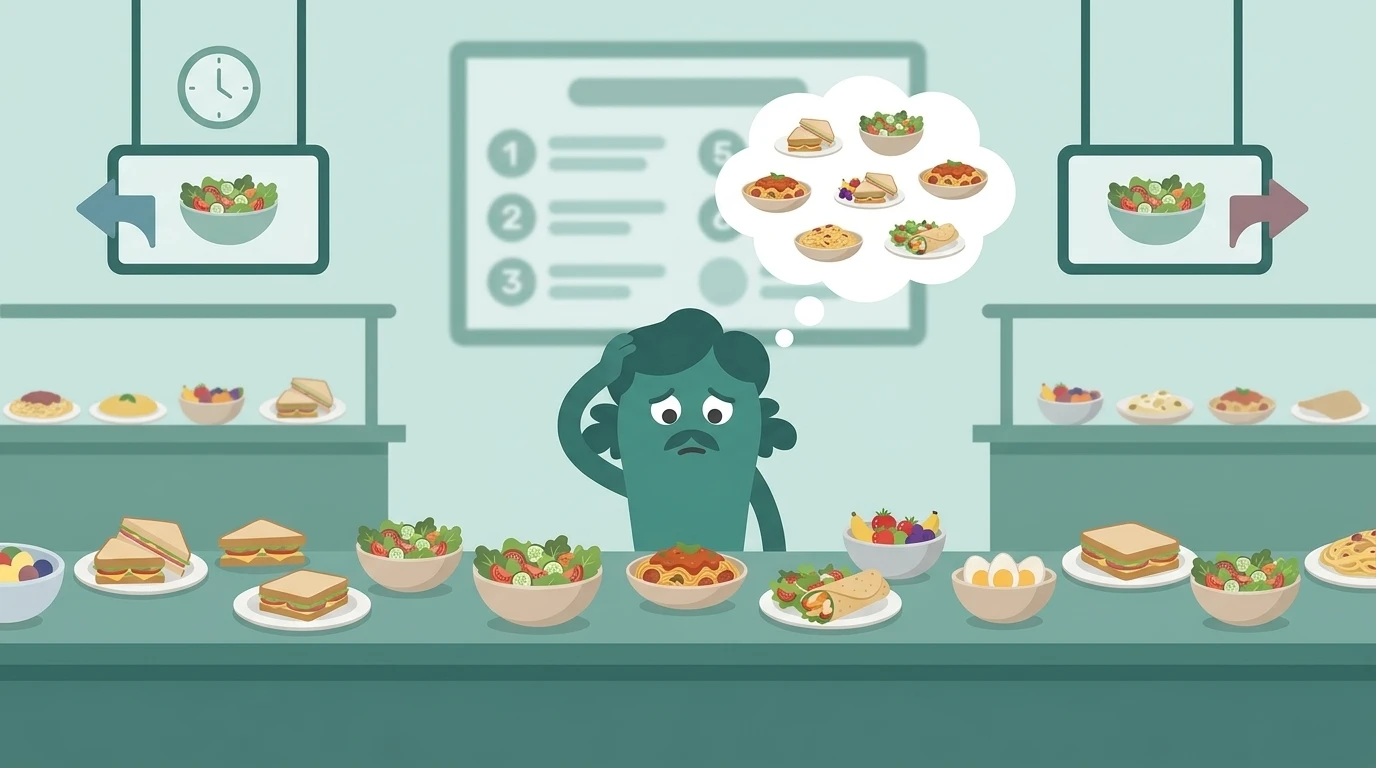
ADHD decision paralysis is the inability to choose between options — not because you don't care, but because the ADHD brain struggles to compare, prioritize, and commit. Working memory overload, emotional weight, and fear of making the wrong choice all compound into a freeze that can last hours or days.
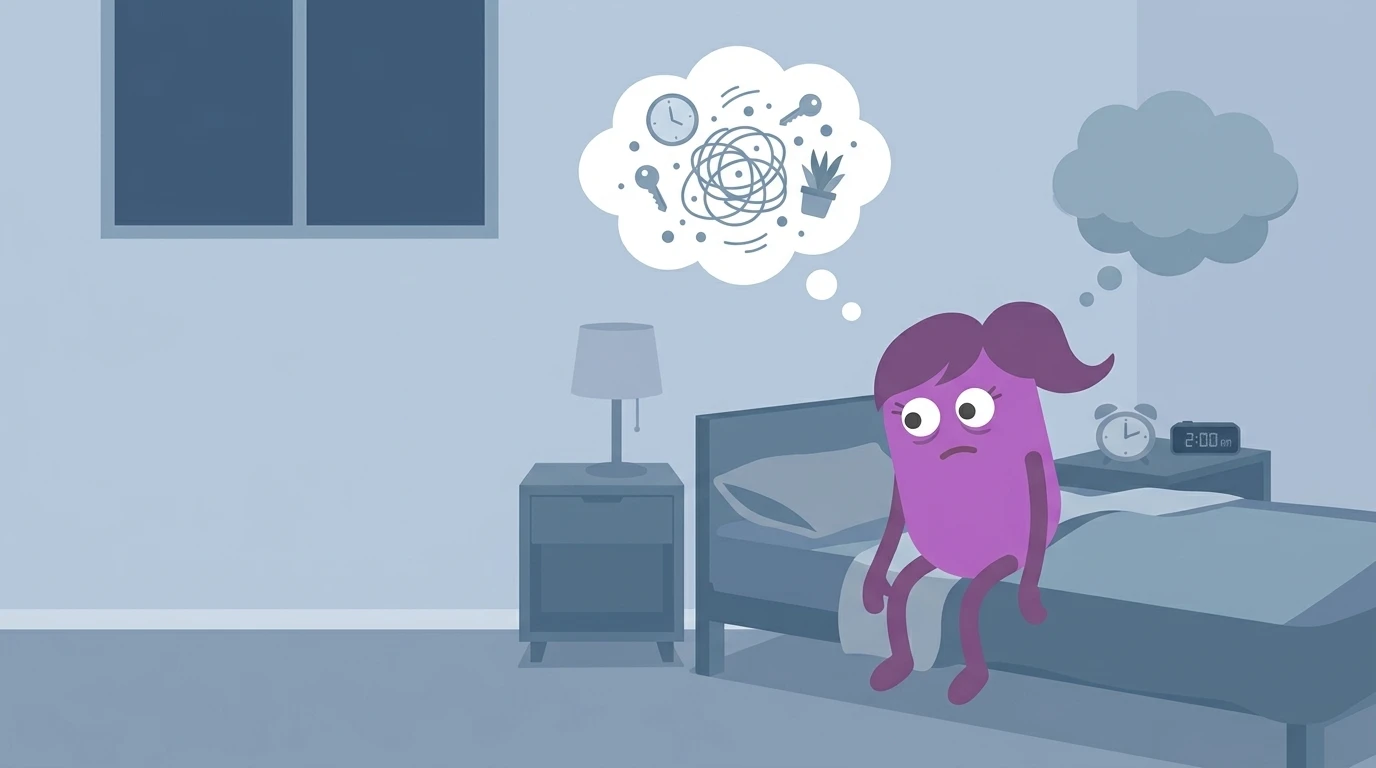
ADHD paralysis and depression both produce a 'can't move, can't start' experience — but the underlying cause and correct treatment are different. ADHD paralysis comes from dopamine-driven initiation failure; depression involves hopelessness and anhedonia. Getting this wrong means treating the wrong thing.
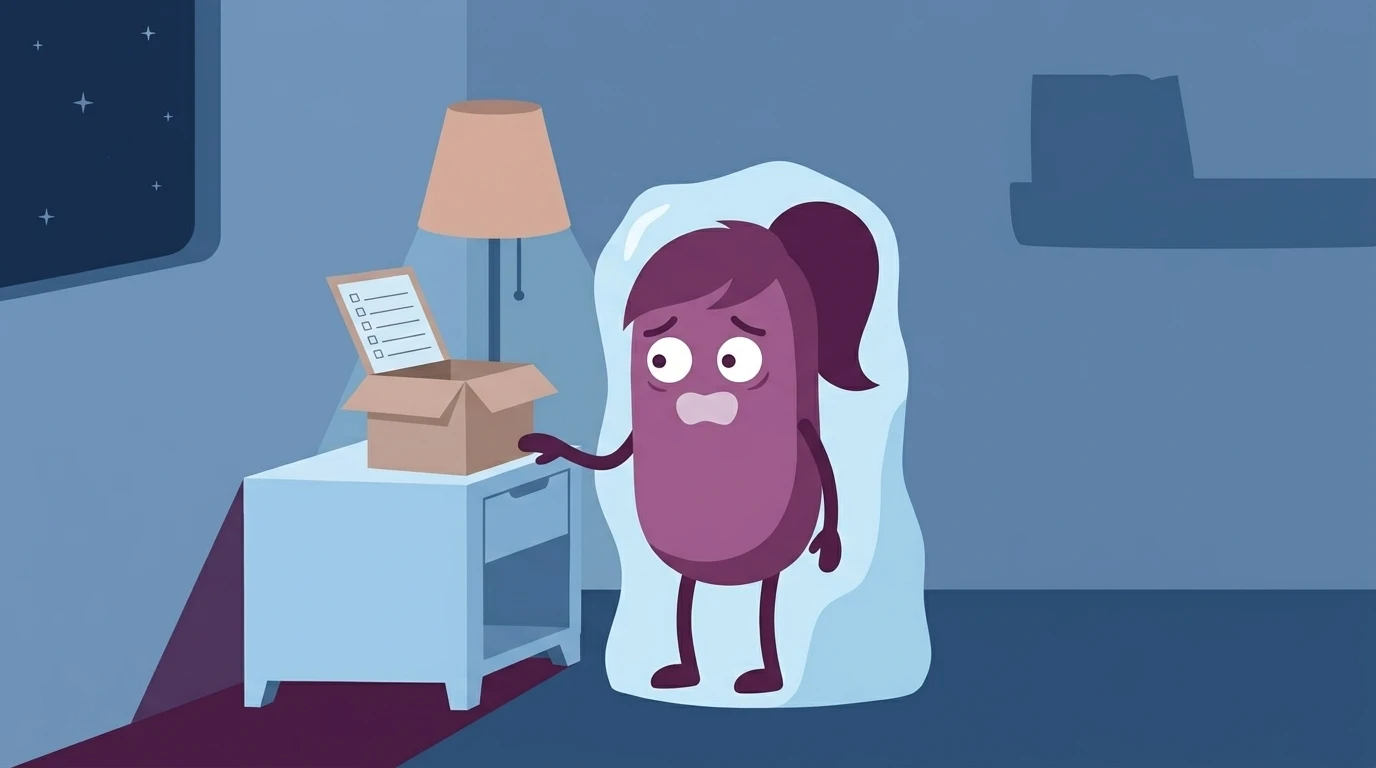
ADHD paralysis and executive dysfunction are related but distinct. Executive dysfunction is the umbrella term for impaired planning, initiating, and self-regulation. ADHD paralysis is a specific symptom — the freeze state when you can't start despite wanting to.

RSD and BPD both involve intense reactions to rejection, but they differ fundamentally: RSD episodes are brief, trigger-specific, and resolve quickly, while BPD involves chronic emotional instability, identity disturbance, and relationship cycling that persists between triggers.

RSD treatment includes alpha-2 agonist medications (guanfacine, clonidine) that directly target emotional reactivity, CBT adapted for ADHD, DBT distress tolerance skills, and structural strategies that reduce the behavioral consequences of rejection sensitivity.

There is no official diagnostic test for rejection sensitive dysphoria, but a structured self-assessment based on clinical criteria can tell you whether your pattern matches RSD — and whether it's worth pursuing a formal evaluation with an ADHD-informed clinician.

Rejection sensitive dysphoria symptoms include sudden, overwhelming emotional pain triggered by perceived rejection, intense shame spirals, avoidance of opportunities, and rage or withdrawal that feels uncontrollable — even when the trigger seems minor to others.
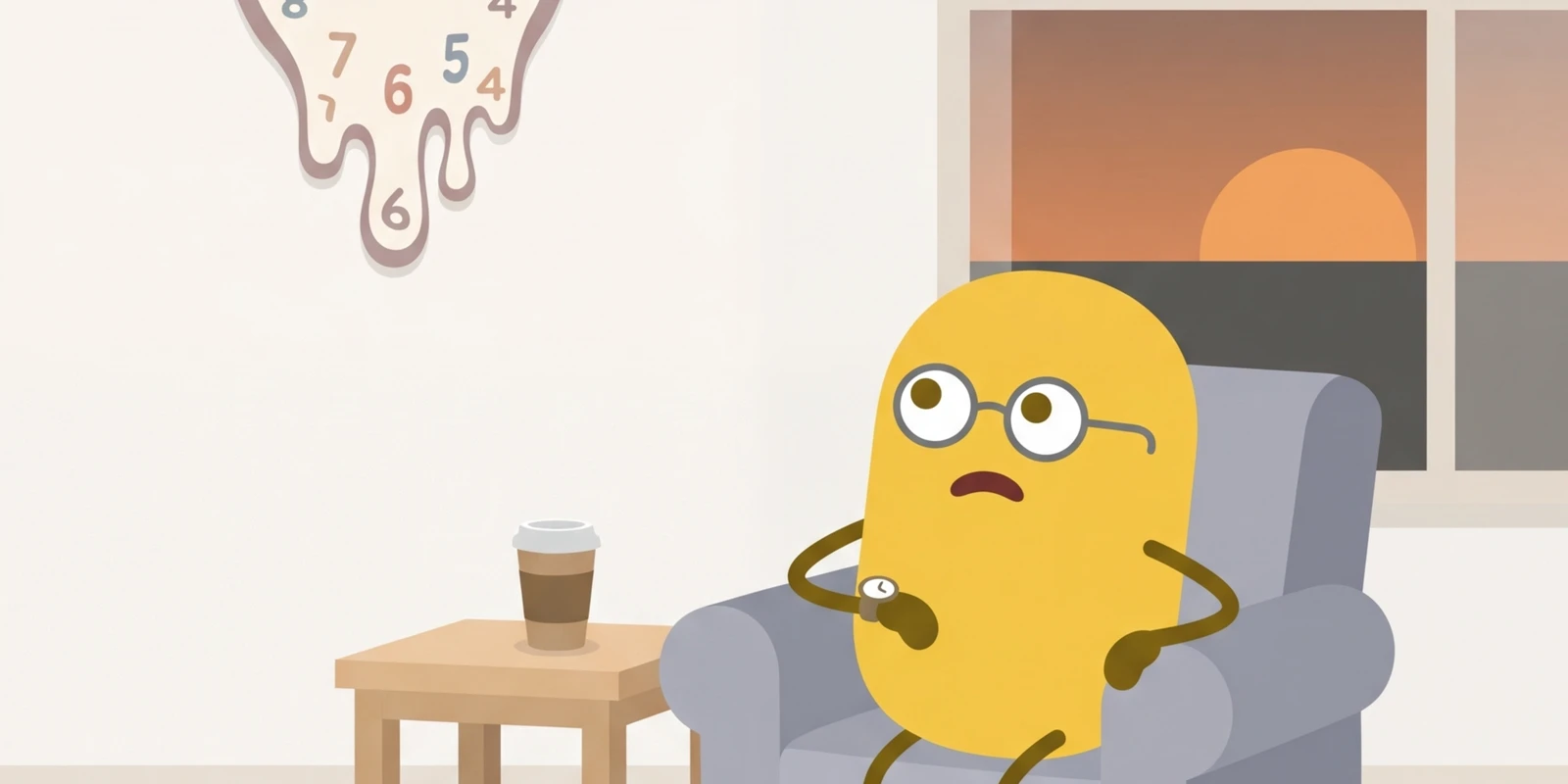
Time blindness — the inability to sense time passing accurately — is most strongly linked to ADHD, but it appears in autism, depression, anxiety, chronic stress, and in neurotypical people under specific conditions. Understanding whether your time perception problems are ADHD-specific or have another cause changes which interventions actually help.
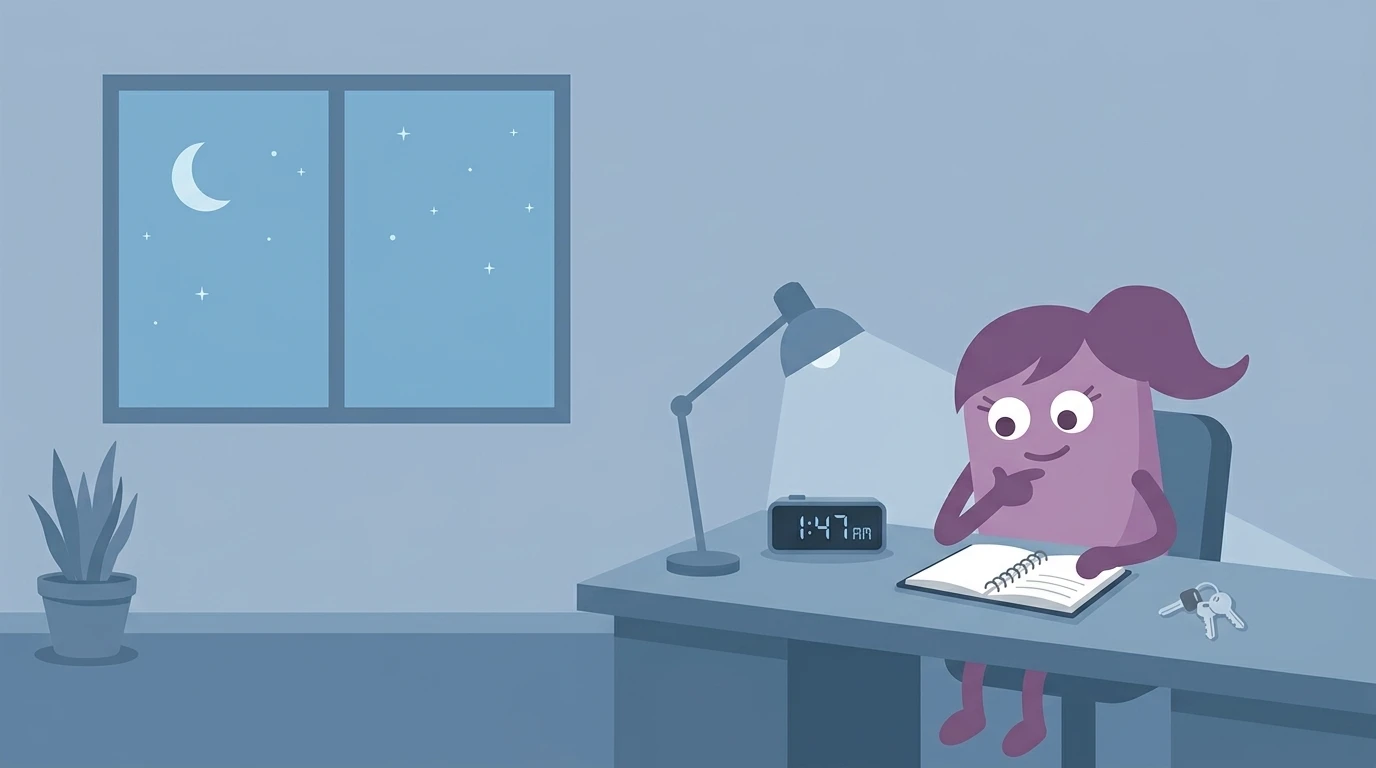
ADHD time blindness is the neurological inability to sense time passing from the inside — leading to chronic lateness, missed deadlines, and the experience of hours disappearing without warning. This self-assessment covers the key signs, how to identify whether your time perception problems are ADHD-driven, and what you can do about it.
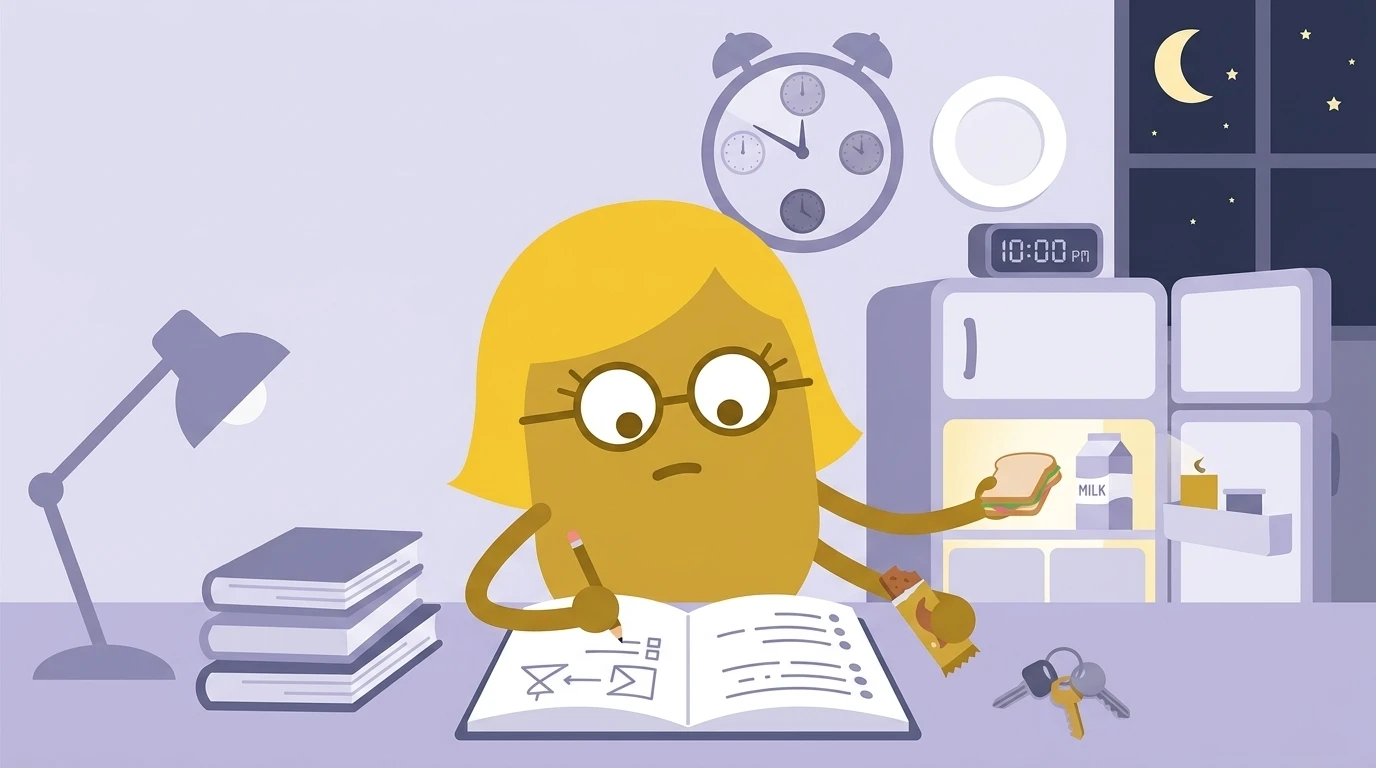
ADHD creates a predictable set of food challenges: forgetting to eat until hypoglycemic, impulsive eating driven by dopamine-seeking, hyperfocusing through meals, and struggling to plan or prepare anything requiring more than one step. This isn't poor willpower — it's neurological. Here's what drives each pattern and what actually helps.
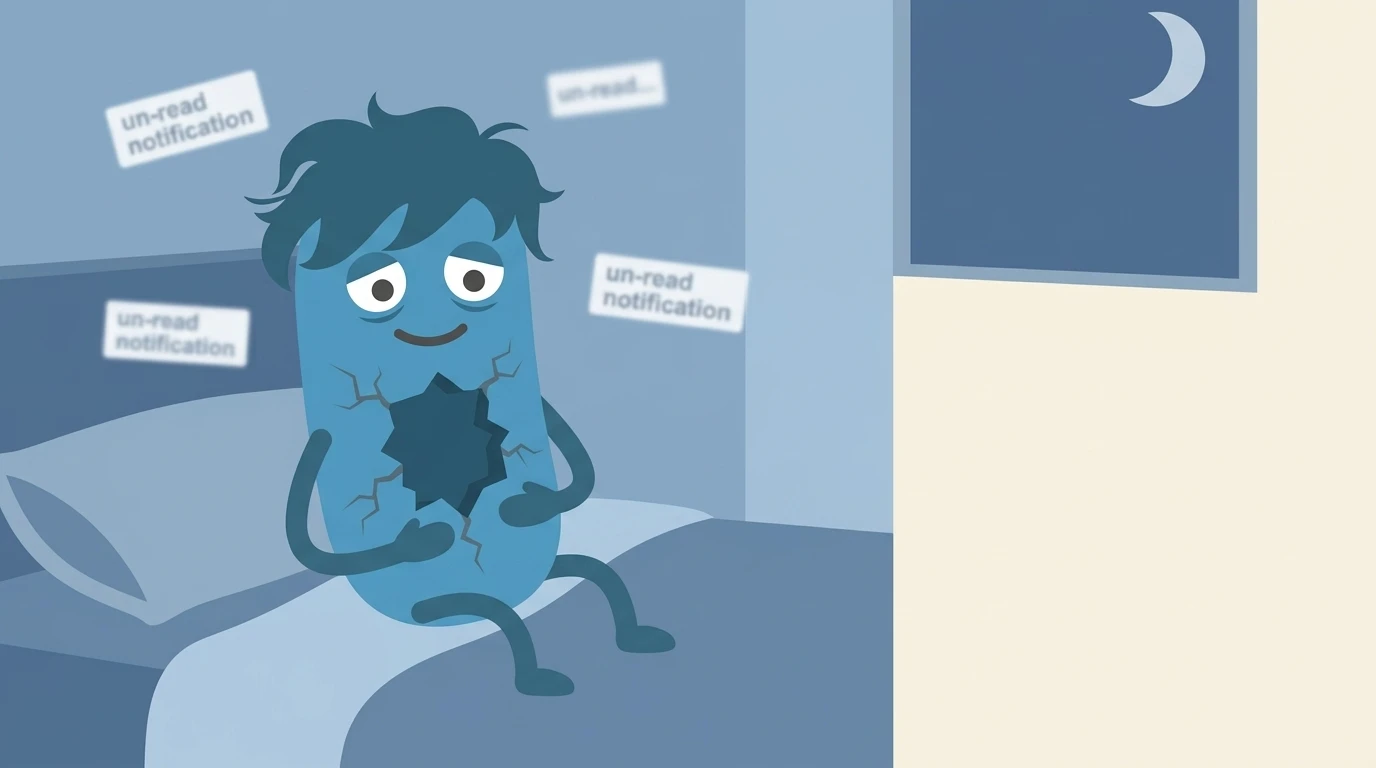
Rejection sensitive dysphoria (RSD) and ADHD are deeply connected — up to 99% of adults with ADHD experience RSD. The ADHD brain processes rejection as a threat signal it cannot dampen, making emotional pain feel physical.

A dopamine detox for ADHD works differently than for neurotypical brains — and standard advice can backfire badly. Here's what the neuroscience says and what actually works for the ADHD dopamine system.
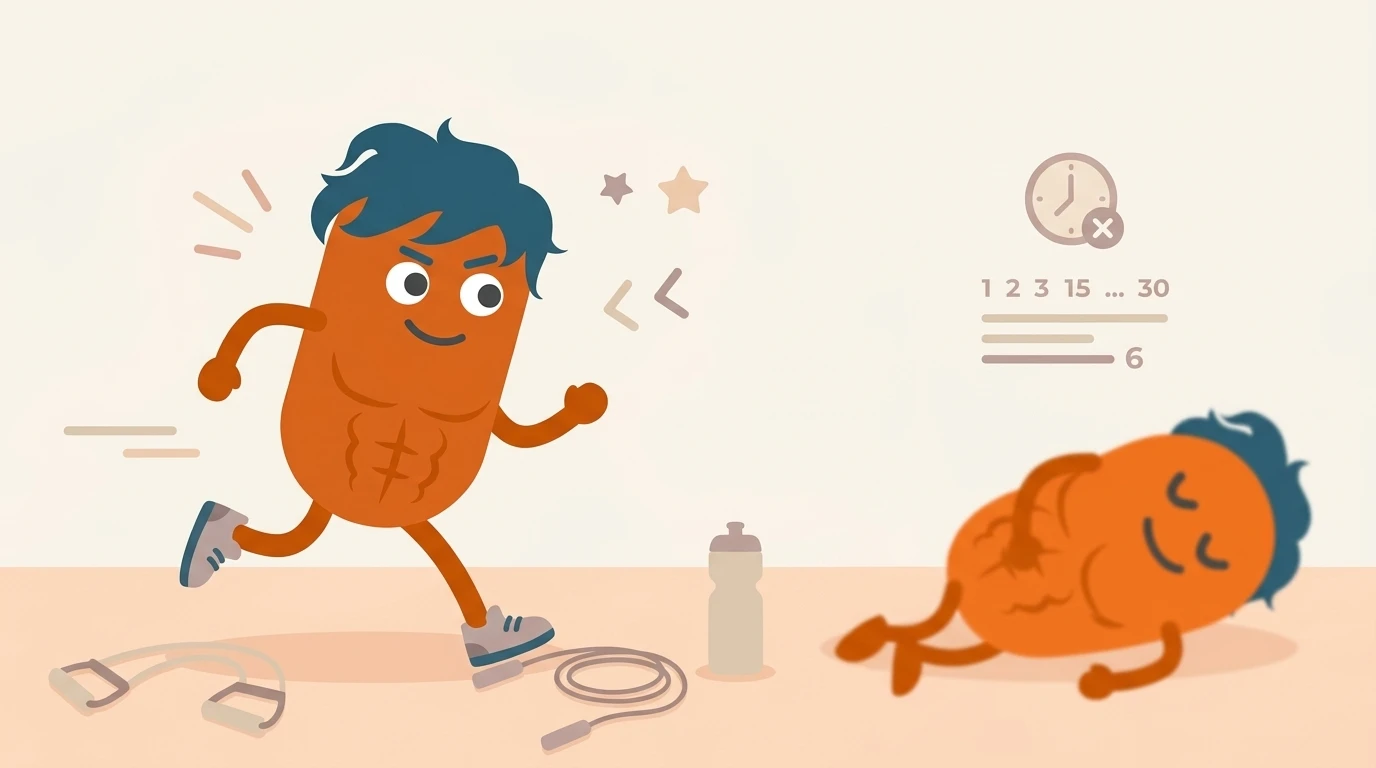
ADHD makes gym habits uniquely hard to sustain — not because of laziness, but because the ADHD brain's reward system, executive function, and time blindness all work against the slow-burn payoff that traditional gym routines require. Here's what the research says actually works.
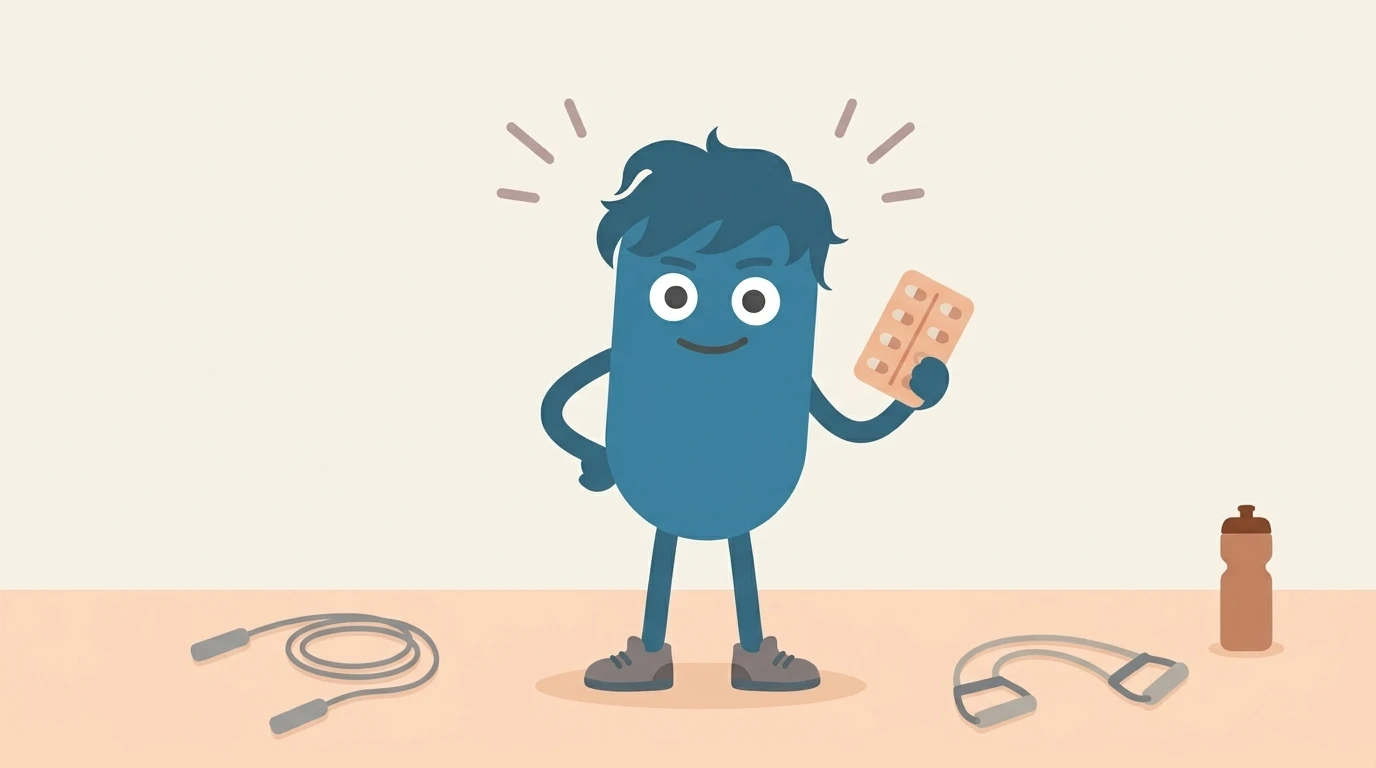
Yes, you can — and combining ADHD medication with regular exercise often produces better outcomes than either alone. Exercise boosts the same neurotransmitters your medication targets, and the two approaches work through complementary mechanisms.
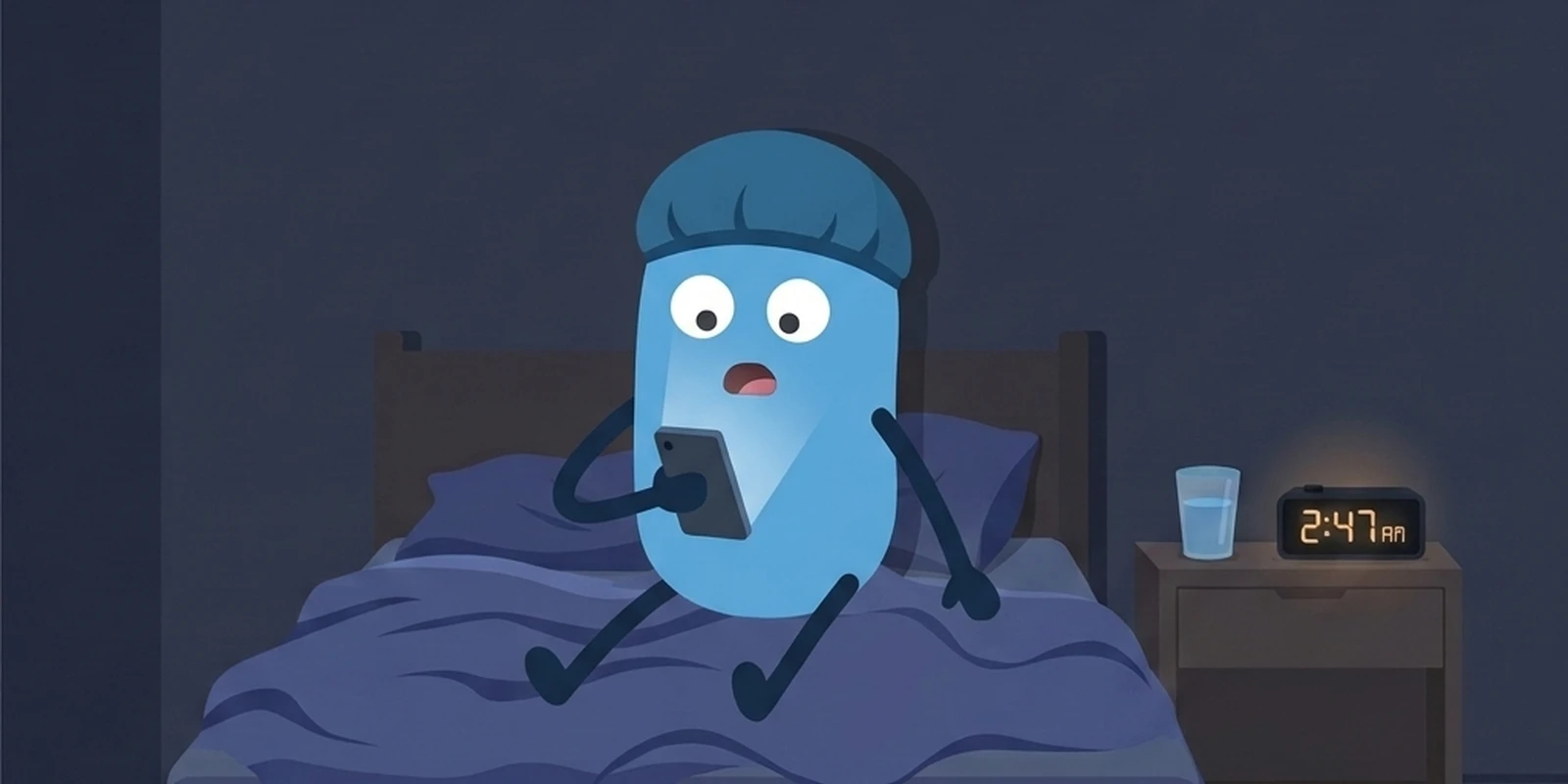
ADHD and sleep problems are neurologically linked — it's not laziness or bad habits. Delayed sleep phase, racing thoughts, and revenge bedtime procrastination are common ADHD experiences. Here's what causes them and what actually works.
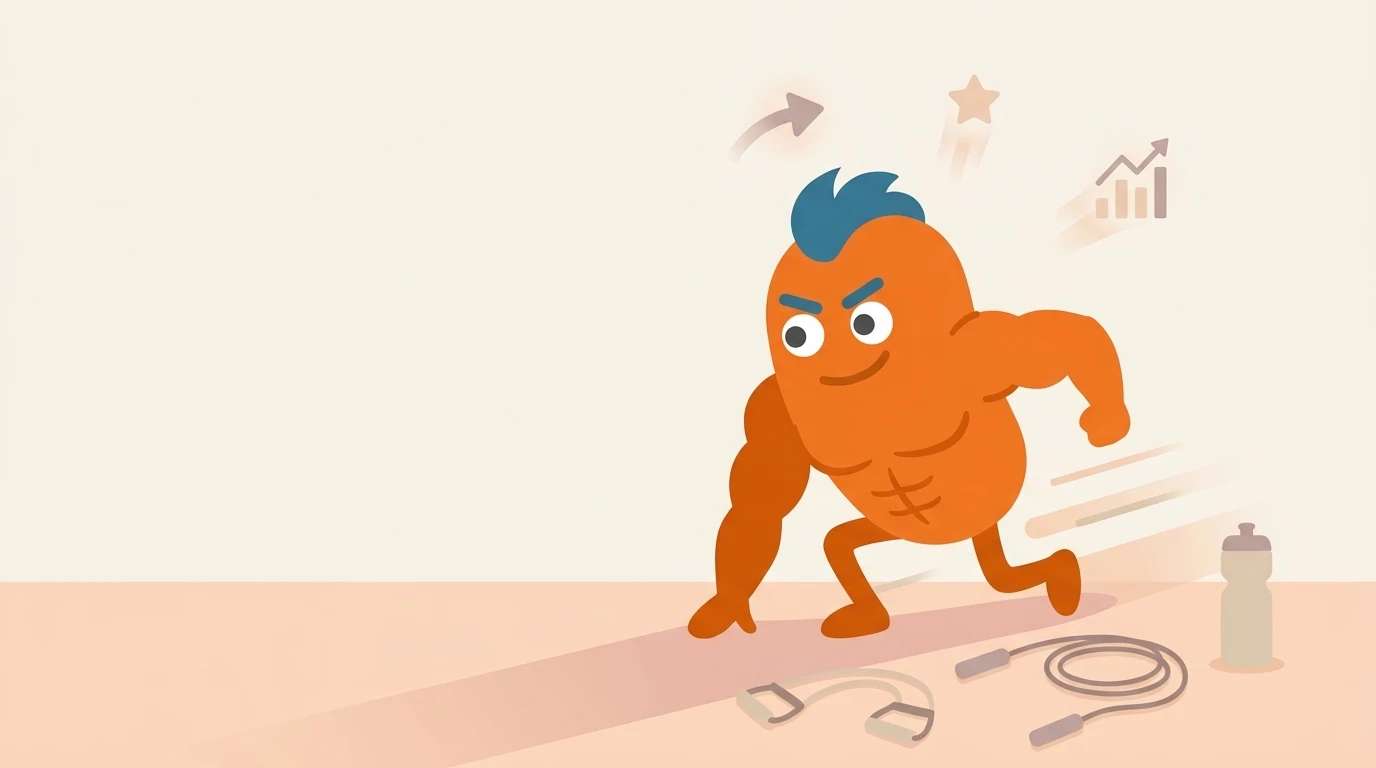
The best exercises for ADHD are high-intensity aerobic activities like running, swimming, and martial arts — they raise dopamine and norepinephrine levels the same way stimulant medication does. Here's what the research says and how to actually stick with a routine.
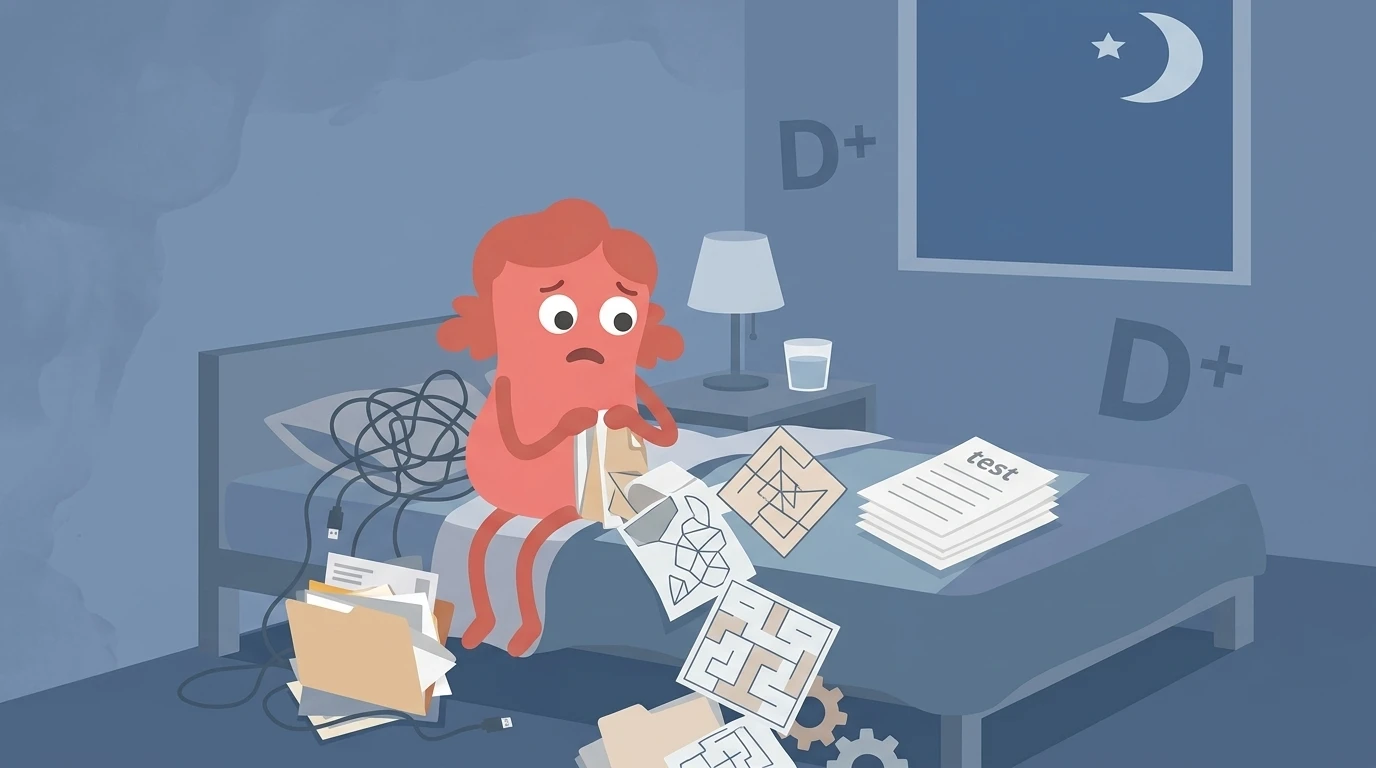
The ADHD shame cycle is a feedback loop where executive dysfunction leads to failure, failure triggers shame, and shame impairs the very brain functions needed to try again. Understanding it is the first step to breaking it.
Women with ADHD are diagnosed an average of 5 years later than men — not because their symptoms are milder, but because they mask differently. Here's why late diagnosis happens, what it costs, and the specific steps that help after you finally get answers.
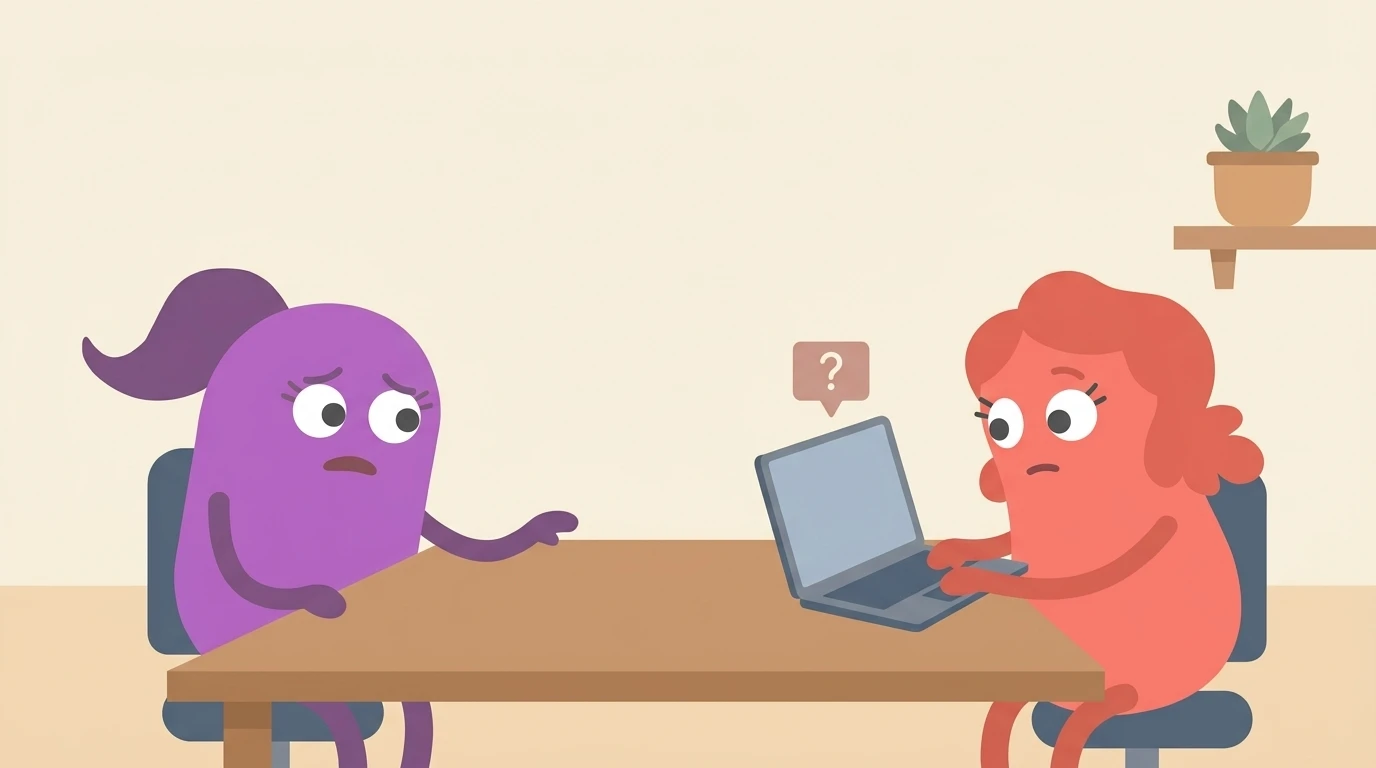
ADHD affects relationships in specific, predictable ways — not because the person with ADHD doesn't care, but because of how the ADHD brain processes attention, emotion, and time. Understanding these patterns changes everything.
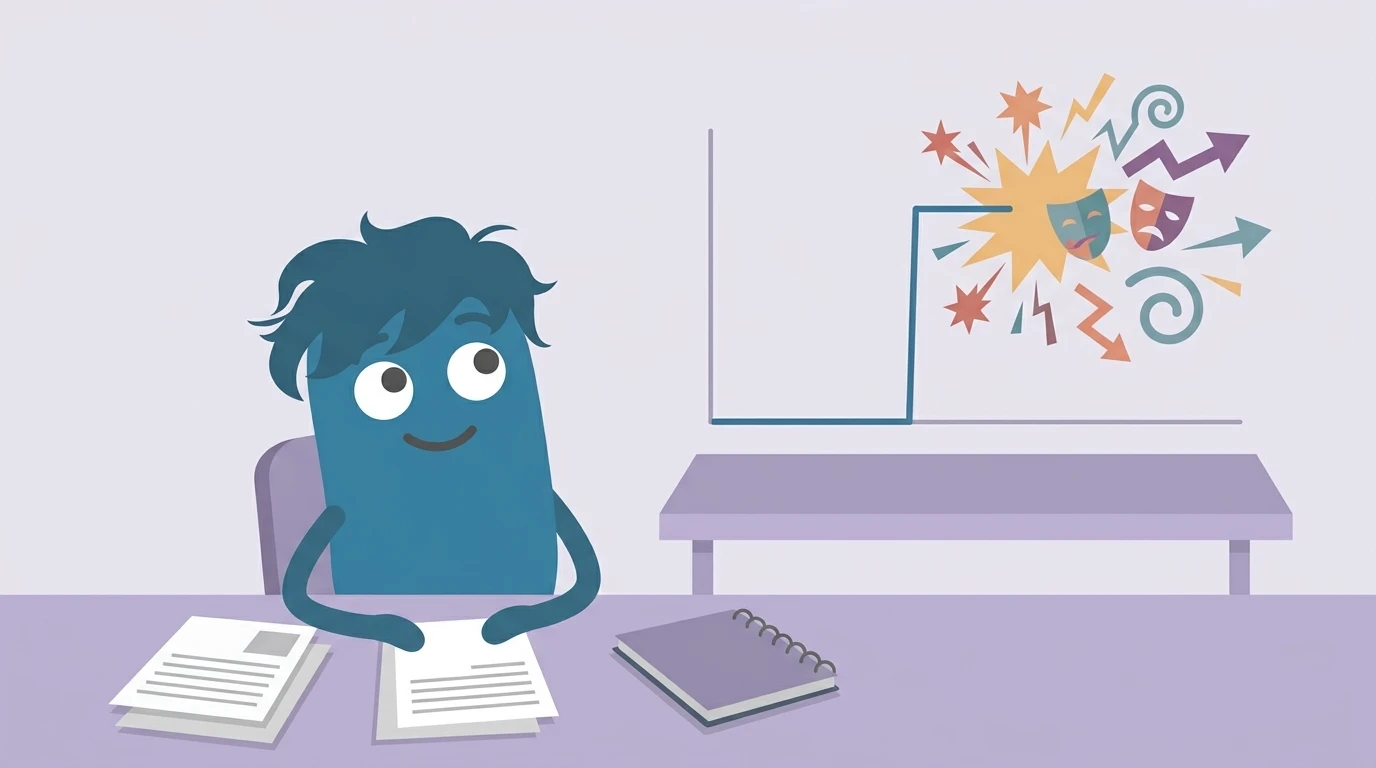
ADHD emotional dysregulation means your brain's volume dial is stuck on maximum — every frustration, excitement, or disappointment hits harder and faster than it does for most people. Here's what the science says and what actually helps.
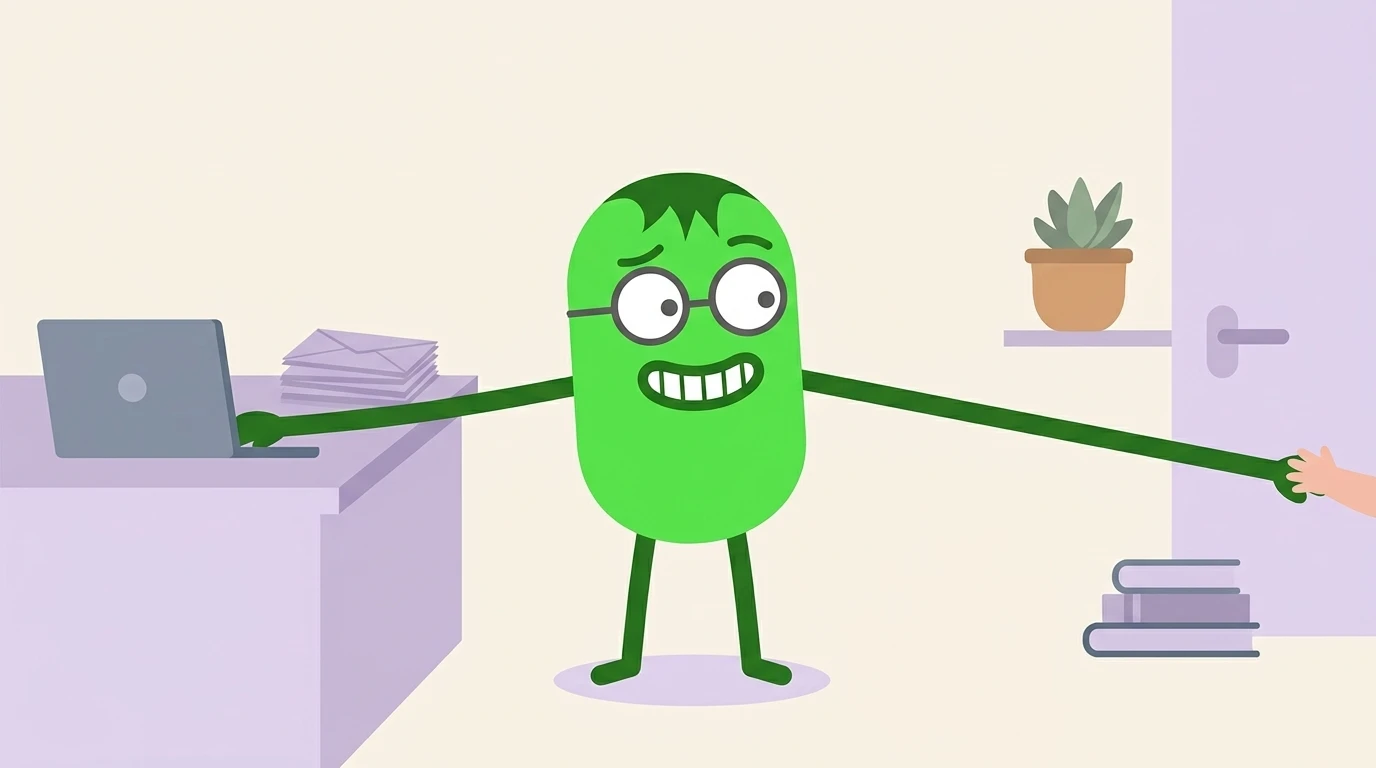
Remote work removes the office structure that many people with ADHD unknowingly rely on — and replaces it with endless distraction, no social regulation, and zero external accountability. Here's what actually helps.
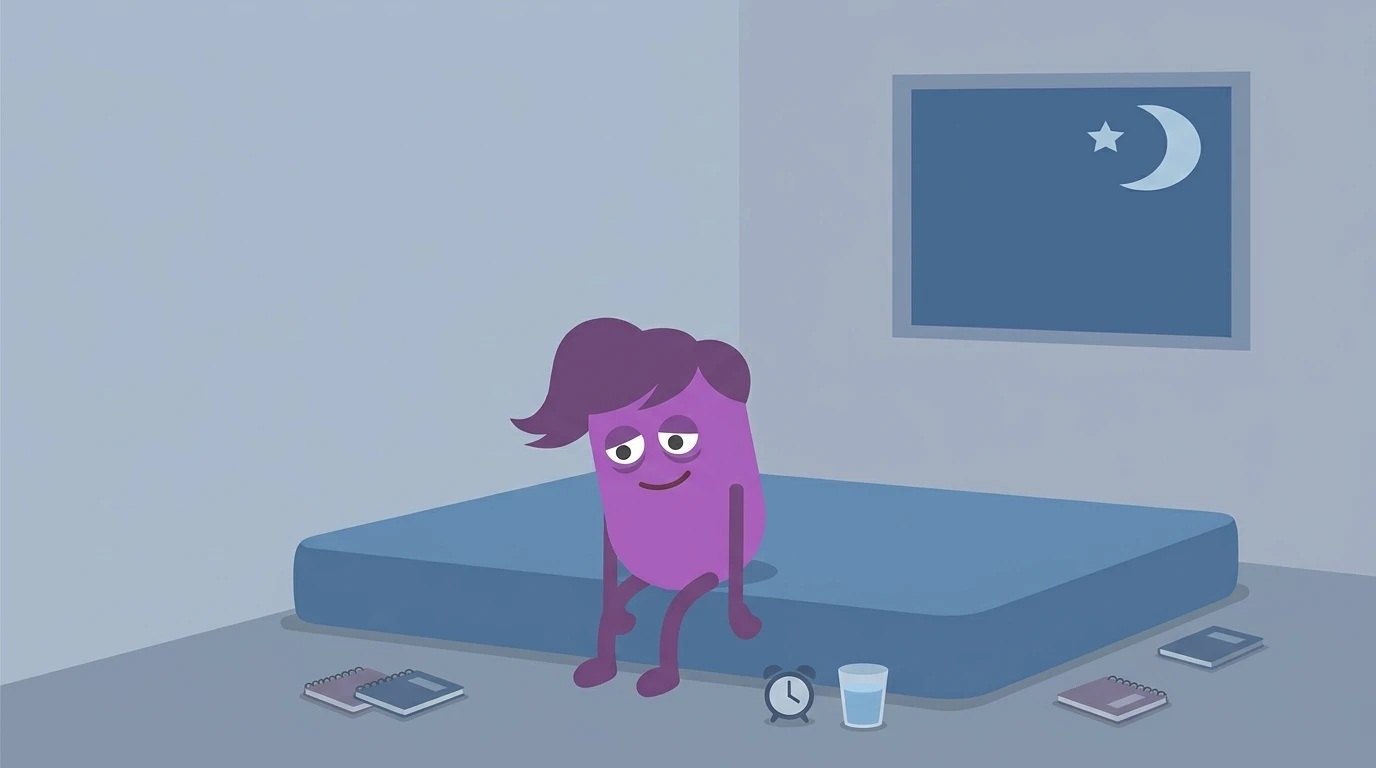
ADHD burnout is a state of complete physical and emotional exhaustion caused by sustained masking, overcompensation, and chronic stress — not laziness or weakness. Here's how to recognize the warning signs early and what actually helps.
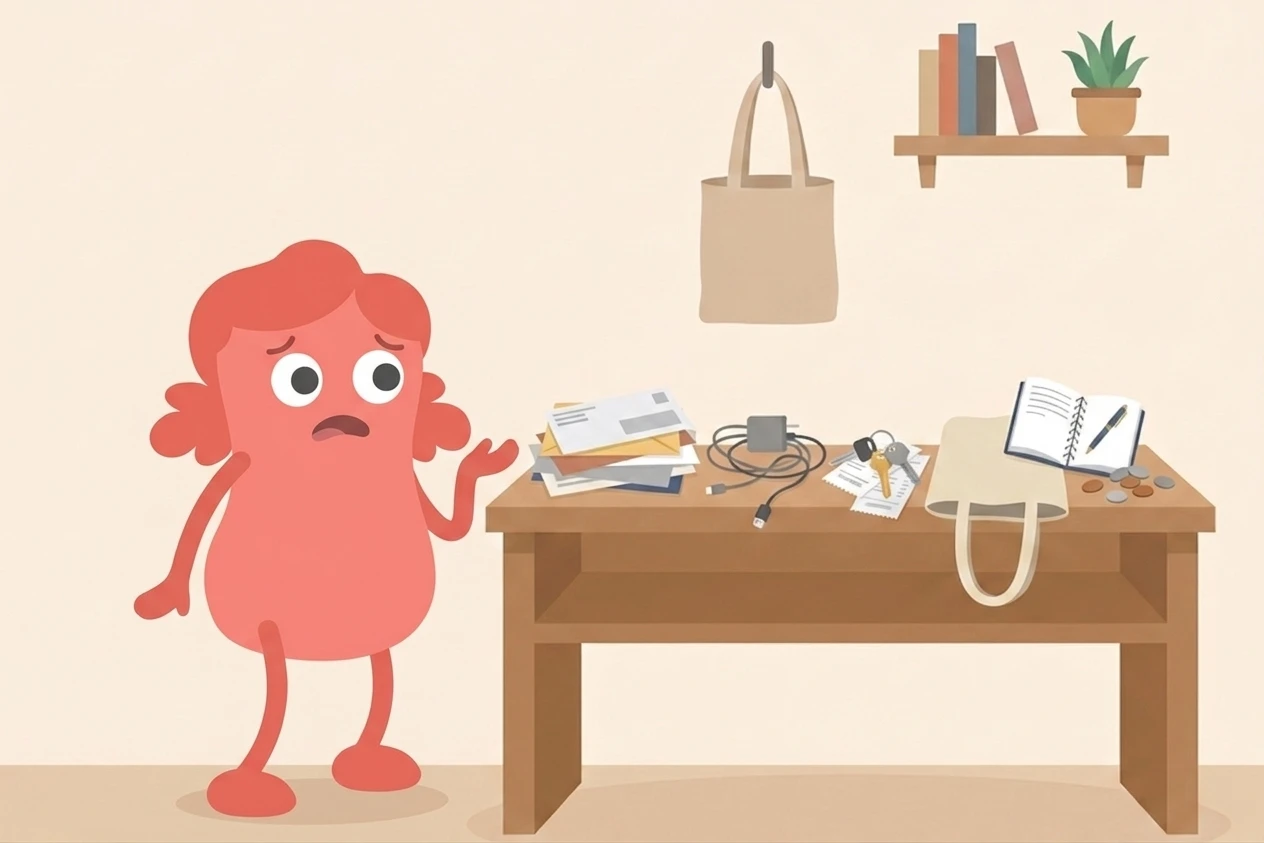
ADHD clutter — the infamous 'doom pile' — isn't laziness. It's a neurological failure in object permanence and task initiation. Here's why clutter accumulates when you have ADHD and what actually works to clear it.
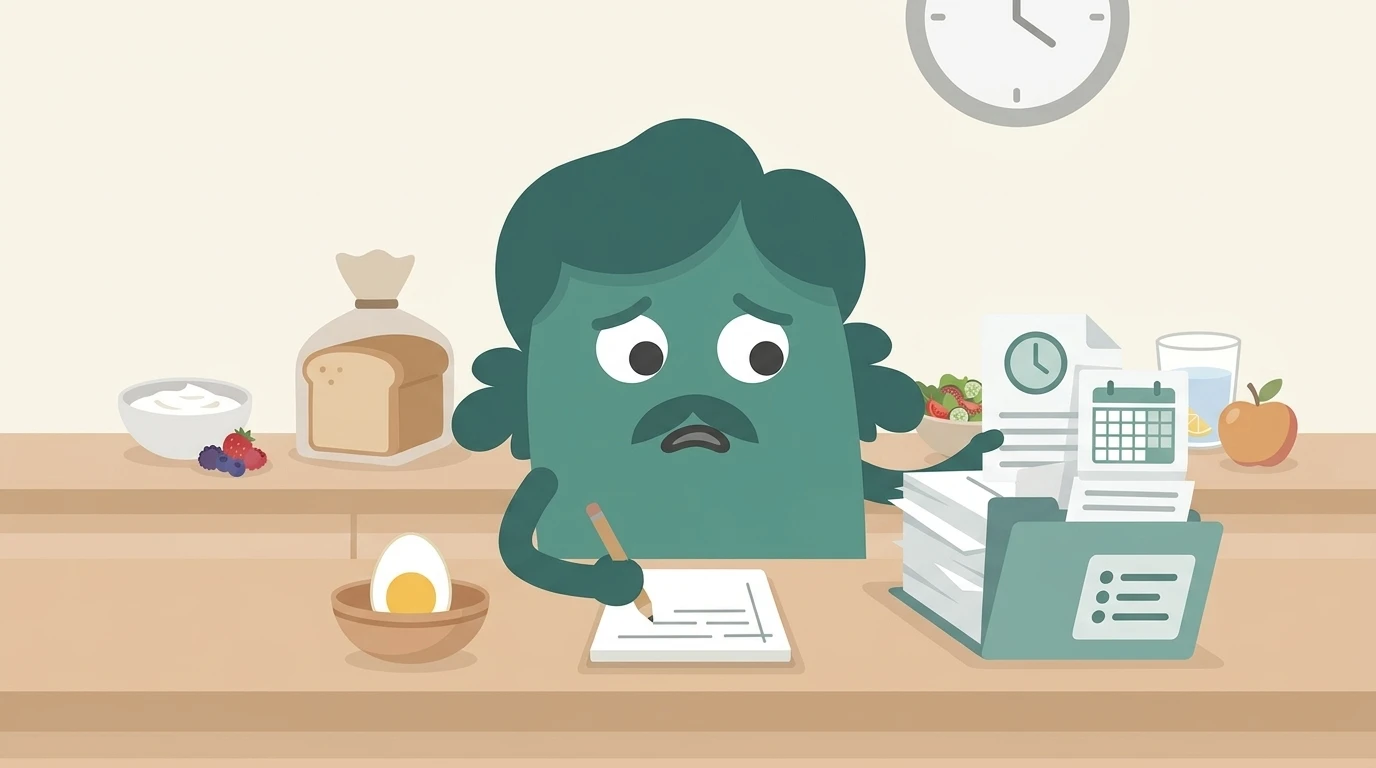
ADHD makes meal prep uniquely difficult — not because of laziness, but because of how the ADHD brain handles planning, time perception, and decision fatigue. Here's what the research shows, and what actually helps instead.
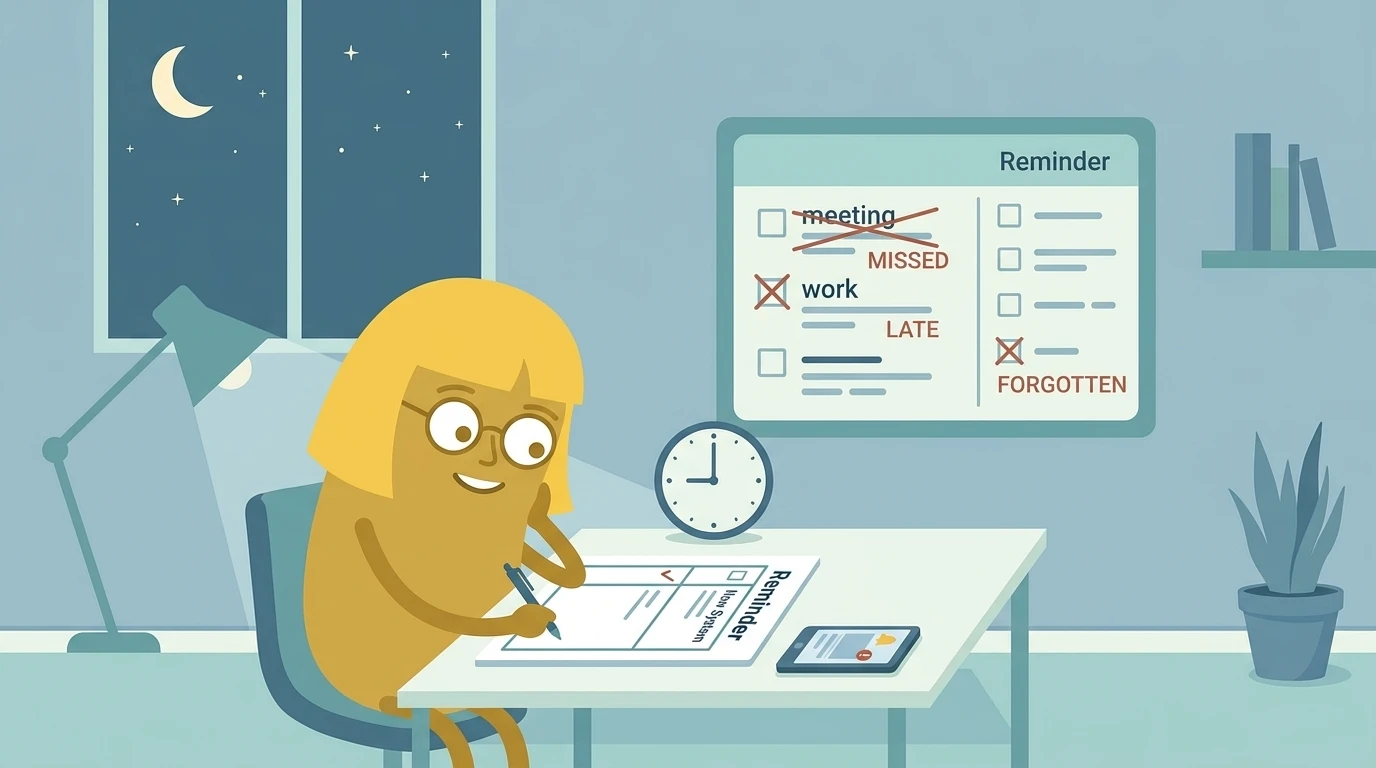
ADHD morning routines fail because they're designed for neurotypical brains. The ADHD brain needs low-friction systems, external cues, and dopamine scaffolding — not willpower and a 5 AM alarm. Here's what the research actually supports.
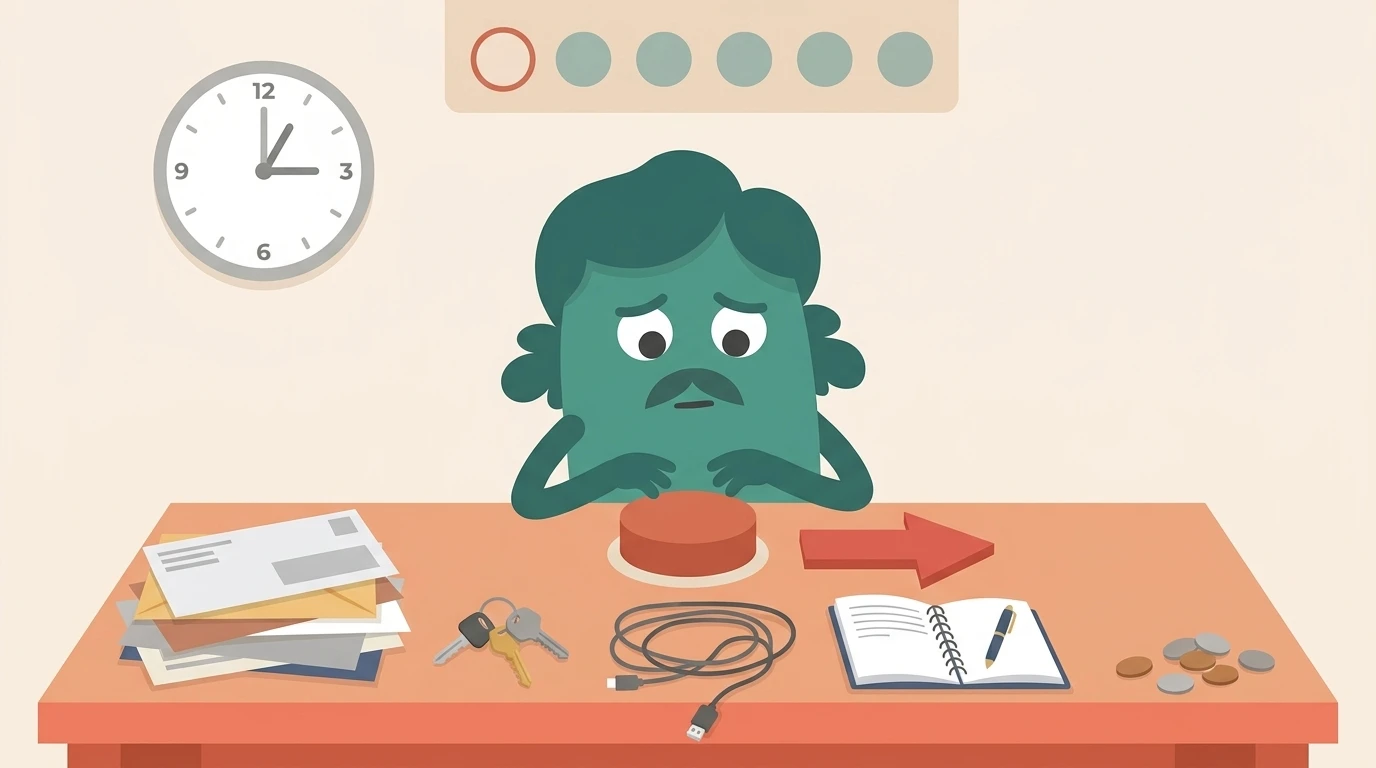
ADHD procrastination isn't a willpower problem — it's a neurological one. The ADHD brain struggles to initiate tasks without sufficient dopamine, turning simple to-dos into immovable walls. Here's why it happens and what actually works.
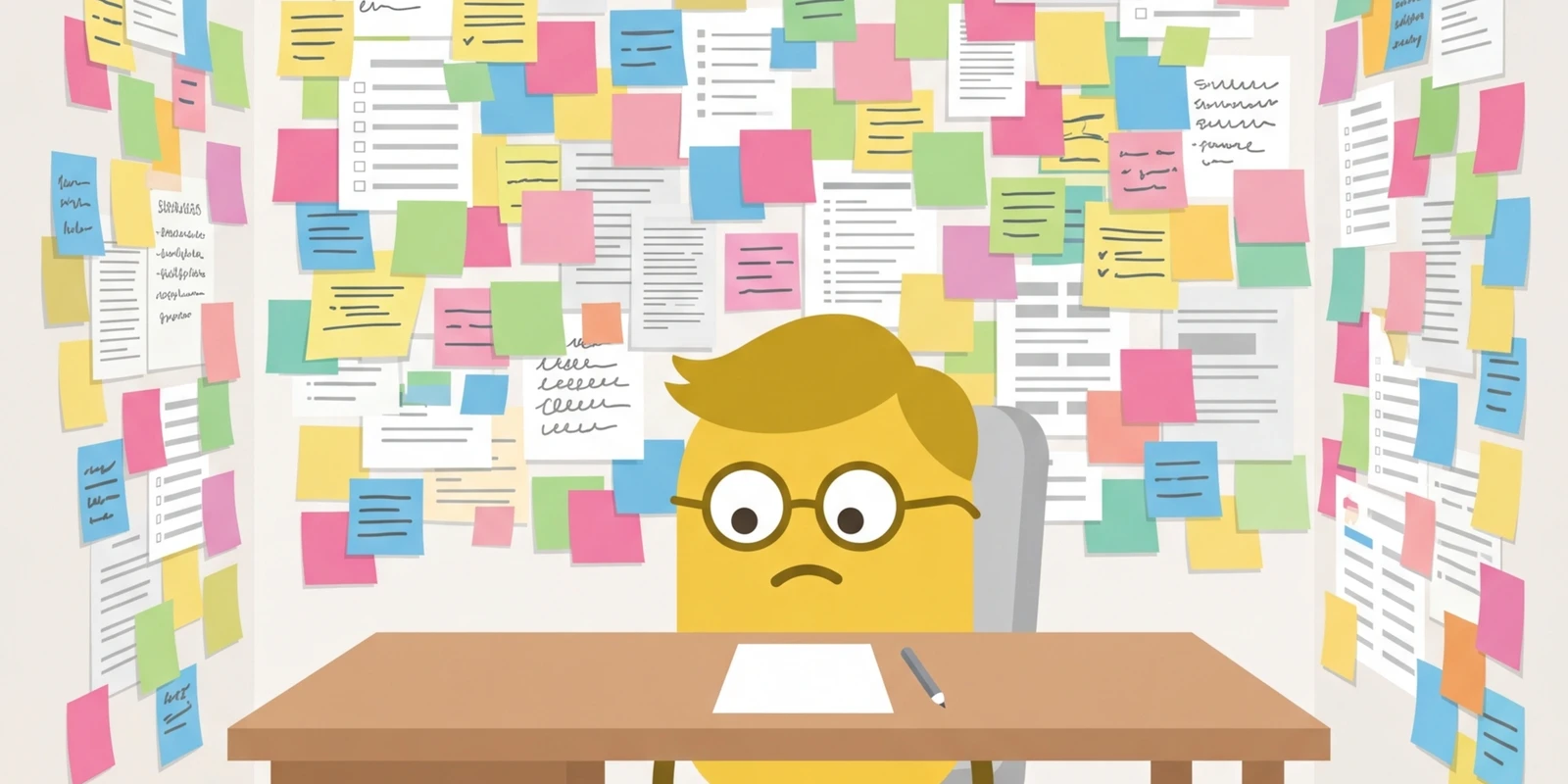
ADHD task paralysis is the specific inability to initiate a task despite wanting to do it — not procrastination, not laziness. It's a neurological failure in the brain's task-switching and activation systems, and there are evidence-based strategies that actually help.
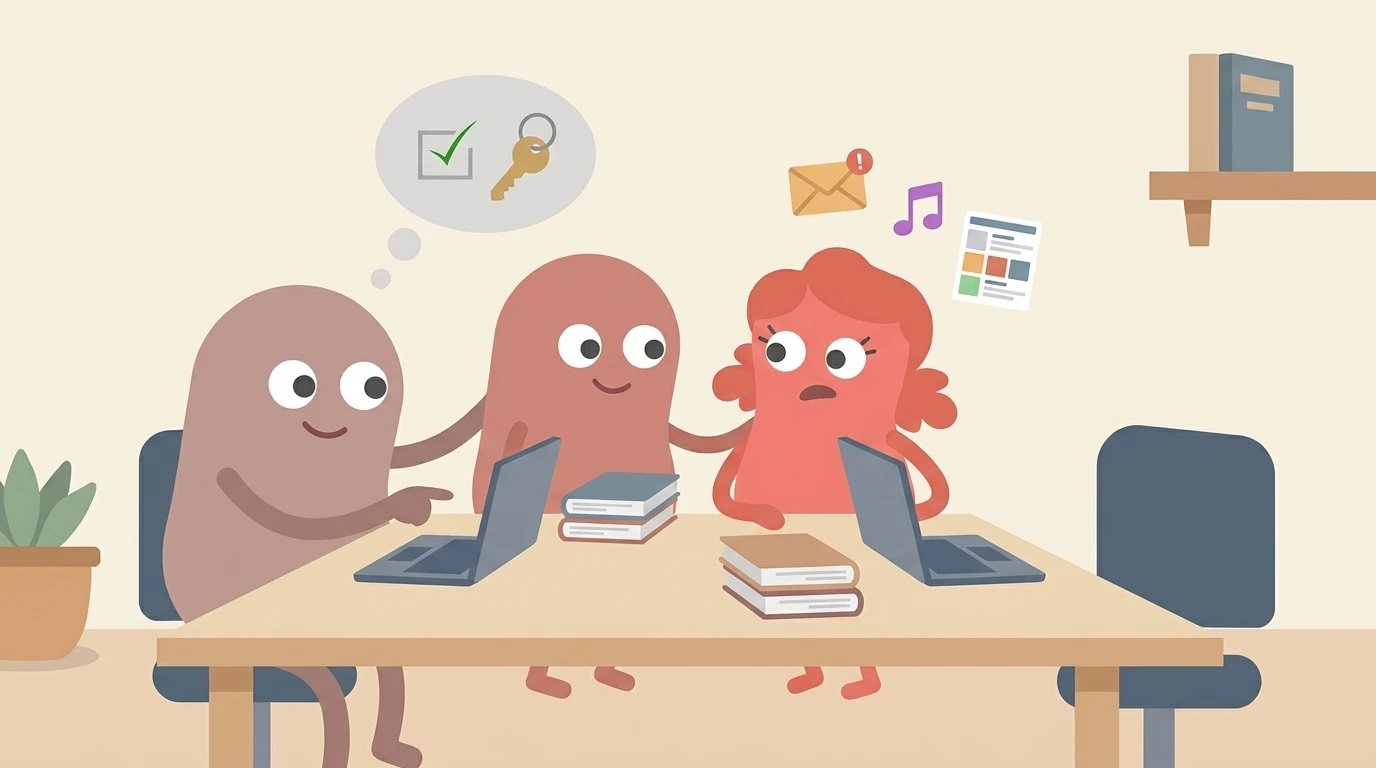
ADHD study habits require systems built for how the ADHD brain actually works — not willpower. Here's what the research says about time-blocking, body doubling, and structured study sessions that produce real results.
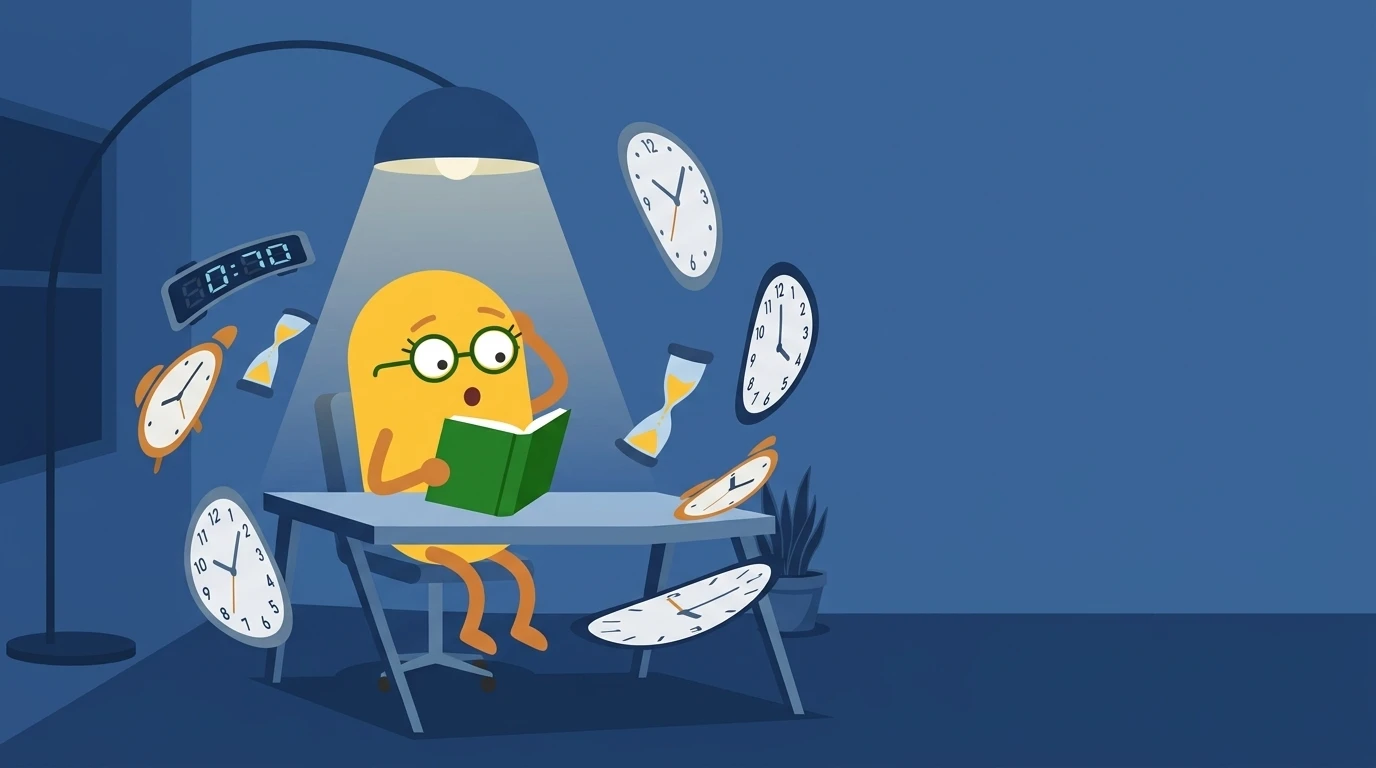
ADHD time blindness is a neurological condition where the brain cannot accurately perceive or track the passage of time. It's not laziness or poor planning — it's a core feature of ADHD. Here's what causes it, how it disrupts daily life, and strategies that research shows actually work.
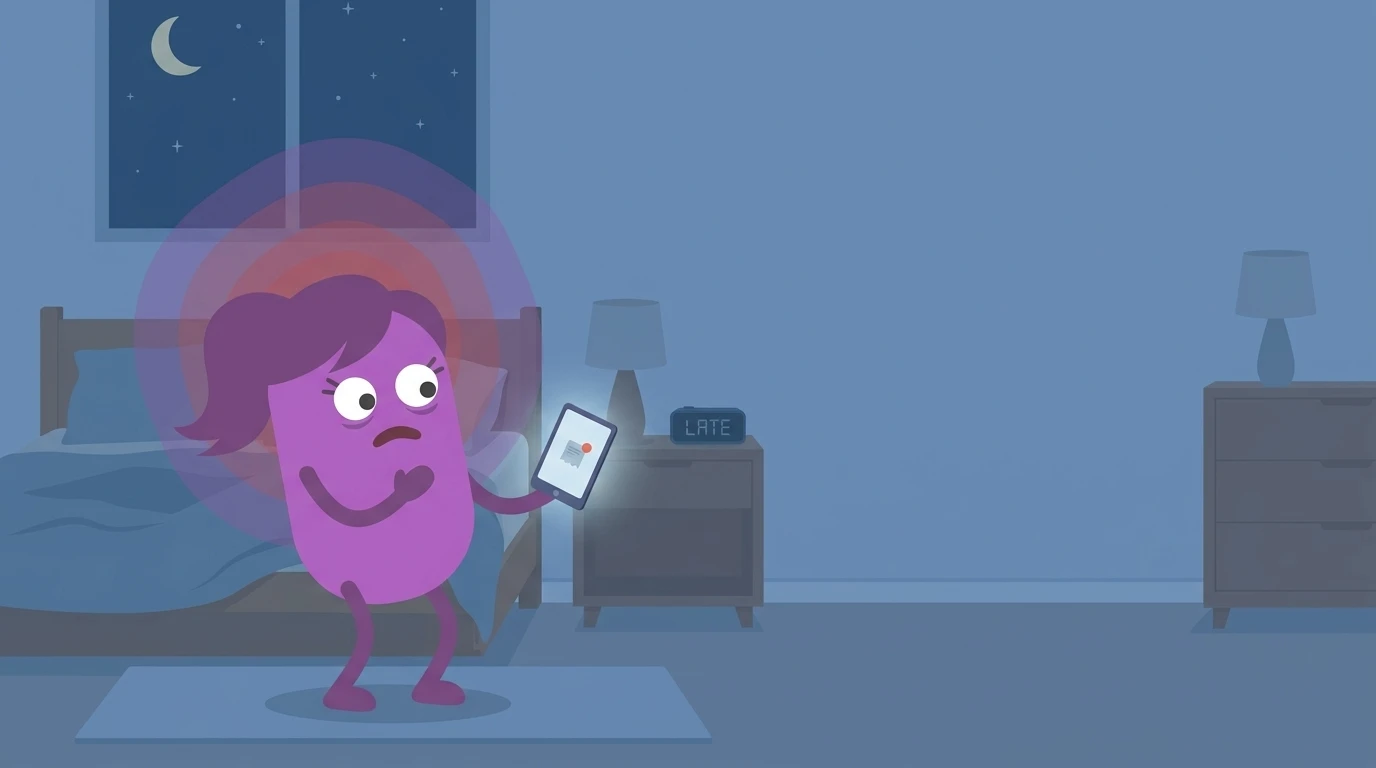
Rejection sensitive dysphoria (RSD) is an intense emotional response to perceived rejection or criticism, commonly linked to ADHD. It's not a character flaw — it's neurological. Here's what causes it, how to recognize it, and what actually helps.
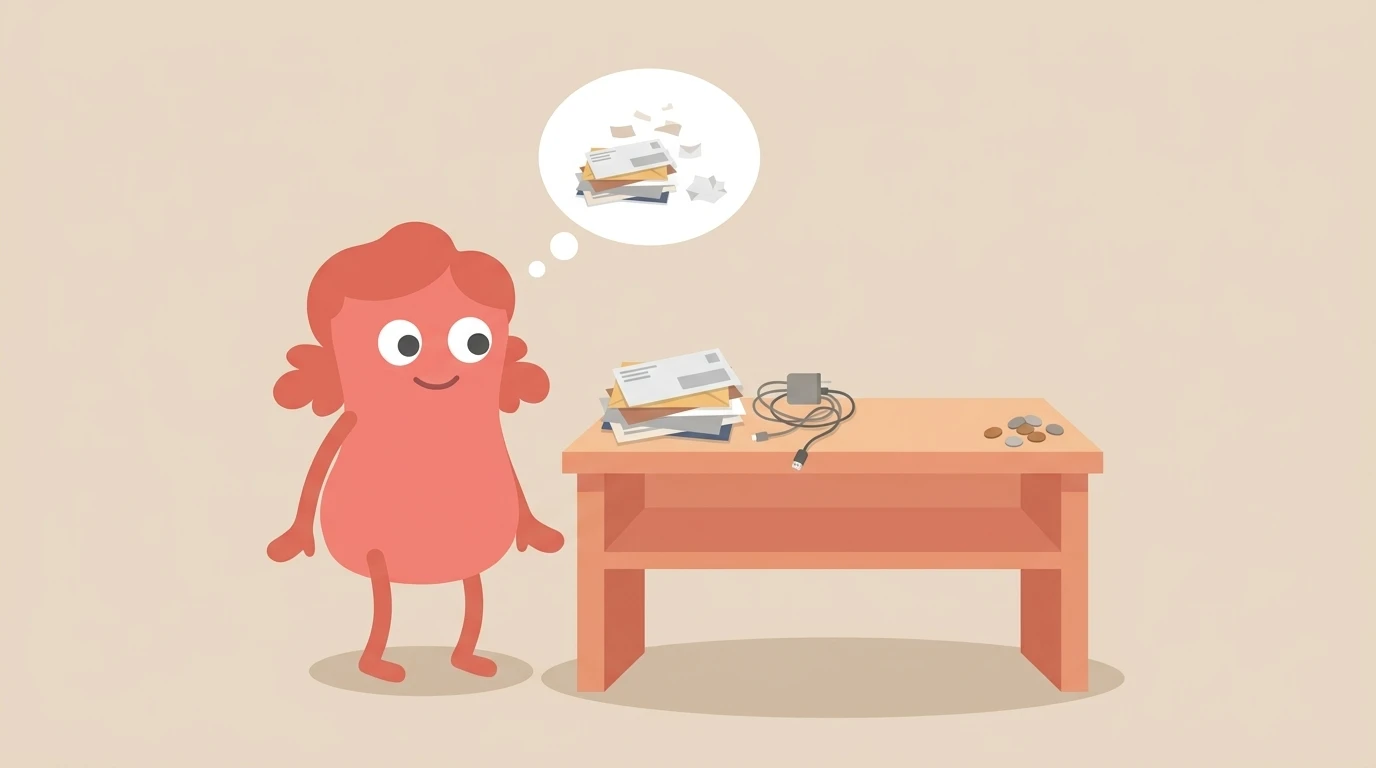
ADHD paralysis isn't laziness — it's a neurological failure of executive function rooted in dopamine dysregulation. Here's what Barkley and Brown's research says is actually happening, and what actually helps.
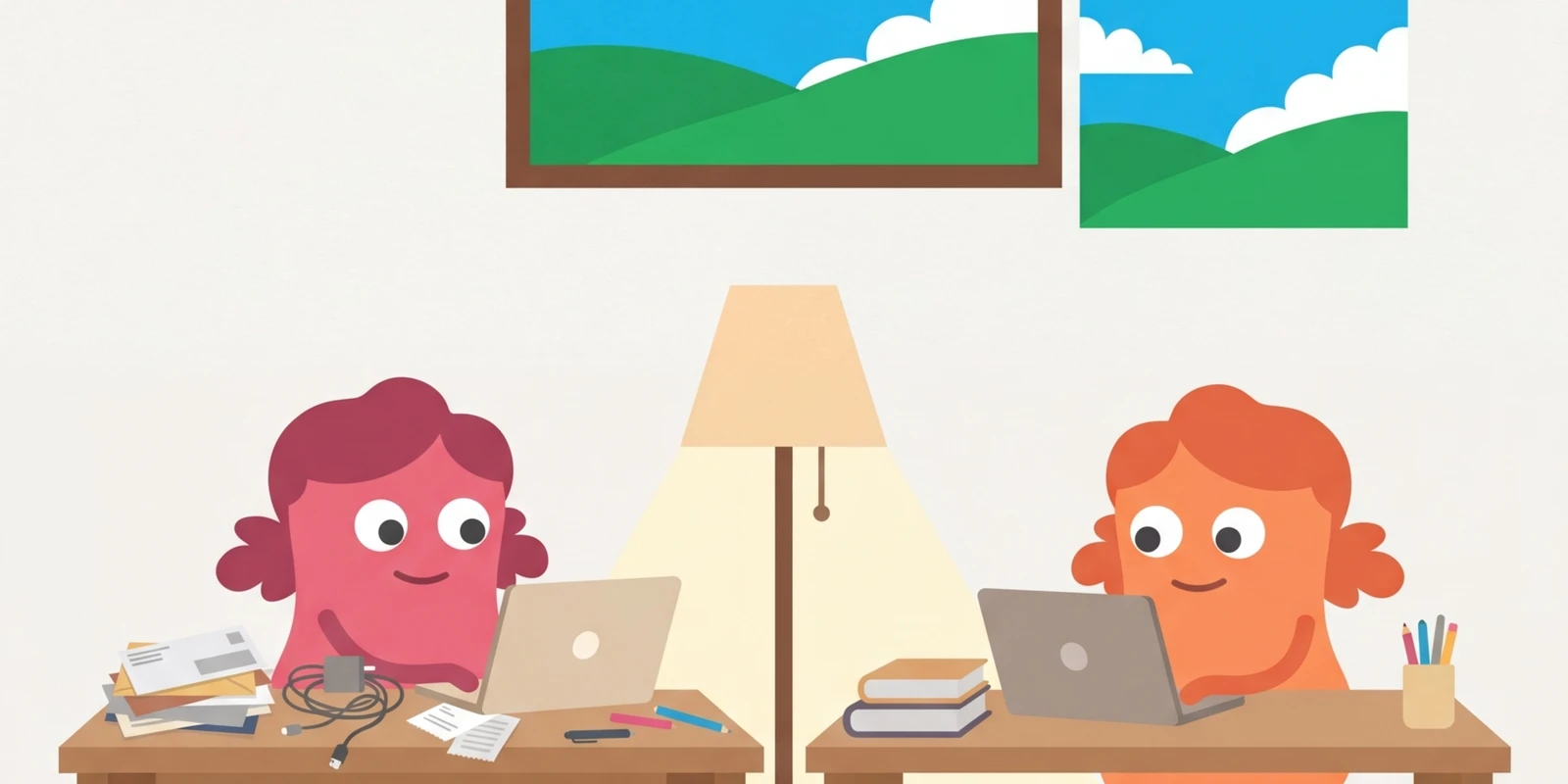
Body doubling is the practice of working alongside another person to activate focus — and for ADHD brains, it's one of the highest-leverage productivity strategies available. Here's the science, how to do it, and where to find a partner.

ADHD makes exercise consistency brutally hard — not because you're lazy, but because your brain needs structure, not willpower. Here's what actually works.