The Core Differences: A Clinical Comparison
Episode Duration and Resolution
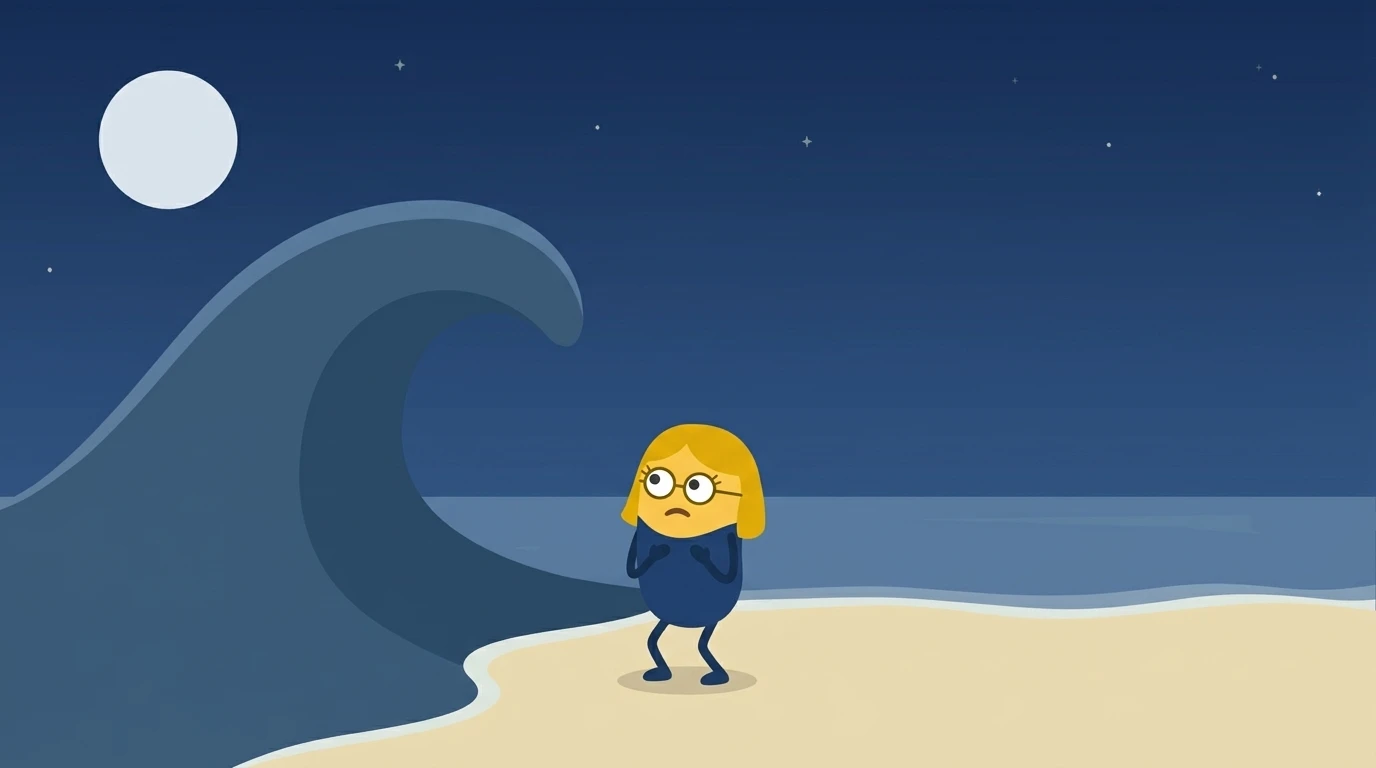
RSD: Episodes are brief by definition. The emotional flood — whether it expresses as rage, shame, or withdrawal — typically peaks within 20-30 minutes and begins declining. Most RSD episodes resolve within a few hours, and the person returns to their emotional baseline.
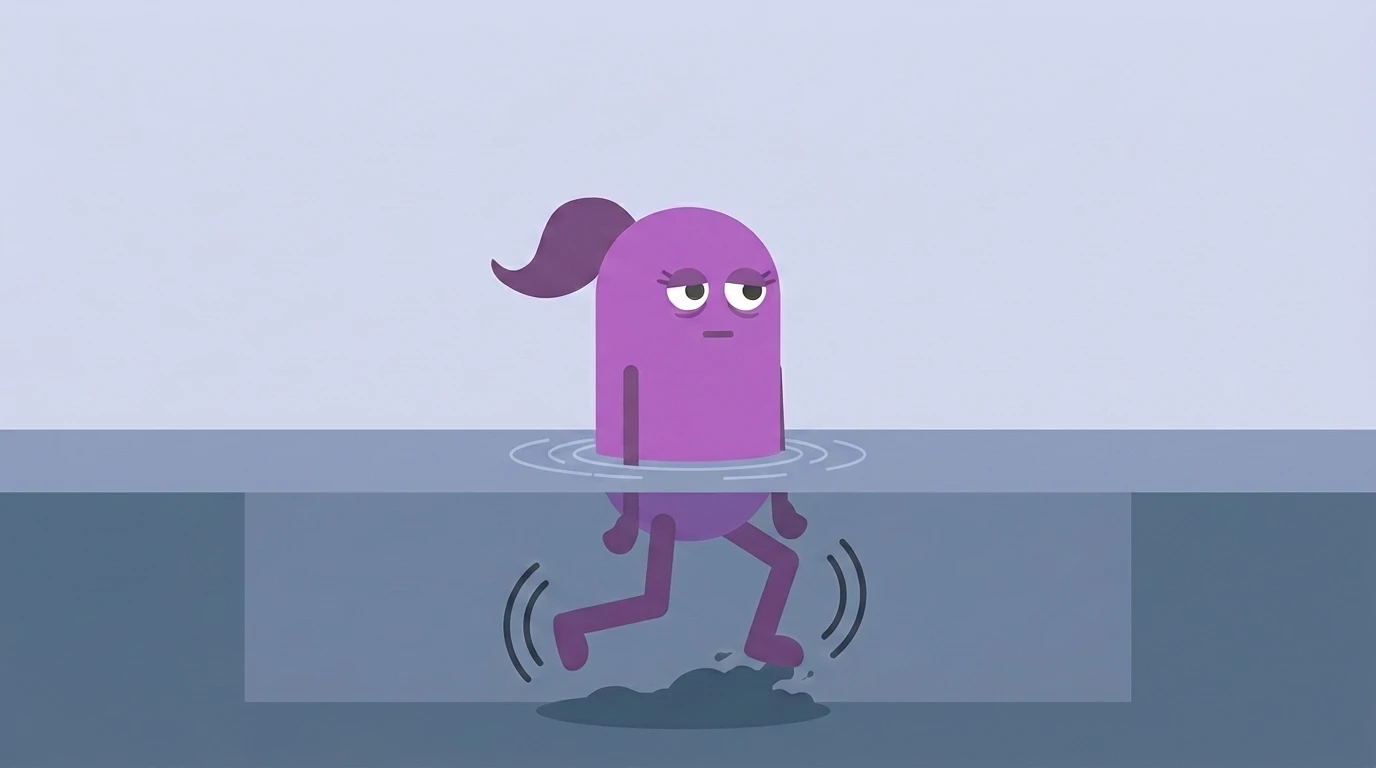
BPD: Emotional states in BPD are more persistent and less trigger-specific. Rather than resolving to a stable baseline, they tend to shift between emotional states (anger → despair → numbness → anxiety) without fully returning to baseline. An episode that starts with perceived rejection may last days and involve multiple emotional phases.
Why this matters: If someone experiences intense rejection-related emotion that resolves quickly after the trigger passes, RSD is a more likely explanation. If emotional states persist, intensify, or shift to other states without resolution, BPD becomes more likely.
Identity Stability
RSD: Between episodes, people with RSD typically have a stable, coherent sense of who they are. They know what they value, what they want from their lives, and how they see themselves. The episode is an intrusion into an otherwise intact self-concept.
BPD: Chronic identity disturbance is a defining feature of BPD — not just during episodes, but as a persistent state. People with BPD often describe difficulty answering "who are you?" outside of relationships, feeling like different people in different contexts, and lacking a stable core sense of self.
Key Stat: The DSM-5 criteria for BPD include "markedly and persistently unstable self-image or sense of self" as a required feature. This is distinct from the episodic shame of RSD, which occurs during rejection episodes but does not define a person's baseline self-concept.
Relationship Patterns
RSD: The dominant relationship pattern is avoidance. Because rejection hurts so much, people with RSD tend to pull back from relationships — not pursuing romantic interest, creating emotional distance to prevent closeness (and thus, vulnerability to rejection), or ending relationships preemptively before being left.
BPD: The dominant pattern is cycling — intense idealization of a relationship or person, followed by devaluation when the person doesn't meet the expected standard. Often called the "splitting" pattern: the person shifts from "this person is perfect" to "this person is my enemy" in response to perceived slights. This is distinct from RSD's avoidance.
The practical difference: An RSD person who fears rejection tends to withdraw from a relationship that feels risky. A BPD person who fears abandonment tends to intensify, cling, or erupt at the relationship. Both involve rejection sensitivity; the behavioral output is opposite.
Response to Reassurance
RSD: Reassurance during an episode typically helps. "I'm not disappointed in you" or "I'm not going anywhere" interrupts the shame spiral and provides the corrective signal the ADHD brain needs. The reassurance works because the RSD episode is responding to a perceived signal that turns out to be incorrect.
BPD: Reassurance helps temporarily but is less durable. The chronic anxiety about abandonment resurfaces, requiring repeated reassurance that may escalate in demand over time. This isn't a failure of the person receiving reassurance — it reflects that the anxiety's root is in a pervasive relational framework, not a specific misperceived signal.
Presence of ADHD
RSD without ADHD is possible, but uncommon. The overwhelming majority of RSD cases occur in the context of ADHD. If someone has confirmed ADHD with clear attention, executive function, and impulsivity symptoms, and also experiences rejection sensitivity, RSD is the more parsimonious explanation.
BPD does not have this connection. BPD occurs independently of ADHD, though the two can co-occur. ADHD plus emotional reactivity does not mean BPD — but ADHD plus BPD-specific features (identity disturbance, relationship cycling, self-harm) warrants evaluation for both.
Key Stat: Matthies & Philipsen (2019) found that up to 33% of individuals diagnosed with BPD also meet criteria for ADHD — but most were not diagnosed with ADHD until the BPD evaluation revealed the overlap. This suggests significant underdiagnosis of ADHD in BPD populations, and vice versa.
Why Women With ADHD Get Misdiagnosed With BPD
This is the most clinically important RSD-vs-BPD issue and the one least well addressed in most content on the subject.
Women with undiagnosed or underdiagnosed ADHD frequently receive a BPD diagnosis instead. Research by Attoe & Climie (2021) documents how ADHD in women is systematically underrecognized — partly because the hyperactive presentation is less common, and partly because emotional symptoms are more prominent and more visible than attentional symptoms.
The sequence often goes:
• A woman presents with intense emotional reactivity, relationship difficulties, and mood instability
• The presenting features match BPD surface criteria
• ADHD is not seriously considered because the inattentive presentation is subtler
• BPD diagnosis is made; DBT treatment begins
• DBT helps with distress tolerance (because TIPP and emotion regulation skills are useful regardless of diagnosis) but doesn't address the attention, executive function, or medication side of the picture
• The woman continues struggling with ADHD symptoms — now labeled BPD symptoms
The correction: an ADHD-informed assessment that specifically evaluates attention, executive function, the developmental history (did attention and emotional reactivity appear in childhood?), and the specific features of emotional episodes (duration, trigger-specificity, identity stability).
If you've had a BPD diagnosis and felt it didn't quite fit — particularly if inattention, time blindness, or executive function difficulties have always been part of your experience — an ADHD evaluation is warranted.
When RSD and BPD Co-Occur
Both can be present simultaneously. ADHD with RSD does not rule out BPD. The presence of BPD doesn't mean RSD isn't also there.
When both are present, treatment is more complex because the two conditions respond to different interventions. RSD responds to alpha-2 agonist medications that target the norepinephrine pathway. BPD responds to DBT and sometimes mood stabilizers. Stimulants may help ADHD symptoms but need to be monitored carefully in BPD because of their activating effects.
The clearest indication that both may be present: DBT has been tried and helped with distress tolerance, but the ADHD symptoms (attention, executive function, rejection sensitivity) remain substantially impaired. Adding ADHD-specific treatment to the BPD treatment framework can address what DBT alone doesn't reach.
Practical Implications for Getting the Right Help
If you're uncertain whether your rejection sensitivity pattern is RSD or BPD, these steps help:
Find a clinician experienced in differential diagnosis for both conditions. A generalist therapist who primarily treats BPD will see BPD features. An ADHD specialist will see ADHD features. You need someone who can hold both frameworks simultaneously and evaluate which fits better — or whether both do.
Ask specifically about the developmental history. ADHD is neurodevelopmental — symptoms appear in childhood. If your emotional reactivity, attention difficulties, and impulsivity were present before age 12, ADHD is strongly implicated. BPD, by contrast, tends to emerge and be diagnosed in late adolescence and early adulthood.
Track episode patterns before your appointment. Note: what triggered the episode, how long it lasted, what emotional states you moved through, and where you landed when it resolved. This data is clinically useful and harder to reconstruct from memory during an appointment.
Consider a second opinion if your current diagnosis doesn't explain your full picture. A BPD diagnosis that doesn't account for attention difficulties, time blindness, and an ADHD-consistent history is incomplete. An ADHD diagnosis that doesn't account for chronic identity instability and relationship cycling may be missing something too.
Building Support That Works for Either Diagnosis
Regardless of which diagnosis fits, the isolation that rejection sensitivity produces responds to the same intervention: structured, consistent community with people who understand the pattern.
Whether you have RSD from ADHD, BPD, or both — the shame that amplifies every episode decreases when you're in a context where your reactions aren't unusual. Platforms like GetMotivated.ai address this through accountability structures that are consistent and specific: buddy matching provides the regular check-in that forum support doesn't, and group challenge formats normalize the emotional work without requiring you to explain your diagnosis to each new person.
Differentiation matters for medication and formal treatment. For building a life that functions better despite rejection sensitivity, the structural approaches — community, accountability, behavioral strategies — apply across conditions.