GetMotivated.ai Logo
How It WorksBlogLog in
  1. Home
  2. /
  3. Blog
  4. /
  5. neuroscience
← All posts

neuroscience

63 posts tagged with "neuroscience"

Next time you search, our newest guide shows up.

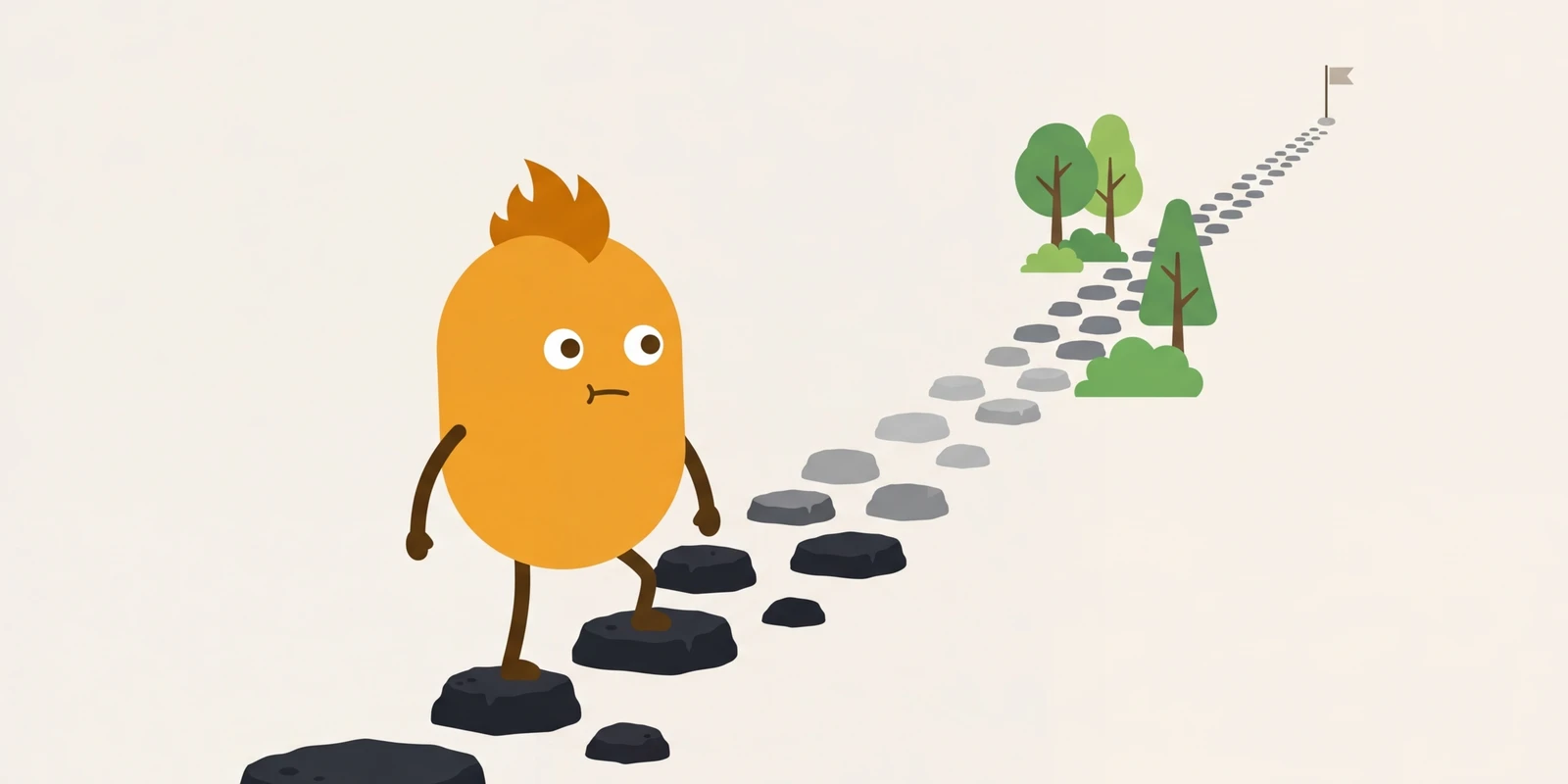
Illustration for the article: Metabolic Psychiatry: The Emerging Science Linking Metabolism and Mental Health
August 10, 202611 min readMental Health

Metabolic Psychiatry: The Emerging Science Linking Metabolism and Mental Health

Metabolic psychiatry studies how metabolism, inflammation, and brain energy production shape mental illness — and how metabolic interventions like ketogenic therapy might help. The evidence is early and promising, not a proven treatment yet.

mental healthneuroscienceketometabolic psychiatry
The GetMotivated.ai TeamRead →
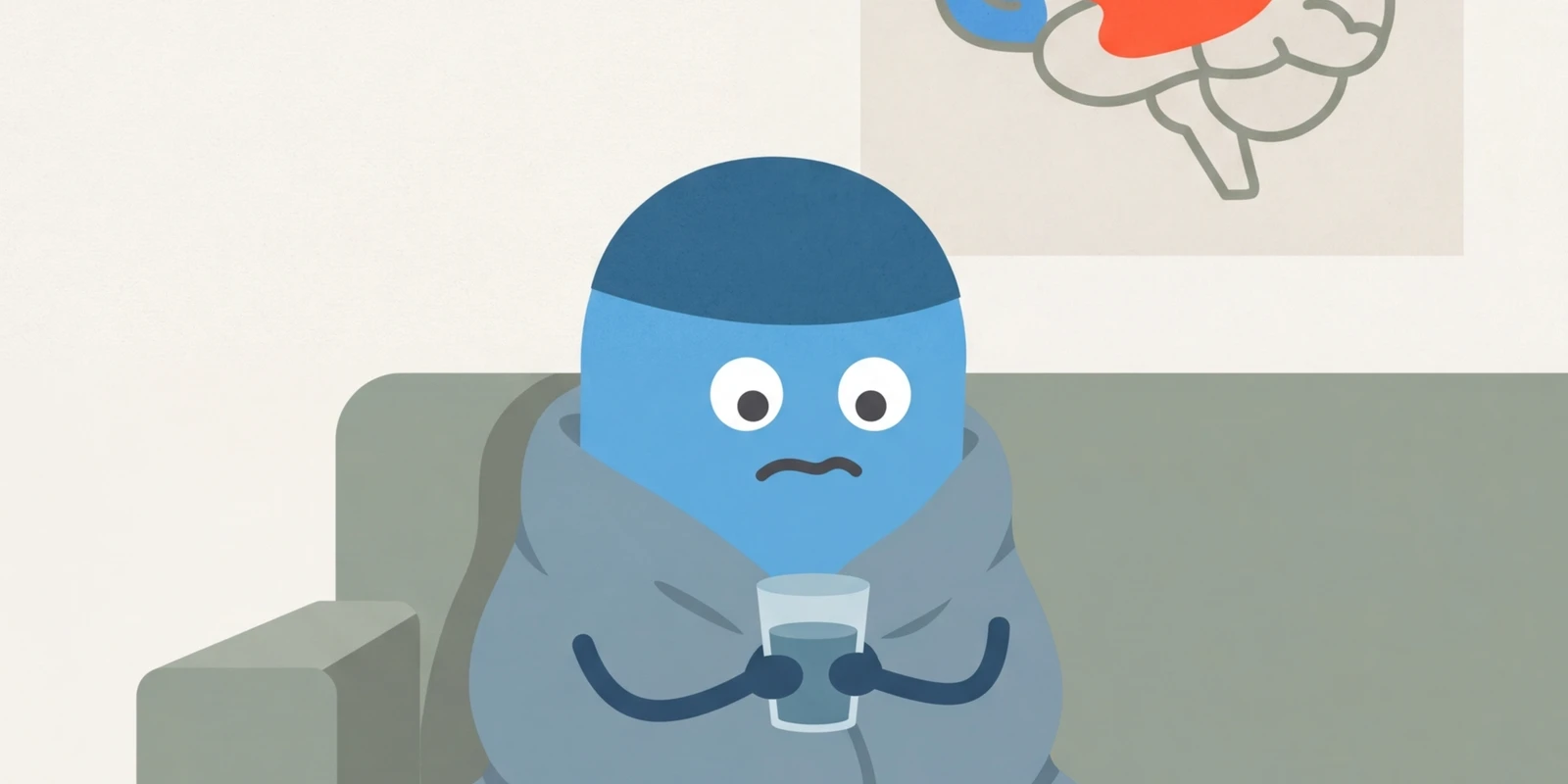
Illustration for the article: Whole Health for Chronic Pain: Nonpharmacological Strategies That Work
August 7, 20269 min readHabits & Behavioral Change

Whole Health for Chronic Pain: Nonpharmacological Strategies That Work

A whole-health approach treats chronic pain as more than a symptom — pairing medical care with movement, mindfulness, and coaching. The wHOPE trial is testing exactly this in 750 veterans, and the strategies apply well beyond the VA.

chronic painwhole healthWell-beingneuroscience
The GetMotivated.ai TeamRead →
Illustration for the article: The Celebration Technique: Why Emotion Creates Habits
August 5, 20269 min readHabits & Behavioral Change

The Celebration Technique: Why Emotion Creates Habits

BJ Fogg's celebration technique says the fastest way to wire in a habit is to feel a genuine flash of positive emotion the instant you finish it. Emotions create habits — not repetition, not willpower.

habit formationneurosciencebehavioral changedopamine
The GetMotivated.ai TeamRead →
Illustration for the article: Virtual Body Doubling: What It Is and How to Do It Online
August 3, 20269 min readADHD & Neurodivergence

Virtual Body Doubling: What It Is and How to Do It Online

Virtual body doubling means working alongside another person over video or in a live co-working room instead of in the same room. Here's how it differs from in-person, the formats worth trying, and how to make it actually work.

body doublingadhdaccountabilityCoworking
The GetMotivated.ai TeamRead →
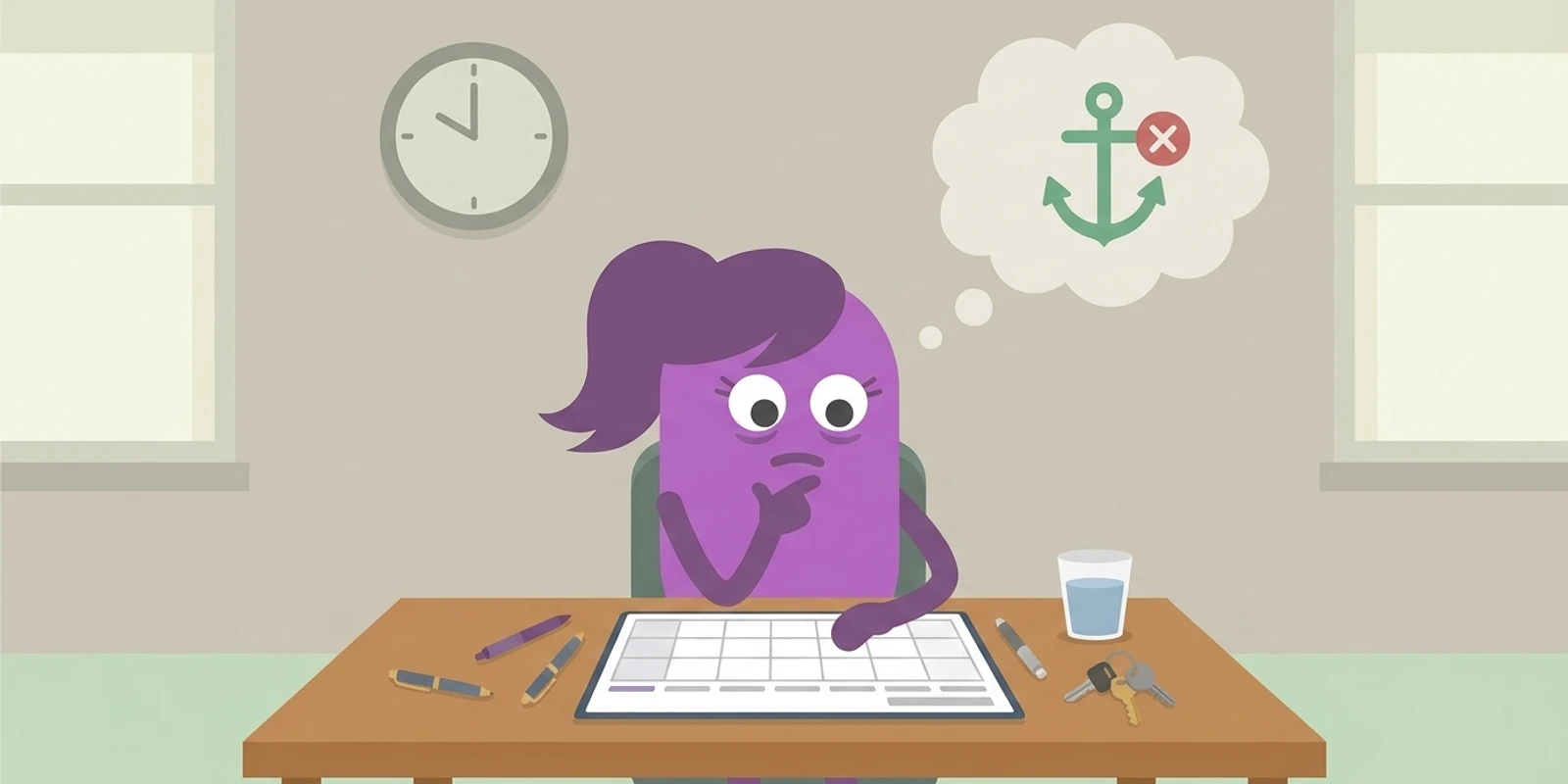
Illustration for the article: Executive Dysfunction: What It Is, Why It Happens, and What Actually Helps
August 2, 202611 min readExecutive Dysfunction

Executive Dysfunction: What It Is, Why It Happens, and What Actually Helps

Executive dysfunction is a measurable breakdown in the brain's planning and follow-through system — not a personality flaw. Here's what causes it, how it relates to ADHD, and what actually helps.

executive dysfunctionadhdaccountabilitymental health
The GetMotivated.ai TeamRead →
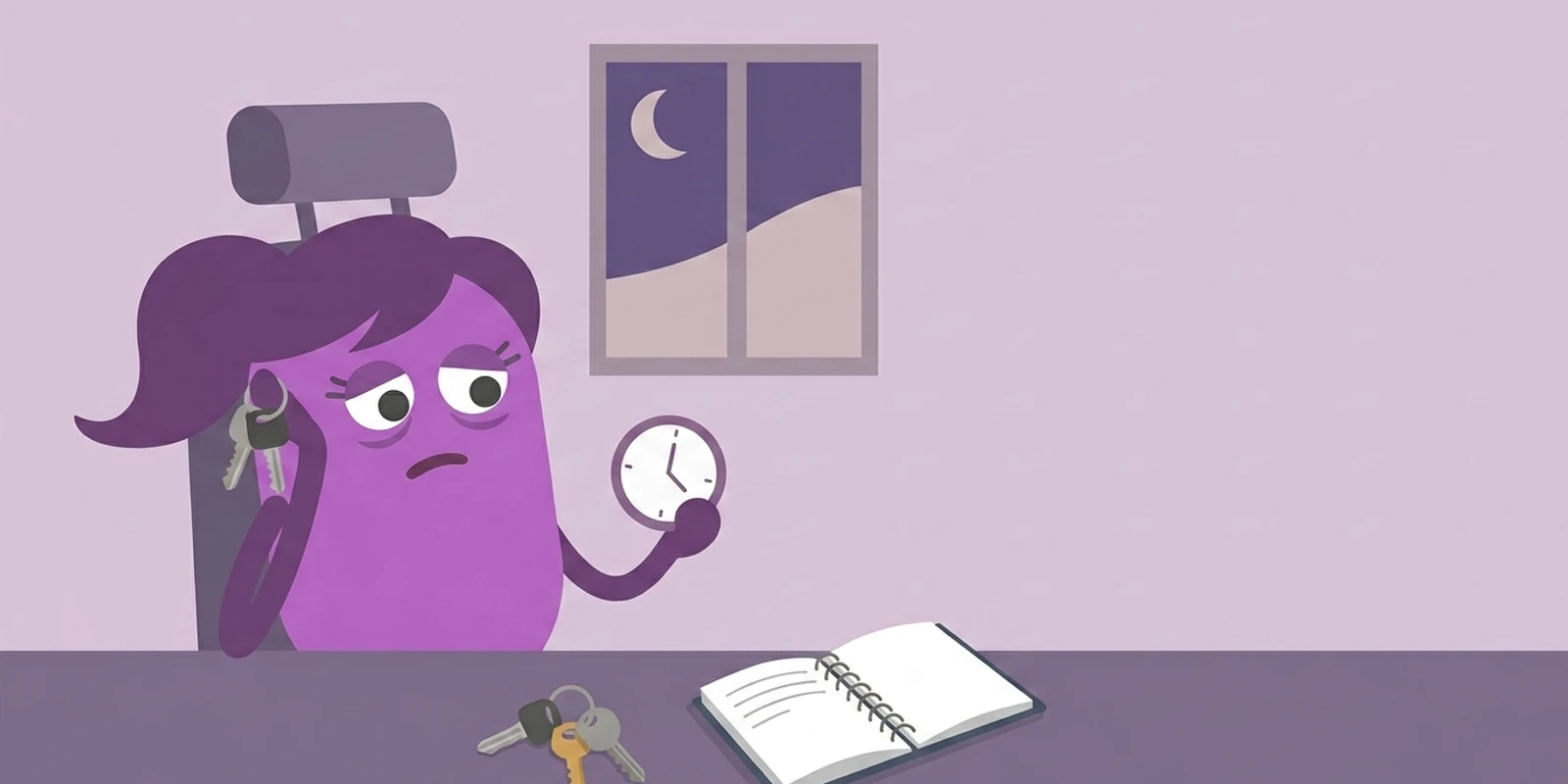
Illustration for the article: The Tiny Habits Method: A Complete Guide
July 28, 202610 min readHabits & Behavioral Change

The Tiny Habits Method: A Complete Guide

The Tiny Habits method builds lasting habits with three steps: anchor a tiny behavior to a routine you already do, make it small enough to be easy, and celebrate the moment you finish.

neuroscienceself-controlhabitsBehavior
The GetMotivated.ai TeamRead →
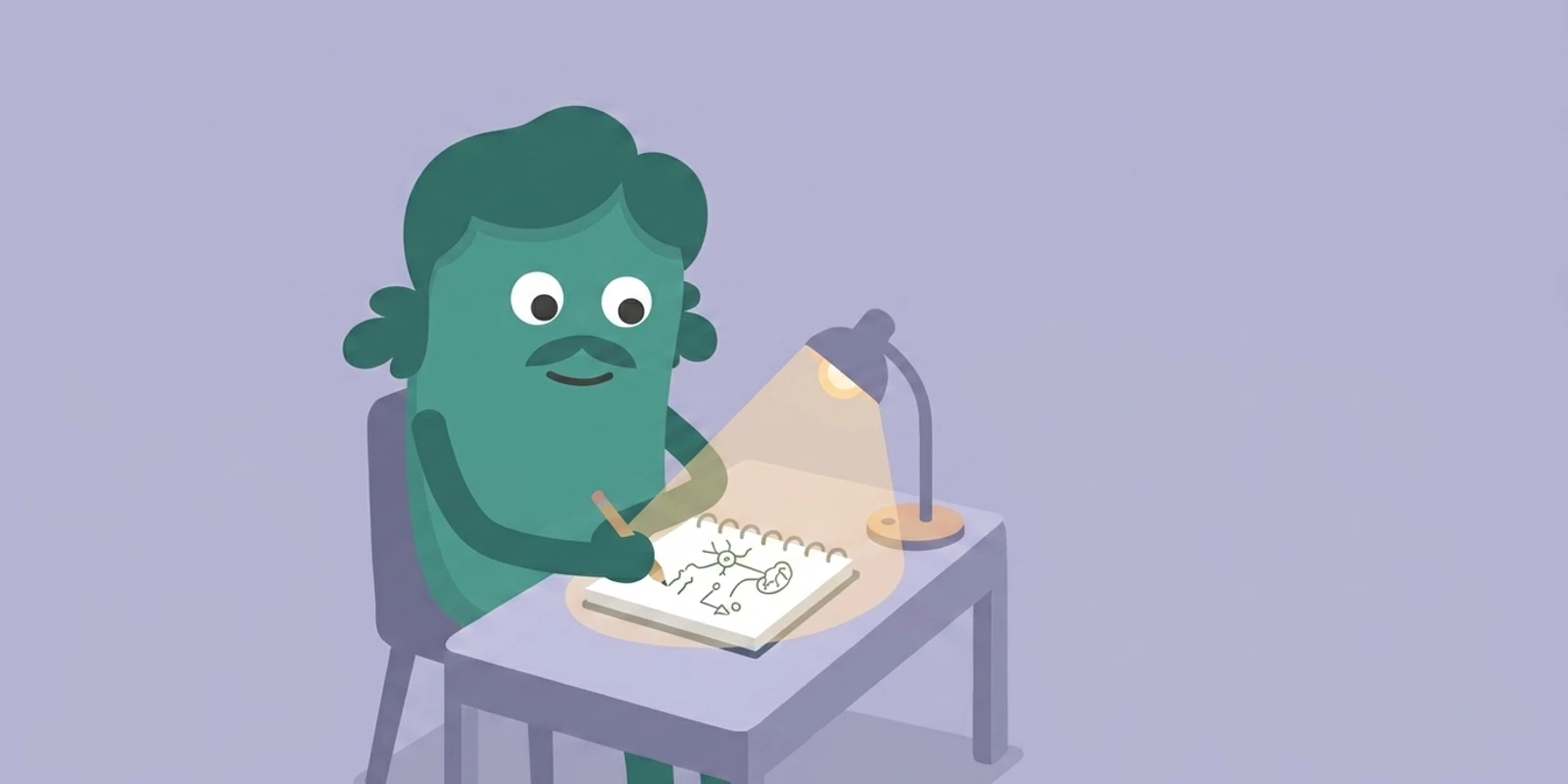
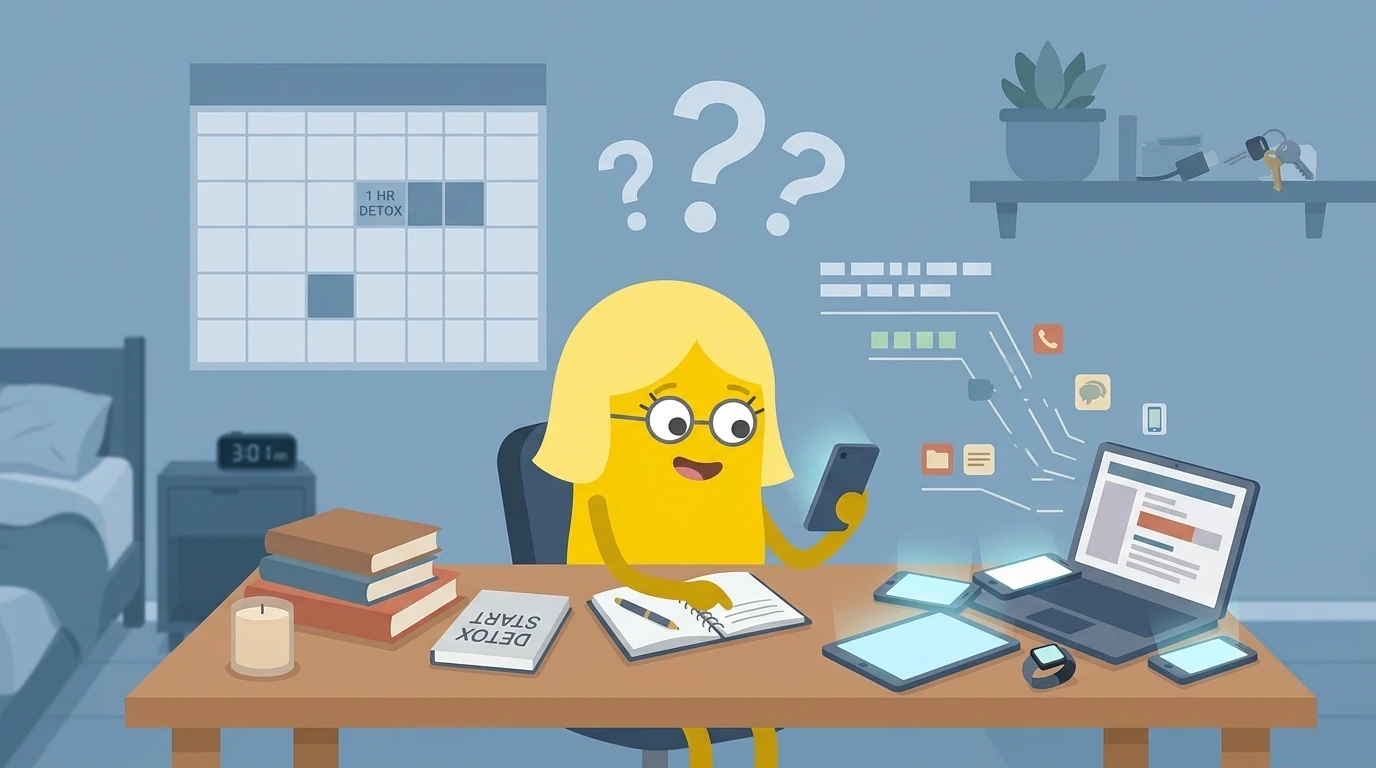
Illustration for the article: Dopamine Detox Is Mostly Wrong. Here's What Actually Works
July 20, 20266 min read

Dopamine Detox Is Mostly Wrong. Here's What Actually Works

Sitting in a dark room avoiding food, screens, and conversation sounds like suffering for suffering's sake. Turns out it largely is. The dopamine detox craze is built on a misreading of neuroscience, and the fixes that actually work look nothing like what influencers are selling.

dopamine detoxdopamineneurosciencebehavioral change
GetMotivated.ai TeamRead →
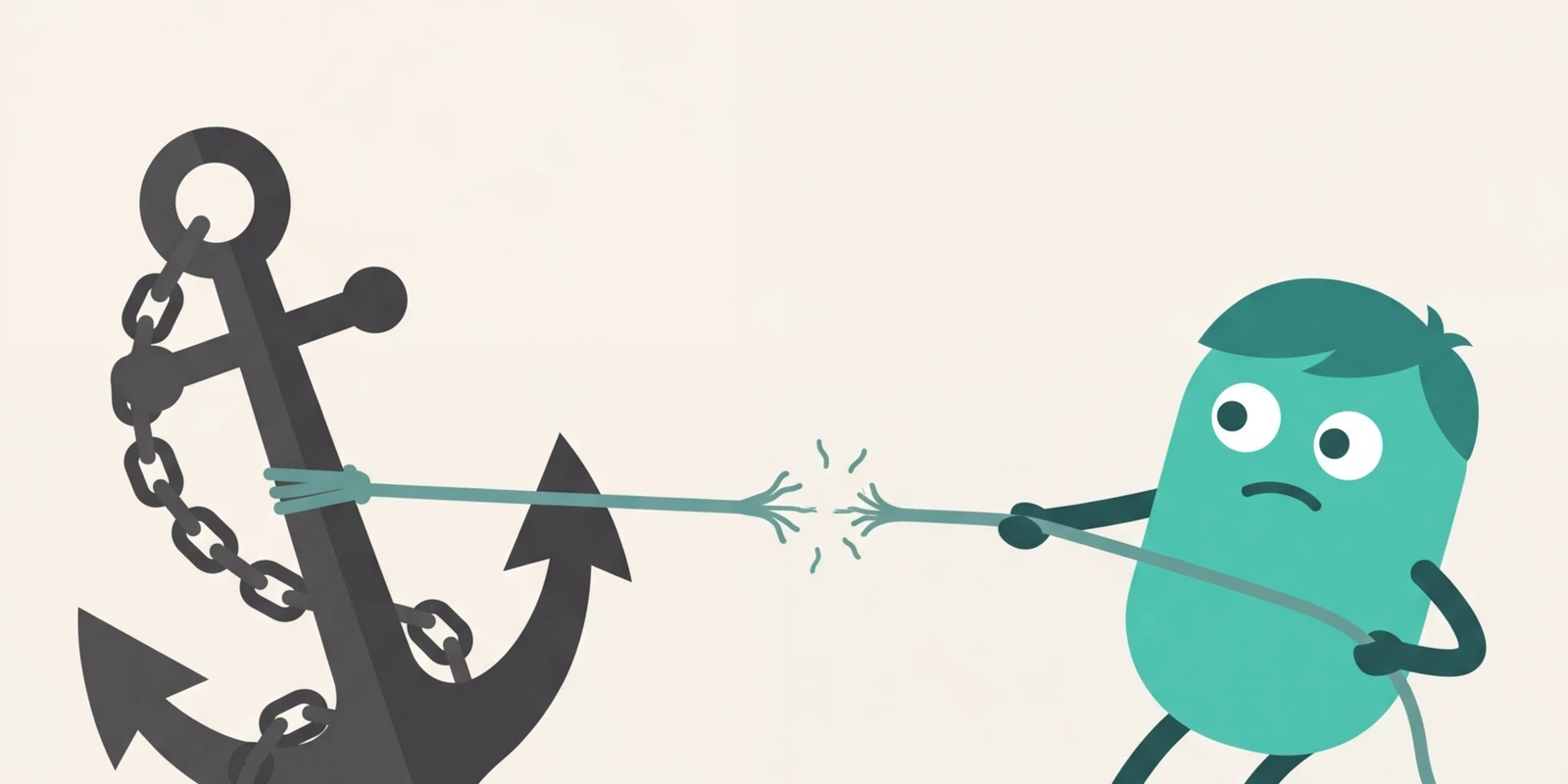
Illustration for the article: Anhedonia Treatment: Evidence-Based Strategies for Recovery
July 3, 20267 min read

Anhedonia Treatment: Evidence-Based Strategies for Recovery

Anhedonia—the inability to feel pleasure—responds to structured treatment combining behavioral activation, physical exercise, dopamine regulation, and self-compassion. Recovery requires addressing both neurobiological and psychological factors through evidence-based interventions.

mental healthdopamineneuroscienceaddiction recovery
Dana KimRead →
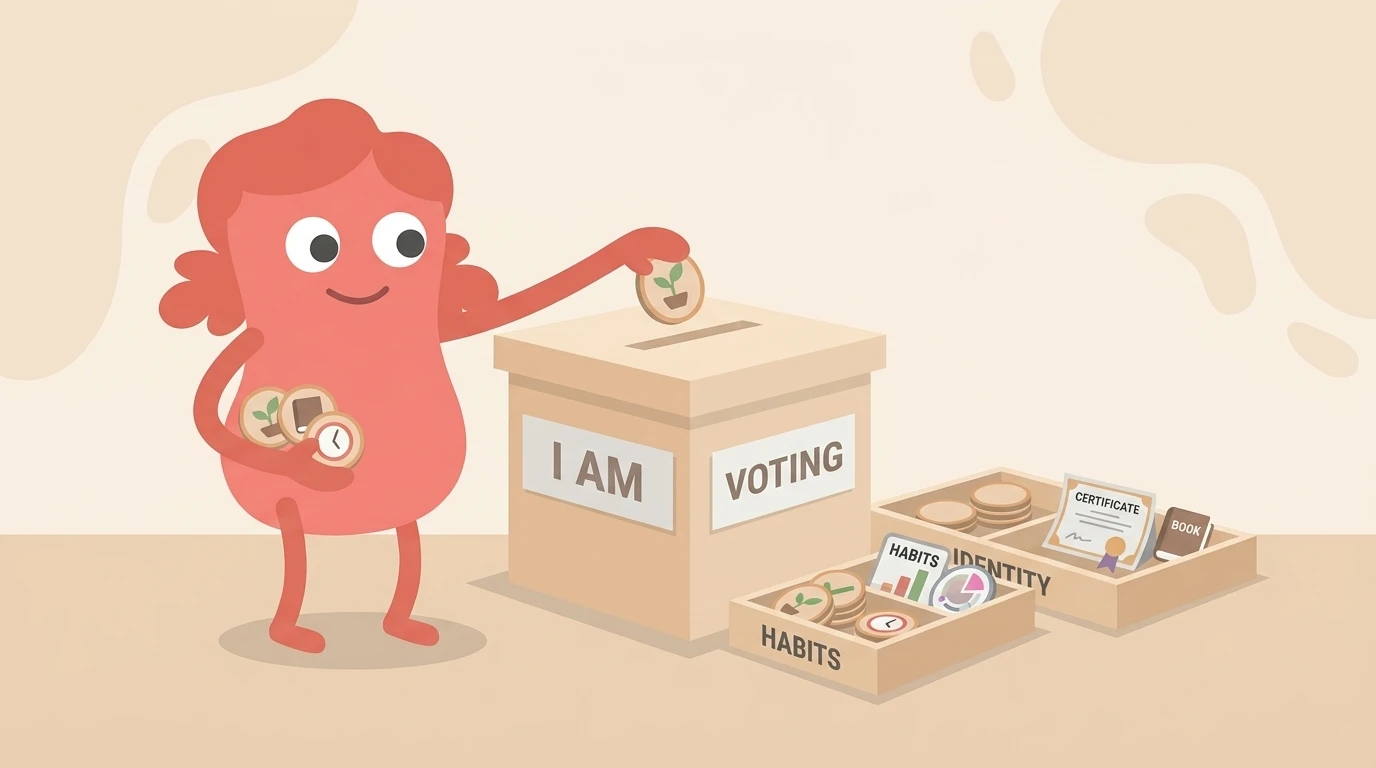
Illustration for the article: Dopamine Supplements: What Works (and What Doesn't) for Recovery and Habit-Building
July 2, 20267 min read

Dopamine Supplements: What Works (and What Doesn't) for Recovery and Habit-Building

**Dopamine supplements promise to restore motivation and focus during recovery, but most claims lack solid evidence.** While cold water exposure can boost dopamine by 250% for hours, amino acid precursors and herbal extracts show mixed results. Here's what the research actually says about supporting your brain's reward system.

dopamineneuroscienceaddiction recoveryneurobiology
Dana KimRead →
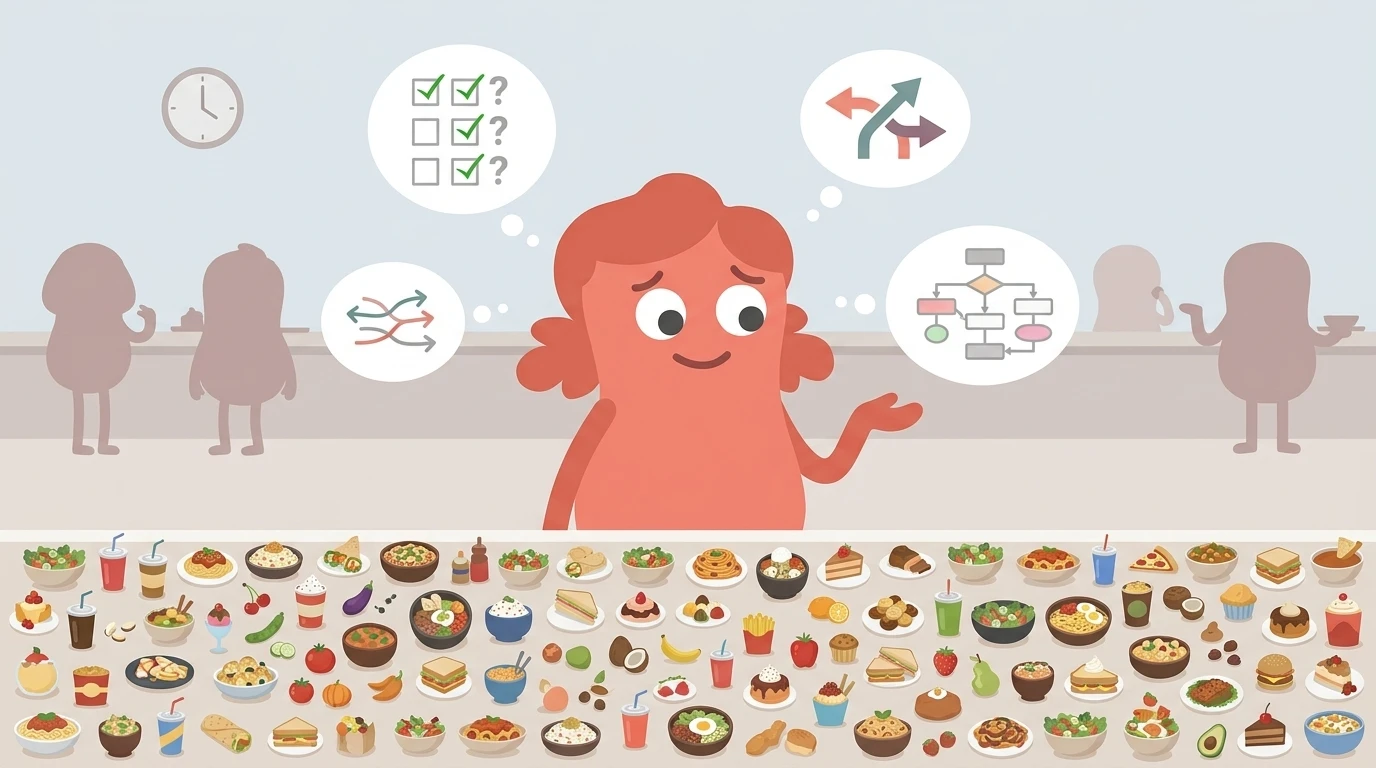
Illustration for the article: ADHD and Perimenopause: Navigating Hormonal Changes and Executive Function
June 9, 20267 min read

ADHD and Perimenopause: Navigating Hormonal Changes and Executive Function

Perimenopause amplifies ADHD symptoms through estrogen fluctuations that disrupt dopamine regulation, executive function, and emotional control. Women with ADHD face compounded challenges during this transition, requiring adjusted treatment strategies and self-compassion practices.

adhdAdult ADHDexecutive functionemotional regulation
Dana KimRead →
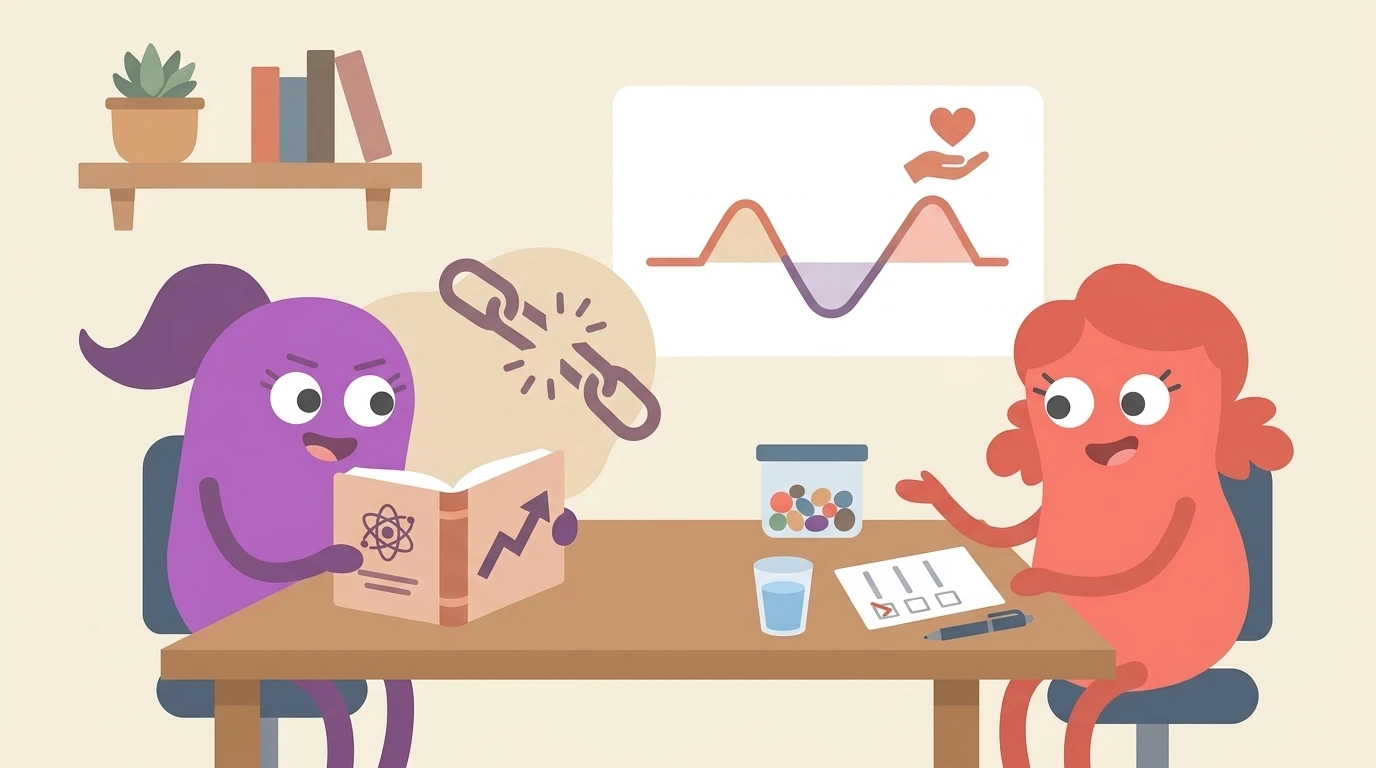
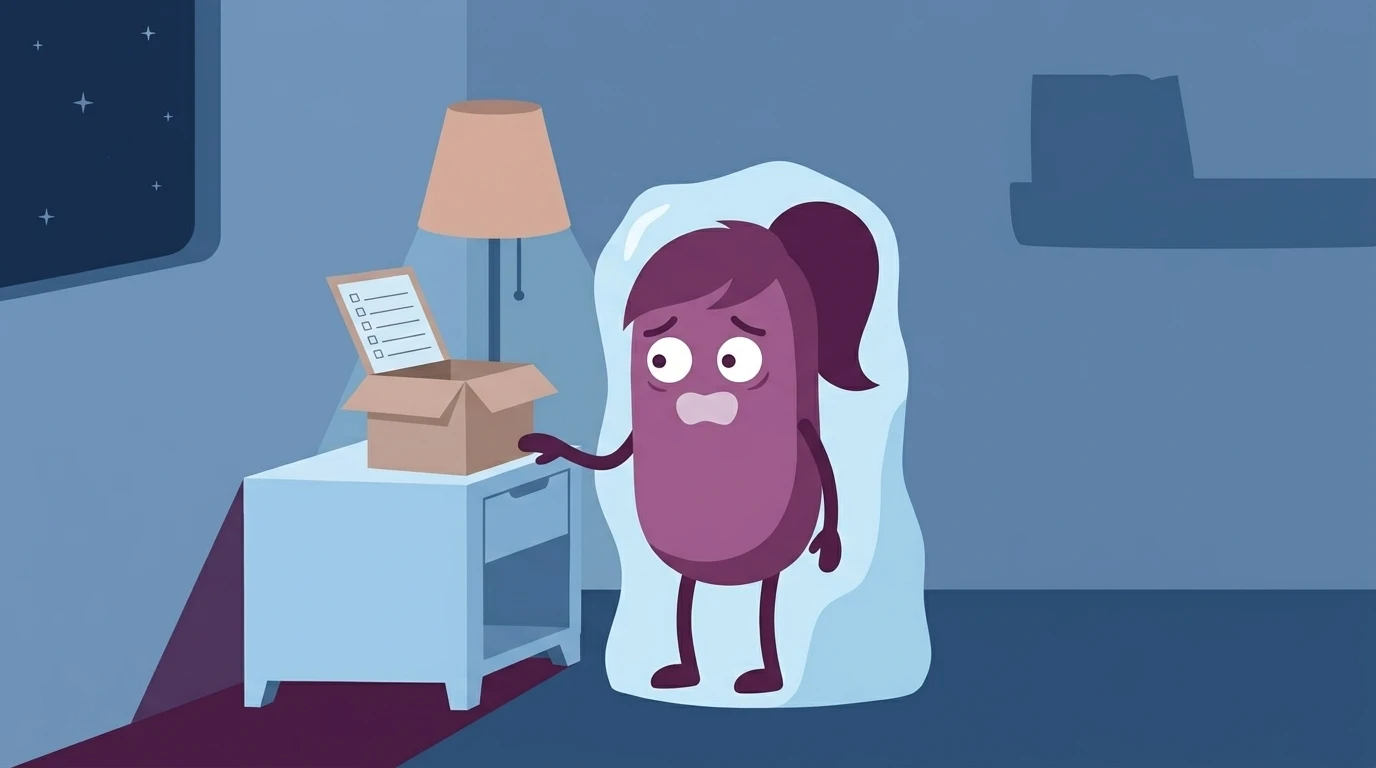
Illustration for the article: ADHD Paralysis: Why Your Brain Freezes and How to Break Free
May 29, 20267 min read

ADHD Paralysis: Why Your Brain Freezes and How to Break Free

ADHD paralysis is a state of cognitive overwhelm where the brain's executive functions shut down, making it impossible to start, switch, or complete tasks despite wanting to. This freeze response stems from impaired self-regulation systems, not laziness or lack of motivation.

adhdexecutive functionmental healthneuroscience
Dana KimRead →
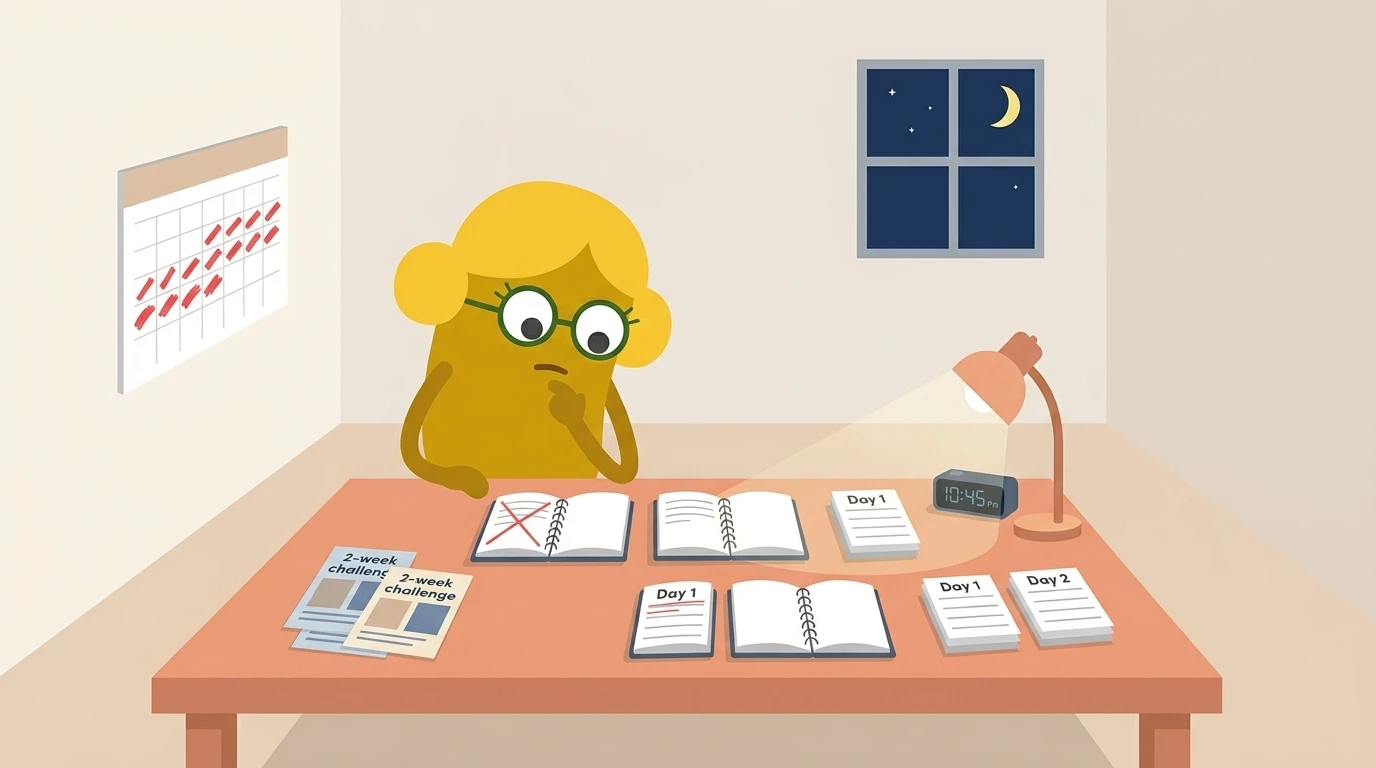
Illustration for the article: Low Cortisol and ADHD: Understanding the Hidden Connection
May 22, 20267 min read

Low Cortisol and ADHD: Understanding the Hidden Connection

**Low cortisol—a state of adrenal insufficiency or dysregulation—can amplify ADHD symptoms by depleting energy reserves, impairing focus, and disrupting the brain's stress-response systems.** While ADHD is primarily a dopamine-related executive function disorder, cortisol plays a critical supporting role in maintaining alertness, regulating inflammation, and modulating the body's response to daily demands. When cortisol levels drop too low, adults with ADHD often experience worsening brain fog, fatigue, and difficulty initiating tasks—creating a compounding effect that standard ADHD treatments may not fully address.

adhdneuroscienceexecutive functionMetabolic Health
Dana KimRead →
Illustration for the article: How Habits Actually Form in the Brain: The Neuroscience of Habit Formation
May 20, 20267 min read

How Habits Actually Form in the Brain: The Neuroscience of Habit Formation

neurosciencehabit formationdopaminebehavioral science
Rachel SteinRead →
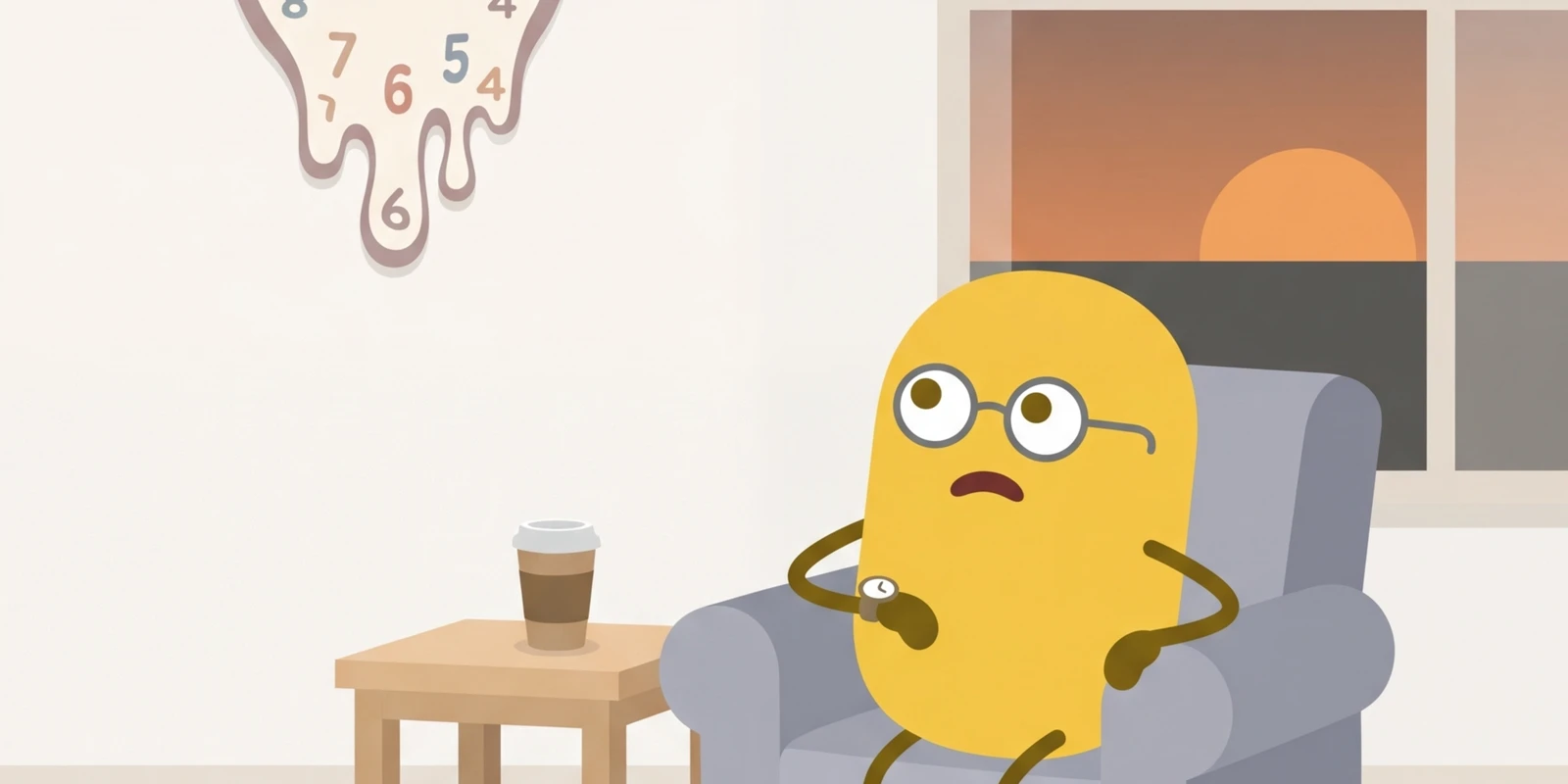
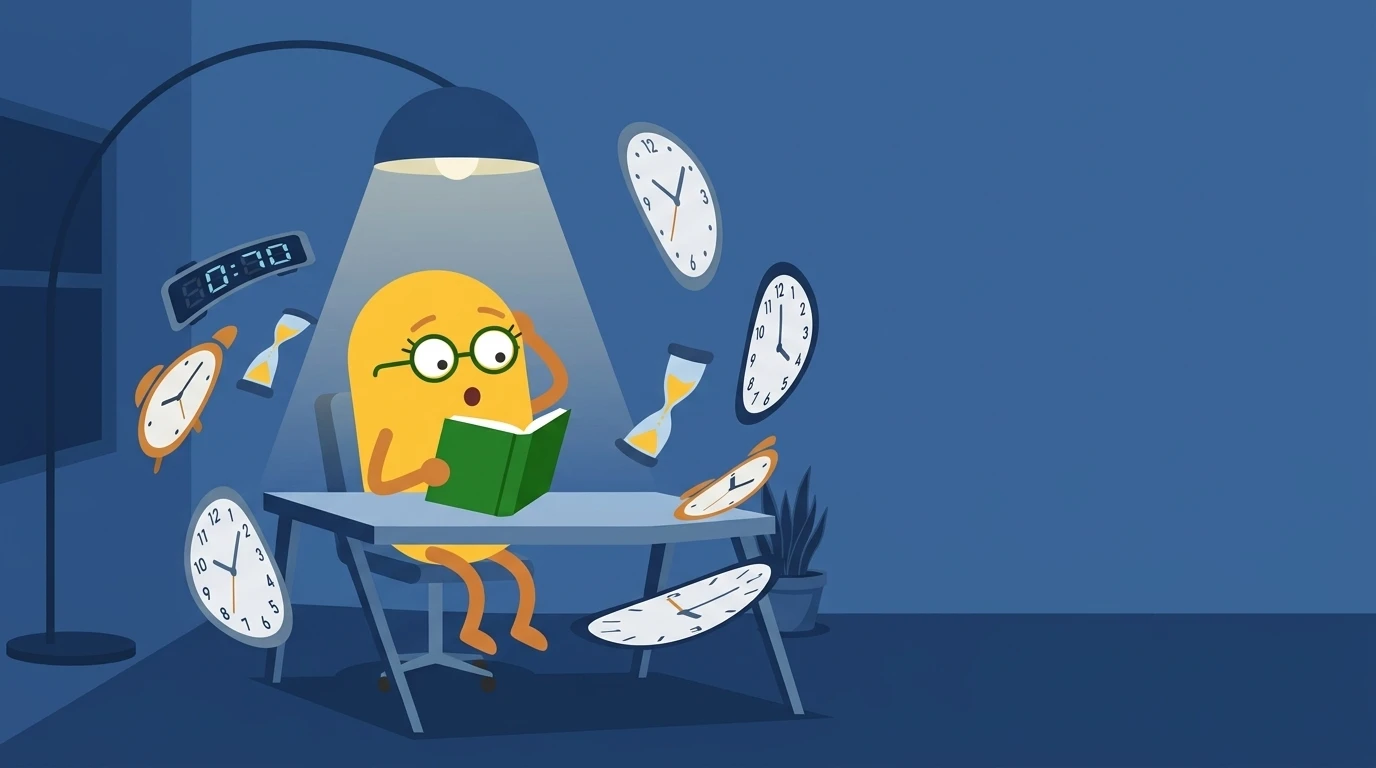
Illustration for the article: ADHD Time Blindness Strategies: Practical Tools to Compensate for Impaired Time Perception
May 20, 20267 min read

ADHD Time Blindness Strategies: Practical Tools to Compensate for Impaired Time Perception

Time blindness in ADHD isn't laziness—it's a neurological impairment in how the brain perceives and uses time. Learn the science behind it and practical strategies to compensate.

adhdexecutive functiontime managementneuroscience
Rachel SteinRead →
Illustration for the article: Dopamine Receptor Recovery After Quitting Porn: What Neuroscience Reveals
May 19, 20267 min read

Dopamine Receptor Recovery After Quitting Porn: What Neuroscience Reveals

Dopamine receptor recovery after quitting pornography is a gradual neuroplastic process, not permanent damage. Research shows the brain's reward circuitry can normalize through abstinence, though timelines vary by individual usage patterns and neurobiological factors.

dopamineNeuroplasticityaddiction recoverypornography
Dana KimRead →
Illustration for the article: Why Willpower Alone Cannot Beat Addiction: The Neuroscience
May 3, 202610 min readAddiction Recovery

Why Willpower Alone Cannot Beat Addiction: The Neuroscience

Addiction is not a willpower deficit — it is a structural brain condition that systematically dismantles the mechanisms willpower requires. The neuroscience is unambiguous, and understanding it changes everything about how recovery works.

addiction recoveryneurosciencebrain sciencewillpower
Dana KimRead →
Illustration for the article: The First 30 Days of Recovery: What Nobody Tells You
May 2, 202612 min readAddiction Recovery

The First 30 Days of Recovery: What Nobody Tells You

The first 30 days of addiction recovery are nothing like most people expect. From the pink cloud to the week-three wall to PAWS, here is what actually happens — and what helps people survive it.

addiction recoverywithdrawalrecovery timelinemental health
Dana KimRead →
Illustration for the article: What Happens in Your Brain During Withdrawal (And Why It Feels Like Dying)
May 2, 202611 min readAddiction Recovery

What Happens in Your Brain During Withdrawal (And Why It Feels Like Dying)

Withdrawal feels catastrophic because it is a real neurobiological crisis. Learn what dopamine depletion, CRF surges, and glutamate rebound actually mean for your brain — and why understanding the science helps people push through.

addiction recoveryneurosciencewithdrawalbrain science
Dana KimRead →
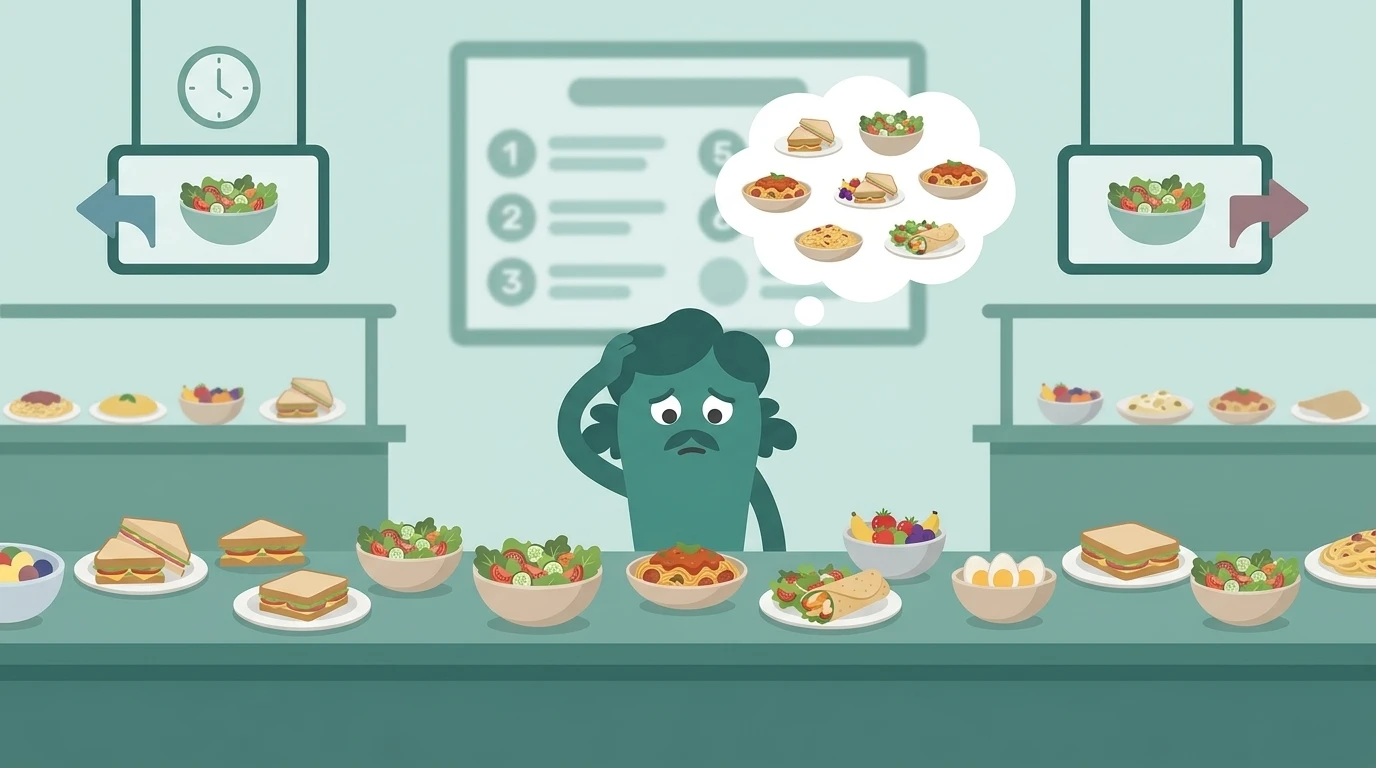
Illustration for the article: ADHD Decision Paralysis: When Every Choice Feels Impossible
May 1, 20267 min readADHD & Neurodivergence

ADHD Decision Paralysis: When Every Choice Feels Impossible

ADHD decision paralysis is the inability to choose between options — not because you don't care, but because the ADHD brain struggles to compare, prioritize, and commit. Working memory overload, emotional weight, and fear of making the wrong choice all compound into a freeze that can last hours or days.

adhdexecutive dysfunctionmental healthbehavioral change
Rachel SteinRead →
Illustration for the article: ADHD Paralysis vs Depression: How to Tell the Difference
April 30, 20267 min readADHD & Neurodivergence

ADHD Paralysis vs Depression: How to Tell the Difference

ADHD paralysis and depression both produce a 'can't move, can't start' experience — but the underlying cause and correct treatment are different. ADHD paralysis comes from dopamine-driven initiation failure; depression involves hopelessness and anhedonia. Getting this wrong means treating the wrong thing.

adhdmental healthexecutive dysfunctionneuroscience
Rachel SteinRead →
Illustration for the article: ADHD Paralysis vs Executive Dysfunction: What's the Difference?
April 30, 20267 min readADHD & Neurodivergence

ADHD Paralysis vs Executive Dysfunction: What's the Difference?

ADHD paralysis and executive dysfunction are related but distinct. Executive dysfunction is the umbrella term for impaired planning, initiating, and self-regulation. ADHD paralysis is a specific symptom — the freeze state when you can't start despite wanting to.

adhdexecutive dysfunctionmental healthneuroscience
Rachel SteinRead →
Illustration for the article: RSD vs BPD: How to Tell the Difference
April 29, 20268 min readADHD & Neurodivergence

RSD vs BPD: How to Tell the Difference

RSD and BPD both involve intense reactions to rejection, but they differ fundamentally: RSD episodes are brief, trigger-specific, and resolve quickly, while BPD involves chronic emotional instability, identity disturbance, and relationship cycling that persists between triggers.

adhdmental healthneurosciencerejection sensitive dysphoria
Rachel SteinRead →
Illustration for the article: RSD Treatment: Therapy, Medication, and Self-Help Strategies That Work
April 29, 20268 min readADHD & Neurodivergence

RSD Treatment: Therapy, Medication, and Self-Help Strategies That Work

RSD treatment includes alpha-2 agonist medications (guanfacine, clonidine) that directly target emotional reactivity, CBT adapted for ADHD, DBT distress tolerance skills, and structural strategies that reduce the behavioral consequences of rejection sensitivity.

adhdmental healthneurosciencebehavioral change
Rachel SteinRead →
Illustration for the article: Rejection Sensitive Dysphoria Symptoms: How to Know If You Have RSD
April 28, 20267 min readADHD & Neurodivergence

Rejection Sensitive Dysphoria Symptoms: How to Know If You Have RSD

Rejection sensitive dysphoria symptoms include sudden, overwhelming emotional pain triggered by perceived rejection, intense shame spirals, avoidance of opportunities, and rage or withdrawal that feels uncontrollable — even when the trigger seems minor to others.

adhdmental healthneurosciencerejection sensitive dysphoria
Rachel SteinRead →
Illustration for the article: Time Blindness Without ADHD: Can Anyone Experience It?
April 27, 20267 min readADHD & Neurodivergence

Time Blindness Without ADHD: Can Anyone Experience It?

Time blindness — the inability to sense time passing accurately — is most strongly linked to ADHD, but it appears in autism, depression, anxiety, chronic stress, and in neurotypical people under specific conditions. Understanding whether your time perception problems are ADHD-specific or have another cause changes which interventions actually help.

adhdmental healthneuroscienceexecutive dysfunction
Rachel SteinRead →
Illustration for the article: ADHD Time Blindness Test: Do You Lose Track of Time?
April 27, 20267 min readADHD & Neurodivergence

ADHD Time Blindness Test: Do You Lose Track of Time?

ADHD time blindness is the neurological inability to sense time passing from the inside — leading to chronic lateness, missed deadlines, and the experience of hours disappearing without warning. This self-assessment covers the key signs, how to identify whether your time perception problems are ADHD-driven, and what you can do about it.

adhdexecutive dysfunctionmental healthneuroscience
Rachel SteinRead →
Illustration for the article: RSD and ADHD: Why Rejection Hits Different
April 26, 20267 min readADHD & Neurodivergence

RSD and ADHD: Why Rejection Hits Different

Rejection sensitive dysphoria (RSD) and ADHD are deeply connected — up to 99% of adults with ADHD experience RSD. The ADHD brain processes rejection as a threat signal it cannot dampen, making emotional pain feel physical.

adhdmental healthneuroscienceexecutive dysfunction
Rachel SteinRead →
Illustration for the article: Dopamine Detox for ADHD: Why It's Different and How to Do It Right
April 25, 20267 min readADHD & Neurodivergence

Dopamine Detox for ADHD: Why It's Different and How to Do It Right

A dopamine detox for ADHD works differently than for neurotypical brains — and standard advice can backfire badly. Here's what the neuroscience says and what actually works for the ADHD dopamine system.

adhddopaminebehavioral changehabit breaking
Rachel SteinRead →
Illustration for the article: 5 Signs You're Addicted to Porn (And What to Do About It)
April 24, 20267 min readAddiction Recovery

5 Signs You're Addicted to Porn (And What to Do About It)

Porn addiction is defined not by how often you watch, but by compulsive use despite negative consequences — continuing when you've decided to stop, hiding use from people close to you, and finding that it's affecting your relationships, work, or mental health. Here are the 5 signs clinicians actually look for.

addiction recoveryporn addictioncompulsive behaviordopamine
Dana KimRead →
Illustration for the article: Porn Addiction: How to Recognize and Overcome It
April 22, 202611 min readAddiction Recovery

Porn Addiction: How to Recognize and Overcome It

Porn addiction affects more people than most admit. Learn the signs of compulsive pornography use, the neuroscience behind the dopamine cycle, and five evidence-based strategies to break free — including the role of community and accountability.

addictionpornographymental healthneuroscience
Dana KimRead →
Illustration for the article: What Behavioral Science Says About Changing Your Life (It's Not What You Think)
April 22, 20268 min readHabits & Behavioral Change

What Behavioral Science Says About Changing Your Life (It's Not What You Think)

Behavioral science shows most people fail to change because they rely on willpower and motivation rather than environment design, habit loops, and social accountability — the three factors research consistently identifies as decisive.

behavioral changehabit formationaccountabilityneuroscience
Rachel SteinRead →
Illustration for the article: The Science of Morning Routines: What Actually Works (Not the 5 AM Myth)
April 22, 20267 min readHabits & Behavioral Change

The Science of Morning Routines: What Actually Works (Not the 5 AM Myth)

A morning routine works when it matches your biology, not a productivity guru's schedule. Research shows consistency and sleep alignment matter far more than waking up at 5 AM. Here's what the science actually says about building a routine that sticks.

habit formationbehavioral changeaccountabilityneuroscience
Rachel SteinRead →
Illustration for the article: The Neuroscience of Breaking Bad Habits: Why Willpower Isn't Enough
April 21, 20267 min readHabits & Behavioral Change

The Neuroscience of Breaking Bad Habits: Why Willpower Isn't Enough

Breaking bad habits fails when you rely on willpower because the brain doesn't unlearn habits — it overwrites them. Here's what neuroscience actually says about why habits persist, and the specific strategies that create lasting behavioral change.

behavioral changehabit breakinghabit formationneuroscience
Rachel SteinRead →
Illustration for the article: Identity-Based Change: Why 'I Am' Beats 'I Should' Every Time
April 21, 20267 min readHabits & Behavioral Change

Identity-Based Change: Why 'I Am' Beats 'I Should' Every Time

Identity-based habits work by changing who you believe you are, not just what you do. Research shows that people who tie behavior to identity — 'I am a runner' vs 'I want to run' — sustain change far longer. Here's the science and how to apply it.

habit formationbehavioral changeaccountabilityself-control
Rachel SteinRead →
Illustration for the article: Decision Fatigue Is Killing Your Habits: The Science of Choice Overload
April 20, 20267 min readHabits & Behavioral Change

Decision Fatigue Is Killing Your Habits: The Science of Choice Overload

Decision fatigue is the mental exhaustion that builds each time you make a choice, eroding willpower and derailing habits by day's end. Here's what the research says and how to stop it.

habit formationbehavioral changeself-controlneuroscience
Rachel SteinRead →
Illustration for the article: When Atomic Habits Doesn't Work: What James Clear Left Out
April 20, 20267 min readHabits & Behavioral Change

When Atomic Habits Doesn't Work: What James Clear Left Out

Atomic Habits is a great system for solo behavior change — but it's missing three things that science says matter most: accountability, community, and external structure. Here's why the book fails for many people, and what to do instead.

habit formationbehavioral changeaccountabilityhabit stacking
Rachel SteinRead →
Illustration for the article: Why 80% of New Habits Fail (And the 3 Things That Actually Fix It)
April 19, 20267 min readHabits & Behavioral Change

Why 80% of New Habits Fail (And the 3 Things That Actually Fix It)

Most new habits fail within weeks — not because people lack willpower, but because the habit isn't designed to survive real life. Here's what the science says about why habits collapse and what reliably prevents it.

habit formationbehavioral changeaccountabilityneuroscience
Rachel SteinRead →
Illustration for the article: ADHD Medication and Exercise: Can You Do Both?
April 18, 20267 min readADHD & Neurodivergence

ADHD Medication and Exercise: Can You Do Both?

Yes, you can — and combining ADHD medication with regular exercise often produces better outcomes than either alone. Exercise boosts the same neurotransmitters your medication targets, and the two approaches work through complementary mechanisms.

adhdexercisefitnessneuroscience
Rachel SteinRead →
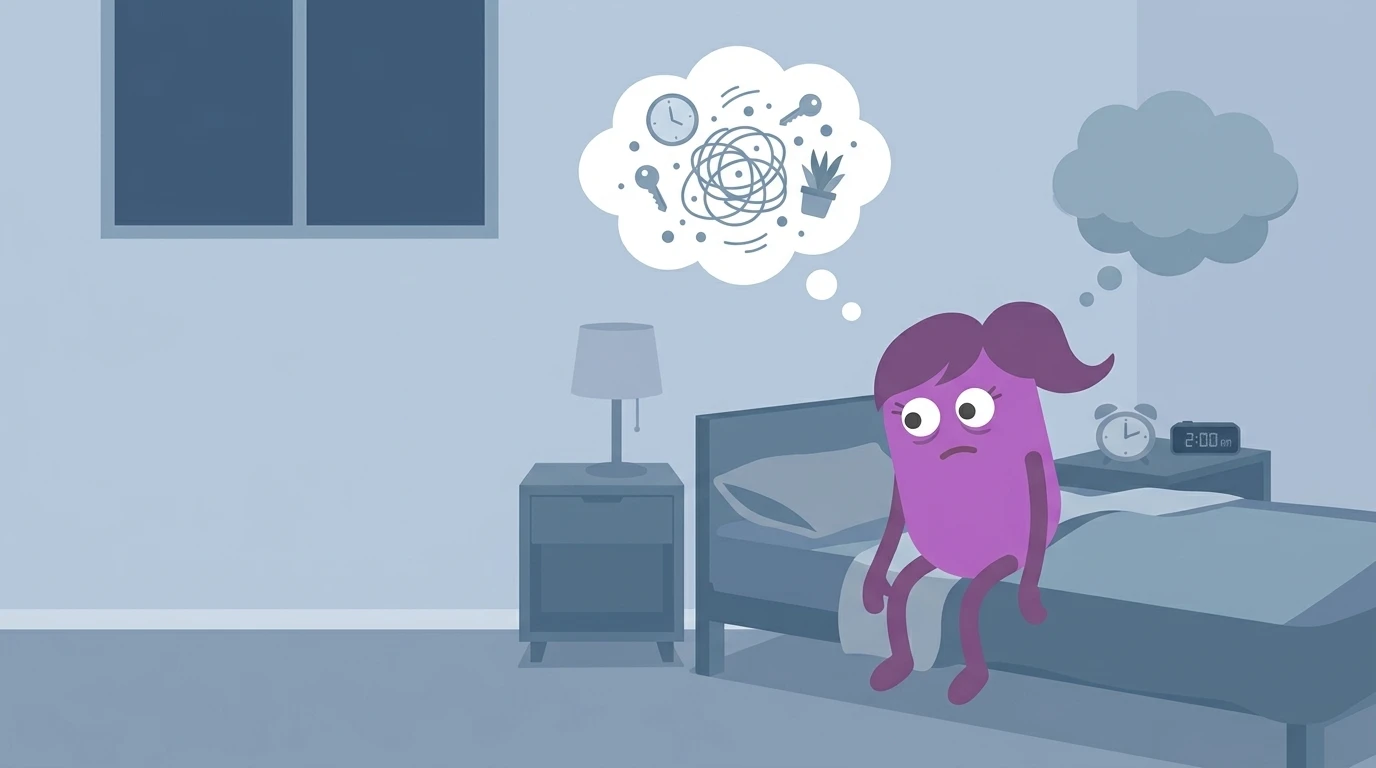
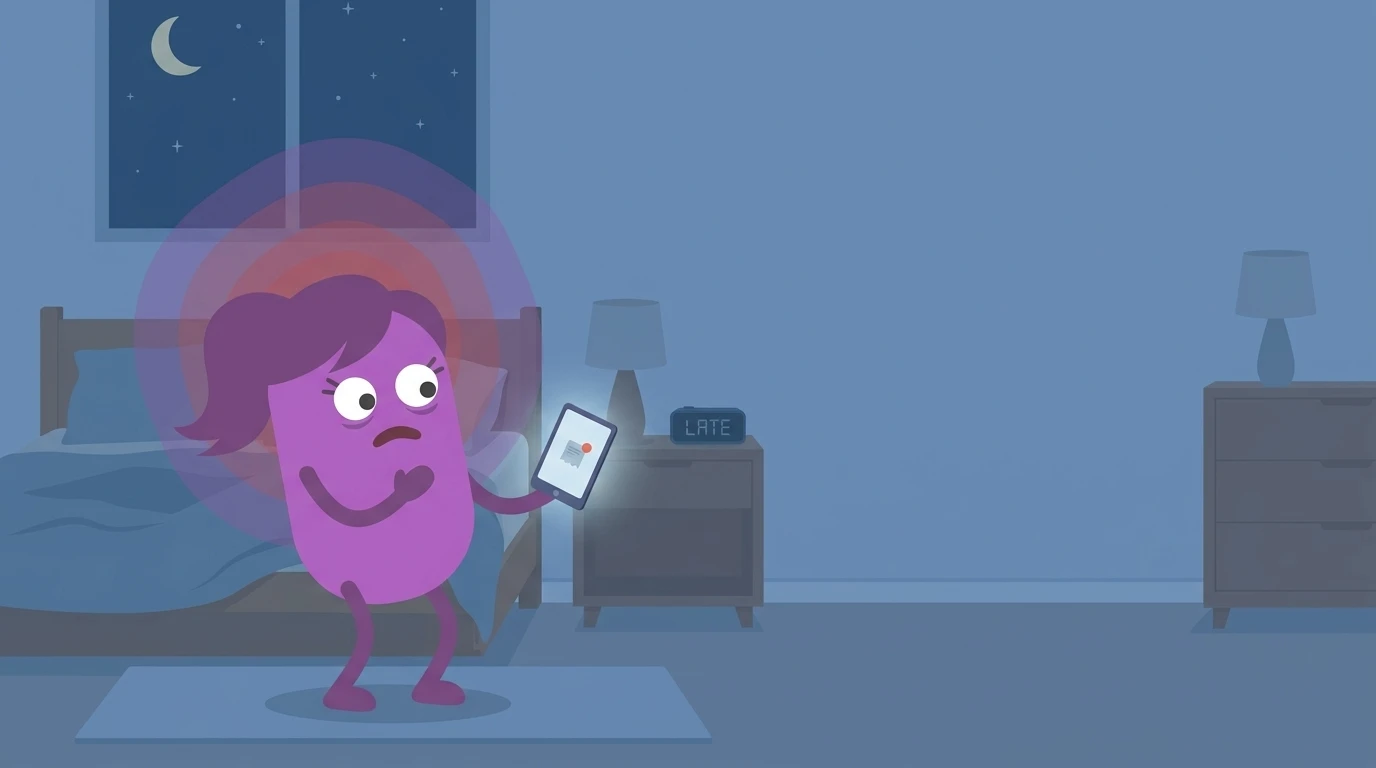
Illustration for the article: ADHD and Sleep: Why Revenge Bedtime Procrastination Hits Different
April 18, 20267 min readADHD & Neurodivergence

ADHD and Sleep: Why Revenge Bedtime Procrastination Hits Different

ADHD and sleep problems are neurologically linked — it's not laziness or bad habits. Delayed sleep phase, racing thoughts, and revenge bedtime procrastination are common ADHD experiences. Here's what causes them and what actually works.

adhdmental healthexecutive dysfunctionhabit formation
Rachel SteinRead →
Illustration for the article: What Is the Best Exercise for ADHD? A Research-Based Guide
April 17, 20267 min readADHD & Neurodivergence

What Is the Best Exercise for ADHD? A Research-Based Guide

The best exercises for ADHD are high-intensity aerobic activities like running, swimming, and martial arts — they raise dopamine and norepinephrine levels the same way stimulant medication does. Here's what the research says and how to actually stick with a routine.

adhdexercisefitnessdopamine
Rachel SteinRead →
Illustration for the article: The ADHD Shame Cycle: How Guilt Becomes Your Default Setting
April 17, 20267 min readADHD & Neurodivergence

The ADHD Shame Cycle: How Guilt Becomes Your Default Setting

The ADHD shame cycle is a feedback loop where executive dysfunction leads to failure, failure triggers shame, and shame impairs the very brain functions needed to try again. Understanding it is the first step to breaking it.

adhdmental healthexecutive dysfunctionbehavioral change
Rachel SteinRead →
Illustration for the article: Late-Diagnosed ADHD in Women: Why It Takes So Long and What to Do Now
April 16, 20268 min readADHD & Neurodivergence

Late-Diagnosed ADHD in Women: Why It Takes So Long and What to Do Now

Women with ADHD are diagnosed an average of 5 years later than men — not because their symptoms are milder, but because they mask differently. Here's why late diagnosis happens, what it costs, and the specific steps that help after you finally get answers.

adhdmental healthneuroscienceexecutive dysfunction
Rachel SteinRead →
Illustration for the article: ADHD and Emotional Regulation: Why You Feel Everything at Full Volume
April 15, 20267 min readADHD & Neurodivergence

ADHD and Emotional Regulation: Why You Feel Everything at Full Volume

ADHD emotional dysregulation means your brain's volume dial is stuck on maximum — every frustration, excitement, or disappointment hits harder and faster than it does for most people. Here's what the science says and what actually helps.

adhdmental healthneuroscienceexecutive dysfunction
Rachel SteinRead →
Illustration for the article: ADHD Burnout Is Different: How to Recognize It Before You Crash
April 14, 20267 min readADHD & Neurodivergence

ADHD Burnout Is Different: How to Recognize It Before You Crash

ADHD burnout is a state of complete physical and emotional exhaustion caused by sustained masking, overcompensation, and chronic stress — not laziness or weakness. Here's how to recognize the warning signs early and what actually helps.

adhdmental healthexecutive dysfunctionbehavioral change
Rachel SteinRead →
Illustration for the article: Alcohol and the 4 AM Wake-Up: Why Drinking Destroys Your Sleep
April 11, 20267 min readAddiction Recovery

Alcohol and the 4 AM Wake-Up: Why Drinking Destroys Your Sleep

Alcohol sedates you but doesn't produce sleep — it produces a neurologically different state that suppresses REM sleep, causes rebound arousal at 3-4 AM, and leaves you more tired than if you hadn't drunk at all. Here's the science and what to do instead.

addiction recoverymental healthneurosciencehabit breaking
Dana KimRead →
Illustration for the article: Why One More Bet Always Feels Rational: The Neuroscience of Gambling Addiction
April 11, 20268 min readAddiction Recovery

Why One More Bet Always Feels Rational: The Neuroscience of Gambling Addiction

Gambling addiction hijacks the brain's reward prediction system so completely that 'one more bet' genuinely feels like the logical choice. Understanding the neuroscience explains why willpower alone fails — and what actually breaks the cycle.

addiction recoverydopaminecompulsive behaviorbehavioral change
Dana KimRead →
Illustration for the article: Why Do I Keep Relapsing? The Neuroscience of Addiction Relapse
April 9, 20268 min readAddiction Recovery

Why Do I Keep Relapsing? The Neuroscience of Addiction Relapse

Relapsing doesn't mean you failed — it means your brain is doing exactly what addiction trained it to do. Here's the neuroscience behind why relapse happens, what makes it so predictable, and what the evidence says about breaking the cycle for good.

addiction recoverydopamineneurosciencebehavioral change
Dana KimRead →
Illustration for the article: The Social Media Dopamine Loop: How Variable Rewards Hijack Your Brain
April 9, 20267 min readAddiction Recovery

The Social Media Dopamine Loop: How Variable Rewards Hijack Your Brain

Social media addiction hijacks your brain's dopamine system through variable reward schedules — the same mechanism that makes slot machines addictive. Here's what the research shows about how it works and how to break the cycle.

addiction recoverydopaminebehavioral changecompulsive behavior
Dana KimRead →
Illustration for the article: Porn Addiction Recovery Timeline: Dopamine Receptor Healing Day-by-Day
April 8, 20267 min readAddiction Recovery

Porn Addiction Recovery Timeline: Dopamine Receptor Healing Day-by-Day

Porn addiction recovery follows a predictable timeline: acute withdrawal in the first two weeks, dopamine stabilization by 90 days, and lasting rewiring by one year. Here's what research and recovery data show about each phase — and what to expect at every stage.

addiction recoveryporn addictiondopaminehabit breaking
Dana KimRead →
Illustration for the article: Why Can't I Stop Watching Porn? The Neuroscience of Compulsive Use
April 7, 20267 min readAddiction Recovery

Why Can't I Stop Watching Porn? The Neuroscience of Compulsive Use

If you can't stop watching porn despite wanting to quit, it's not a willpower failure — it's neuroscience. Compulsive porn use rewires the brain's dopamine system the same way other behavioral addictions do. Here's what's happening and what actually helps.

addiction recoveryporn addictiondopaminecompulsive behavior
Dana KimRead →
Illustration for the article: How Long Does Porn-Induced ED Recovery Take? (60-120 Days)
April 7, 20267 min readAddiction Recovery

How Long Does Porn-Induced ED Recovery Take? (60-120 Days)

Most men recover from porn-induced erectile dysfunction in 60-120 days of abstinence — the time required for dopamine receptors to upregulate. Younger men typically recover faster. Here is the week-by-week timeline and what to expect at each stage.

porn addictionaddiction recoverydopamineneuroscience
Dana KimRead →
Illustration for the article: How Long Does It Take to Rewire Your Brain from Porn Addiction?
April 6, 20267 min readAddiction Recovery

How Long Does It Take to Rewire Your Brain from Porn Addiction?

Rewiring your brain from porn addiction takes 60–90 days for initial neurological changes, but meaningful recovery typically unfolds over 6–12 months. Here's what the research says about each stage and what actually accelerates healing.

porn addictionaddiction recoverydopamineneuroscience
Dana KimRead →
Illustration for the article: ADHD Task Paralysis: Why You Can't Start and What to Do About It
April 3, 20267 min readADHD & Neurodivergence

ADHD Task Paralysis: Why You Can't Start and What to Do About It

ADHD task paralysis is the specific inability to initiate a task despite wanting to do it — not procrastination, not laziness. It's a neurological failure in the brain's task-switching and activation systems, and there are evidence-based strategies that actually help.

adhdexecutive dysfunctionbehavioral changemental health
Rachel SteinRead →
Illustration for the article: ADHD Study Habits: Systems That Actually Work for the ADHD Brain
April 2, 20268 min readADHD & Neurodivergence

ADHD Study Habits: Systems That Actually Work for the ADHD Brain

ADHD study habits require systems built for how the ADHD brain actually works — not willpower. Here's what the research says about time-blocking, body doubling, and structured study sessions that produce real results.

adhdexecutive dysfunctionhabit formationaccountability
Rachel SteinRead →
Illustration for the article: ADHD Time Blindness: Why You Lose Track of Time and What Actually Helps
March 31, 20267 min readADHD & Neurodivergence

ADHD Time Blindness: Why You Lose Track of Time and What Actually Helps

ADHD time blindness is a neurological condition where the brain cannot accurately perceive or track the passage of time. It's not laziness or poor planning — it's a core feature of ADHD. Here's what causes it, how it disrupts daily life, and strategies that research shows actually work.

adhdexecutive dysfunctionneurosciencemental health
Rachel SteinRead →
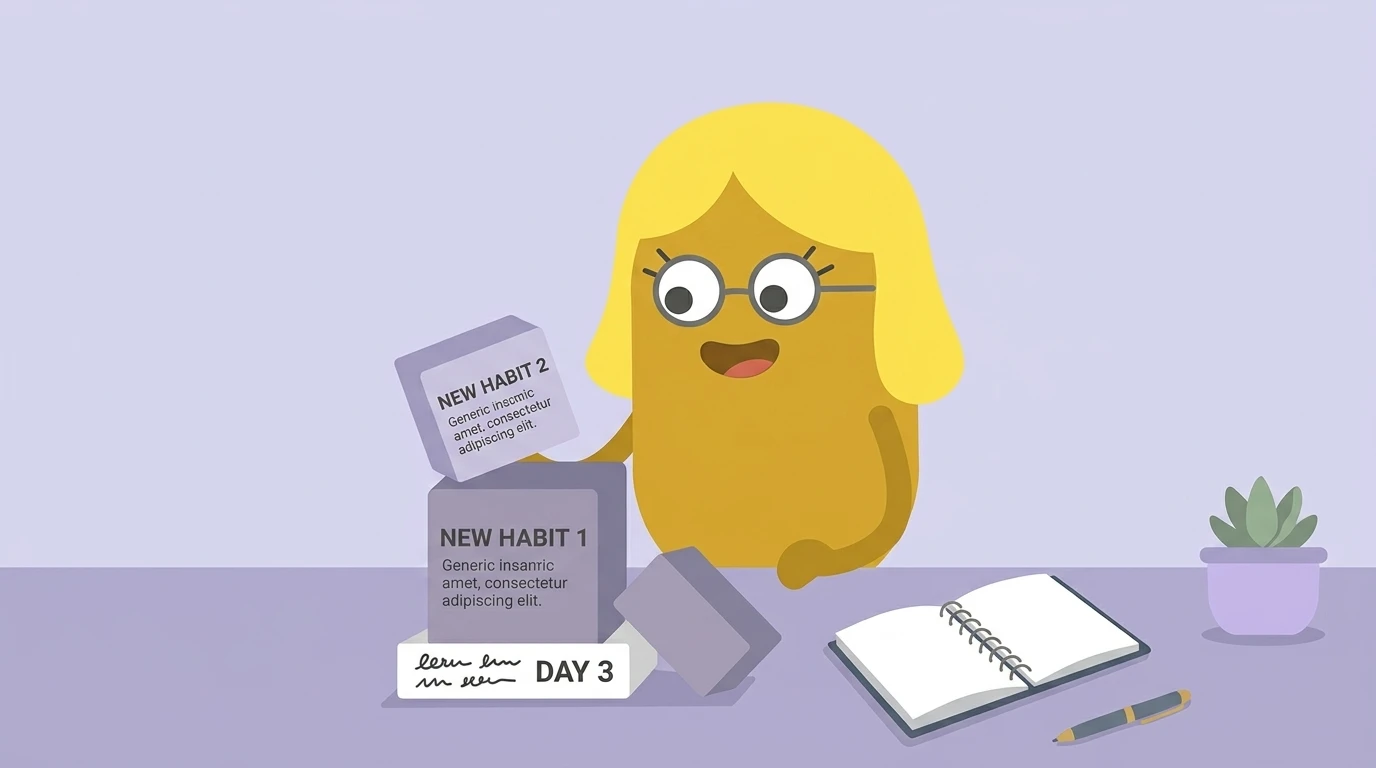
Illustration for the article: Habit Stacking: When It Works, When It Doesn't, and How to Do It Right
March 31, 20267 min readHabits & Behavioral Change

Habit Stacking: When It Works, When It Doesn't, and How to Do It Right

Habit stacking is a behavior change technique that links a new habit to an existing routine, making the new behavior automatic over time. Here's how to use it effectively, common mistakes that cause it to fail, and examples you can apply today.

habit formationbehavioral changeaccountabilityneuroscience
Rachel SteinRead →
Illustration for the article: What Is Rejection Sensitive Dysphoria? The Complete Guide to RSD
March 29, 20269 min readADHD & Neurodivergence

What Is Rejection Sensitive Dysphoria? The Complete Guide to RSD

Rejection sensitive dysphoria (RSD) is an intense emotional response to perceived rejection or criticism, commonly linked to ADHD. It's not a character flaw — it's neurological. Here's what causes it, how to recognize it, and what actually helps.

adhdmental healthneuroscienceexecutive dysfunction
Rachel SteinRead →
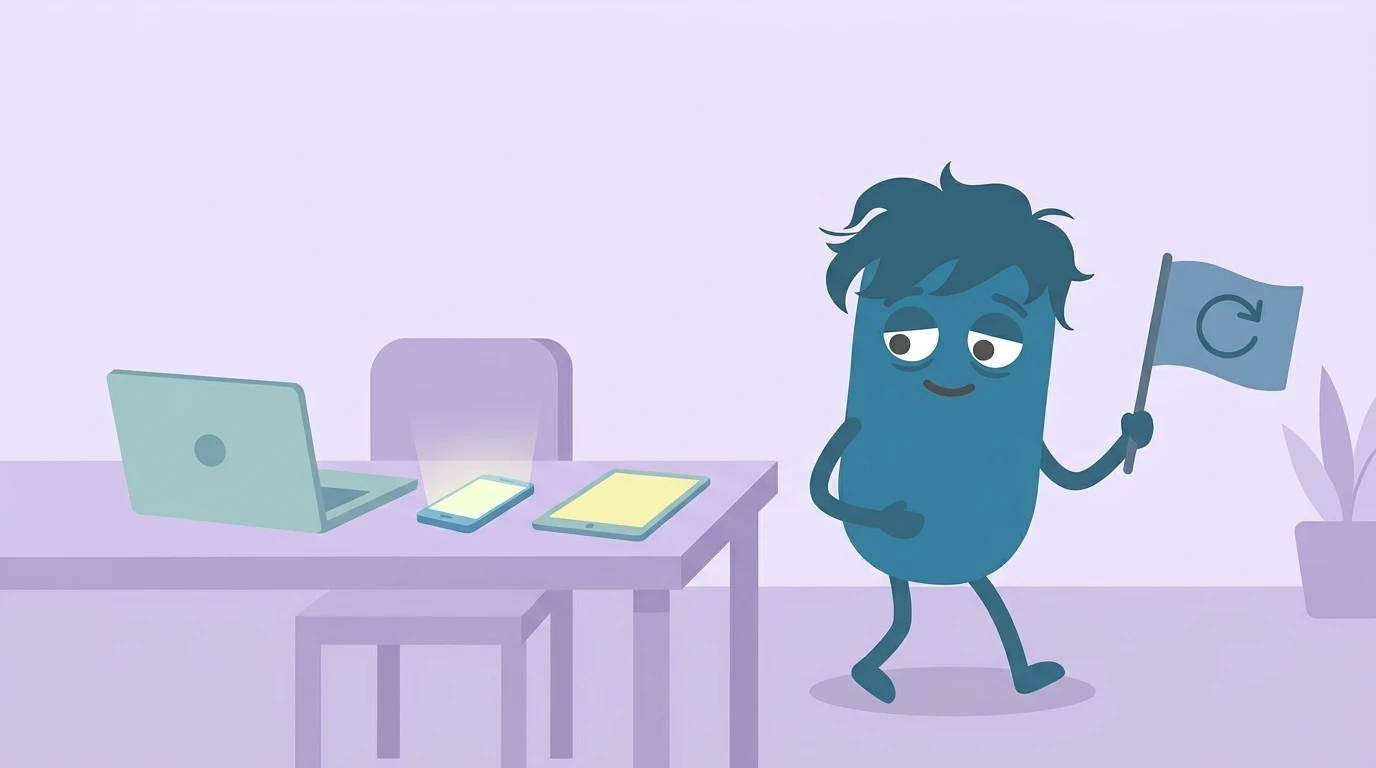
Illustration for the article: Dopamine Detox: What It Actually Is, What It Isn't, and How to Do One
March 29, 20268 min readAddiction Recovery

Dopamine Detox: What It Actually Is, What It Isn't, and How to Do One

A dopamine detox is a structured period of reducing high-stimulation activities to restore the brain's sensitivity to everyday rewards. Here's what the science says and how to do one that works.

addiction recoveryneurosciencedigital wellnessdopamine
Rachel SteinRead →
Illustration for the article: How to Stop Watching Porn: 7 Evidence-Based Strategies That Actually Work
March 28, 20268 min readAddiction Recovery

How to Stop Watching Porn: 7 Evidence-Based Strategies That Actually Work

Stopping pornography use is possible. Research shows the brain's reward circuits can rewire with sustained abstinence, accountability, and targeted behavioral strategies. Here are 7 evidence-based approaches — not willpower alone.

addiction recoverybehavioral changemental healthneuroscience
Dana KimRead →
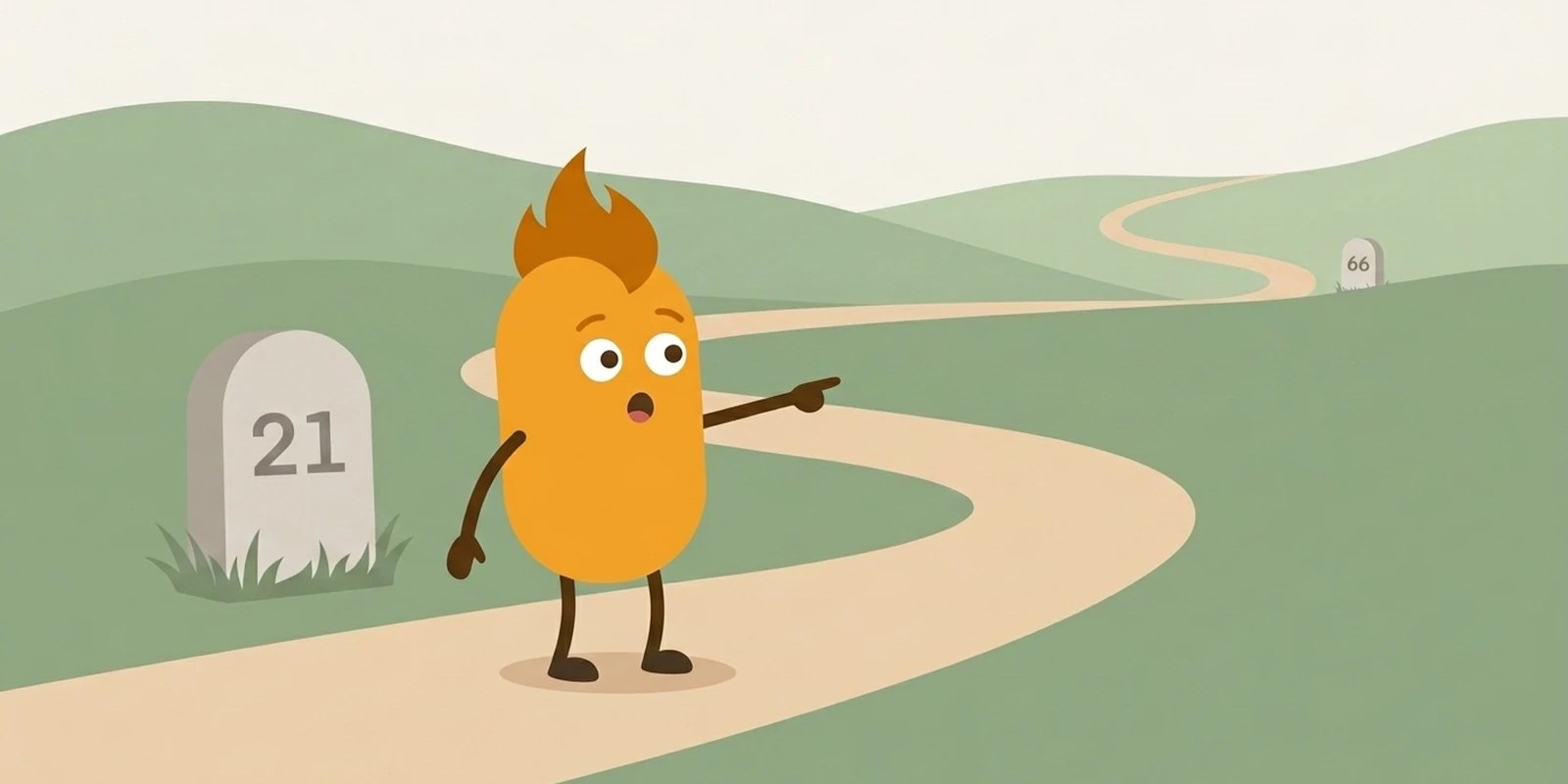
Illustration for the article: How Long Does It Actually Take to Form a Habit? (The 21-Day Myth Debunked)
March 28, 20267 min readHabits & Behavioral Change

How Long Does It Actually Take to Form a Habit? (The 21-Day Myth Debunked)

It takes an average of 66 days to form a habit, not 21. A 2009 UCL study by Phillippa Lally found the real range is 18 to 254 days, depending on the behavior's complexity. Here's what the research actually says.

habitsbehavioral changeneuroscienceproductivity
Rachel SteinRead →
Illustration for the article: ADHD Paralysis Is Not Laziness: What's Actually Happening in Your Brain
March 27, 20269 min readADHD & Neurodivergence

ADHD Paralysis Is Not Laziness: What's Actually Happening in Your Brain

ADHD paralysis isn't laziness — it's a neurological failure of executive function rooted in dopamine dysregulation. Here's what Barkley and Brown's research says is actually happening, and what actually helps.

adhdmental healthneuroscienceexecutive dysfunction
Rachel SteinRead →
Illustration for the article: Body Doubling for ADHD: The Science, How to Do It, and Where to Find a Partner
March 27, 20268 min readADHD & Neurodivergence

Body Doubling for ADHD: The Science, How to Do It, and Where to Find a Partner

Body doubling is the practice of working alongside another person to activate focus — and for ADHD brains, it's one of the highest-leverage productivity strategies available. Here's the science, how to do it, and where to find a partner.

adhdmental healthneuroscienceexecutive dysfunction
Rachel SteinRead →
Illustration for the article: Phone Addiction: Why You Check Your Phone 150 Times a Day and How to Stop
March 26, 20268 min readAddiction Recovery

Phone Addiction: Why You Check Your Phone 150 Times a Day and How to Stop

Phone addiction is a compulsive pattern of smartphone use driven by variable-ratio reinforcement — the same mechanism that makes slot machines hard to put down. Here's what the research says about symptoms, causes, and what actually works to break the cycle.

addiction recoverydigital wellnessneurosciencehabit building
Dana KimRead →
GetMotivated.ai

Behavioral health. Built with intention.

Structured support for ADHD, chronic health, recovery, focus, and long-term change.

Stay in the loop

Research, program launches, and behavioral health insights. Only useful updates.

By joining, you agree to receive emails from GetMotivated.ai. Unsubscribe anytime. See our Privacy Policy.

Explore

  • Browse Plans & Challenges
  • Challenges
  • ADHD Support
  • Health Support
  • Recovery Support
  • Blog
  • Creators
  • Sources
  • Tools
  • How It Works
  • Pricing

Topics

  • Focus
  • Habits
  • Work
  • Learn
  • Health
  • Life

Company

  • About
  • Contact
  • How We Research
  • Our Guarantee
  • Privacy
  • Terms

Work With Us

  • For Organizations
  • For Behavioral Health
  • For Education
  • Careers
  • Affiliates
  • Partners
  • Sponsors
Explore+
  • Browse Plans & Challenges
  • Challenges
  • ADHD Support
  • Health Support
  • Recovery Support
  • Blog
  • Creators
  • Sources
  • Tools
  • How It Works
  • Pricing
Topics+
  • Focus
  • Habits
  • Work
  • Learn
  • Health
  • Life
Company+
  • About
  • Contact
  • How We Research
  • Our Guarantee
  • Privacy
  • Terms
Work With Us+
  • For Organizations
  • For Behavioral Health
  • For Education
  • Careers
  • Affiliates
  • Partners
  • Sponsors

© 2026 GetMotivated.ai. All rights reserved.

PrivacyTerms

Calm structure. Clear next steps. Human accountability.