Environmental Design (First Line)
The most evidence-backed, accessible interventions don't rely on willpower at all. They restructure your environment so that checking your phone becomes harder, not easier.
Grayscale mode: Converting your phone display to grayscale removes the color cues that apps use to create urgency. Red notification badges, colorful thumbnails, the warm glow of social feeds — all are designed to capture attention. Grayscale makes the screen less visually appetizing. On iPhone: Settings → Accessibility → Display & Text Size → Color Filters. On Android: Developer Options → Simulate color space → Monochromacy. Most people report reduced impulsive checking within 24 hours.
App deletion (not just notification blocking): Deleting social apps from your phone and using browser-only access creates deliberate friction. You can still access the platform, but the 3-tap process to get there interrupts the autopilot reflex. Many users find that browser access cuts usage by 60-70% compared to having the app installed.
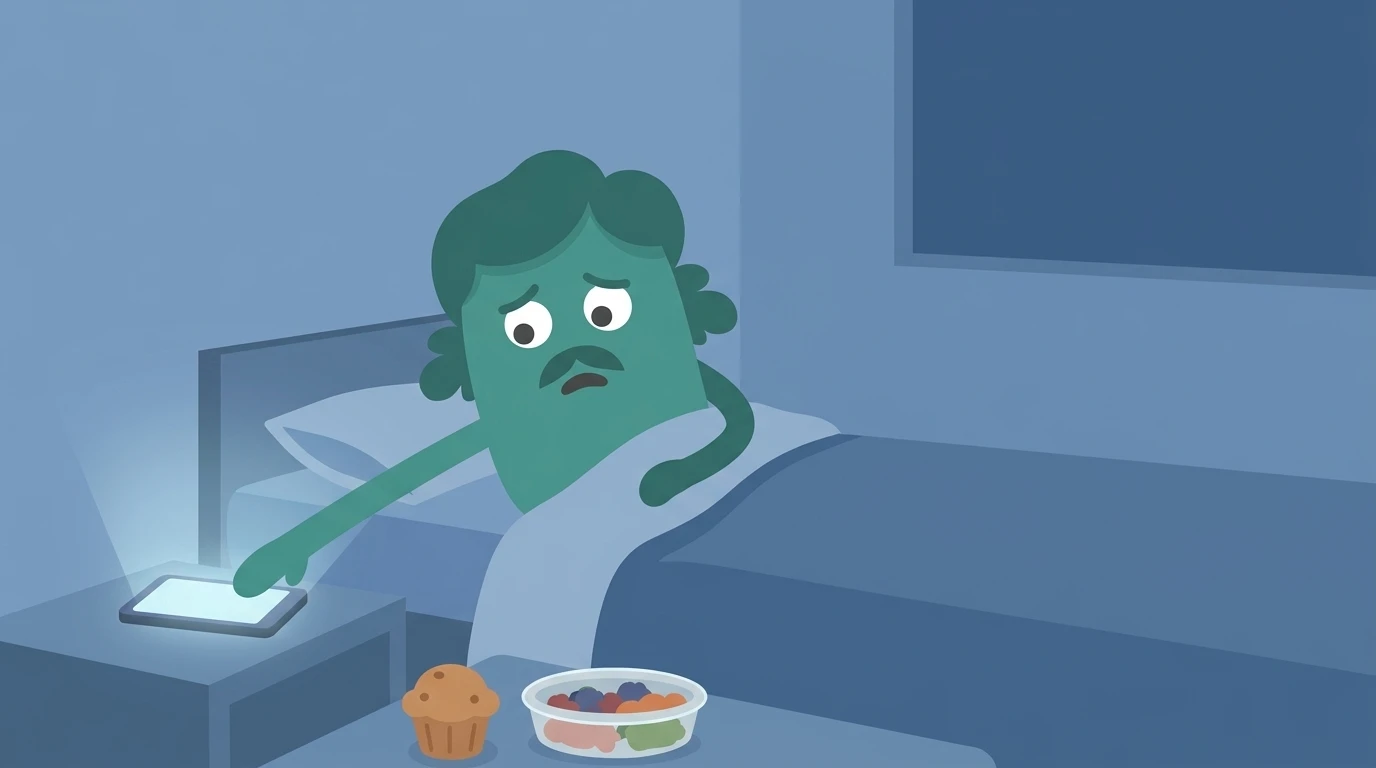
Phone-free zones: Designating specific physical spaces as phone-free — bedroom, dining table, car — works because the phone's absence removes the trigger. You can't compulsively check something that isn't there. The bedroom zone has the strongest research support, consistently improving sleep quality and morning mood.
Notification batching: Turning off all notifications and checking messages twice daily (noon and 6 PM, for example) eliminates the variable-ratio trigger entirely. You're no longer being intermittently buzzed into picking up your phone.
App-Based Interventions
Several apps address phone addiction through friction and tracking:
One Sec adds a one-second breathing animation before opening targeted apps. The brief pause interrupts the automatic reflex enough for conscious choice to re-engage. Users report 50%+ reductions in compulsive app opens.
Opal blocks apps on a schedule and makes bypassing the block genuinely difficult. It's designed to work even when you're trying to override it in a weak moment.
Freedom creates scheduled blocking sessions across both phone and computer, preventing cross-device switching when one device is blocked.
Apple Screen Time and Google Digital Wellbeing provide app limits and downtime scheduling, though they're easier to override than third-party solutions.
These tools address the behavioral pattern but not the underlying need that the phone is meeting — which is where structured programs become more effective.
Cognitive Behavioral Therapy (CBT) for Phone Addiction
For cases where phone addiction is significantly affecting relationships, work, or mental health, CBT adapted for behavioral addictions shows the strongest clinical evidence.
CBT for phone addiction typically targets:
• Identifying the need the phone is meeting — boredom, anxiety, loneliness, avoidance — and developing alternative responses
• Urge surfing: Learning to observe the craving to check without acting on it, recognizing it as a wave that peaks and passes
• Cognitive restructuring: Challenging the beliefs that make phone checking feel necessary ("I might miss something important")
• Behavioral activation: Rebuilding engagement with activities that don't involve screens
Not everyone needs formal therapy for this. But if environmental interventions haven't worked after 2-3 serious attempts, or if phone use is a response to significant anxiety or depression, a therapist with behavioral addiction experience is worth pursuing.
Phone Addiction Help: The Accountability Variable
Here's the pattern that research on behavioral change consistently shows: solo willpower-based attempts to reduce phone use have a completion rate of roughly 15%. This isn't a character flaw — it's structural. The phone is always available, the pull is always there, and there's no one checking on you when you cave at 11 PM.
Accountability partnerships improve behavioral follow-through rates to over 65% across multiple studies. The mechanism is straightforward: when someone else knows your goal and expects to hear how it's going, the cost of giving up increases. Shame avoidance is a stronger motivator than abstract intention.
This is why structured programs outperform solo willpower, and it's the core logic behind digital detox challenges.
How to Stop Phone Addiction: A Practical Protocol
Week 1: Audit and Environment
Days 1-2: Track your actual behavior before changing anything. Check your Screen Time or Digital Wellbeing dashboard. Note which apps consume the most time, what times of day you use your phone most, and what you're typically doing/feeling when you pick it up. Write it down — this is your baseline.
Days 3-7: Implement three environmental changes:
• Delete your top one or two time-consuming apps (or move them to browser-only)
• Set your phone to grayscale
• Create one phone-free zone (bedroom is highest impact)
Don't try to change everything at once. Three structural changes, sustained for a week, will reduce usage more than a total overhaul you abandon by day two.
Week 2: Replace, Don't Just Remove
The vacuum problem is real. If you remove the phone without adding anything, your brain will fill the gap with the path of least resistance — usually the phone. For each phone-free time block you create, plan a specific replacement:
• "No phone in bed" → keep a physical book on the nightstand
• "No phone during meals" → keep a conversation card deck on the table
• "No phone first 30 minutes of the day" → make coffee, stretch, step outside
The replacement activity doesn't need to be productive. It just needs to exist before you need it.
Week 3-4: Structured Detox
If Week 1-2 produced meaningful change, a more structured 7-14 day reduction period allows your dopamine system to recalibrate further. This is where the neuroscience of dopamine detox becomes directly relevant — sustained reduction in high-stimulation inputs allows receptor sensitivity to recover, making low-stimulation activities feel satisfying again.
Key principles for this phase:
• Tell people what you're doing (creates social accountability)
• Remove social apps entirely for the detox period
• Schedule daily physical movement during your highest-craving times
• Have an emergency plan for weak moments (call a friend, go for a walk, cold water)
How GetMotivated.ai Addresses the Accountability Gap
The apps that help most with phone addiction — One Sec, Opal, Freedom — solve the environmental problem well. What they don't solve is isolation. You're still trying to change your behavior alone, with no one to report to and no community of people doing the same thing.
GetMotivated.ai's Digital Detox Challenge addresses this directly:
• Structured daily protocol: Each day has specific targets and replacement activities — not just "use your phone less" but a concrete schedule for what to do instead
• Buddy matching: You're paired with someone also working on screen time reduction, creating the mutual accountability that solo apps can't provide. When Day 3 hits and the craving is loud, there's a real person expecting to hear from you
• Group challenge cohort: You're working alongside others tackling the same pattern. Reporting a difficult day isn't failure — it's expected, normalized, and met with support rather than judgment
• AI coaching: Helps identify your specific trigger patterns (is the phone a response to boredom, anxiety, or loneliness?) and builds a personalized reduction plan
While apps like Freedom and Opal block access effectively, they don't change the underlying behavior pattern. A challenge-based platform that combines environmental strategy with social accountability targets both.