Why Days 3-5 Are the Worst
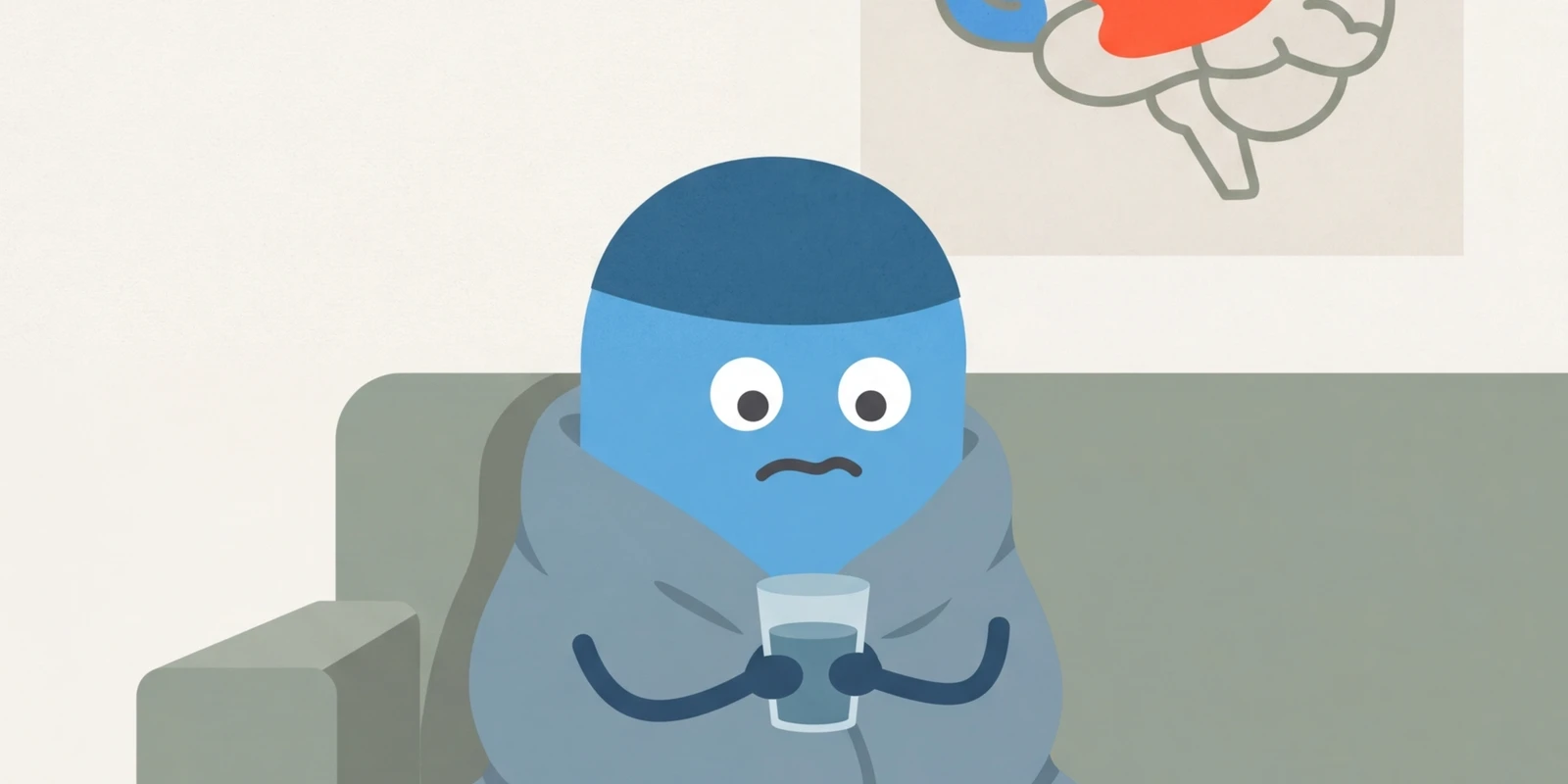
The acute withdrawal window — roughly days 1 through 7 depending on substance, duration of use, and individual neurobiology — represents the peak of neurological recalibration. Days 3-5 are typically the most physically and psychologically brutal for several converging reasons.
The substance is fully cleared. Most psychoactive substances are metabolized within 24-72 hours. By day 3, the chemical is largely absent while the adaptations the brain made to compensate for its presence are still fully active. This mismatch is withdrawal.
CRF levels peak. The elevated amygdala CRF that alcohol or opioids were suppressing now operates without any counter-pressure. The result is what individuals often describe as existential dread — a free-floating anxiety that feels physical, relentless, and sourceless, because its source is not an external threat but a neurochemical state.
Glutamate rebound (where applicable). For alcohol-dependent individuals, glutamate hyperexcitability peaks around days 2-4. Symptoms can include tremors, insomnia, racing heart, profuse sweating, hallucinations, and seizure. Medical supervision during this window is not optional — it is a matter of safety. Even those not at risk of seizure experience the cognitive and emotional chaos of an overstimulated nervous system.
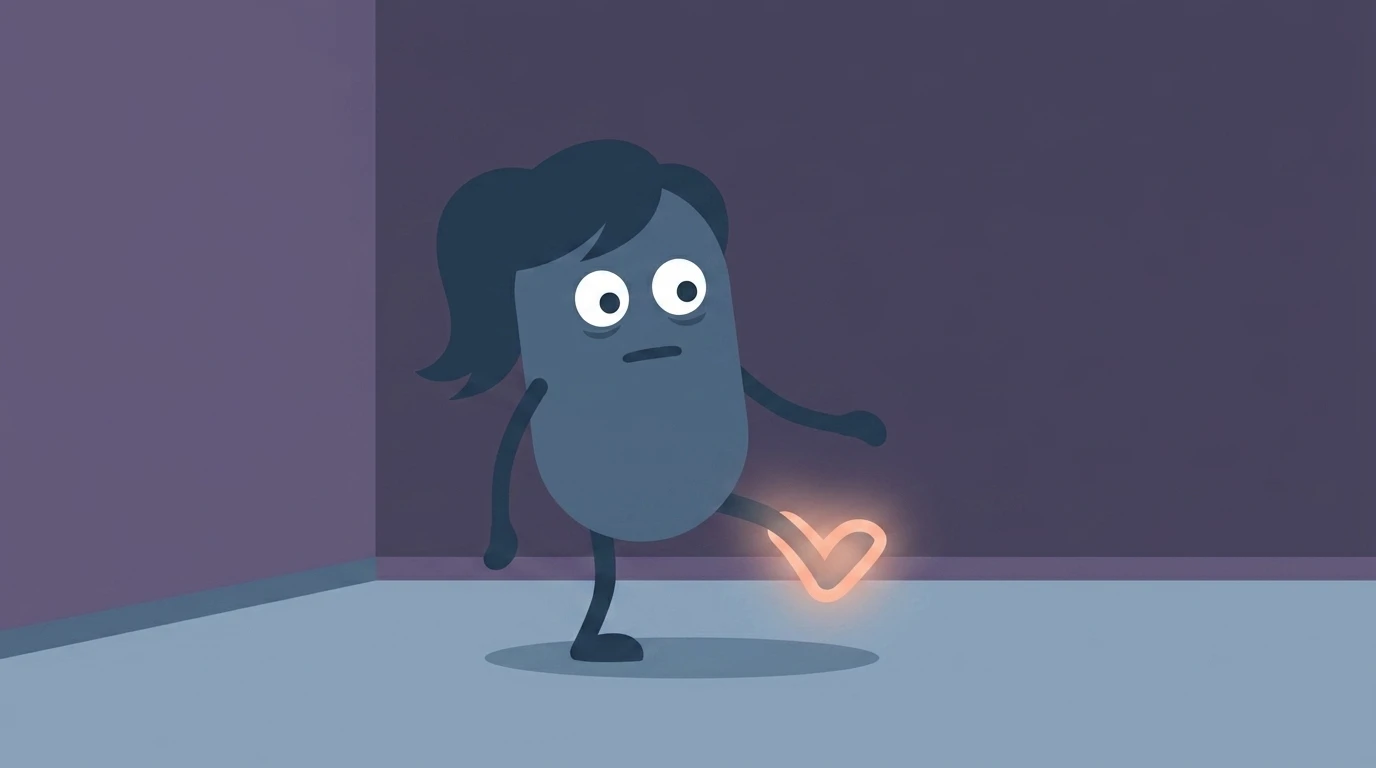
Dopamine remains profoundly suppressed. The downregulated reward system means that nothing feels good. Getting through a day does not feel like an accomplishment. Food is tasteless. Rest is not restorative. This is not depression as a mood state — it is the temporary but very real consequence of a reward system recalibrating toward a new baseline.
The combination — peak anxiety, sensory overexcitability, anhedonia, cognitive impairment, and physical symptoms — is why people who have been through serious withdrawal describe it as a period of genuine suffering that bears no resemblance to what non-addicted people imagine.
What Happens at 2-3 Weeks: Post-Acute Withdrawal
The acute phase resolves. Physical symptoms diminish. But the brain is not done recalibrating.
Post-acute withdrawal syndrome (PAWS) — sometimes called protracted withdrawal — describes the neurobiological changes that persist weeks to months after acute withdrawal ends. The underlying mechanisms are well-documented even if the syndrome itself remains underdiagnosed.
Dopamine receptor recovery is slow. Research on dopamine receptor density in people with opioid use disorder shows that recovery of D2 receptor density can take four to twelve weeks of abstinence. During this window, the world continues to feel muted. Motivation is genuinely blunted — not by weakness, but by a reward system still operating below normal baseline.
Cravings are memory, not chemistry. By weeks 2-3, the acute neurochemical storm has passed, but the brain has encoded powerful associative memories linking environmental cues to drug use. The amygdala and hippocampus encode these cue-reward associations with exceptional fidelity. A smell, a location, a time of day, an emotional state can trigger a dopamine anticipation signal that is neurologically indistinguishable from actual craving. Cognitive control over this response is limited by the same suppressed prefrontal cortex that impaired judgment during active use.
Sleep architecture is disrupted. Many substances — particularly alcohol, opioids, and benzodiazepines — artificially alter sleep stages. Alcohol suppresses REM sleep; removal causes REM rebound — vivid, often disturbing dreams and fragmented sleep. This can persist for weeks and represents one of the most underestimated sources of misery in early recovery. Sleep deprivation compounds every other symptom, amplifying anxiety, blunting emotional regulation, and undermining the decision-making capacity already under strain.
Mood remains dysregulated. The CRF-driven baseline anxiety established during addiction does not normalize immediately. Koob's allostatic model predicts that the emotional set point shifts downward — a hedonic deficit that feels like chronic low-grade depression or dysphoria. This is distinct from co-occurring depression (though both can be present) and resolves over time as the brain's stress systems recalibrate.
Why Understanding the Science Helps People Push Through
Knowledge of mechanism does not override the experience of suffering. But it changes the interpretive frame in ways that matter for survival.
It converts mystery into biology. The person who understands that their anhedonia is a function of downregulated D2 receptors undergoing recovery is less likely to conclude that sobriety is just a flat, empty life. They are more likely to understand it as a temporary neurobiological state with a documented recovery arc.
It reduces shame. The person who understands that cravings are encoded memory and amygdala activation — not moral failure — can respond to them differently. The response shifts from "I am broken" to "this is a neurological signal I have learned to navigate."
It provides a timeline. The worst of acute withdrawal typically resolves within 7-14 days for most substances. Dopamine receptor density, according to imaging research, shows meaningful recovery within 4-12 weeks. Sleep normalizes within 2-8 weeks for most individuals. These are imprecise estimates — individual variation is significant — but they establish that the suffering is bounded, not permanent.
It locates the real challenge correctly. Withdrawal is not the hardest part of recovery. The protracted adjustment period, the months of navigating a reward system still recalibrating, the persistent cue-reactivity in a world full of triggers — that is the sustained challenge. Understanding this allows preparation rather than surprise.
Why Support Systems Are Not Optional
The prefrontal cortex — the brain region that would normally help regulate impulses, anticipate consequences, and make strategic decisions — is the most impaired region in both active addiction and early withdrawal. This is the region most responsible for using willpower, making plans, and following through on commitments. It is the region that keeps a person in their bed at 3am instead of driving to find a way to relieve the withdrawal.
This is why the data on social support in addiction recovery is so consistent and so striking. Research from the National Institutes of Health consistently finds that people in recovery with strong accountability networks, structured daily check-ins, and peer support have significantly better long-term outcomes than those attempting solo recovery — not because they have more willpower, but because external structure compensates for the impaired internal regulatory machinery.
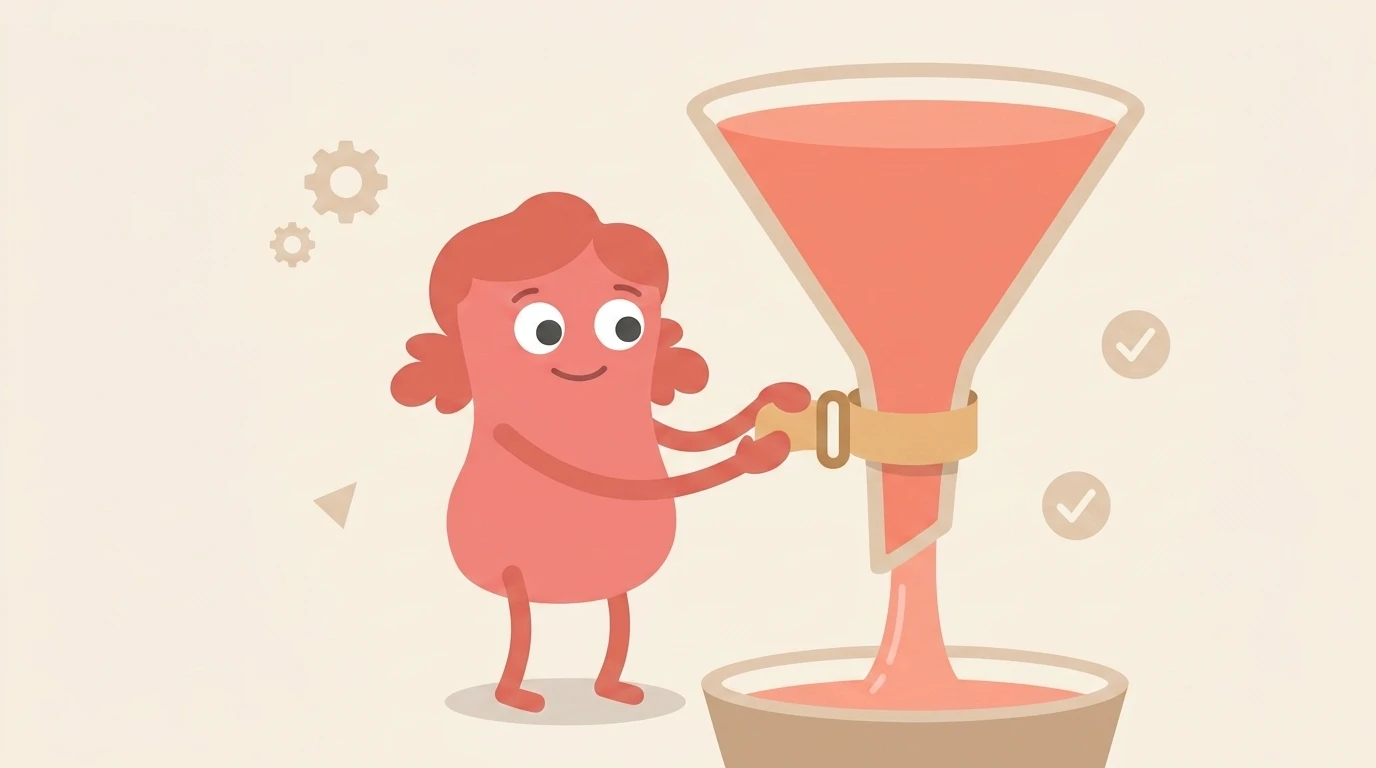
When the PFC is suppressed, a conversation with an accountability partner, a daily check-in, or a structured challenge schedule acts as external PFC scaffolding. It provides the structure the brain cannot reliably generate for itself.
Isolation is not just emotionally difficult during withdrawal — it is neurobiologically dangerous. Social connection activates opioid and oxytocin systems that partially compensate for the dopaminergic deficits of withdrawal. Loneliness, conversely, activates the same threat-detection circuits already overstimulated by CRF dysregulation. The combination is lethal in a measurable way.
How GetMotivated.ai Supports the Biology of Recovery
GetMotivated.ai is built around the same principle the neuroscience points toward: structure and social accountability compensate for impaired self-regulation.
The platform's addiction recovery challenges provide exactly what the suppressed prefrontal cortex needs — external structure, clear daily actions, and a community that holds the standard when internal motivation is neurobiologically unavailable. Daily check-ins are not motivational theater. They are behavioral anchors that bypass the need for willpower by making the action predictable and the social contract real.
AI coaching check-ins provide moment-to-moment support during the windows — evenings, weekends, stress peaks — when cravings are most likely and isolation most common. Buddy matching connects people with others at similar points in recovery, activating the social reward systems that partially offset dopamine deficits.
Structured recovery challenges provide progressive behavioral activation: the documented approach of building small, repeated wins to gradually rehabilitate a reward system that has lost its ability to respond to normal stimuli. Every completed check-in is a small dopamine signal in a system trying to remember how to fire.
The biology of withdrawal is not a reason for pessimism. It is a map. It explains why the first weeks are brutal, why PAWS is real, why willpower alone fails, and why connection and structure succeed. With that map, the path forward becomes less terrifying — not because it is easier, but because it is legible.
The Bottom Line
Withdrawal feels like dying because the brain is undergoing a real and significant neurobiological reorganization. Neurotransmitter systems built over years of adaptation do not reset in days. The amygdala's threat-detection machinery, the depleted dopamine reward system, the hyperexcitable glutamate network — these are not metaphors. They are documented changes in neural architecture that take time to reverse.
The suffering is real. It is also temporary. The research is clear that the brain does recover — D2 receptor density normalizes, CRF levels return to baseline, sleep architecture reconsolidates, and the prefrontal cortex reestablishes regulatory capacity.
What the research is equally clear on is that recovery happens faster and with significantly better long-term outcomes when it is not attempted alone. The mechanism is not mysterious: external structure and social support do the regulatory work the brain cannot yet do for itself.
That is the whole premise. And the neuroscience agrees.