What Nobody Tells You: PAWS
Post-Acute Withdrawal Syndrome is one of the most important concepts in addiction recovery and one of the least discussed in mainstream conversations about sobriety.
PAWS refers to a cluster of symptoms that persist well beyond acute withdrawal — sometimes for months, sometimes for up to two years depending on the substance, duration of use, and individual neurobiology. It was first described in the clinical literature in the 1990s and has been substantiated by decades of subsequent research.
PAWS symptoms include:
• Cognitive fog — difficulty concentrating, slow processing, memory gaps
• Mood instability — unexplained anxiety, irritability, or sadness
• Sleep disruption — insomnia, vivid dreams, hypersomnia
• Anhedonia — the inability to feel pleasure from activities that should produce it
• Cravings triggered by stress — not necessarily by the substance itself, but by any significant emotional load
The mechanism is neurological. Chronic substance use changes the structure and function of the prefrontal cortex — the part of the brain responsible for impulse control, decision-making, and emotional regulation. It dysregulates the dopamine system, affects GABA and glutamate balance, and alters the hypothalamic-pituitary-adrenal axis that governs stress response. Recovery means those systems rebuilding, and that takes far longer than thirty days.
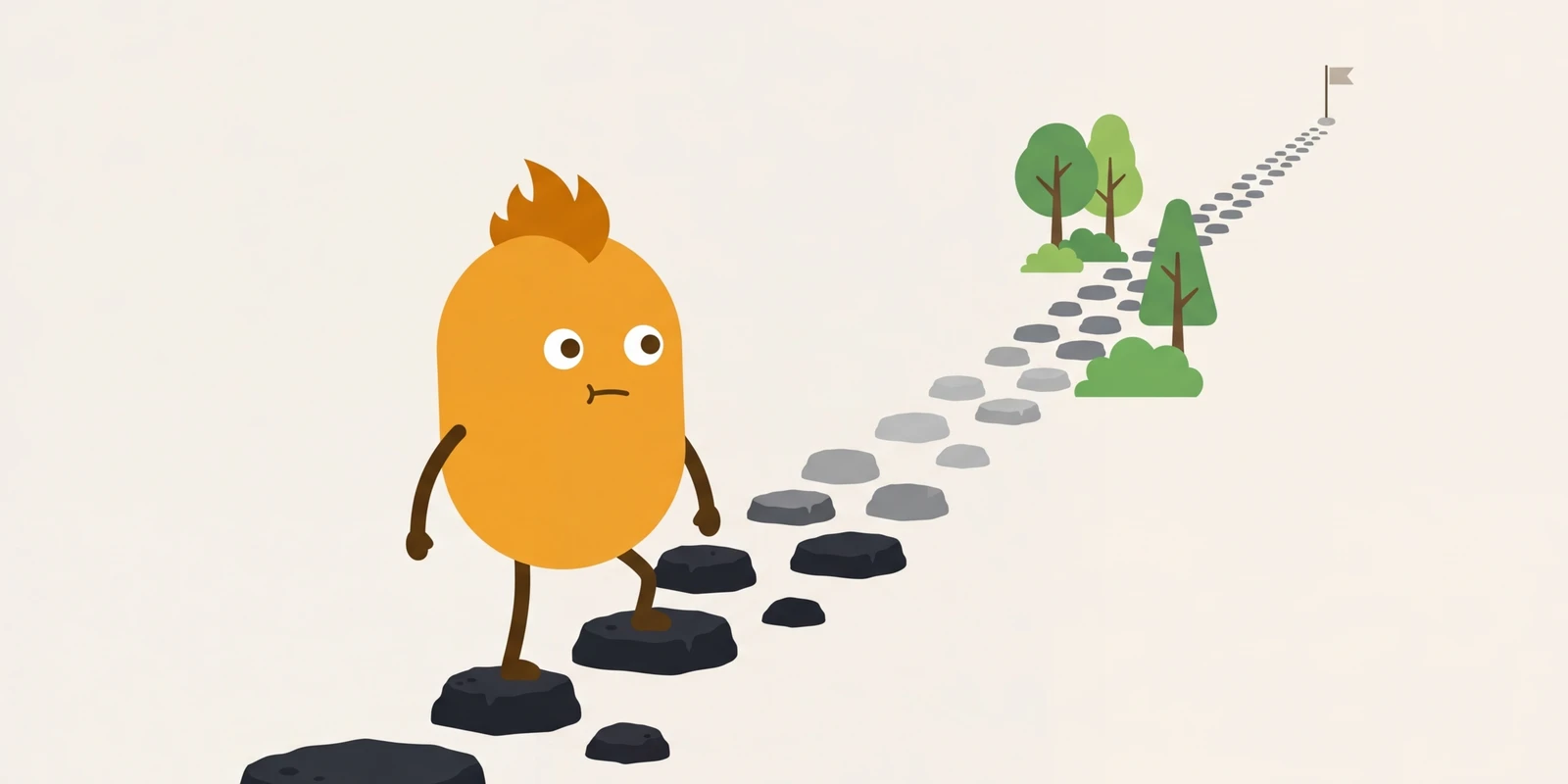
Understanding PAWS changes your relationship to the early months of recovery. A bad day at week six is not a sign of failure. Difficulty concentrating at month three is not a character flaw. The brain is healing, on its own timeline, and that timeline is not under your control.
Why Week Three Is the Danger Zone
Recovery programs know it. Therapists know it. People who've been through it know it.
Week three is when most early relapses happen.
The physical drama is gone. The motivation that comes with starting something new has worn off. The results you were expecting — clarity, improved relationships, better sleep — have not yet materialized in any stable way. And the flatline has set in.
The cognitive distortion that typically emerges sounds like: "I feel terrible either way. At least when I was using, I felt something."
This is the allostatic load talking. The brain, operating below its hedonic baseline, is comparing the current muted state to the artificial elevation of the substance. It is not a fair comparison. The substance elevated the baseline temporarily while simultaneously lowering it over time. Sobriety is allowing the baseline to rebuild — but that process is slow and nonlinear, and at week three, it may not be visible yet.
What helps at week three:
• Having a specific, pre-committed plan for high-risk moments (not a vague intention, an actual plan)
• Accountability structures that are activated whether you want them to be or not
• Physical movement — even short walks produce measurable effects on dopamine and mood
• Contact with other people in recovery who can normalize what you're experiencing
• Understanding PAWS, so that the flatline feels like a stage rather than a destination
The Identity Problem Nobody Mentions
There is a dimension of early recovery that substance abuse programs address and that mainstream conversations largely ignore: recovery requires rebuilding identity, not just behavior.
If you have used a substance regularly for any significant period, it has been woven into your routines, your social life, your sense of who you are. It may have been how you socialized. How you managed stress. How you ended the day. How you started it.
When you remove it, you don't just have a behavior gap. You have an identity gap.
Who are you in social situations without the substance? How do you relax? How do you reward yourself? What does Tuesday night look like?
These are not trivial questions. The absence of a default behavior is deeply uncomfortable. Many people fill the gap with other compulsive behaviors — sugar, screens, overworking — not because they lack willpower but because the nervous system is genuinely seeking regulation.
The work of early recovery is not just abstinence. It is constructing a new structure for daily life, one that provides genuine regulation, connection, and meaning. This is slower and harder than stopping the substance, and it does not happen in thirty days.
What Actually Helps
The research on early recovery outcomes is reasonably consistent about a few things:
Social support is the strongest predictor of sustained recovery. Not willpower. Not motivation. Not insight. Connection to other people who are engaged in the same process, who can be present on a bad night, who normalize the experience, who hold you accountable without judgment.
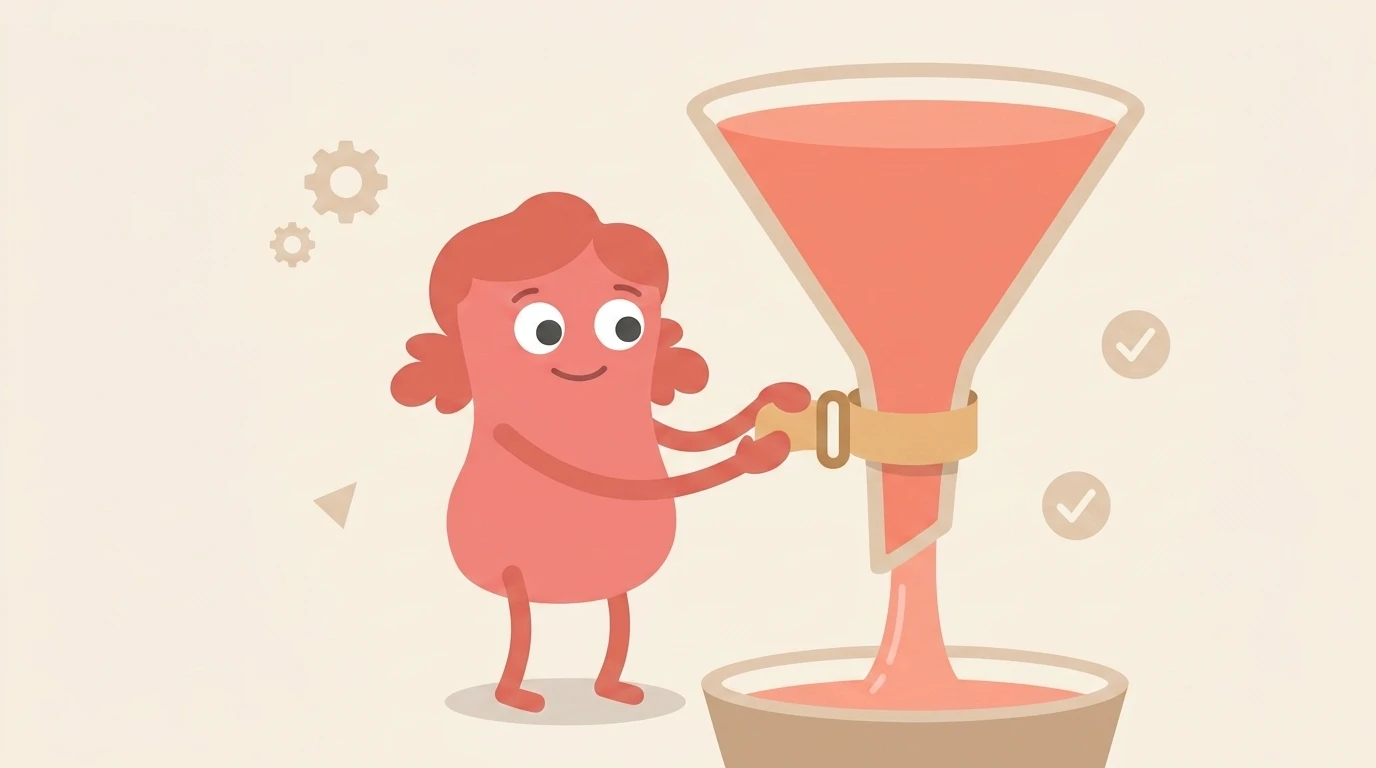
Structure reduces relapse risk. Unstructured time is a known risk factor in early recovery, particularly in weeks two through four. Having a daily framework — even a simple one — reduces the cognitive load of navigating each day from scratch.
Daily check-ins outperform weekly ones. Research on behavioral change generally, and recovery specifically, shows that the frequency of accountability contact matters. A weekly therapy appointment is valuable. A daily check-in — even brief — is more so, because it creates a rhythm of accountability that aligns with the neurological reality of early recovery.
Exercise produces measurable neurochemical effects. A 2020 meta-analysis in the journal Drug and Alcohol Dependence found that aerobic exercise reduced cravings and improved mood outcomes in substance use disorder treatment. This is not a soft lifestyle recommendation. It is a documented intervention.
Expectations need calibration. People who expect to feel dramatically better by day thirty are often disappointed, and disappointment is a relapse risk. The thirty-day mark is real progress — it represents neurological change that is measurable. It is not, however, the finish line. It is closer to the end of the beginning.
Where GetMotivated.ai Fits
Recovery does not happen in isolation, and it does not happen in weekly appointment slots.
GetMotivated.ai was built for exactly the kind of daily, sustained engagement that recovery requires. The platform provides structured daily check-ins that create accountability rhythm. It pairs you with an accountability buddy who understands what you're working through. It offers structured recovery challenges designed around the actual research on behavior change — not generic motivation, but structured daily actions mapped to where you are in the process.
The AI coaching component gives you a space to process what you're experiencing without having to wait for a scheduled session. The buddy matching connects you with someone who is further along the same path, or walking it alongside you in real time.
The first thirty days are hard. The evidence says that support structure, daily accountability, and community are what get people through them. Not willpower alone. Not information alone. Structure, contact, and a system that shows up whether or not you feel like it.
The Bottom Line
The first thirty days of recovery are not what most people expect. The physical withdrawal passes faster than anticipated. The psychological and neurological recalibration takes longer. PAWS is real and frequently invisible until you know to look for it. Week three is the danger zone, and it is survivable with the right structure in place.
You are not failing when recovery feels hard. You are not weak when week three flattens you. You are going through a documented neurological process that takes time, support, and structure.
The brain does heal. The baseline does rebuild. Sleep returns. Pleasure returns. The identity work takes longer, but it produces something the substance never did: a self that is actually yours.
Thirty days is not the destination. It is proof that the destination is real.