GetMotivated.ai Logo
How It WorksBlogLog in
  1. Home
  2. /
  3. Blog
  4. /
  5. habit formation
← All posts

habit formation

44 posts tagged with "habit formation"

Next time you search, our newest guide shows up.

How to Get Motivated to Clean When Depressed
September 10, 20265 min readMental Health

How to Get Motivated to Clean When Depressed

Practical, research-backed steps for cleaning your home when depression has drained your motivation and executive function.
depressioncleaningexecutive dysfunctionmotivation
Rachel SteinRead →
Motivation vs. Discipline: What Actually Predicts Follow-Through
September 8, 20265 min readHabits & Behavioral Change

Motivation vs. Discipline: What Actually Predicts Follow-Through

Motivation fades and willpower-style discipline runs out. What predicts follow-through is a system: specific if-then plans, routines that remove decisions, and protecting a limited resource instead of demanding more of it.

motivationself-controlhabit formationgoal setting
Rachel SteinRead →
Illustration for the article: How to Stop Procrastinating on Studying (Start With the Easy Question)
August 23, 20268 min readHabits & Behavioral Change

How to Stop Procrastinating on Studying (Start With the Easy Question)

You're not avoiding the work. You're avoiding the feeling that you can't do it. Research-backed method: start with the easiest question, not the exam.
productivitystudyingmotivationmental health
Rachel SteinRead →
Illustration for the article: How to Stop Procrastinating: What Actually Works When You Can't Start
August 22, 20268 min readHabits & Behavioral Change

How to Stop Procrastinating: What Actually Works When You Can't Start

Procrastination isn't laziness. It's your brain avoiding a bad feeling. Here's the research, and a 10-minute method tested on 1,035 people.
productivitymotivationhabit formationfocus
Rachel SteinRead →
Illustration for the article: The Celebration Technique: Why Emotion Creates Habits
August 5, 20269 min readHabits & Behavioral Change

The Celebration Technique: Why Emotion Creates Habits

BJ Fogg's celebration technique says the fastest way to wire in a habit is to feel a genuine flash of positive emotion the instant you finish it. Emotions create habits — not repetition, not willpower.
habit formationneurosciencebehavioral changedopamine
The GetMotivated.ai TeamRead →
Illustration for the article: 20 Tiny Habits Examples That Actually Stick
August 4, 20269 min readHabits & Behavioral Change

20 Tiny Habits Examples That Actually Stick

Twenty ready-to-use Tiny Habits recipes across mornings, work, health, and focus — each written as 'After I [anchor], I will [tiny behavior]' so you can copy one and start today.
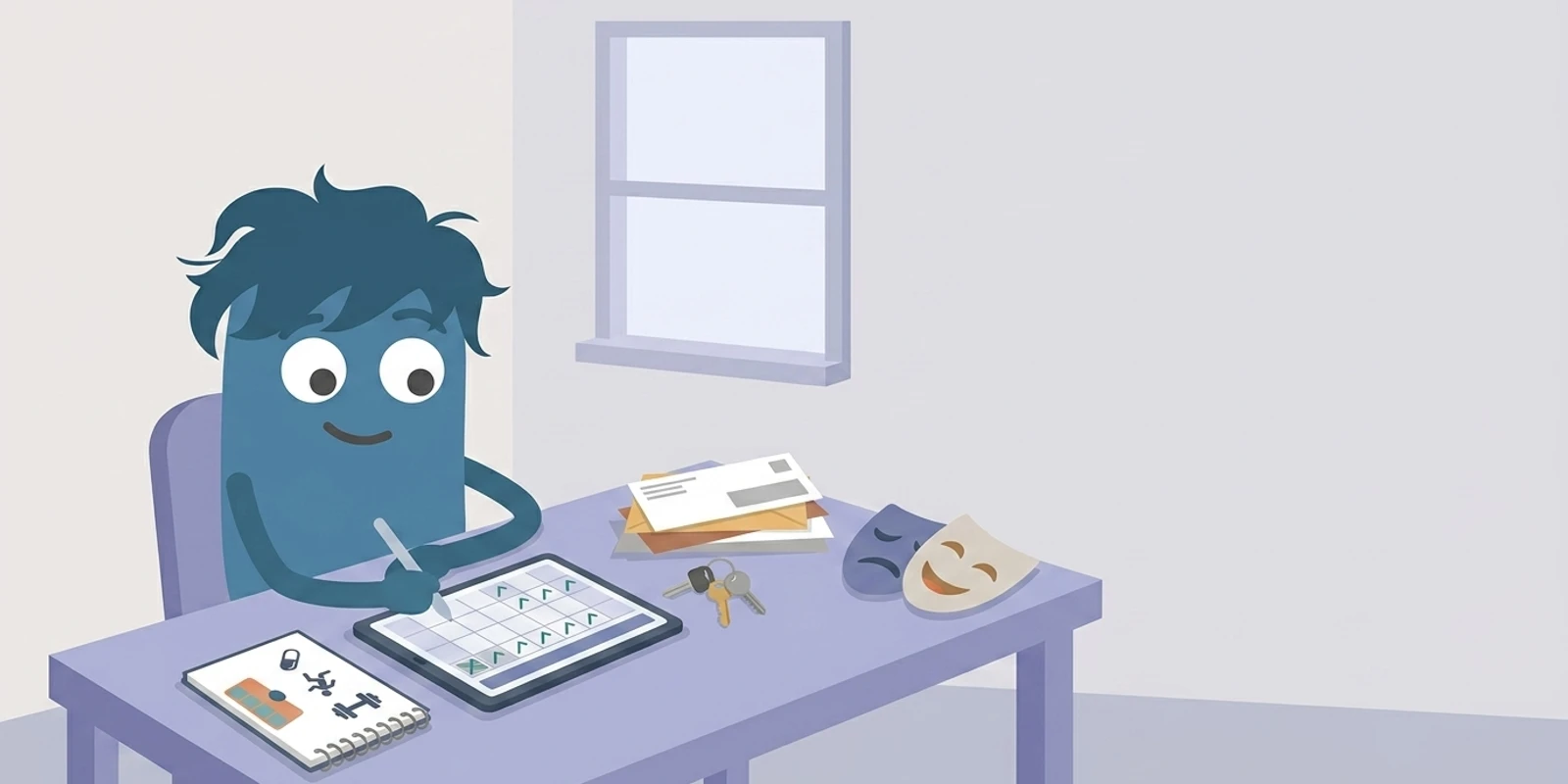
habit formationhabit stackingbehavioral changeself-control
The GetMotivated.ai TeamRead →
Illustration for the article: Why Atomic Habits Fails ADHD Brains (And What Does Work)
July 21, 20266 min read

Why Atomic Habits Fails ADHD Brains (And What Does Work)

Atomic Habits sold 15 million copies and transformed how millions of people build routines. For ADHD brains, it often just adds a new flavor of failure. Here's why the framework crashes, and what actually sticks.
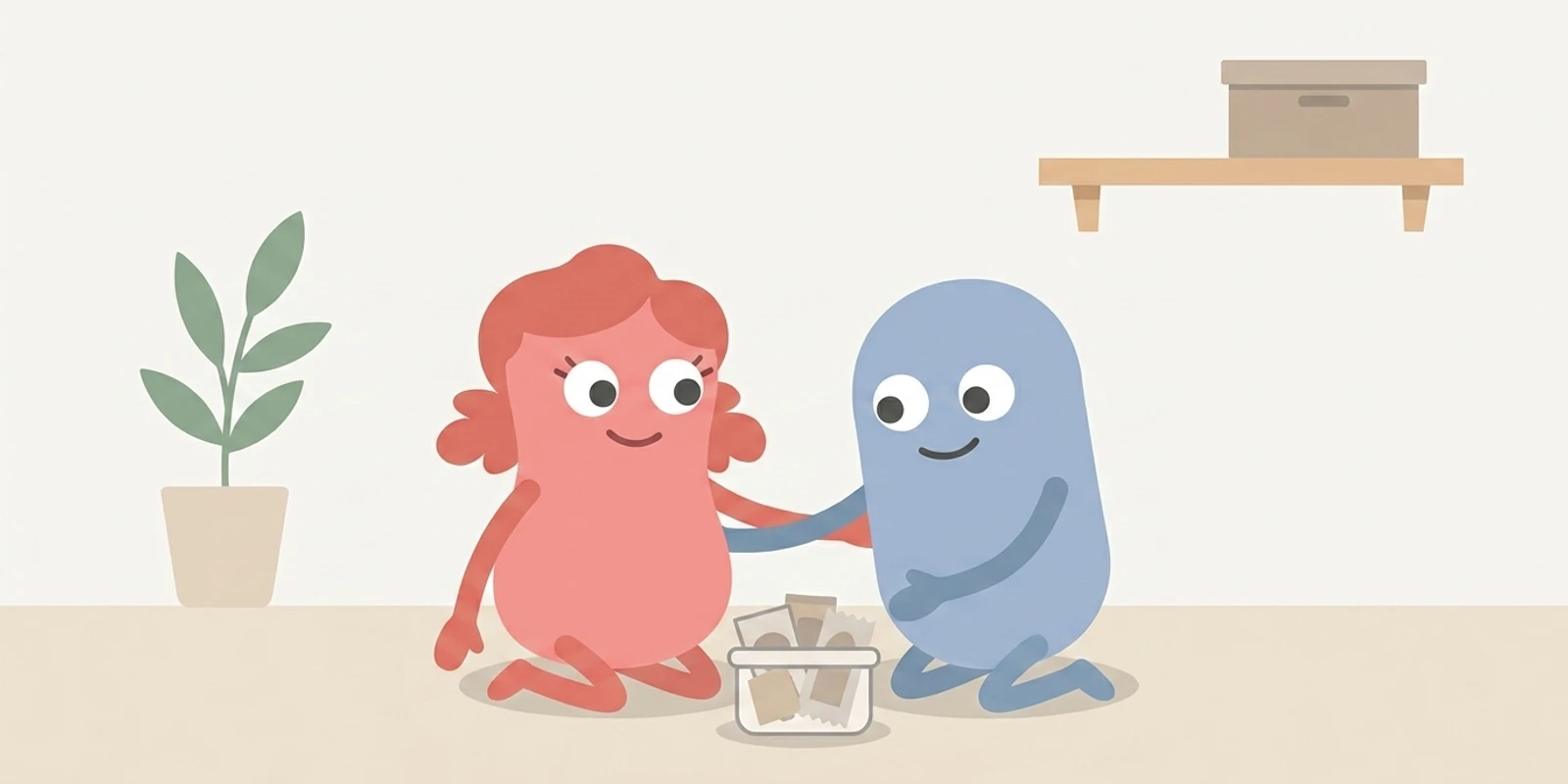
adhdhabit formationhabit buildingexecutive dysfunction
GetMotivated.ai TeamRead →
Illustration for the article: Accountability Partner Apps: Evidence-Based Tools for Recovery and Habit Change
July 7, 20267 min read

Accountability Partner Apps: Evidence-Based Tools for Recovery and Habit Change

Accountability partner apps combine peer support with structured tracking to address the isolation and low self-efficacy that derail recovery and habit-building efforts.
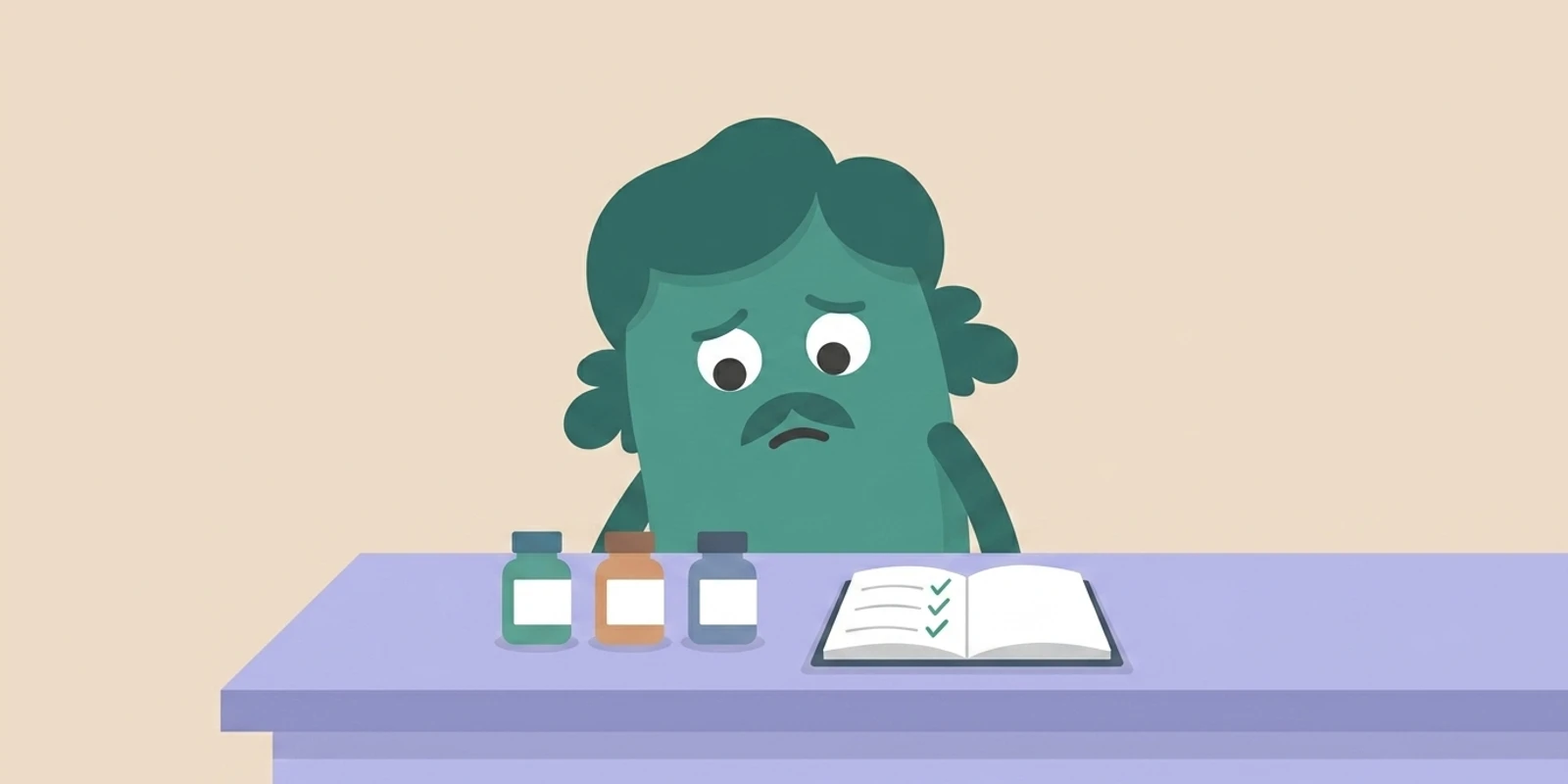
accountabilityaddiction recoveryhabit formationbehavioral science
Dana KimRead →
Illustration for the article: Dopamine Supplements: What Works (and What Doesn't) for Recovery and Habit-Building
July 2, 20267 min read

Dopamine Supplements: What Works (and What Doesn't) for Recovery and Habit-Building

**Dopamine supplements promise to restore motivation and focus during recovery, but most claims lack solid evidence.** While cold water exposure can boost dopamine by 250% for hours, amino acid precursors and herbal extracts show mixed results. Here's what the research actually says about supporting your brain's reward system.

dopamineneuroscienceaddiction recoveryneurobiology
Dana KimRead →
Illustration for the article: What Is an Accountability Partner? (And How to Find One That Works)
July 1, 20267 min read

What Is an Accountability Partner? (And How to Find One That Works)

An accountability partner is someone who regularly checks in on your progress toward a specific goal, creating external motivation and social support that makes behavior change more sustainable than willpower alone.
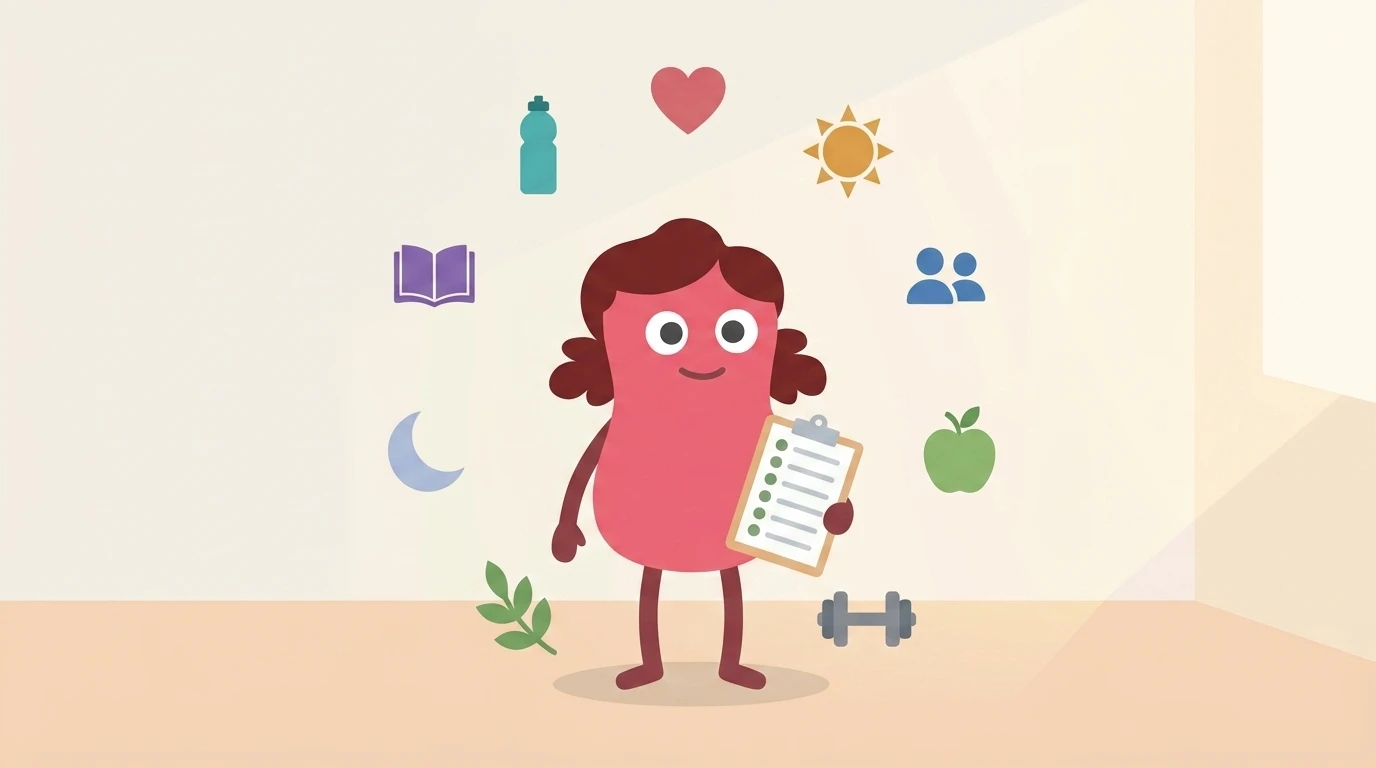
accountabilityhabit formationrecoveryrelapse prevention
Dana KimRead →
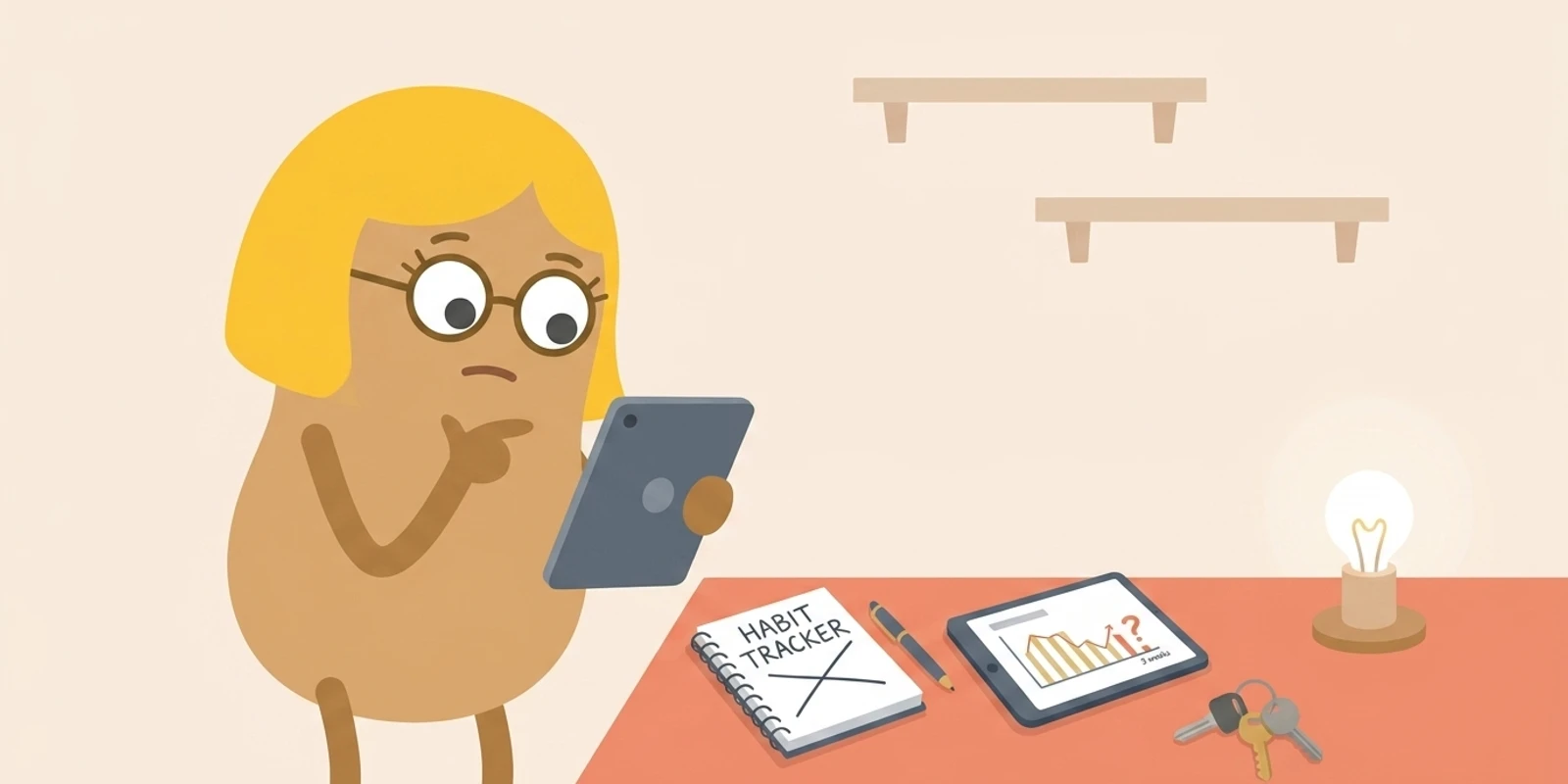
Illustration for the article: Whole Person Health Index (WPHI): The Complete Guide
July 1, 20269 min readHabits & Behavioral Change

Whole Person Health Index (WPHI): The Complete Guide

The NIH's Whole Person Health Index is the first tool that scores your whole health as a single number, across nine areas of life, so you can watch yourself get healthier over time. Here is how it works, how to score yourself, and how it differs from the other tools that share its name.
whole healthintegrative healthbehavioral changemotivation
The GetMotivated.ai TeamRead →
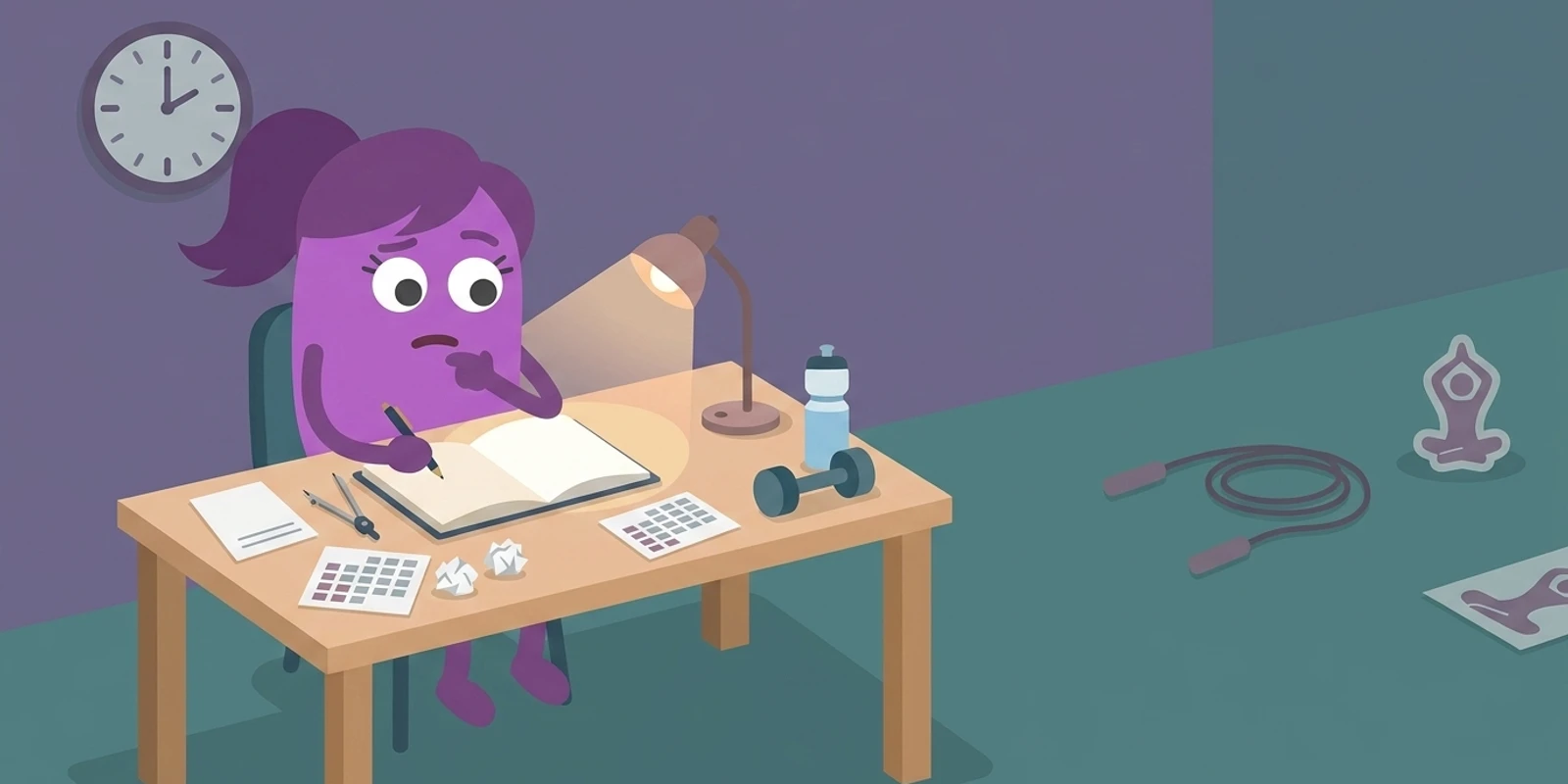
Illustration for the article: How Long Does It Take to Break a Habit? Science-Backed Timelines
June 26, 20267 min read

How Long Does It Take to Break a Habit? Science-Backed Timelines

Breaking a habit isn't about hitting a magic number of days—it's about understanding the neuroscience of behavior change and designing systems that make unwanted patterns harder to repeat.
habit formationbehavioral scienceNeuroplasticitybehavior change
Rachel SteinRead →
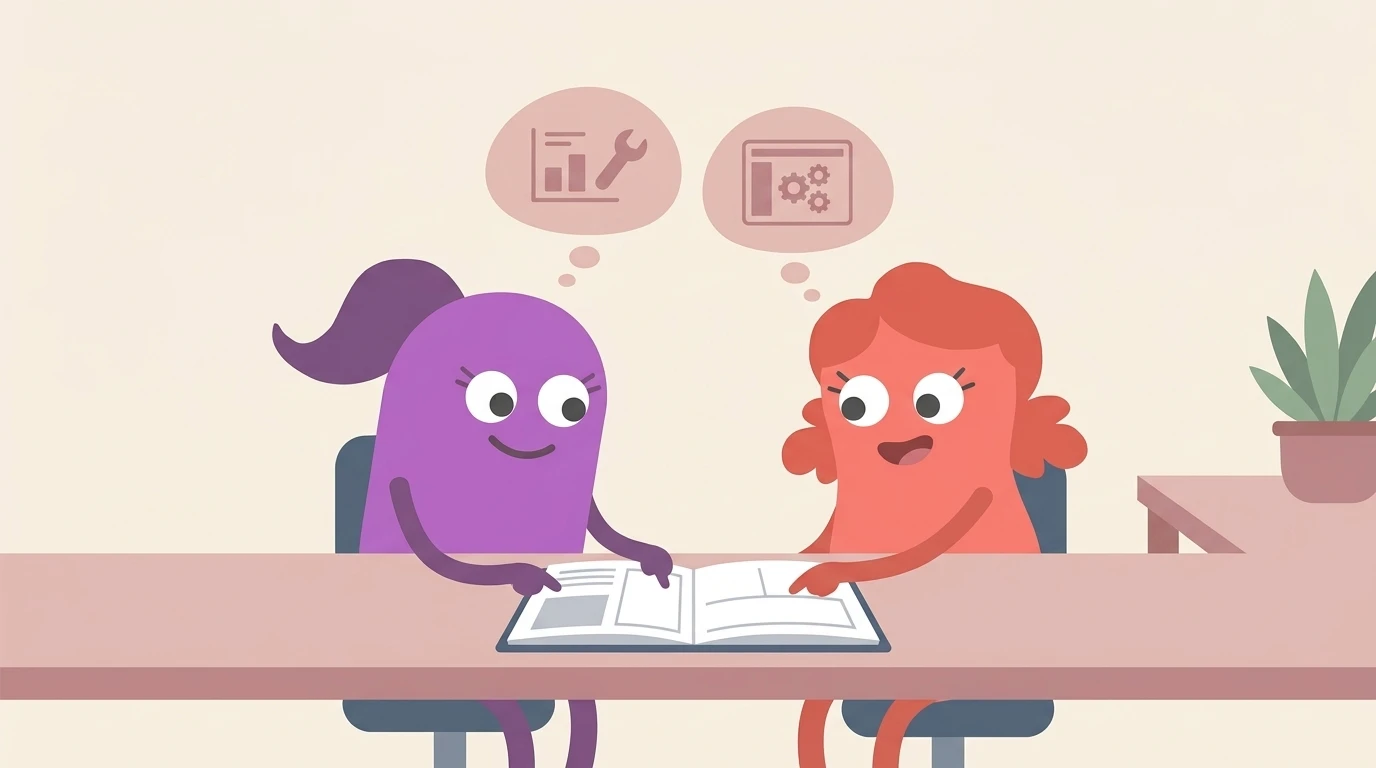
Illustration for the article: Atomic Habits Summary: Tiny Changes, Remarkable Results
June 19, 20269 min read

Atomic Habits Summary: Tiny Changes, Remarkable Results

James Clear's Atomic Habits argues that lasting change comes from systems, not goals. Here's what the science says about why tiny habits outperform big ambitions, and how to apply it today.

habit formationhabit buildinghabit stackingbehavior change
GetMotivated.ai TeamRead →
Illustration for the article: How Habits Actually Form in the Brain: The Neuroscience of Habit Formation
May 20, 20267 min read

How Habits Actually Form in the Brain: The Neuroscience of Habit Formation

neurosciencehabit formationdopaminebehavioral science
Rachel SteinRead →
Illustration for the article: Best Body Doubling Apps for ADHD (2026 Comparison)
May 1, 20268 min readADHD & Neurodivergence

Best Body Doubling Apps for ADHD (2026 Comparison)

Body doubling — working in the presence of another person — is one of the most consistently effective strategies for ADHD task initiation. The best apps for body doubling in 2026 range from live co-working platforms to accountability-based structured programs. Here's what the evidence says and how each option compares.

adhdaccountabilityexecutive dysfunctionhabit formation
Rachel SteinRead →
Illustration for the article: ADHD Eating Habits: Why Food Is So Hard with ADHD
April 26, 20268 min readADHD & Neurodivergence

ADHD Eating Habits: Why Food Is So Hard with ADHD

ADHD creates a predictable set of food challenges: forgetting to eat until hypoglycemic, impulsive eating driven by dopamine-seeking, hyperfocusing through meals, and struggling to plan or prepare anything requiring more than one step. This isn't poor willpower — it's neurological. Here's what drives each pattern and what actually helps.

adhdmental healthbehavioral changehabit formation
Rachel SteinRead →
Illustration for the article: 7-Day Dopamine Detox Challenge: Your Day-by-Day Guide
April 25, 20268 min readAddiction Recovery

7-Day Dopamine Detox Challenge: Your Day-by-Day Guide

A structured 7-day dopamine detox challenge with specific daily actions — not vague advice. What to do each day, what to expect, and how to handle the hardest moments when your brain fights back.

dopaminebehavioral changehabit breakinghabit formation
Rachel SteinRead →
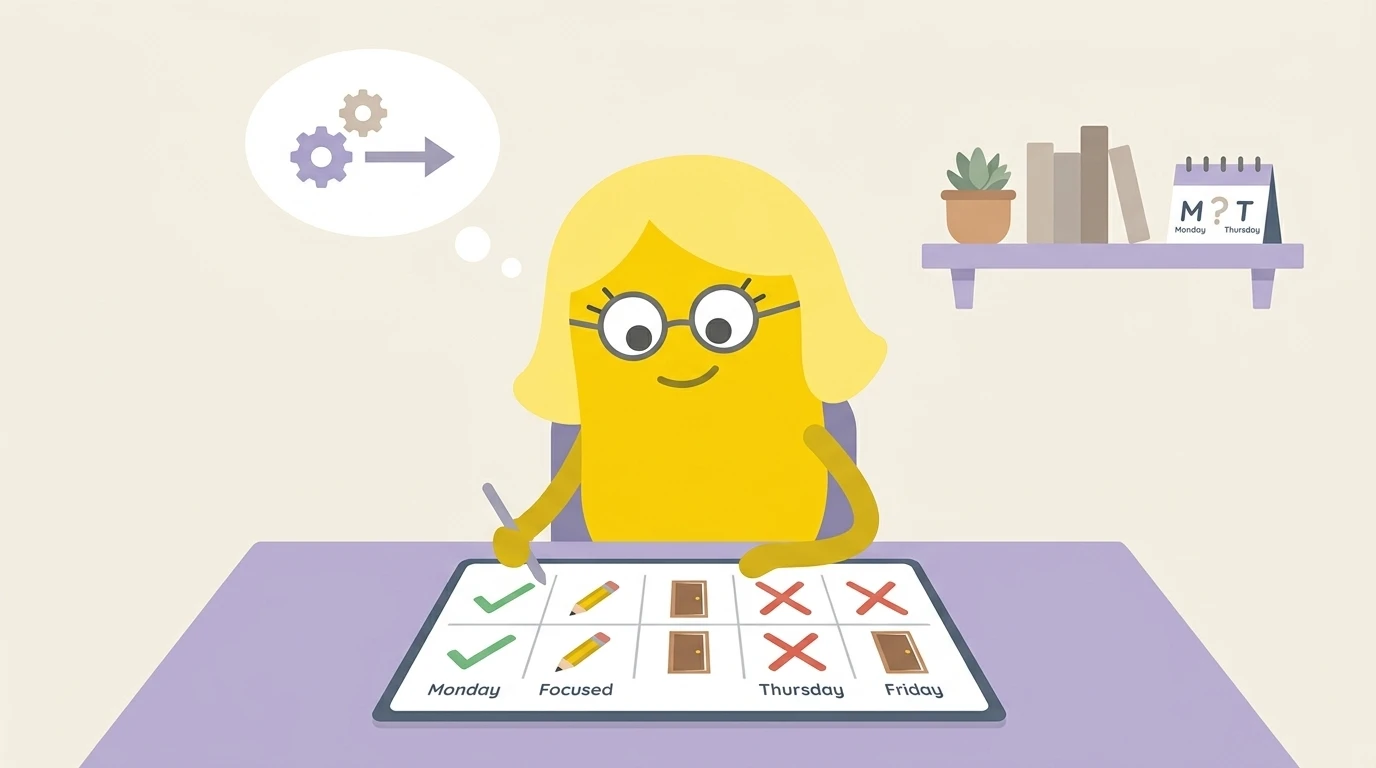
Illustration for the article: What Behavioral Science Says About Changing Your Life (It's Not What You Think)
April 22, 20268 min readHabits & Behavioral Change

What Behavioral Science Says About Changing Your Life (It's Not What You Think)

Behavioral science shows most people fail to change because they rely on willpower and motivation rather than environment design, habit loops, and social accountability — the three factors research consistently identifies as decisive.
behavioral changehabit formationaccountabilityneuroscience
Rachel SteinRead →
Illustration for the article: The Science of Morning Routines: What Actually Works (Not the 5 AM Myth)
April 22, 20267 min readHabits & Behavioral Change

The Science of Morning Routines: What Actually Works (Not the 5 AM Myth)

A morning routine works when it matches your biology, not a productivity guru's schedule. Research shows consistency and sleep alignment matter far more than waking up at 5 AM. Here's what the science actually says about building a routine that sticks.
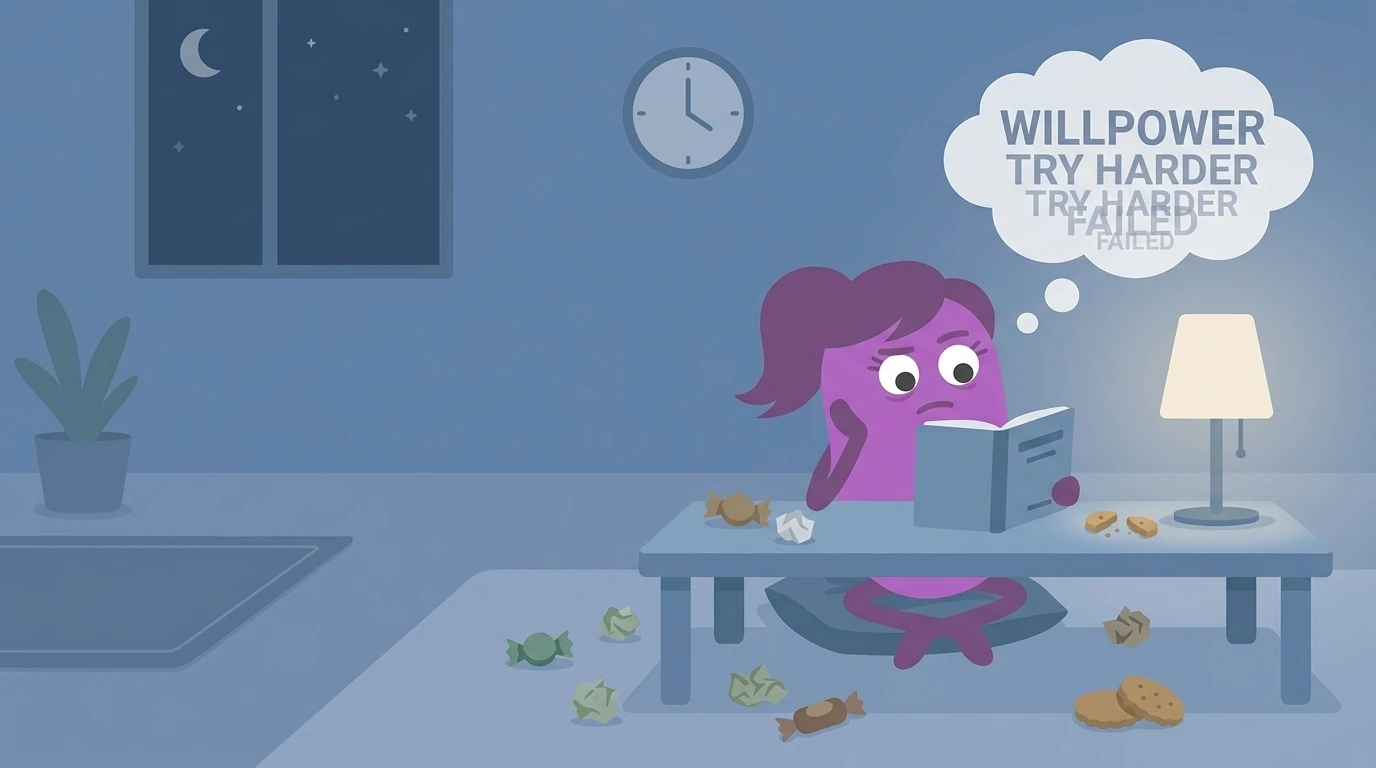
habit formationbehavioral changeaccountabilityneuroscience
Rachel SteinRead →
Illustration for the article: The Neuroscience of Breaking Bad Habits: Why Willpower Isn't Enough
April 21, 20267 min readHabits & Behavioral Change

The Neuroscience of Breaking Bad Habits: Why Willpower Isn't Enough

Breaking bad habits fails when you rely on willpower because the brain doesn't unlearn habits — it overwrites them. Here's what neuroscience actually says about why habits persist, and the specific strategies that create lasting behavioral change.
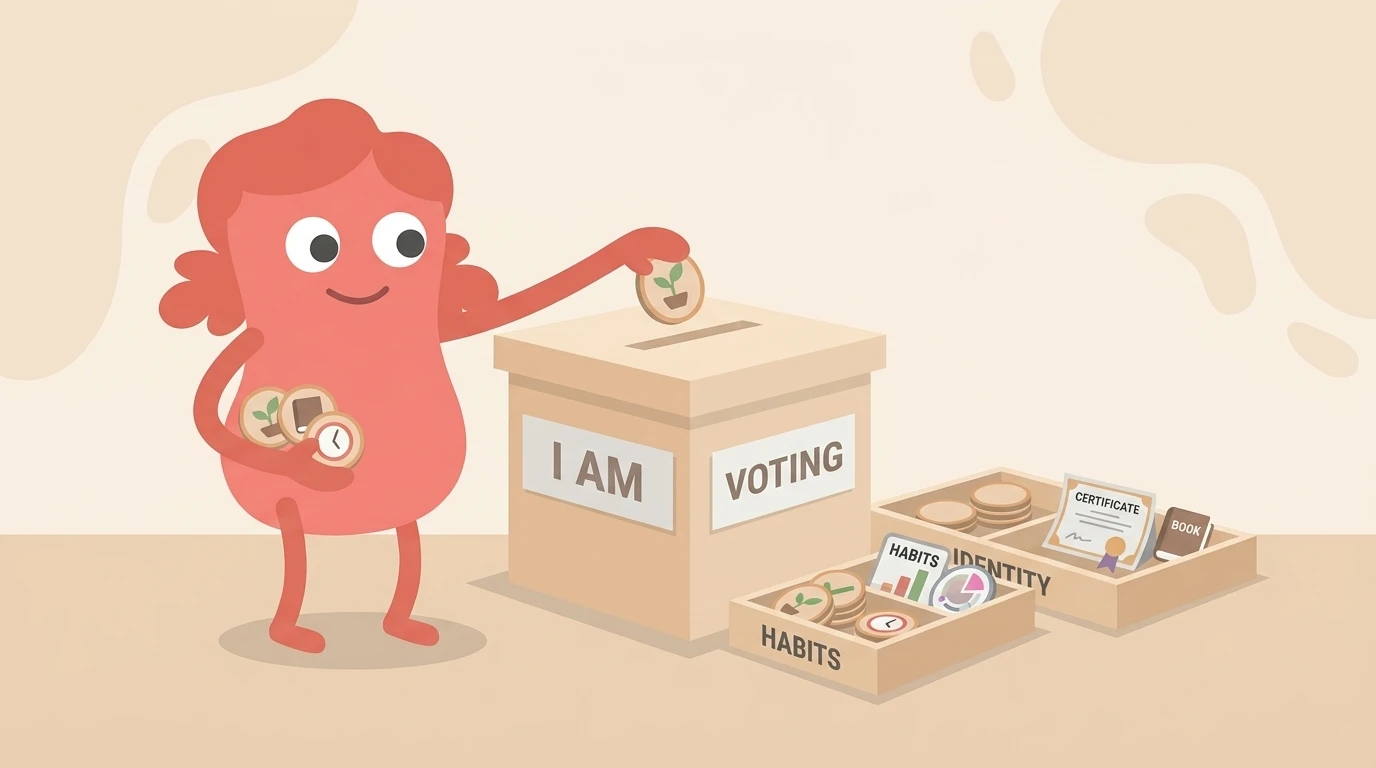
behavioral changehabit breakinghabit formationneuroscience
Rachel SteinRead →
Illustration for the article: Identity-Based Change: Why 'I Am' Beats 'I Should' Every Time
April 21, 20267 min readHabits & Behavioral Change

Identity-Based Change: Why 'I Am' Beats 'I Should' Every Time

Identity-based habits work by changing who you believe you are, not just what you do. Research shows that people who tie behavior to identity — 'I am a runner' vs 'I want to run' — sustain change far longer. Here's the science and how to apply it.
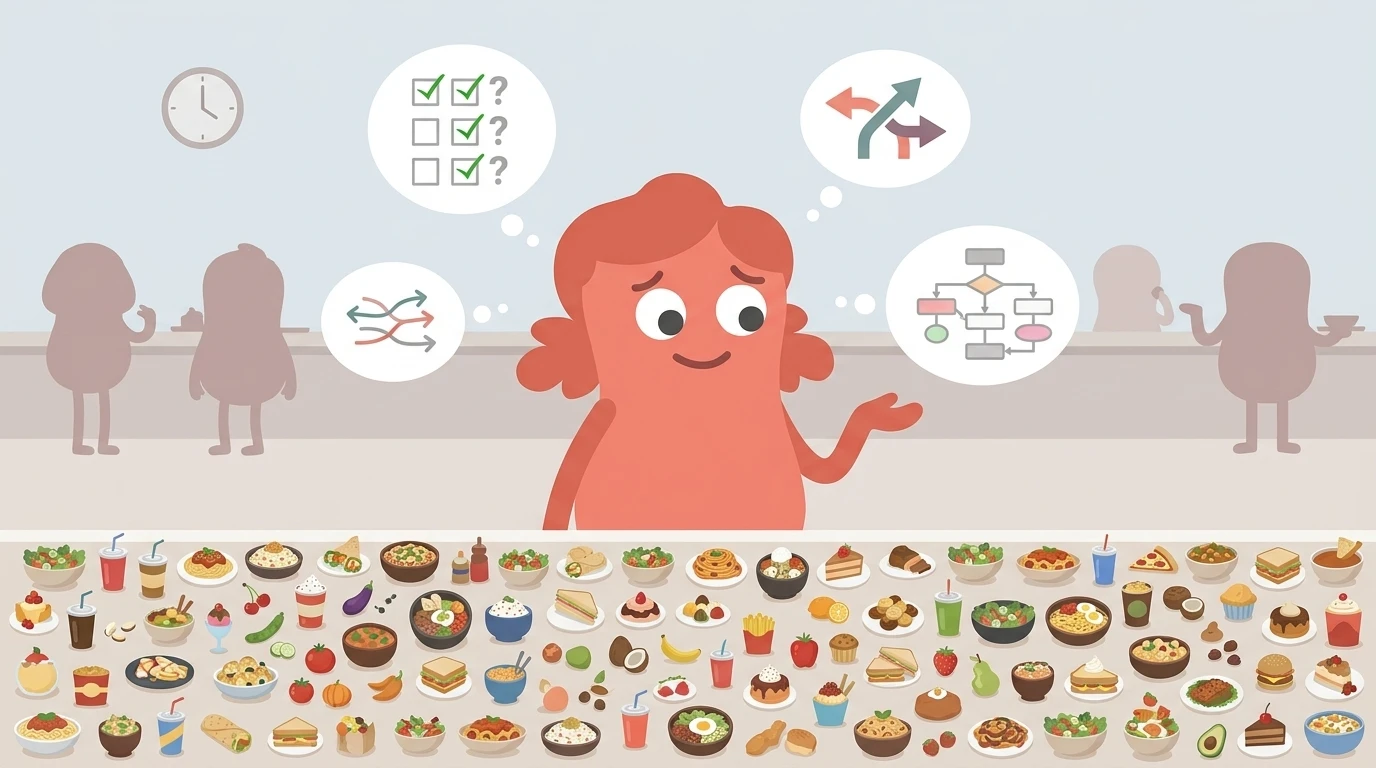
habit formationbehavioral changeaccountabilityself-control
Rachel SteinRead →
Illustration for the article: Decision Fatigue Is Killing Your Habits: The Science of Choice Overload
April 20, 20267 min readHabits & Behavioral Change

Decision Fatigue Is Killing Your Habits: The Science of Choice Overload

Decision fatigue is the mental exhaustion that builds each time you make a choice, eroding willpower and derailing habits by day's end. Here's what the research says and how to stop it.
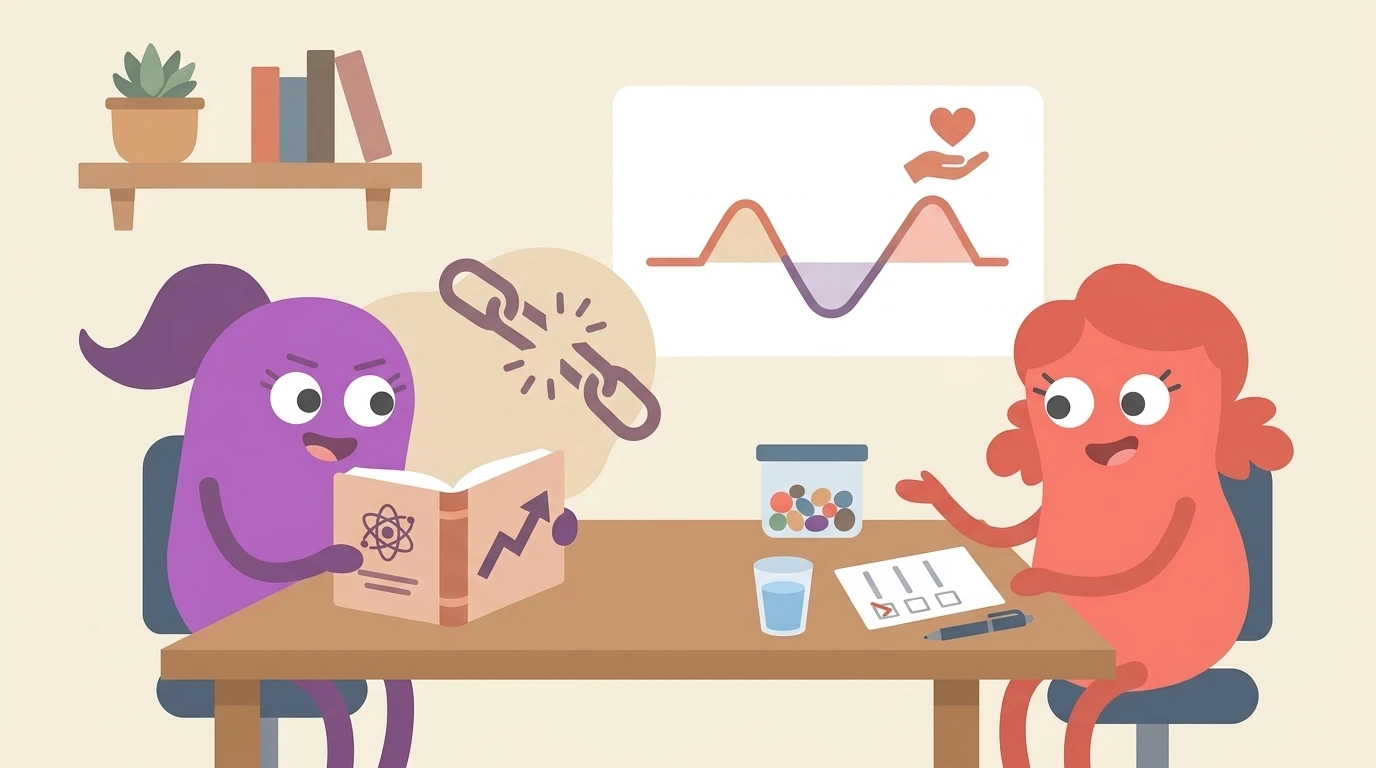
habit formationbehavioral changeself-controlneuroscience
Rachel SteinRead →
Illustration for the article: When Atomic Habits Doesn't Work: What James Clear Left Out
April 20, 20267 min readHabits & Behavioral Change

When Atomic Habits Doesn't Work: What James Clear Left Out

Atomic Habits is a great system for solo behavior change — but it's missing three things that science says matter most: accountability, community, and external structure. Here's why the book fails for many people, and what to do instead.
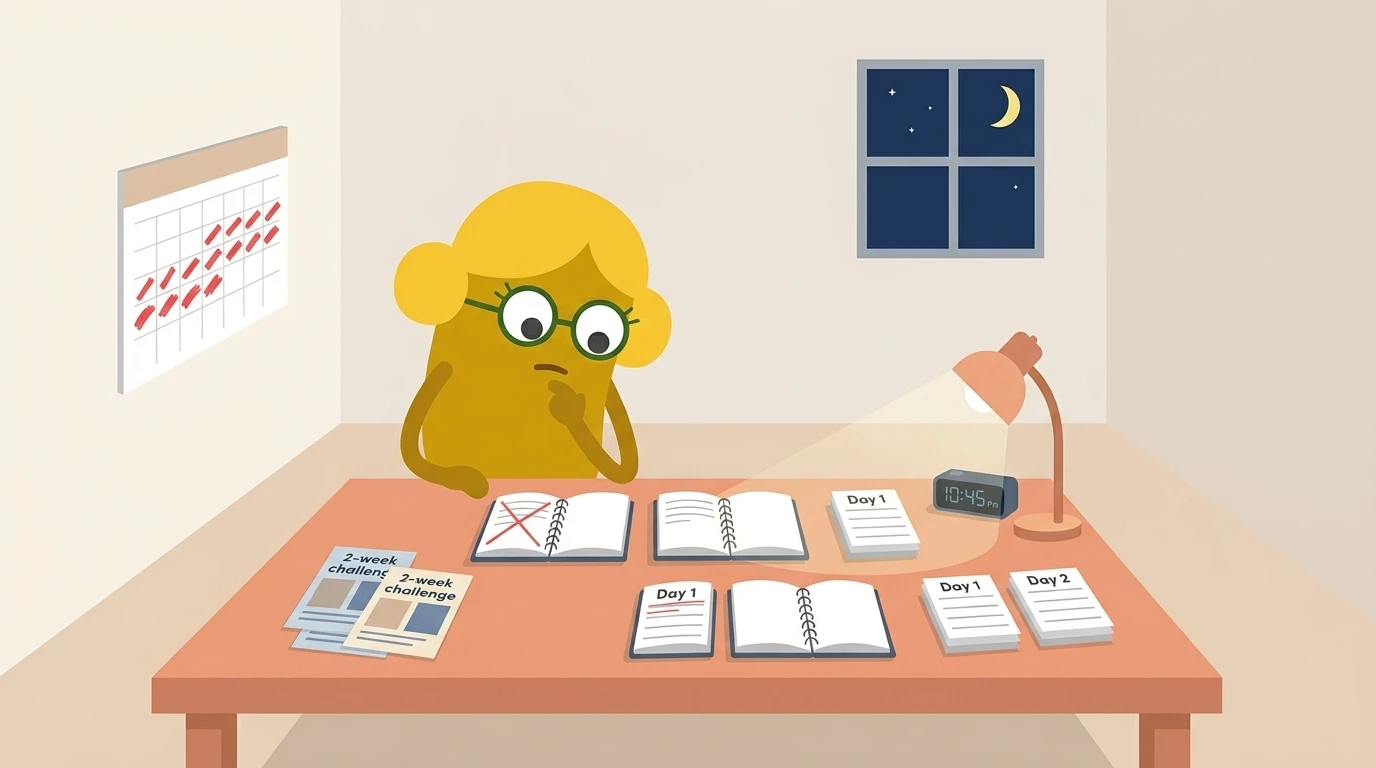
habit formationbehavioral changeaccountabilityhabit stacking
Rachel SteinRead →
Illustration for the article: Why 80% of New Habits Fail (And the 3 Things That Actually Fix It)
April 19, 20267 min readHabits & Behavioral Change

Why 80% of New Habits Fail (And the 3 Things That Actually Fix It)

Most new habits fail within weeks — not because people lack willpower, but because the habit isn't designed to survive real life. Here's what the science says about why habits collapse and what reliably prevents it.
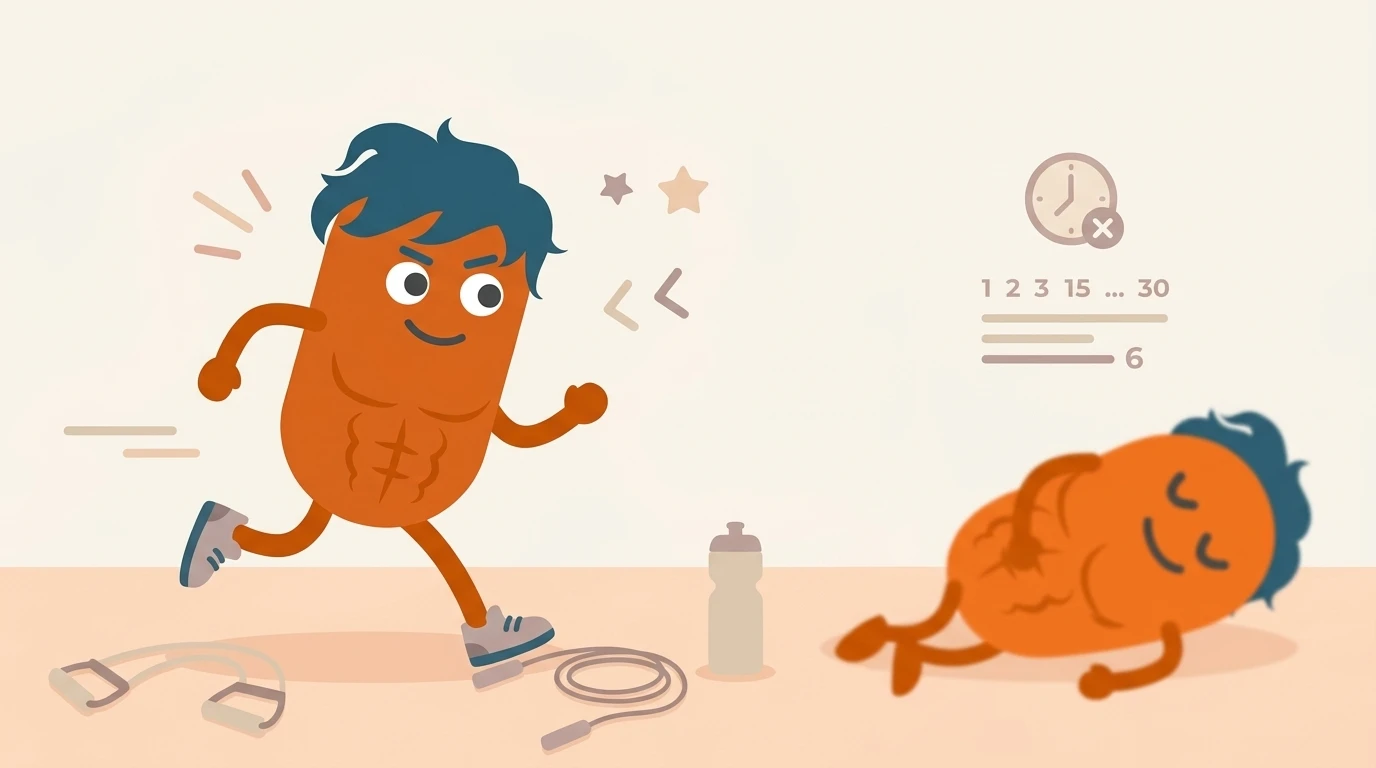
habit formationbehavioral changeaccountabilityneuroscience
Rachel SteinRead →
Illustration for the article: Why You Always Quit the Gym with ADHD (And What Actually Works)
April 19, 20268 min readADHD & Neurodivergence

Why You Always Quit the Gym with ADHD (And What Actually Works)

ADHD makes gym habits uniquely hard to sustain — not because of laziness, but because the ADHD brain's reward system, executive function, and time blindness all work against the slow-burn payoff that traditional gym routines require. Here's what the research says actually works.
adhdexercisefitnessaccountability
Rachel SteinRead →
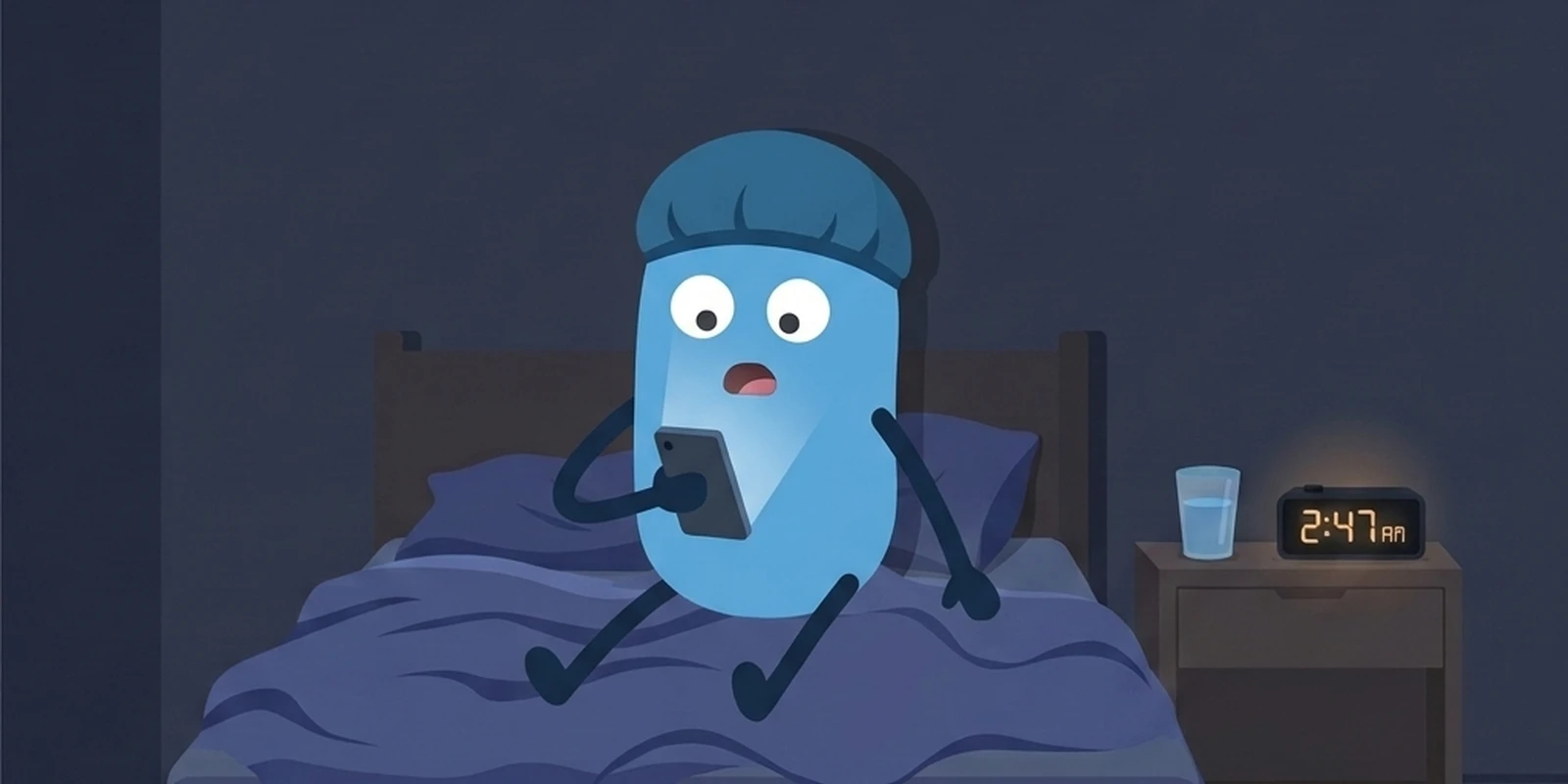
Illustration for the article: ADHD and Sleep: Why Revenge Bedtime Procrastination Hits Different
April 18, 20267 min readADHD & Neurodivergence

ADHD and Sleep: Why Revenge Bedtime Procrastination Hits Different

ADHD and sleep problems are neurologically linked — it's not laziness or bad habits. Delayed sleep phase, racing thoughts, and revenge bedtime procrastination are common ADHD experiences. Here's what causes them and what actually works.
adhdmental healthexecutive dysfunctionhabit formation
Rachel SteinRead →
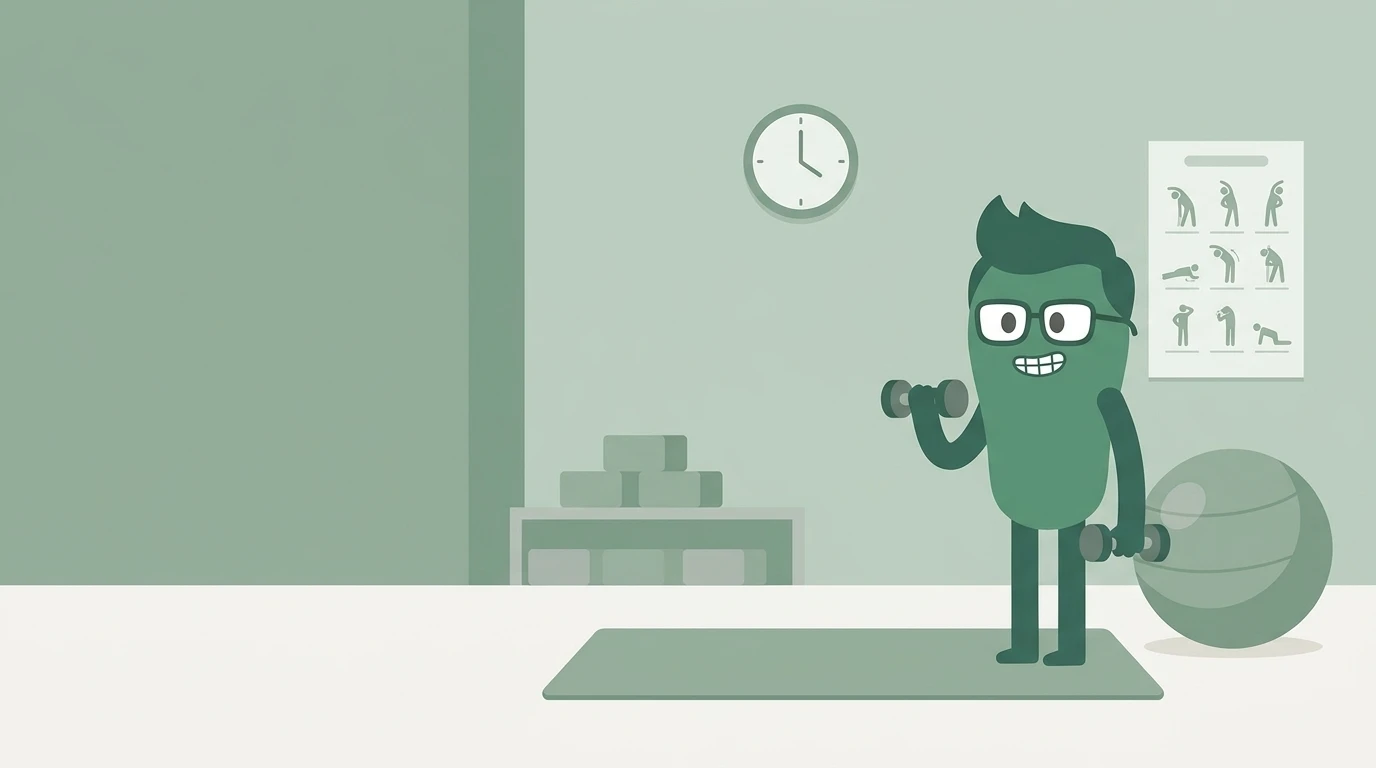
Illustration for the article: What Is the Best Exercise for ADHD? A Research-Based Guide
April 17, 20267 min readADHD & Neurodivergence

What Is the Best Exercise for ADHD? A Research-Based Guide

The best exercises for ADHD are high-intensity aerobic activities like running, swimming, and martial arts — they raise dopamine and norepinephrine levels the same way stimulant medication does. Here's what the research says and how to actually stick with a routine.
adhdexercisefitnessdopamine
Rachel SteinRead →
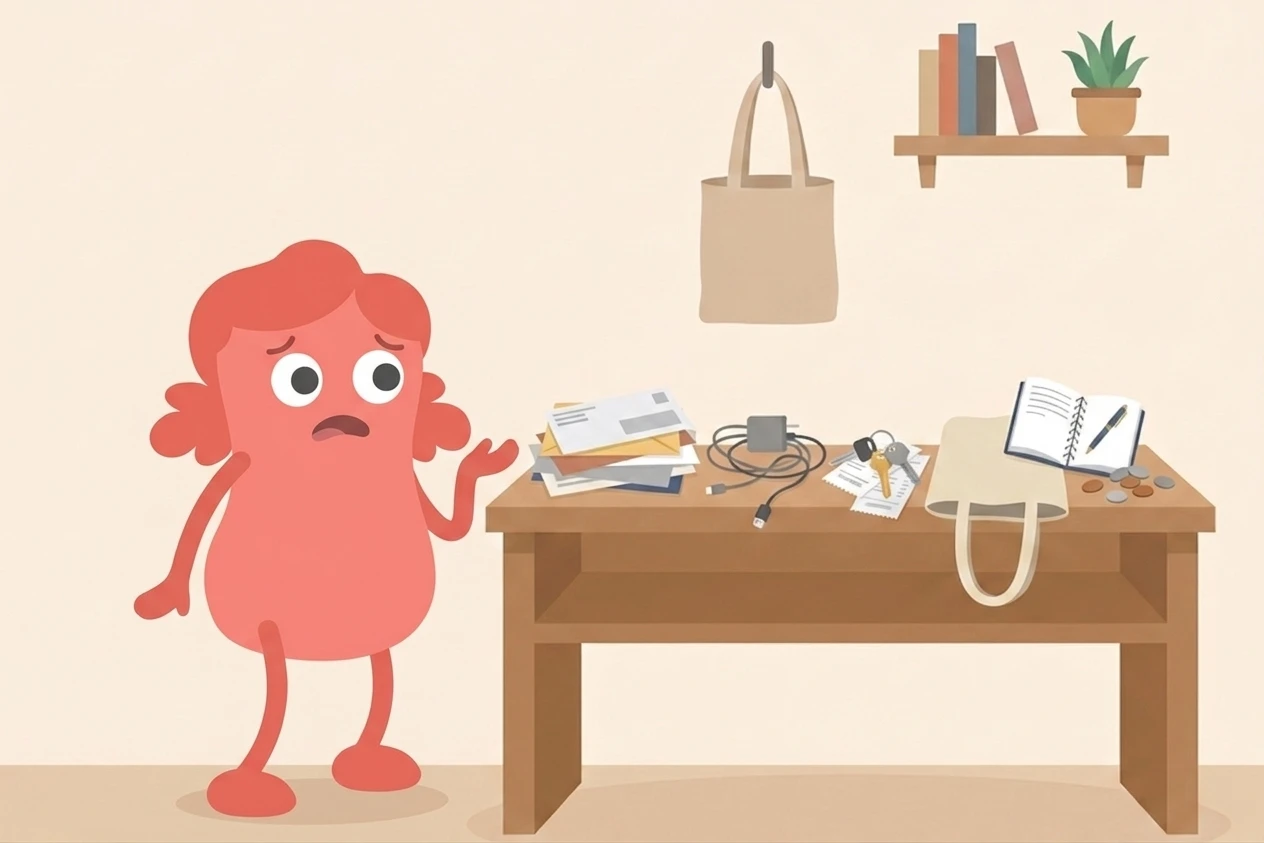
Illustration for the article: The ADHD Doom Pile: Why Clutter Accumulates and How to Beat It
April 14, 20267 min readADHD & Neurodivergence

The ADHD Doom Pile: Why Clutter Accumulates and How to Beat It

ADHD clutter — the infamous 'doom pile' — isn't laziness. It's a neurological failure in object permanence and task initiation. Here's why clutter accumulates when you have ADHD and what actually works to clear it.
adhdexecutive dysfunctionhabit formationaccountability
Rachel SteinRead →
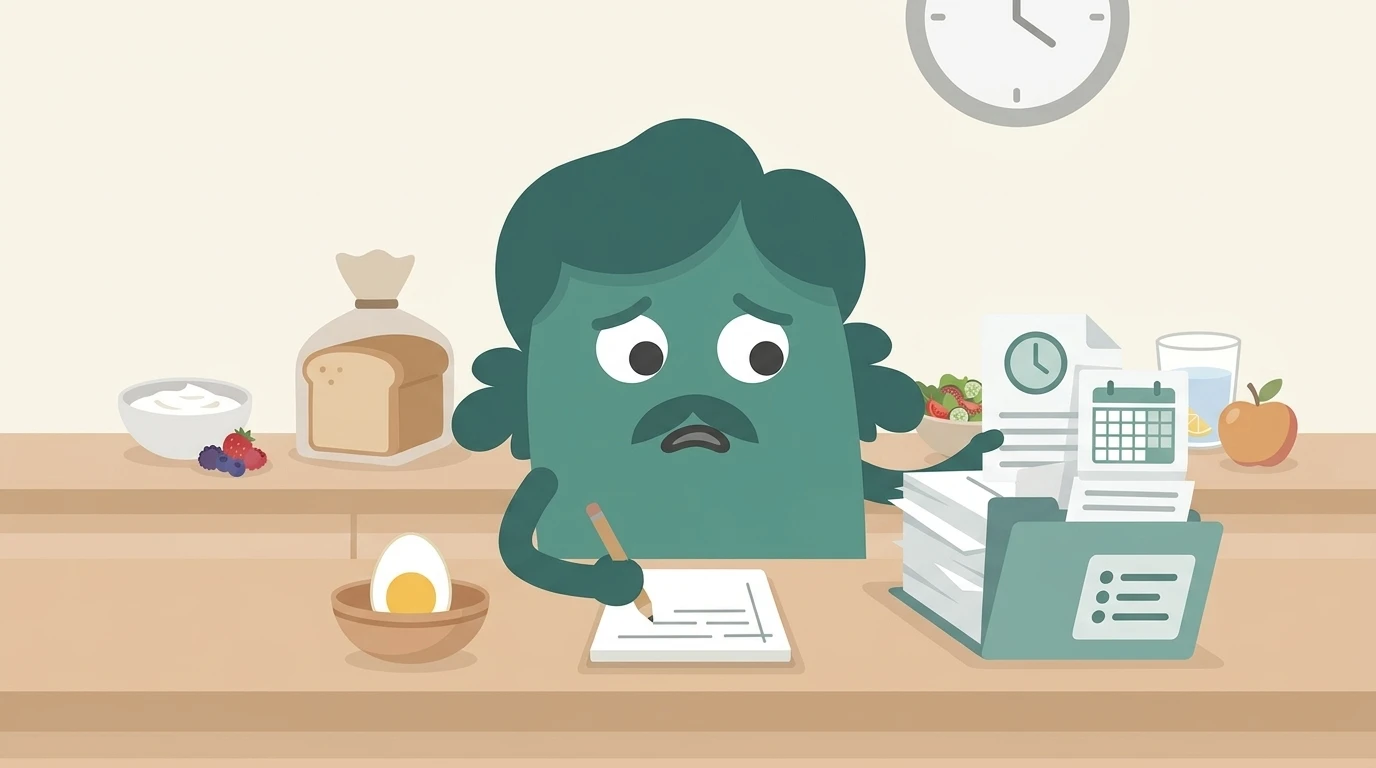
Illustration for the article: The ADHD Meal Prep Problem: Why Traditional Advice Doesn't Work
April 13, 20267 min readADHD & Neurodivergence

The ADHD Meal Prep Problem: Why Traditional Advice Doesn't Work

ADHD makes meal prep uniquely difficult — not because of laziness, but because of how the ADHD brain handles planning, time perception, and decision fatigue. Here's what the research shows, and what actually helps instead.
adhdexecutive dysfunctionhabit formationbehavioral change
Rachel SteinRead →
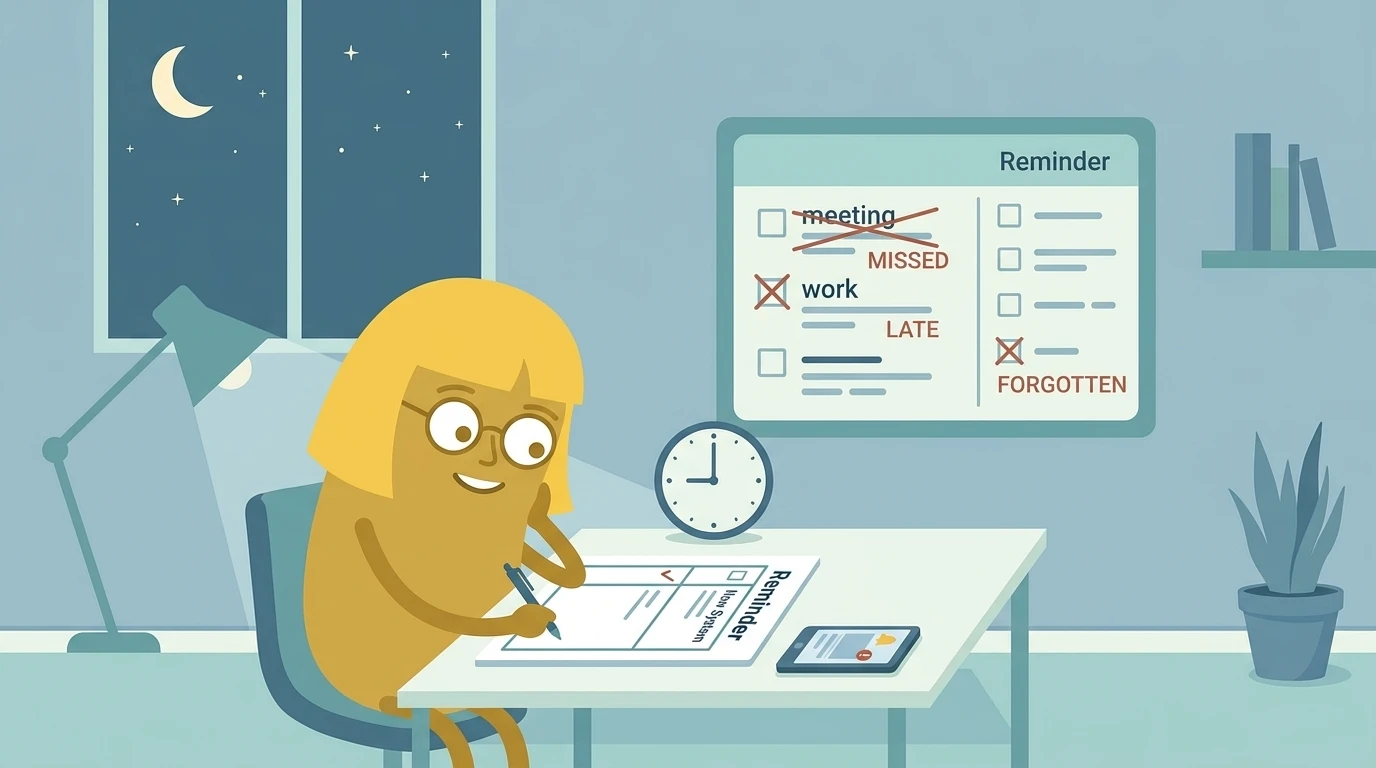
Illustration for the article: ADHD Morning Routine That Actually Works: Low-Friction Systems for Your Brain
April 13, 20267 min readADHD & Neurodivergence

ADHD Morning Routine That Actually Works: Low-Friction Systems for Your Brain

ADHD morning routines fail because they're designed for neurotypical brains. The ADHD brain needs low-friction systems, external cues, and dopamine scaffolding — not willpower and a 5 AM alarm. Here's what the research actually supports.
adhdexecutive dysfunctionhabit formationbehavioral change
Rachel SteinRead →
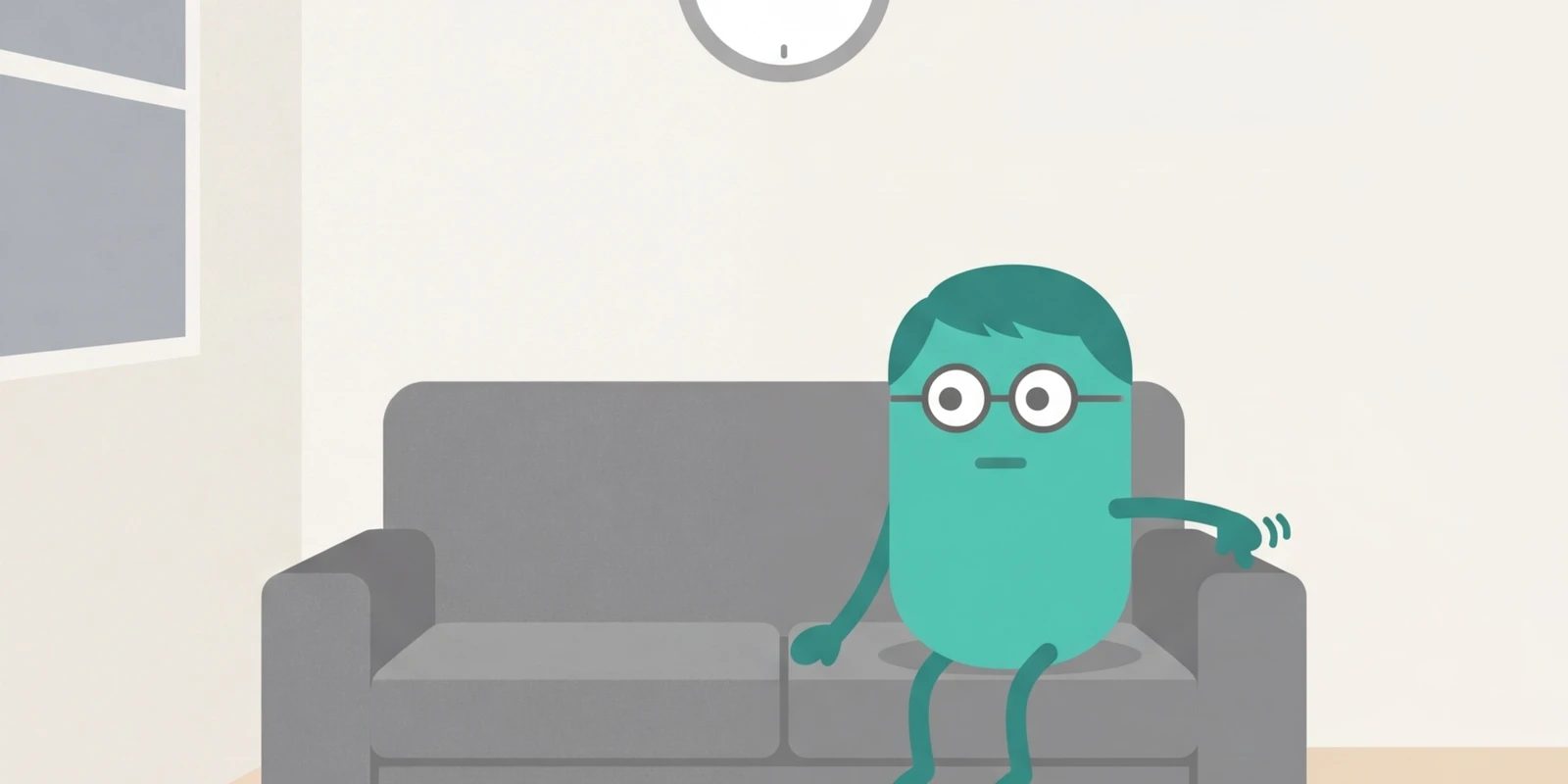
Illustration for the article: Exercise as Addiction Treatment: What 47 Studies Show
April 12, 20269 min readAddiction Recovery

Exercise as Addiction Treatment: What 47 Studies Show

Exercise reduces relapse rates, accelerates brain recovery from substance use, and treats the depression and anxiety that drive most relapses. Here's what 47 studies show about exercise as addiction treatment — and how to actually build the habit in recovery.
addiction recoveryexercisedopaminebehavioral change
Dana KimRead →
Illustration for the article: Why Boredom Is the Most Dangerous Trigger in Recovery
April 12, 20268 min readAddiction Recovery

Why Boredom Is the Most Dangerous Trigger in Recovery

Boredom is consistently ranked among the top triggers for relapse in addiction recovery — yet it's rarely addressed with the same urgency as stress, social pressure, or emotional pain. Here's why boredom is so dangerous and what actually fills the void.

addiction recoverydopaminebehavioral changehabit formation
Dana KimRead →
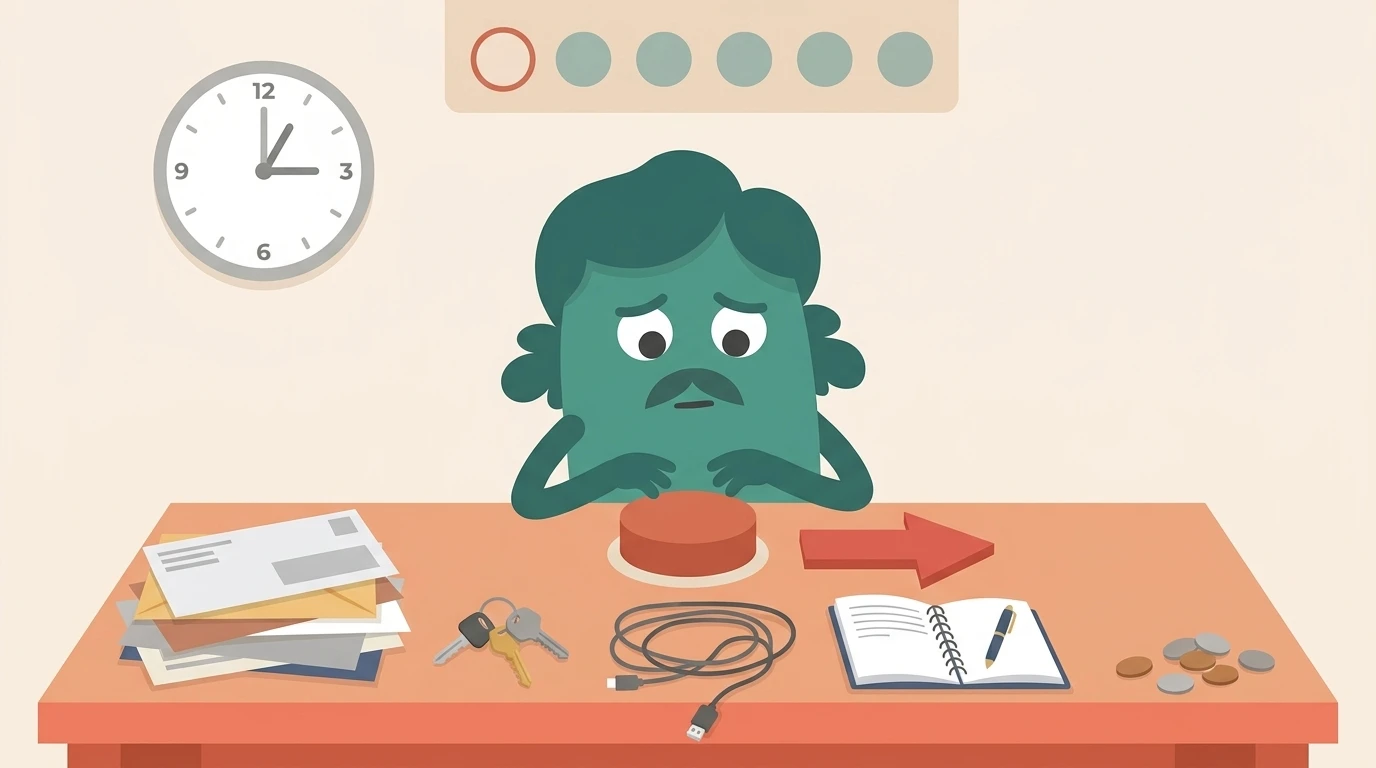
Illustration for the article: How Accountability Partners Increase Recovery Success by 95%
April 10, 20268 min readAddiction Recovery

How Accountability Partners Increase Recovery Success by 95%

Accountability partners increase addiction recovery success rates by up to 95% according to research. Structured social support — not willpower alone — is what separates sustained recovery from repeated relapse cycles.
accountabilityaddiction recoverybehavioral changehabit formation
Dana KimRead →
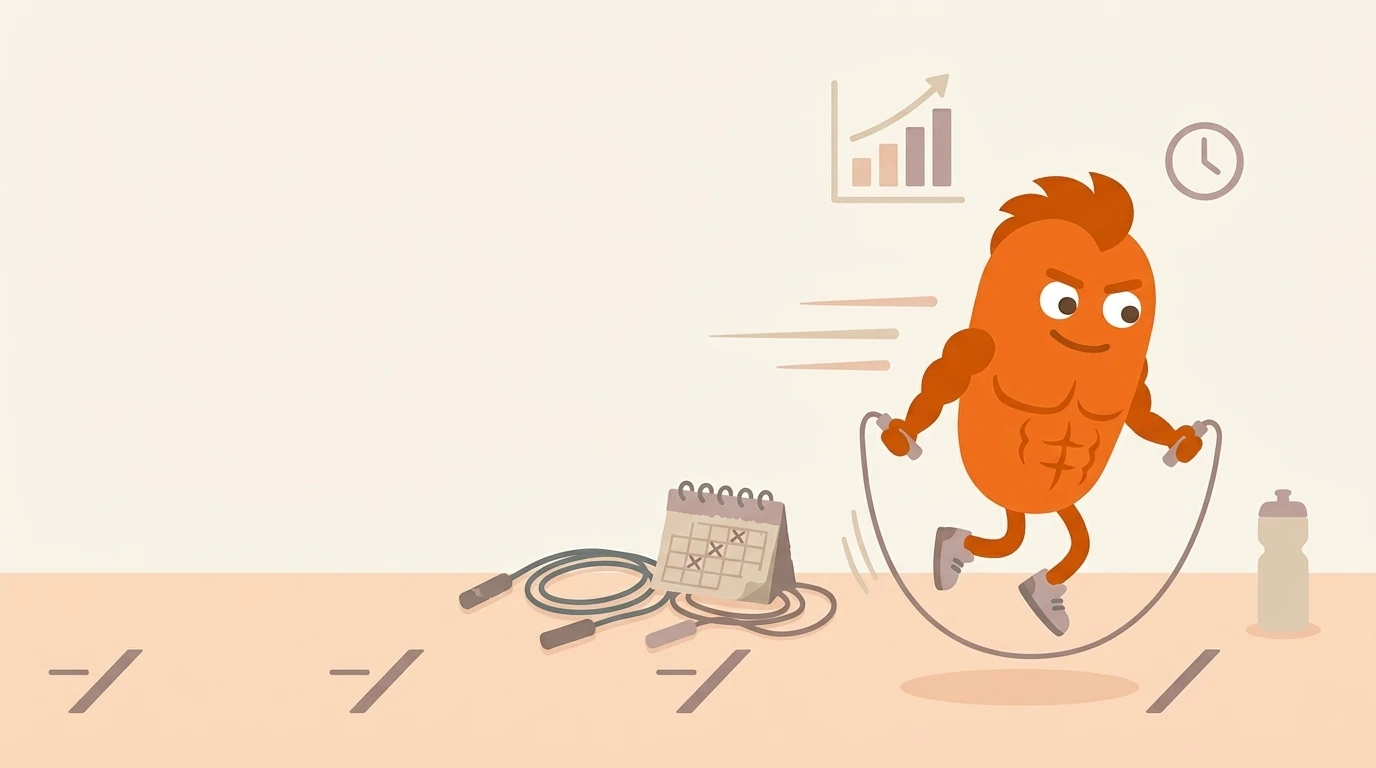
Illustration for the article: ADHD Procrastination: Why Your Brain Won't Start (And What Actually Unsticks It)
April 4, 20268 min readADHD & Neurodivergence

ADHD Procrastination: Why Your Brain Won't Start (And What Actually Unsticks It)

ADHD procrastination isn't a willpower problem — it's a neurological one. The ADHD brain struggles to initiate tasks without sufficient dopamine, turning simple to-dos into immovable walls. Here's why it happens and what actually works.
adhdexecutive dysfunctionbehavioral changedopamine
Rachel SteinRead →
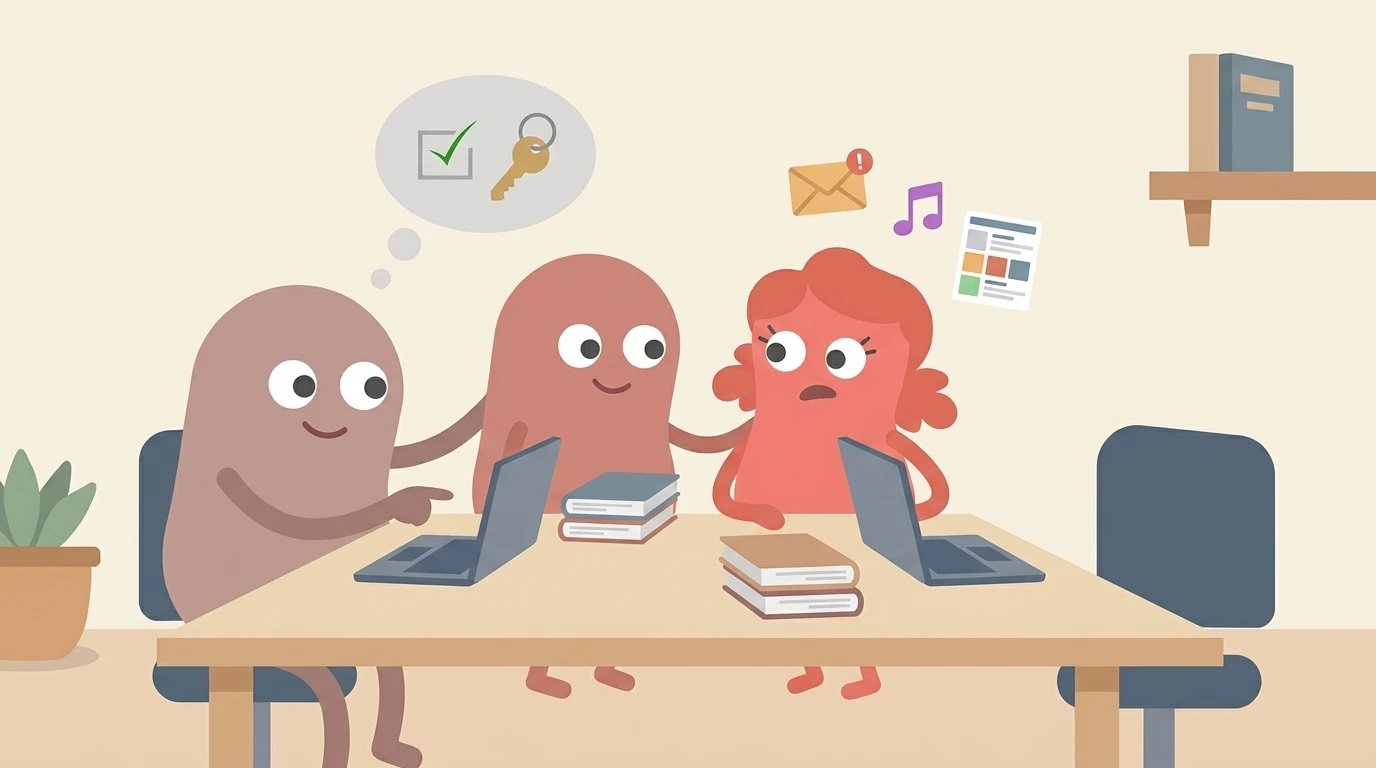
Illustration for the article: How to Start Exercising Again After a Long Break
April 4, 20267 min readFitness & Exercise

How to Start Exercising Again After a Long Break

Starting to exercise again after a long break requires a different approach than beginning for the first time. The science shows that your body remembers — but your schedule, motivation, and habits need rebuilding from scratch. Here's how to do it without burning out again.
exercisefitnesshabit formationaccountability
Emily CarterRead →
Illustration for the article: ADHD Study Habits: Systems That Actually Work for the ADHD Brain
April 2, 20268 min readADHD & Neurodivergence

ADHD Study Habits: Systems That Actually Work for the ADHD Brain

ADHD study habits require systems built for how the ADHD brain actually works — not willpower. Here's what the research says about time-blocking, body doubling, and structured study sessions that produce real results.
adhdexecutive dysfunctionhabit formationaccountability
Rachel SteinRead →
Illustration for the article: Exercise and Depression: What to Do When You Can Barely Get Out of Bed
April 1, 20267 min readFitness & Exercise

Exercise and Depression: What to Do When You Can Barely Get Out of Bed

Exercise reduces depression symptoms as effectively as antidepressants in mild-to-moderate cases, according to multiple clinical trials. But the hardest part is starting when depression robs you of motivation. Here's what the research says works — and how to actually begin.

exercisefitnessmental healthbehavioral change
Emily CarterRead →
Illustration for the article: How to Find an Accountability Partner That Actually Keeps You on Track
April 1, 20267 min readHabits & Behavioral Change

How to Find an Accountability Partner That Actually Keeps You on Track

An accountability partner is someone who helps you follow through on goals by creating mutual commitment and consistent check-ins. Research shows accountability increases goal completion rates by up to 65%. Here's how to find the right one — and what makes them effective.
accountabilityhabit formationbehavioral changeself-control
Rachel SteinRead →
Illustration for the article: ADHD Time Blindness: Why You Lose Track of Time and What Actually Helps
March 31, 20267 min readADHD & Neurodivergence

ADHD Time Blindness: Why You Lose Track of Time and What Actually Helps

ADHD time blindness is a neurological condition where the brain cannot accurately perceive or track the passage of time. It's not laziness or poor planning — it's a core feature of ADHD. Here's what causes it, how it disrupts daily life, and strategies that research shows actually work.
adhdexecutive dysfunctionneurosciencemental health
Rachel SteinRead →
Illustration for the article: Habit Stacking: When It Works, When It Doesn't, and How to Do It Right
March 31, 20267 min readHabits & Behavioral Change

Habit Stacking: When It Works, When It Doesn't, and How to Do It Right

Habit stacking is a behavior change technique that links a new habit to an existing routine, making the new behavior automatic over time. Here's how to use it effectively, common mistakes that cause it to fail, and examples you can apply today.
habit formationbehavioral changeaccountabilityneuroscience
Rachel SteinRead →
Illustration for the article: How to Start Exercising: A Beginner's Guide That Actually Works
March 30, 20267 min readFitness & Exercise

How to Start Exercising: A Beginner's Guide That Actually Works

Starting an exercise habit is hard — but the research points to clear, specific factors that determine success or failure. This guide covers what beginners actually need to know to start exercising and stick with it.
exercisefitnesshabit formationbehavioral change
Emily CarterRead →
Illustration for the article: ADHD and Morning Routines: Why the 5 AM Myth Actively Makes Things Worse
March 28, 20269 min readADHD & Neurodivergence

ADHD and Morning Routines: Why the 5 AM Myth Actively Makes Things Worse

The productivity world has convinced millions of people that waking up at 5 AM is the path to success. For people with ADHD, this advice doesn't just fail — it actively makes things worse. Here's what the neuroscience actually says about ADHD, chronotype, and building morning routines that work with your brain instead of against it.

adhd managementmorning routineexecutive functiontime management
Rachel SteinRead →
Illustration for the article: Why Your ADHD Brain Quits Every Productivity System After Two Weeks
March 28, 202610 min readADHD & Neurodivergence

Why Your ADHD Brain Quits Every Productivity System After Two Weeks

Most productivity systems fail people with ADHD — not because of a lack of willpower, but because they were designed for a different kind of brain. Understanding why ADHD causes system abandonment is the first step to building something that actually holds.

adhd managementexecutive functionhabit formationbehavior change
Rachel SteinRead →
Illustration for the article: Can't Stick to a Workout with ADHD? It's Not Laziness — It's a Systems Problem
March 21, 20267 min readADHD & Neurodivergence

Can't Stick to a Workout with ADHD? It's Not Laziness — It's a Systems Problem

ADHD makes exercise consistency brutally hard — not because you're lazy, but because your brain needs structure, not willpower. Here's what actually works.

adhdexercisefitnessexecutive dysfunction
Rachel SteinRead →
GetMotivated.ai

Behavioral health. Built with intention.

Structured support for ADHD, chronic health, recovery, focus, and long-term change.

Stay in the loop

Research, program launches, and behavioral health insights. Only useful updates.

By joining, you agree to receive emails from GetMotivated.ai. Unsubscribe anytime. See our Privacy Policy.

Explore

  • Browse Plans & Challenges
  • Challenges
  • ADHD Support
  • Health Support
  • Recovery Support
  • Blog
  • Creators
  • Sources
  • Tools
  • How It Works
  • Pricing

Topics

  • Focus
  • Habits
  • Work
  • Learn
  • Health
  • Life

Company

  • About
  • Contact
  • How We Research
  • Our Guarantee
  • Privacy
  • Terms

Work With Us

  • For Organizations
  • For Behavioral Health
  • For Education
  • Careers
  • Affiliates
  • Partners
  • Sponsors
Explore+
  • Browse Plans & Challenges
  • Challenges
  • ADHD Support
  • Health Support
  • Recovery Support
  • Blog
  • Creators
  • Sources
  • Tools
  • How It Works
  • Pricing
Topics+
  • Focus
  • Habits
  • Work
  • Learn
  • Health
  • Life
Company+
  • About
  • Contact
  • How We Research
  • Our Guarantee
  • Privacy
  • Terms
Work With Us+
  • For Organizations
  • For Behavioral Health
  • For Education
  • Careers
  • Affiliates
  • Partners
  • Sponsors

© 2026 GetMotivated.ai. All rights reserved.

PrivacyTerms

Calm structure. Clear next steps. Human accountability.