
October 4, 20265 min readAddiction Recovery

The Motivation Mechanics of NoFap

Motivation for quitting pornography fails for a specific, researched reason, not a willpower shortage. The fix is changing why you're doing it and who knows you're doing it.

Dana Kim

Last reviewed: September 2026

The Motivation Mechanics of NoFap

Nofap motivation fails for a specific, researchable reason: most people start for a reason that isn't fully their own, and that kind of motivation runs out. Research on why pornography use becomes compulsive shows that quitting driven by shame or fear collapses fast, while quitting tied to your own values holds. Add one accountability relationship and the odds shift further in your favor.

Why the first burst of motivation always fades

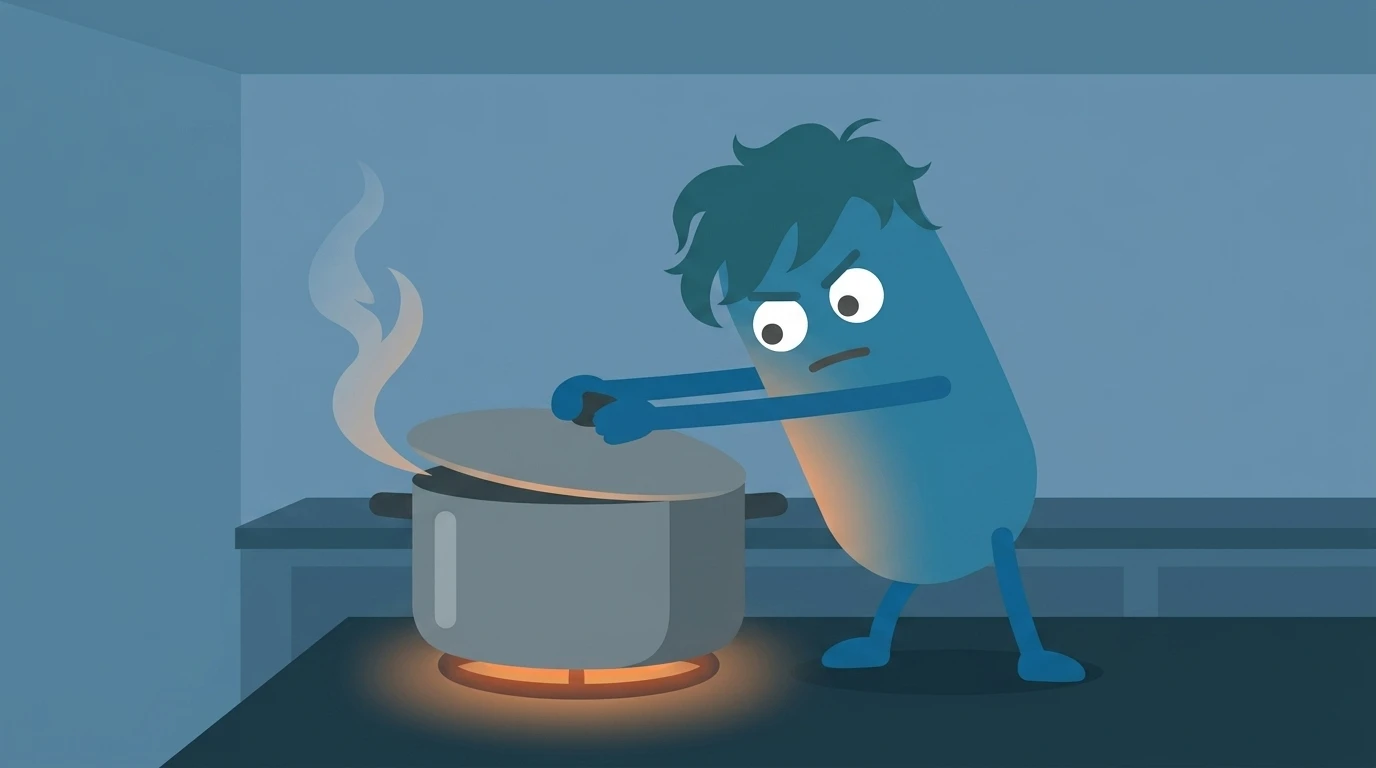
The first few days of a nofap streak run on adrenaline. You made a decision, told yourself a story about the new version of you, and the novelty carries you through. That burst is not the same thing as motivation that lasts, and mistaking one for the other is why so many streaks break in the second or third week, right when the initial charge wears off and nothing has replaced it.

A study of 613 adults examined this gap directly through self-determination theory, a framework that separates motivation by its source rather than its strength. The researchers, Akbari, Seydavi, and Sheikhi, split motivations for pornography use into two kinds: controlled motivations, driven by avoiding distress, guilt, or social pressure, and autonomous motivations, driven by something the person actually values. Controlled motivations, including stress reduction and emotional distraction, showed the strongest links to dysregulated, distressing use. Motivation borrowed from shame keeps the same wiring that caused the problem in the first place. It just points it at quitting instead of using.

The difference between quitting for you and quitting for someone else

This is the part most advice skips. "Quit because it's ruining your life" and "quit because you want a life you're choosing" sound similar but run on different psychological systems, and only one of them survives a bad day.

A separate study of 890 Hungarian adults, ages 18 to 64, found the same split under different labels: positive motivations, like wanting more presence in a relationship or genuine curiosity, predicted healthier patterns and adaptive self-regulation. Negative motivations, like escaping stress or avoiding discomfort, predicted problematic use and worse emotional regulation. Csányi and colleagues concluded that frequent use and problematic use are not two points on the same severity scale. They are different psychological profiles with different drivers, which means the fix for one does not automatically fix the other. If you quit to escape self-disgust, you have not addressed the mechanism. You have aimed the same coping strategy at a new target.

What actually happens during a flatline

Energy and libido can flatten out for a stretch during recovery, a well-documented phase covered in detail elsewhere on this site. Here it matters only for one reason: a flatline is exactly when controlled, shame-based motivation runs out of fuel, because nothing feels like it's working and the story you told yourself in week one stops holding up. Autonomous motivation, the kind rooted in your own reasons, does not depend on feeling good right now. That's the difference that gets tested during a flatline, not created by it.


Related Challenges & Plans

Why willpower alone stops working after a few weeks

Willpower is a finite resource you spend, not a trait you either have or lack. Every decision to resist in isolation draws on the same tank, and the tank runs low regardless of how much you wanted to succeed on day one. This is why streak-counting apps and stricter blockers eventually stop moving the needle: they add friction, but friction alone can't replace a reason.

A qualitative study of 27 people in structured recovery groups, 26 men and 1 woman, found this pattern directly in participants' own words. One described it plainly: "In the group, I didn't feel judged; I felt understood. That collective strength gave me the momentum that my individual willpower lacked." Lorente-Corral and colleagues, publishing in the Journal of Clinical Medicine, mapped a three-phase trajectory: personal collapse, group engagement, and lasting identity change. Nobody in the study moved straight from decision to lasting change. The middle phase, where another person entered the process, is what made the third phase possible.

The mechanism that replaces willpower: accountability

Across that same study, accountability was the most frequently cited driver of change. It showed up in two measurable ways: it pushed people toward sincerity in 35.7 percent of accounts, and it directly prevented relapse in 19.1 percent. Those numbers describe something specific. A relationship where someone else can see the truth removes the option of quietly lying to yourself, which is the exact failure mode that lets a private streak dissolve without consequence.

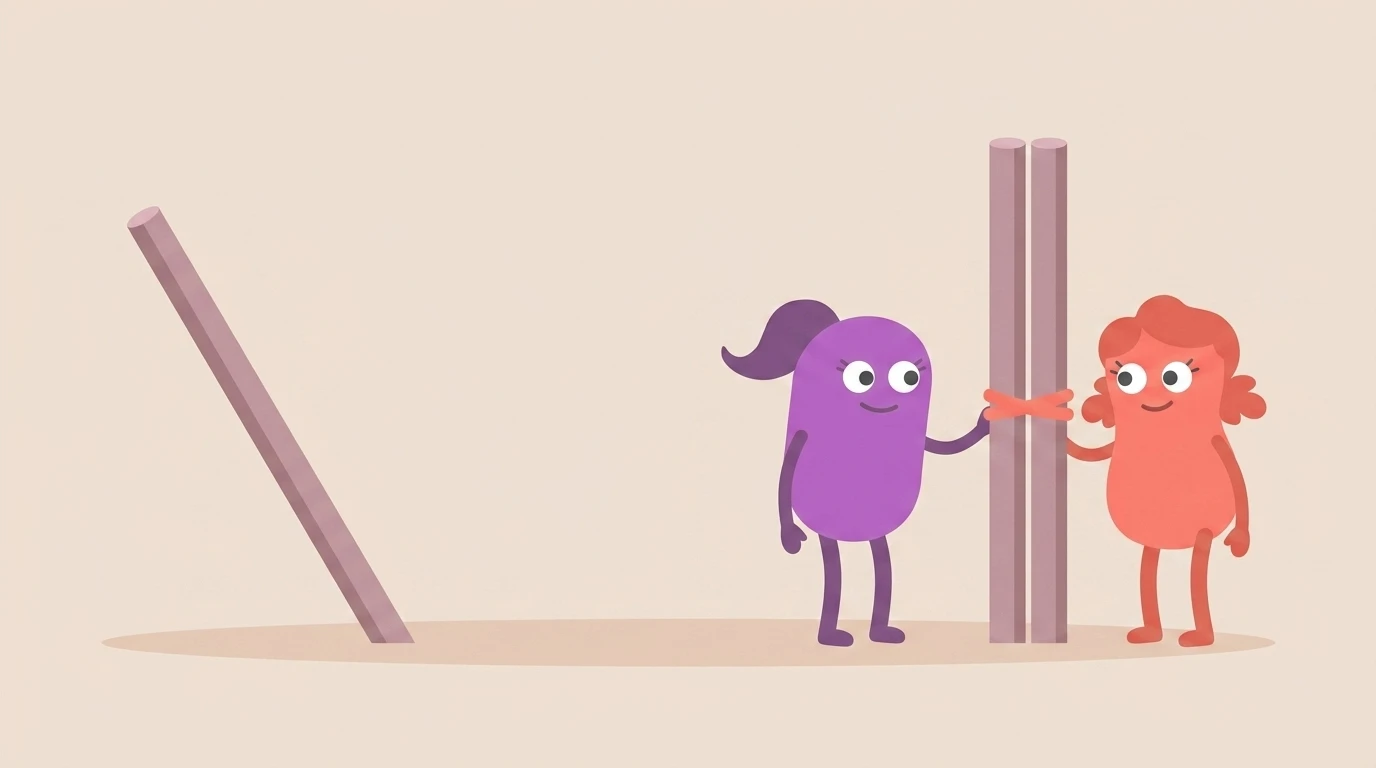
The researchers named two mechanisms inside that accountability relationship. The first, the "mirror effect," is seeing your own struggle reflected in someone else's story closely enough that denial gets harder to maintain. The second, "rational hope," comes from watching someone further along prove that recovery is possible, which turns an abstract goal into evidence. Participants described both as more durable than motivation generated alone.

Why shame-based motivation backfires specifically here

Shame feels like it should work. It's urgent, it's uncomfortable, and it produces a fast burst of resolve. That burst is the controlled motivation described earlier, and the research consistently ties it to worse outcomes, not better ones, because shame treats the behavior as evidence of who you are rather than something you did. The Lorente-Corral study found the deeper shift participants needed wasn't abstinence alone. It was moving from what they described as a "spoiled identity" to a state of personal authenticity, a change in self-concept that shame actively blocks, since shame's whole function is convincing you the spoiled identity is the true one.

What is the biggest killer of motivation?

Isolation. Every source pointing at sustained recovery converges on the same finding: motivation dies fastest when it's private, unwitnessed, and running entirely on the willpower of one person who has already been through multiple failed attempts alone. The moment another person is tracking progress with you, the mechanism changes from resisting an urge in a vacuum to keeping a commitment that someone else can see.

Building motivation that survives a bad week

None of this requires waiting for a better version of yourself to show up before you start. Two things move the needle immediately, based on what the research actually measured: naming a reason for quitting that is yours, not one built from guilt or someone else's opinion of you, and putting a second person inside the process before the first flatline hits, not after a relapse makes it necessary.

A structured plan gives the reason its shape. An accountability partner or group gives it a witness. Neither replaces the other, and the research is specific about why: structure without a witness still runs on isolated willpower, and a witness without structure has nothing concrete to check in on. Put both in place early, and the version of you that shows up in week three is running on something sturdier than the adrenaline that got you through week one.

Next time you search, our newest guide shows up.

Sources

Topics

AI-ready summary

Explains why motivation to quit pornography collapses after the first weeks, using self-determination theory research on autonomous versus controlled motivation in problematic pornography use, a study distinguishing motivational pathways in frequent versus problematic use, and a qualitative study on identity transformation and group accountability in recovery.

Key takeaways

  • A study of 613 adults found that controlled motivations, quitting from stress, guilt, or shame, produced the most dysregulated patterns, while autonomous motivations tied to a person's own values were far more stable (Akbari, Seydavi & Sheikhi, Addictive Behaviors Reports)
  • A study of 890 Hungarian adults (ages 18-64) found that negative, avoidance-driven motivations predicted problematic use and poor emotion regulation, while positive, self-chosen motivations predicted adaptive patterns (Csányi et al., International Journal of Sexual Health)
  • A phenomenological study of 27 people in structured recovery found accountability was the most cited mechanism of change, driving sincerity in 35.7 percent of accounts and relapse prevention in 19.1 percent (Lorente-Corral et al., Journal of Clinical Medicine)
  • The same study identified a 'mirror effect' and 'rational hope' from seeing peers further along in recovery as what converted isolated willpower into sustained change
  • Recovery in that study moved through three phases: personal collapse, group engagement, and identity transformation, not straight from decision to abstinence

Related Challenges & Plans

Keep reading