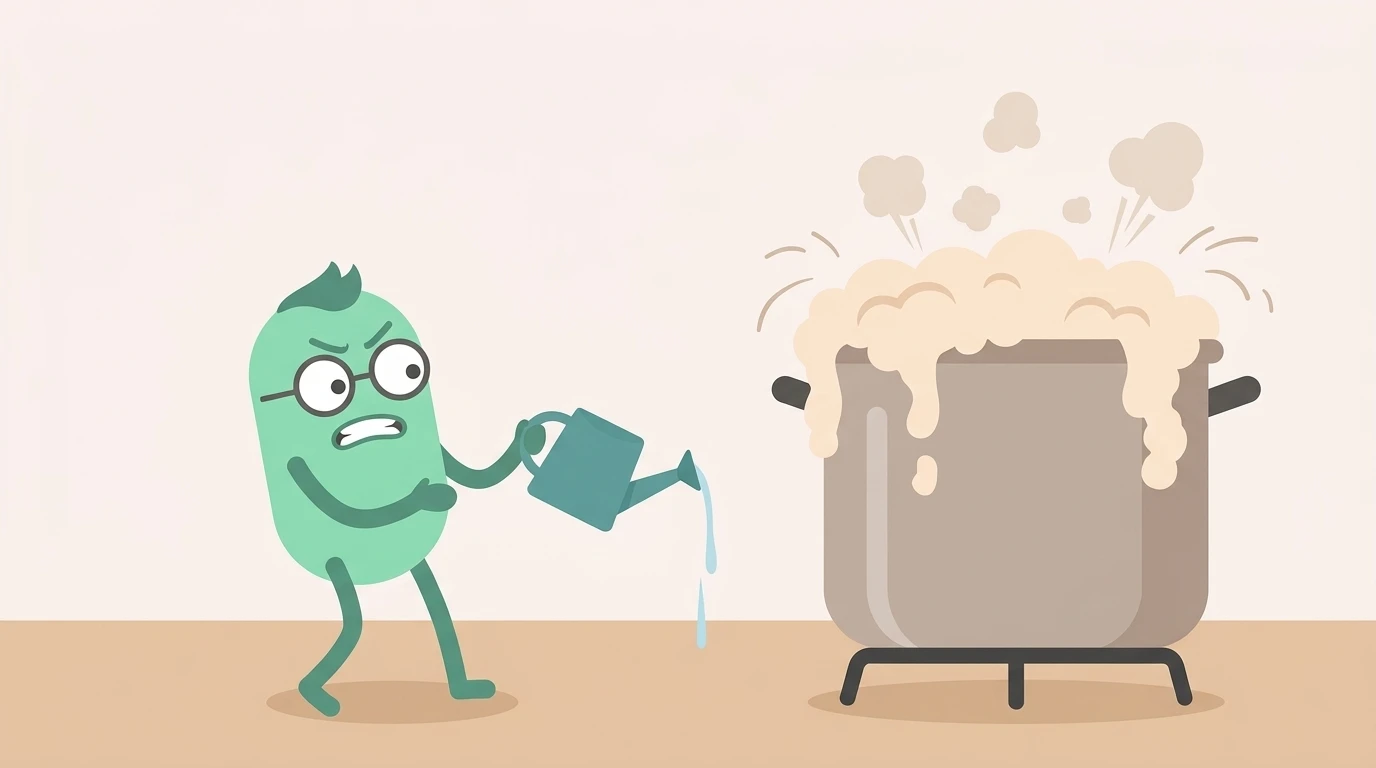
Why ADHD Anger Hits So Fast, and What Helps
ADHD anger is usually emotion dysregulation: fast, hot reactions that are slow to settle. Here is what nine studies show and what to try.
Rachel SteinRead →

20 posts tagged with "Adult ADHD"
Next time you search, our newest guide shows up.
ADHD anger is usually emotion dysregulation: fast, hot reactions that are slow to settle. Here is what nine studies show and what to try.
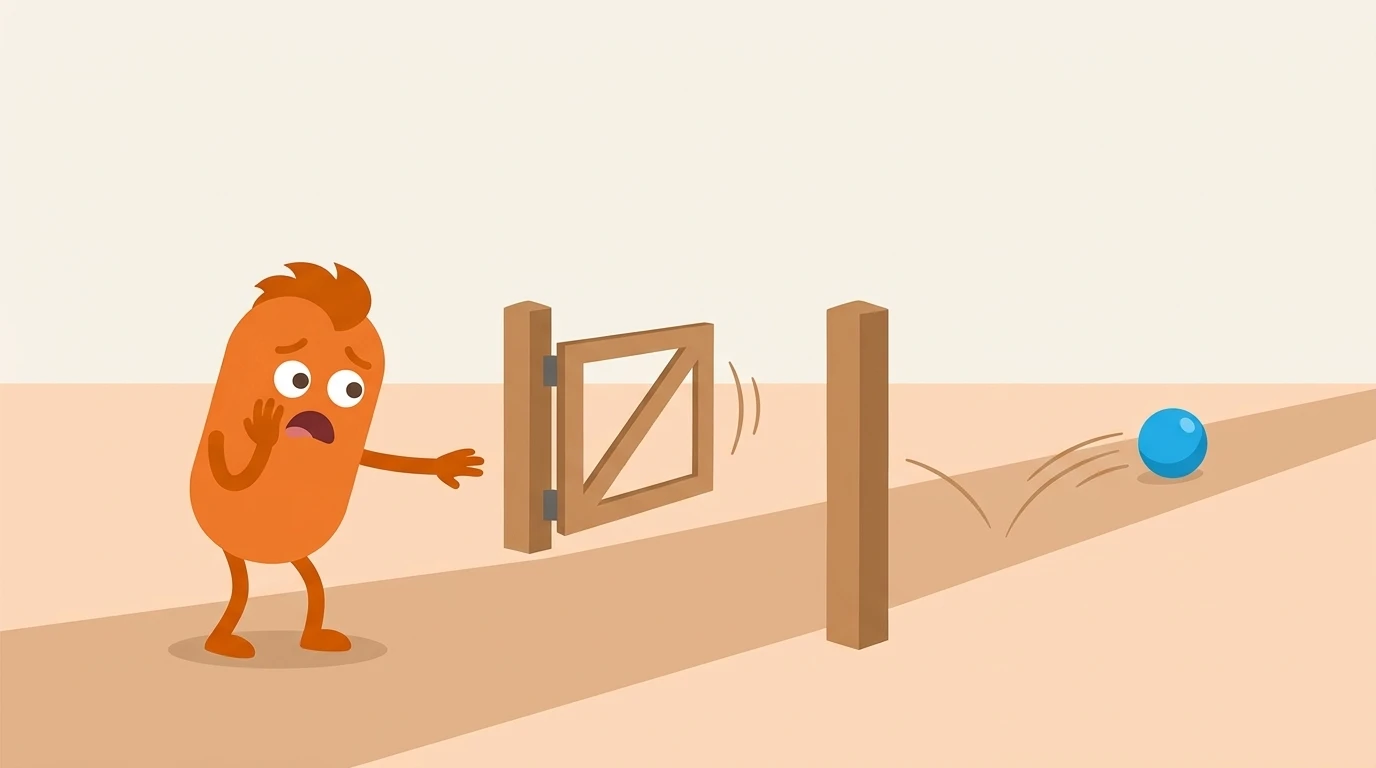
ADHD and impulsivity show up as interrupting, impulse buying and quitting fast. See what the research shows and the steps that add a pause.
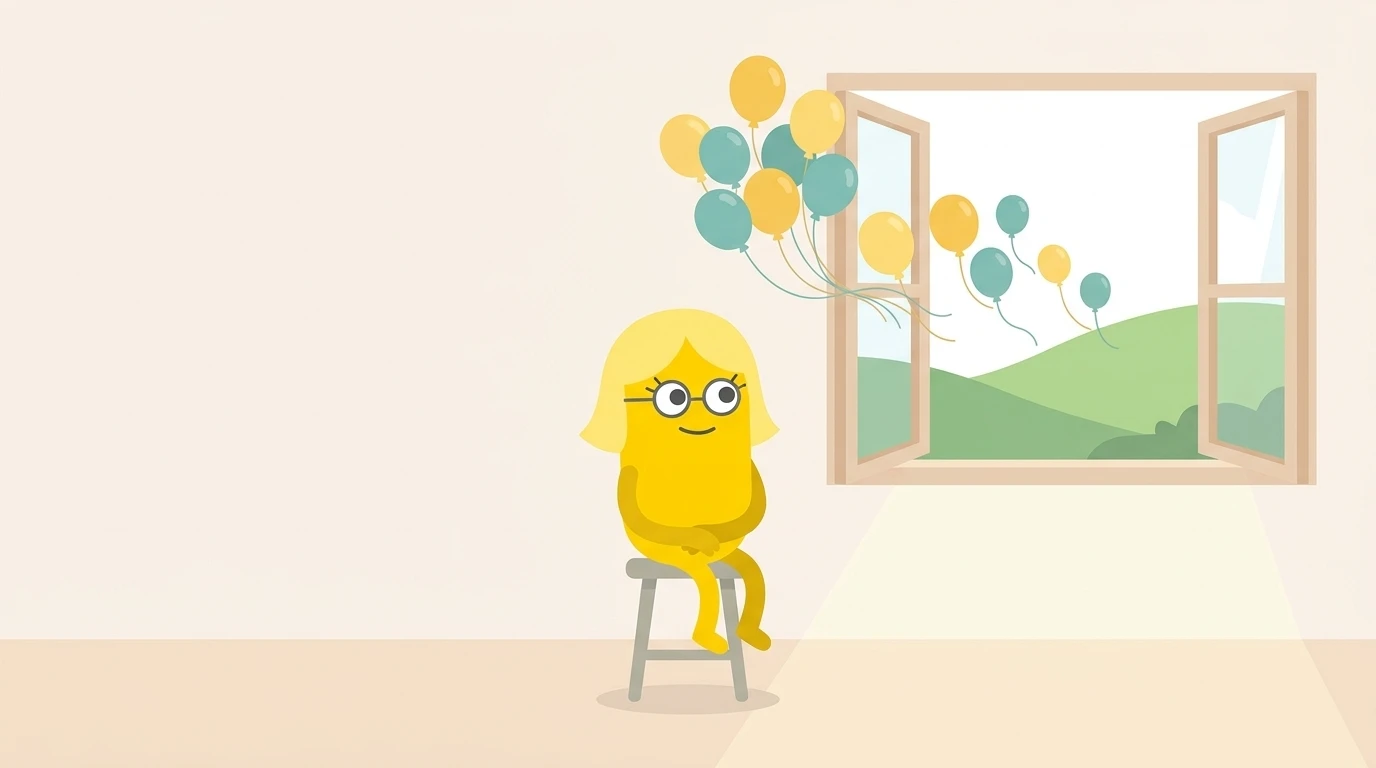
Inattentive ADHD in adults looks like lost focus, late starts and hidden effort. See how it shows up daily, why it is missed and what to do next.
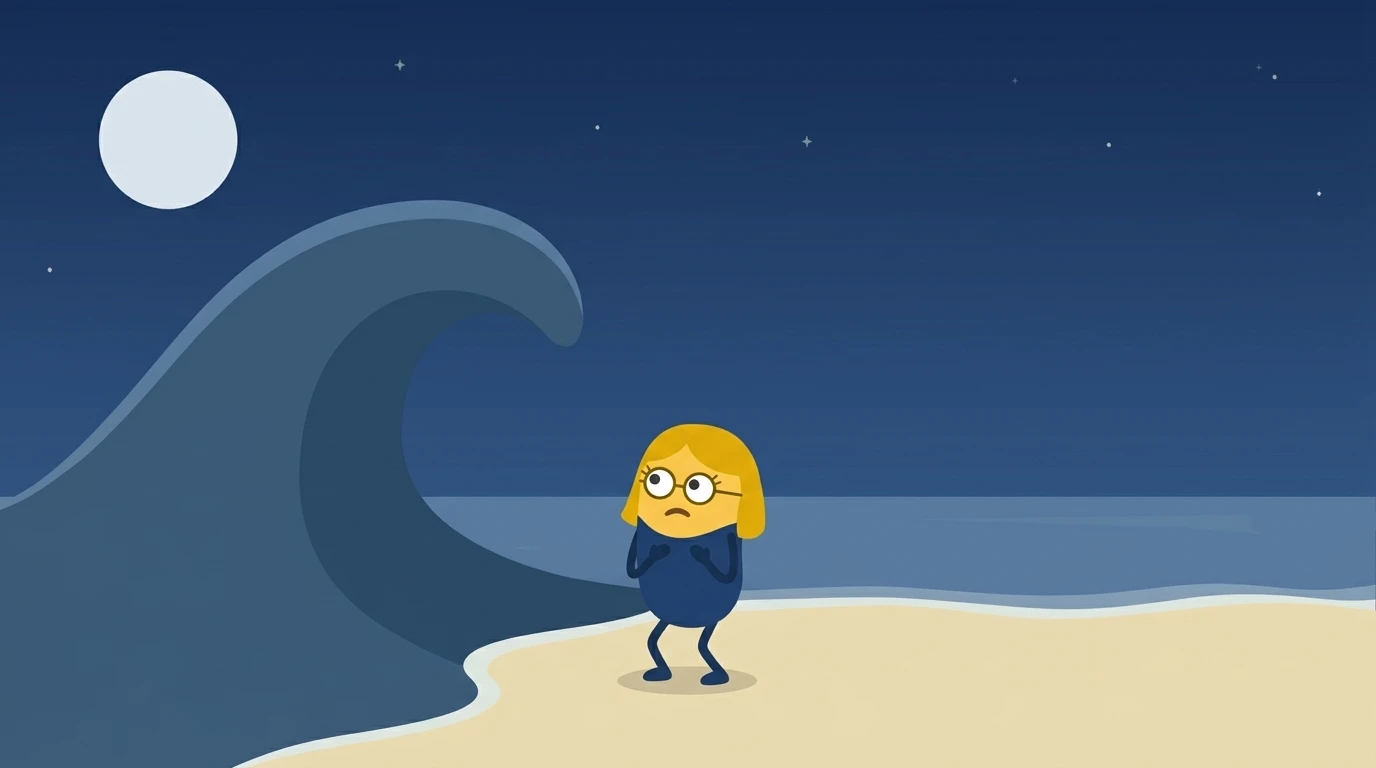
Women with ADHD screen positive for PMDD far more often in survey data. See what the research can and cannot say, and how to track two cycles.
No job cures ADHD, but some fit better. Check seven job features before you apply, from autonomy to recovery time, with the research behind each one.
ADHD symptoms in women often look like overwhelm, not hyperactivity. Learn the signs by life stage, why they are missed, and how evaluation works.
Workplace accommodations are agreed through a conversation, not granted by a diagnosis. Here is what to request and how to frame it.
Body doubling means working alongside another person, in person or virtually, to boost focus through passive accountability. A quick definition, plus how it helps.
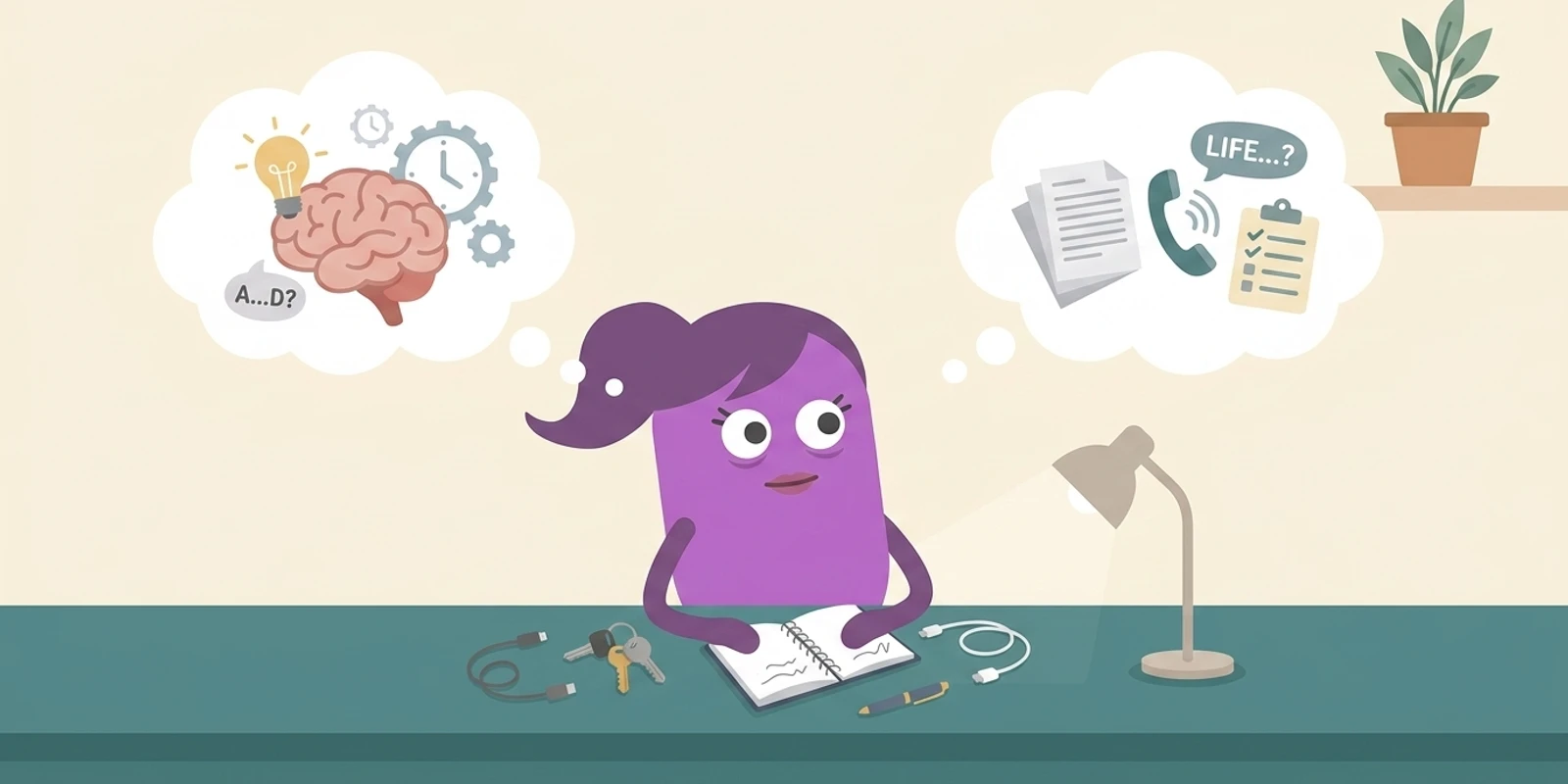
Millions of adults suspect ADHD but don't know where to start. This guide breaks down how adult ADHD testing works, what the scores actually mean, and what to do once you have answers.

Perimenopause amplifies ADHD symptoms through estrogen fluctuations that disrupt dopamine regulation, executive function, and emotional control. Women with ADHD face compounded challenges during this transition, requiring adjusted treatment strategies and self-compassion practices.
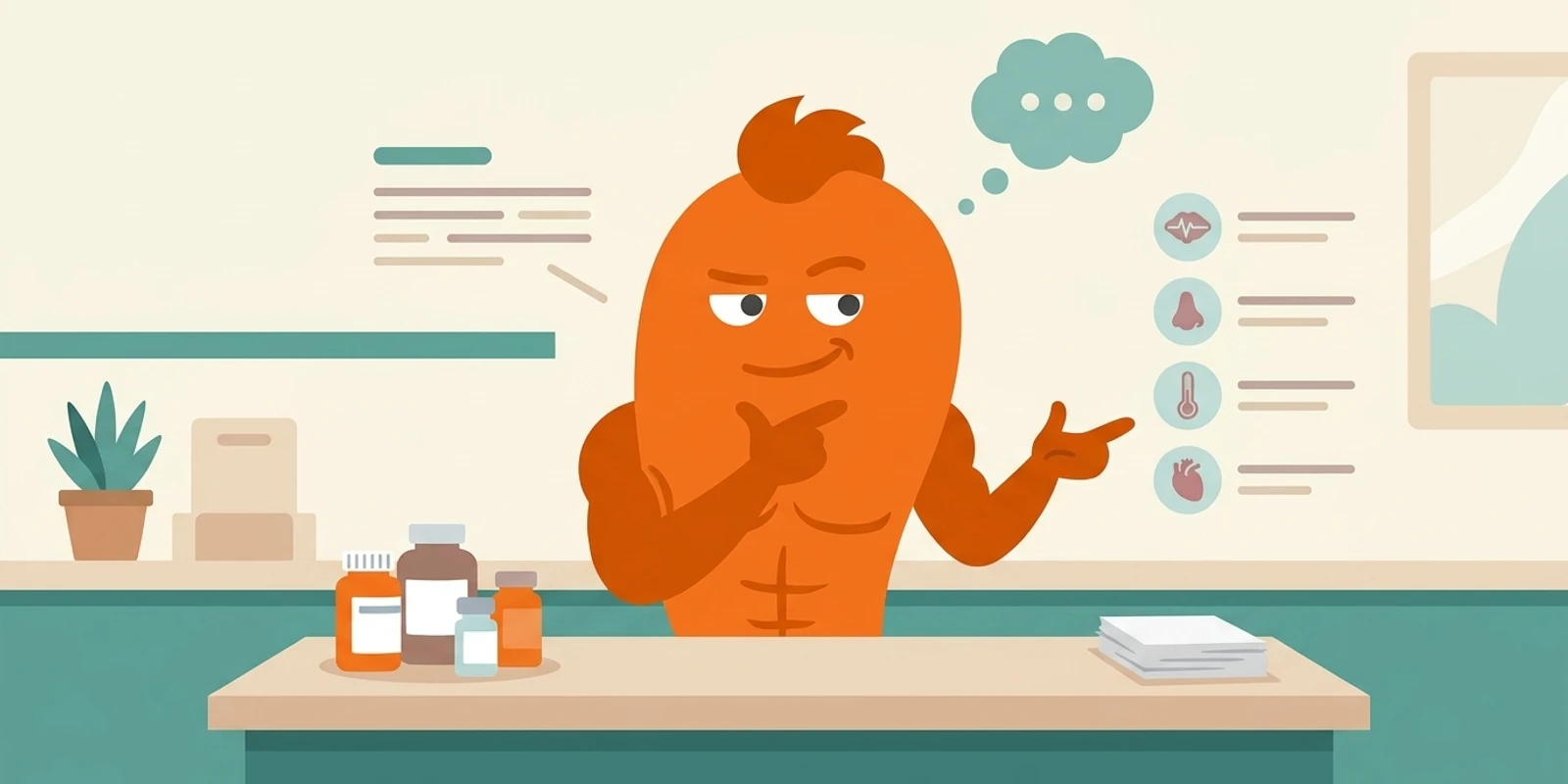
If you have ADHD and depression, you are far from alone: up to half of adults with ADHD experience depression too. The medications treating each condition work through overlapping brain chemistry. Here is what you need to know before your next prescriber appointment.
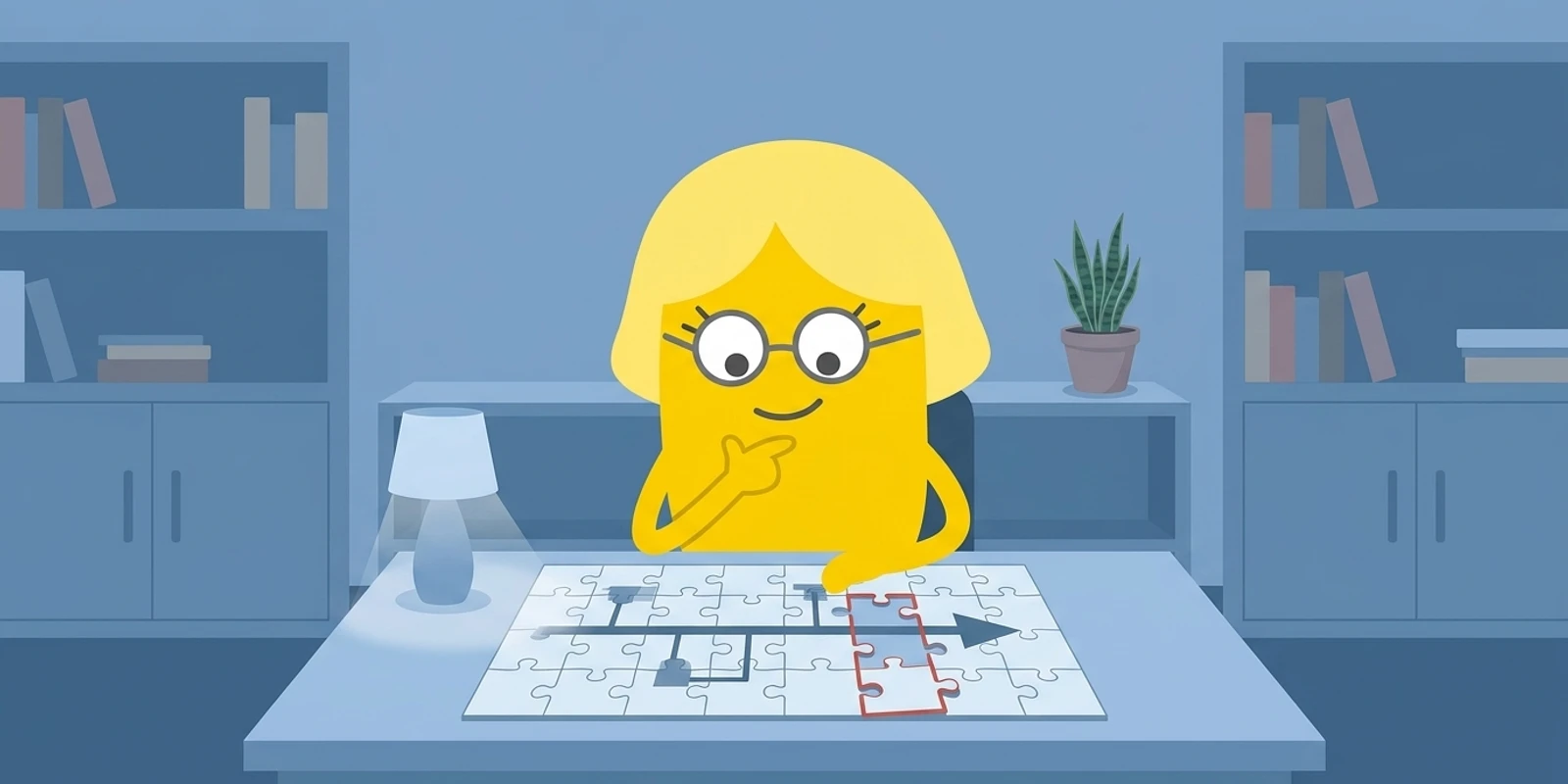
If you spent years being treated for anxiety or depression before anyone mentioned ADHD, you are not alone. Women with ADHD are chronically underdiagnosed because their symptoms look nothing like the hyperactive boys that shaped the original research. This guide covers the evidence-based treatment paths, from medication to cognitive behavioral therapy to daily systems, that work for women's specific presentations.
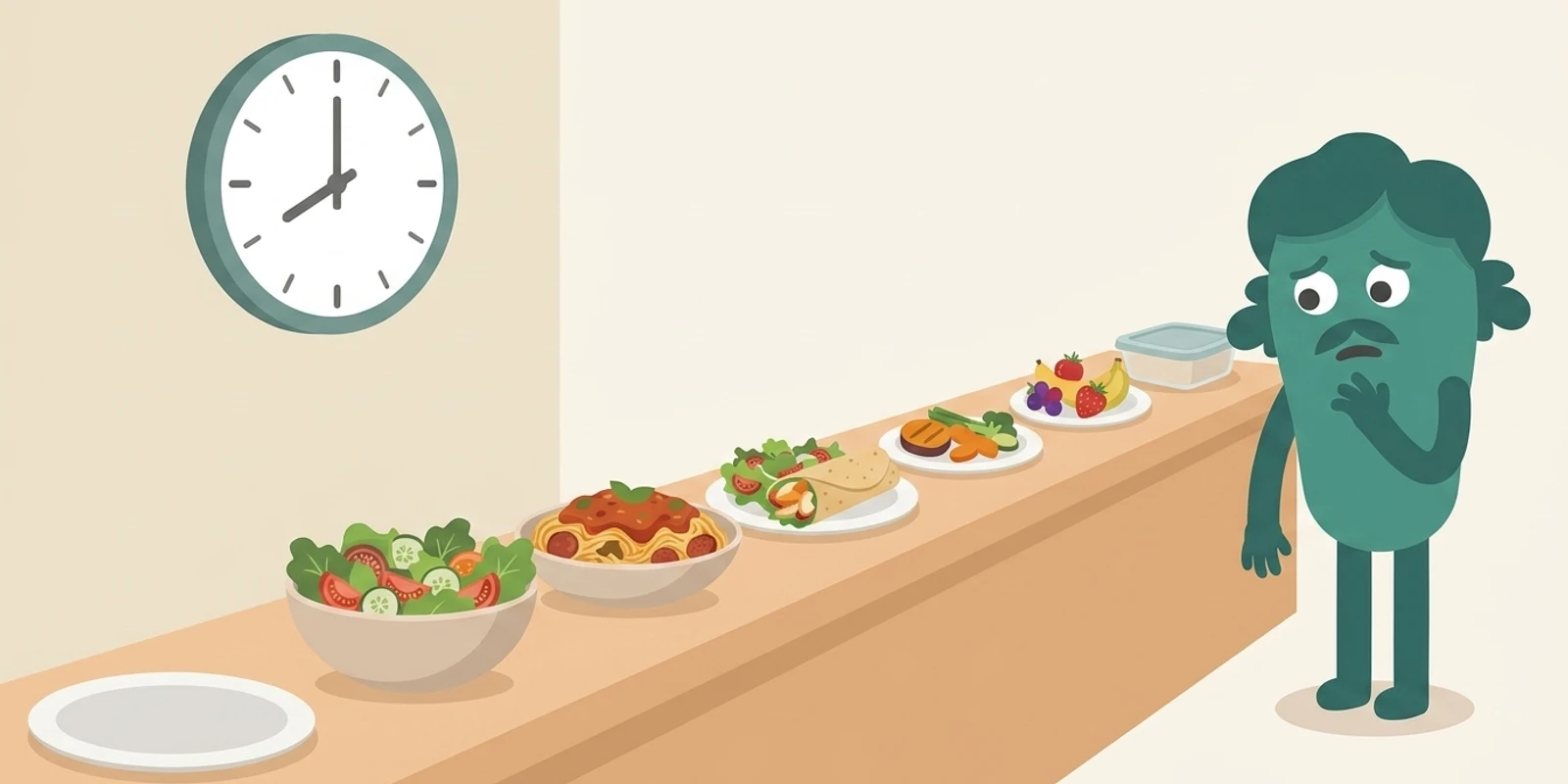
ADHD and anxiety frequently co-occur, creating a cycle where executive function deficits fuel worry and hypervigilance amplifies distraction. Learn how these conditions interact and discover practical, research-backed strategies to break the cycle.
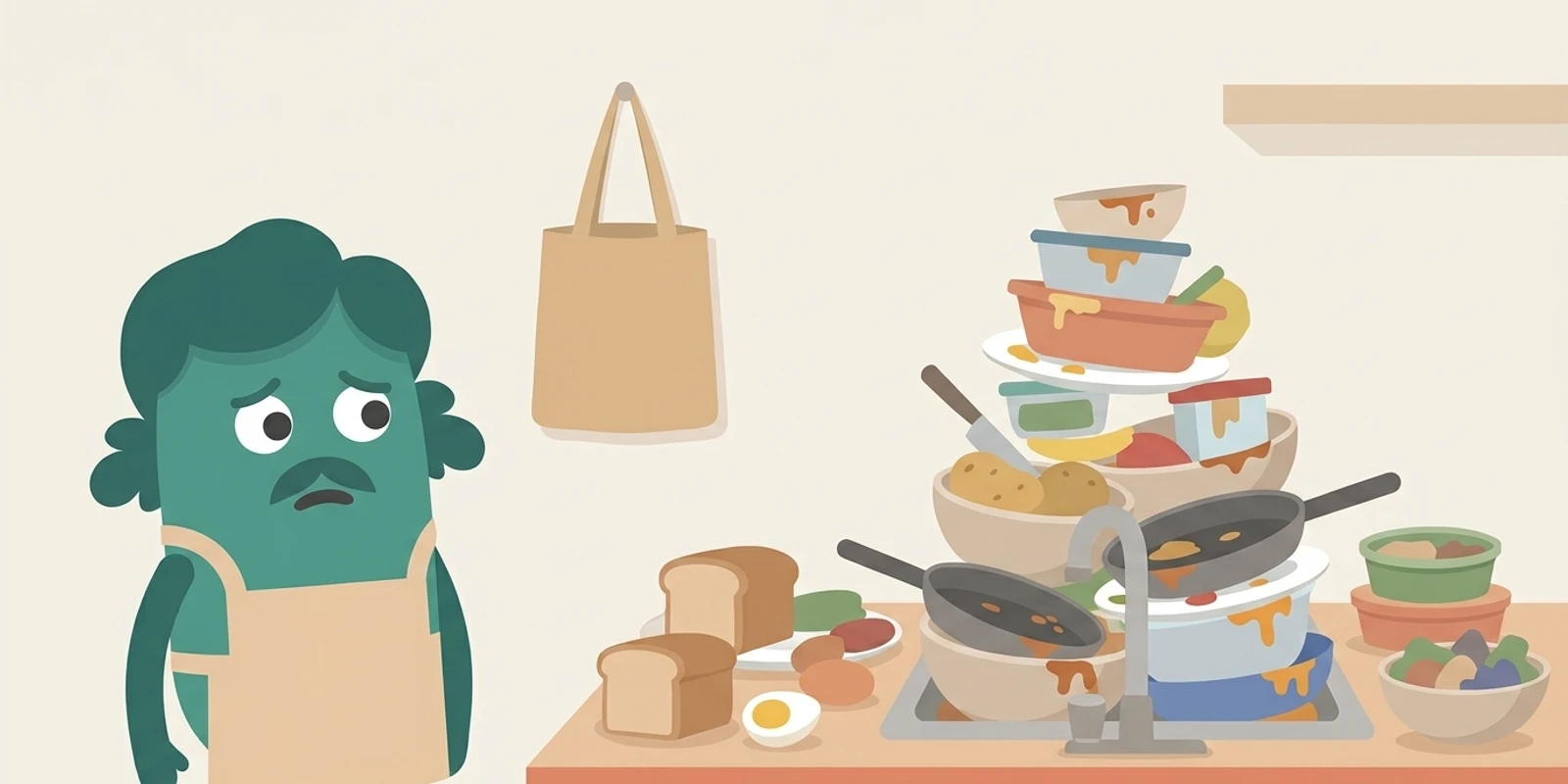
Medication is not the only path for managing ADHD. Evidence-based behavioral, environmental, and cognitive strategies address the root causes of ADHD symptoms so you can build a life that actually works for your brain. Here is what the research says.
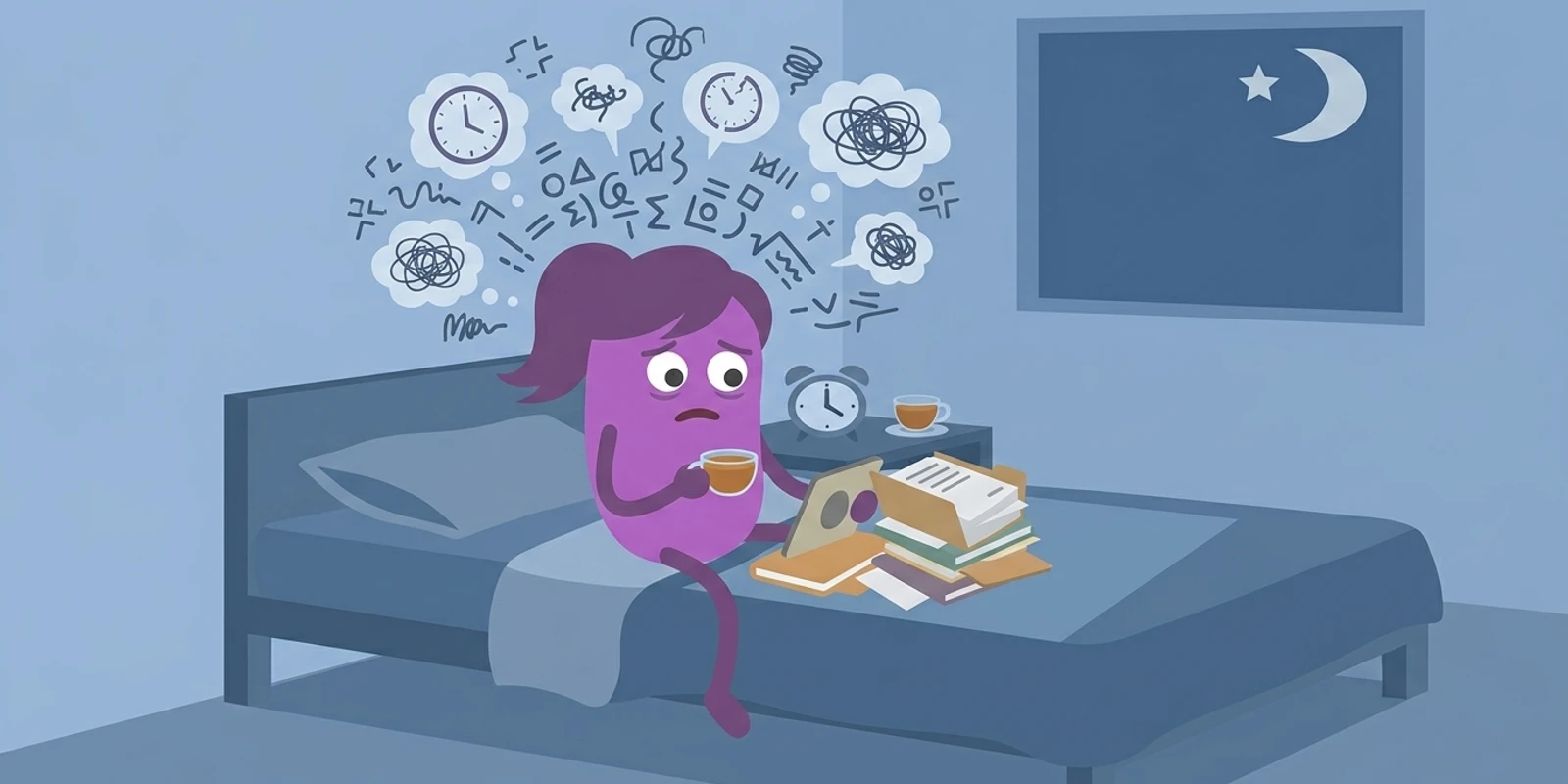
Estrogen doesn’t just regulate your cycle; it also modulates dopamine, the same neurotransmitter already scarce in ADHD brains. When levels drop at menopause, symptoms such as forgetfulness, emotional volatility, and time blindness can surge overnight.
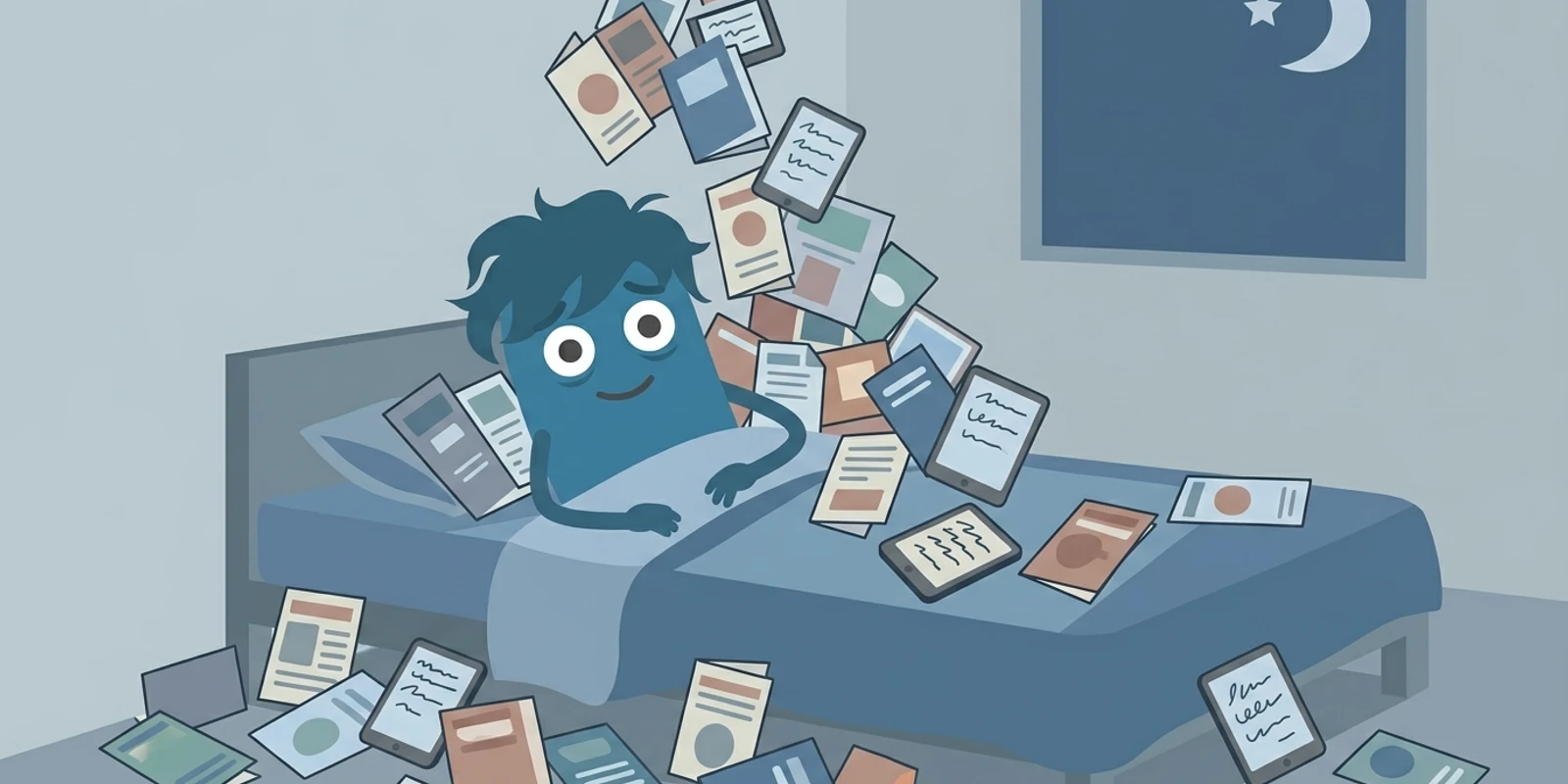
If you have both ADHD and autism, the two conditions don't simply add up. They interact in ways that create a distinct experience called AuDHD, and standard advice for either condition alone often misses the mark entirely.
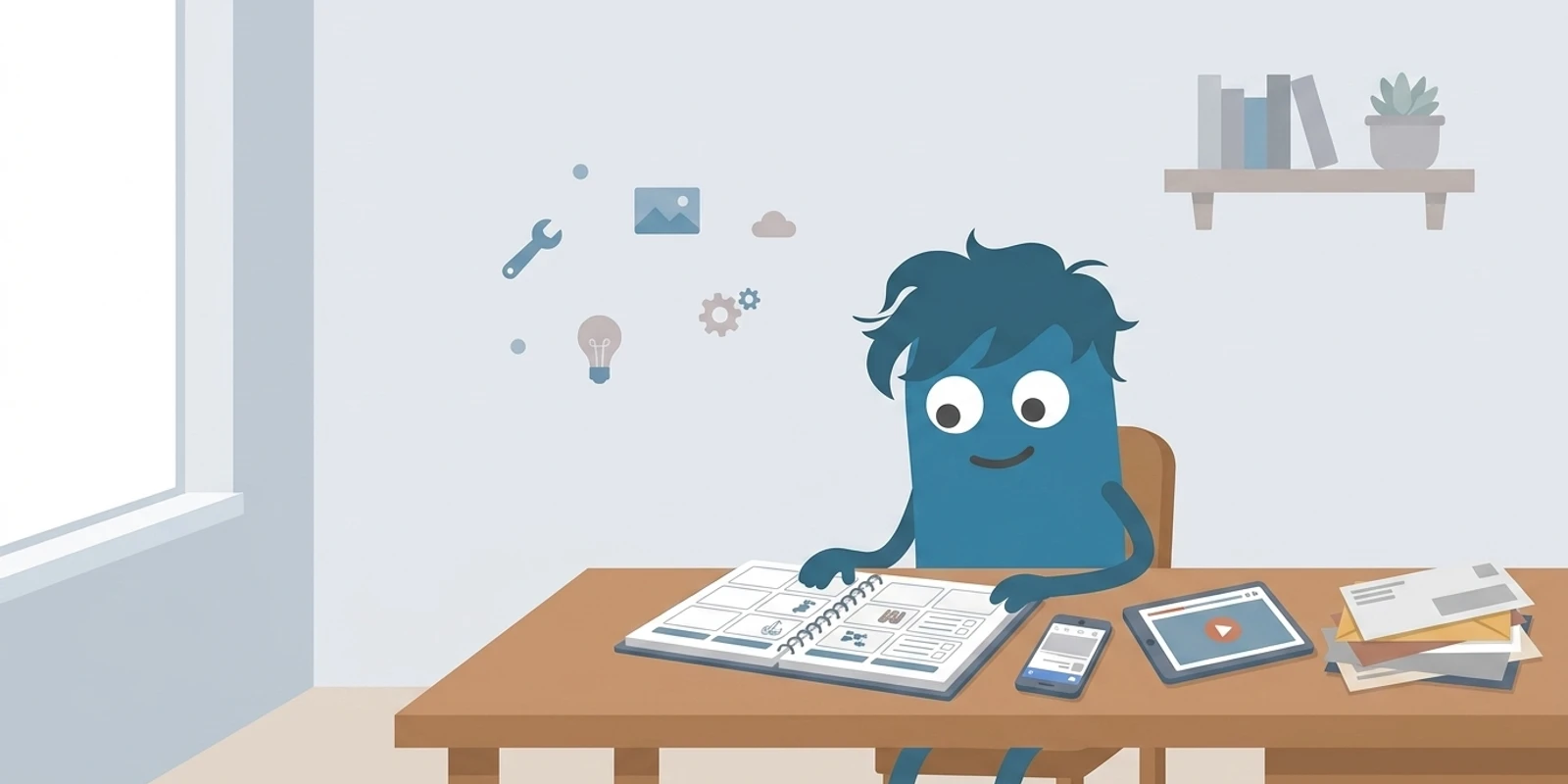
Cognitive behavioral therapy adapted for ADHD goes beyond standard talk therapy to target executive function deficits directly. This guide explains the techniques that work, the evidence behind them, and how to find a therapist trained in ADHD-specific protocols.
Time blindness in ADHD isn't laziness—it's a neurological impairment in how the brain perceives and uses time. Learn the science behind it and practical strategies to compensate.

ADHD burnout isn't just being tired—it's a neurobiological crisis where your executive function system shuts down. Learn to recognize the warning signs and implement science-backed recovery strategies.

Rejection sensitive dysphoria symptoms include sudden, overwhelming emotional pain triggered by perceived rejection, intense shame spirals, avoidance of opportunities, and rage or withdrawal that feels uncontrollable — even when the trigger seems minor to others.