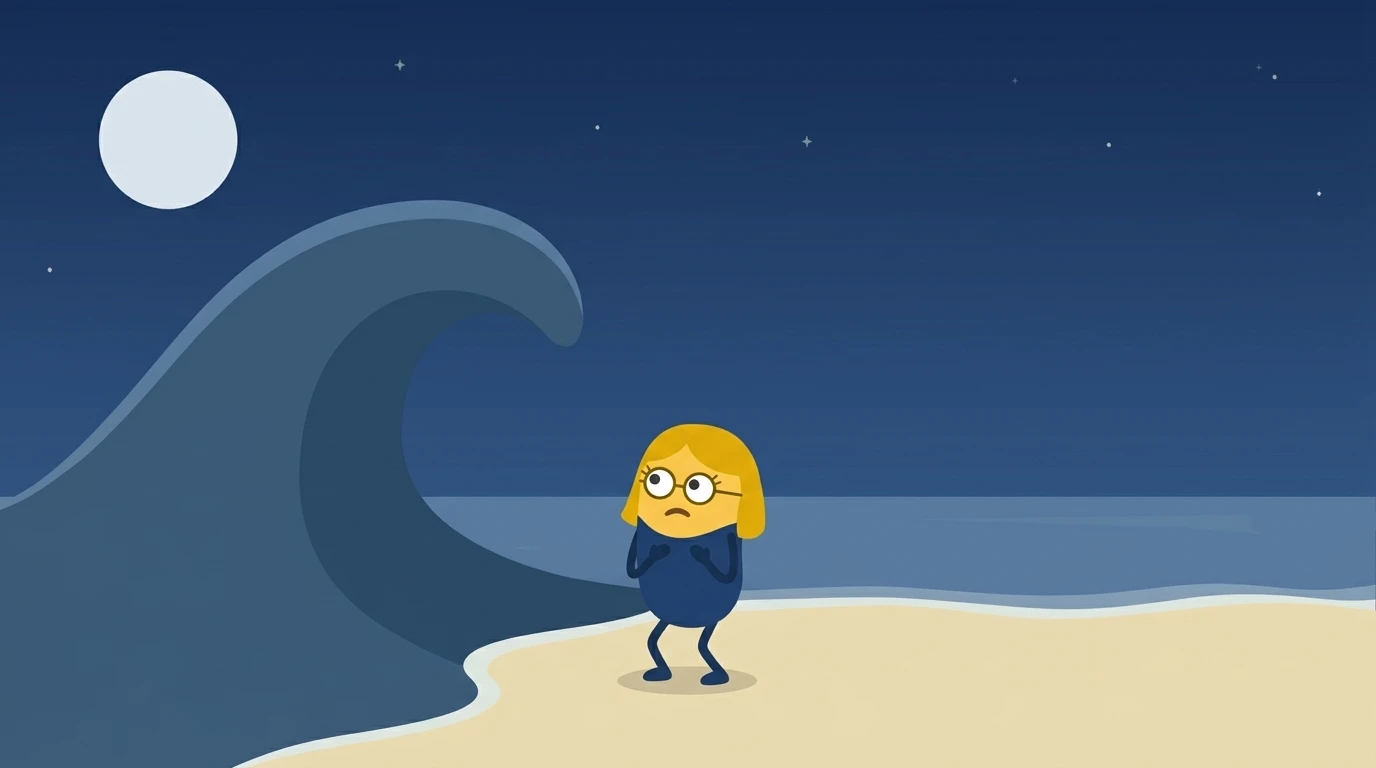
Is It ADHD, PMDD, or Both Before Your Period?
Women with ADHD screen positive for PMDD far more often in survey data. See what the research can and cannot say, and how to track two cycles.
Rachel SteinRead →

13 posts tagged with "emotional regulation"
Next time you search, our newest guide shows up.
Women with ADHD screen positive for PMDD far more often in survey data. See what the research can and cannot say, and how to track two cycles.
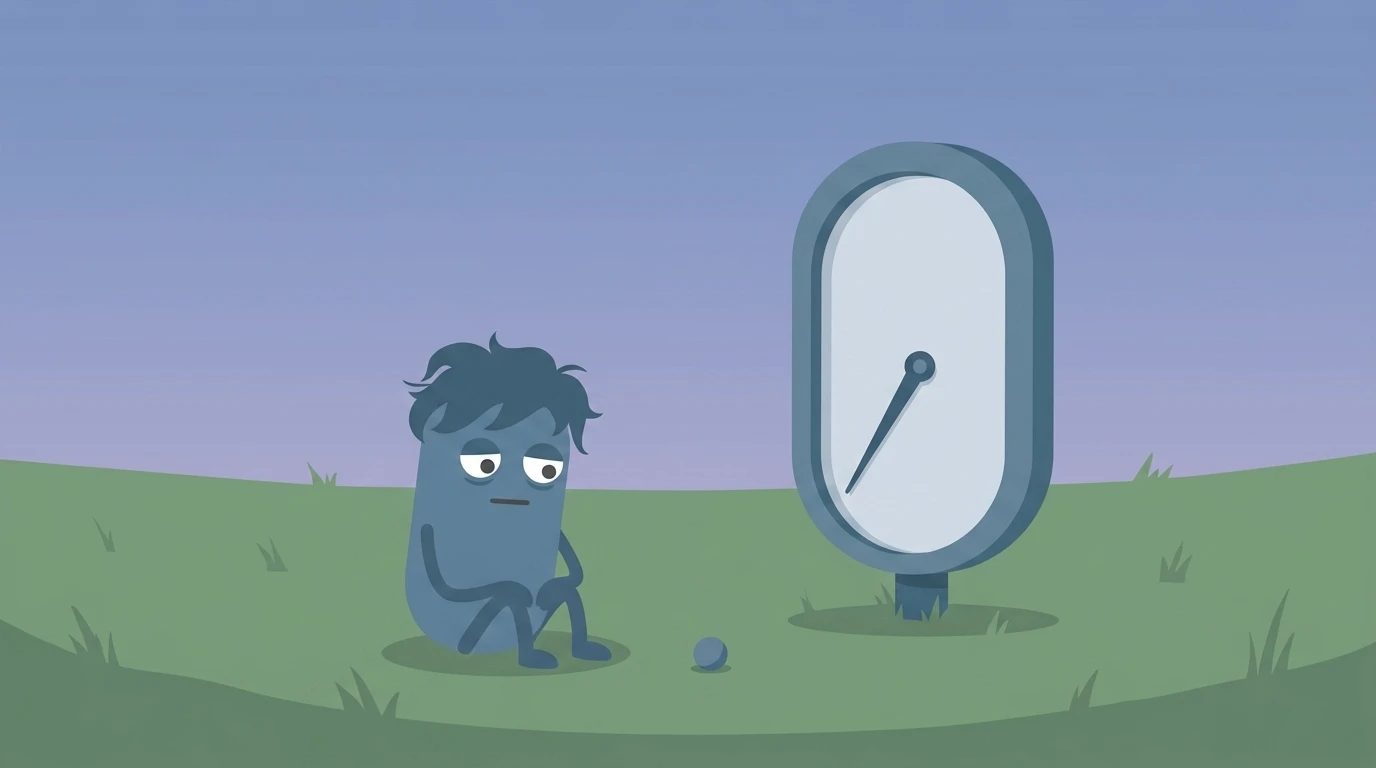
An ADHD shutdown usually lifts in hours, sometimes a day or two. Here's what causes it, what it feels like, and how to recover faster.
Purple and teal ribbons symbolize suicide awareness and prevention, each representing distinct aspects of the movement. Understanding these colors helps communities unite in supporting mental health and reducing stigma around suicidal ideation.
Mental health first aid equips individuals with practical skills to recognize, respond to, and support someone experiencing a mental health crisis or developing a mental health problem. This evidence-based framework reduces stigma, improves early intervention, and builds community resilience through structured training protocols.

Perimenopause amplifies ADHD symptoms through estrogen fluctuations that disrupt dopamine regulation, executive function, and emotional control. Women with ADHD face compounded challenges during this transition, requiring adjusted treatment strategies and self-compassion practices.
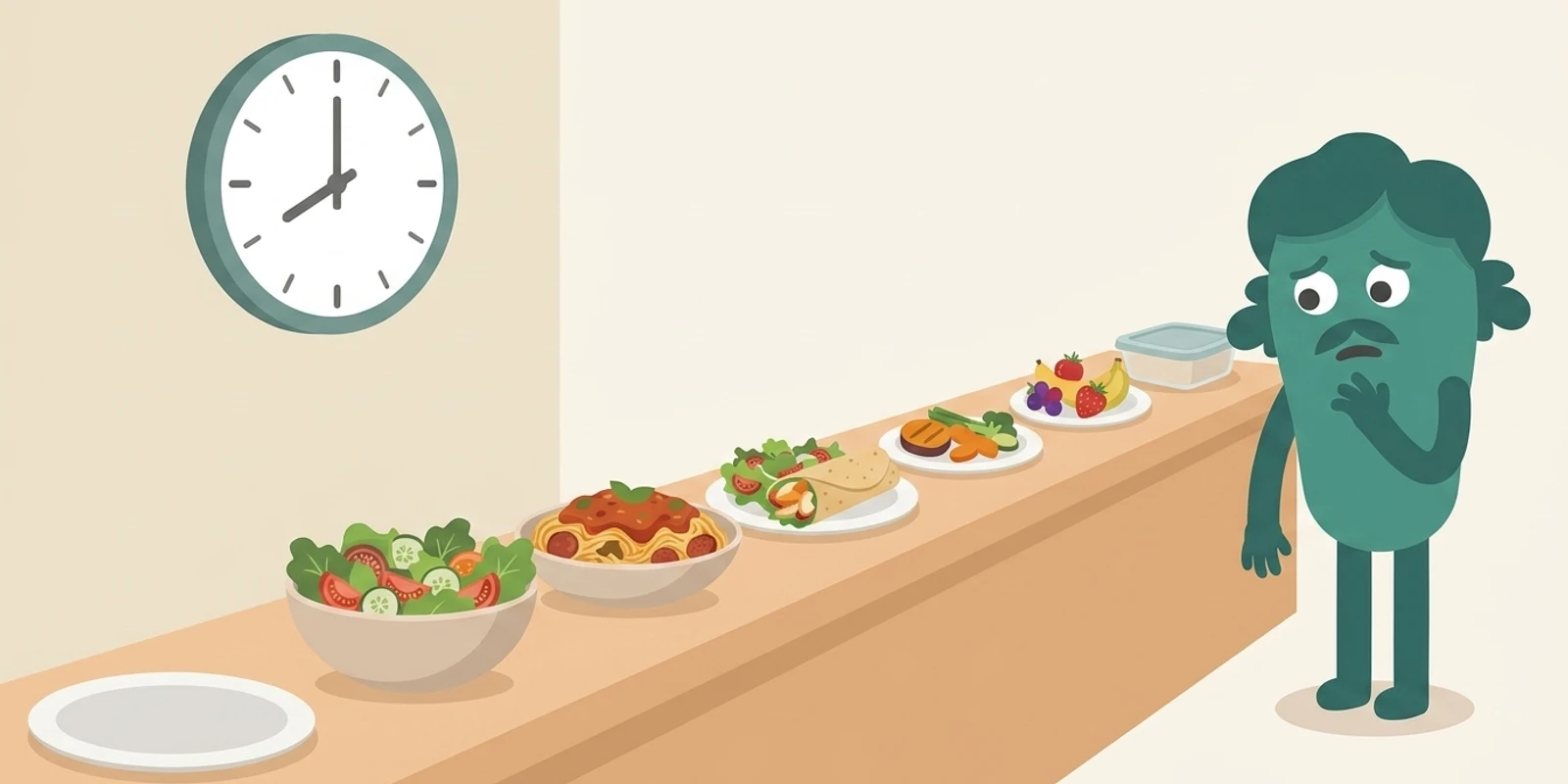
ADHD and anxiety frequently co-occur, creating a cycle where executive function deficits fuel worry and hypervigilance amplifies distraction. Learn how these conditions interact and discover practical, research-backed strategies to break the cycle.
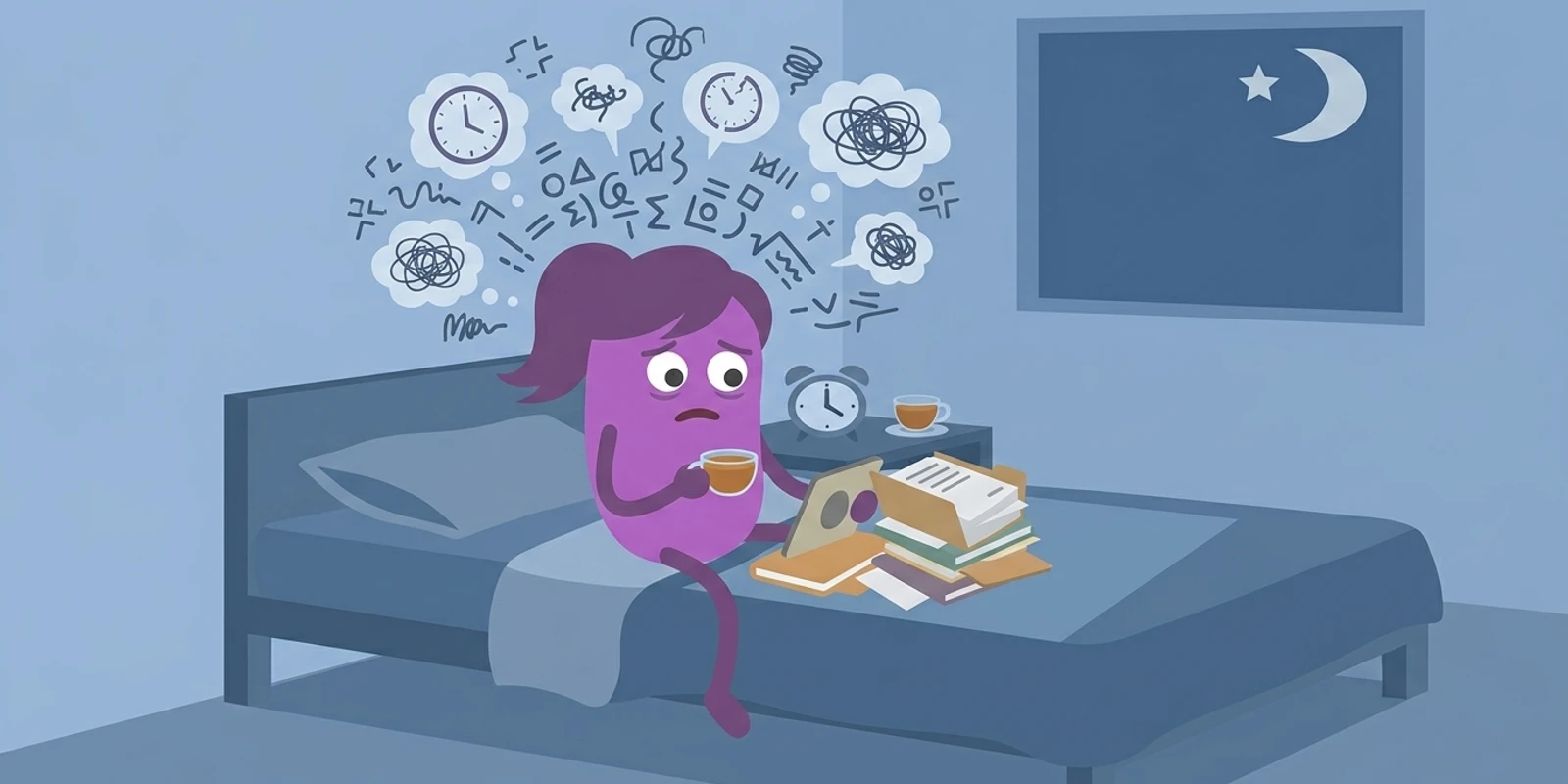
Estrogen doesn’t just regulate your cycle; it also modulates dopamine, the same neurotransmitter already scarce in ADHD brains. When levels drop at menopause, symptoms such as forgetfulness, emotional volatility, and time blindness can surge overnight.
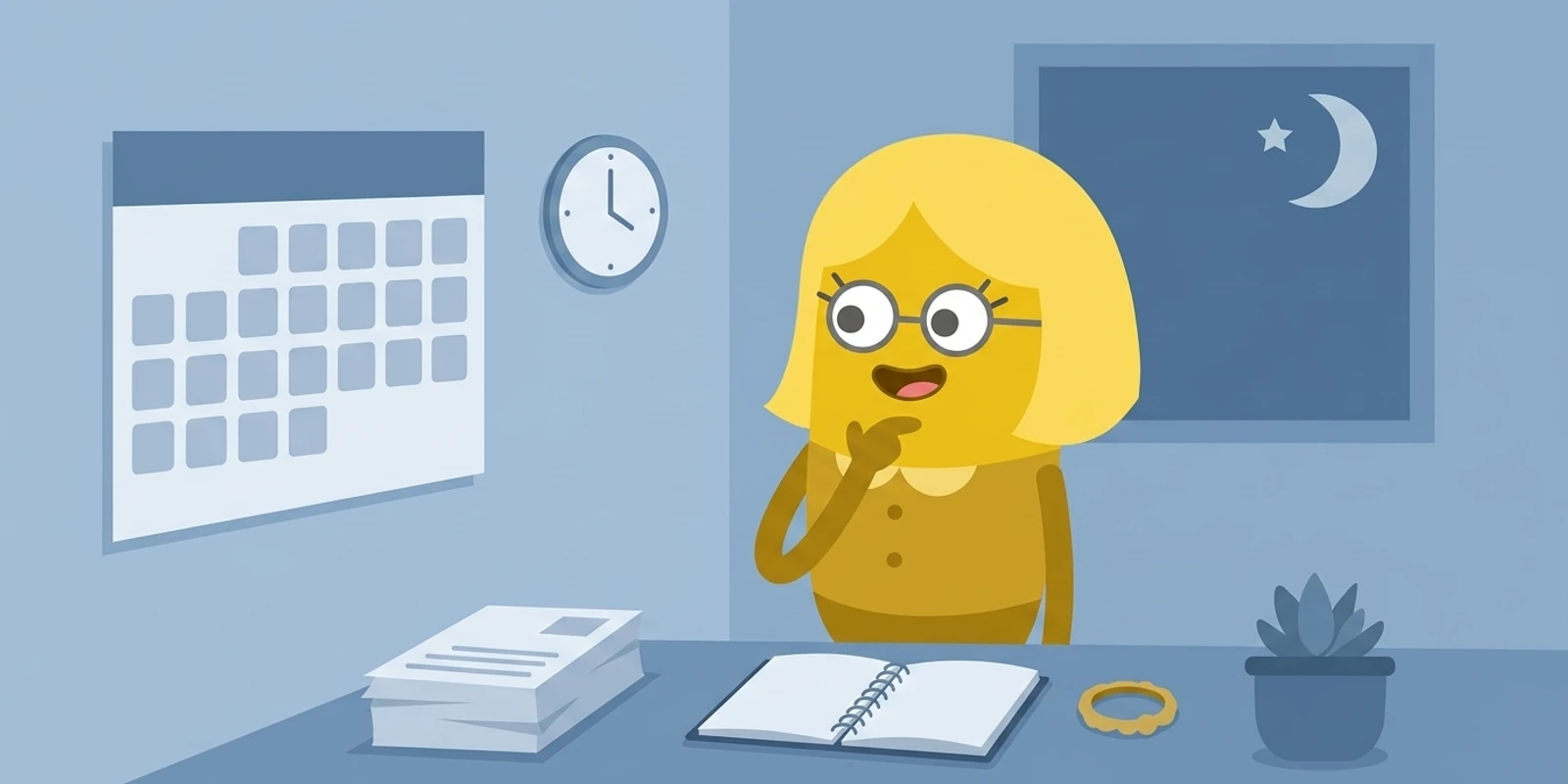
ADHD burnout isn't just feeling tired. It's a neurological shutdown caused by dopamine depletion and executive function collapse, and the usual recovery advice makes it worse. Here's what's actually happening in your brain and how to get out.
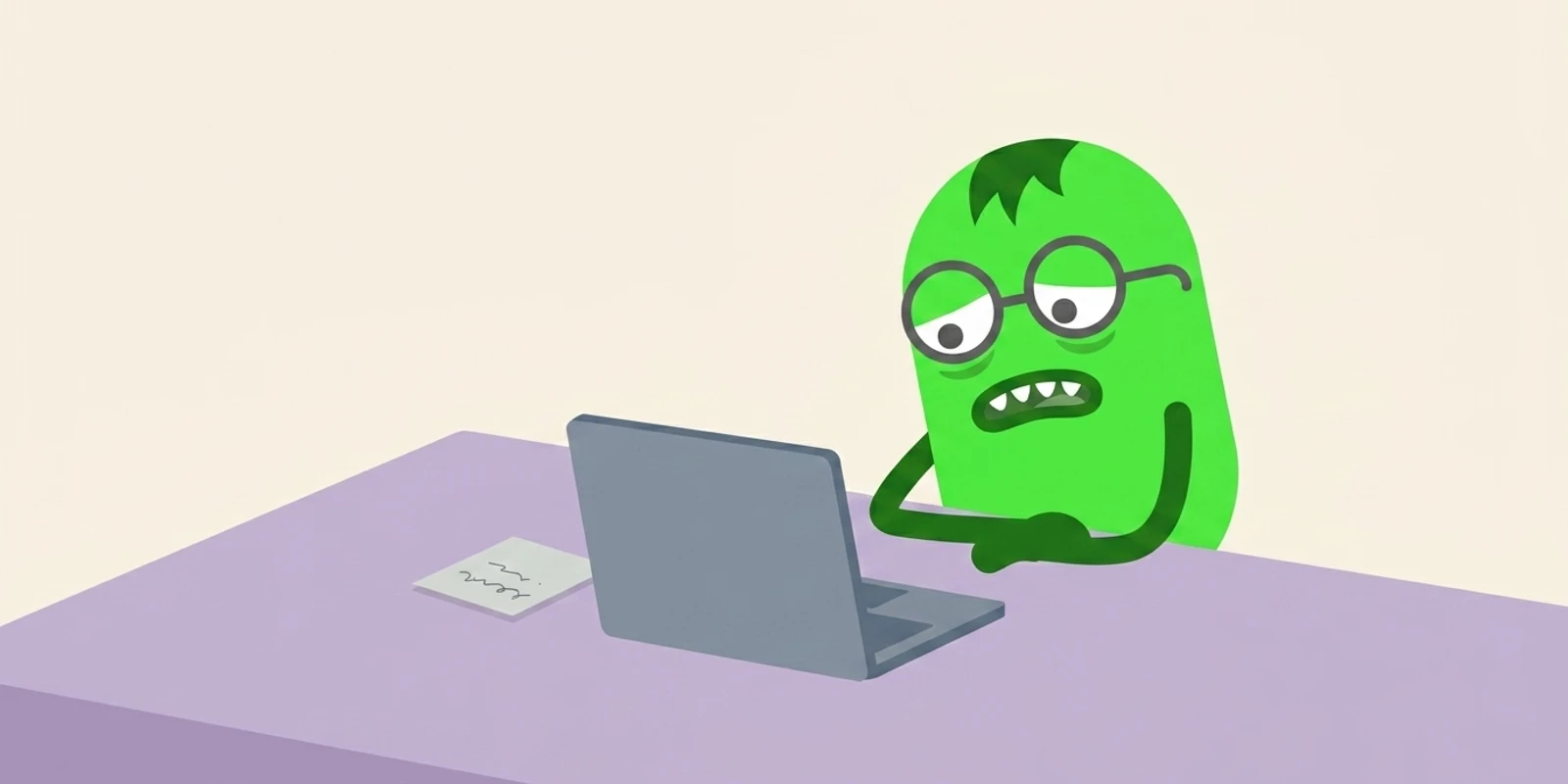
ADHD burnout isn't just being tired—it's a neurobiological crisis where your executive function system shuts down. Learn to recognize the warning signs and implement science-backed recovery strategies.

RSD and BPD both involve intense reactions to rejection, but they differ fundamentally: RSD episodes are brief, trigger-specific, and resolve quickly, while BPD involves chronic emotional instability, identity disturbance, and relationship cycling that persists between triggers.

RSD treatment includes alpha-2 agonist medications (guanfacine, clonidine) that directly target emotional reactivity, CBT adapted for ADHD, DBT distress tolerance skills, and structural strategies that reduce the behavioral consequences of rejection sensitivity.

Rejection sensitive dysphoria symptoms include sudden, overwhelming emotional pain triggered by perceived rejection, intense shame spirals, avoidance of opportunities, and rage or withdrawal that feels uncontrollable — even when the trigger seems minor to others.
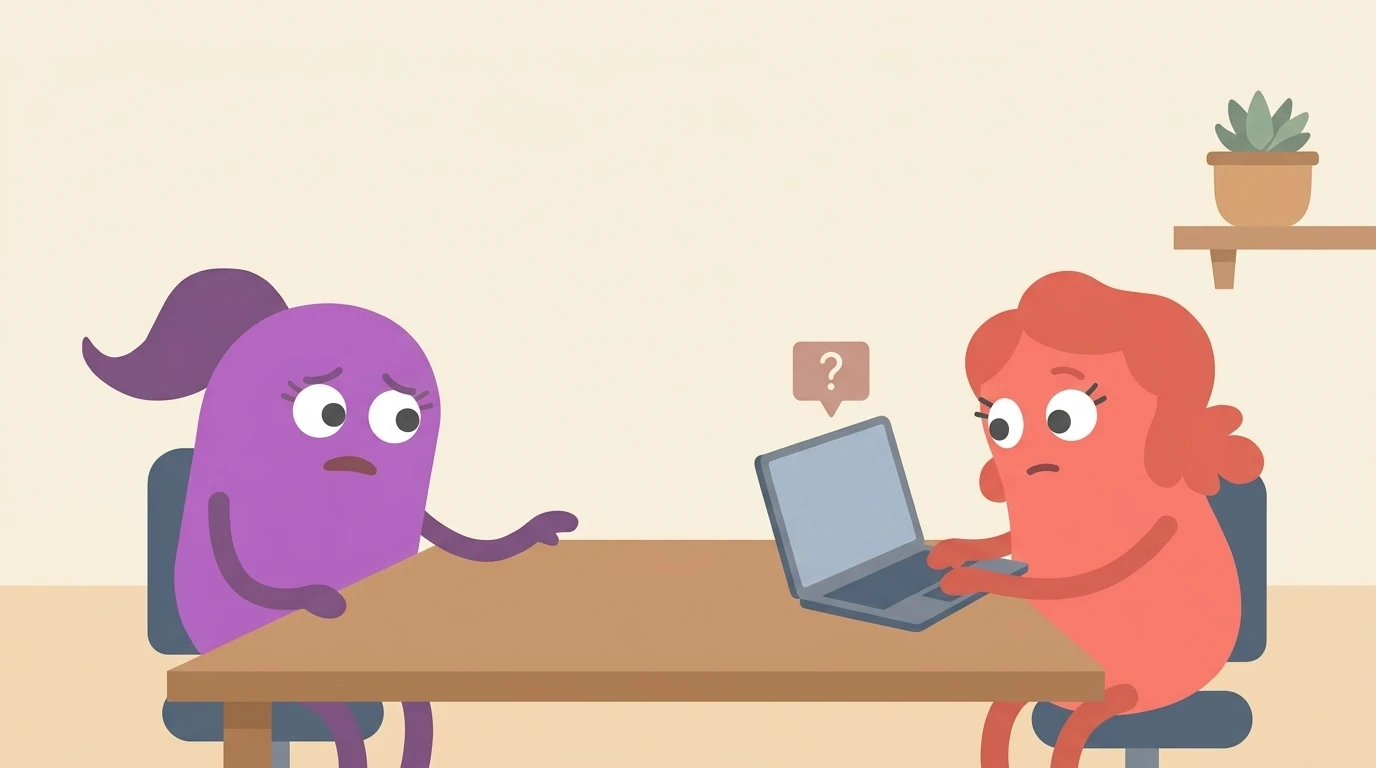
ADHD affects relationships in specific, predictable ways — not because the person with ADHD doesn't care, but because of how the ADHD brain processes attention, emotion, and time. Understanding these patterns changes everything.