Support Groups for Loneliness and Adult Friendship
Not all support is the same kind of support. Here's what the research says about which groups actually reduce loneliness, and why doing something together beats talking about it.
Rachel SteinRead →

15 posts in this category
Next time you search, our newest guide shows up.
Not all support is the same kind of support. Here's what the research says about which groups actually reduce loneliness, and why doing something together beats talking about it.
What a depression support group actually does, what it doesn't, and how to find one that doesn't require you to leave your couch.
A practical guide to finding a grief support group that fits your loss, including what actually happens in a session and how to know when it's time to try another one.
Online support groups reliably get people access and keep them showing up, but the research on symptom change is mixed. Here's what the evidence actually shows.
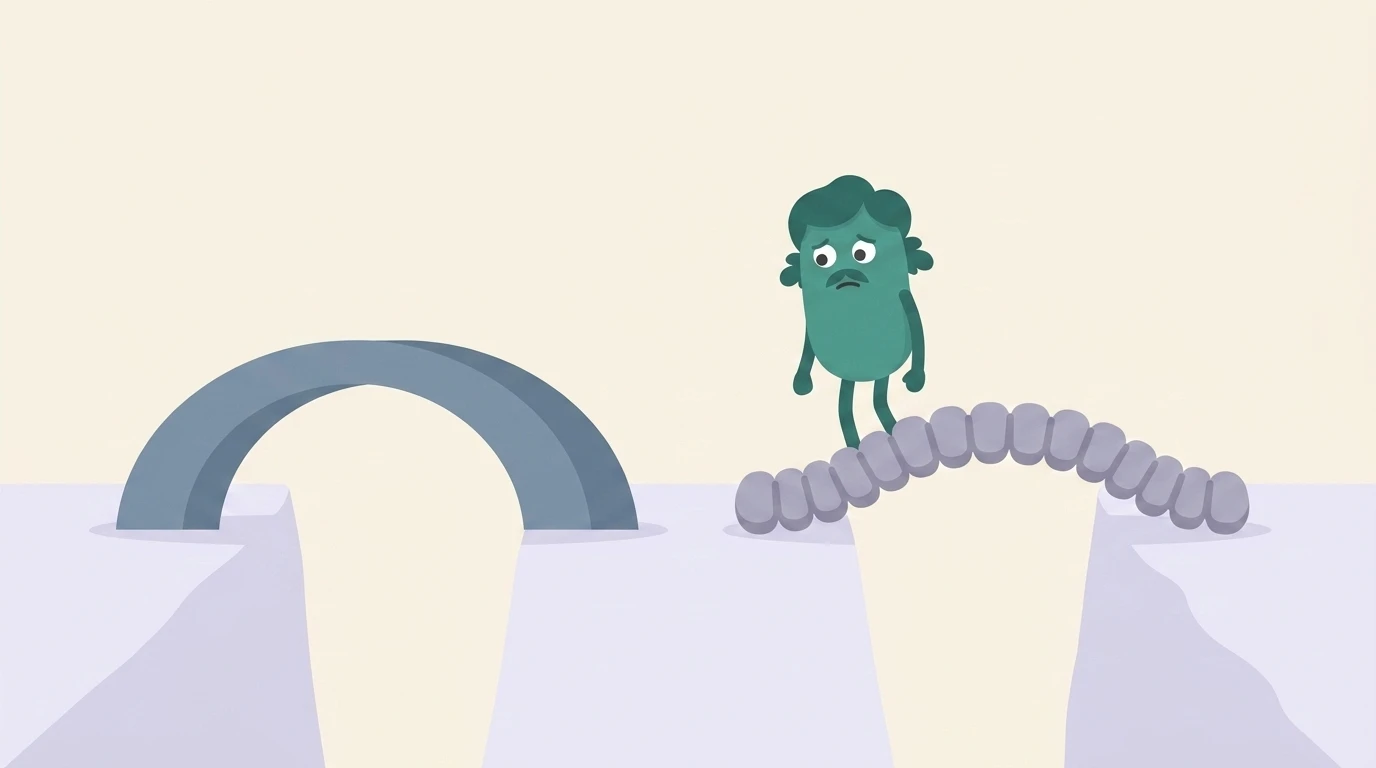
Therapy and peer support aren't competing options. One brings clinical training, the other brings people who stay in your corner. Here's how to tell which you need.
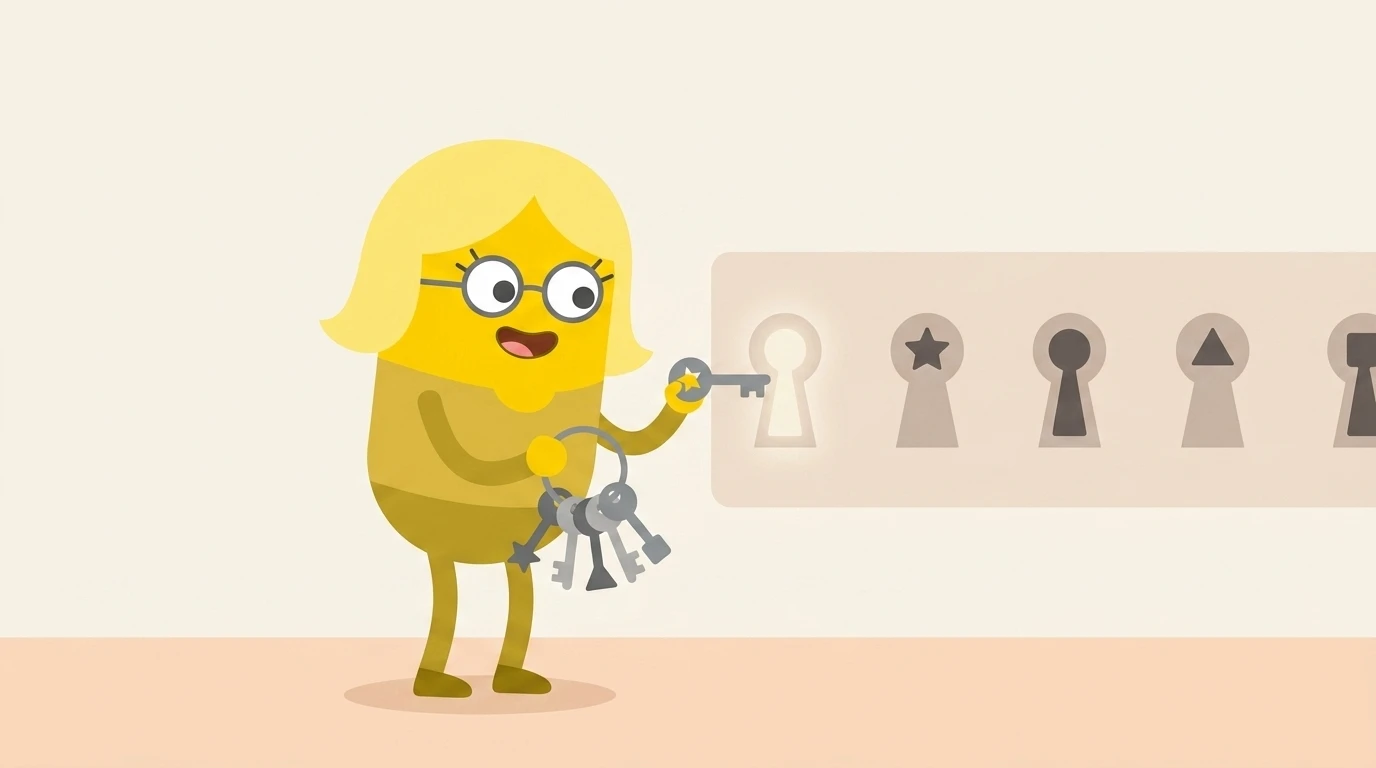
The fastest way out of a motivation slump is figuring out which one you're actually in. This guide sorts the eight most common causes and points to the fix that matches yours.
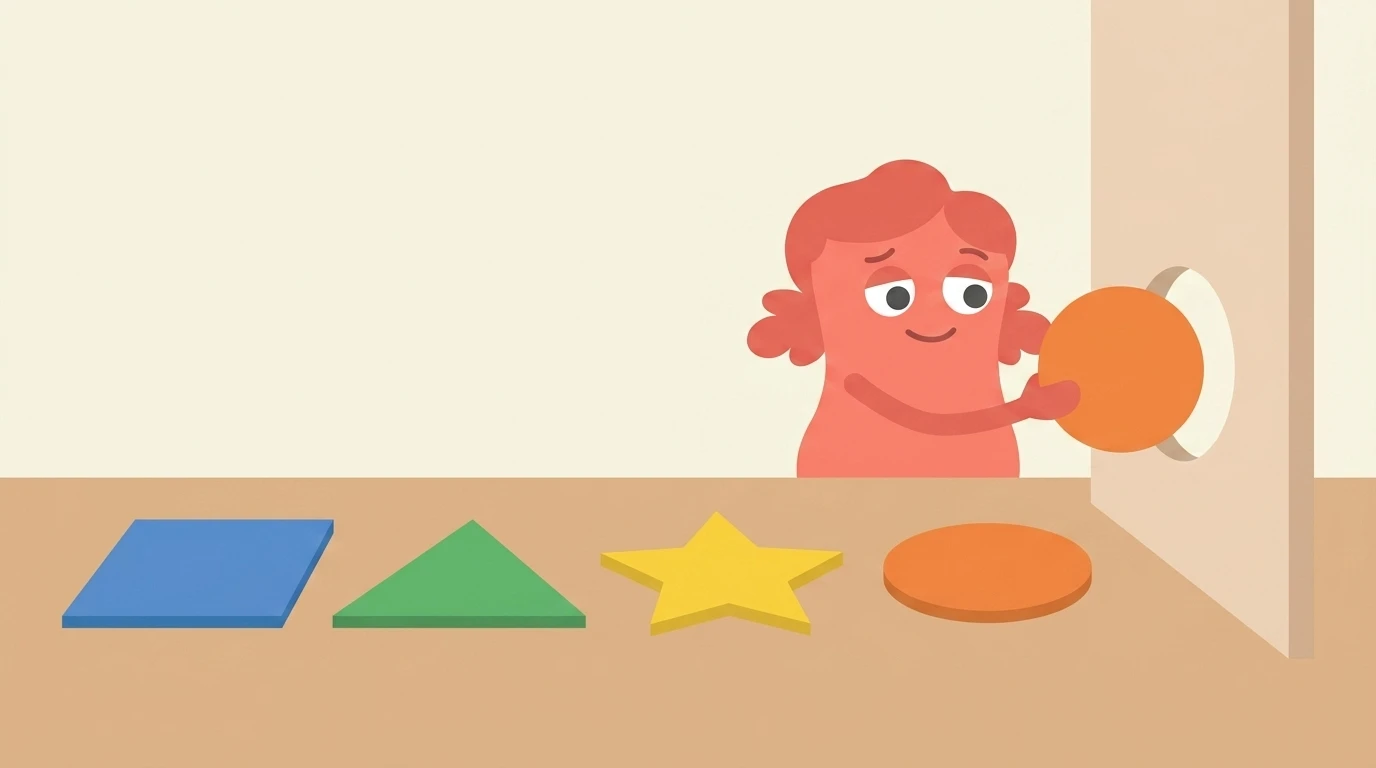
A practical walkthrough for picking a support group that fits, testing it honestly in the first three sessions, and knowing when to try something else instead.
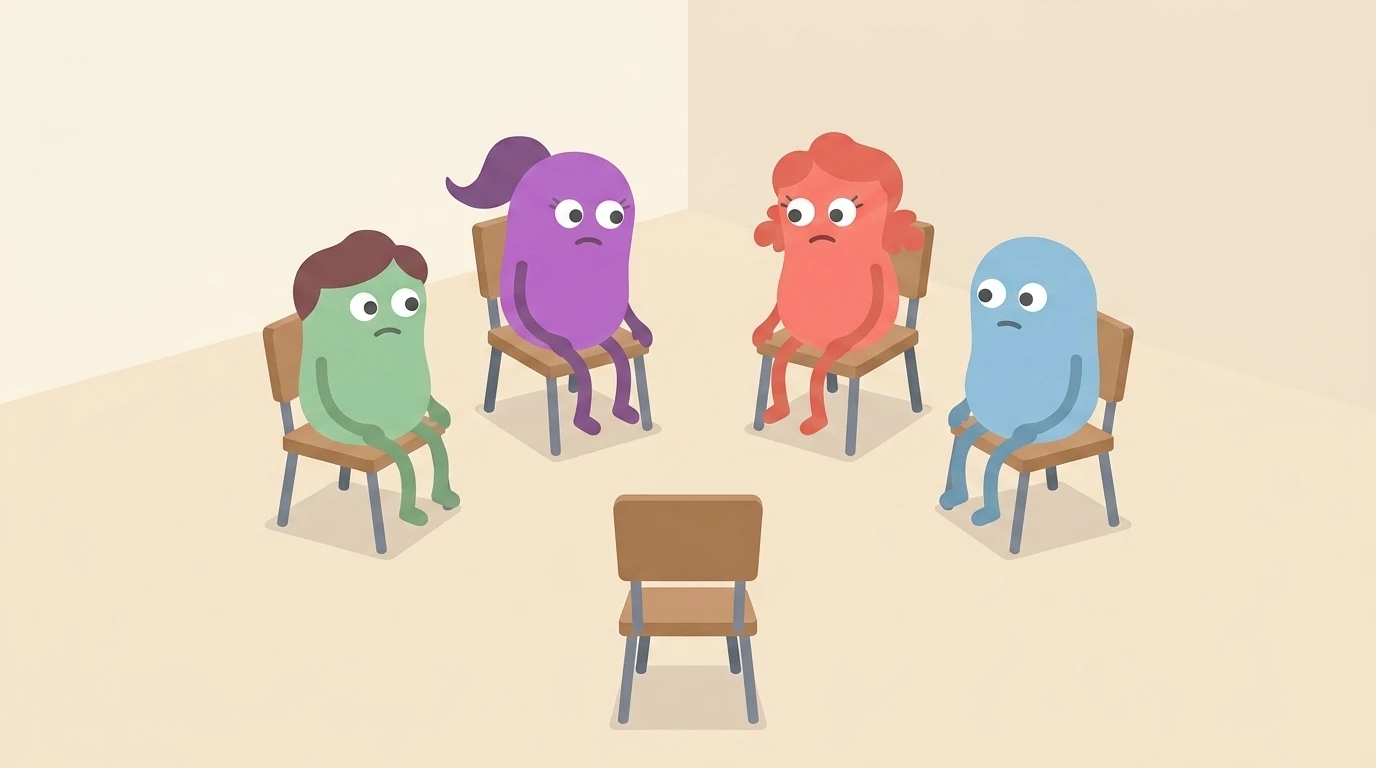
You don't have to talk. You don't have to have a diagnosis figured out. Here's what a peer support group actually is, and what really happens in the room.

You've ruled out depression, but you still can't make yourself do anything. Mental fatigue, sleep debt, and a naturally lower baseline dopaminergic tone can flatten motivation on their own, and each one is measurable and addressable.
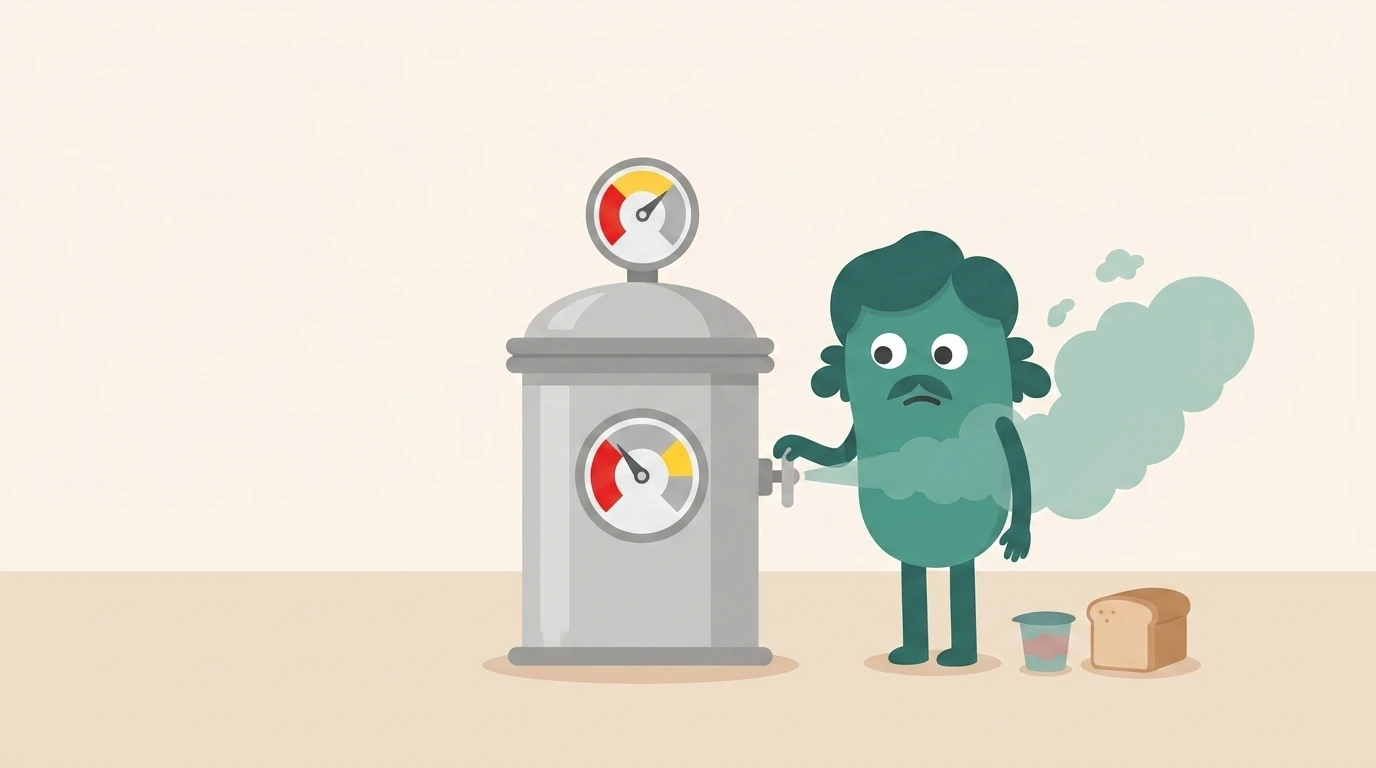
Chronic academic stress runs on a different mechanism than a single stressful week. Research on coping style, self-efficacy, and burnout shows what actually breaks the cycle.
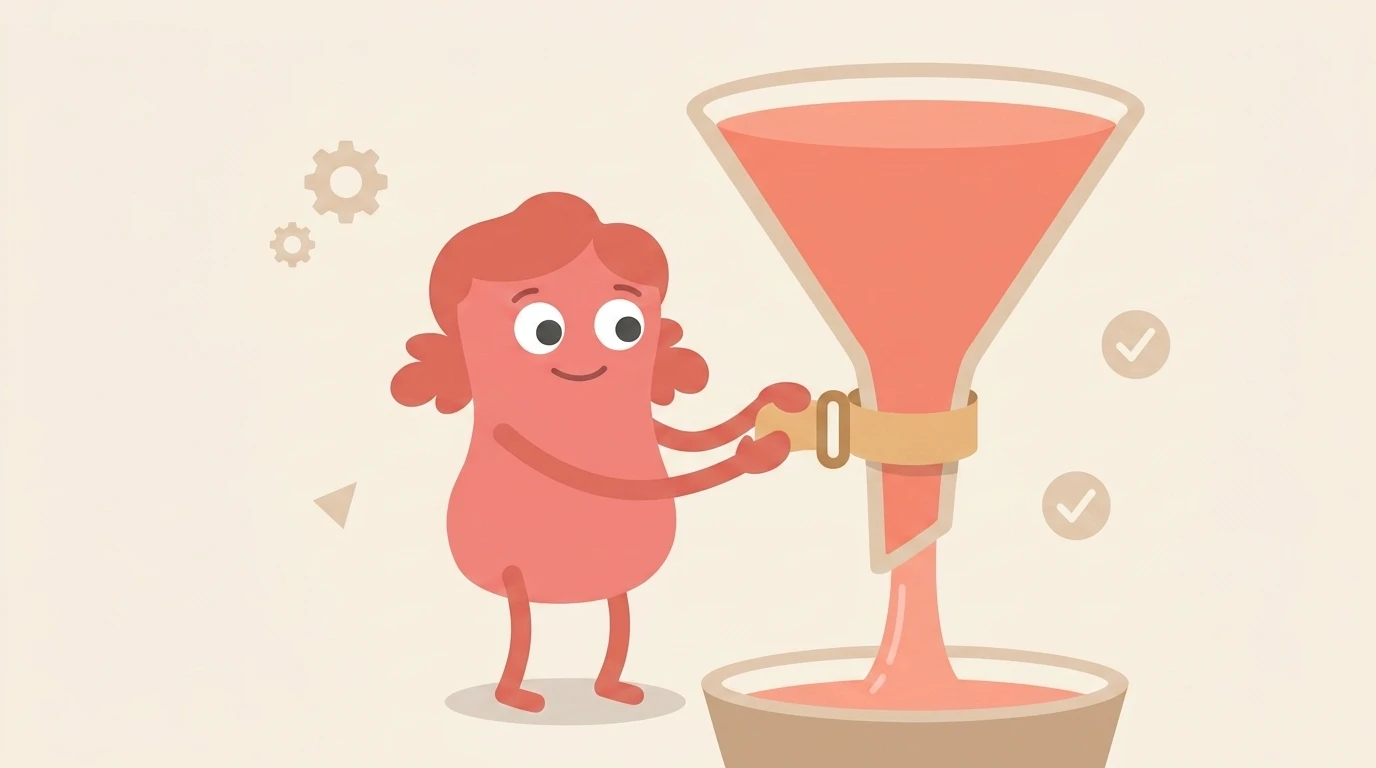
Test anxiety does something specific to memory recall in the exam room. Research on mindfulness, emotion regulation, and coping strategies shows what actually reduces it.
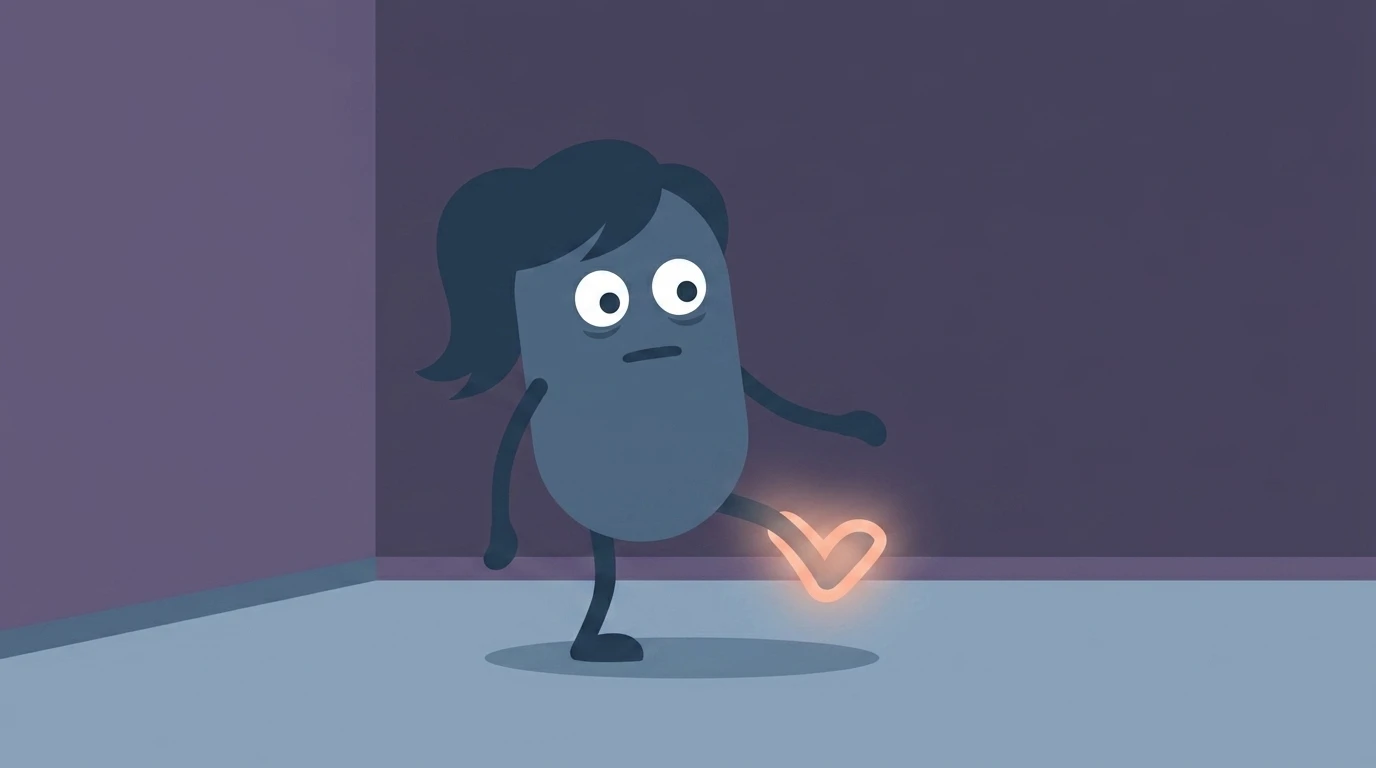
Motivation does not return before you act when you're depressed; it shows up after. Here is the research-backed order of operations, plus one three-minute tool that works even on the worst days.
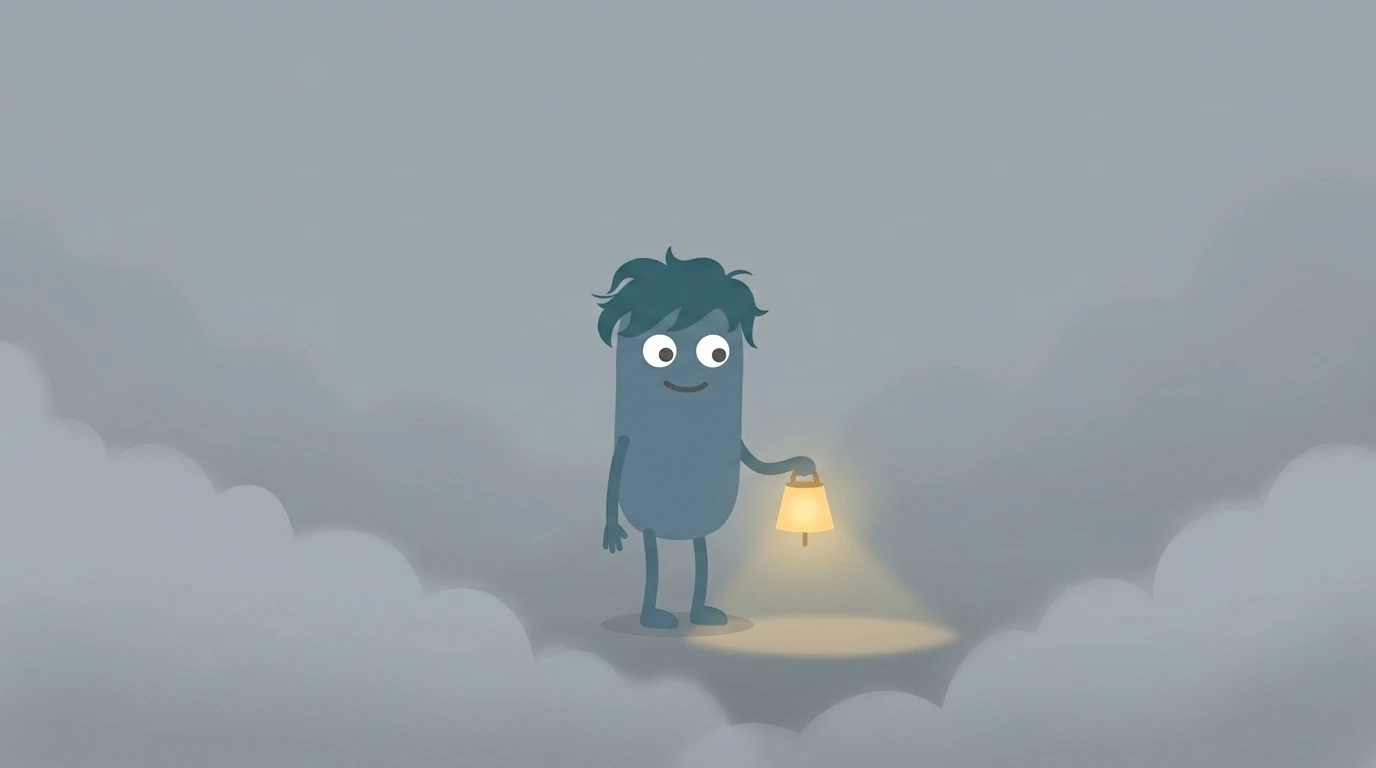
Trouble concentrating during a low mood isn't a discipline problem. Research on attention and depression explains the mechanism, and what actually helps you study through it.

Practical, research-backed steps for cleaning your home when depression has drained your motivation and executive function.
Metabolic psychiatry studies how metabolism, inflammation, and brain energy production shape mental illness — and how metabolic interventions like ketogenic therapy might help. The evidence is early and promising, not a proven treatment yet.