Lower Cortisol Fast: Evidence-Based Tactics for ADHD Adults | GetMotivated.ai
May 21, 20269 min read
How to Lower Cortisol Fast: Tactics for ADHD Adults
For ADHD adults, cortisol does not just spike harder, it lingers longer. Rejection sensitivity, executive function strain, and chronic shame all load the stress axis in ways most cortisol guides ignore. This post covers what actually works for ADHD nervous systems, fast.
GetMotivated.ai Team
Last reviewed: May 2026
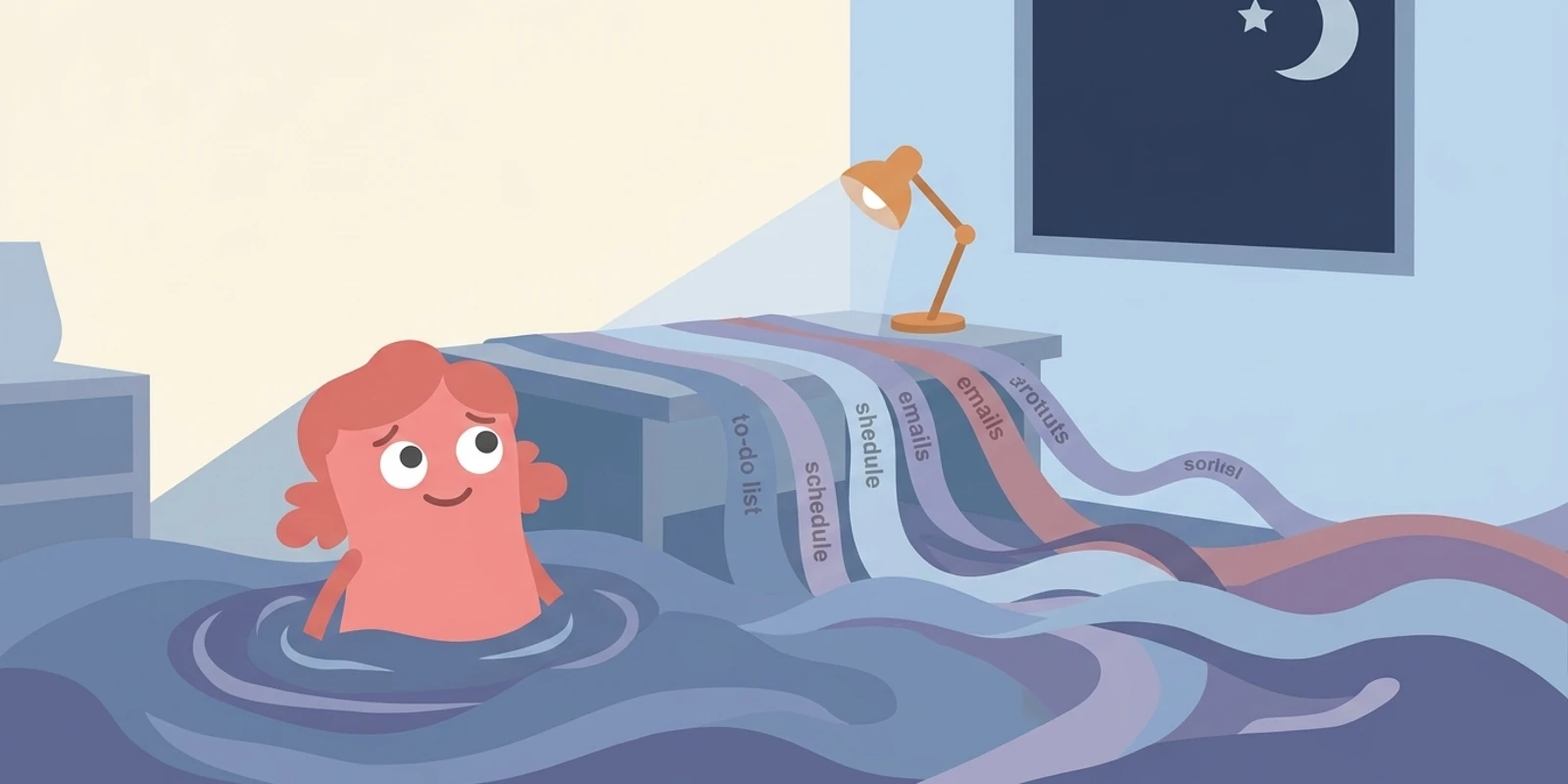
If you have ADHD, you are not imagining that stress hits harder and lingers longer. Cortisol, the body's primary stress hormone, is genuinely harder to regulate when your prefrontal cortex is already working overtime to manage attention, impulse control, and emotional reactivity. The nervous system of an ADHD adult is not broken, but it does operate with fewer regulatory resources available per stressor, which means the same email, the same traffic jam, the same offhand comment that a neurotypical person shakes off in minutes can leave you activated for hours.
The good news: several tactics can cut a cortisol spike within minutes, and a handful of daily habits can lower your baseline so spikes start smaller. This guide focuses on what the evidence supports, with specific attention to how each tactic plays out differently for ADHD nervous systems. Fast tools come first, for when you are already activated. Structural habits come second, for lowering your chronic load. You do not need to implement everything. Start with one.
Why ADHD Brains Stay in a Higher Cortisol State
The self-regulation debt
Dr. Russell Barkley's foundational research positions ADHD not as an attention deficit but as a self-regulation disorder. In his work on executive function and self-regulation, Barkley describes how the brain circuits that help most people modulate emotional responses, anticipate consequences, and override impulses are chronically underperforming in ADHD. Self-regulation requires inhibition, working memory, emotional control, and what Barkley calls reconstitution: the ability to break past behavior patterns and reassemble new responses. When these systems are taxed by ordinary daily demands, the stress response fires more easily and recovers more slowly than it would in a brain with intact executive function. The result is not weakness or poor character. It is a neurological resource gap that cortisol reliably fills.
Rejection sensitive dysphoria as a cortisol trigger
This post explains why ADHD adults experience higher cortisol reactivity, citing executive function deficits, rejection sensitive dysphoria, and chronic shame as primary mechanisms. It provides a tiered approach: fast physiological tools for acute spikes and daily structural changes for lowering the baseline. Common cortisol amplifiers specific to ADHD, including time blindness-driven rushing and hyperfocus-induced meal skipping, are addressed directly. The post integrates clinical research from Barkley, Dodson, Hallowell and Ratey, and Neff while remaining practical and action-oriented. It closes with a soft call to action toward GetMotivated.AI structured ADHD stress management challenges.
Key takeaways
ADHD executive function deficits and RSD create conditions for higher cortisol reactivity, not just higher stress perception
The physiological sigh and cold water immersion are the fastest-acting cortisol reduction tools available without any equipment
Self-compassion practice reduces cortisol reactivity to stressors and is especially effective for ADHD adults carrying years of shame
FAQs
Does ADHD cause high cortisol?
ADHD does not directly cause high cortisol, but executive function deficits, rejection sensitive dysphoria, and chronic shame create conditions where the HPA axis activates more easily and recovers more slowly. Many ADHD adults show higher stress reactivity rather than consistently elevated resting cortisol.
What lowers cortisol the fastest?
The physiological sigh (two sharp nasal inhales followed by a long oral exhale) and cold water on the face or wrists are among the fastest-acting tools, capable of shifting autonomic state within 30 to 60 seconds. Naming your emotion out loud also reduces amygdala activity quickly.
Can exercise raise cortisol?
Yes, acute intense exercise temporarily raises cortisol. The cortisol-lowering benefit comes during the recovery phase after moderate activity. For ADHD adults, short walks and light movement are often more immediately useful for stress regulation than high-intensity workouts.
How does shame connect to cortisol?
Shame activates the same threat-detection circuitry as physical danger. Chronic shame exposure, which is common in ADHD adults who have faced repeated criticism for executive function failures, keeps the HPA axis in partial activation. Reducing the shame load is part of lowering baseline cortisol.
Does self-compassion actually lower cortisol?
Yes. Research on self-compassion interventions shows reduced cortisol reactivity to stressors compared to self-critical coping styles. The mechanism involves shifting from a threat response to a self-in-care response, activating different neural circuitry. Kristin Neff's work has been applied specifically to ADHD adult populations.
Dr. William Dodson's clinical work on rejection sensitive dysphoria (RSD), published in ADDitude Magazine, describes an emotional feature common in ADHD adults: an intense, near-instantaneous response to perceived criticism, failure, or social rejection. The emotional pain is real, not exaggerated, and the physiological cascade that follows, including a cortisol spike, is proportional to that pain. What makes RSD particularly costly from a stress-hormone standpoint is the anticipatory dimension. Many ADHD adults live in low-grade vigilance about triggering a rejection event, at work, in friendships, in family dynamics. That background vigilance is itself a cortisol load, running continuously even when no actual rejection has occurred.
Shame as a chronic stressor
CHADD's clinical resources on shame and ADHD identify how repeated failures tied to executive function, missed deadlines, forgotten commitments, emotional outbursts, social missteps, accumulate into a persistent shame narrative. Shame is not a soft emotional category. It is physiologically costly. Chronic shame keeps the hypothalamic-pituitary-adrenal (HPA) axis, the cortisol-producing stress circuit, in a state of partial activation. For many ADHD adults, the cortisol load is not coming primarily from external stressors. It is coming from the internal running commentary about those stressors and about themselves.
Fast Tactics: Lower Cortisol Within Minutes
These are specific physiological maneuvers with measurable effects on the autonomic nervous system, not vague suggestions to relax.
The physiological sigh
Take two short, sharp inhales through the nose in succession, then release a long, slow exhale through the mouth. The double inhale re-inflates collapsed air sacs in the lungs, increasing the surface area available for gas exchange. The slow exhale activates the parasympathetic nervous system via the vagus nerve. One or two cycles can shift heart rate variability within 30 to 60 seconds. This is one of the few real-time stress reduction techniques with a clear respiratory mechanism, and it requires nothing except your breath.
Cold water on the face or wrists
Running cold water over your face or wrists, or immersing your face briefly in cold water, triggers the mammalian dive reflex: heart rate slows, blood redirects to core organs, and parasympathetic activity increases. This does not require a cold shower or a cold plunge. A bathroom tap or a bowl of cold water works. Fifteen to thirty seconds of contact is enough to shift your physiological state.
Moderate movement to discharge the spike
Acute cortisol is a preparation signal: the body is ready to act. If you do not act, the hormone stays in circulation. Short, moderate movement, a brisk walk, some bodyweight movement, cycling at a casual pace, gives the body the physical discharge that cortisol was preparing for, without the additional cortisol hit that comes from intense exercise. The key is the word moderate. Hard workouts temporarily raise cortisol further. A 15-minute walk after a stressful event typically brings cortisol below its pre-stressor level during recovery.
Name the emotion out loud
The practice of labeling an emotional state, called affect labeling in the research literature, reduces amygdala activation and shifts processing toward the prefrontal cortex. For ADHD adults whose emotional reactivity is high and whose prefrontal regulation is lower than average, naming the feeling creates a brief observational distance from the automatic stress response. It works best spoken aloud or written, not just thought. "I am furious right now" or "this is rejection-shame kicking in" is more effective at interrupting the cascade than trying to think your way past it silently.
Daily Habits That Lower Your Cortisol Baseline
Morning light in the first 30 to 60 minutes
Cortisol naturally peaks in the morning as part of the cortisol awakening response, a healthy physiological preparation for the day. Getting natural light into your eyes within the first hour after waking anchors this rhythm and makes the daytime peak cleaner and the evening drop more complete. ADHD adults who start their day in dim indoor environments often describe their cortisol pattern as "flat but wrong": low morning energy and an inability to wind down at night. Morning light is the cheapest circadian intervention available and one of the most consistent.
Sleep as the master regulator
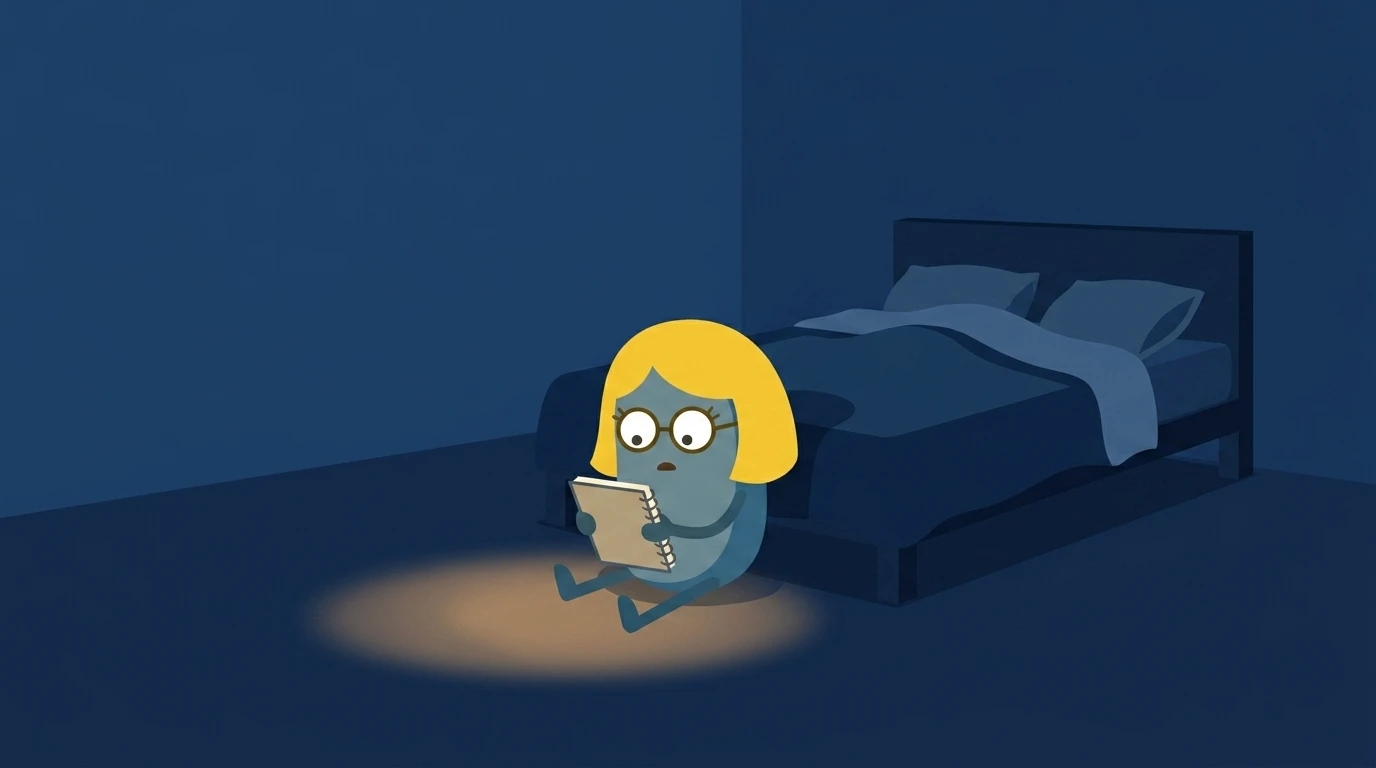
Cortisol and sleep are in a bidirectional relationship. High cortisol disrupts sleep architecture; poor sleep elevates cortisol the following day. For ADHD adults, this cycle is particularly vicious and particularly easy to sustain for years without recognizing it. Hallowell and Ratey, in their foundational clinical work on ADHD, consistently treat sleep as one of the highest-leverage behavioral interventions across all ADHD symptoms. One additional hour of sleep often produces more functional improvement than another round of productivity strategy adjustments. Protecting sleep, dark room, consistent wake time, minimal screens in the hour before bed, is a primary cortisol management tool, not secondary self-care.
Self-compassion practice
Kristin Neff's work on self-compassion in ADHD adults, featured in ADDitude Magazine, outlines three components: mindfulness of your current suffering, recognition that this struggle is part of common human experience rather than a personal failure, and active kindness toward yourself in the moment of difficulty. Together, these three elements reduce cortisol reactivity to subsequent stressors compared to self-critical responses. For ADHD adults who have internalized years of shame and criticism, self-compassion feels counterintuitive, even dangerous, as though accepting the difficulty means excusing it. Research does not support that concern. A five-minute practice of treating your current struggle the way you would treat a close friend's struggle is enough to shift the cortisol response to the next stressor. It is one of the few interventions that addresses both the emotional and physiological dimensions of chronic ADHD stress simultaneously.
Timing caffeine correctly
Caffeine has a half-life of roughly five to six hours. A 2pm coffee still has half its stimulant effect at 8pm. For an ADHD nervous system already managing arousal dysregulation, late caffeine keeps the stress axis primed past the point where it should be winding down for sleep. The suggestion here is not to eliminate caffeine. It is to stop drinking it after noon. Morning caffeine with food is well-tolerated by most people. Afternoon caffeine turns into an evening cortisol problem and a sleep problem and then a next-morning cortisol problem.
Simplifying repeated decisions
Every decision depletes the same executive resources that ADHD adults already have in shorter supply. Decision fatigue is physiological: it involves reduced prefrontal control and heightened stress reactivity. Simplifying repeated daily choices, what to eat, what to wear, when to exercise, by creating simple defaults or minimum viable routines reduces the aggregate cortisol load from micro-decisions across the day. Kreider, Medina, and Slamka's research on coping strategies in young people with ADHD found that habit formation and environmental restructuring were among the most effective tools for reducing daily cognitive burden, not because they made the person smarter, but because they reduced the number of active decision-making moments that drew on depleted executive resources.
What to Stop Doing: Common Cortisol Amplifiers for ADHD Adults
Over-scheduling without buffer time. Barkley's research on ADHD and time describes what he calls time blindness: difficulty using time as a bridge between past knowledge and future action. Most ADHD adults chronically underestimate task duration and build schedules with zero margin. The result is perpetual lateness, constant rushing, and the sustained cortisol elevation of always being behind. The fix is not trying to estimate time more accurately. It is building structural buffer into your day so that underestimation does not cascade into full-day stress.
Catastrophizing rejection events. When RSD triggers, the felt sense is that the rejection is total and permanent. The cortisol response follows that interpretation, not the actual event. Interrupting catastrophic framing, not by dismissing the pain but by asking whether the interpretation is the only possible one, limits how far the cortisol cascade runs. This is not positive thinking. It is recognizing that the ADHD nervous system is designed to treat social threat as existential, and that recognizing this tendency is the first step to not being governed by it.
Social media as a self-soothing tool after stress. Social media, particularly in comparison-heavy feeds, is a reliable trigger for both shame and RSD in ADHD adults. Using it to decompress after a stressful event typically prolongs cortisol elevation rather than resolving it. The stimulation registers as engagement but the content is frequently activating rather than restorative.
Skipping meals during hyperfocus. Blood sugar drops are a direct cortisol trigger. The body reads hypoglycemia as a threat and responds by releasing cortisol to mobilize stored glucose. ADHD hyperfocus frequently leads to skipped meals and skipped hydration. Eating on a rough schedule, not a rigid one, keeps metabolic stress from piling onto whatever psychological stress is already running.
Frequently Asked Questions
Does ADHD cause high cortisol?
ADHD does not directly cause high cortisol, but executive function deficits, rejection sensitive dysphoria, and chronic shame create conditions where the HPA axis activates more easily and recovers more slowly. Many ADHD adults show higher stress reactivity rather than consistently elevated resting cortisol, meaning the spikes are bigger and longer, not that the baseline is always high.
What lowers cortisol the fastest?
The physiological sigh (two sharp nasal inhales followed by a long oral exhale) and cold water on the face or wrists are among the fastest-acting tools, capable of shifting autonomic state within 30 to 60 seconds. Naming your emotion out loud also reduces amygdala activity quickly and costs nothing.
Can exercise raise cortisol?
Yes, acute intense exercise temporarily raises cortisol. The cortisol-lowering benefit of exercise comes during the recovery phase after moderate activity. For ADHD adults, short walks and light movement are often more immediately useful for stress regulation than high-intensity workouts, particularly in the hours after a stressful event.
How does shame connect to cortisol?
Shame activates the same threat-detection circuitry as physical danger. Chronic shame exposure, which is common in ADHD adults who have faced repeated criticism for executive function failures, keeps the HPA axis in partial activation. Addressing the shame narrative directly, through self-compassion practices or therapeutic work, is part of lowering the cortisol baseline, not separate from it.
Does self-compassion actually lower cortisol?
Yes. Research on self-compassion interventions shows reduced cortisol reactivity to stressors compared to self-critical coping styles. The mechanism involves shifting from a threat response to a self-in-care response, which activates different neural circuitry. Kristin Neff's three-component model has been applied specifically in ADHD adult clinical contexts, where the gap between high self-criticism and actual self-regulatory capacity is particularly pronounced.
---
You do not need to implement everything in this guide. For most ADHD adults, the highest-leverage starting point is one of three things: adding a consistent wake time with morning light, building a 15-minute walk into the middle of your day, or doing a five-minute self-compassion practice after a difficult moment.
GetMotivated.AI has structured challenges designed specifically for stress regulation in ADHD adults, including short daily check-ins, habit anchoring tools, and buddy accountability to help these practices stick past the first week. If you want a starting point that fits how ADHD brains actually work, explore the stress reset and emotional regulation challenges on the platform.

The Exercise EffectArticle
apa.org · Kirsten Weir
This 2011 APA Monitor article examines the significant impact of physical exercise on mental health, mood, and cognitive function.