GetMotivated.ai Logo
How It WorksBlogLog in
  1. Home
  2. /
  3. Blog
  4. /
  5. Anhedonia Treatment: Evidence-Based Strategies for Recovery
July 3, 20267 min read

Anhedonia Treatment: Evidence-Based Strategies for Recovery

Anhedonia—the inability to feel pleasure—responds to structured treatment combining behavioral activation, physical exercise, dopamine regulation, and self-compassion. Recovery requires addressing both neurobiological and psychological factors through evidence-based interventions.

Dana Kim

Last reviewed: August 2026

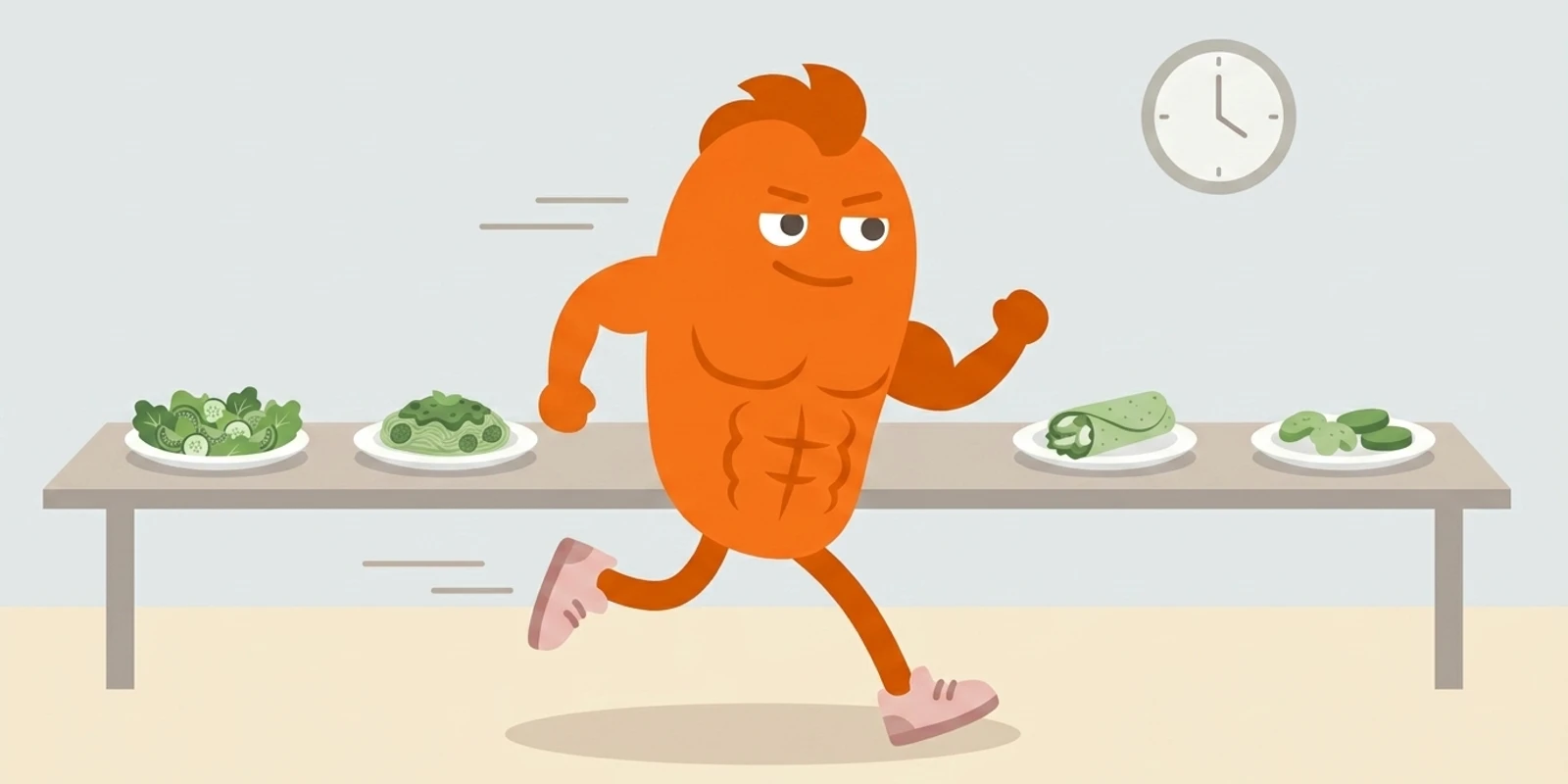
Illustration for the article: Anhedonia Treatment: Evidence-Based Strategies for Recovery

Anhedonia—the inability to experience pleasure from activities that once brought joy—is one of the most challenging symptoms in recovery and mental health treatment. Whether stemming from depression, addiction recovery, or chronic stress, anhedonia responds to structured, evidence-based interventions that address both neurobiological and psychological factors. Recovery is possible, but it requires patience and a multimodal approach.

What Is Anhedonia and Why Does It Happen?

Anhedonia occurs when the brain's reward system becomes dysregulated, typically through dopamine depletion or receptor desensitization. This can result from prolonged exposure to supernormal stimuli (drugs, pornography, highly processed foods), chronic stress, depression, or neuroinflammation.

The condition manifests as emotional flatness, lack of motivation, and the inability to anticipate or enjoy previously rewarding experiences. In addiction recovery, anhedonia is particularly common during the first 3-6 months as the brain recalibrates its dopamine baseline.

The Dopamine Deficit Model

Dopamine isn't just about pleasure—it's the brain's motivation and salience signal. When baseline dopamine drops too low, nothing feels worth doing. The brain adapts by reducing the number of dopamine receptors, creating a vicious cycle where natural rewards (conversation, exercise, hobbies) fail to register as meaningful.

Behavioral Activation: The Core Treatment Protocol

Behavioral activation is the most evidence-based psychological intervention for anhedonia. The approach is counterintuitive: you schedule and engage in potentially pleasurable activities beforeyou feel motivated, not after.

How Behavioral Activation Works

  1. Activity scheduling: Create a daily structure with specific time blocks for activities that used to bring pleasure
  2. Graded exposure: Start with low-effort activities (10-minute walk, listening to music) and gradually increase complexity
  3. Track engagement, not enjoyment: Success is measured by completion, not how good it felt
  4. Repeat consistently: Neural pathways strengthen through repetition, even when emotional response is minimal

The mechanism is straightforward: repeated engagement with reward-associated activities gradually restores dopamine receptor sensitivity and retrains the brain's prediction-error system. Most people notice small improvements within 2-3 weeks, with significant gains by 8-12 weeks.

Exercise: The Most Powerful Non-Pharmaceutical Intervention

Aerobic exercise produces one of the largest and most sustained dopamine increases available through behavioral means. Cold water exposure can increase dopamine by 250% above baseline, and this elevation persists for hours after the activity ends.

The Neurobiological Mechanism

Exercise stimulates Brain-Derived Neurotrophic Factor (BDNF), a protein that supports neuron survival and encourages new neural growth. This creates a window of heightened neuroplasticity—essentially priming the brain to form new reward associations.

Regular aerobic activity also increases baseline dopamine, serotonin, and norepinephrine levels, directly counteracting the neurochemical deficits underlying anhedonia.

Practical Implementation

  • Minimum effective dose: 20-30 minutes of moderate-intensity aerobic exercise, 4-5 days per week
  • Timing matters: Morning exercise maximizes circadian rhythm benefits and provides dopamine elevation during peak productivity hours
  • Complexity adds value: Activities requiring coordination (dance, martial arts, team sports) engage additional neural circuits beyond pure cardio

The key is consistency over intensity. A daily 20-minute walk outperforms sporadic intense workouts for anhedonia recovery.

Dopamine Restoration Through Lifestyle Optimization

Beyond exercise, several lifestyle interventions support dopamine baseline recovery:

Cold Water Exposure

Controlled cold water immersion (50-59°F for 10-15 minutes) produces sustained dopamine elevation without the crash associated with stimulants. The effect is dose-dependent: longer exposure correlates with greater and more sustained increases.

Related Challenges & Plans

Lifechallenge

Reclaim Focus: Quit Porn

Reclaim your mental focus, energy, and self-control by quitting porn in this 30-day challenge with daily science-backed accountability.

Gabriele Oettingen
Based on Gabriele Oettingen · by GetMotivatedBuddies
10 min3×/week30dL2
Health & Fitnesschallenge

Health & Fitness Daily Check-In

Intro challenge with 5-min daily check-ins. Build consistency with diet or exercise—alongside peers.

GetMotivatedBuddies
Created by GetMotivatedBuddies
10 min3×/week21dL1
Lifechallenge

Quit Porn: 42-Day Neurological Reboot with Accountability

Reclaim your focus, energy, and sexual health through a science-backed 42-day neurological reset designed for men.

Gary Wilson
Based on Gary Wilson · by GetMotivated.ai
10 min3×/week42dL2
Lifechallenge

28 Days Alcohol-Free

Reset your relationship with alcohol, restore deep REM sleep, and reclaim your morning focus in this guided 28-day challenge.

Annie Grace
Based on Annie Grace · by GetMotivated.ai
10 min3×/week28dL1

Sleep and Circadian Rhythm

Dopamine synthesis follows circadian patterns. Chronic sleep disruption or irregular sleep-wake cycles impair dopamine production and receptor sensitivity. Prioritizing consistent sleep timing (same bedtime/wake time daily) and morning light exposure supports natural dopamine rhythm restoration.

Nutritional Support

Omega-3 fatty acids (EPA/DHA) reduce neuroinflammation and support dopamine receptor function. Whole-food, anti-inflammatory diets provide the amino acid precursors (tyrosine, phenylalanine) needed for dopamine synthesis.

Self-Compassion: Breaking the Shame-Withdrawal Cycle

Anhedonia often triggers a secondary psychological problem: shame about not feeling pleasure, which leads to social withdrawal and further isolation from potentially rewarding experiences.

The Three-Component Practice

Self-compassion practice has three elements that directly counter anhedonia-related shame:

  1. Mindfulness: Observe the absence of pleasure without judgment—"I notice I'm not enjoying this" rather than "I'm broken"
  2. Common humanity: Recognize that anhedonia is a normal neurobiological response to certain conditions, not a personal failing
  3. Self-kindness: Treat yourself as you would a friend struggling with the same issue

Research shows self-compassion improves persistence in behavioral activation protocols and reduces the risk of abandoning treatment prematurely.

Practical Application

When engaging in scheduled activities that produce no pleasure, use this internal script: "This feels empty right now, and that's expected. My brain is relearning. Showing up is the success." This reframe reduces the emotional burden of anhedonia and maintains treatment adherence.

Social Connection and Accountability

Isolation perpetuates anhedonia by removing social reward opportunities. Structured social engagement—even when it feels forced—provides multiple benefits:

  • Accountability: External commitment increases follow-through on behavioral activation plans
  • Modeling: Observing others experience pleasure provides vicarious reward signals
  • Oxytocin release: Social bonding activates complementary reward pathways beyond dopamine

Platforms like GetMotivated.ai address this through buddy matching, pairing individuals in recovery with accountability partners who understand the neurobiological reality of anhedonia. Unlike apps that simply track habits, structured accountability creates social obligation—a powerful motivator when internal drive is absent.

When to Seek Professional Support

While lifestyle interventions are highly effective, certain presentations require clinical intervention:

  • Suicidal ideation: Anhedonia with hopelessness requires immediate professional assessment
  • Severe functional impairment: Inability to maintain basic self-care or employment
  • Co-occurring disorders: ADHD, bipolar disorder, or severe depression may require medication management
  • Prolonged duration: Anhedonia persisting beyond 6 months despite consistent behavioral intervention

Cognitive Behavioral Therapy (CBT) and Dialectical Behavior Therapy (DBT) provide structured frameworks for managing anhedonia alongside other symptoms. Medication (SSRIs, bupropion, or in some cases stimulants) may be appropriate for severe cases.

Building Your Anhedonia Recovery Protocol

An effective treatment plan integrates multiple domains:

Week 1-2: Foundation

  • Establish consistent sleep-wake times
  • Schedule 3 daily "pleasure attempts" (10-15 minutes each)
  • Begin daily 20-minute walks
  • Track completion, not enjoyment

Week 3-6: Intensification

  • Increase exercise to 30 minutes, 5 days/week
  • Add one social commitment per week
  • Introduce cold showers (start with 30 seconds, build to 2-3 minutes)
  • Practice self-compassion script during low-pleasure activities

Week 7-12: Consolidation

  • Expand activity variety (new hobbies, social contexts)
  • Maintain exercise and sleep consistency
  • Begin noticing small pleasure signals (they will be subtle at first)
  • Adjust protocol based on what's working

Most people report the first genuine pleasure experience around week 6-8. It's often fleeting—a brief moment of enjoyment during an activity—but it signals that reward circuits are beginning to respond.

Recovery Is Gradual, Not Linear

Anhedonia recovery follows a pattern of small improvements with occasional setbacks. The brain is physically rebuilding dopamine receptor density and relearning reward prediction—processes that take months, not weeks.

The goal isn't to feel constant pleasure. It's to restore the capacity for pleasure and the motivation to pursue meaningful activities. With consistent multimodal intervention, most individuals regain functional reward sensitivity within 3-6 months, with continued improvement over the following year.

Next time you search, our newest guide shows up.

Sources

The Depression CureBook
Stephen Ilardi
Dr. Stephen Ilardi presents a comprehensive lifestyle intervention program aimed at reversing depression by realigning modern habits with ancestral biological needs.
Controlling Your Dopamine For Motivation, Focus & SatisfactionVideo
Andrew Huberman
Stanford professor Andrew Huberman explains the neurobiology of dopamine and its role in driving motivation, desire, and addiction. This episode offers practical protocols like cold water therapy to sustain energy and focus while avoiding the pitfalls of dopamine depletion.
Understanding Drug Use and Addiction DrugFacts | National Institute on Drug AbuseArticle
nida.nih.gov · National Institute on Drug Abuse
This guide explores the biological and environmental nature of drug addiction, explaining how drugs change the brain's reward system and why recovery often requires long-term management and support.
Self-Compassion: The Proven Power of Being Kind to YourselfBook
Kristin Neff
Kristin Neff explores self-compassion as a transformative tool for mental health, offering a practical framework based on self-kindness, mindfulness, and our shared human experience.
Self-Compassion: The New ADHD TreatmentArticle
additudemag.com · Kristin Neff
This article explores how self-compassion builds resilience in adults with ADHD by replacing self-criticism with a mindfulness-based practice of self-kindness and shared humanity.
The Exercise EffectArticle
apa.org · Kirsten Weir
This 2011 APA Monitor article examines the significant impact of physical exercise on mental health, mood, and cognitive function.
Spark: The Revolutionary New Science of Exercise and the BrainBook
John J. Ratey & Eric Hagerman
This book explores how aerobic exercise and complex movement stimulate neuroplasticity and the production of BDNF to optimize cognitive performance and emotional health.

Topics

mental healthdopamineneuroscienceaddiction recoveryBehavioral Activationexerciseself-compassionNeuroplasticity

AI-ready summary

Anhedonia treatment integrates behavioral activation to re-engage reward circuits, aerobic exercise to boost BDNF and dopamine, lifestyle interventions targeting sleep and nutrition, and self-compassion practices to counter shame. Recovery timelines vary but most individuals see improvement within 8-12 weeks of consistent multimodal intervention.

Key takeaways

  • Behavioral activation—scheduling pleasurable activities even without motivation—is the cornerstone of anhedonia treatment and shows strong evidence for restoring reward sensitivity
  • Aerobic exercise increases dopamine by 250% and sustains elevation for hours, making it one of the most powerful non-pharmaceutical interventions
  • Cold water exposure, omega-3 supplementation, and circadian rhythm optimization support dopamine baseline recovery
  • Self-compassion practices reduce the shame-withdrawal cycle that perpetuates anhedonia in recovery populations
  • Multimodal treatment combining behavioral, physical, and psychological interventions outperforms single-domain approaches

FAQs

How long does it take to recover from anhedonia?

Most people see measurable improvement in 8-12 weeks with consistent multimodal treatment. Dopamine baseline recovery can take 3-6 months, while full reward sensitivity restoration may require 6-12 months depending on severity and underlying causes.

What is the most effective treatment for anhedonia?

Behavioral activation combined with aerobic exercise shows the strongest evidence. Scheduling pleasurable activities even without motivation retrains reward circuits, while exercise increases dopamine and BDNF to support neuroplasticity.

Can anhedonia be cured naturally without medication?

Yes. Lifestyle interventions including structured exercise, behavioral activation, sleep optimization, and social connection show strong evidence for anhedonia recovery without medication, though severe cases may benefit from combined approaches.

Why do I feel nothing in early recovery?

Anhedonia in early recovery reflects temporary dopamine depletion and reward circuit desensitization. The brain needs time to restore baseline dopamine function and relearn how to respond to natural rewards after prolonged overstimulation.

Related Challenges & Plans

Lifechallenge

Reclaim Focus: Quit Porn

Reclaim your mental focus, energy, and self-control by quitting porn in this 30-day challenge with daily science-backed accountability.

Gabriele Oettingen
Based on Gabriele Oettingen · by GetMotivatedBuddies
10 min3×/week30dL2
Health & Fitnesschallenge

Health & Fitness Daily Check-In

Intro challenge with 5-min daily check-ins. Build consistency with diet or exercise—alongside peers.

GetMotivatedBuddies
Created by GetMotivatedBuddies
10 min3×/week21dL1
Lifechallenge

Quit Porn: 42-Day Neurological Reboot with Accountability

Reclaim your focus, energy, and sexual health through a science-backed 42-day neurological reset designed for men.

Gary Wilson
Based on Gary Wilson · by GetMotivated.ai
10 min3×/week42dL2
Lifechallenge

28 Days Alcohol-Free

Reset your relationship with alcohol, restore deep REM sleep, and reclaim your morning focus in this guided 28-day challenge.

Annie Grace
Based on Annie Grace · by GetMotivated.ai
10 min3×/week28dL1

Keep reading

Illustration for the article: How to Stop Procrastinating on Studying (Start With the Easy Question)
August 23, 20268 min readHabits & Behavioral Change

How to Stop Procrastinating on Studying (Start With the Easy Question)

You're not avoiding the work. You're avoiding the feeling that you can't do it. Research-backed method: start with the easiest question, not the exam.

productivitystudyingmotivationmental health
Rachel SteinRead →
Illustration for the article: Metabolic Psychiatry: The Emerging Science Linking Metabolism and Mental Health
August 10, 202611 min readMental Health

Metabolic Psychiatry: The Emerging Science Linking Metabolism and Mental Health

Metabolic psychiatry studies how metabolism, inflammation, and brain energy production shape mental illness — and how metabolic interventions like ketogenic therapy might help. The evidence is early and promising, not a proven treatment yet.

mental healthneuroscienceketometabolic psychiatry
The GetMotivated.ai TeamRead →
Illustration for the article: ADHD Motivation: Why Interest Moves You When Willpower Doesn't
August 9, 20269 min readADHD & Neurodivergence

ADHD Motivation: Why Interest Moves You When Willpower Doesn't

ADHD motivation runs on interest, autonomy, and connection more than on deadlines or willpower. Here's what the dopamine and self-determination theory research actually shows — and how to use it instead of fighting it.

adhddopaminemotivationself-determination theory
The GetMotivated.ai TeamRead →
GetMotivated.ai

Behavioral health. Built with intention.

Structured support for ADHD, chronic health, recovery, focus, and long-term change.

Stay in the loop

Research, program launches, and behavioral health insights. Only useful updates.

By joining, you agree to receive emails from GetMotivated.ai. Unsubscribe anytime. See our Privacy Policy.

Explore

  • Browse Plans & Challenges
  • Challenges
  • ADHD Support
  • Health Support
  • Recovery Support
  • Blog
  • Creators
  • Sources
  • Tools
  • How It Works
  • Pricing

Topics

  • Focus
  • Habits
  • Work
  • Learn
  • Health
  • Life

Company

  • About
  • Contact
  • How We Research
  • Our Guarantee
  • Privacy
  • Terms

Work With Us

  • For Organizations
  • For Behavioral Health
  • For Education
  • Careers
  • Affiliates
  • Partners
  • Sponsors
Explore+
  • Browse Plans & Challenges
  • Challenges
  • ADHD Support
  • Health Support
  • Recovery Support
  • Blog
  • Creators
  • Sources
  • Tools
  • How It Works
  • Pricing
Topics+
  • Focus
  • Habits
  • Work
  • Learn
  • Health
  • Life
Company+
  • About
  • Contact
  • How We Research
  • Our Guarantee
  • Privacy
  • Terms
Work With Us+
  • For Organizations
  • For Behavioral Health
  • For Education
  • Careers
  • Affiliates
  • Partners
  • Sponsors

© 2026 GetMotivated.ai. All rights reserved.

PrivacyTerms

Calm structure. Clear next steps. Human accountability.