GetMotivated.ai Logo
How It WorksBlogLog in
  1. Home
  2. /
  3. Blog
  4. /
  5. dopamine
← All posts

dopamine

51 posts tagged with "dopamine"

Next time you search, our newest guide shows up.

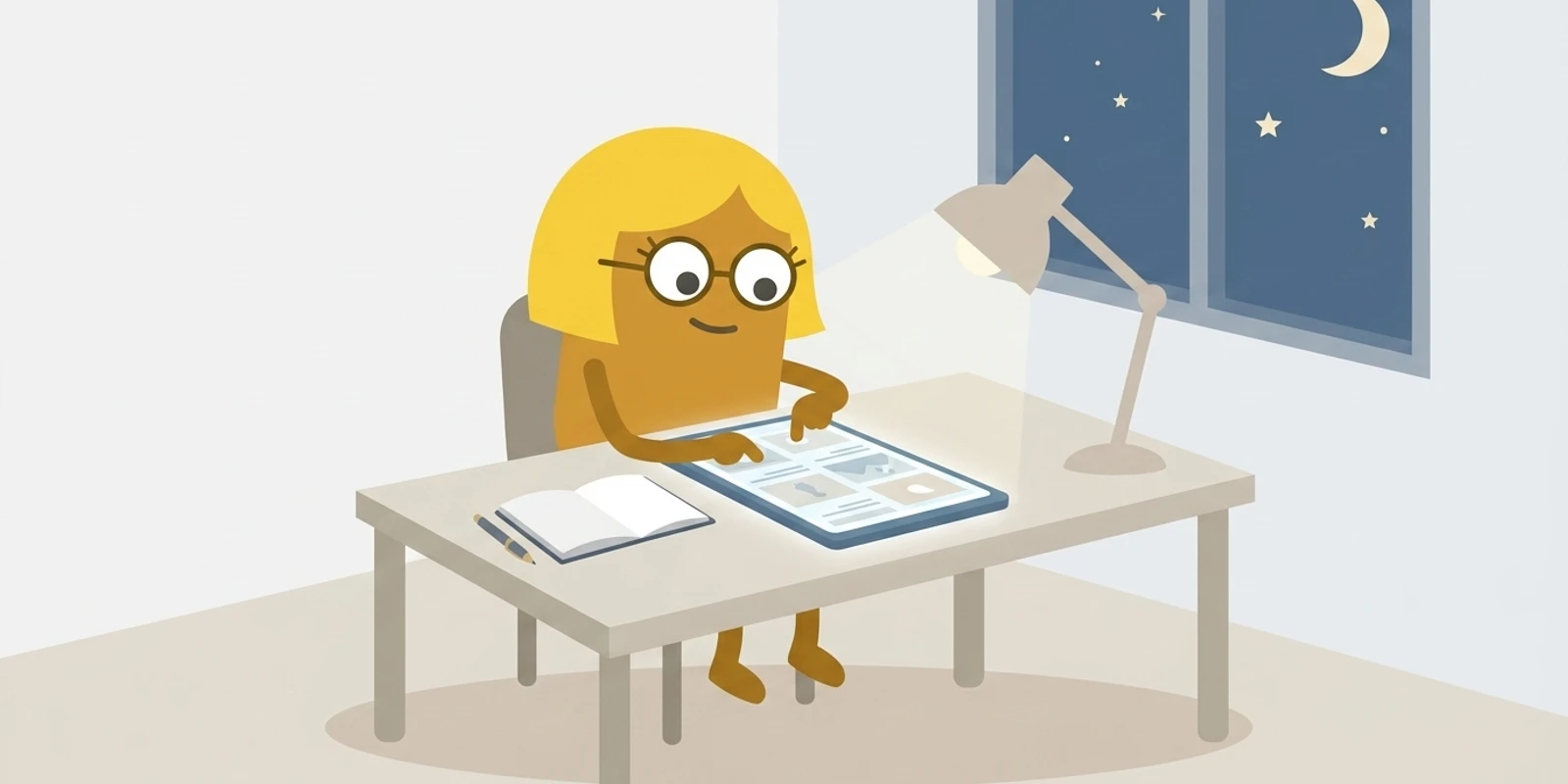
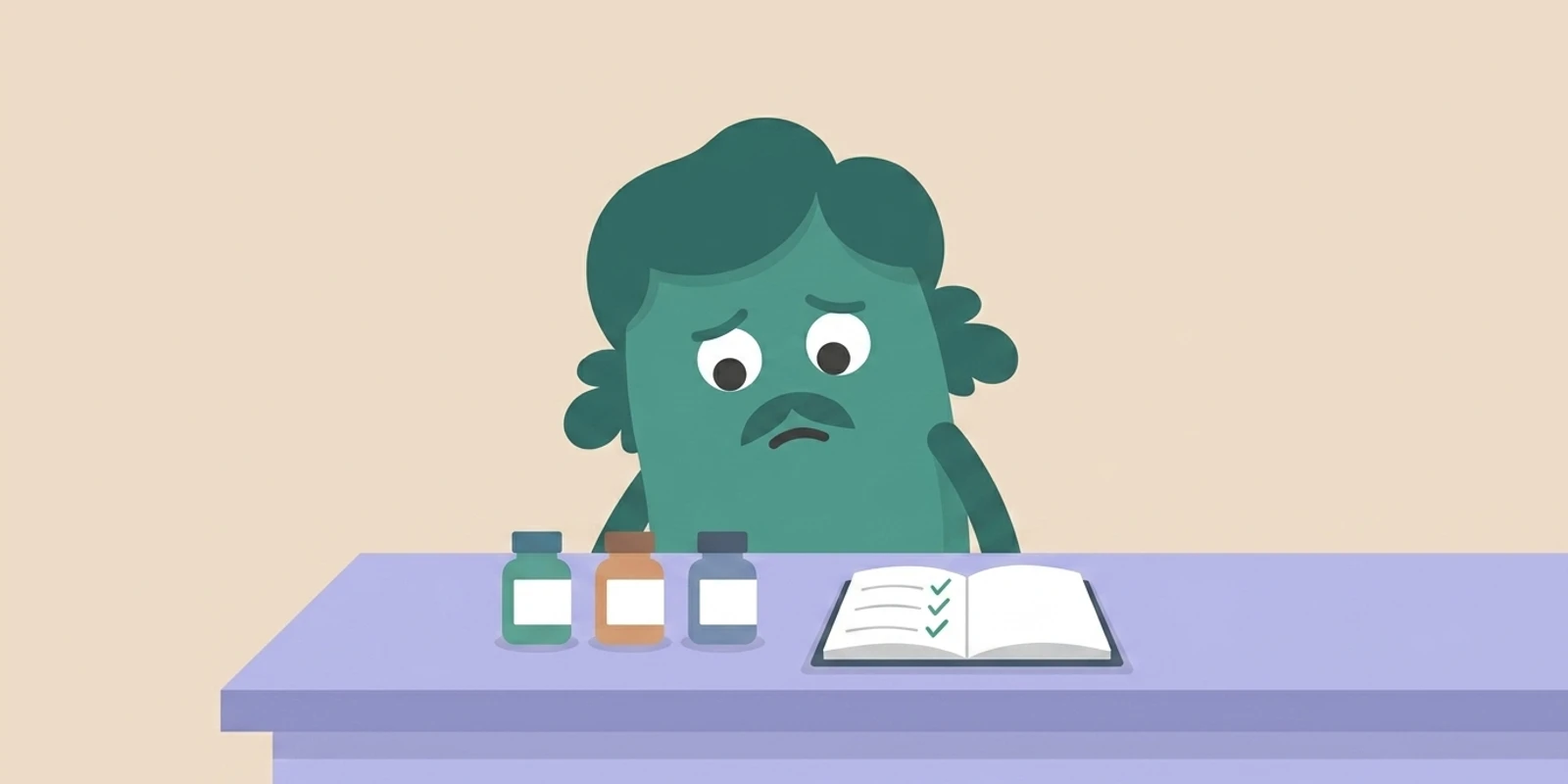
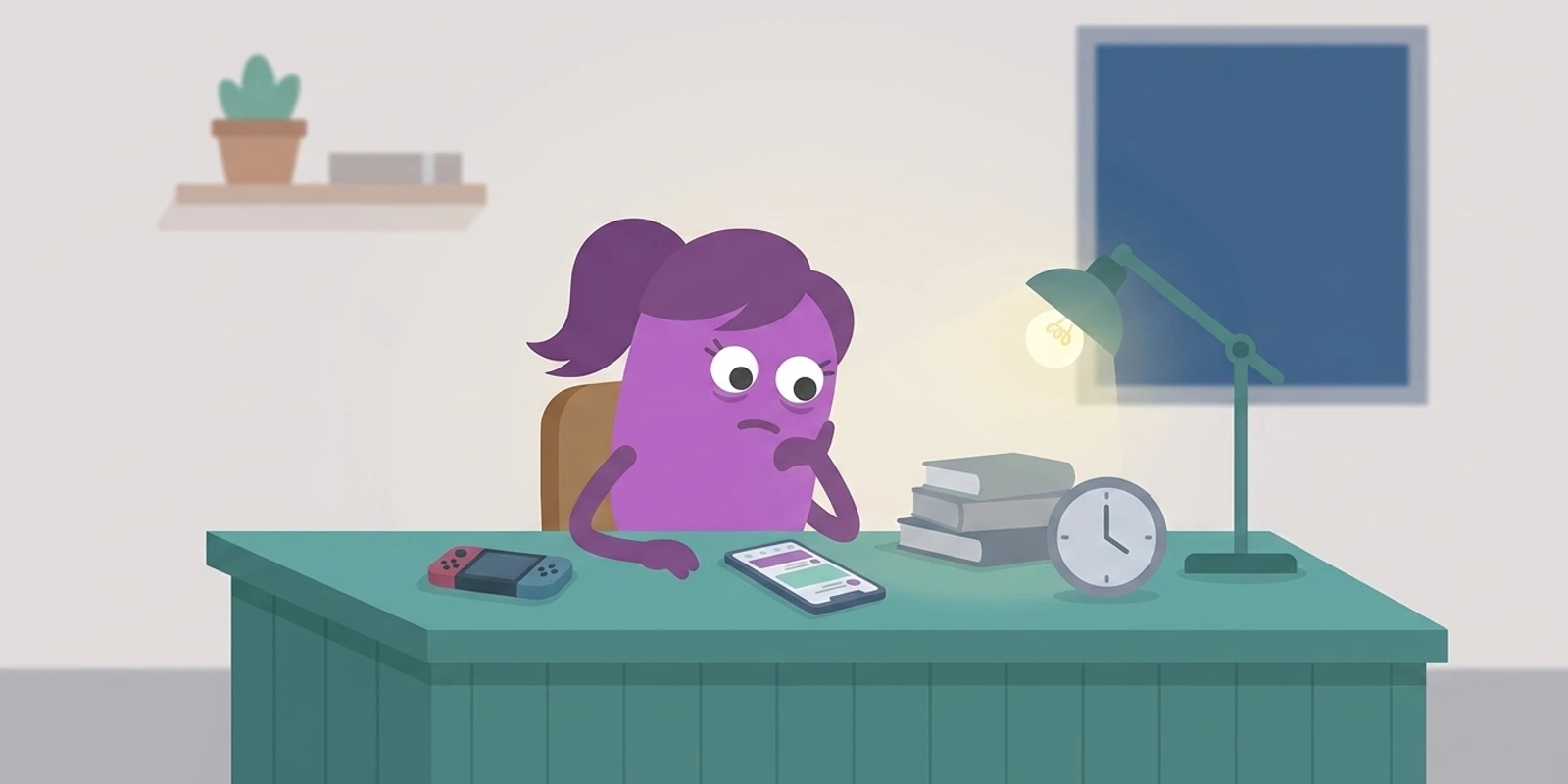
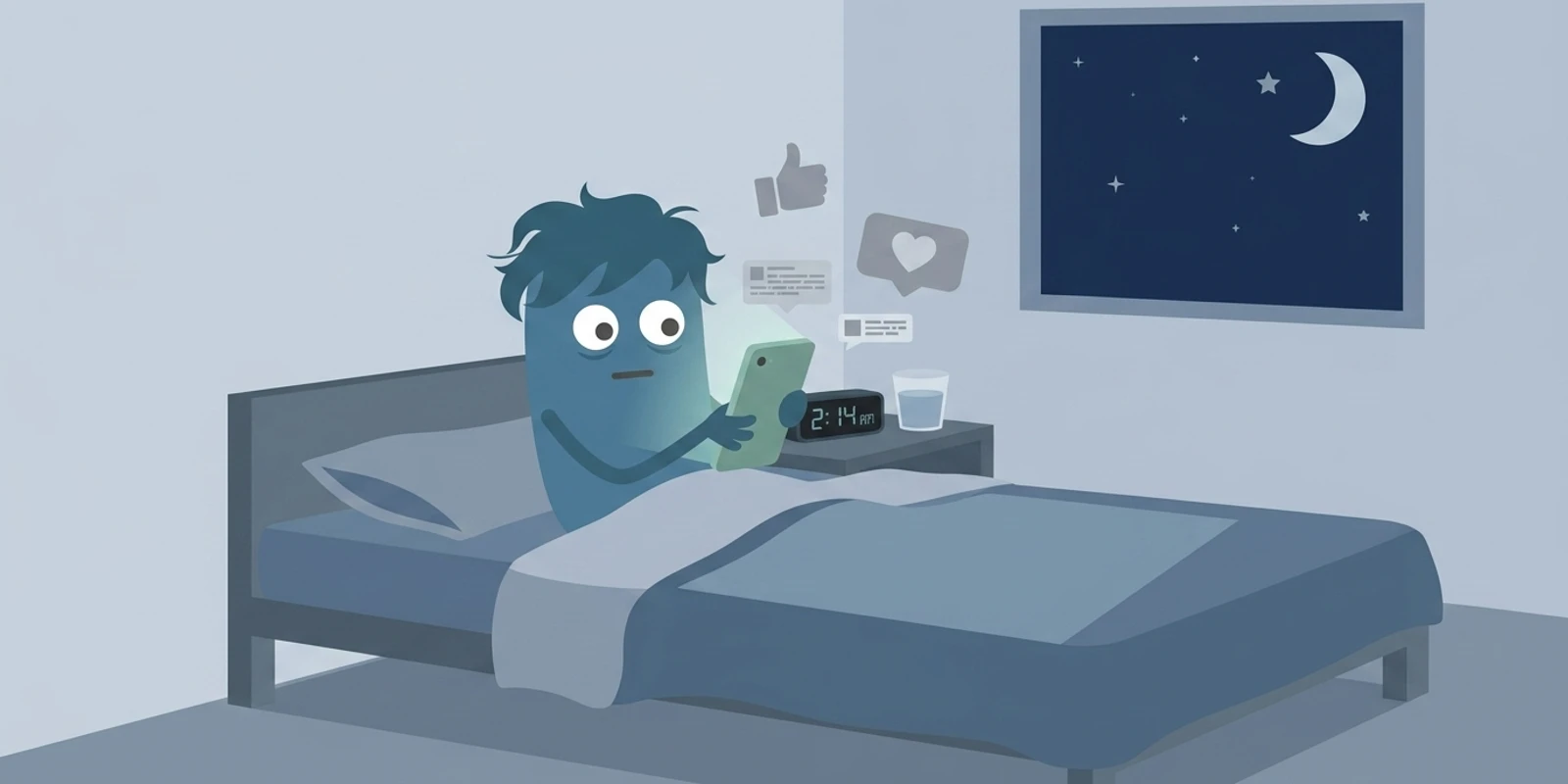
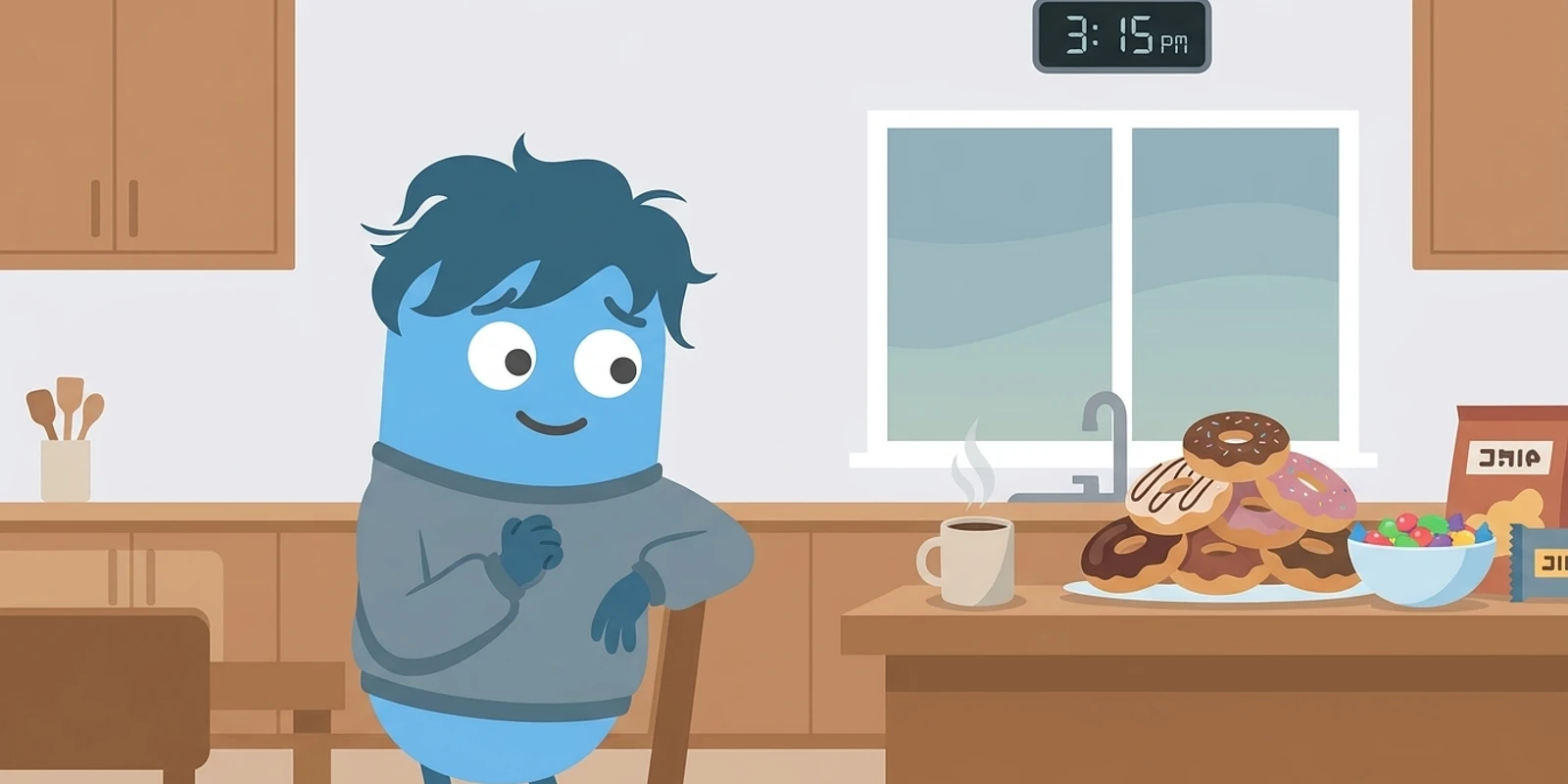
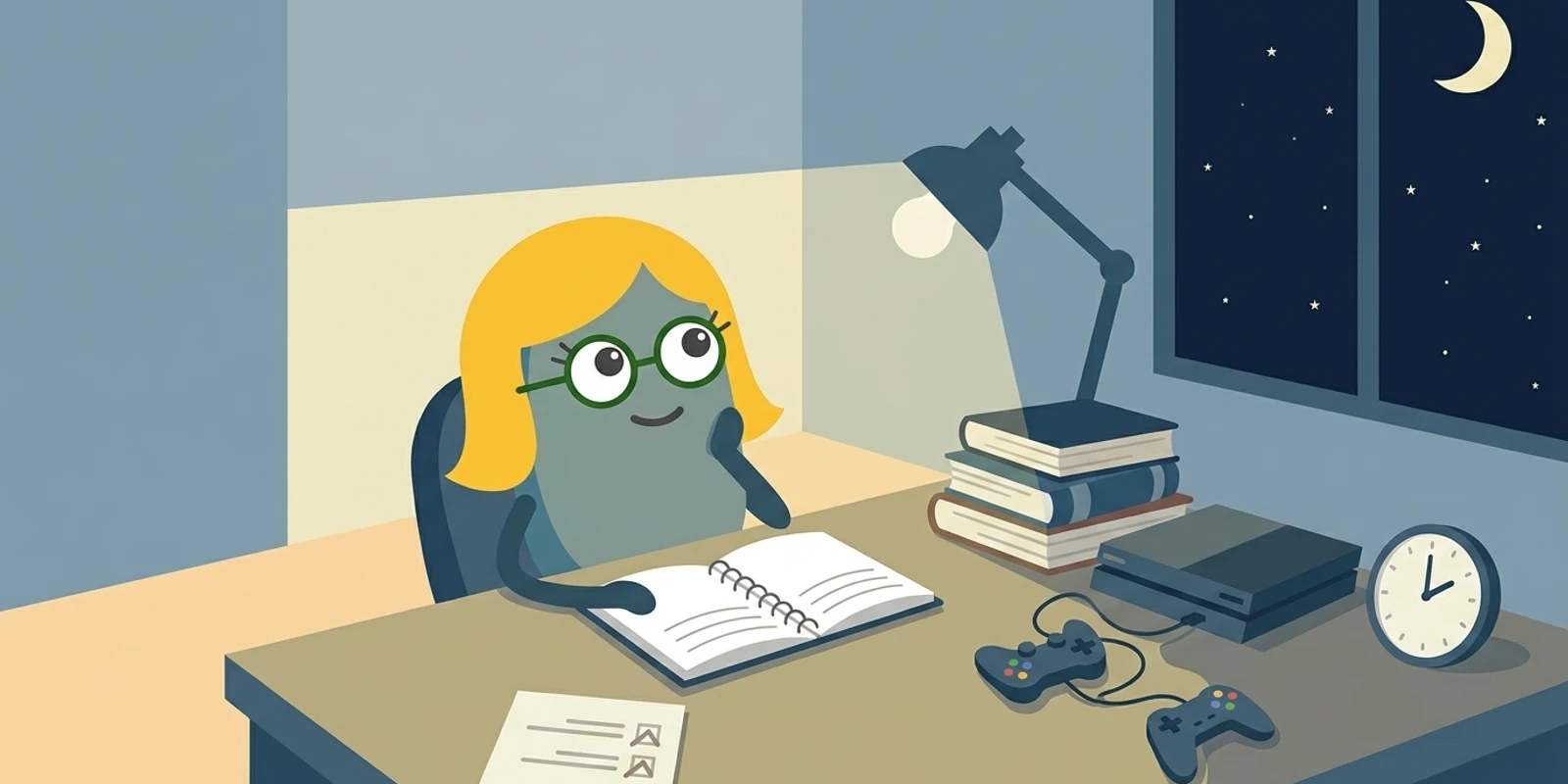
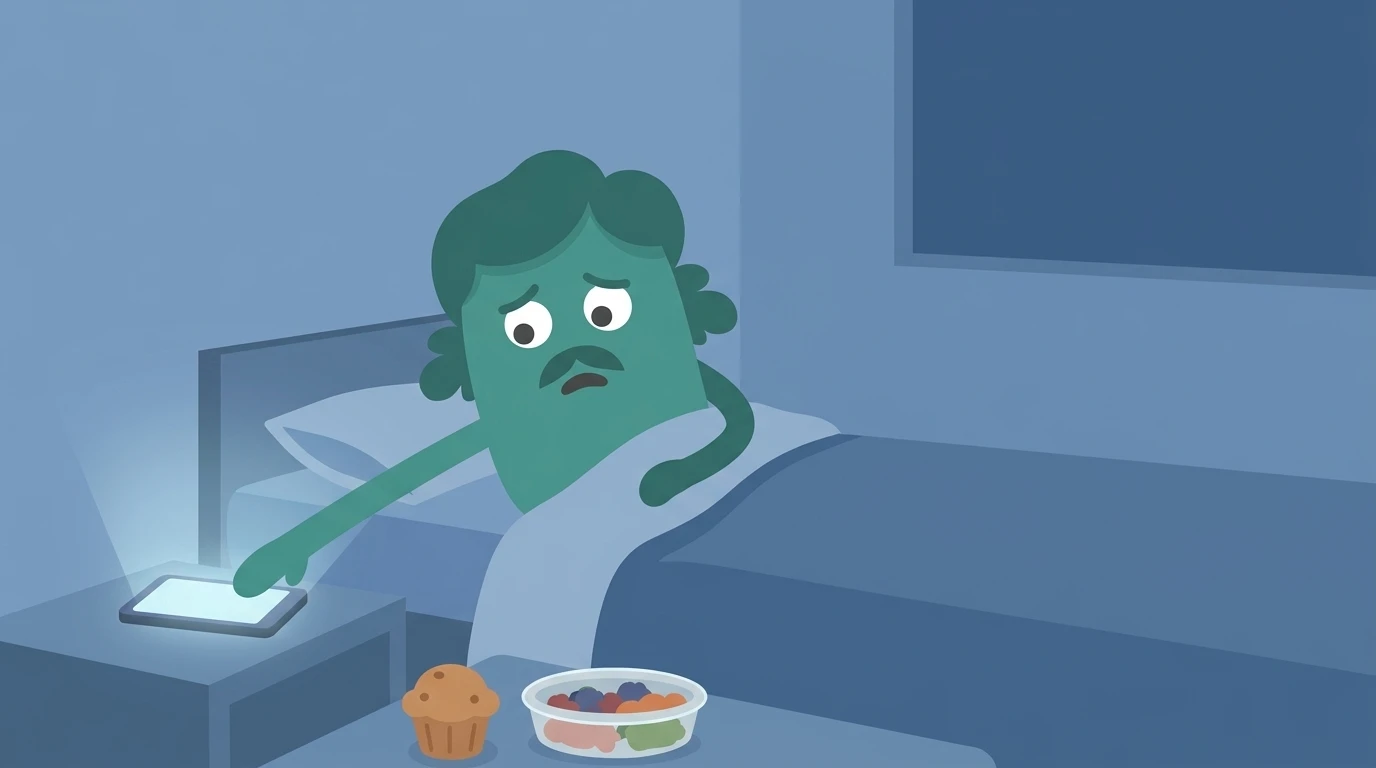
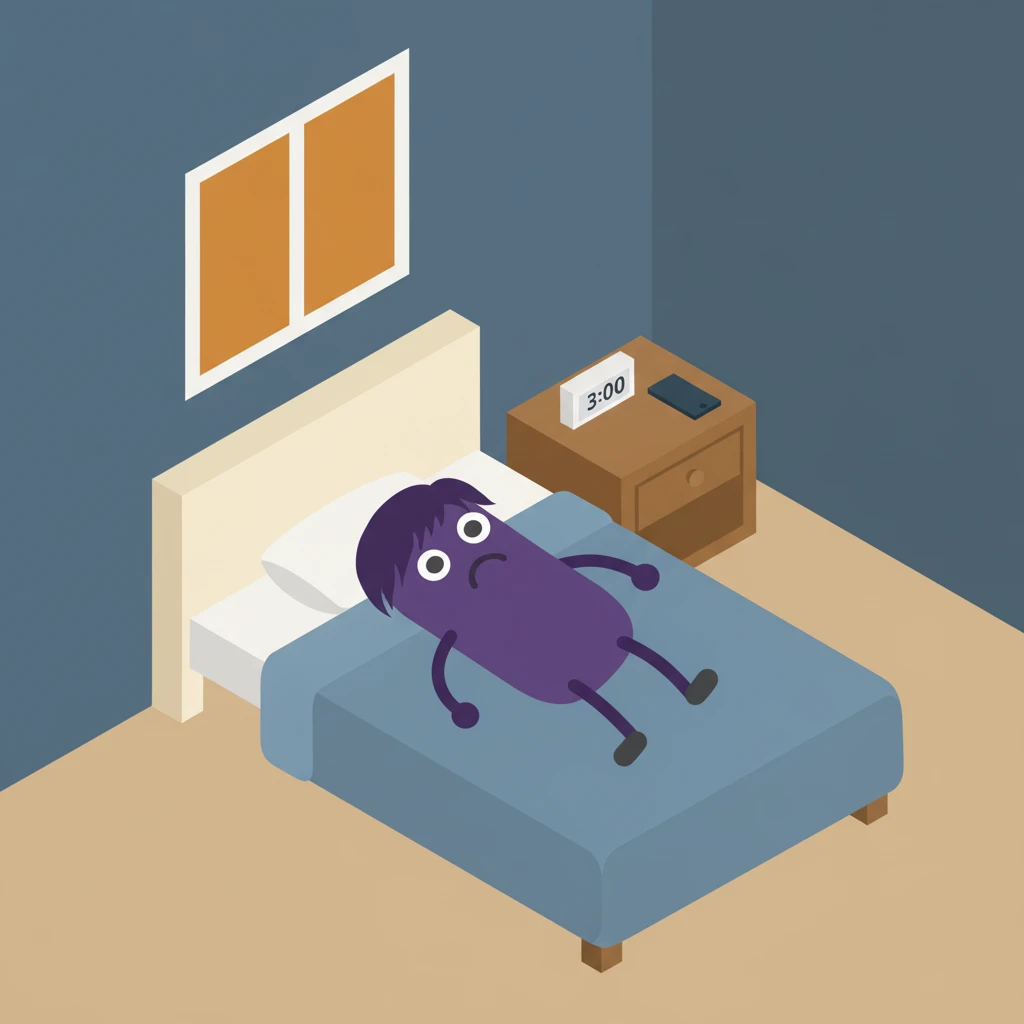
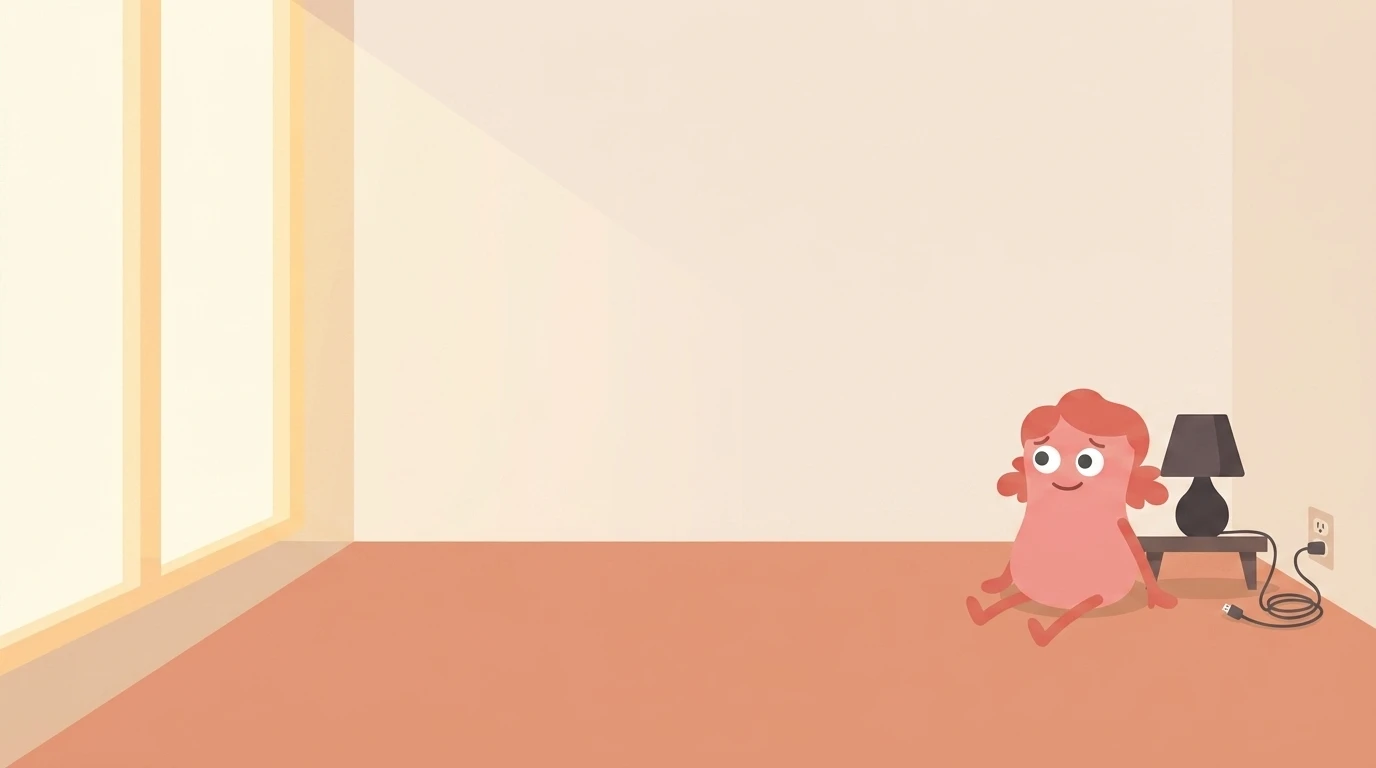
No Motivation to Do Anything, But You're Not Depressed
September 15, 20265 min readMental Health

No Motivation to Do Anything, But You're Not Depressed

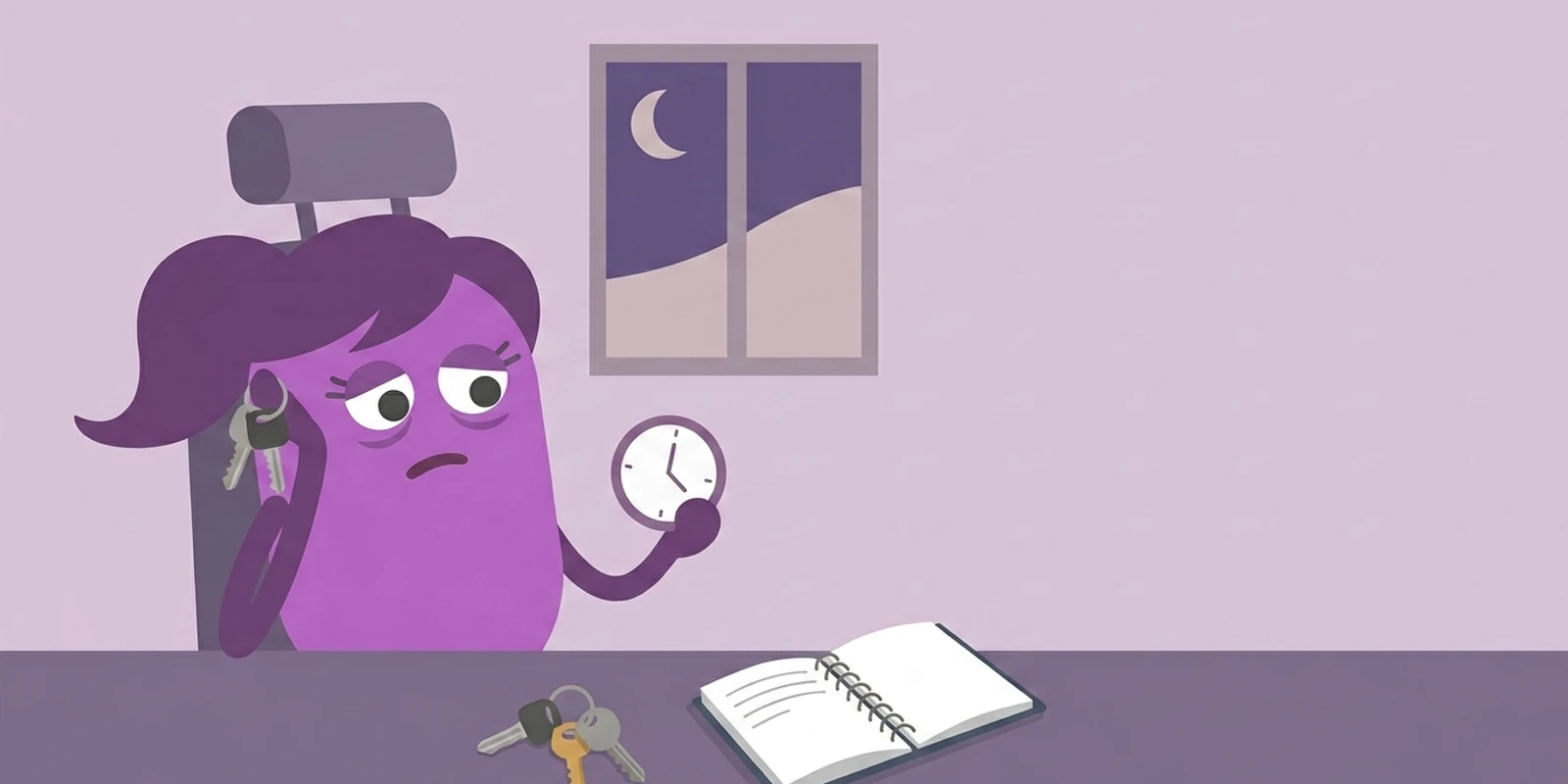
You've ruled out depression, but you still can't make yourself do anything. Mental fatigue, sleep debt, and a naturally lower baseline dopaminergic tone can flatten motivation on their own, and each one is measurable and addressable.

motivationfatiguedopaminesleep
Rachel SteinRead →
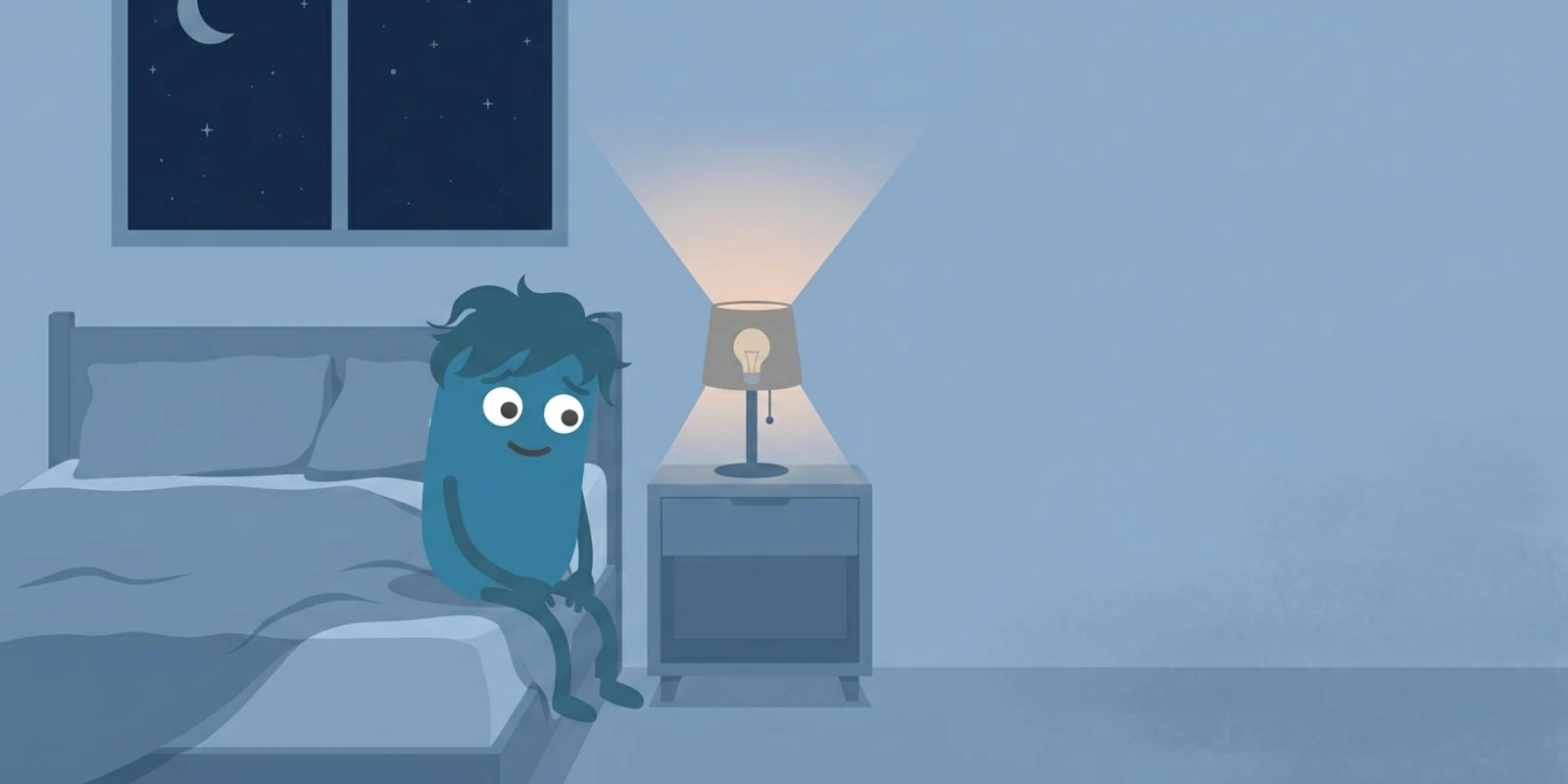
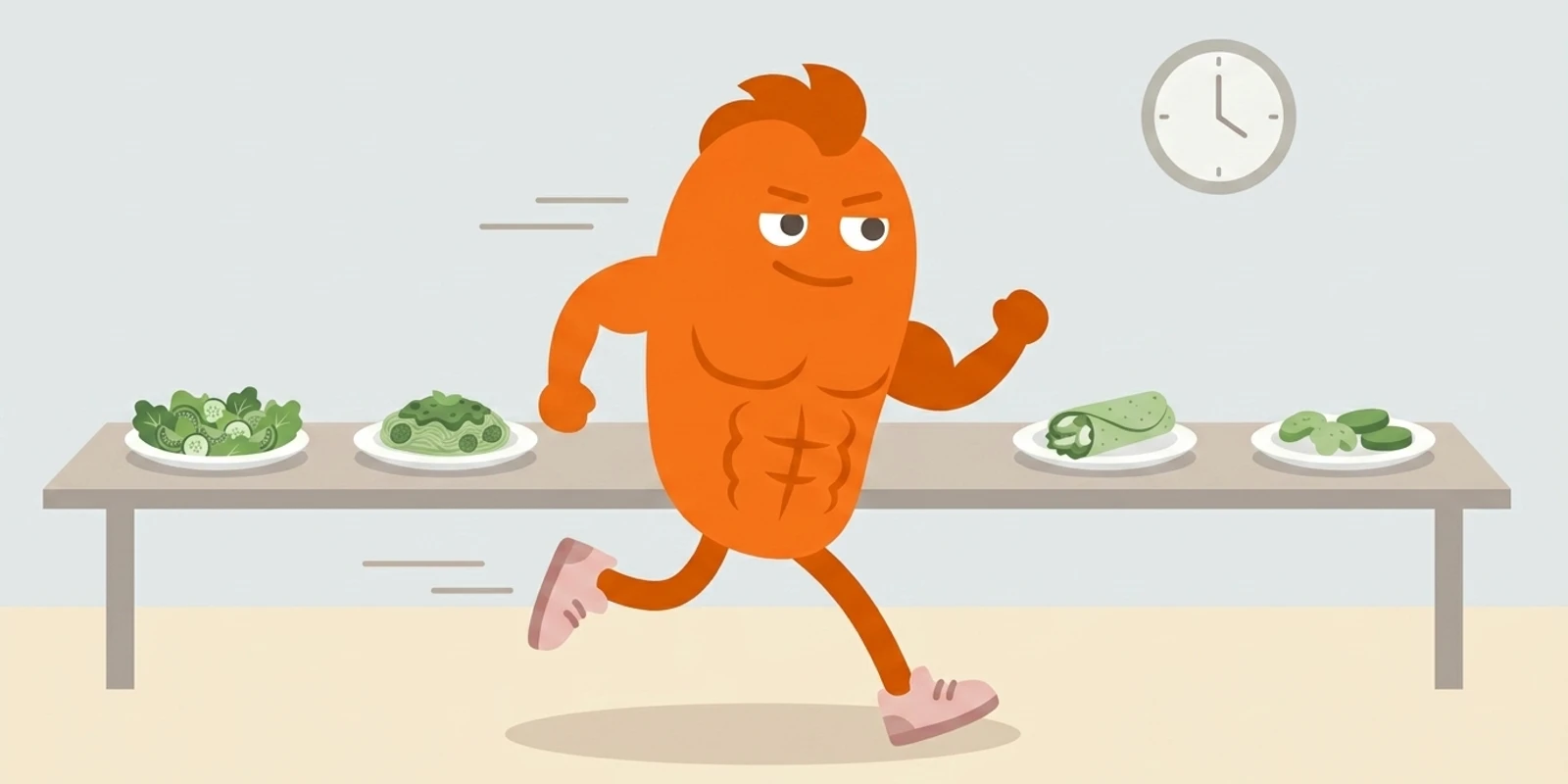
Illustration for the article: ADHD Motivation: Why Interest Moves You When Willpower Doesn't
August 9, 20269 min readADHD & Neurodivergence

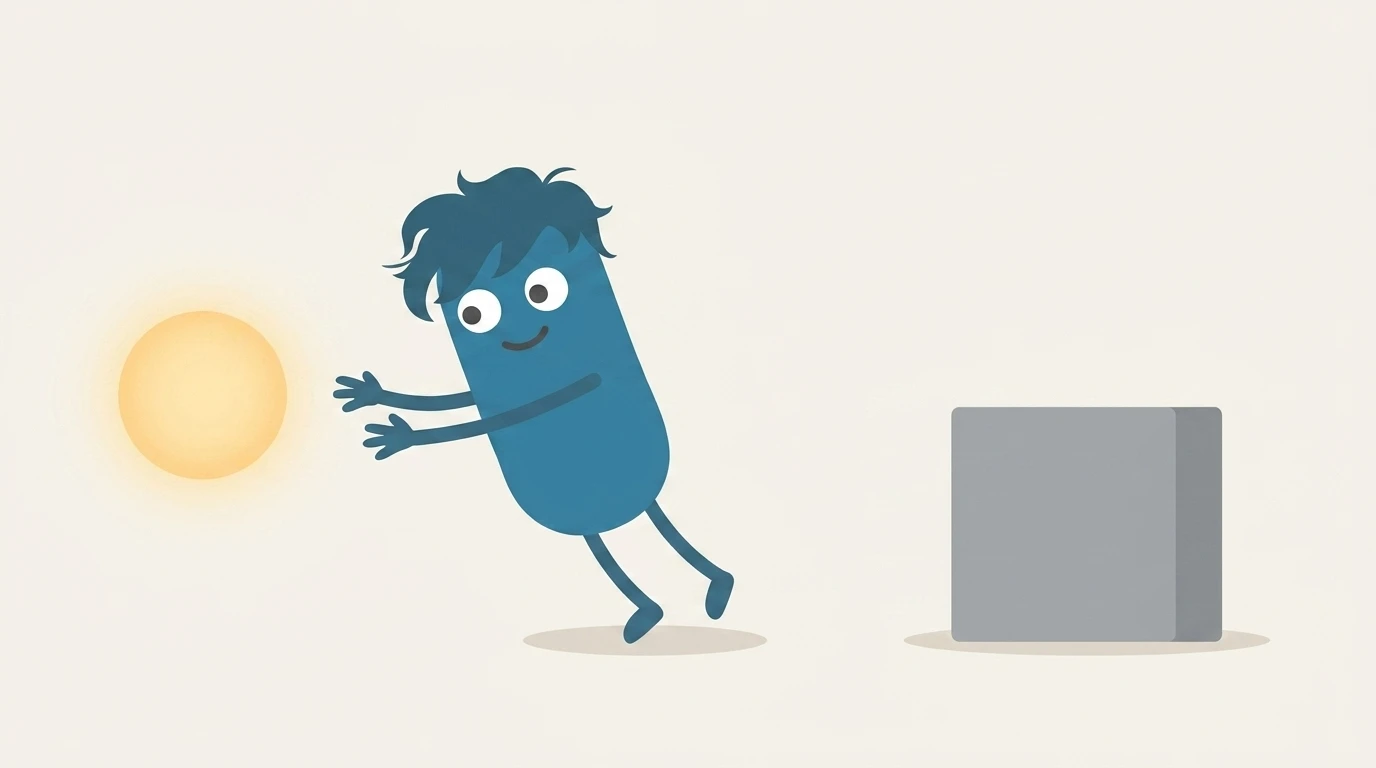
ADHD Motivation: Why Interest Moves You When Willpower Doesn't

ADHD motivation runs on interest, autonomy, and connection more than on deadlines or willpower. Here's what the dopamine and self-determination theory research actually shows — and how to use it instead of fighting it.

adhddopaminemotivationself-determination theory
The GetMotivated.ai TeamRead →
Illustration for the article: ADHD Hyperfocus: Why It Happens and How to Work With It
August 8, 20269 min readADHD & Neurodivergence

ADHD Hyperfocus: Why It Happens and How to Work With It

ADHD hyperfocus is a real, measurable attentional state — not the same as flow — where the brain locks onto an interesting task and everything else disappears. Here's what the research shows and how to use it without losing your day.

adhddopamineexecutive dysfunctionhyperfocus
The GetMotivated.ai TeamRead →
Illustration for the article: The Celebration Technique: Why Emotion Creates Habits
August 5, 20269 min readHabits & Behavioral Change

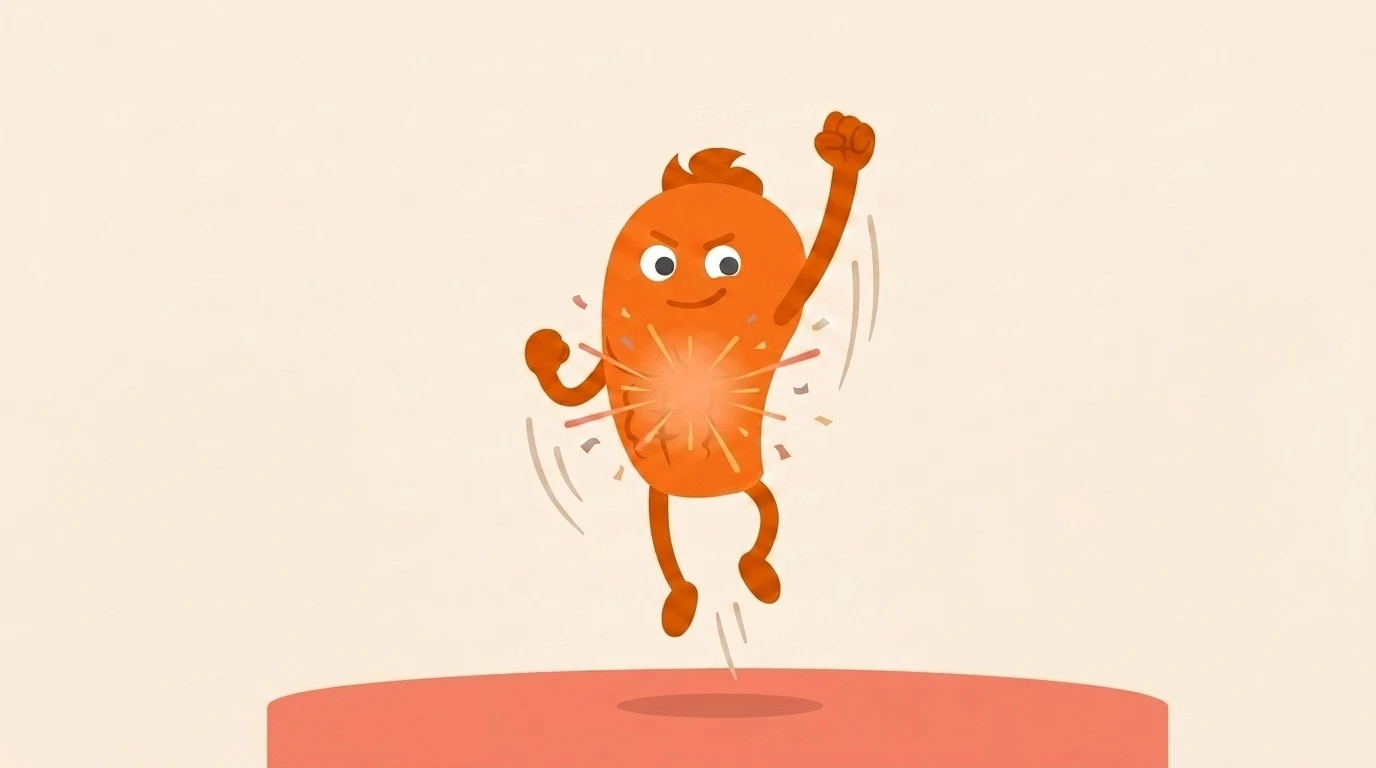
The Celebration Technique: Why Emotion Creates Habits

BJ Fogg's celebration technique says the fastest way to wire in a habit is to feel a genuine flash of positive emotion the instant you finish it. Emotions create habits — not repetition, not willpower.

habit formationneurosciencebehavioral changedopamine
The GetMotivated.ai TeamRead →
Illustration for the article: Tiny Habits for ADHD: Why the Method Works When Willpower Doesn't
July 30, 202610 min readADHD & Neurodivergence

Tiny Habits for ADHD: Why the Method Works When Willpower Doesn't

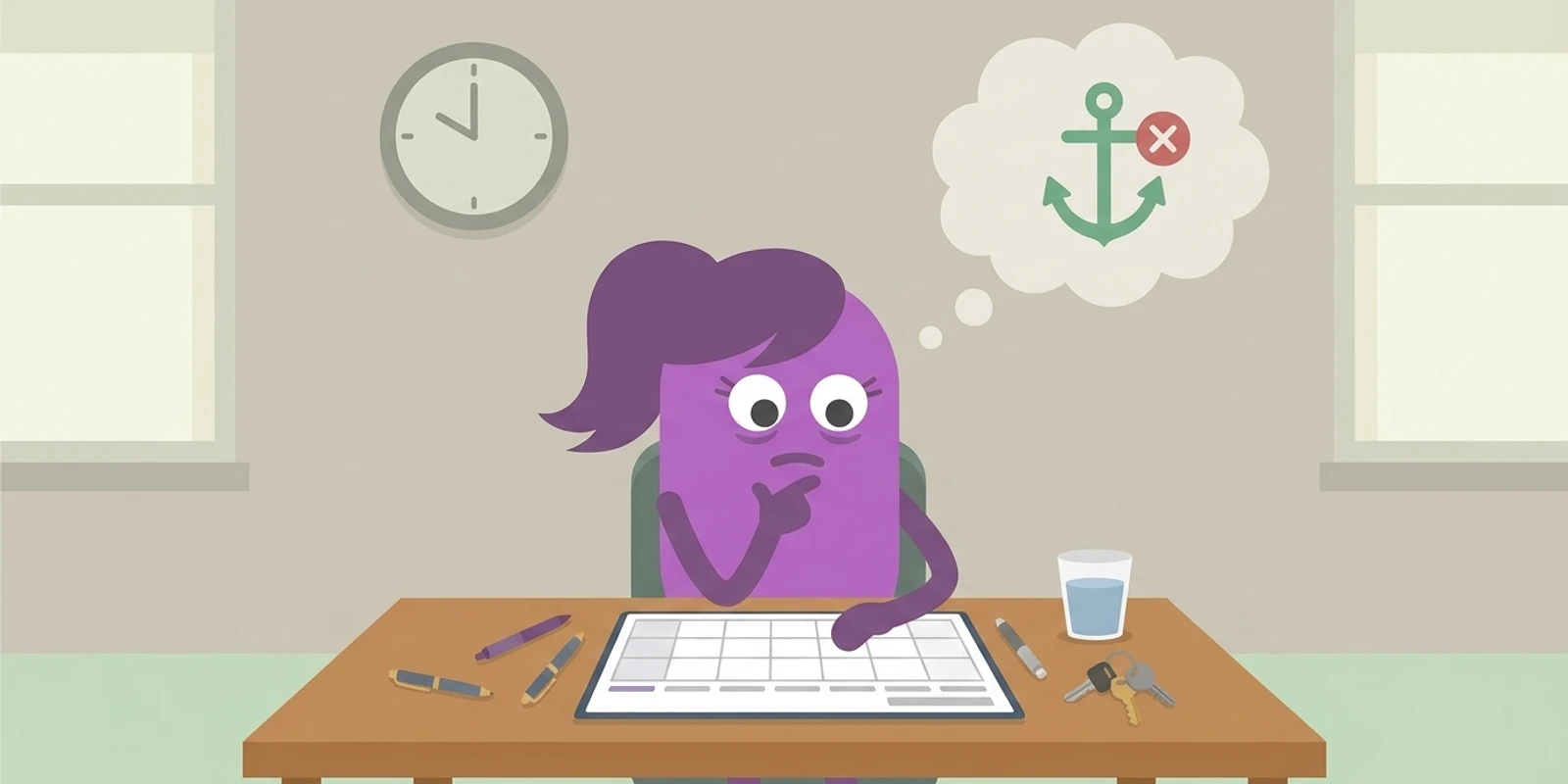
Tiny Habits fits the ADHD brain because it removes the two things that stop you: the size of the task and the wait for a reward. Anchor a two-second behavior, then celebrate instantly for a dopamine hit on day one.

adhddopaminehabitsneurodivergence
The GetMotivated.ai TeamRead →
Illustration for the article: Dopamine Detox Is Mostly Wrong. Here's What Actually Works
July 20, 20266 min read

Dopamine Detox Is Mostly Wrong. Here's What Actually Works

Sitting in a dark room avoiding food, screens, and conversation sounds like suffering for suffering's sake. Turns out it largely is. The dopamine detox craze is built on a misreading of neuroscience, and the fixes that actually work look nothing like what influencers are selling.

dopamine detoxdopamineneurosciencebehavioral change
GetMotivated.ai TeamRead →
Illustration for the article: How Long Does Porn Recovery Take? Evidence-Based Timelines and What to Expect
July 10, 20267 min read

How Long Does Porn Recovery Take? Evidence-Based Timelines and What to Expect

Recovery timelines vary widely—from 90 days for mild cases to 1-2 years for severe compulsive use—but understanding the stages and what influences your personal timeline can help you set realistic expectations and stay committed.

pornographyaddiction recoveryNeuroplasticitydopamine
Dana KimRead →
Illustration for the article: How to Quit Porn: Evidence-Based Recovery Strategies That Work
July 9, 20267 min read

How to Quit Porn: Evidence-Based Recovery Strategies That Work

Quitting pornography requires more than willpower. Research shows that structured recovery plans combining cognitive-behavioral techniques, accountability systems, and lifestyle changes produce lasting results for men struggling with compulsive use.

pornographyaddiction recoverybehavioral addictionCognitive Behavioral Therapy
Dana KimRead →
Illustration for the article: PIED Recovery: An Evidence-Based Guide to Rebooting Sexual Health
July 8, 20268 min read

PIED Recovery: An Evidence-Based Guide to Rebooting Sexual Health

Porn-induced erectile dysfunction is real, neurologically grounded, and reversible. If you can get hard watching pornography but not with a real partner, here is what is actually happening in your brain and how to fix it.

porn addictionsexual healthrecoverydopamine
GetMotivated.ai TeamRead →
Illustration for the article: Anhedonia Treatment: Evidence-Based Strategies for Recovery
July 3, 20267 min read

Anhedonia Treatment: Evidence-Based Strategies for Recovery

Anhedonia—the inability to feel pleasure—responds to structured treatment combining behavioral activation, physical exercise, dopamine regulation, and self-compassion. Recovery requires addressing both neurobiological and psychological factors through evidence-based interventions.

mental healthdopamineneuroscienceaddiction recovery
Dana KimRead →
Illustration for the article: Dopamine Supplements: What Works (and What Doesn't) for Recovery and Habit-Building
July 2, 20267 min read

Dopamine Supplements: What Works (and What Doesn't) for Recovery and Habit-Building

**Dopamine supplements promise to restore motivation and focus during recovery, but most claims lack solid evidence.** While cold water exposure can boost dopamine by 250% for hours, amino acid precursors and herbal extracts show mixed results. Here's what the research actually says about supporting your brain's reward system.

dopamineneuroscienceaddiction recoveryneurobiology
Dana KimRead →
Illustration for the article: Dopamine Detox: Reset Your Brain Without the Hype
June 30, 20267 min read

Dopamine Detox: Reset Your Brain Without the Hype

Dopamine detox is trending, but the science shows that total abstinence often rebounds. Instead, targeted pauses paired with replacement habits retrain reward circuits and restore natural drive.

dopamine detoxdopaminescreen timedigital wellness
GetMotivated.ai TeamRead →
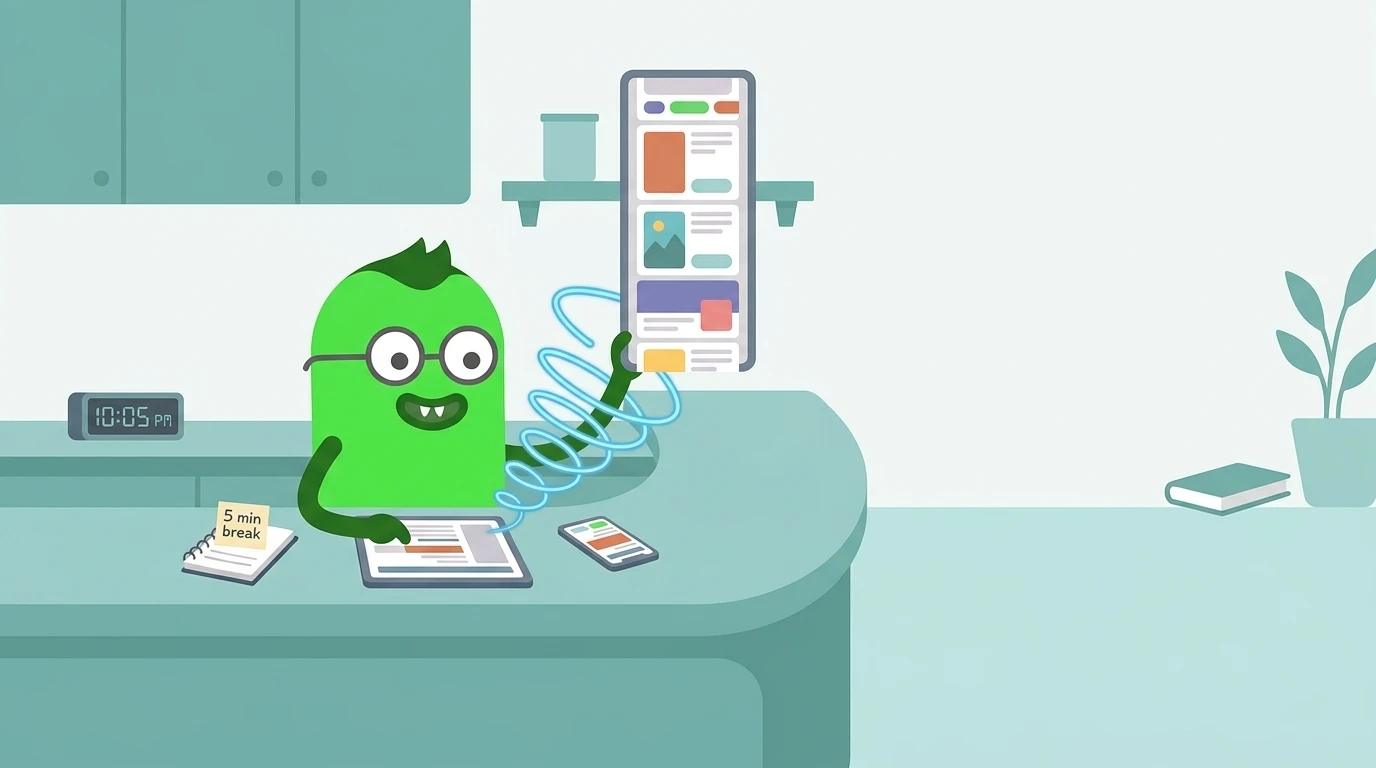
Illustration for the article: Phone Addiction Symptoms: 7 Warning Signs You're Hooked
June 29, 20267 min read

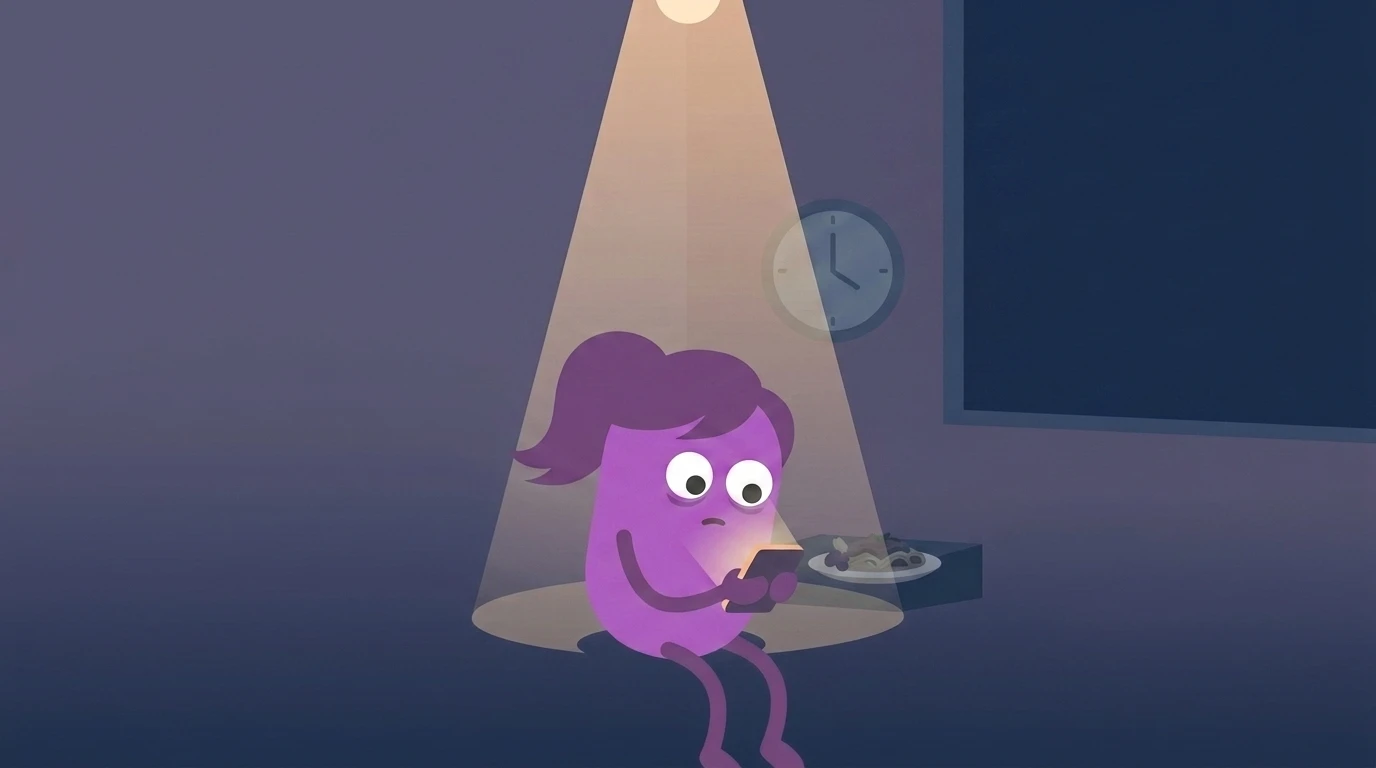
Phone Addiction Symptoms: 7 Warning Signs You're Hooked

Phone addiction manifests through compulsive checking, anxiety when separated from your device, and difficulty focusing on non-digital tasks. Research shows these symptoms mirror substance addiction patterns, affecting dopamine regulation and executive function.

behavioral addictiondopamineaddictionexecutive function
Dana KimRead →
Illustration for the article: Why Sugar Cravings Hijack Your Brain and How to Stop Them
June 24, 202610 min read

Why Sugar Cravings Hijack Your Brain and How to Stop Them

Sugar cravings feel like a willpower problem. They are actually a neurological one. Here is what happens in your brain when you eat sugar, why the cycle escalates, and what science says actually works to interrupt it.

compulsive behaviordopaminenutritionMetabolic Health
GetMotivated.ai TeamRead →
Illustration for the article: How to Break the Video Game Loop: Science-Based Recovery Steps
June 23, 202611 min read

How to Break the Video Game Loop: Science-Based Recovery Steps

Video game addiction hijacks the brain's reward system in ways that are predictable, documented, and reversible. Understanding the science behind the loop is the first step toward breaking it and building a life that does not revolve around a screen.

behavioral addictiondopaminescreen timecompulsive behavior
GetMotivated.ai TeamRead →
Illustration for the article: TikTok Addiction: Why You Can't Stop Scrolling (And What Science Says About It)
June 22, 20267 min read

TikTok Addiction: Why You Can't Stop Scrolling (And What Science Says About It)

TikTok's infinite scroll and algorithm-driven content create a powerful dopamine loop that can hijack your brain's reward system. Research shows this isn't just a habit—it's a behavioral pattern that shares neural mechanisms with substance addiction.

behavioral addictiondopamineaddiction recoveryAttention
Dana KimRead →
Illustration for the article: Phone Addiction: The Science Behind Why You Can't Put It Down
June 16, 20269 min read

Phone Addiction: The Science Behind Why You Can't Put It Down

If you pick up your phone to check the time and find yourself still scrolling twenty minutes later, you are not weak-willed. You are caught in a dopamine loop that exploits the same reward circuitry your brain uses for food and social bonding. Here is what is actually happening, and how to change it.

phone addictionscreen timedigital wellnessdopamine
GetMotivated.ai TeamRead →
Illustration for the article: How Habits Actually Form in the Brain: The Neuroscience of Habit Formation
May 20, 20267 min read

How Habits Actually Form in the Brain: The Neuroscience of Habit Formation

neurosciencehabit formationdopaminebehavioral science
Rachel SteinRead →
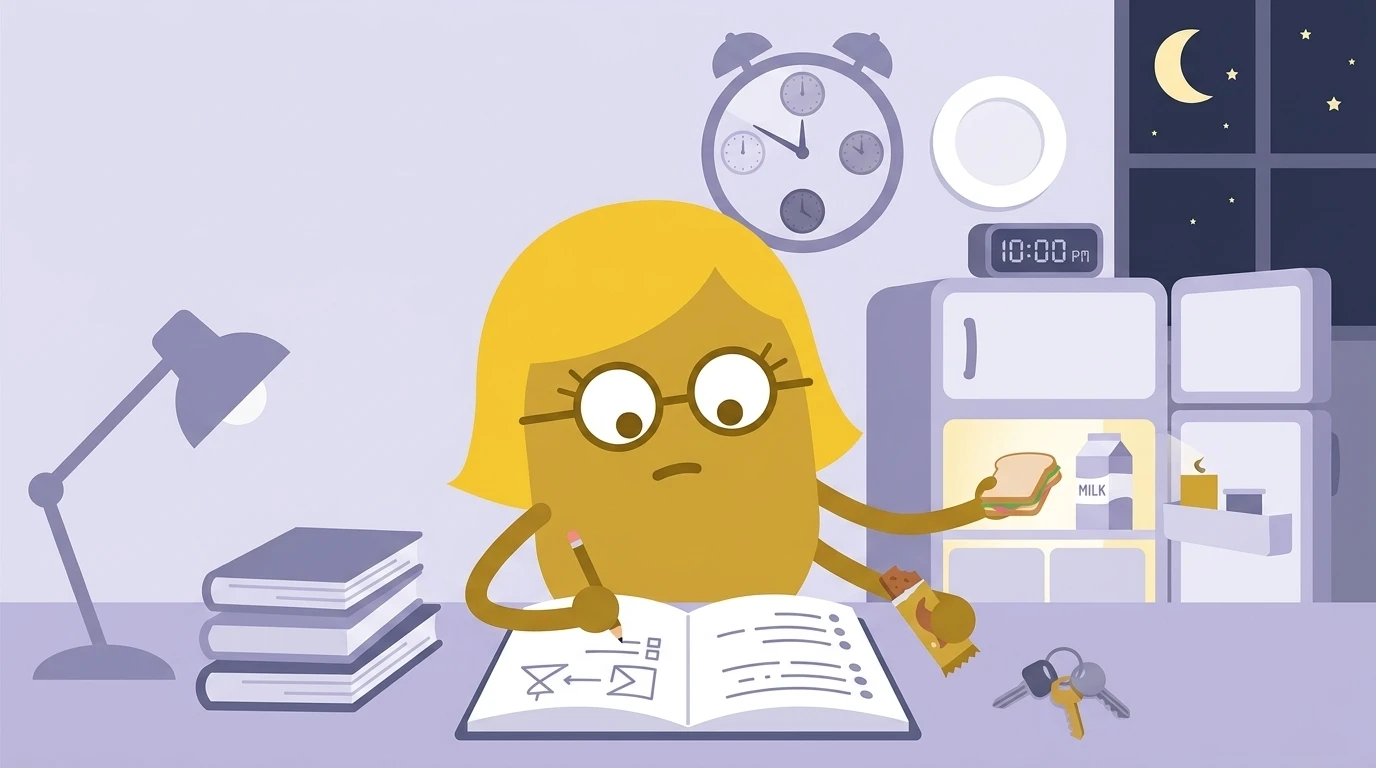
Illustration for the article: ADHD Time Blindness Strategies: Practical Tools to Compensate for Impaired Time Perception
May 20, 20267 min read

ADHD Time Blindness Strategies: Practical Tools to Compensate for Impaired Time Perception

Time blindness in ADHD isn't laziness—it's a neurological impairment in how the brain perceives and uses time. Learn the science behind it and practical strategies to compensate.

adhdexecutive functiontime managementneuroscience
Rachel SteinRead →
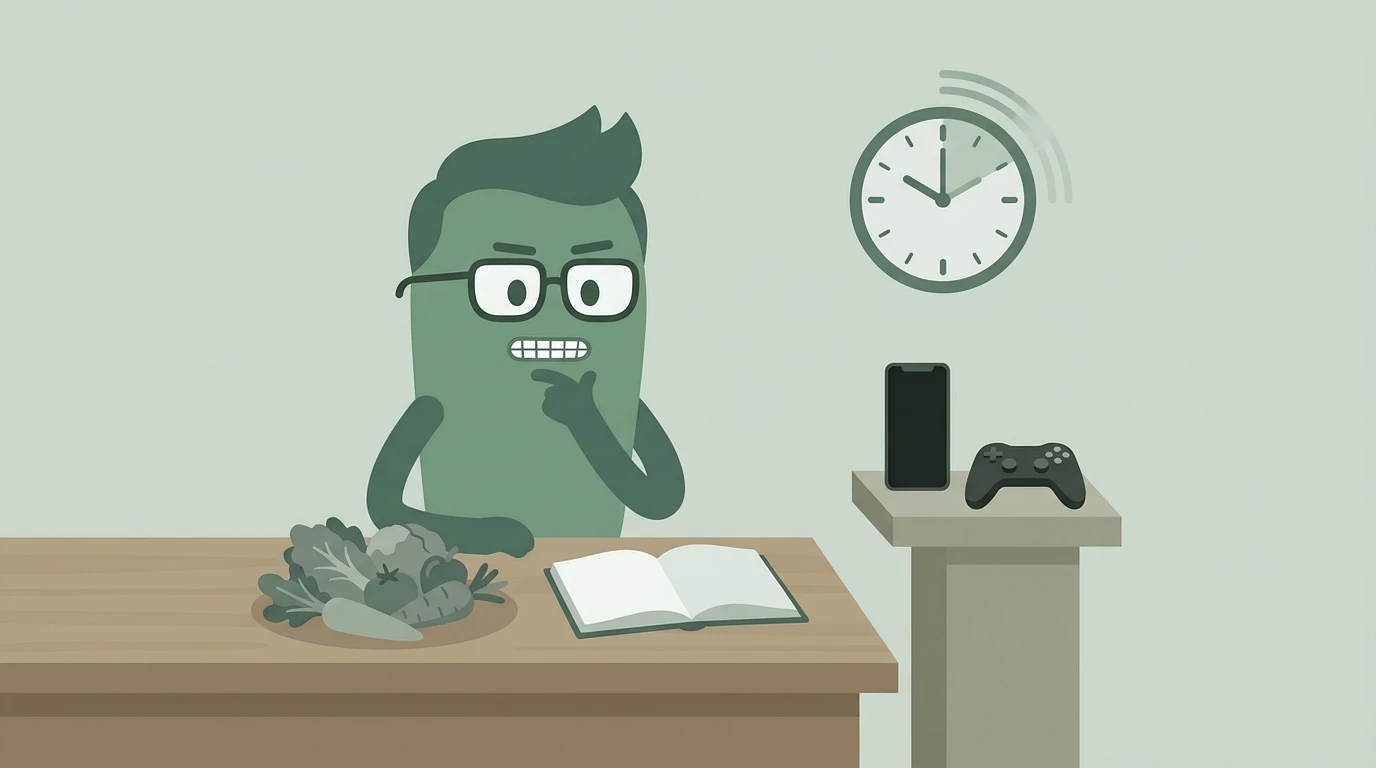
Illustration for the article: Dopamine Receptor Recovery After Quitting Porn: What Neuroscience Reveals
May 19, 20267 min read

Dopamine Receptor Recovery After Quitting Porn: What Neuroscience Reveals

Dopamine receptor recovery after quitting pornography is a gradual neuroplastic process, not permanent damage. Research shows the brain's reward circuitry can normalize through abstinence, though timelines vary by individual usage patterns and neurobiological factors.

dopamineNeuroplasticityaddiction recoverypornography
Dana KimRead →
Illustration for the article: ADHD Burnout Recovery: Evidence-Based Strategies to Restore Executive Function
May 19, 20267 min read

ADHD Burnout Recovery: Evidence-Based Strategies to Restore Executive Function

ADHD burnout isn't just being tired—it's a neurobiological crisis where your executive function system shuts down. Learn to recognize the warning signs and implement science-backed recovery strategies.

adhdAdult ADHDexecutive functionmental health
Dana KimRead →
Illustration for the article: Flatline Phase in Porn Recovery: What It Is and How Long It Lasts
May 18, 20267 min read

Flatline Phase in Porn Recovery: What It Is and How Long It Lasts

**The flatline phase is a temporary withdrawal period during porn recovery characterized by low or zero libido, emotional numbness, and reduced motivation.** Most individuals experience it for 2-12 weeks, though duration varies based on usage history and neurobiological factors. Understanding this phase as a normal part of dopamine system recalibration—not permanent damage—helps people persist through early recovery.

pornographyaddiction recoverydopamineNeuroplasticity
Dana KimRead →
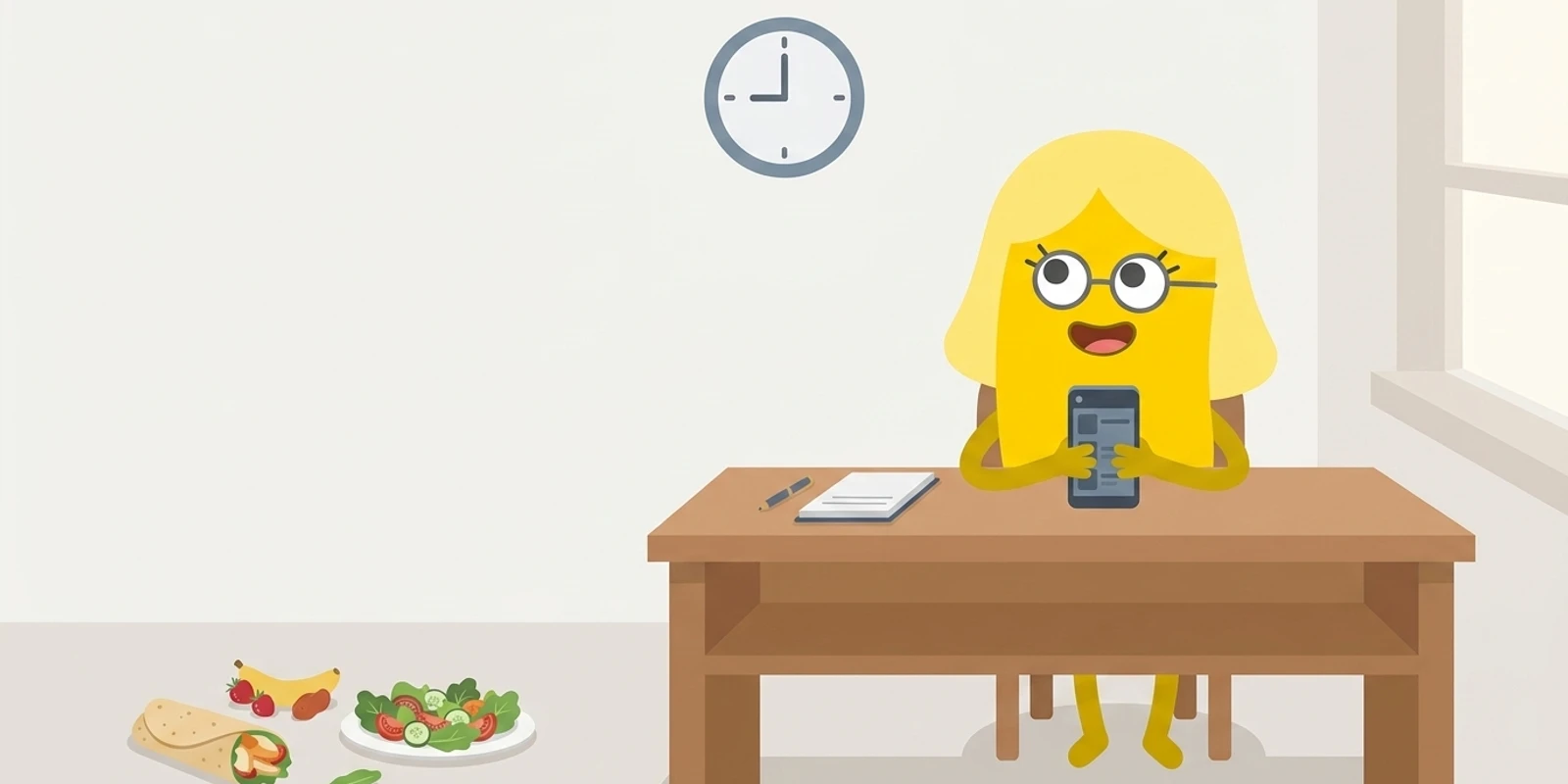
Illustration for the article: ADHD Eating Habits: Why Food Is So Hard with ADHD
April 26, 20268 min readADHD & Neurodivergence

ADHD Eating Habits: Why Food Is So Hard with ADHD

ADHD creates a predictable set of food challenges: forgetting to eat until hypoglycemic, impulsive eating driven by dopamine-seeking, hyperfocusing through meals, and struggling to plan or prepare anything requiring more than one step. This isn't poor willpower — it's neurological. Here's what drives each pattern and what actually helps.

adhdmental healthbehavioral changehabit formation
Rachel SteinRead →
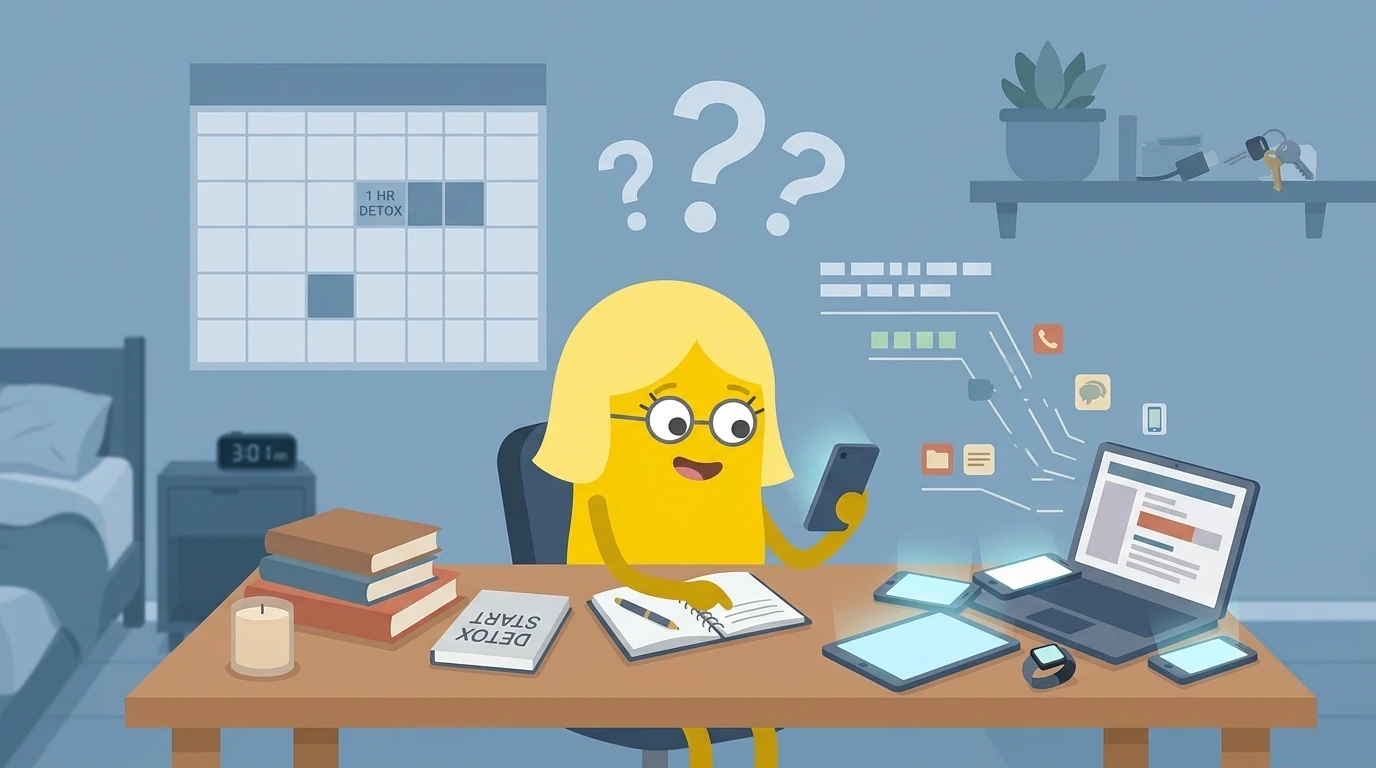
Illustration for the article: 7-Day Dopamine Detox Challenge: Your Day-by-Day Guide
April 25, 20268 min readAddiction Recovery

7-Day Dopamine Detox Challenge: Your Day-by-Day Guide

A structured 7-day dopamine detox challenge with specific daily actions — not vague advice. What to do each day, what to expect, and how to handle the hardest moments when your brain fights back.

dopaminebehavioral changehabit breakinghabit formation
Rachel SteinRead →
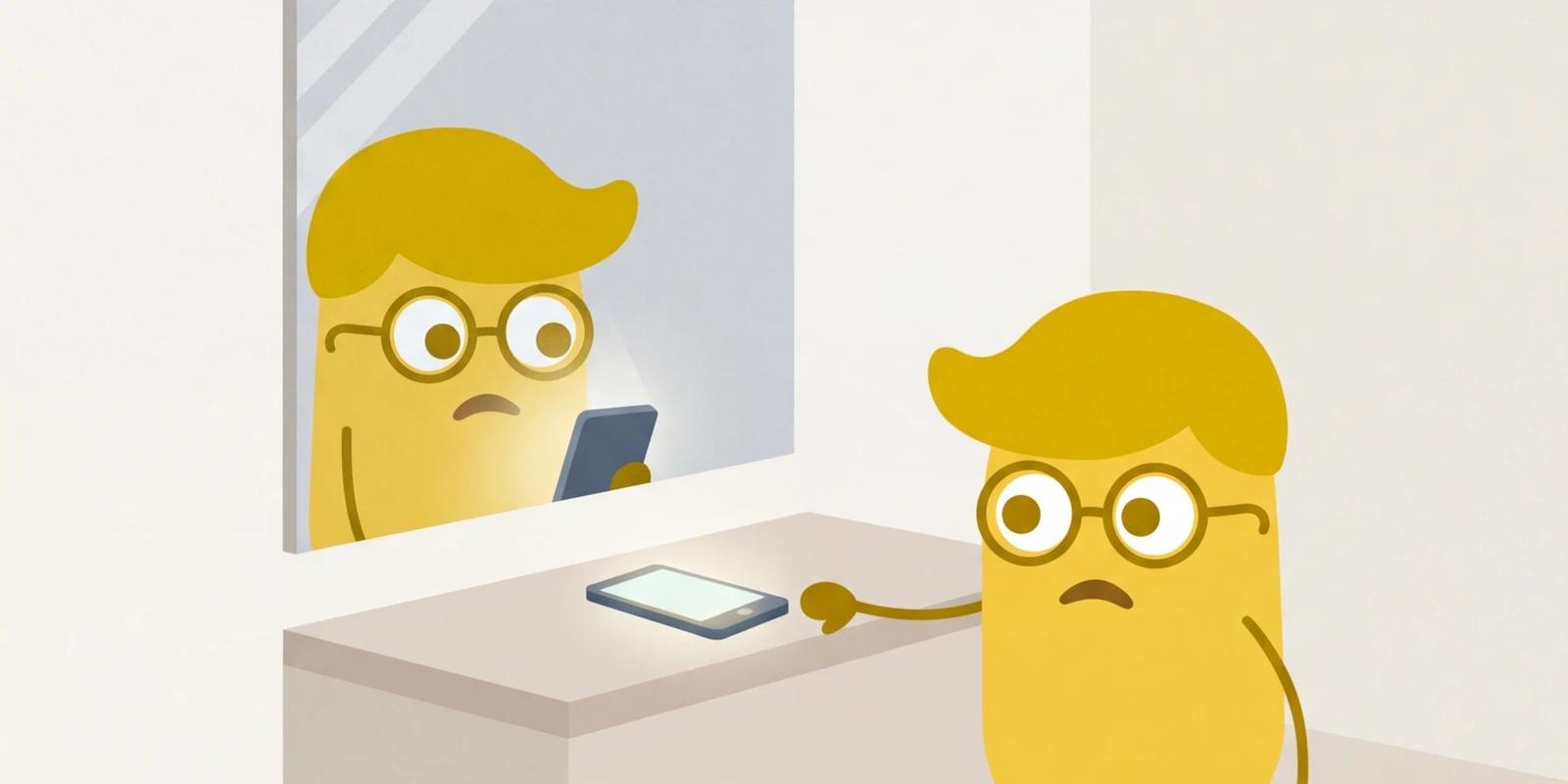
Illustration for the article: Dopamine Detox for ADHD: Why It's Different and How to Do It Right
April 25, 20267 min readADHD & Neurodivergence

Dopamine Detox for ADHD: Why It's Different and How to Do It Right

A dopamine detox for ADHD works differently than for neurotypical brains — and standard advice can backfire badly. Here's what the neuroscience says and what actually works for the ADHD dopamine system.

adhddopaminebehavioral changehabit breaking
Rachel SteinRead →

Illustration for the article: 5 Signs You're Addicted to Porn (And What to Do About It)
April 24, 20267 min readAddiction Recovery

5 Signs You're Addicted to Porn (And What to Do About It)

Porn addiction is defined not by how often you watch, but by compulsive use despite negative consequences — continuing when you've decided to stop, hiding use from people close to you, and finding that it's affecting your relationships, work, or mental health. Here are the 5 signs clinicians actually look for.

addiction recoveryporn addictioncompulsive behaviordopamine
Dana KimRead →
Illustration for the article: Porn Addiction: How to Recognize and Overcome It
April 22, 202611 min readAddiction Recovery

Porn Addiction: How to Recognize and Overcome It

Porn addiction affects more people than most admit. Learn the signs of compulsive pornography use, the neuroscience behind the dopamine cycle, and five evidence-based strategies to break free — including the role of community and accountability.

addictionpornographymental healthneuroscience
Dana KimRead →
Illustration for the article: The Neuroscience of Breaking Bad Habits: Why Willpower Isn't Enough
April 21, 20267 min readHabits & Behavioral Change

The Neuroscience of Breaking Bad Habits: Why Willpower Isn't Enough

Breaking bad habits fails when you rely on willpower because the brain doesn't unlearn habits — it overwrites them. Here's what neuroscience actually says about why habits persist, and the specific strategies that create lasting behavioral change.

behavioral changehabit breakinghabit formationneuroscience
Rachel SteinRead →
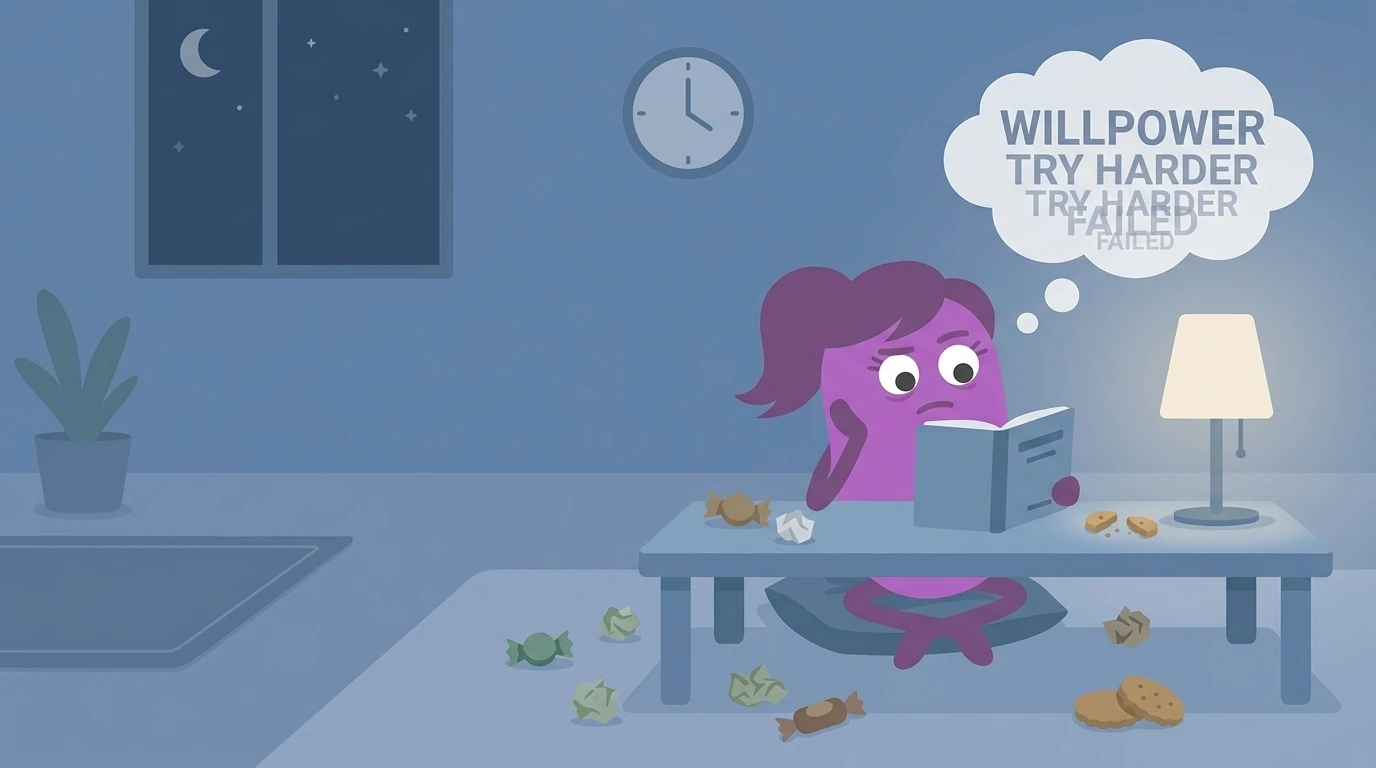
Illustration for the article: Why You Always Quit the Gym with ADHD (And What Actually Works)
April 19, 20268 min readADHD & Neurodivergence

Why You Always Quit the Gym with ADHD (And What Actually Works)

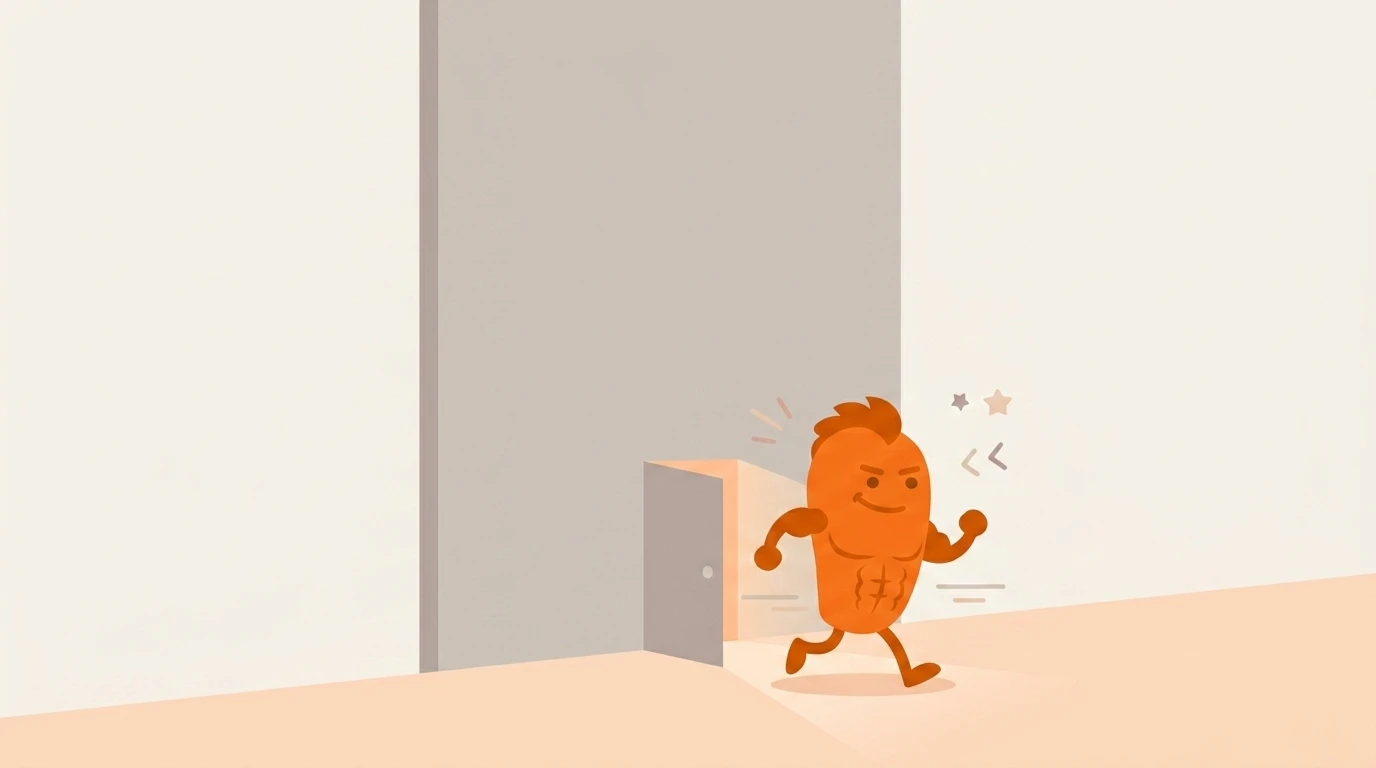
ADHD makes gym habits uniquely hard to sustain — not because of laziness, but because the ADHD brain's reward system, executive function, and time blindness all work against the slow-burn payoff that traditional gym routines require. Here's what the research says actually works.

adhdexercisefitnessaccountability
Rachel SteinRead →
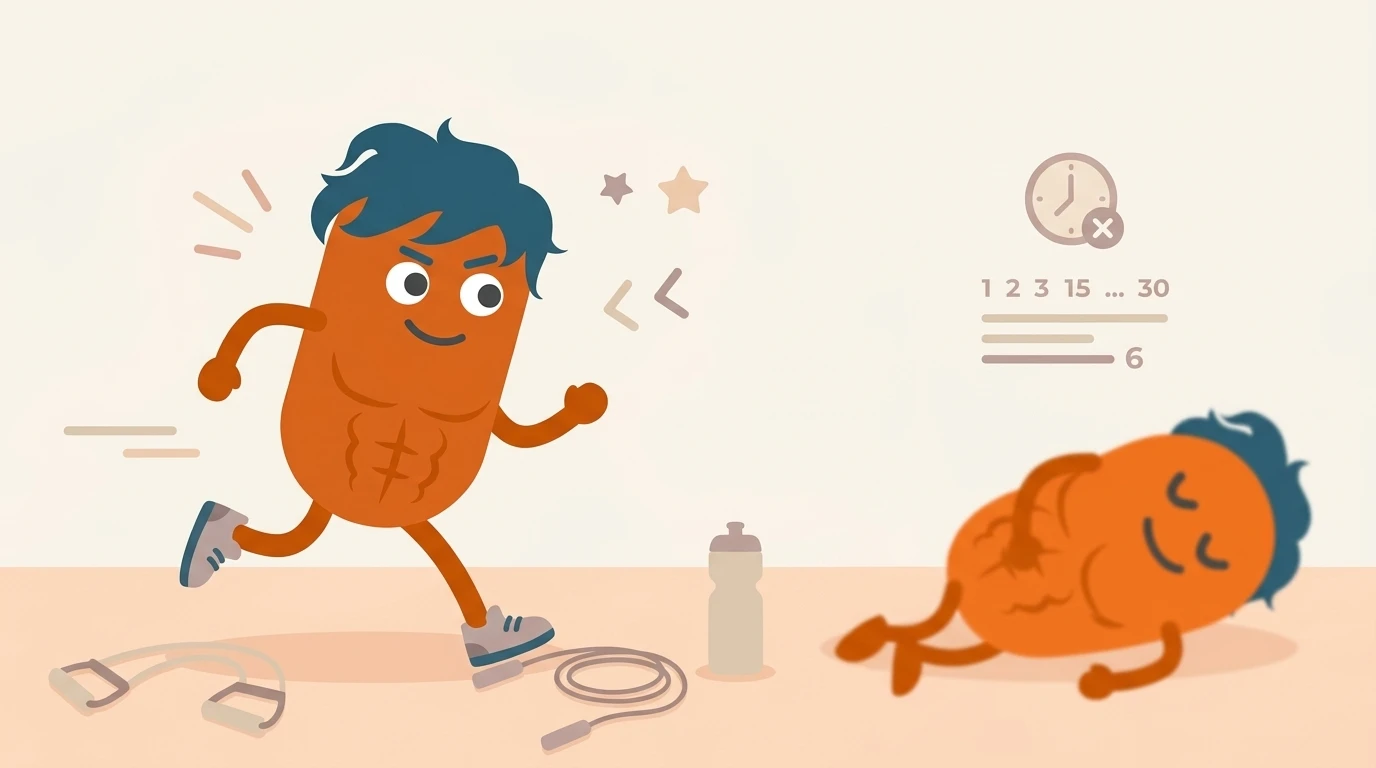
Illustration for the article: ADHD Medication and Exercise: Can You Do Both?
April 18, 20267 min readADHD & Neurodivergence

ADHD Medication and Exercise: Can You Do Both?

Yes, you can — and combining ADHD medication with regular exercise often produces better outcomes than either alone. Exercise boosts the same neurotransmitters your medication targets, and the two approaches work through complementary mechanisms.

adhdexercisefitnessneuroscience
Rachel SteinRead →
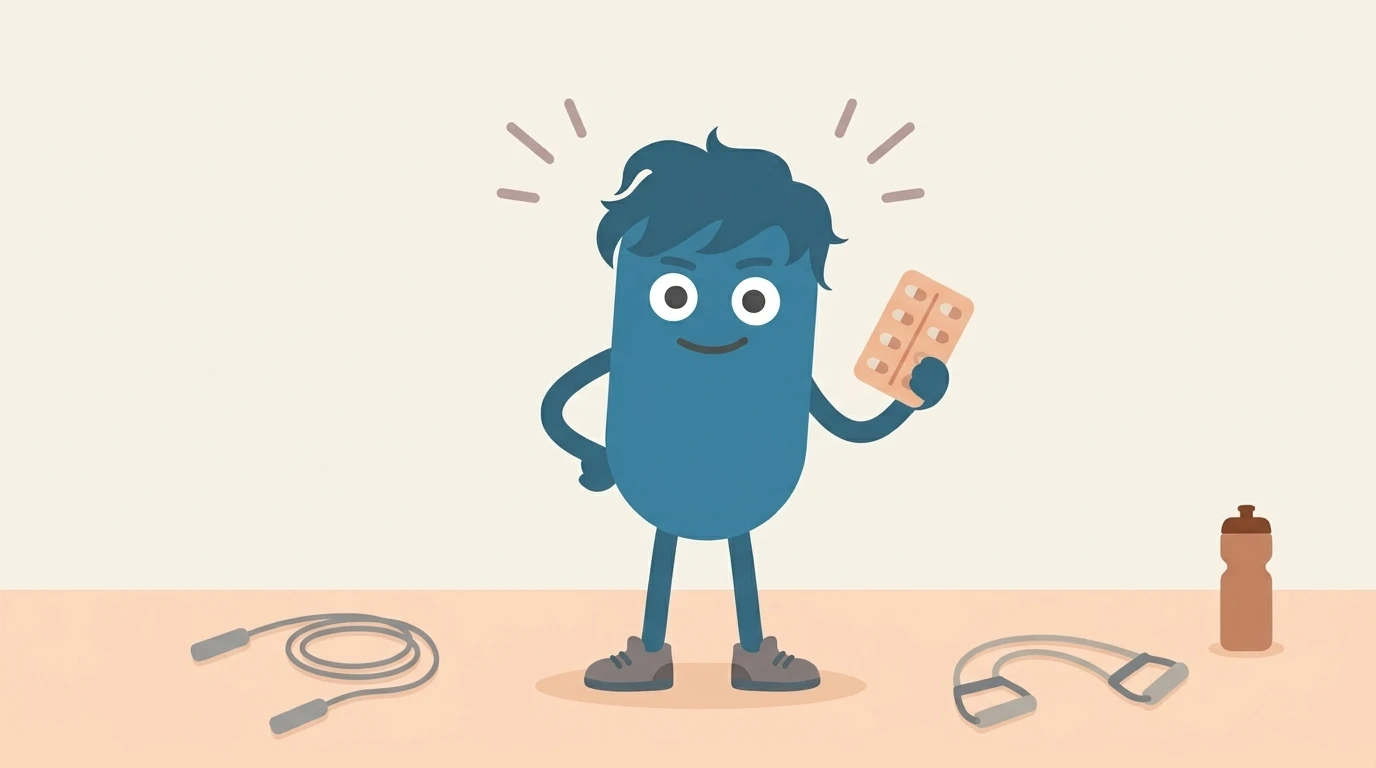
Illustration for the article: What Is the Best Exercise for ADHD? A Research-Based Guide
April 17, 20267 min readADHD & Neurodivergence

What Is the Best Exercise for ADHD? A Research-Based Guide

The best exercises for ADHD are high-intensity aerobic activities like running, swimming, and martial arts — they raise dopamine and norepinephrine levels the same way stimulant medication does. Here's what the research says and how to actually stick with a routine.

adhdexercisefitnessdopamine
Rachel SteinRead →
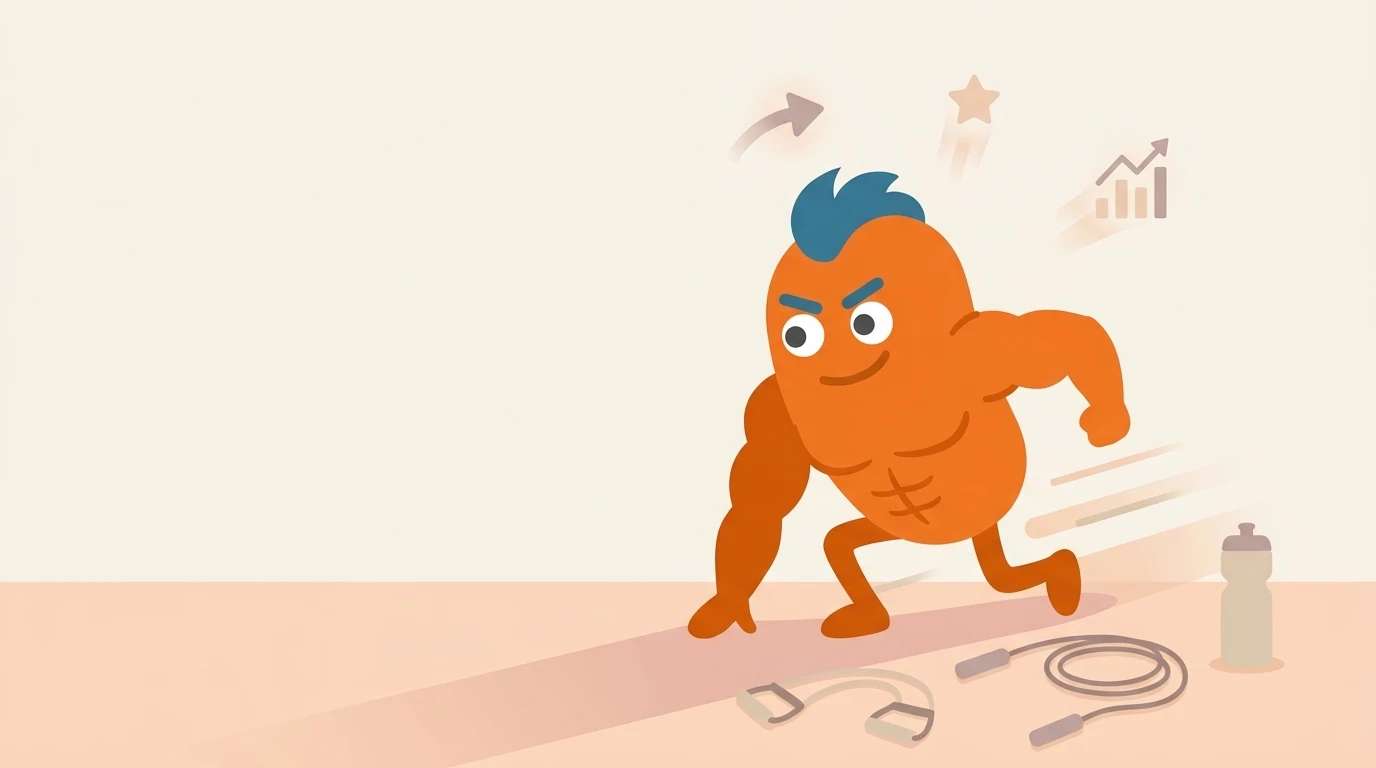
Illustration for the article: The ADHD Meal Prep Problem: Why Traditional Advice Doesn't Work
April 13, 20267 min readADHD & Neurodivergence

The ADHD Meal Prep Problem: Why Traditional Advice Doesn't Work

ADHD makes meal prep uniquely difficult — not because of laziness, but because of how the ADHD brain handles planning, time perception, and decision fatigue. Here's what the research shows, and what actually helps instead.

adhdexecutive dysfunctionhabit formationbehavioral change
Rachel SteinRead →
Illustration for the article: Exercise as Addiction Treatment: What 47 Studies Show
April 12, 20269 min readAddiction Recovery

Exercise as Addiction Treatment: What 47 Studies Show

Exercise reduces relapse rates, accelerates brain recovery from substance use, and treats the depression and anxiety that drive most relapses. Here's what 47 studies show about exercise as addiction treatment — and how to actually build the habit in recovery.

addiction recoveryexercisedopaminebehavioral change
Dana KimRead →
Illustration for the article: Why Boredom Is the Most Dangerous Trigger in Recovery
April 12, 20268 min readAddiction Recovery

Why Boredom Is the Most Dangerous Trigger in Recovery

Boredom is consistently ranked among the top triggers for relapse in addiction recovery — yet it's rarely addressed with the same urgency as stress, social pressure, or emotional pain. Here's why boredom is so dangerous and what actually fills the void.

addiction recoverydopaminebehavioral changehabit formation
Dana KimRead →
Illustration for the article: Why One More Bet Always Feels Rational: The Neuroscience of Gambling Addiction
April 11, 20268 min readAddiction Recovery

Why One More Bet Always Feels Rational: The Neuroscience of Gambling Addiction

Gambling addiction hijacks the brain's reward prediction system so completely that 'one more bet' genuinely feels like the logical choice. Understanding the neuroscience explains why willpower alone fails — and what actually breaks the cycle.

addiction recoverydopaminecompulsive behaviorbehavioral change
Dana KimRead →
Illustration for the article: Sugar Addiction Is Real: What the Science Says and How to Break Free
April 10, 20268 min readAddiction Recovery

Sugar Addiction Is Real: What the Science Says and How to Break Free

Sugar addiction is a real neurological phenomenon — not a lack of willpower. Research shows sugar triggers the same dopamine reward pathways as addictive drugs. Here's what the science says and what actually helps you quit the cycle.

addiction recoverydopaminehabit breakingbehavioral change
Dana KimRead →
Illustration for the article: Why Do I Keep Relapsing? The Neuroscience of Addiction Relapse
April 9, 20268 min readAddiction Recovery

Why Do I Keep Relapsing? The Neuroscience of Addiction Relapse

Relapsing doesn't mean you failed — it means your brain is doing exactly what addiction trained it to do. Here's the neuroscience behind why relapse happens, what makes it so predictable, and what the evidence says about breaking the cycle for good.

addiction recoverydopamineneurosciencebehavioral change
Dana KimRead →
Illustration for the article: The Social Media Dopamine Loop: How Variable Rewards Hijack Your Brain
April 9, 20267 min readAddiction Recovery

The Social Media Dopamine Loop: How Variable Rewards Hijack Your Brain

Social media addiction hijacks your brain's dopamine system through variable reward schedules — the same mechanism that makes slot machines addictive. Here's what the research shows about how it works and how to break the cycle.

addiction recoverydopaminebehavioral changecompulsive behavior
Dana KimRead →
Illustration for the article: Porn Addiction Recovery Timeline: Dopamine Receptor Healing Day-by-Day
April 8, 20267 min readAddiction Recovery

Porn Addiction Recovery Timeline: Dopamine Receptor Healing Day-by-Day

Porn addiction recovery follows a predictable timeline: acute withdrawal in the first two weeks, dopamine stabilization by 90 days, and lasting rewiring by one year. Here's what research and recovery data show about each phase — and what to expect at every stage.

addiction recoveryporn addictiondopaminehabit breaking
Dana KimRead →
Illustration for the article: Why Can't I Stop Watching Porn? The Neuroscience of Compulsive Use
April 7, 20267 min readAddiction Recovery

Why Can't I Stop Watching Porn? The Neuroscience of Compulsive Use

If you can't stop watching porn despite wanting to quit, it's not a willpower failure — it's neuroscience. Compulsive porn use rewires the brain's dopamine system the same way other behavioral addictions do. Here's what's happening and what actually helps.

addiction recoveryporn addictiondopaminecompulsive behavior
Dana KimRead →
Illustration for the article: How Long Does Porn-Induced ED Recovery Take? (60-120 Days)
April 7, 20267 min readAddiction Recovery

How Long Does Porn-Induced ED Recovery Take? (60-120 Days)

Most men recover from porn-induced erectile dysfunction in 60-120 days of abstinence — the time required for dopamine receptors to upregulate. Younger men typically recover faster. Here is the week-by-week timeline and what to expect at each stage.

porn addictionaddiction recoverydopamineneuroscience
Dana KimRead →
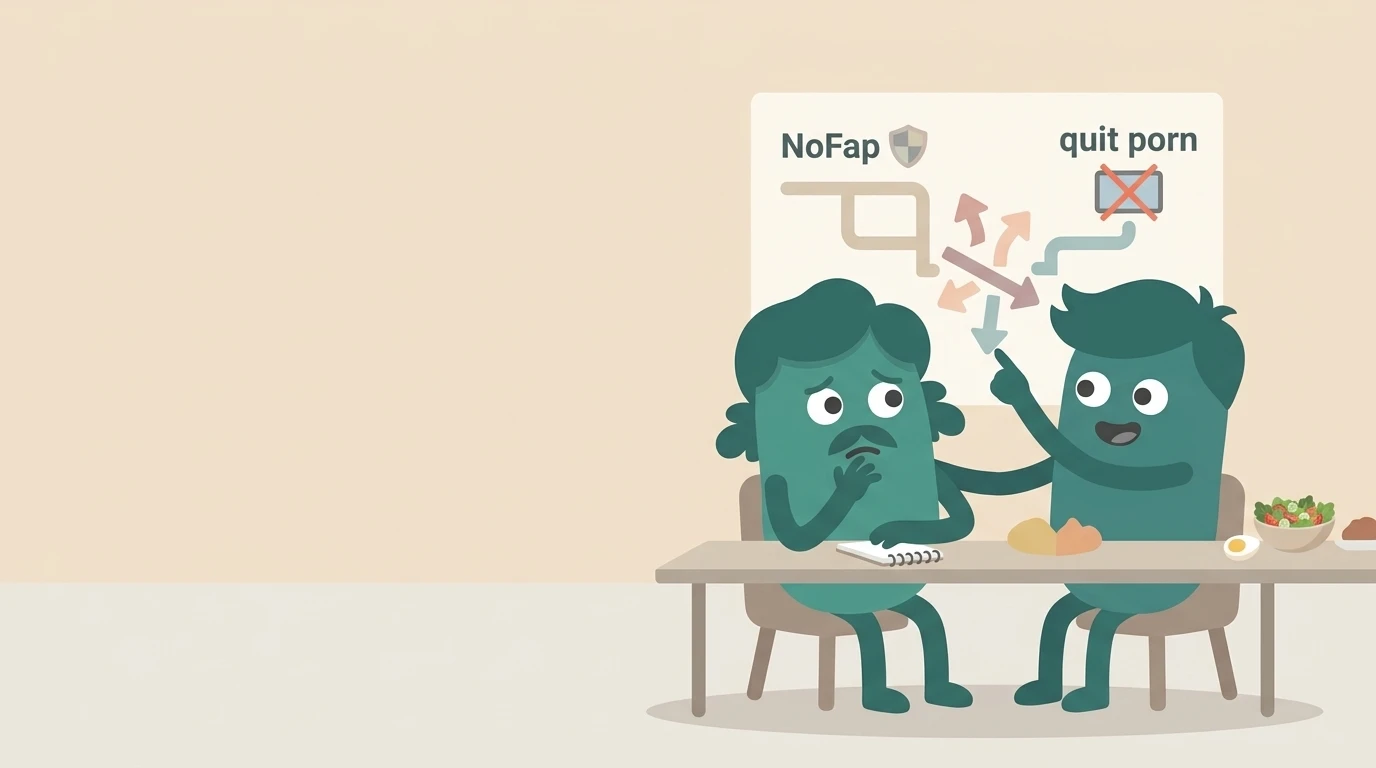
Illustration for the article: NoFap vs No Porn: What's the Difference and Which Works Better?
April 6, 20267 min readAddiction Recovery

NoFap vs No Porn: What's the Difference and Which Works Better?

NoFap means abstaining from masturbation and pornography; no porn means quitting porn while allowing masturbation. Research suggests quitting porn specifically is the critical variable — but structure and accountability determine whether either approach actually sticks.

porn addictionaddiction recoverydopaminehabit breaking
Dana KimRead →
Illustration for the article: How Long Does It Take to Rewire Your Brain from Porn Addiction?
April 6, 20267 min readAddiction Recovery

How Long Does It Take to Rewire Your Brain from Porn Addiction?

Rewiring your brain from porn addiction takes 60–90 days for initial neurological changes, but meaningful recovery typically unfolds over 6–12 months. Here's what the research says about each stage and what actually accelerates healing.

porn addictionaddiction recoverydopamineneuroscience
Dana KimRead →
Illustration for the article: No Porn Challenge Benefits: What the Research Actually Shows
April 5, 20267 min readAddiction Recovery

No Porn Challenge Benefits: What the Research Actually Shows

A no-porn challenge produces measurable benefits: improved dopamine sensitivity, better erectile function, reduced anxiety, and stronger relationship satisfaction — most within 30–90 days of abstinence. Here's what the research actually shows.

addiction recoveryporn addictiondopaminehabit breaking
Dana KimRead →
Illustration for the article: ADHD Procrastination: Why Your Brain Won't Start (And What Actually Unsticks It)
April 4, 20268 min readADHD & Neurodivergence

ADHD Procrastination: Why Your Brain Won't Start (And What Actually Unsticks It)

ADHD procrastination isn't a willpower problem — it's a neurological one. The ADHD brain struggles to initiate tasks without sufficient dopamine, turning simple to-dos into immovable walls. Here's why it happens and what actually works.

adhdexecutive dysfunctionbehavioral changedopamine
Rachel SteinRead →
Illustration for the article: Porn Withdrawal Symptoms: The Flatline, Dopamine Reset & Recovery Timeline
April 3, 20268 min readAddiction Recovery

Porn Withdrawal Symptoms: The Flatline, Dopamine Reset & Recovery Timeline

Porn addiction withdrawal is real. When you stop watching pornography after heavy use, your brain's dopamine system rebounds — causing mood swings, irritability, insomnia, and intense cravings. Most acute symptoms peak in the first 2-4 weeks and improve significantly within 90 days.

porn addictionaddiction recoverydopaminehabit breaking
Dana KimRead →
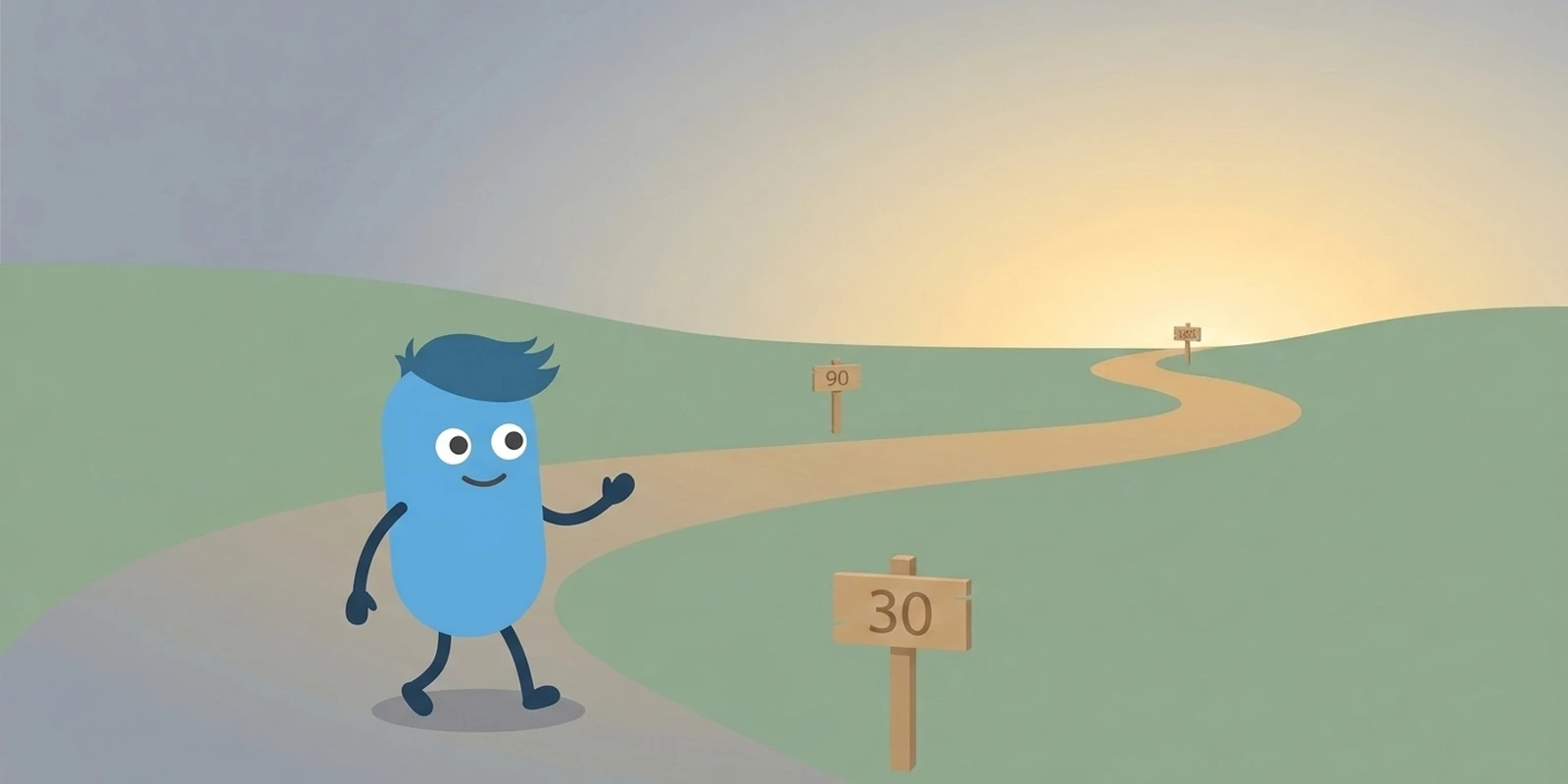
Illustration for the article: 30-Day No Porn Challenge: What to Expect Week by Week
April 2, 20267 min readAddiction Recovery

30-Day No Porn Challenge: What to Expect Week by Week

A 30-day no porn challenge follows a predictable arc: craving intensity peaks around days 3-7, stabilizes by week 2, and shifts to rewiring by weeks 3-4. Here's exactly what happens to your brain and behavior at each stage.

addiction recoverycompulsive behaviordopaminebehavioral change
Dana KimRead →
Illustration for the article: Dopamine Detox: What It Actually Is, What It Isn't, and How to Do One
March 29, 20268 min readAddiction Recovery

Dopamine Detox: What It Actually Is, What It Isn't, and How to Do One

A dopamine detox is a structured period of reducing high-stimulation activities to restore the brain's sensitivity to everyday rewards. Here's what the science says and how to do one that works.

addiction recoveryneurosciencedigital wellnessdopamine
Rachel SteinRead →
Illustration for the article: How to Stop Watching Porn: 7 Evidence-Based Strategies That Actually Work
March 28, 20268 min readAddiction Recovery

How to Stop Watching Porn: 7 Evidence-Based Strategies That Actually Work

Stopping pornography use is possible. Research shows the brain's reward circuits can rewire with sustained abstinence, accountability, and targeted behavioral strategies. Here are 7 evidence-based approaches — not willpower alone.

addiction recoverybehavioral changemental healthneuroscience
Dana KimRead →
Illustration for the article: Phone Addiction: Why You Check Your Phone 150 Times a Day and How to Stop
March 26, 20268 min readAddiction Recovery

Phone Addiction: Why You Check Your Phone 150 Times a Day and How to Stop

Phone addiction is a compulsive pattern of smartphone use driven by variable-ratio reinforcement — the same mechanism that makes slot machines hard to put down. Here's what the research says about symptoms, causes, and what actually works to break the cycle.

addiction recoverydigital wellnessneurosciencehabit building
Dana KimRead →
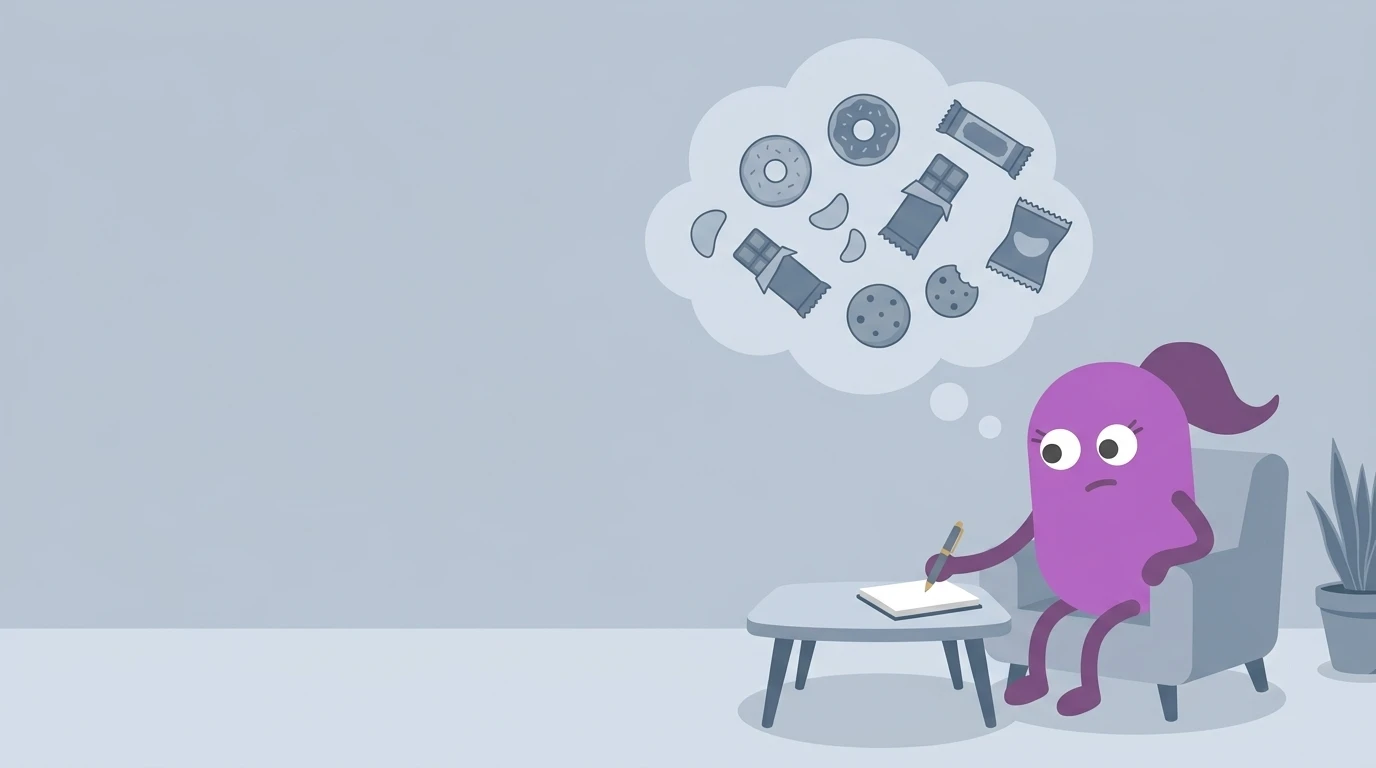
Illustration for the article: Porn Addiction: Why You Can't Stop and What Actually Works
March 22, 202612 min readAddiction Recovery

Porn Addiction: Why You Can't Stop and What Actually Works

Compulsive pornography use rewires your brain's reward system, but neuroscience also shows the path back. This guide breaks down the science, the proven strategies, and how structured accountability dramatically improves recovery outcomes.

porn addictionaddiction recoverydopaminehabit breaking
Dana KimRead →
GetMotivated.ai

Behavioral health. Built with intention.

Structured support for ADHD, chronic health, recovery, focus, and long-term change.

Stay in the loop

Research, program launches, and behavioral health insights. Only useful updates.

By joining, you agree to receive emails from GetMotivated.ai. Unsubscribe anytime. See our Privacy Policy.

Explore

  • Browse Plans & Challenges
  • Challenges
  • ADHD Support
  • Health Support
  • Recovery Support
  • Blog
  • Creators
  • Sources
  • Tools
  • How It Works
  • Pricing

Topics

  • Focus
  • Habits
  • Work
  • Learn
  • Health
  • Life

Company

  • About
  • Contact
  • How We Research
  • Our Guarantee
  • Privacy
  • Terms

Work With Us

  • For Organizations
  • For Behavioral Health
  • For Education
  • Careers
  • Affiliates
  • Partners
  • Sponsors
Explore+
  • Browse Plans & Challenges
  • Challenges
  • ADHD Support
  • Health Support
  • Recovery Support
  • Blog
  • Creators
  • Sources
  • Tools
  • How It Works
  • Pricing
Topics+
  • Focus
  • Habits
  • Work
  • Learn
  • Health
  • Life
Company+
  • About
  • Contact
  • How We Research
  • Our Guarantee
  • Privacy
  • Terms
Work With Us+
  • For Organizations
  • For Behavioral Health
  • For Education
  • Careers
  • Affiliates
  • Partners
  • Sponsors

© 2026 GetMotivated.ai. All rights reserved.

PrivacyTerms

Calm structure. Clear next steps. Human accountability.