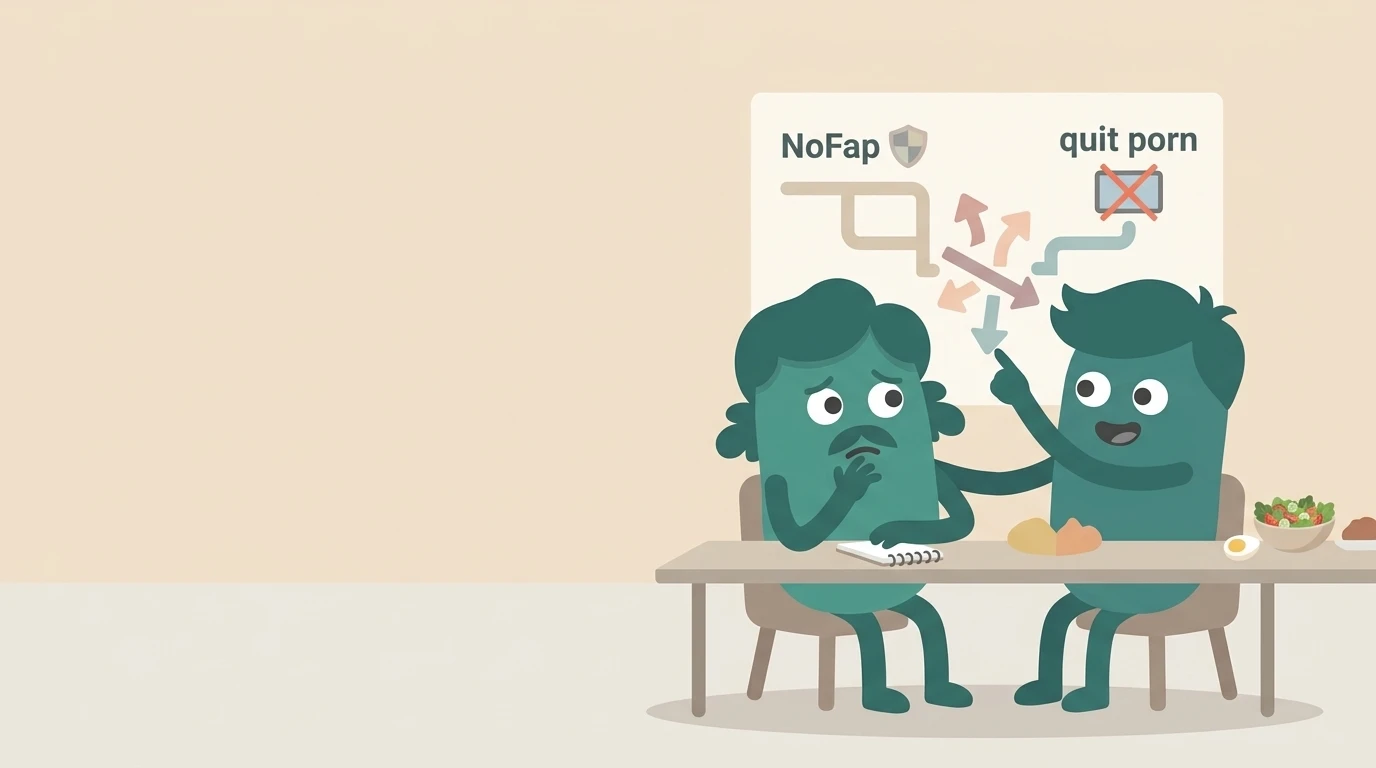
Benefits with strong evidence (tied to quitting porn):
• Improved erectile function in men experiencing porn-induced erectile dysfunction (PIED)
• Reduced compulsive urges over time as the dopamine system recalibrates
• Improved relationship satisfaction (partners report this consistently)
• Reduced anxiety and depression symptoms associated with shame around pornography use
• Better real-life sexual response with partners
Benefits NoFap community reports (evidence quality: observational):
• Increased motivation and drive ("superpowers" in community language)
• Higher confidence in social situations
• Improved focus and mental clarity
• More energy
The honest assessment: some of these reported benefits are likely real, driven by the reduction in pornography use. Some may be placebo effect or confirmation bias in community reporting. The rigorously studied benefits — particularly sexual function improvement — are tied to quitting pornography specifically, with or without abstaining from masturbation.
Which Approach Should You Choose?
The right answer depends on your situation.
Start with no porn if:
• Your primary concern is compulsive pornography use, sexual dysfunction, or relationship conflict over pornography
• You want a more sustainable, research-aligned starting point
• You've tried NoFap and relapsed repeatedly — the more targeted approach is easier to maintain
Consider NoFap if:
• You find that masturbation itself is compulsive — you engage in it compulsively even without pornography
• You've already quit pornography and still feel dysregulated
• You want a more structured, community-based challenge framework
Either way, the data is clear on one thing: willpower alone, without structure and accountability, produces high relapse rates for both approaches.
How Structure and Accountability Change Outcomes
The NoFap subreddit, with 6+ million members, is the most visited online community for this topic. Apps like BlockerX, Brainbuddy, and Covenant Eyes are widely used for content filtering and habit tracking. These tools address the access and awareness sides of the problem.
What they don't provide is the accountability relationship that behavioral research consistently identifies as the key variable in sustained change. Porn-blocking apps stop working when disabled. Reddit support is asynchronous and anonymous — you post, you might get a reply, you might not.
Key Stat: Research on accountability partnerships in behavioral change shows that people who have a specific person checking in on their progress are significantly more likely to reach their goals. One study found accountability partner support increased goal attainment rates to 95% compared to 35% for those relying on willpower alone. — Source: American Society of Training and Development
This is where structured programs change the picture. GetMotivated.ai offers structured 30-day and 90-day challenges for pornography recovery that pair you with an accountability buddy — not a random forum responder, but a consistent partner who checks in with you through the same program. When every person in your cohort is working on the same goal, reporting a difficult day isn't a confession — it's expected and supported.
Unlike apps like BlockerX that focus on access restriction alone, GetMotivated.ai addresses the behavioral change layer: what you do instead, who holds you accountable, and how you track meaningful progress. AI coaching is also available for a judgment-free space to identify your personal triggers and build your specific response plan — especially useful in the early weeks when urges are most intense.
How Long Does It Take to Break Porn Addiction?
Most clinicians and recovery programs use a 90-day benchmark for significant neurological and behavioral recalibration. This isn't arbitrary — it corresponds to research on how long dopamine receptor normalization takes after ending a pattern of compulsive stimulation.
But 90 days to full recovery doesn't mean 90 days of suffering. Most people who quit pornography report:
• Weeks 1-2: Heightened urges, irritability, difficulty concentrating — withdrawal-like symptoms as the brain recalibrates
• Weeks 3-6: Urges begin to normalize; mood improvements often appear; some men report early improvements in sexual function
• Months 2-3: More significant improvements in focus, mood stability, and real-life sexual response
• Beyond 90 days: Maintenance phase — building new habits to prevent relapse
The timeline varies significantly based on duration of use, frequency, and whether the person has a structured support system. People with accountability partners consistently reach the 90-day milestone at higher rates than those attempting it alone.