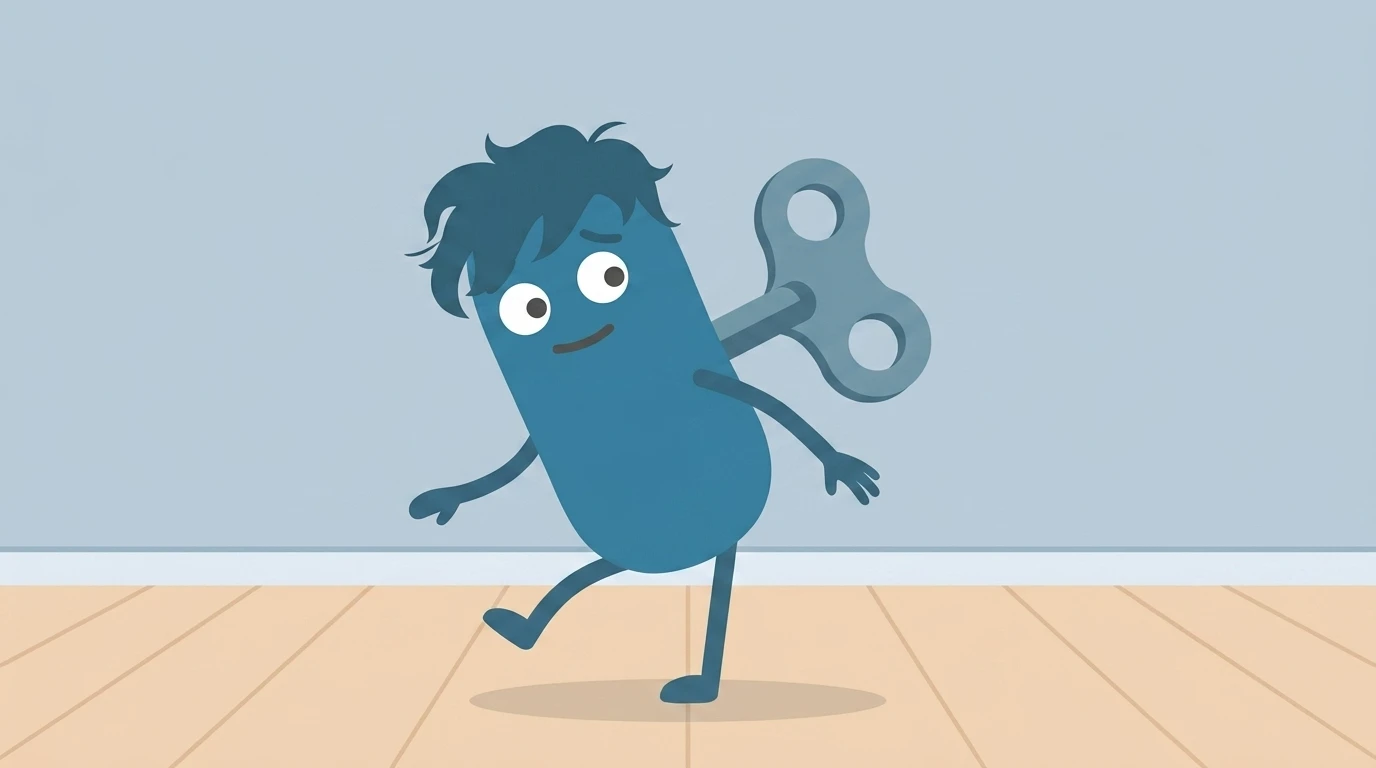
ADHD Motivation: Why It Dies and What Restarts It
ADHD motivation doesn't fade like ordinary motivation does. It collapses in a specific, researchable pattern, and the same research shows what brings it back.
Rachel SteinRead →

9 posts tagged with "neurodivergence"
Next time you search, our newest guide shows up.
ADHD motivation doesn't fade like ordinary motivation does. It collapses in a specific, researchable pattern, and the same research shows what brings it back.
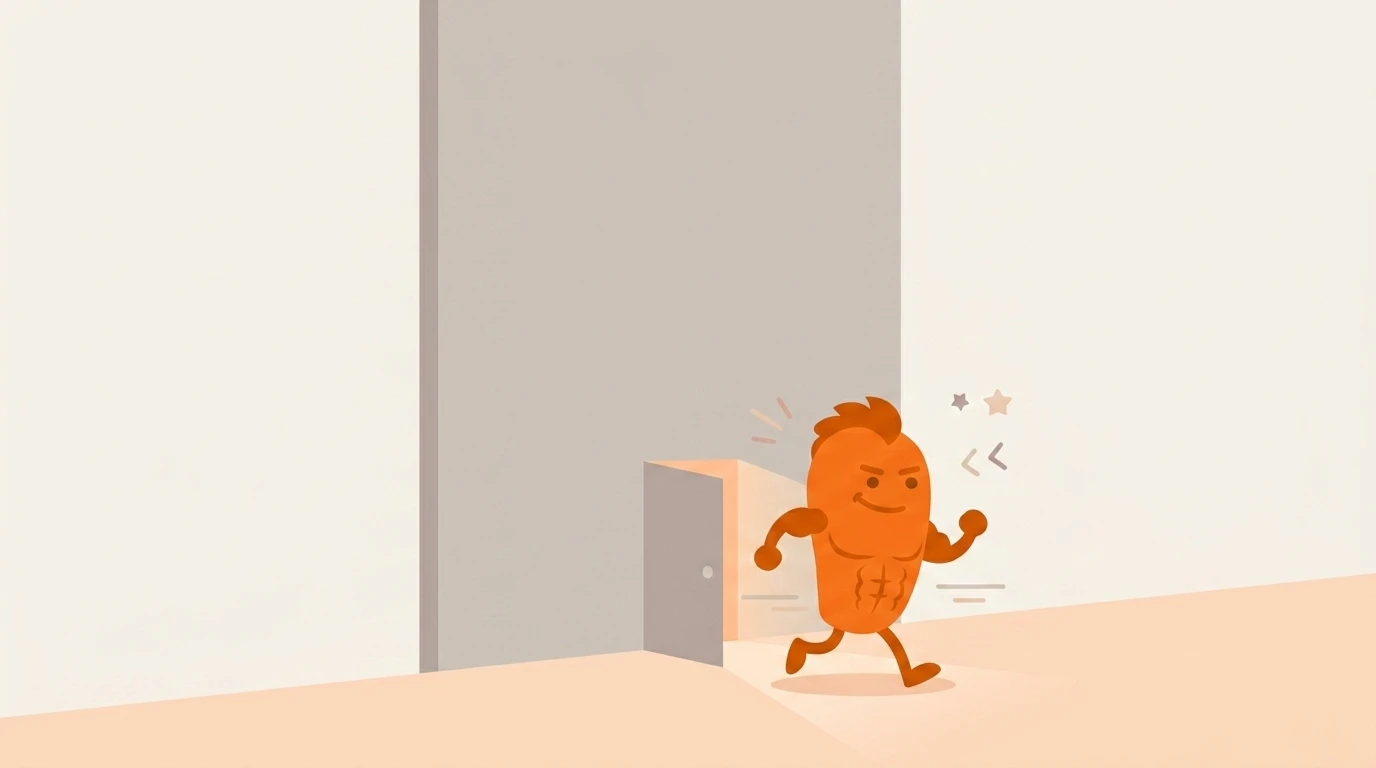
Tiny Habits fits the ADHD brain because it removes the two things that stop you: the size of the task and the wait for a reward. Anchor a two-second behavior, then celebrate instantly for a dopamine hit on day one.
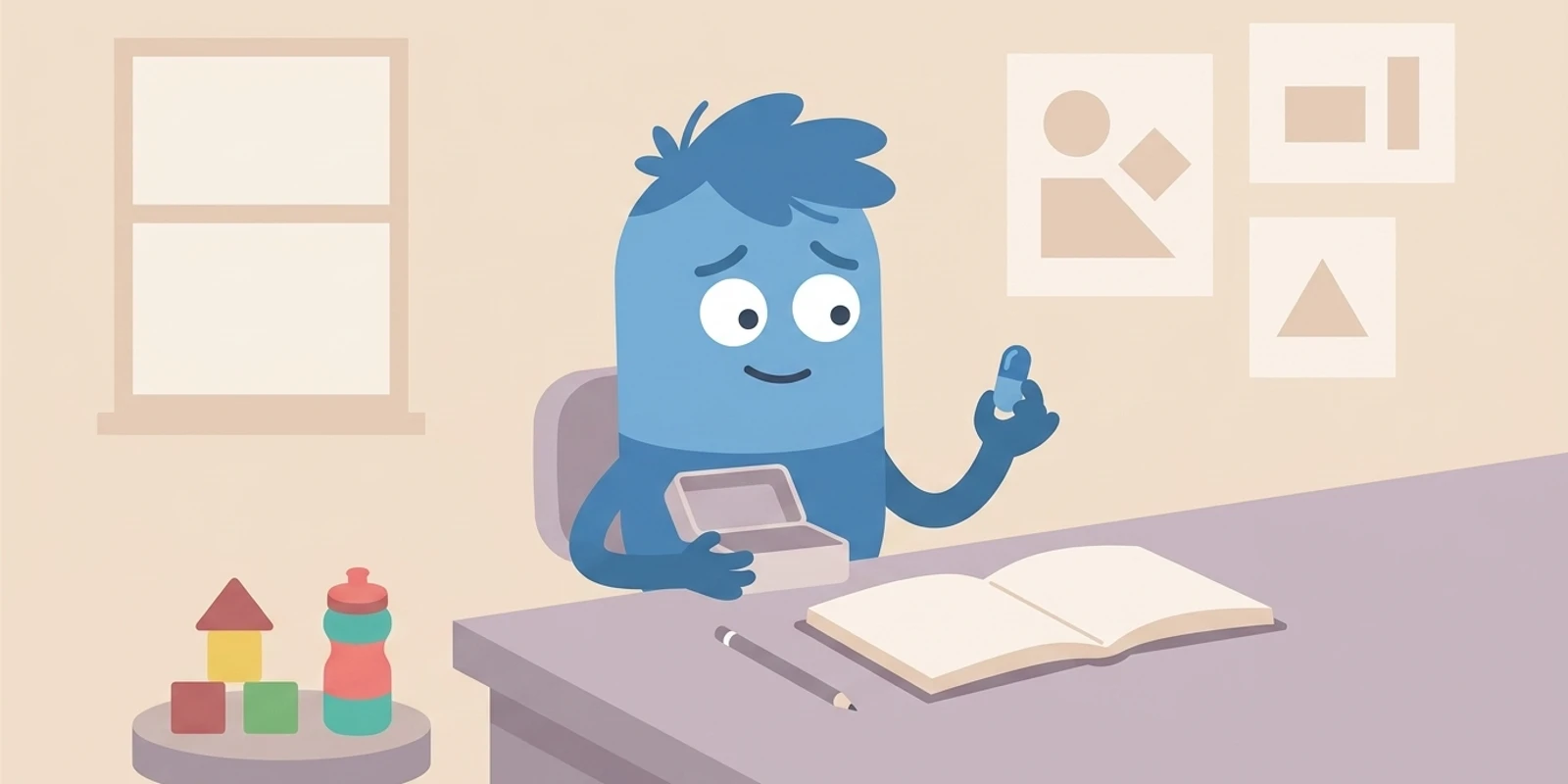
Parenting demands things your ADHD brain finds hardest: consistent routines, emotional regulation, and forward planning. These evidence-based tactics work with your neurology instead of against it, and several of them take less than five minutes to set up.
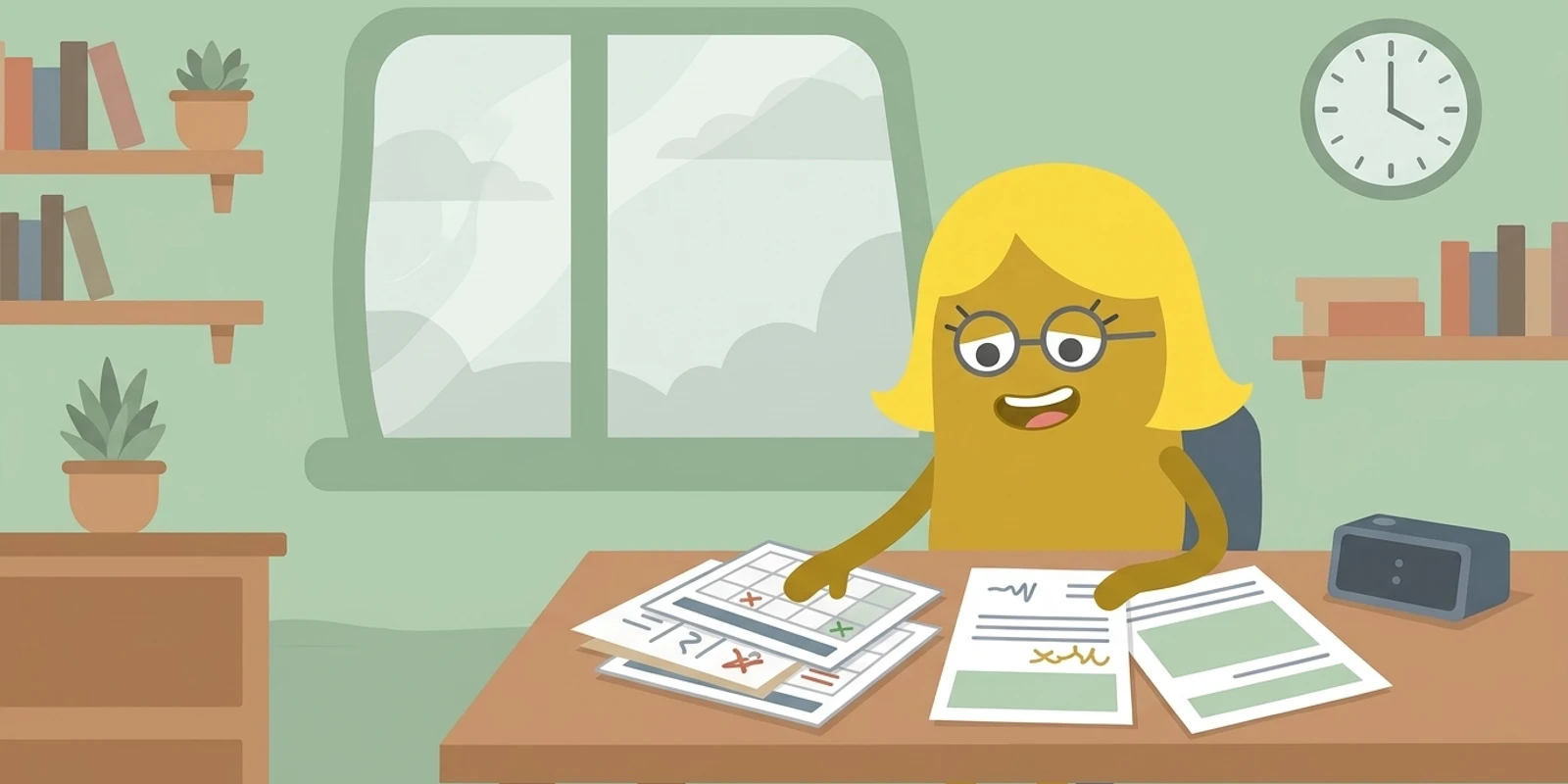
Parenting is one of the most executive-function-intensive jobs there is, and ADHD makes every part of it harder. These evidence-based tactics use what the research actually says about time blindness, emotional regulation, and household systems to help ADHD parents build structure that works.
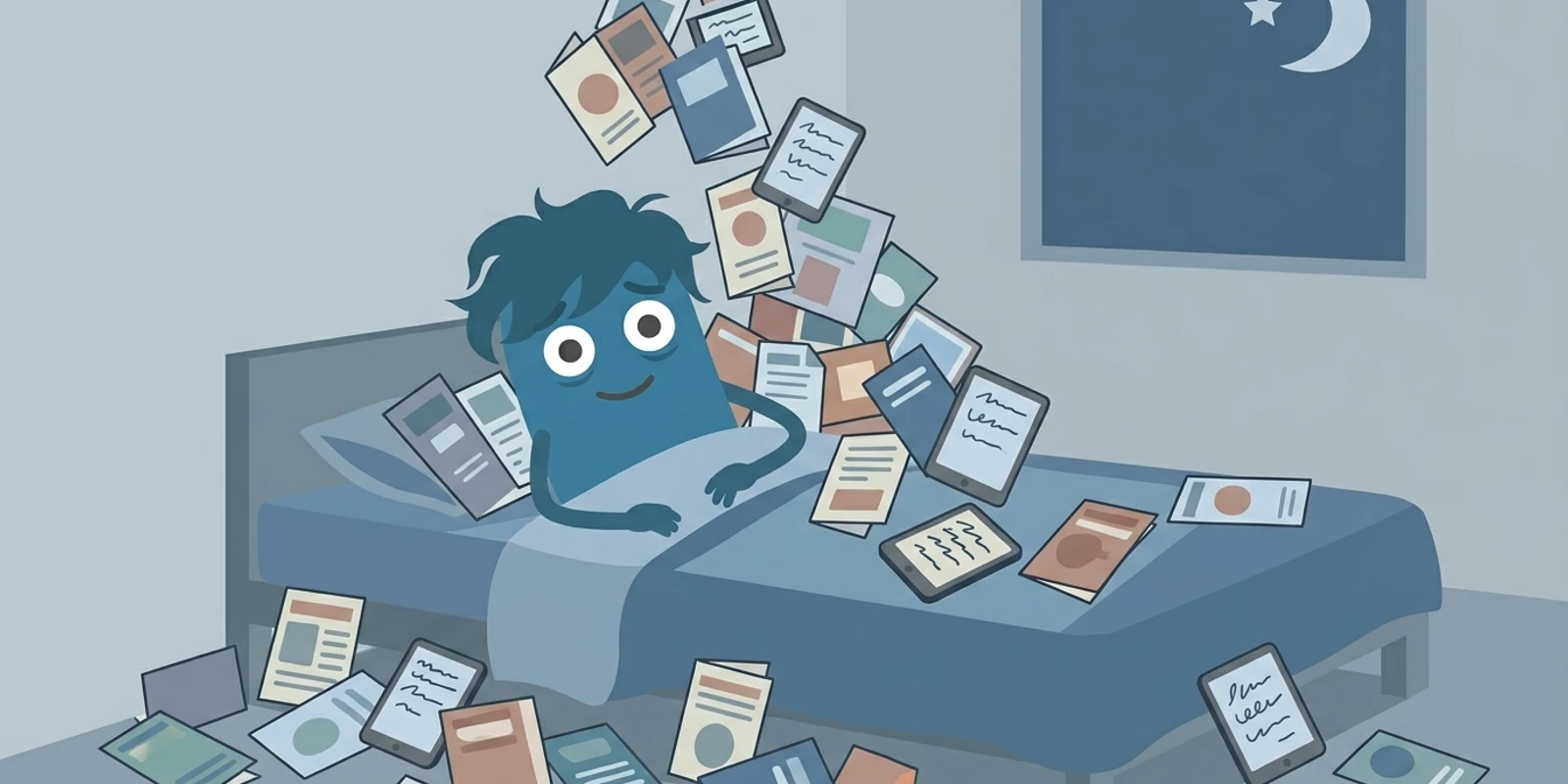
If you have both ADHD and autism, the two conditions don't simply add up. They interact in ways that create a distinct experience called AuDHD, and standard advice for either condition alone often misses the mark entirely.
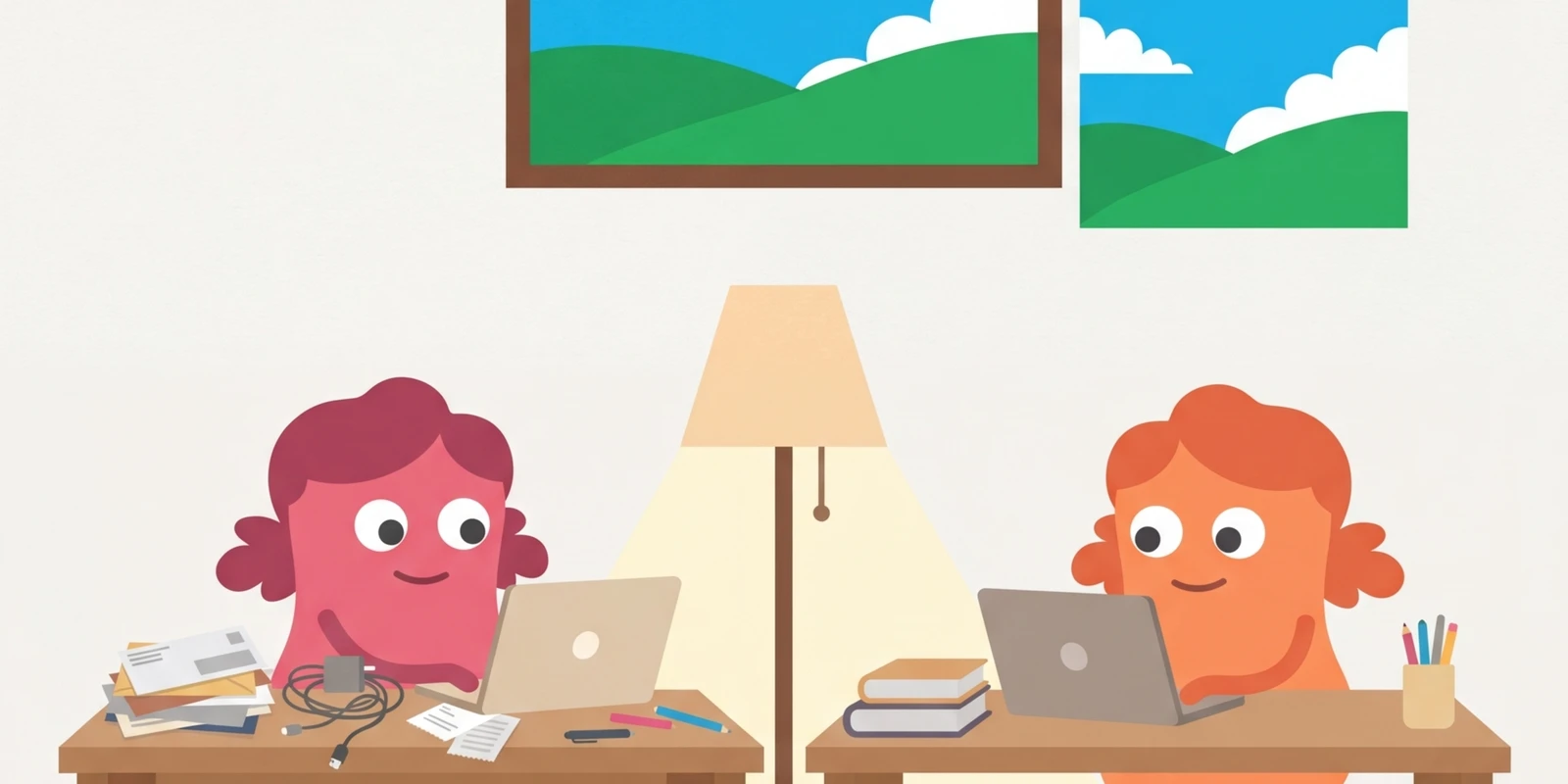
Most adults with ADHD can focus at a coffee shop but struggle at home. Body doubling explains why — and how to replicate that effect anywhere.
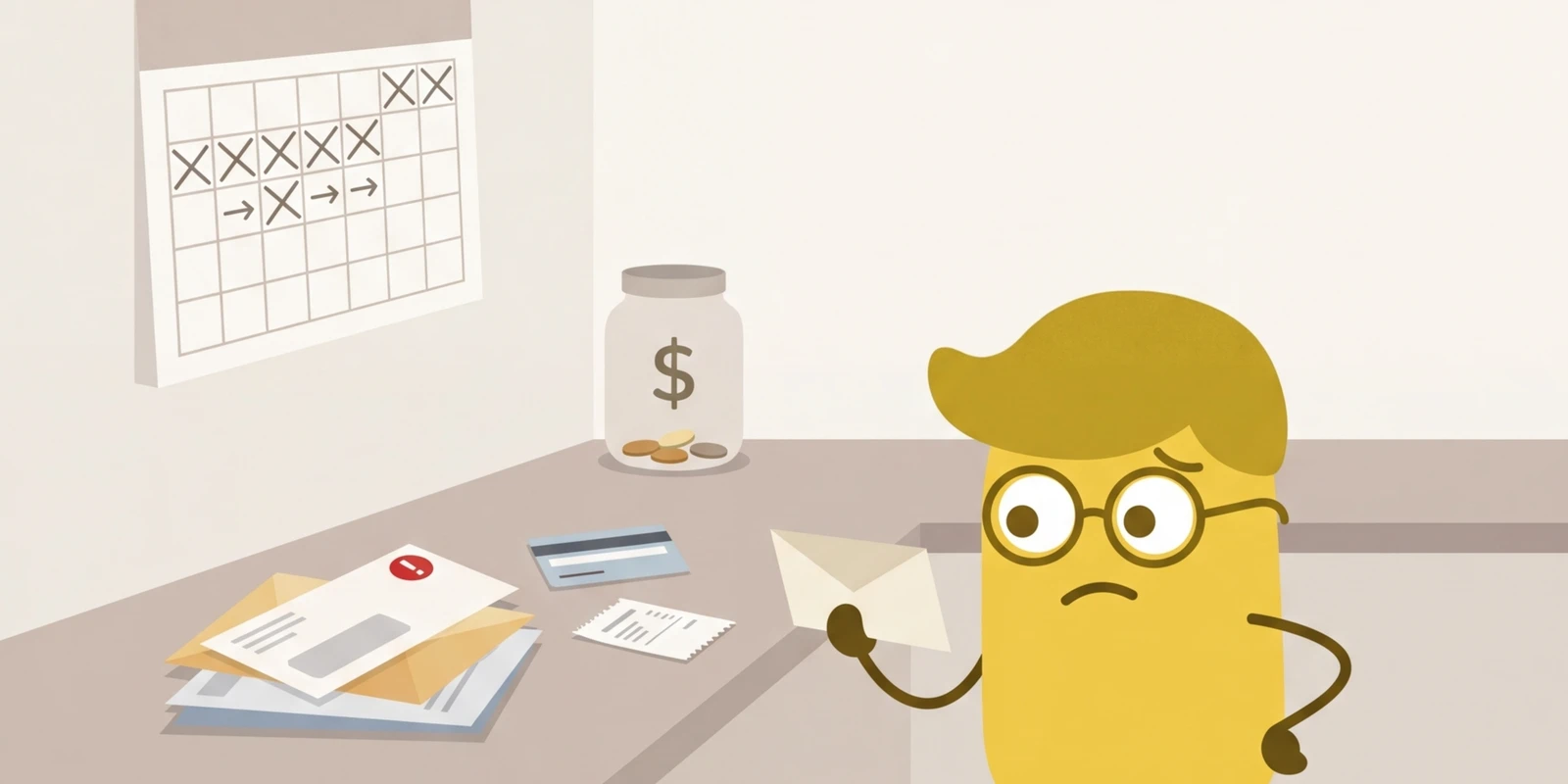
Every year, adults with ADHD pay a tax no one voted for — late fees, lost time, strained relationships, and the cumulative cost of executive dysfunction in a world that doesn't accommodate it. Here's what the research says it actually costs, and what structural solutions actually help.
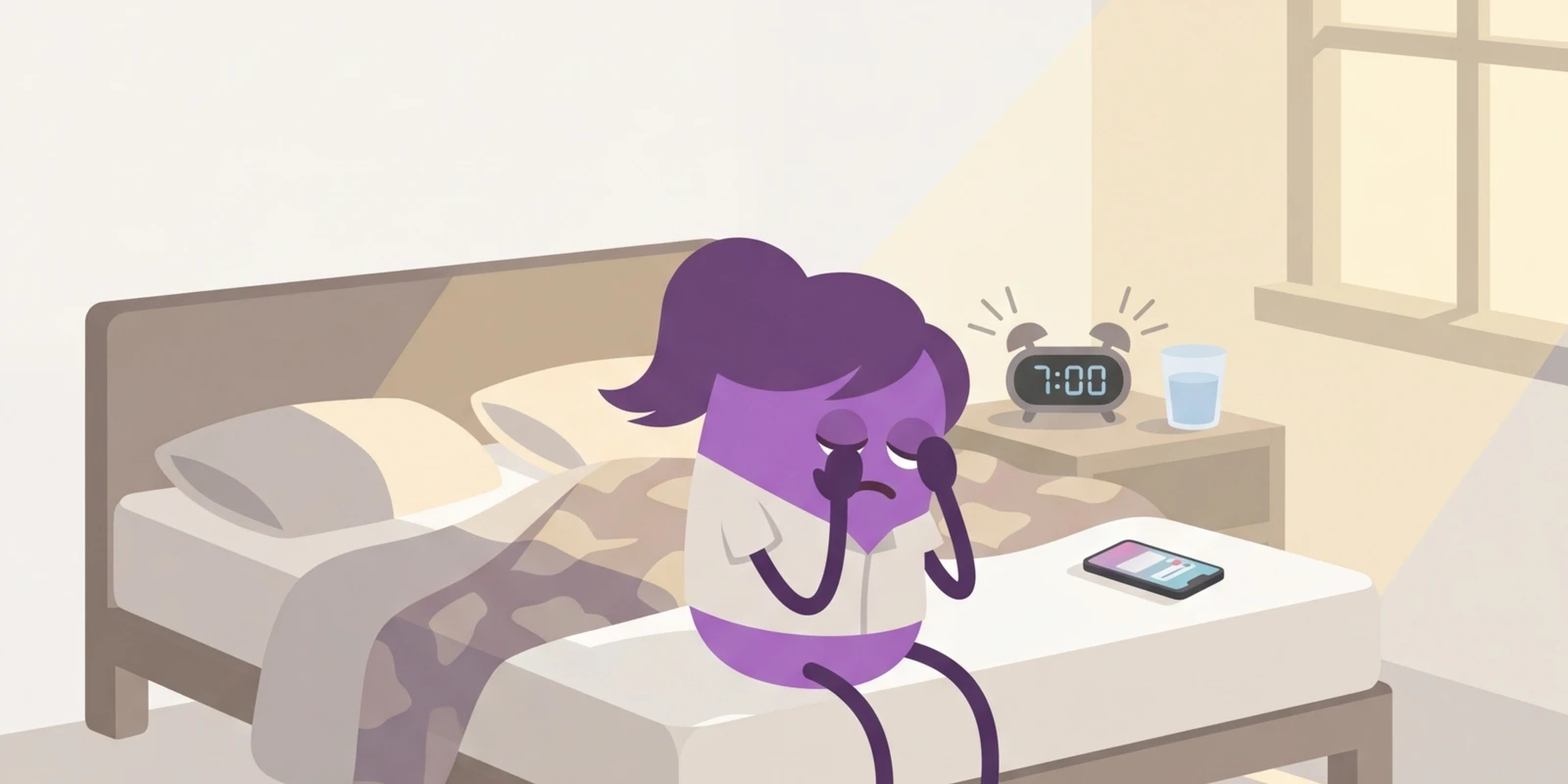
The productivity world has convinced millions of people that waking up at 5 AM is the path to success. For people with ADHD, this advice doesn't just fail — it actively makes things worse. Here's what the neuroscience actually says about ADHD, chronotype, and building morning routines that work with your brain instead of against it.

Most productivity systems fail people with ADHD — not because of a lack of willpower, but because they were designed for a different kind of brain. Understanding why ADHD causes system abandonment is the first step to building something that actually holds.