How to Build Discipline: It Is Not Willpower, It Is Structure
Discipline is not a personality trait you either have or lack. It is a depletable, trainable resource, and the research shows what actually depletes and rebuilds it.
13 posts tagged with "productivity"
Next time you search, our newest guide shows up.

Discipline is not a personality trait you either have or lack. It is a depletable, trainable resource, and the research shows what actually depletes and rebuilds it.

You're not avoiding the work. You're avoiding the feeling that you can't do it. Research-backed method: start with the easiest question, not the exam.

Procrastination isn't laziness. It's your brain avoiding a bad feeling. Here's the research, and a 10-minute method tested on 1,035 people.

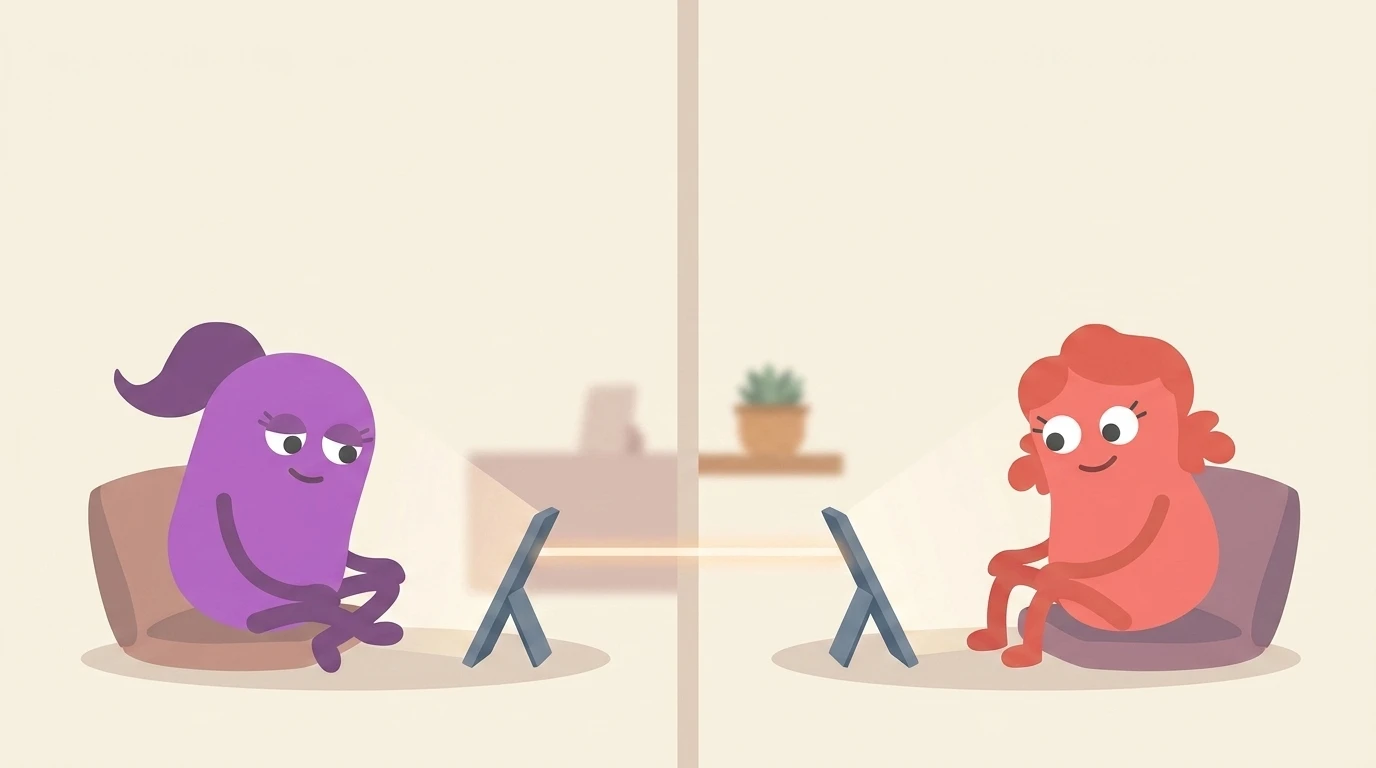
Virtual body doubling means working alongside another person over video or in a live co-working room instead of in the same room. Here's how it differs from in-person, the formats worth trying, and how to make it actually work.

Everyone says AI will save the ADHD learner. The reality is more complicated. Here's a contrarian look at why AI tools can deepen the very problems they promise to solve, and what structured study systems actually work in 2026.

The curated desk photos lie. Here’s what my 8 a.m. to 8 p.m. actually looks like when executive dysfunction meets the living room couch.


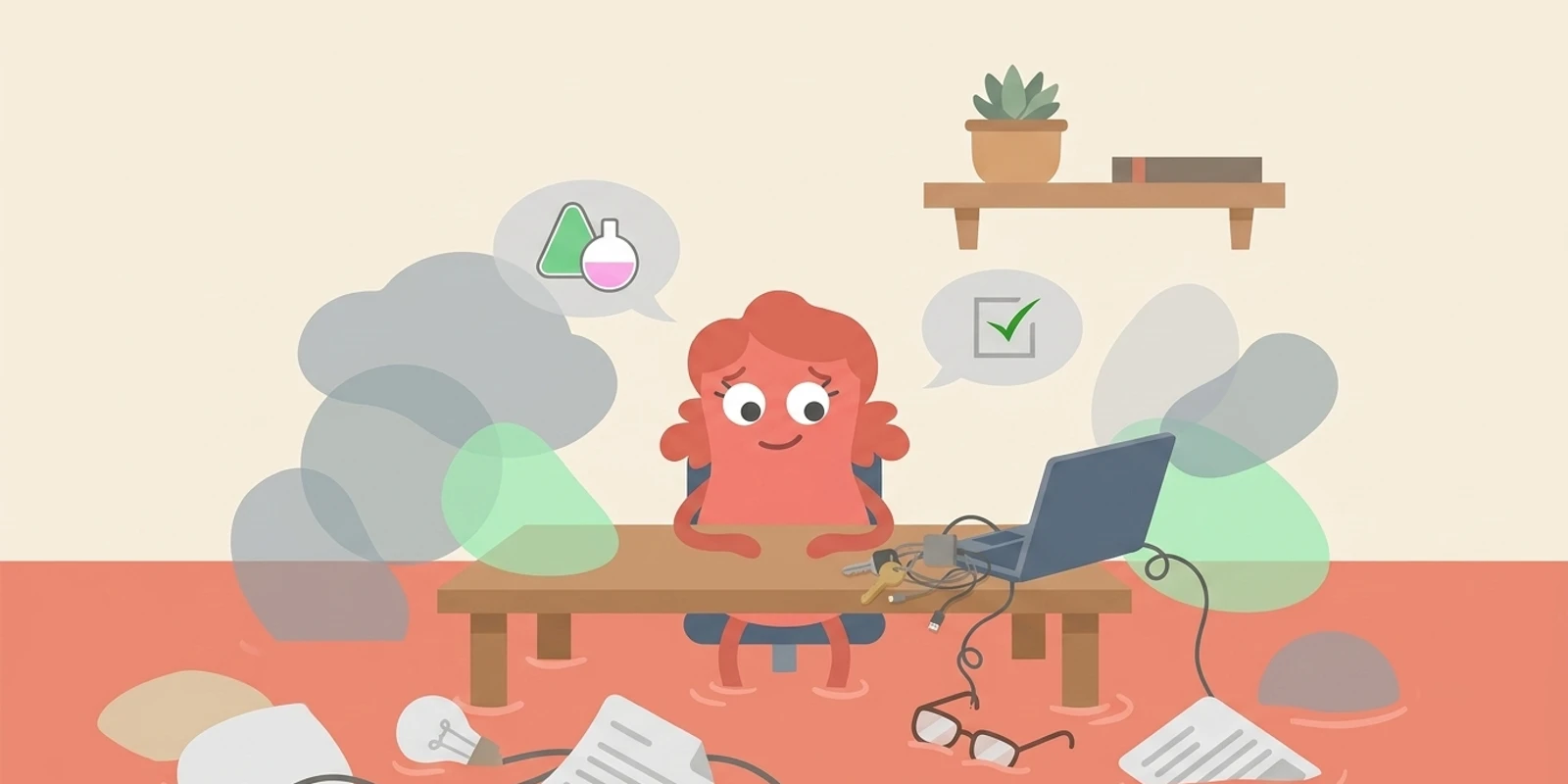
ADHD paralysis is a state of cognitive overwhelm where the brain's executive functions shut down, making it impossible to start, switch, or complete tasks despite wanting to. This freeze response stems from impaired self-regulation systems, not laziness or lack of motivation.

Most adults with ADHD can focus at a coffee shop but struggle at home. Body doubling explains why — and how to replicate that effect anywhere.

Most productivity systems fail people with ADHD — not because of a lack of willpower, but because they were designed for a different kind of brain. Understanding why ADHD causes system abandonment is the first step to building something that actually holds.

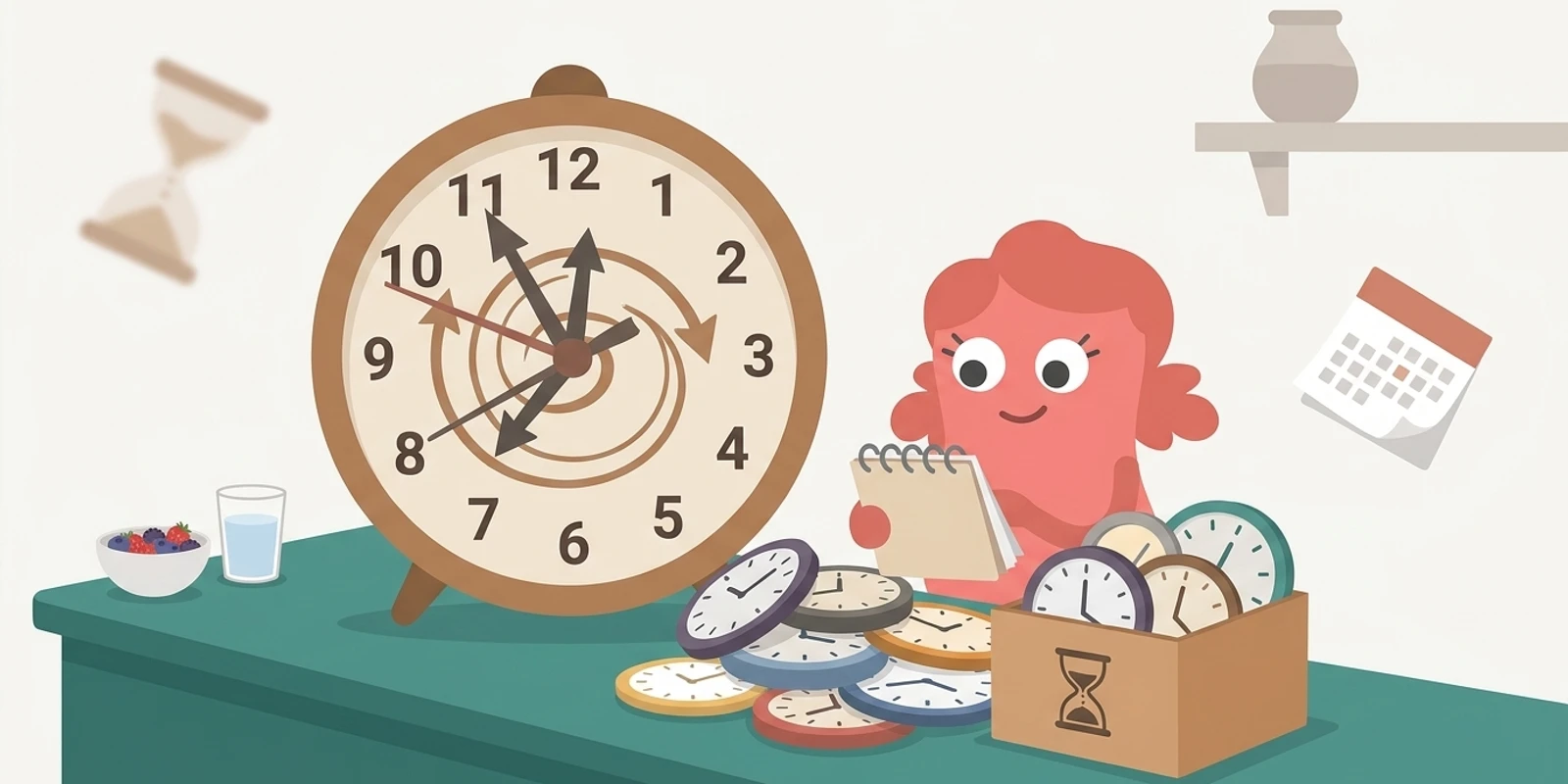
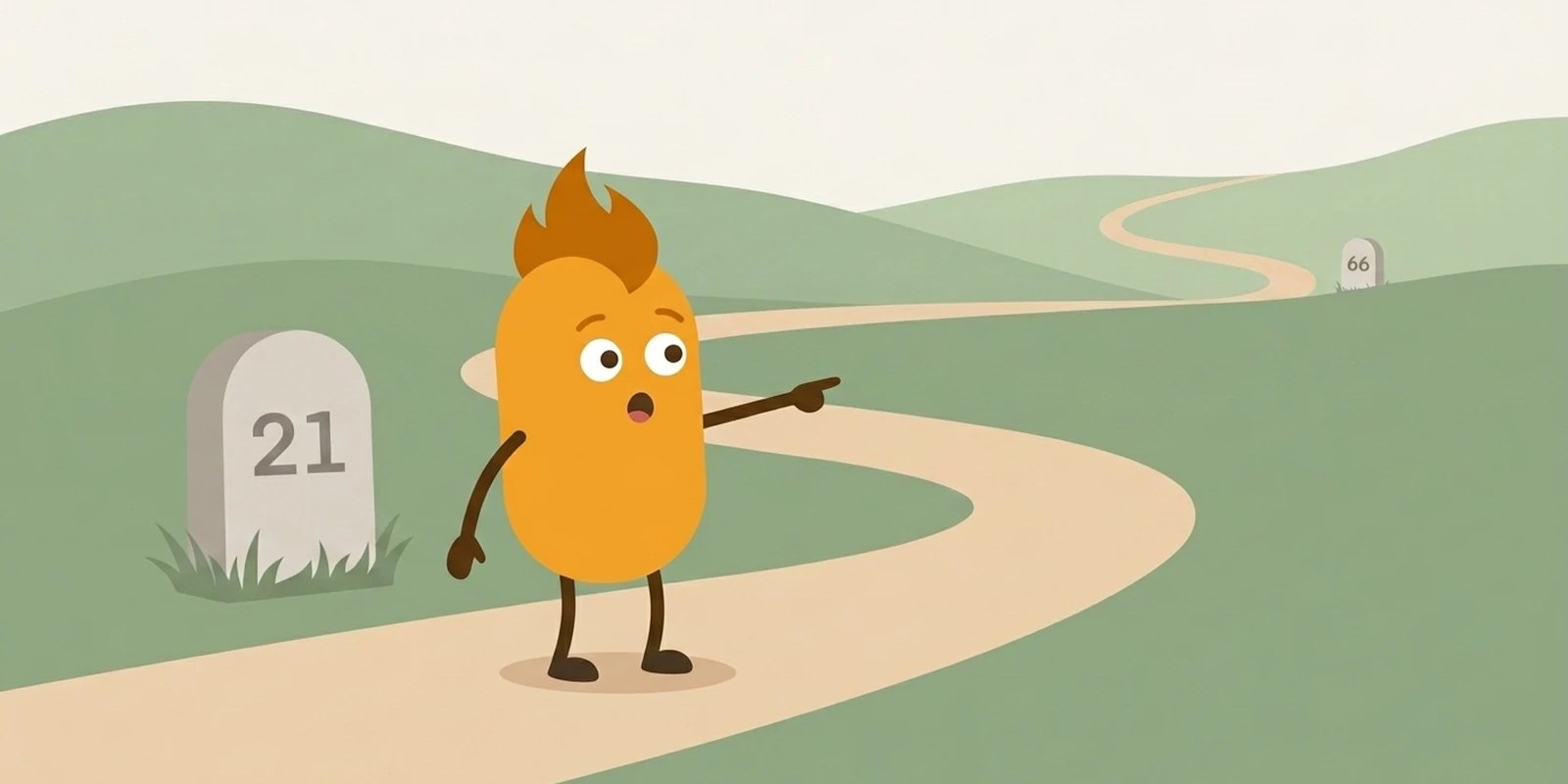
It takes an average of 66 days to form a habit, not 21. A 2009 UCL study by Phillippa Lally found the real range is 18 to 254 days, depending on the behavior's complexity. Here's what the research actually says.

ADHD paralysis isn't laziness — it's a neurological failure of executive function rooted in dopamine dysregulation. Here's what Barkley and Brown's research says is actually happening, and what actually helps.

Body doubling is the practice of working alongside another person to activate focus — and for ADHD brains, it's one of the highest-leverage productivity strategies available. Here's the science, how to do it, and where to find a partner.