
How to Get Motivated to Do Homework When You Just Don't Want To
Homework is boring, assigned, and has no consequence for skipping it tonight. Learn why that specific setup kills motivation, and a plan proven to fix it.
Rachel SteinRead →

24 posts in this category
Next time you search, our newest guide shows up.
Homework is boring, assigned, and has no consequence for skipping it tonight. Learn why that specific setup kills motivation, and a plan proven to fix it.
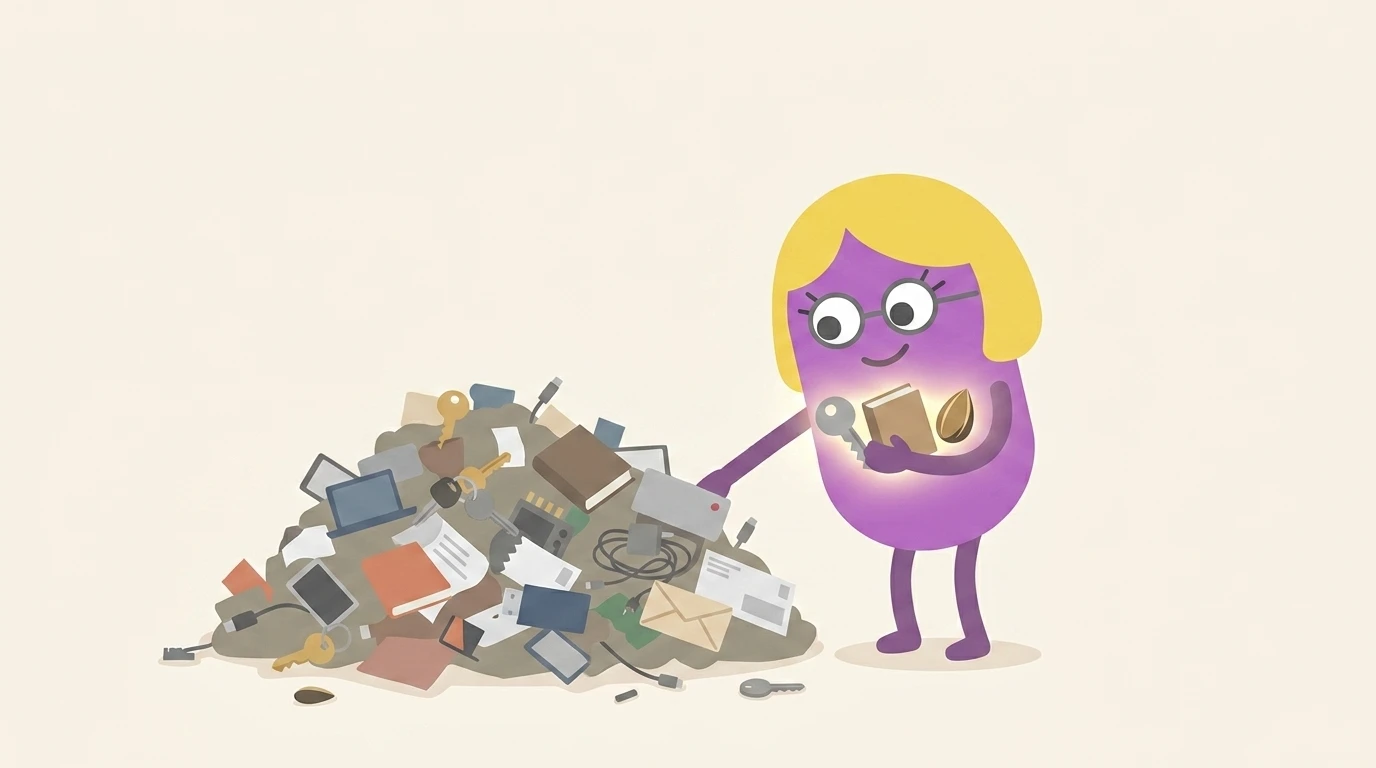
When the exam is close and the hours are gone, most of what you would normally do does not fit anymore. Here is what the research says actually survives compression.
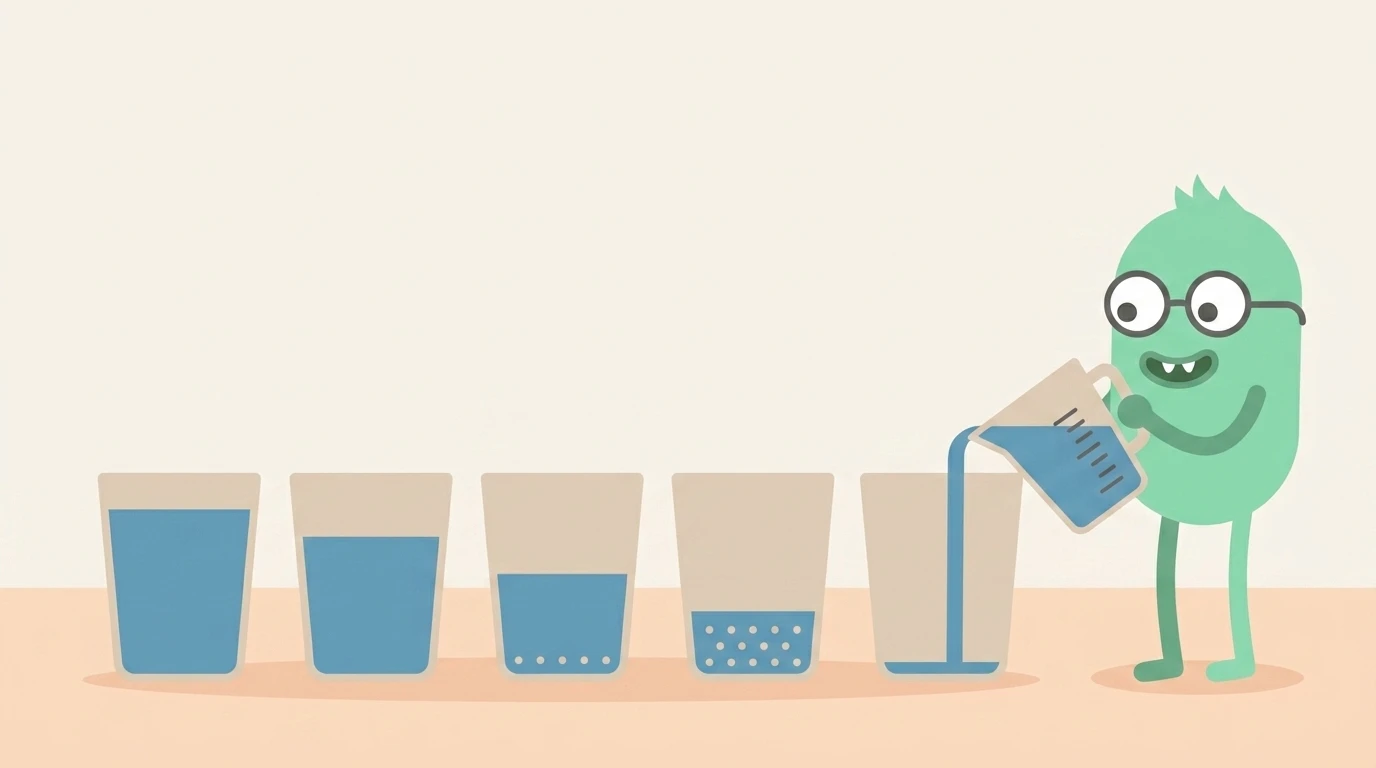
Hour six of a study session is not hour one. Mental fatigue changes what your brain can do, and the research shows exactly what breaks down first and how to protect it.
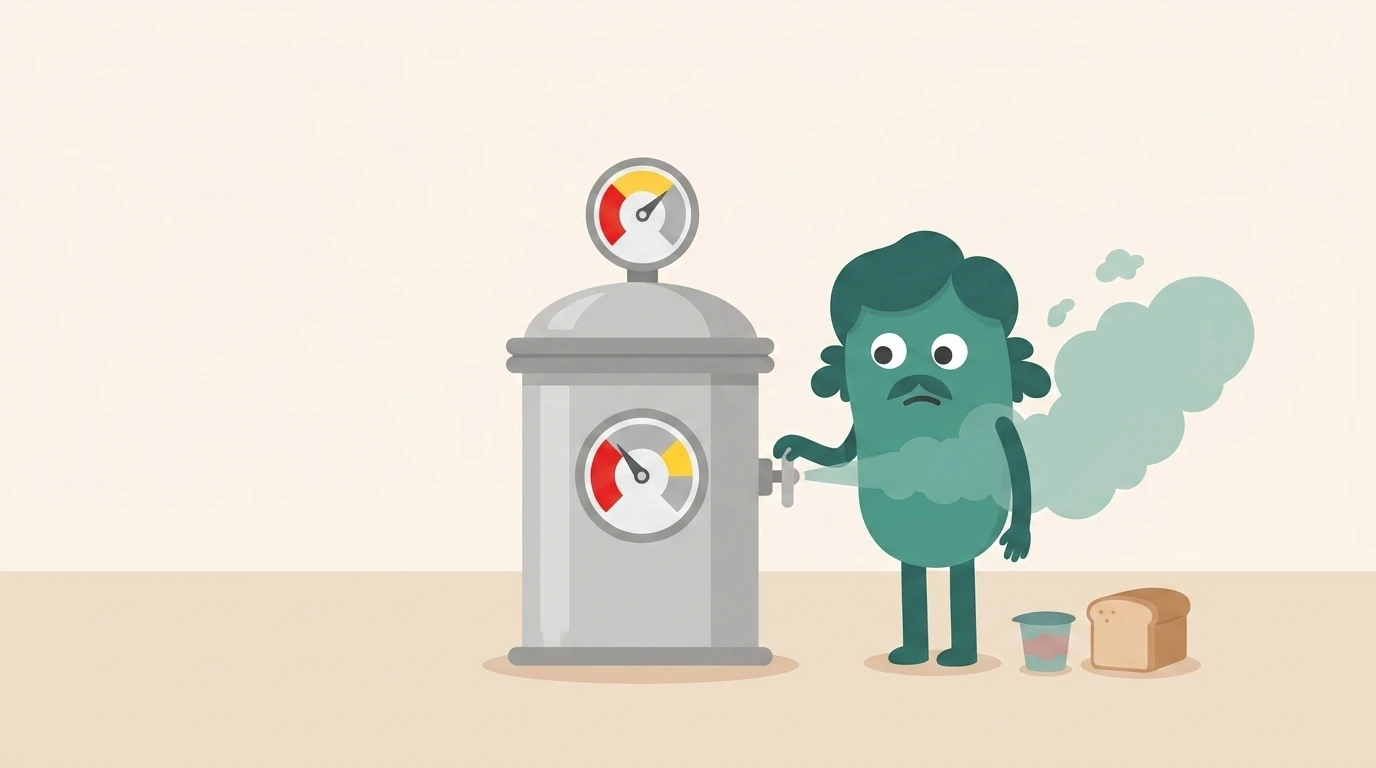
Chronic academic stress runs on a different mechanism than a single stressful week. Research on coping style, self-efficacy, and burnout shows what actually breaks the cycle.
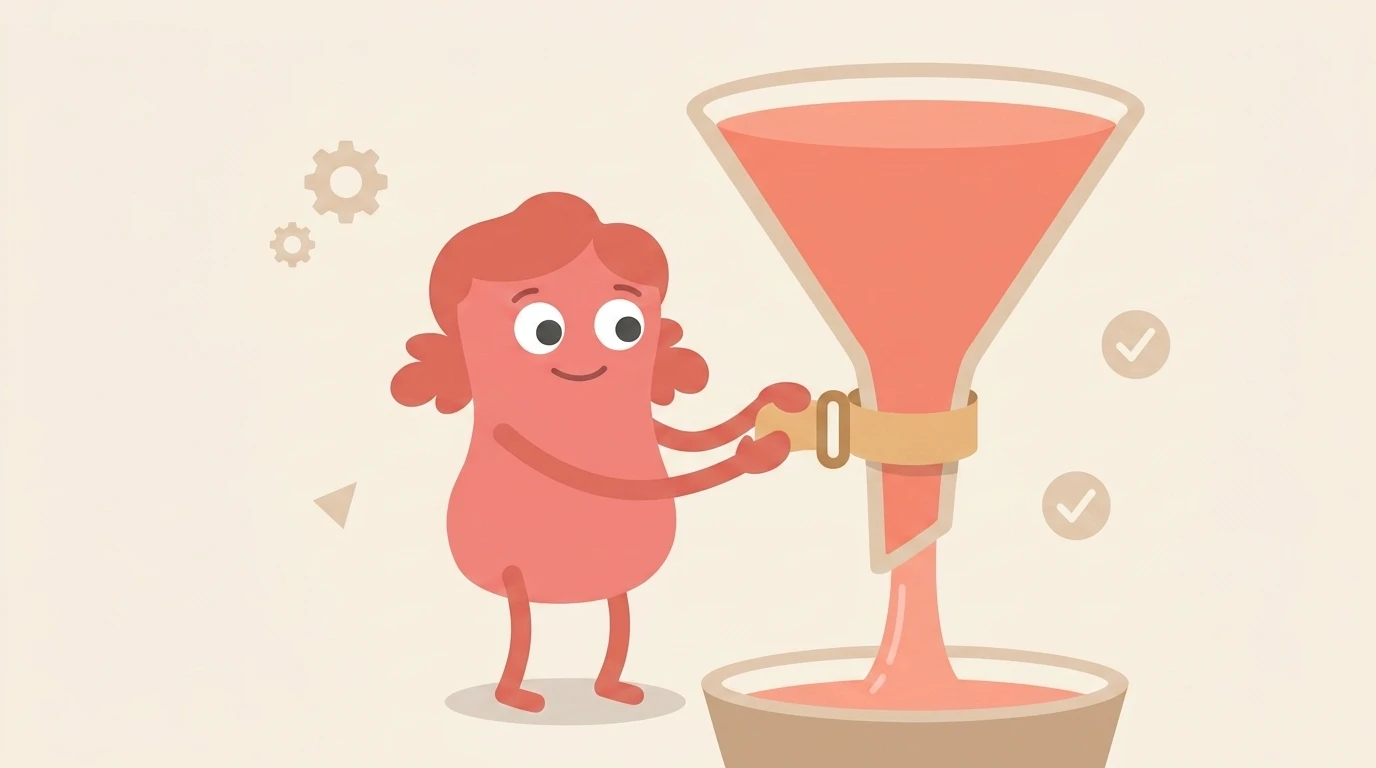
Test anxiety does something specific to memory recall in the exam room. Research on mindfulness, emotion regulation, and coping strategies shows what actually reduces it.

Trouble concentrating during a low mood isn't a discipline problem. Research on attention and depression explains the mechanism, and what actually helps you study through it.

A classroom hands you structure automatically. At home you have to build it yourself, and the two techniques that make the biggest measurable difference are not the ones most students reach for first.

Starting a study session is one problem. Staying in it is a different one, with its own mechanism and its own fix, and most advice only covers the first half.
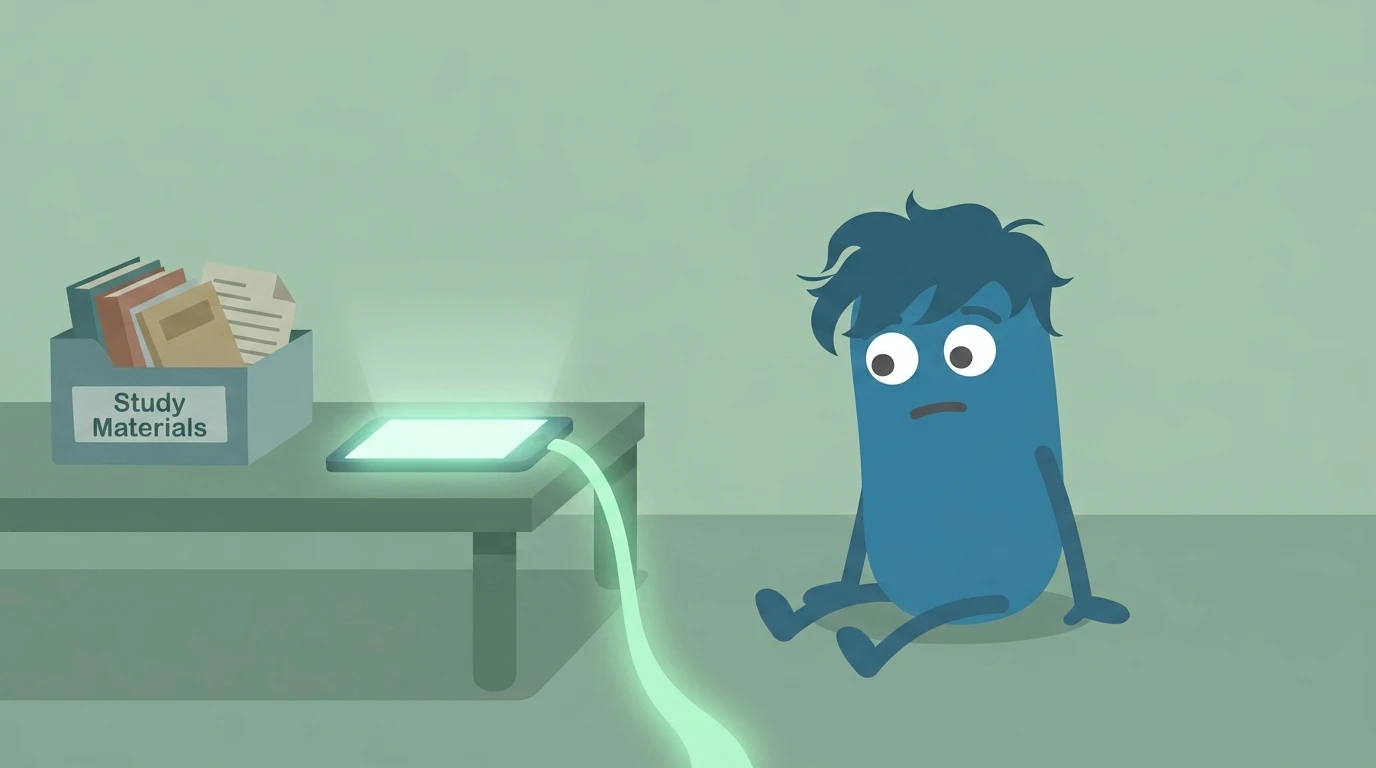
Phone use does not just steal time. It runs through a specific chain, from lower self-control to higher anxiety to procrastination, and each link in that chain is where you can intervene.
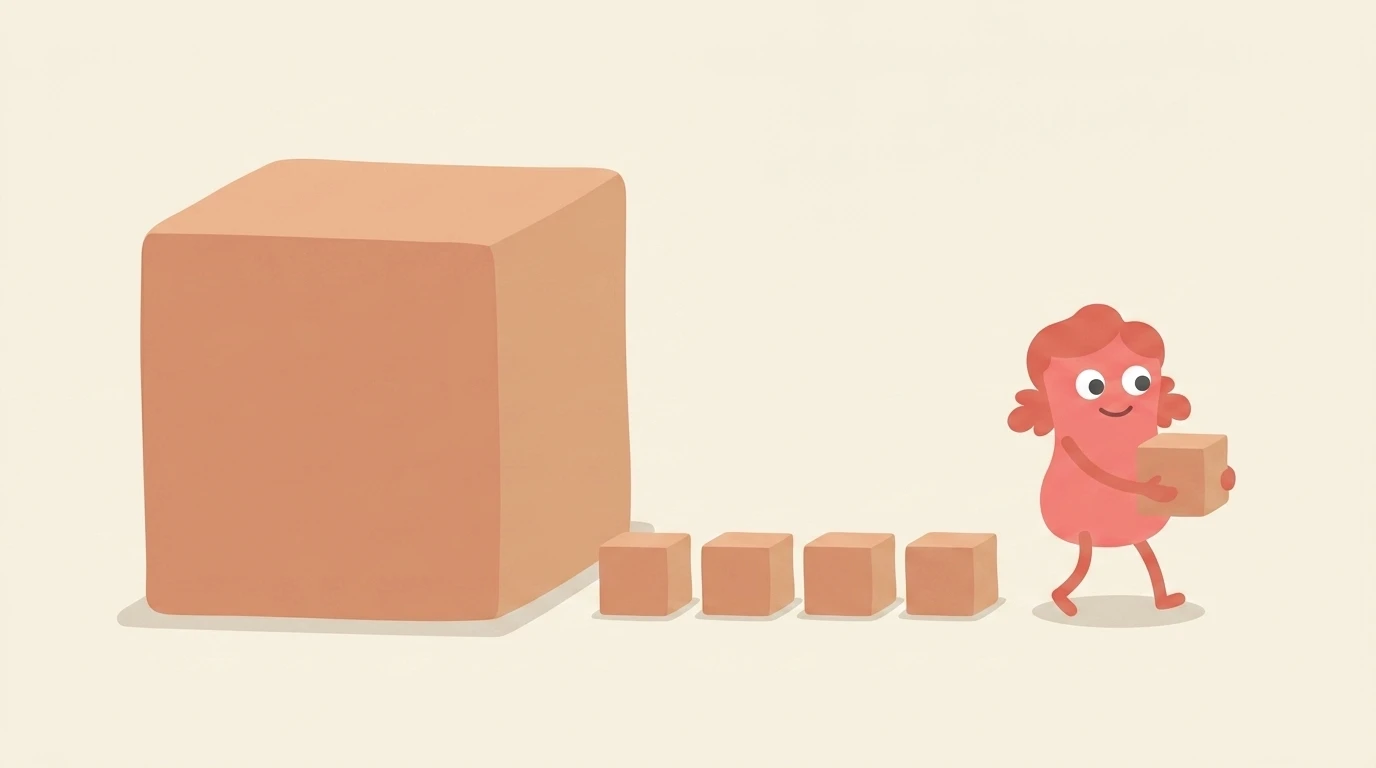
A looming deadline changes the math on how to study. Here is what to do when you do not have the weeks that ideal spacing assumes.
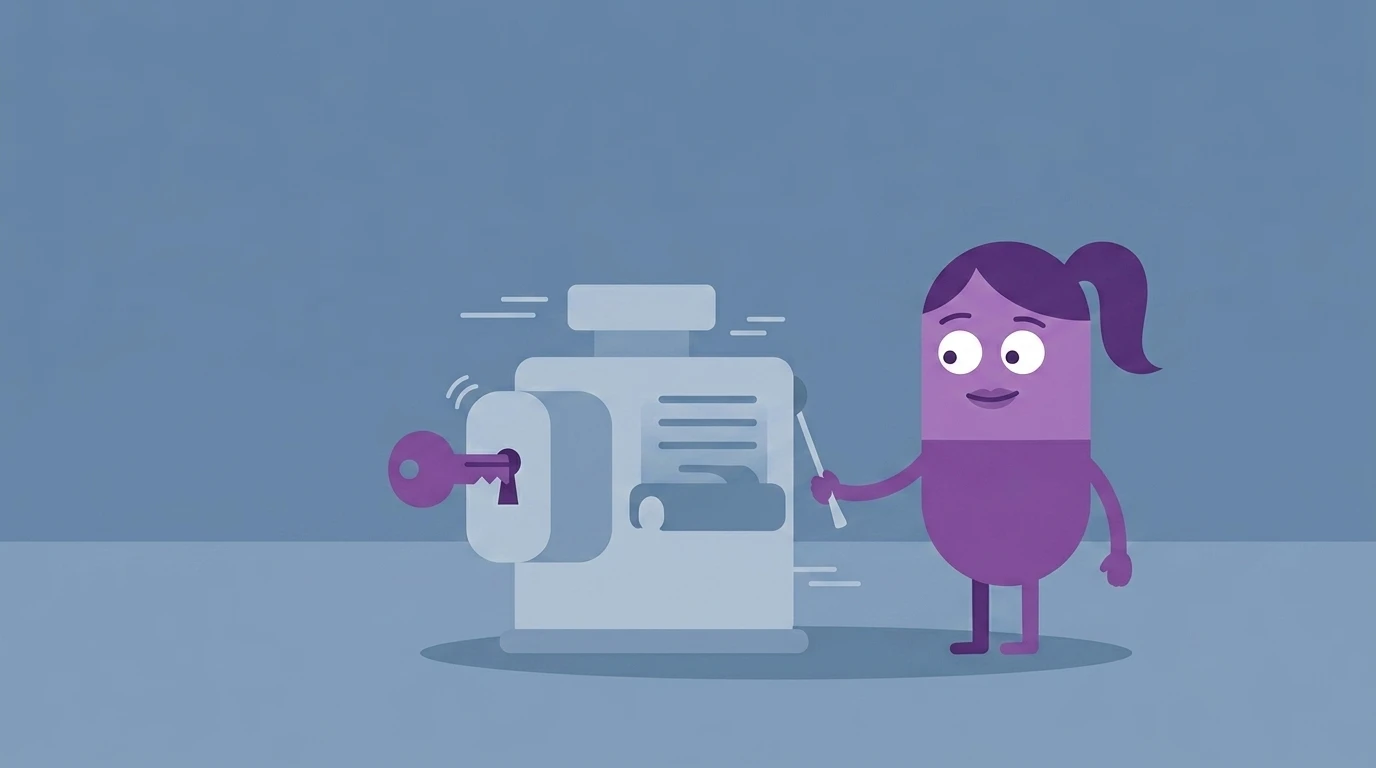
Standard study advice assumes you can sit down and start on command. If your brain does not work that way, the advice was never going to work.
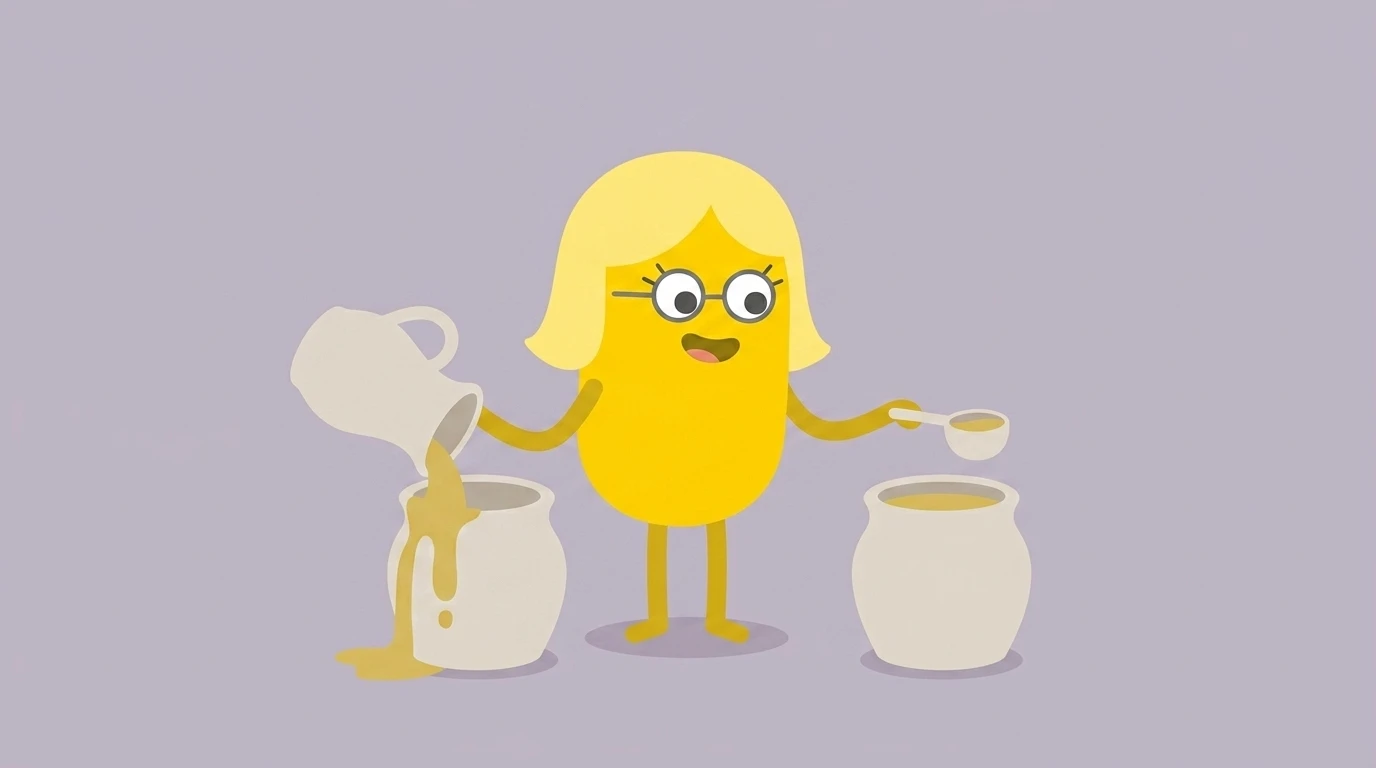
Most study advice is guesswork. Two methods have decades of controlled evidence behind them, and neither is re-reading your notes.

Studying alongside another person changes the conditions of a study session rather than requiring more willpower. Here is how to run one so it holds through exam season and beyond.
Most study advice assumes the hard part is understanding the material. With ADHD it is usually starting, staying, and knowing how long anything took.
Classroom advice for ADHD tends to target visible behaviour. The changes that hold target the executive demands sitting underneath it.

An IEP changes how a student is taught, not just the conditions they work under. Here is when ADHD qualifies and what belongs in the document.
A 504 plan removes obstacles that have nothing to do with what a student knows. Here is what to request, and the wording that gets it agreed.
The advice to eliminate every distraction is wrong. Research on 2,467 students shows where the real damage happens, and it isn't your desk.
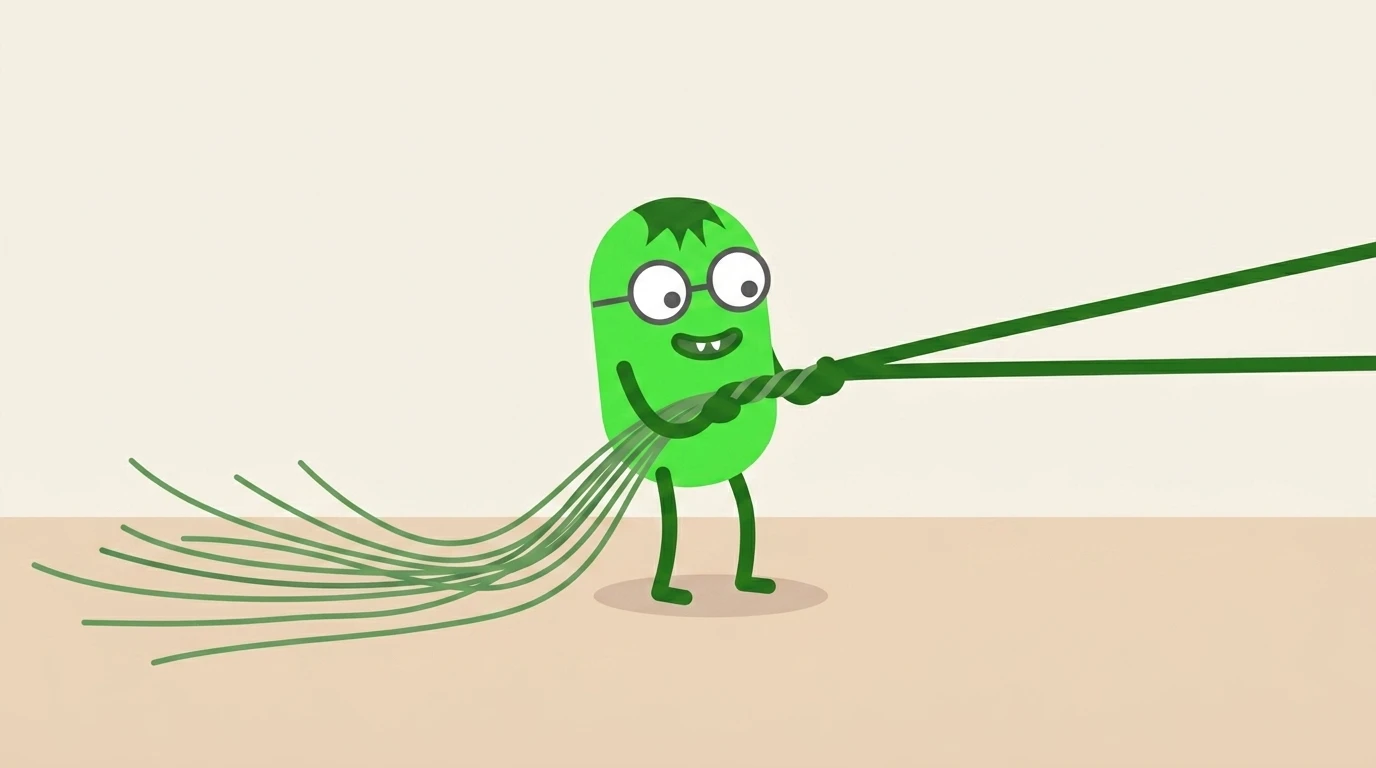
Concentration is trainable. Attention training cut mind-wandering in 5 studies of 304 people. Here's what works for studying.
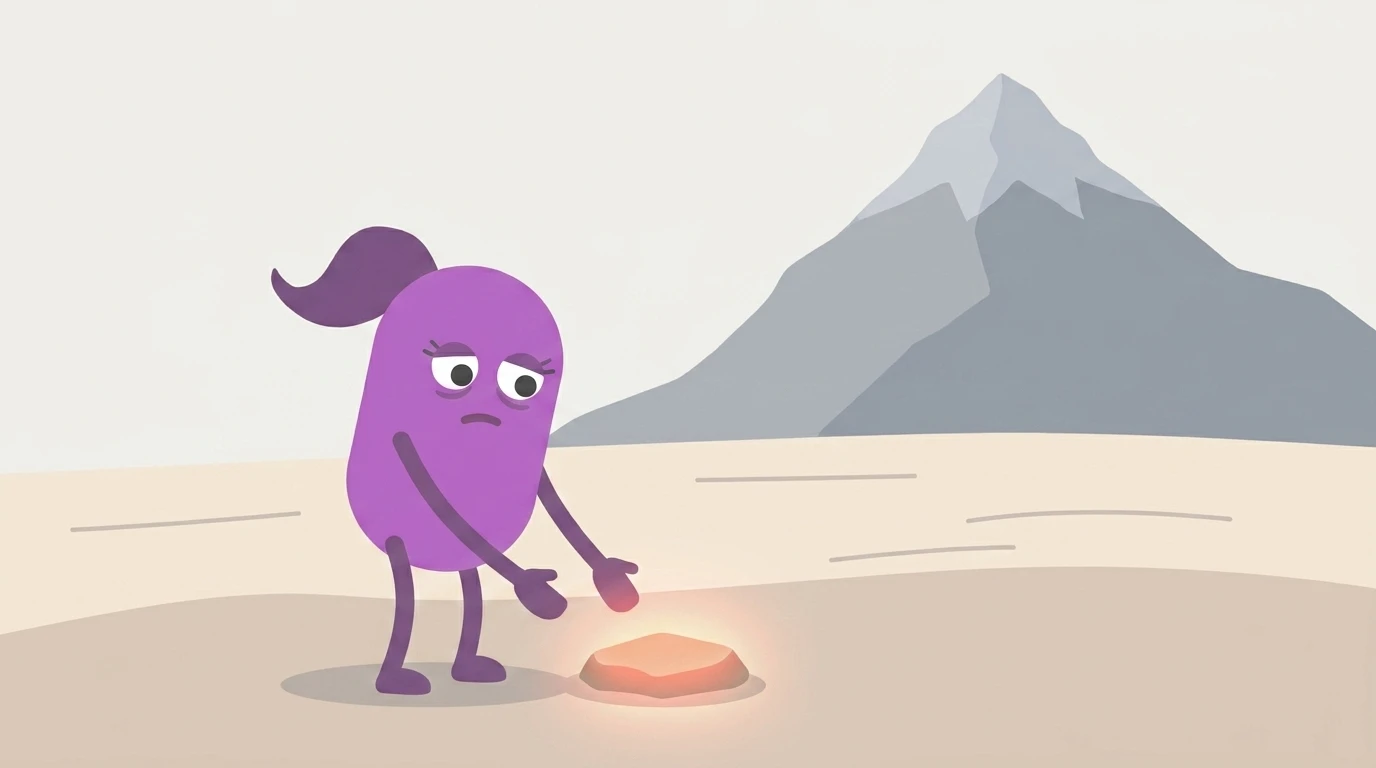
You're waiting to feel motivated before you study. That's the problem. Here's what the research says actually starts you moving, and why.

Mind wandering during study isn't a discipline failure. See the 25-study evidence on the real link to comprehension, and what trains it down.
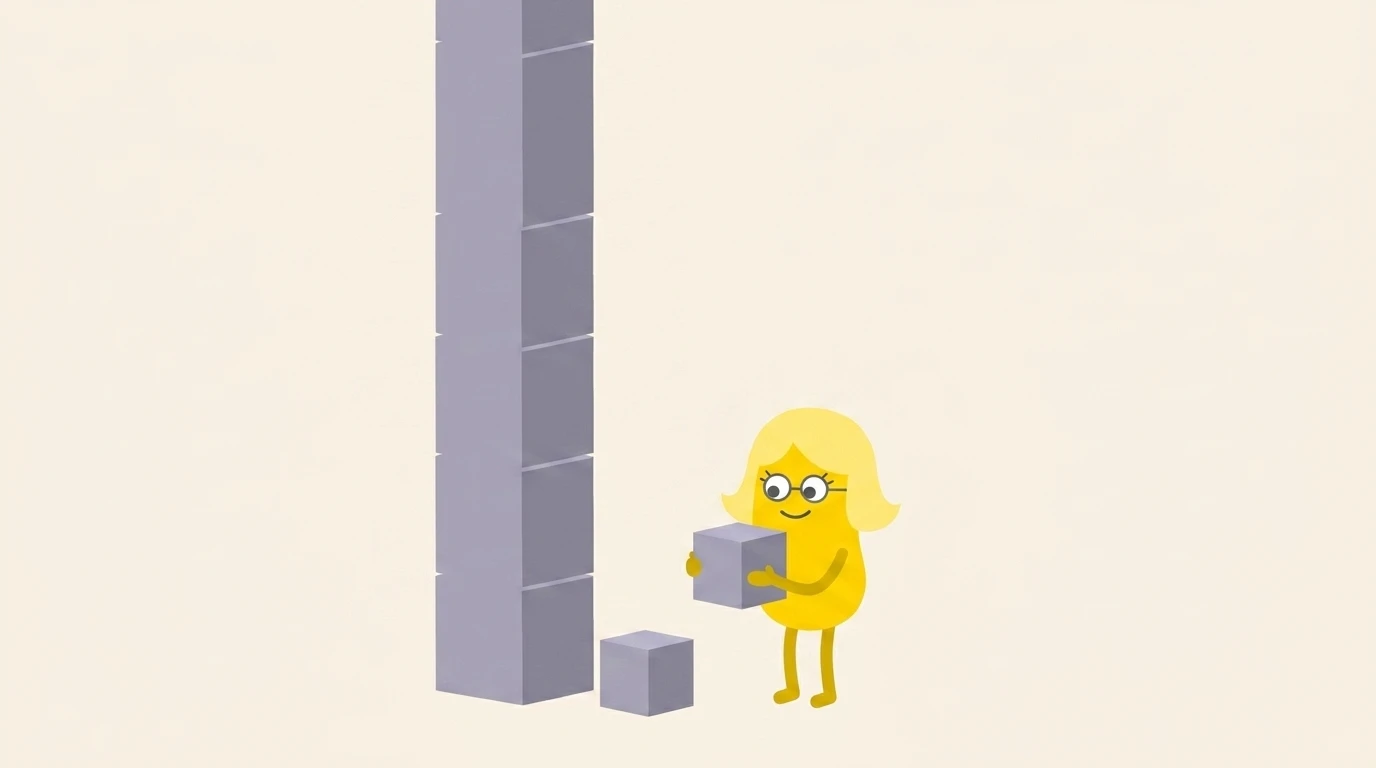
You're not avoiding the work. You're avoiding the feeling that you can't do it. Research-backed method: start with the easiest question, not the exam.
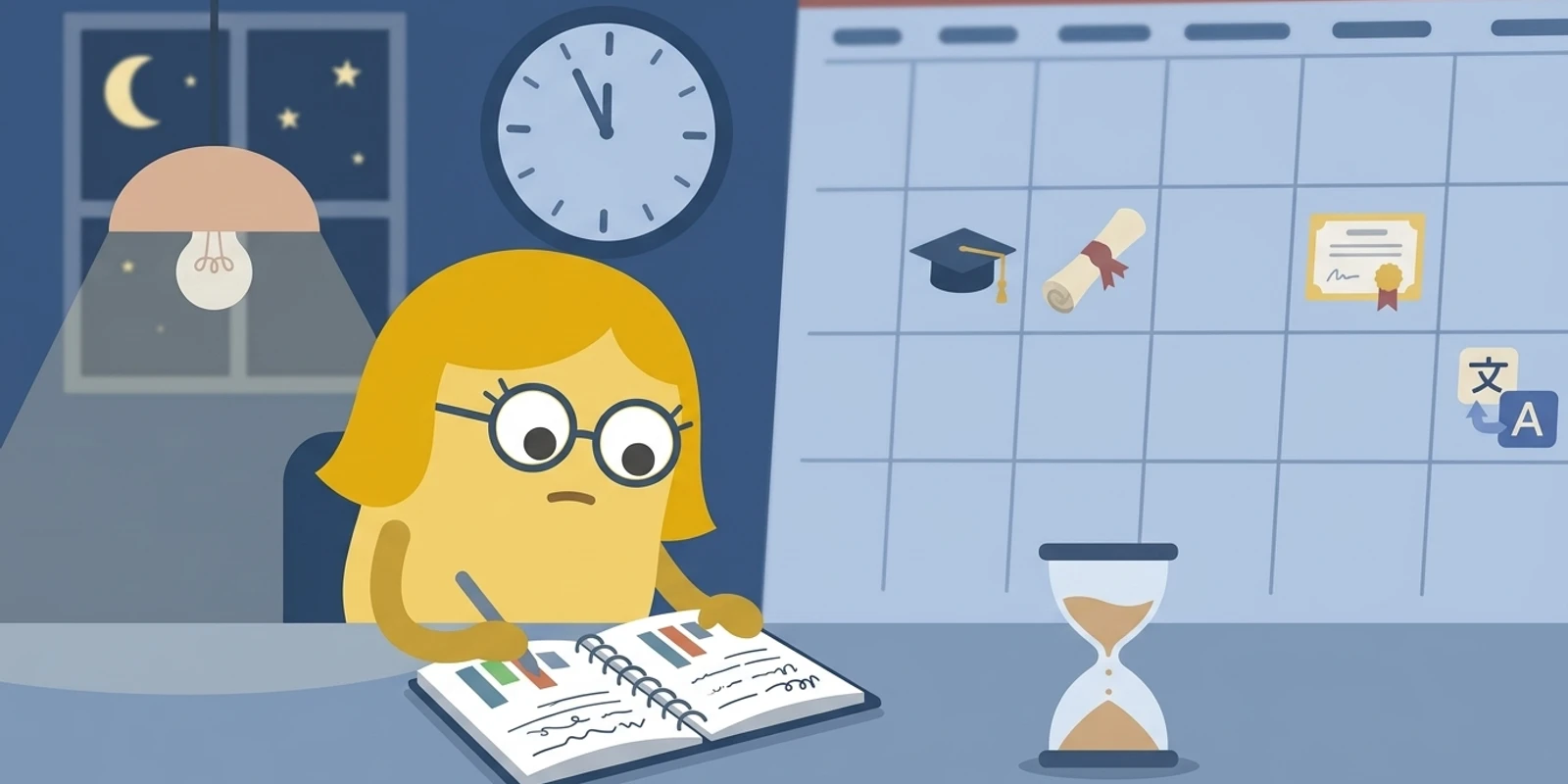
Everyone says AI will save the ADHD learner. The reality is more complicated. Here's a contrarian look at why AI tools can deepen the very problems they promise to solve, and what structured study systems actually work in 2026.
ADHD study habits require systems built for how the ADHD brain actually works — not willpower. Here's what the research says about time-blocking, body doubling, and structured study sessions that produce real results.