Why do I avoid studying when I actually want good grades?
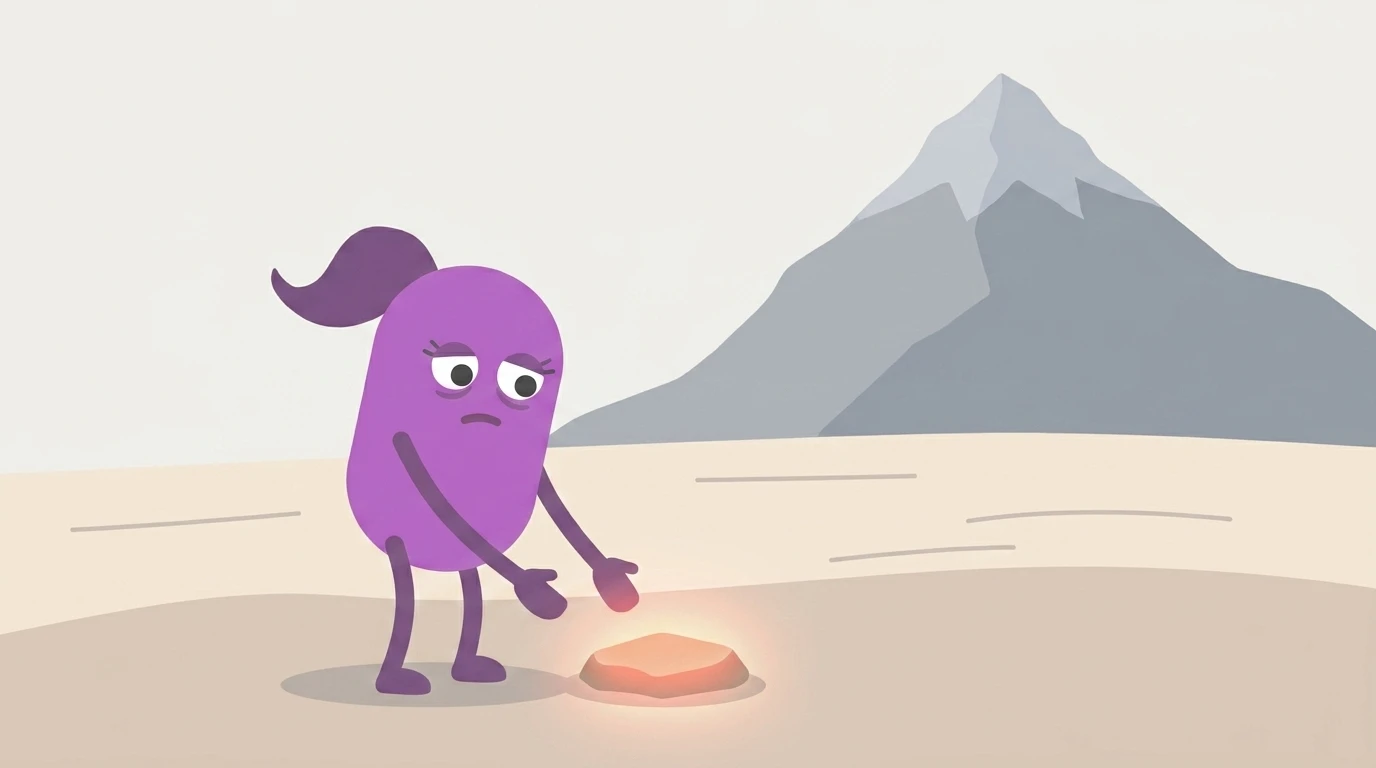
Perfectionism looks like high standards, but it functions as avoidance. A study of 2,523 undergraduates found self-esteem was significantly and negatively linked to procrastination, and perfectionism partially explained why. Lower self-esteem predicted higher perfectionism, which predicted more procrastination, plus a separate path through weaker academic motivation.
The logic is uncomfortable but consistent: if your standard for an attempt is "excellent," every mediocre first pass counts as evidence against you. Not starting protects you from that evidence. It feels like caution; it functions as self-protection from a verdict you're not ready to receive.
That's why "just lower your standards" rarely works alone. The standard is tied to self-worth, not the work, so loosening it means separating the two: this draft can be bad without you being bad. Write something you know is rough, on purpose. Nothing catastrophic happens, and that's the evidence perfectionism has been keeping you from collecting.
Why can't a big exam three weeks away motivate me right now?
Because your brain doesn't weight future rewards the way a calendar does. A preregistered study of 640 adults tested how ADHD symptoms connect to procrastination and found inattention was linked to it through three factors: sensitivity to delay, a low perceived value of the task, and how flexibly people adjust goals when a plan stalls.
Sensitivity to delay is a preference for smaller rewards now over larger ones later, the same reason a paycheck three weeks out barely registers next to a text lighting up your phone right now. A test in three weeks exerts almost no pull today. The night before, it feels enormous, because the delay has collapsed to nothing. Same motivational math, opposite outputs, depending on distance.
If this pattern is constant across your life, mention it to a clinician. You don't need a diagnosis to use the fix: since distant rewards don't motivate, stop relying on them. Build rewards that land close to the studying itself.
How do I build motivation to study when I have none?
Combine the three fixes into one sequence.
Shrink the first attempt until anxiety has nothing to confirm. Not "study for the exam." Answer one practice question. Small enough that failing isn't possible, because the point is a completed attempt, not a good one.
Let it be bad on purpose. This targets perfectionism directly. Give yourself permission in writing: "This can be wrong or messy. It only has to exist." A rough answer you can revise beats a blank page protected from judgment.
Attach something immediate to finishing the small piece, not the whole subject. A reward three weeks away won't move you. Text a friend when you finish the page. Small and close beats large and distant.
Notice that you did it. This is the step people skip, and it builds self-efficacy. You completed a task, evidence you can do the next one. Motivation is built from a stack of these, not manufactured first.
Start any time. Set your schedule around when your attention is usable, not around when you expect to feel ready, because that feeling comes from the sequence, not before it.
Why do I keep checking my phone instead of studying?
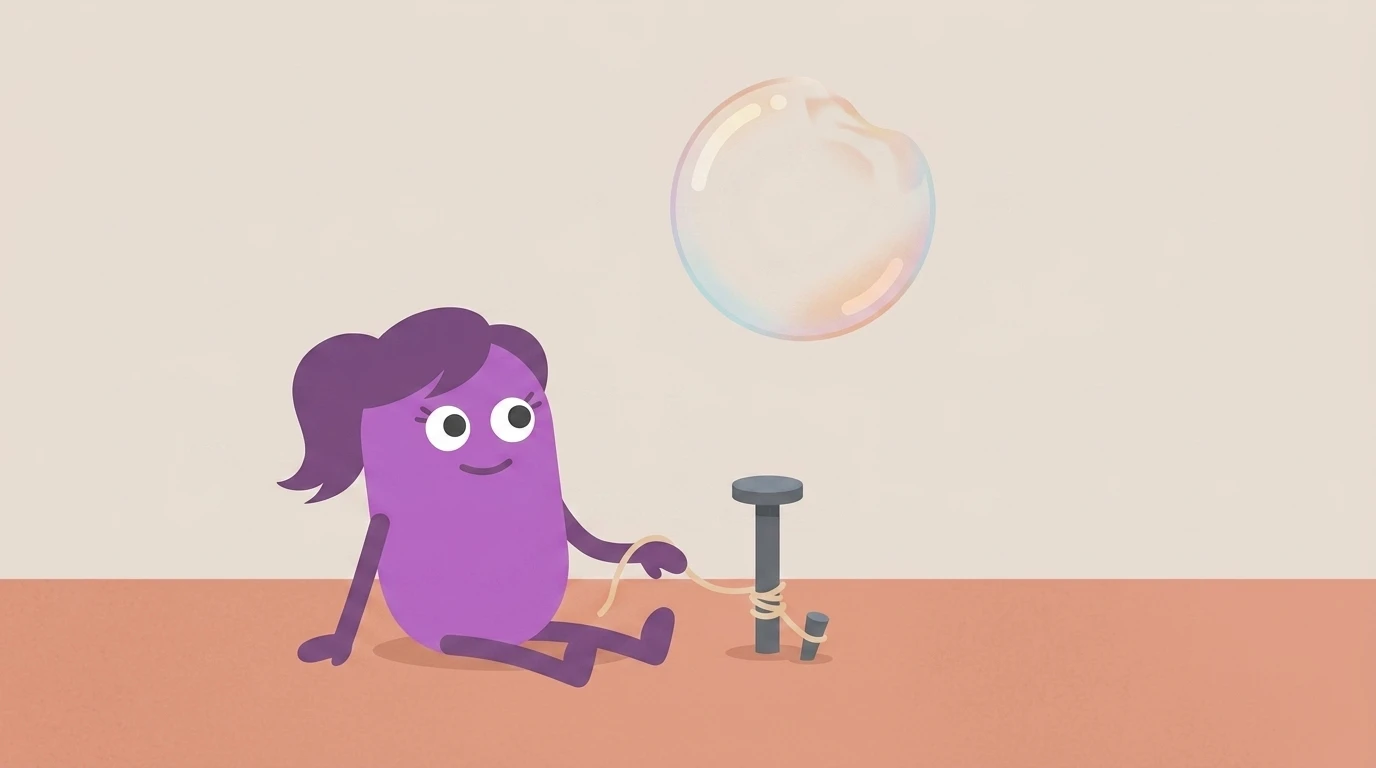
If you reach for your phone the second a task gets uncomfortable, you're not undisciplined. You're regulating a feeling, and the phone works instantly while studying doesn't. A meta-analysis pooling 79 studies and 68,162 participants found a moderate, consistent positive correlation between academic burnout and problematic smartphone use (r = 0.438), holding across demographic groups.
The direction likely runs both ways: burnout increases the pull toward a phone because it's easy relief, and the lost study time deepens the exhaustion. "Just put the phone away" treats the pull as the problem instead of the drained state generating it.
What if I'm not unmotivated, I'm burned out?
These are not the same problem, and motivation techniques make burnout worse. Academic burnout has three components: emotional exhaustion, cynicism toward coursework, and a sense that nothing you do amounts to anything. If that's your state, you're not unmotivated. You have a depleted capacity, and pushing harder against depletion produces more of it.
Watch for duration and intensity. Everyone has days they don't want to study. Burnout is weeks of exhaustion specific to schoolwork, a flattened sense that effort doesn't matter, and a drop in how you'd judge your own output, all at once. If that's you, the fix isn't a smaller first step. It's rest that's actually restorative, talking to someone (a counselor, an advisor, a doctor) about the load you're carrying, and reducing total demand where you have control. Motivating your way through genuine burnout treats a structural problem as a mindset problem.
Getting started today
You don't need to feel ready. You need one small, low-stakes proof you can do this, available in the next ten minutes. Pick the smallest piece of the thing you've been avoiding, let it be bad, attach something immediate to finishing it, and notice that you did it. That noticing is what motivation actually is, once you strip away the myth that it comes first.