
Unemployed and Depressed? What the Research Says and What Helps
Job loss is linked to a higher risk of depression, and to more than money. See what 38 longitudinal studies show, what helps, and when to get support.
Rachel SteinRead →

7 posts in this category
Next time you search, our newest guide shows up.
Job loss is linked to a higher risk of depression, and to more than money. See what 38 longitudinal studies show, what helps, and when to get support.
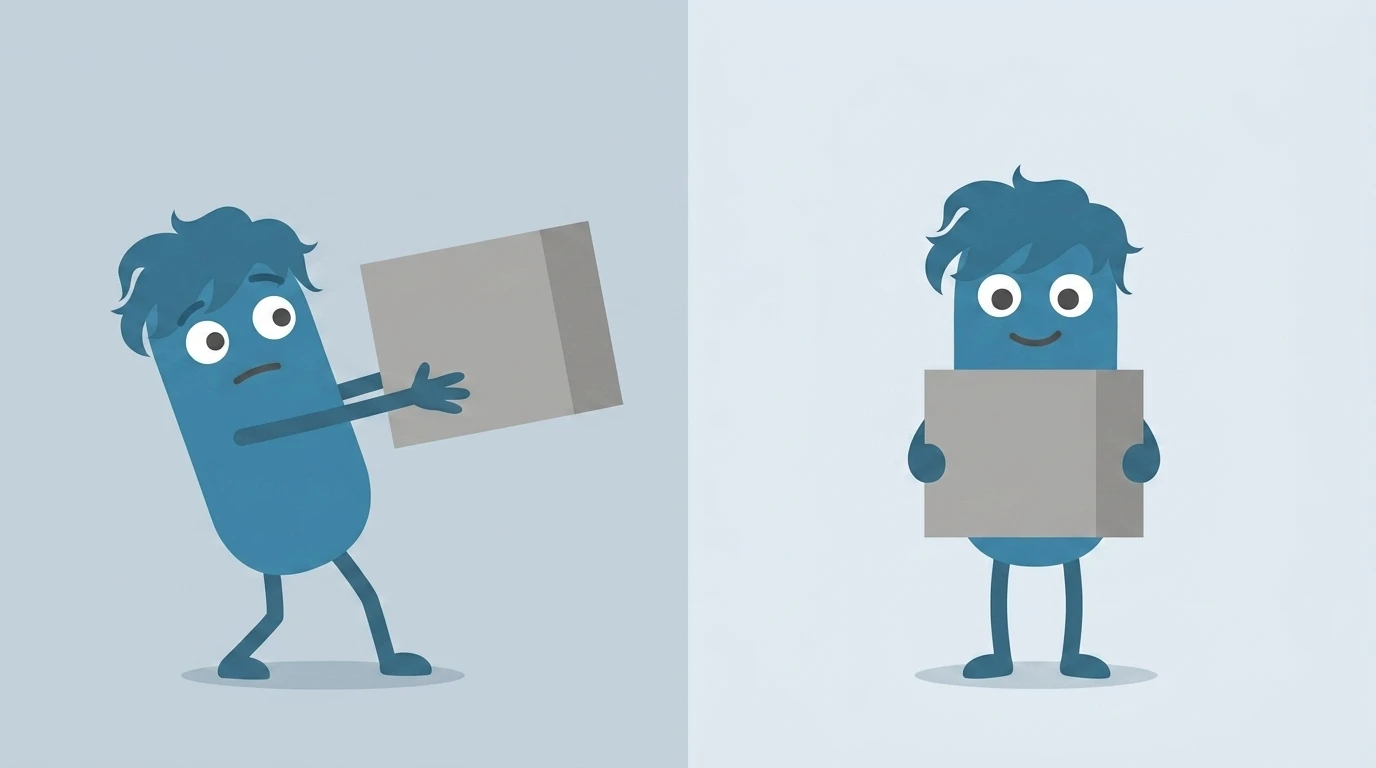
Sustainable work with ADHD isn't about trying harder. It's about job fit and conditions, disclosure decisions you control, and support that keeps you from paying for competence with exhaustion.
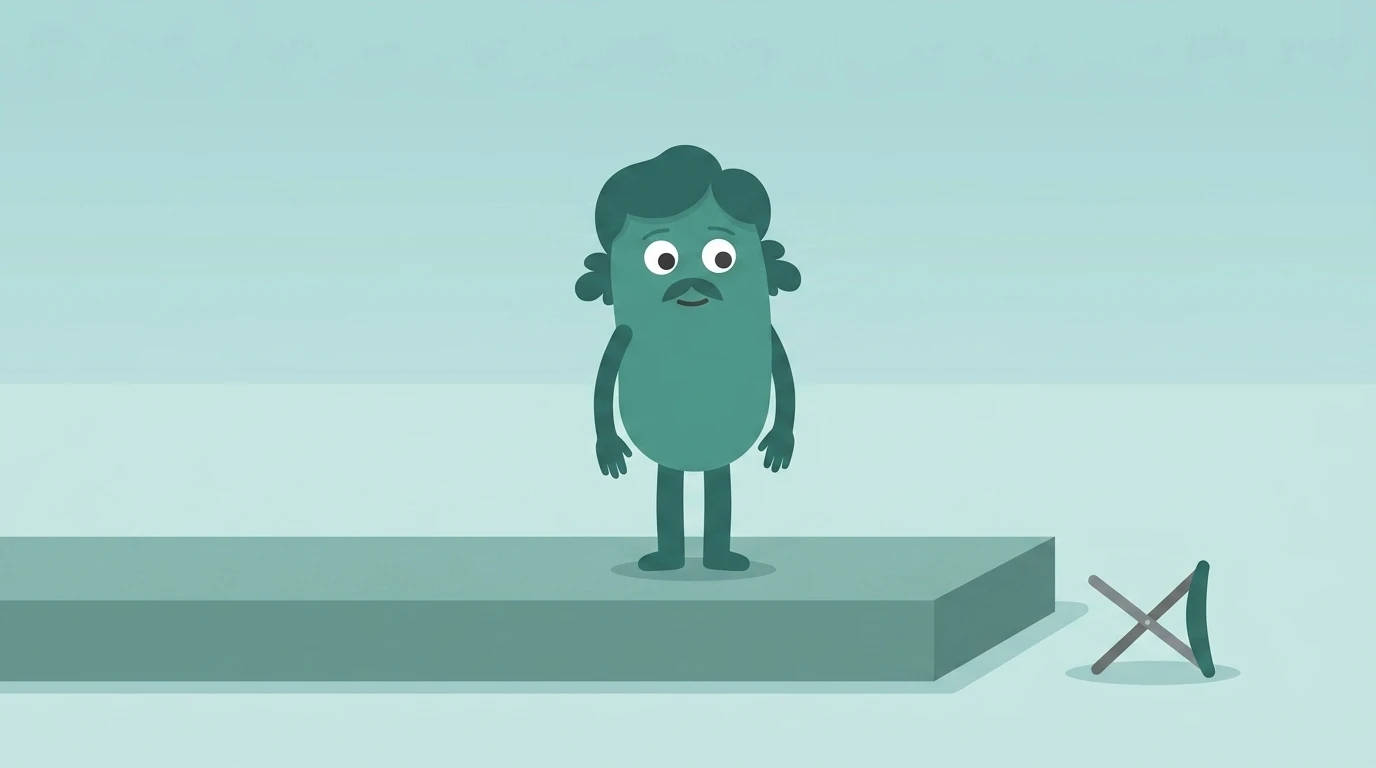
Workplace accommodations are agreed through a conversation, not granted by a diagnosis. Here is what to request and how to frame it.
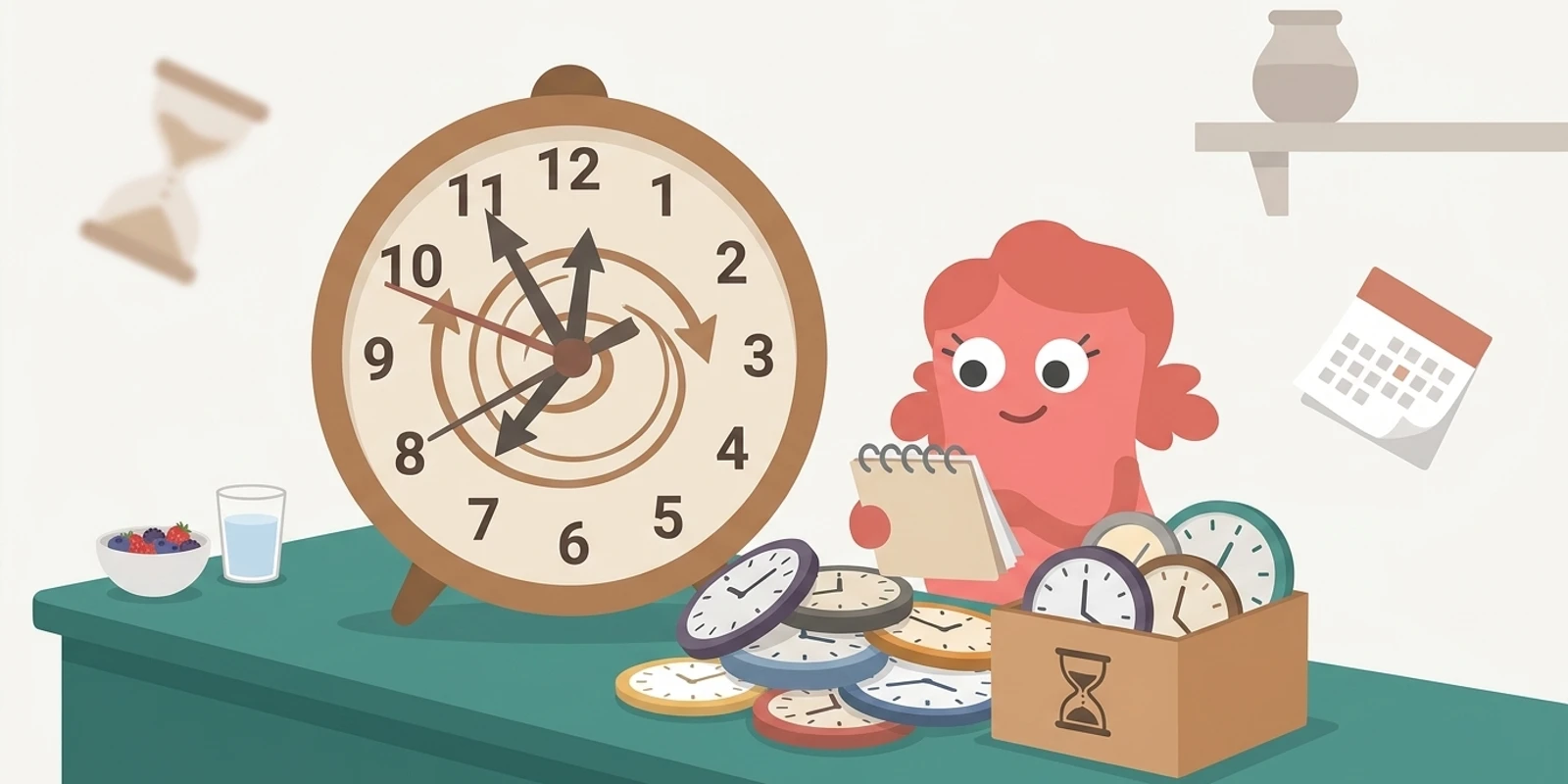
The curated desk photos lie. Here’s what my 8 a.m. to 8 p.m. actually looks like when executive dysfunction meets the living room couch.
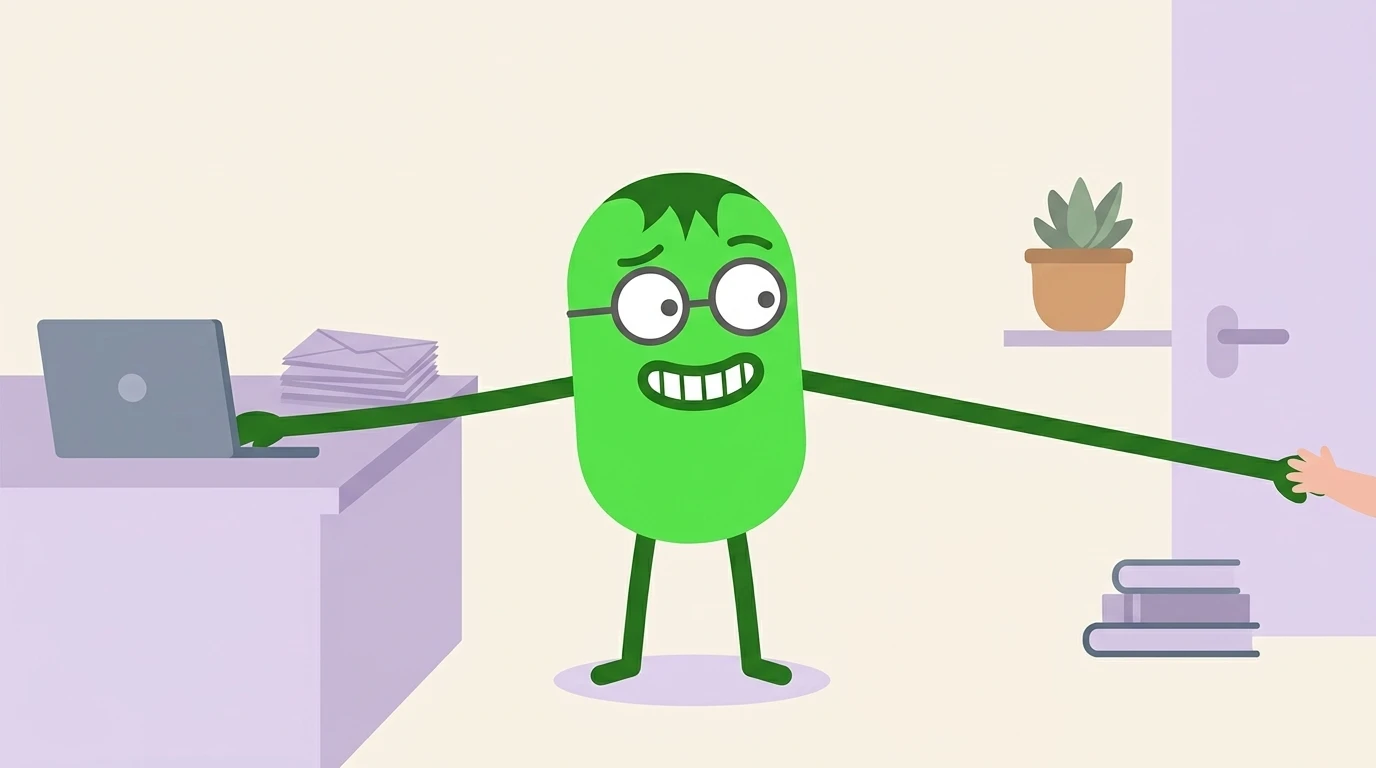
Remote work removes the office structure that many people with ADHD unknowingly rely on — and replaces it with endless distraction, no social regulation, and zero external accountability. Here's what actually helps.
ADHD burnout is a state of complete physical and emotional exhaustion caused by sustained masking, overcompensation, and chronic stress — not laziness or weakness. Here's how to recognize the warning signs early and what actually helps.

Every year, adults with ADHD pay a tax no one voted for — late fees, lost time, strained relationships, and the cumulative cost of executive dysfunction in a world that doesn't accommodate it. Here's what the research says it actually costs, and what structural solutions actually help.