What conditions should I actually look for or ask for?
Translate the research into concrete asks, not vibes:
Autonomy over process, not just outcome. You don't need permission to work strangely. You need a manager who cares whether the work gets done well, not whether you did it the way a neurotypical brain would have.
Structure you can see. Written expectations, agendas before meetings, deadlines stated once and not shifted without notice. Predictability is a resource. Ambiguity is a tax.
Evaluation based on output. Roles that measure presence, hours at a desk, constant visible busyness, punish ADHD regardless of actual performance. Roles that measure completed work let strengths compensate for friction.
Recovery built into the week, not scavenged from it. If every ounce of the day goes to output and masking, there's nothing left to metabolize the invisible labor. Sustainable jobs leave slack somewhere.
None of this requires disclosing a diagnosis. You can ask for written follow-ups after meetings, request agendas in advance, or push for outcome-based check-ins as a working-style preference. Fit-seeking doesn't require a label.
Should I tell my employer I have ADHD?
Only if you decide the benefit outweighs the risk in your specific workplace, and that's a genuinely case-by-case call, not a rule.
A 2026 systematic review of ADHD stigma in adults is useful here because it doesn't treat stigma as one thing. It separates self-stigma (the negative beliefs you turn on yourself), perceived stigma (worrying others are judging you, whether or not they are), public stigma (actual negative attitudes from others), and structural stigma (stigma built into policies and systems). The review found perceived stigma specifically hindered treatment-seeking, medication adherence, and diagnostic disclosure. Public stigma was the most studied and most consistently linked to negative attitudes in academic and professional settings.
That's not a reason to stay silent by default. It's a reason to be specific about what you're weighing. Ask yourself what you'd actually gain: formal accommodations, a manager who stops reading distraction as disrespect, permission to work in ways that already work for you. Then ask what you'd risk: a manager who reads disclosure as an excuse, being quietly reassigned away from visible projects, colleagues who start explaining every mistake through the diagnosis instead of the situation. Both are real outcomes, documented in the same body of research. Neither is guaranteed.
A middle path many people use: disclose the accommodation need without disclosing the diagnosis. "I do my best work with written follow-ups after meetings" gets you the resource without opening the door to every assumption that comes with a label. Save the formal disclosure, if you make it at all, for when you need a legal accommodation a workaround can't cover.
Is masking at work making things worse?
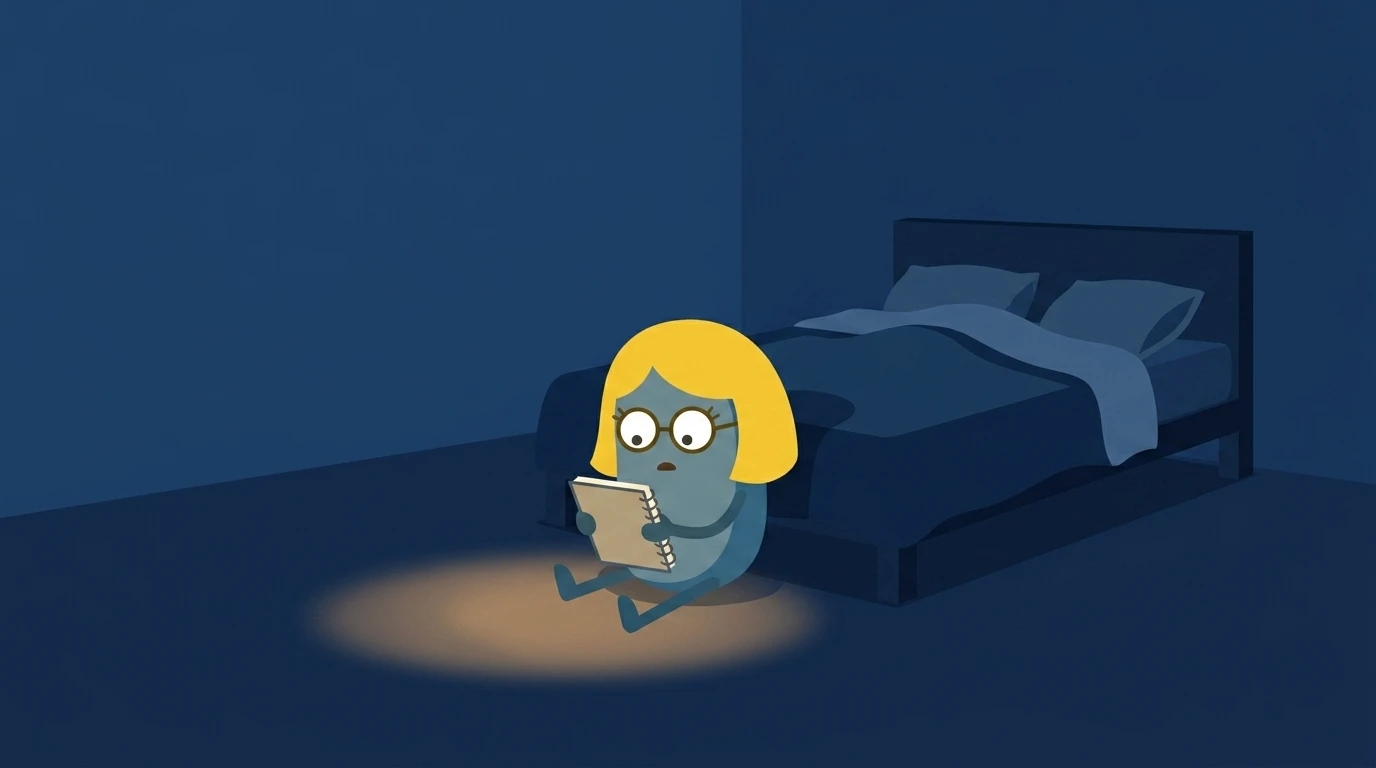
Likely yes, and it's worth naming what it costs even when you can't stop doing it entirely. Research on burnout in neurodivergent adults, studying autistic adults specifically but describing a mechanism that maps closely onto ADHD masking, found that concealing both the underlying traits and the signs of burnout itself, what researchers termed dual-masking, intensified strain and delayed recognition that anything was wrong. People kept performing past the point where they needed to stop, because stopping would have required admitting, to themselves or others, that something was off.
The same study found recovery wasn't about pushing through or about total withdrawal. It was "gentle re-engagement," low-demand, low-pressure contact with work and people that didn't require full masking to participate. At work, that might look like protecting one meeting-free block a week, or building in a buffer day after a high-output sprint instead of stacking the next deadline immediately on top.
You don't have to eliminate masking to make it survivable. You have to stop treating the exhaustion it produces as a personal failing that more effort will fix.
Building a job you can actually keep
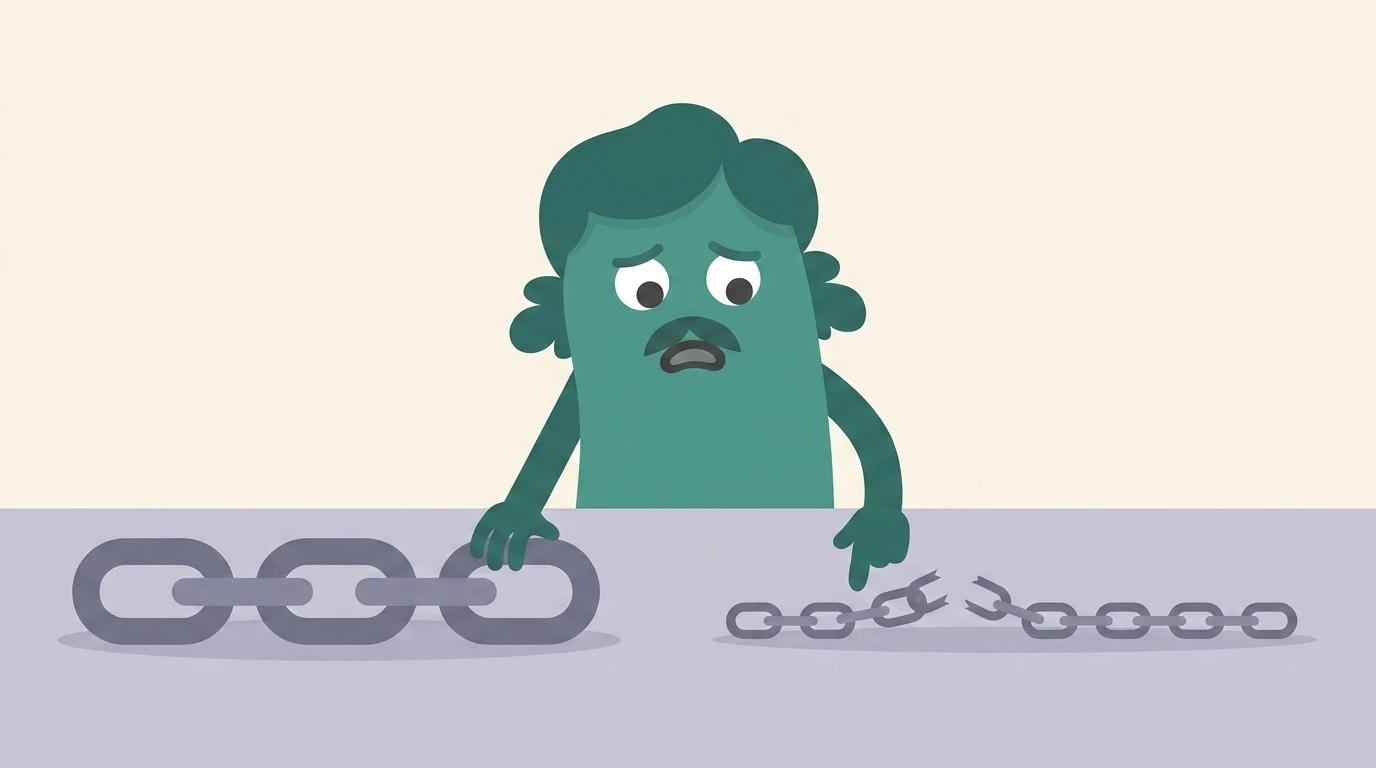
None of this is a to-do list you complete once. It's an ongoing calibration: does this role's demands still match the support I have, and if the gap has widened, what changes, the job, the conditions, or the disclosure decision. That question is worth asking every few months, not just when you're already burned out and looking for an exit.
The research is consistent on one point across every study cited here: the people who sustain ADHD careers aren't the ones who found a way to want less accommodation. They're the ones who found roles, managers, and working conditions where less accommodation was needed in the first place. That's a different kind of success than "toughing it out," and it's the one that actually holds.