Tactics That Survive Chaos
- Sticky-note sprints: one task per note, peel it off only when finished
- Kitchen timer triage: 25 minutes work, 5 minutes wall-stare, repeat twice then reassess
- Shared calendar with a friend: shame is lighter when someone else can see the blank slots
The Shame Spiral After 6 p.m.
By late afternoon the dopamine tank is empty but the inner critic revs up. Every unfinished task becomes proof of moral failure. CHADD research shows shame spikes cortisol, which further impairs executive function, classic catch-22. Neff’s self-compassion model flips the script: treat yourself like you would a friend who bombed a presentation. I keep a voice memo labeled “Future Me Pep Talk” recorded on a decent brain day. Hearing my own kind voice cuts the spiral faster than any productivity hack.
Emergency Shame Protocol
- Say the feeling out loud: “I feel behind and stupid.”
- Text a friend the single sentence: “Say something kind about me.”
- Schedule a 10-minute win for tomorrow morning (reply to one email, fold one shirt).
Systems That Survive a Bad Day
Perfection dies first in ADHD households. My most reliable system is a single legal pad divided into three columns: Must, Might, Maybe. Only three items under Must. When the page fills, I flip to a new one instead of editing. Kreider et al. (2019) found students who reframed planning as “flexible scaffolding” instead of rigid rules stuck with their tools longer. The pad lives on the fridge because I will open the fridge.
Toolkit for the Next Meltdown
- Phone jail: a $5 clear plastic box on the router; visibility reduces FOMO
- Exercise snack: jump rope behind the couch, 60 jumps resets attention
- End-of-day shutdown ritual: close all tabs, write tomorrow’s Must column, set coffee mug in the machine
---
FAQ
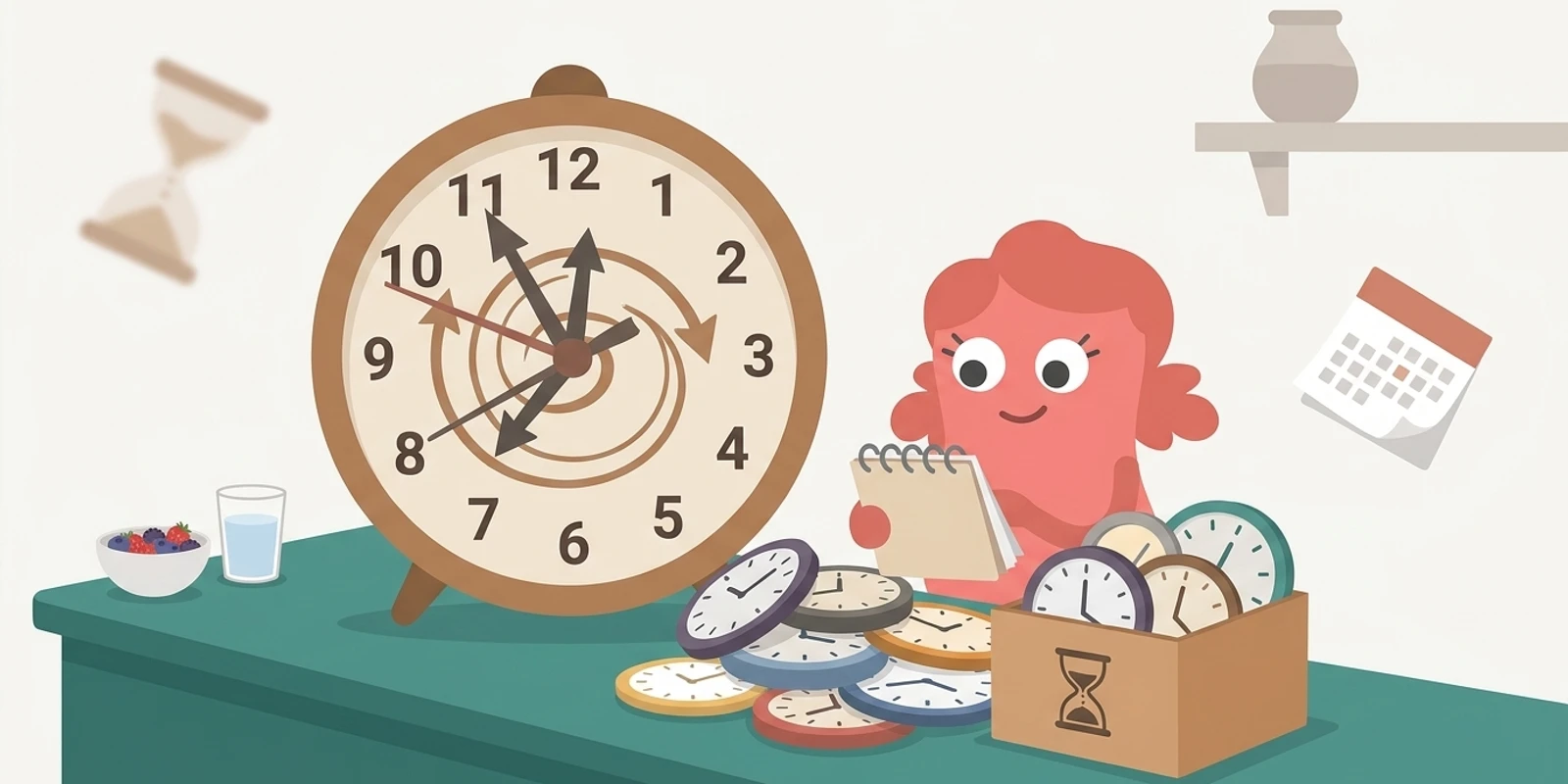
Q: Why can’t I just use a normal planner like everyone else? A: ADHD brains struggle with "time blindness," making abstract future slots invisible. Visual, tactile, or social cues (like body doubling) externalize time so it becomes real.
Q: Is it normal to feel exhausted after eight hours of doing ‘nothing’? A: Yes. Mental effort spent fighting executive dysfunction burns glucose and dopamine, leaving you drained even when visible output is low.
Q: How do I stop the late-night shame spiral? A: Label the feeling, speak to yourself as you would a friend, and schedule a tiny win for the next morning. Self-compassion interrupts the cortisol loop.
Q: Do meds fix the WFH chaos? A: Medication helps about 70-80 % of adults but works best paired with external structures. Think of meds as giving your brain gas; you still need a steering wheel.
Q: Are coworking spaces worth it for ADHD? A: They can provide built-in body doubling and environmental novelty. Test a day pass first, noise and social unpredictability can backfire.
Explore GetMotivated.AI to find behavior tools that match your situation.