Why reminders alone don't fix inconsistent routines
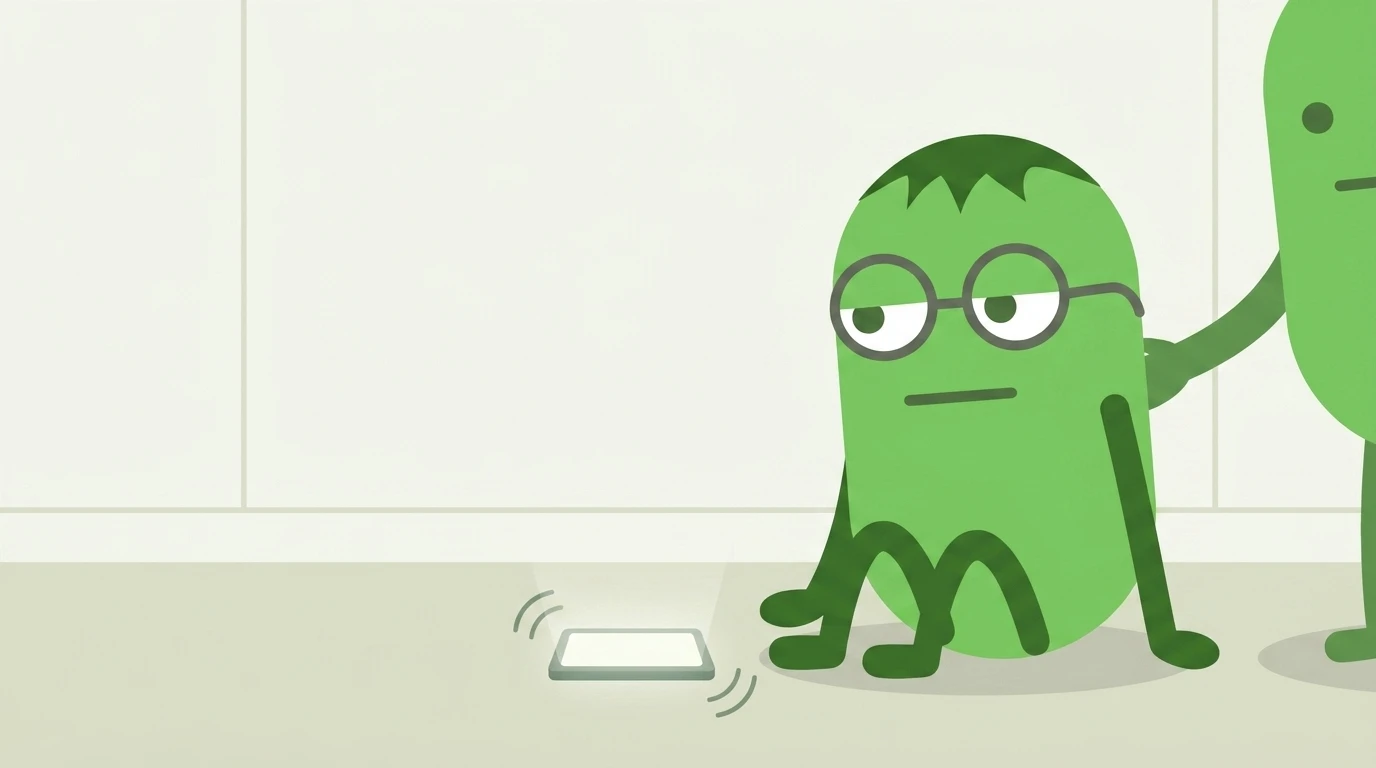
An app that pings you at 8am is solving a notification problem. For a lot of people with ADHD, the harder problem isn't remembering to start. It's staying inside the routine once it starts, day after day, without a person or a deadline making it real.
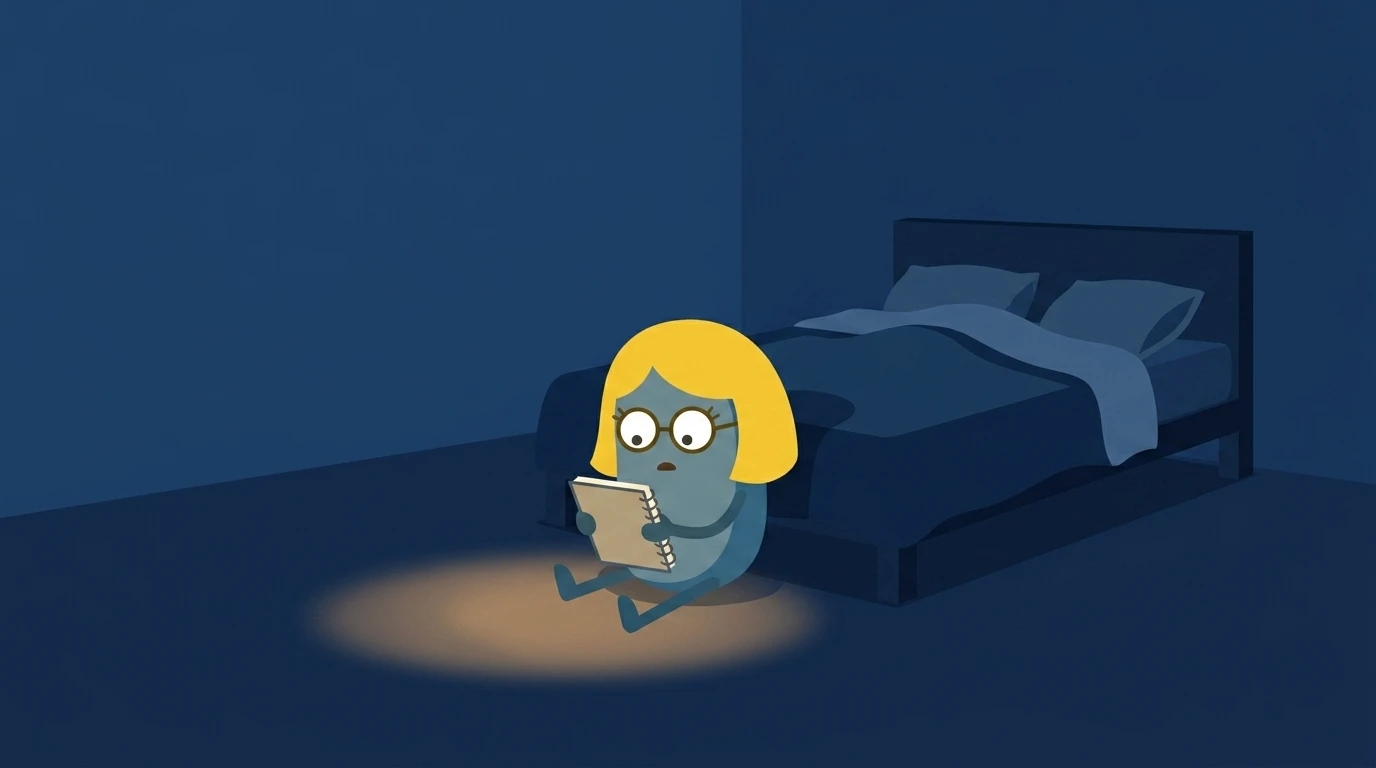
A 2026 scoping review in Behavioral Sciences mapped what's known about routines and habits in ADHD and made a distinction worth sitting with. A routine is an organized, sequenced pattern of behavior. A habit is what a routine becomes once it's automatic and no longer needs conscious effort. Both sit on what the researchers call a continuum of automaticity, and both depend on the same executive functions ADHD affects: attention, working memory, planning, behavioral regulation. When those functions are inconsistent, the review argues, routines are more likely to stay effortful instead of becoming automatic. A bedtime routine that should run itself, stop the screen, get ready, lights out, at a consistent time, keeps needing to be actively managed instead.
The review also found that existing research on ADHD routines is concentrated on children, with adult routines and habits far less studied, and that no validated tool exists specifically to measure routines or habits in adults with the condition. Sleep hygiene was the most-studied domain. Study habits showed up in exactly one study out of 31. That's a real gap, and it means most of what gets marketed as "ADHD-friendly" scheduling advice is extrapolated, not tested.
What this means for an app is straightforward. A reminder can prompt you to start. It can't do the part that turns a prompt into an automatic pattern, because that part runs on repetition inside a stable context, and a phone buzzing at you is not a context. It's an instruction.
What actually keeps a routine going
A 2026 study in Frontiers in Psychology looked at how adults with ADHD describe sustaining themselves at work, using 277 discussion threads from a large ADHD-focused Reddit community, analyzed through the Job Demands-Resources framework. The researchers weren't studying apps. They were studying what made work sustainable versus exhausting for people managing ADHD day to day.
The pattern that came out of it: the same conditions, like meetings, deadlines, or disclosing a diagnosis, were not universally demanding or universally supportive. What changed the outcome was context, and specifically the presence of resources like autonomy, structure, and other people. The researchers found that "local ecosystem actors," their term for family, colleagues, and therapists, meaningfully shaped whether someone's ADHD-related strategies held up over time. Among the adaptive strategies contributors described using were externalizing tasks, adapting their environment, and, notably, leveraging collegial support. Support from another person functioned as one of the resources that offset the demands, the same way autonomy or a better-structured task did.
That's the mechanism a solo app can't replicate. It can be a resource. It can't be a colleague who notices you've gone quiet, or a friend who's doing the same thing on the same day and will ask how it went. Motivation itself has biological roots in dopaminergic reward processing, and a 2026 review in Genes on the genetics of motivation notes that individual differences in dopamine-related genes are linked to how people respond to reward, novelty, and stress, though the researchers are careful that these effects are modest and heavily shaped by environment rather than fixed by biology. Environment is the operative word. A routine tied to another person, who checks in, who is affected if you don't show up, changes the environment around the behavior in a way a push notification structurally cannot.
So what should you actually look for
None of this means throw out the reminder. The systematic review found functionality genuinely helps; an app that tracks tasks and nudges you at the right time is doing real work. The problem the review identified isn't that apps fail at their job. It's that most of them stop at reminding and never get to the part that makes a routine durable, the social piece that turns a solo habit into something you show up for because someone else is expecting you.
If you've been through the graveyard of half-used productivity apps, that's not a personal failure to fix with app number six. It's a predictable outcome of using a tool built for one job to do two. The fix isn't a better reminder. It's pairing the reminder with a person, a small group, or a structure where someone else notices whether you followed through, the same "collegial support" and "local ecosystem actors" the research keeps landing on as the thing that actually holds a routine together over months instead of days.
Look for a tool that treats the reminder as the smaller half of the job. The bigger half is whoever is on the other end of it with you.