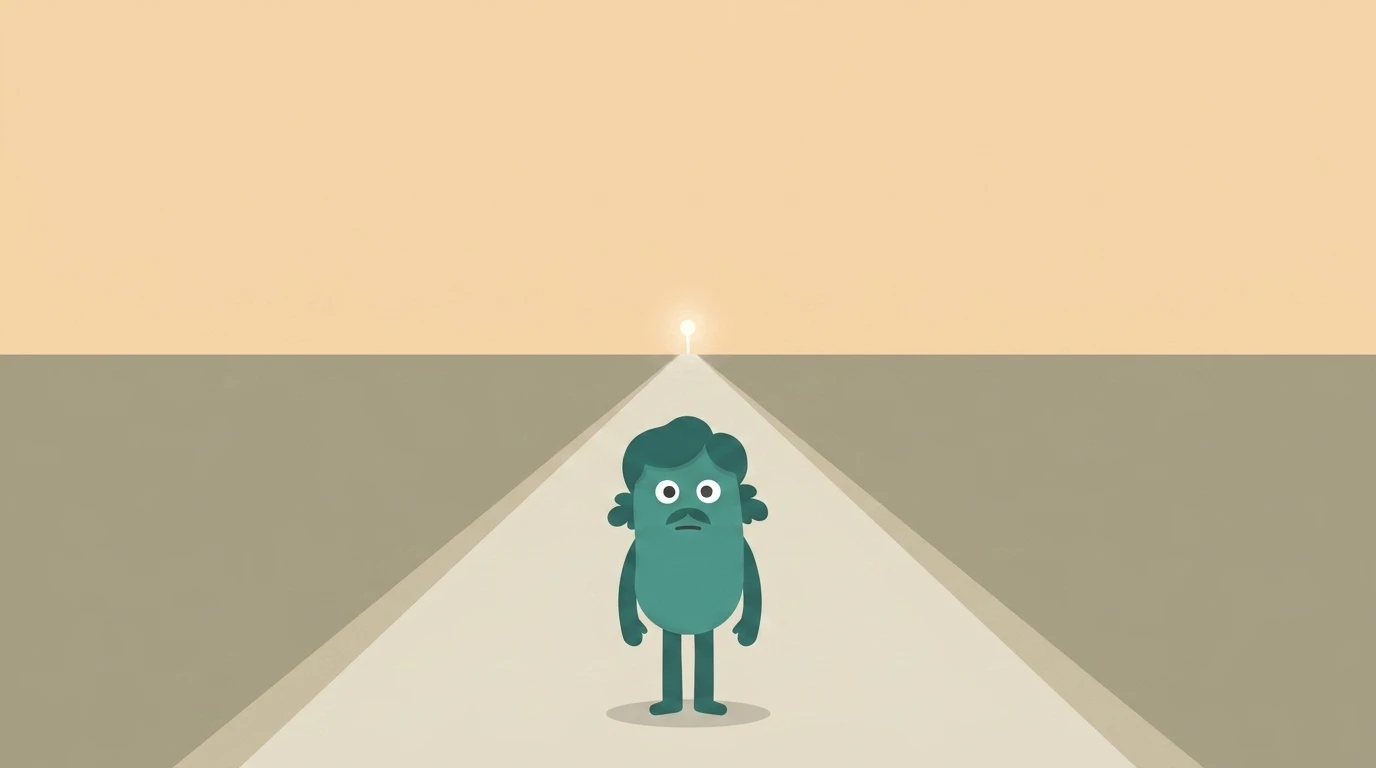
How to Get Out of ADHD Waiting Mode Before an Appointment
ADHD waiting mode freezes you before appointments and deadlines. Here's the time-perception research behind it and how to get unstuck.
Rachel SteinRead →

9 posts tagged with "anxiety"
Next time you search, our newest guide shows up.
ADHD waiting mode freezes you before appointments and deadlines. Here's the time-perception research behind it and how to get unstuck.
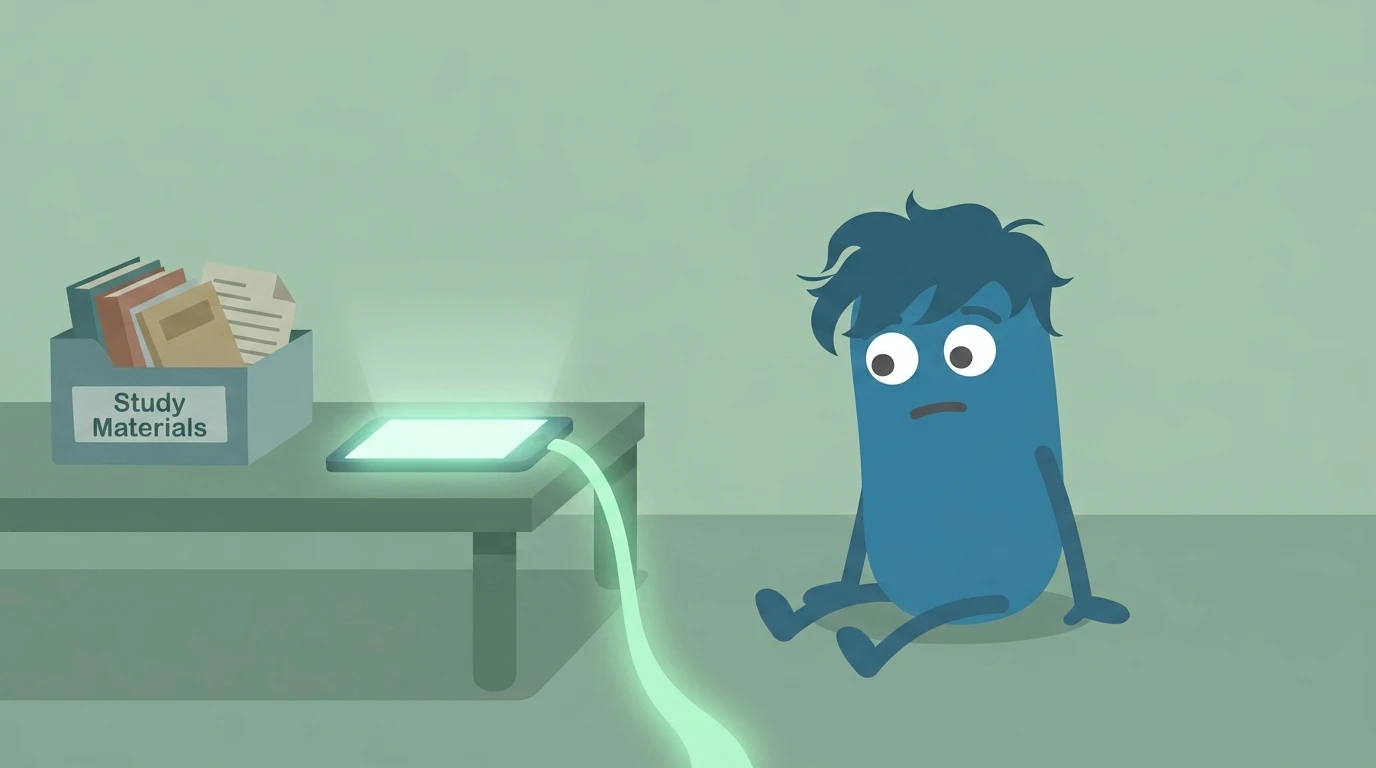
Phone use does not just steal time. It runs through a specific chain, from lower self-control to higher anxiety to procrastination, and each link in that chain is where you can intervene.
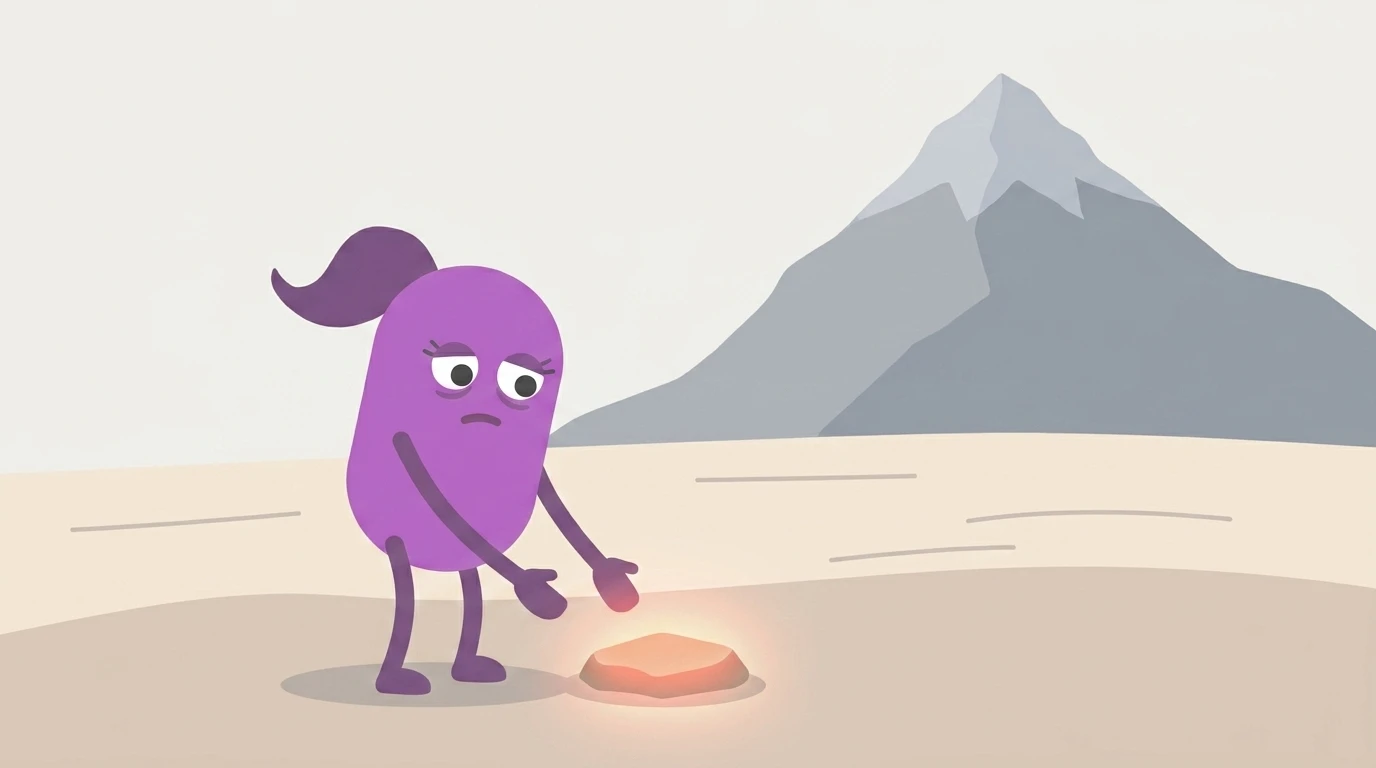
You're waiting to feel motivated before you study. That's the problem. Here's what the research says actually starts you moving, and why.
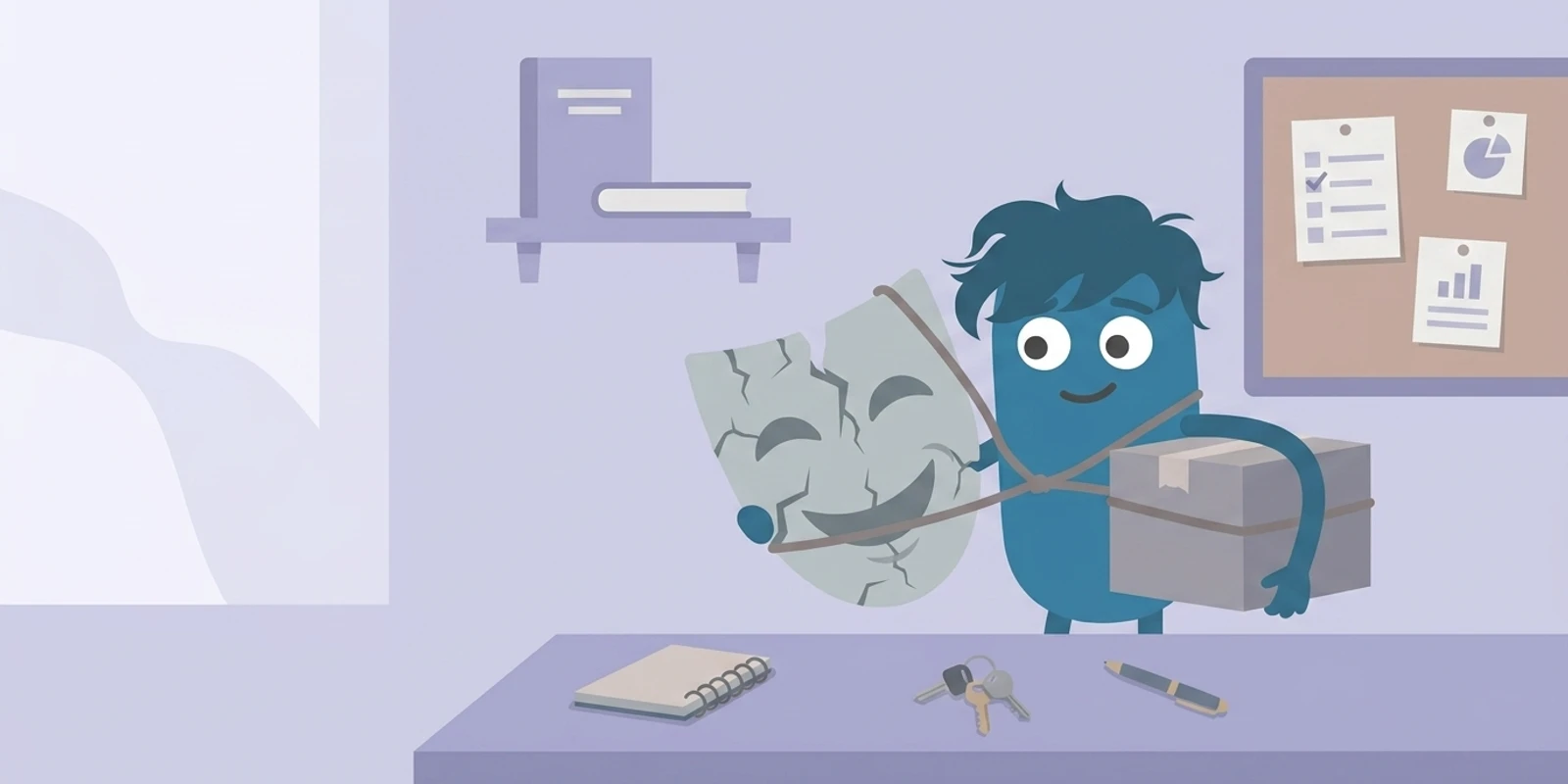
Mental health first aid equips individuals with practical skills to recognize, respond to, and support someone experiencing a mental health crisis or developing a mental health problem. This evidence-based framework reduces stigma, improves early intervention, and builds community resilience through structured training protocols.
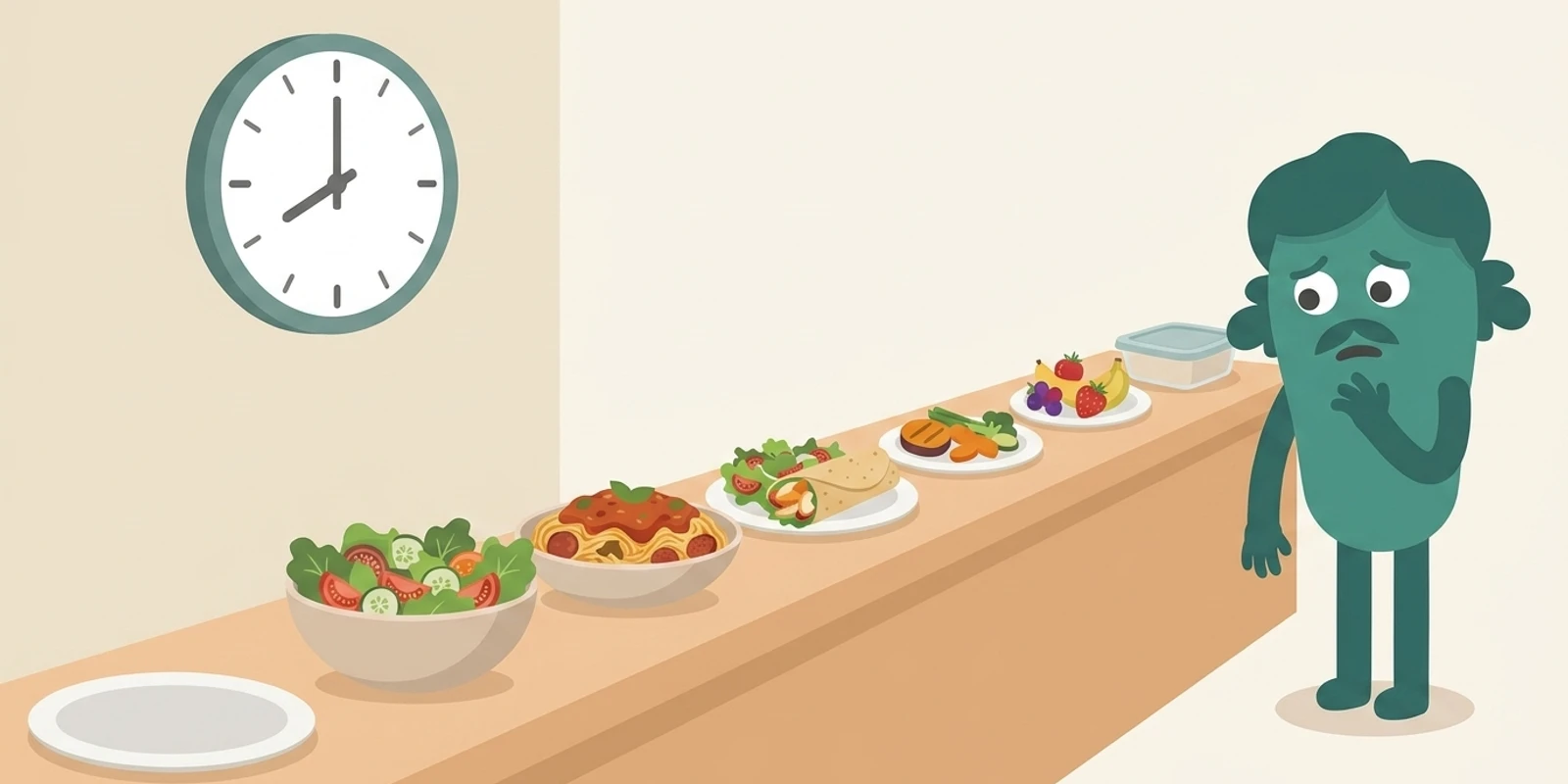
ADHD and anxiety frequently co-occur, creating a cycle where executive function deficits fuel worry and hypervigilance amplifies distraction. Learn how these conditions interact and discover practical, research-backed strategies to break the cycle.
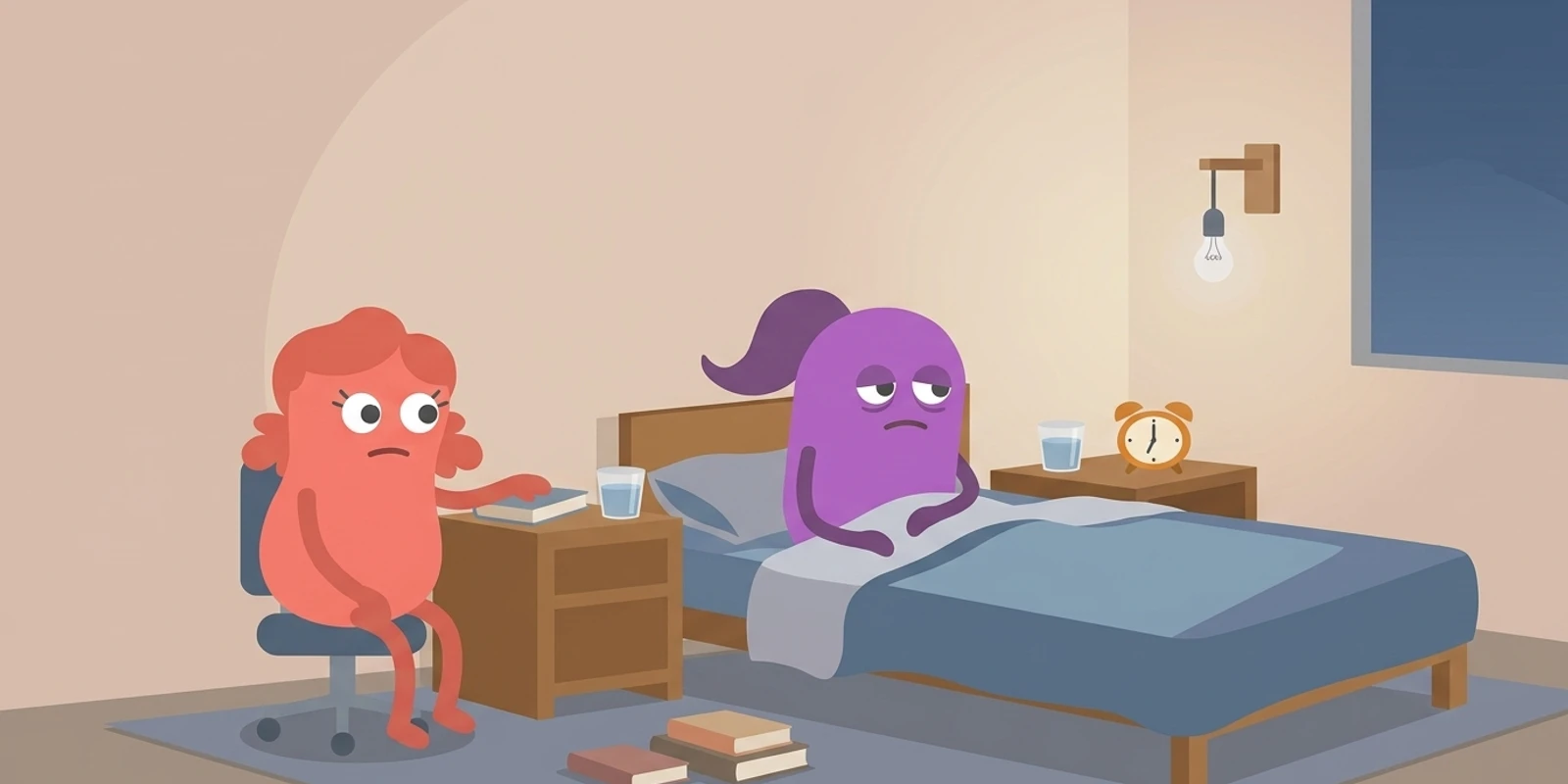
ADHD adults experience chronically elevated cortisol from executive function friction, rejection sensitivity, and daily overwhelm. Six supplements have meaningful clinical evidence for cortisol reduction, and several work especially well for the ADHD nervous system.
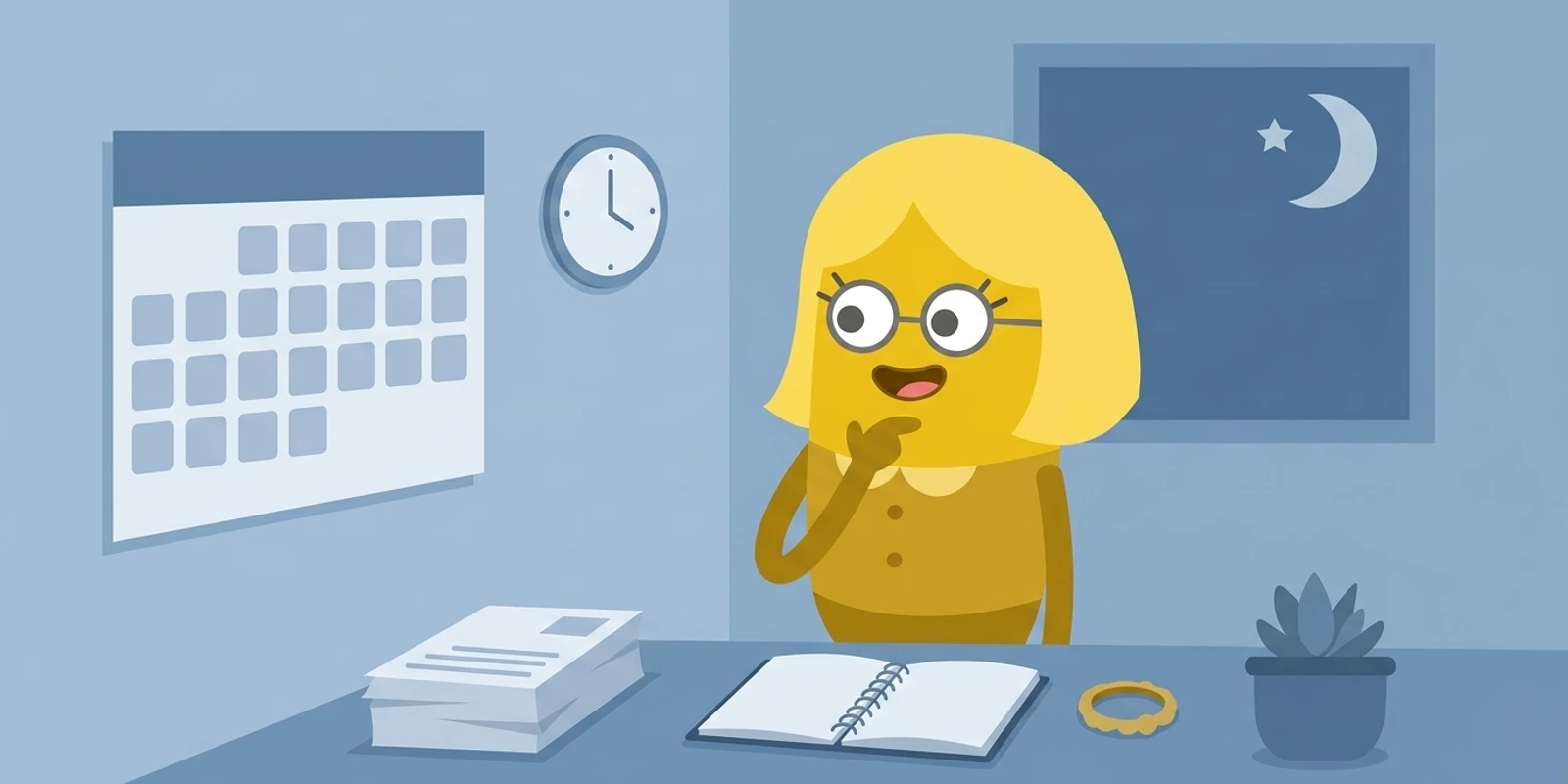
ADHD burnout isn't just feeling tired. It's a neurological shutdown caused by dopamine depletion and executive function collapse, and the usual recovery advice makes it worse. Here's what's actually happening in your brain and how to get out.
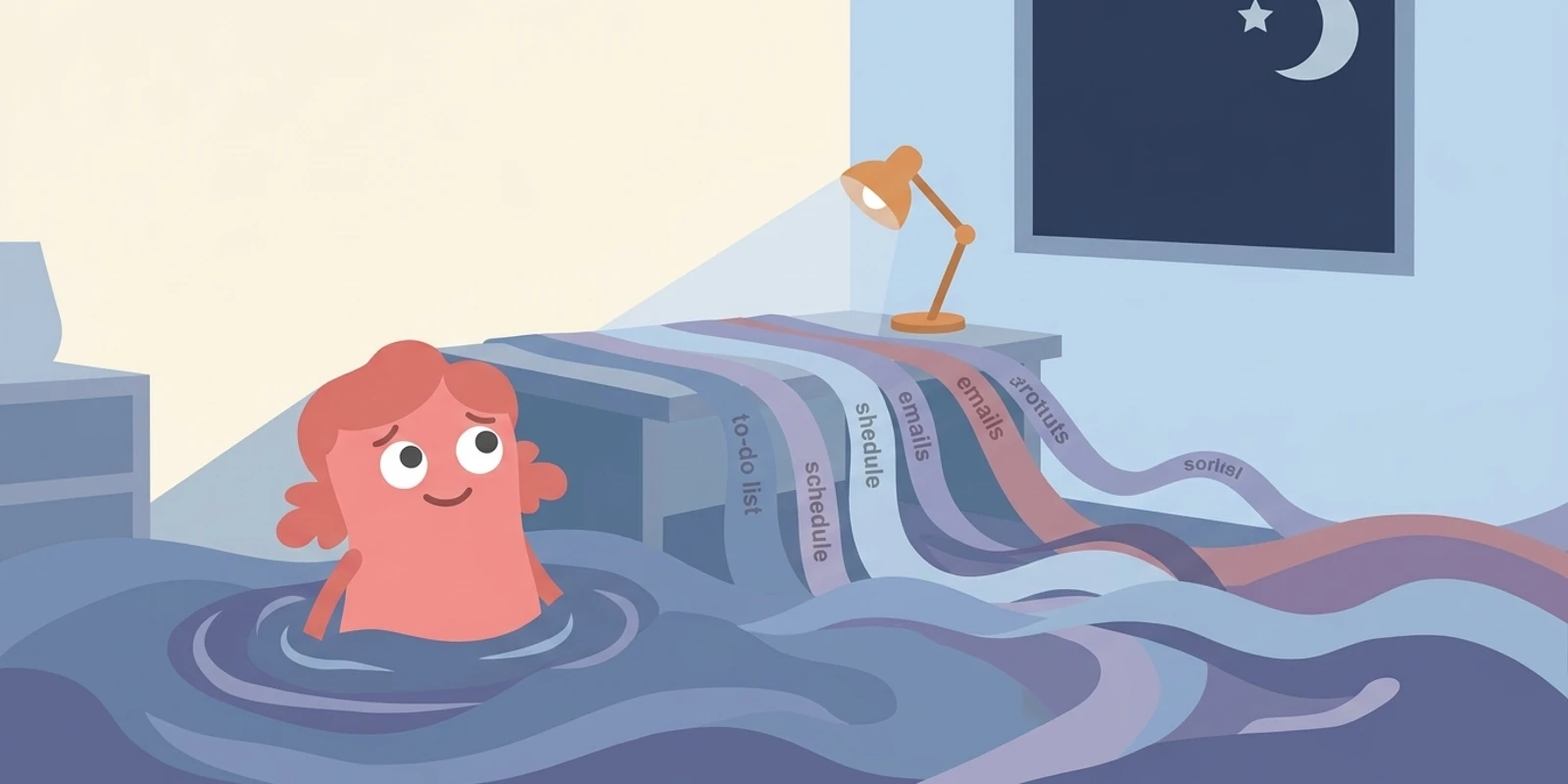
For ADHD adults, cortisol does not just spike harder, it lingers longer. Rejection sensitivity, executive function strain, and chronic shame all load the stress axis in ways most cortisol guides ignore. This post covers what actually works for ADHD nervous systems, fast.

RSD and BPD both involve intense reactions to rejection, but they differ fundamentally: RSD episodes are brief, trigger-specific, and resolve quickly, while BPD involves chronic emotional instability, identity disturbance, and relationship cycling that persists between triggers.