What Exercise Actually Does for ADHD
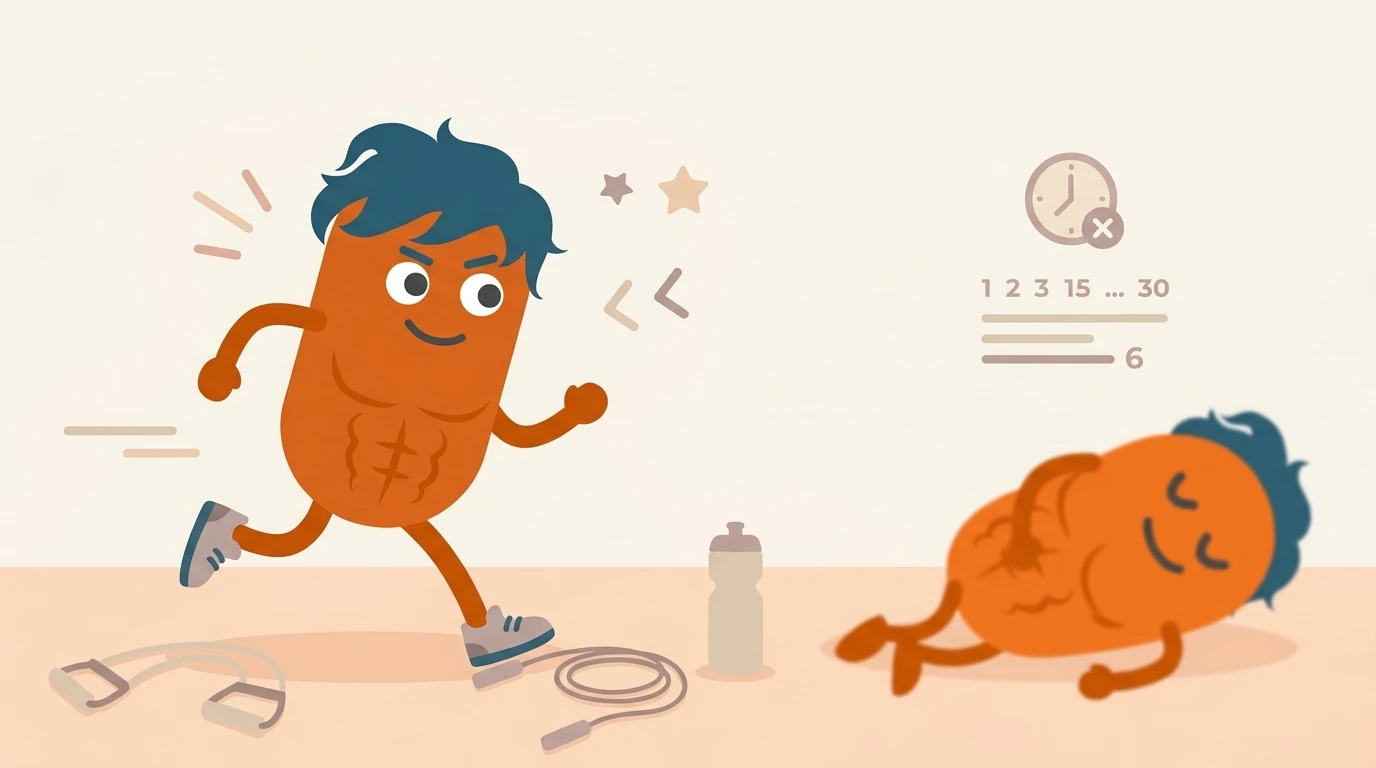
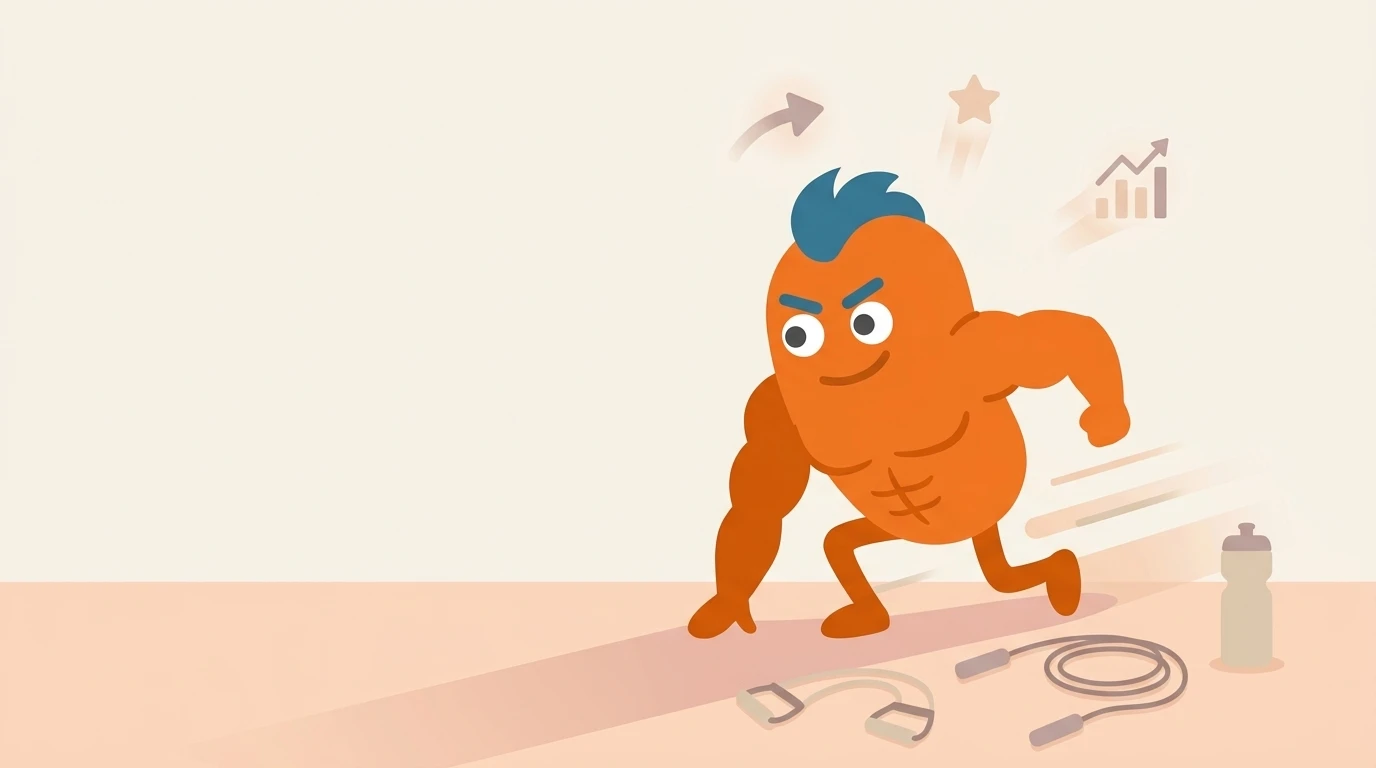
The research on exercise and ADHD is real, but it's not the vague 'movement helps' story you've heard. Here's what specific activity types actually change, and why the harder problem is doing it again tomorrow.
20 posts in this category
Next time you search, our newest guide shows up.

The research on exercise and ADHD is real, but it's not the vague 'movement helps' story you've heard. Here's what specific activity types actually change, and why the harder problem is doing it again tomorrow.

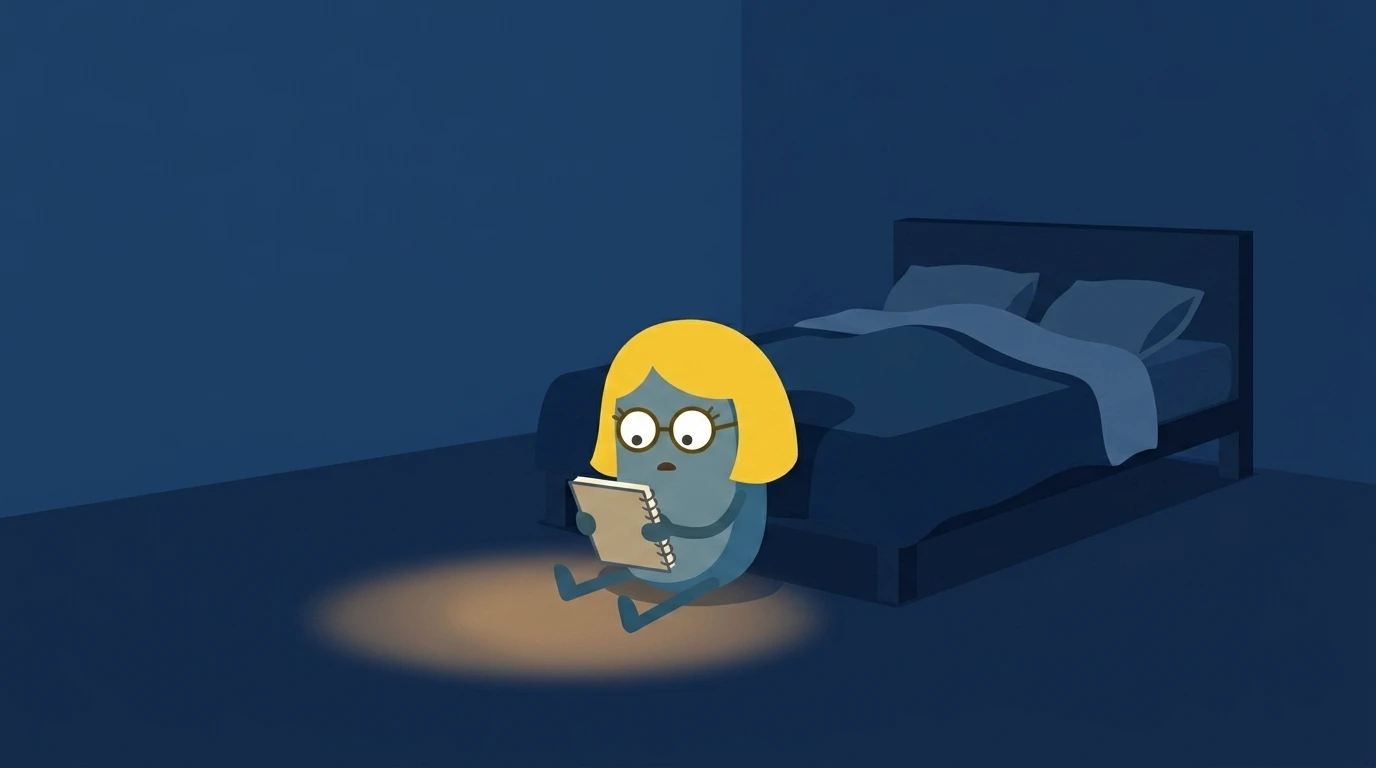
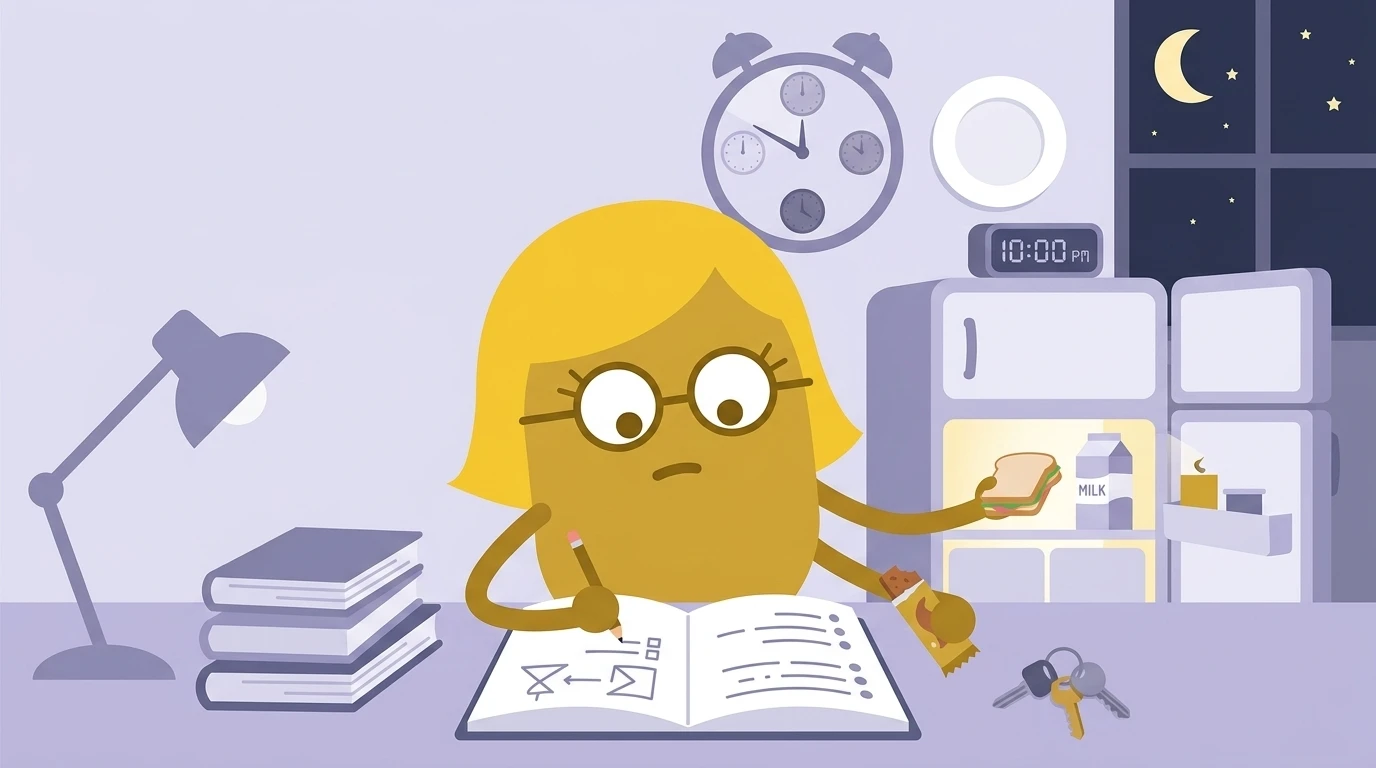
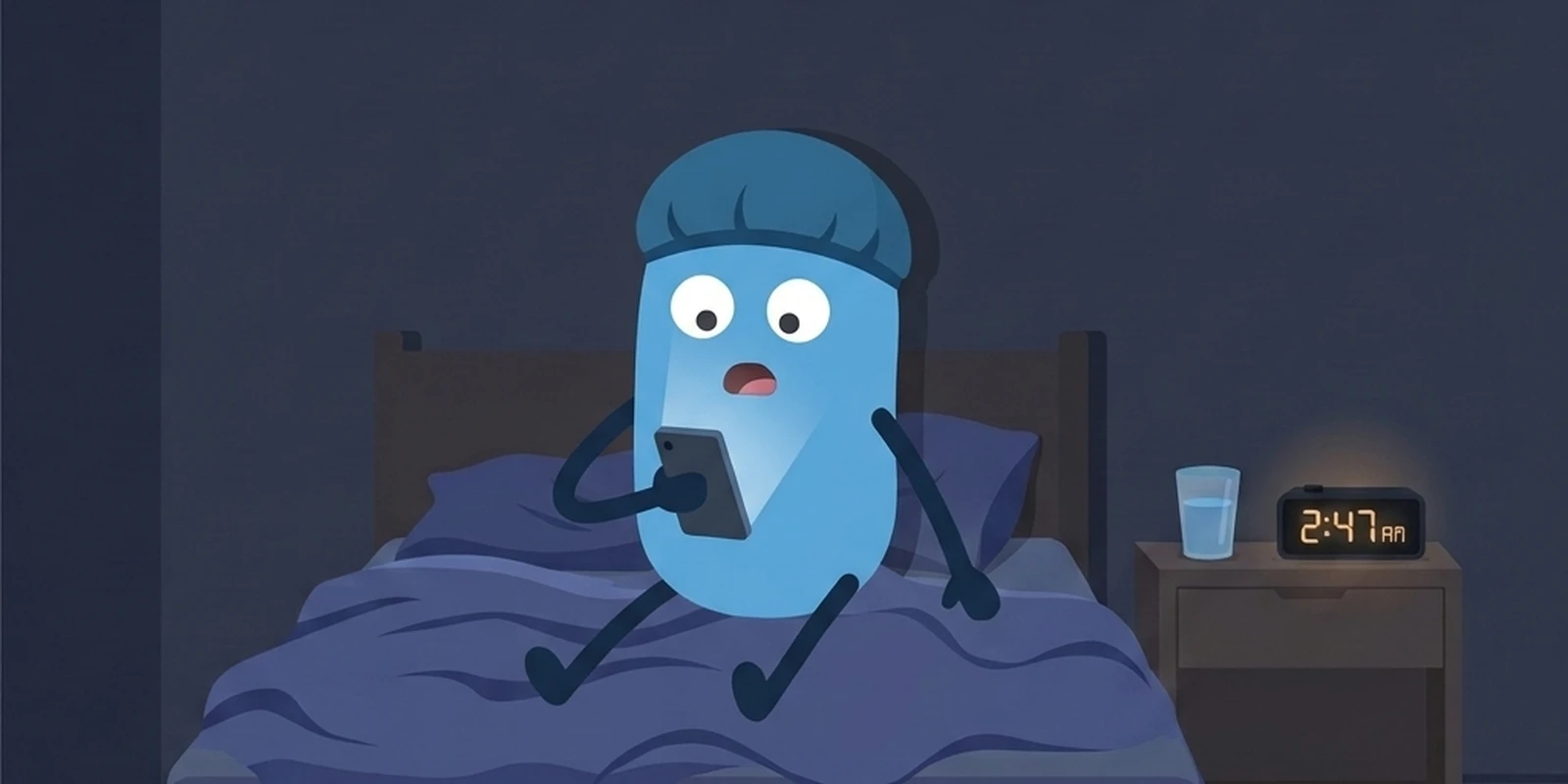
Falling asleep usually isn't the problem. Stopping what you're doing is. Here's why ADHD makes the evening transition so hard, and what changes it.

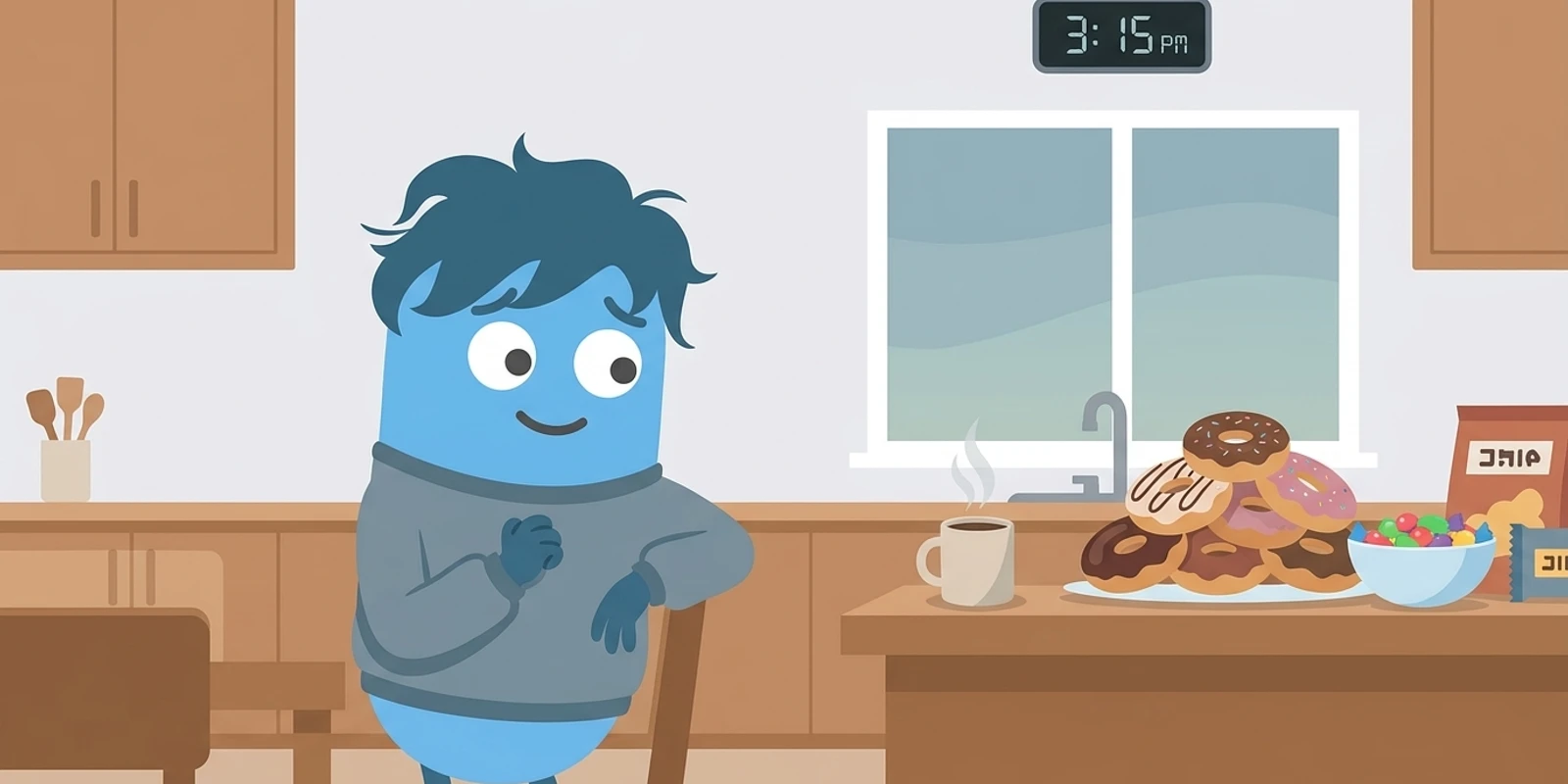
Sugar cravings feel like a willpower problem. They are actually a neurological one. Here is what happens in your brain when you eat sugar, why the cycle escalates, and what science says actually works to interrupt it.

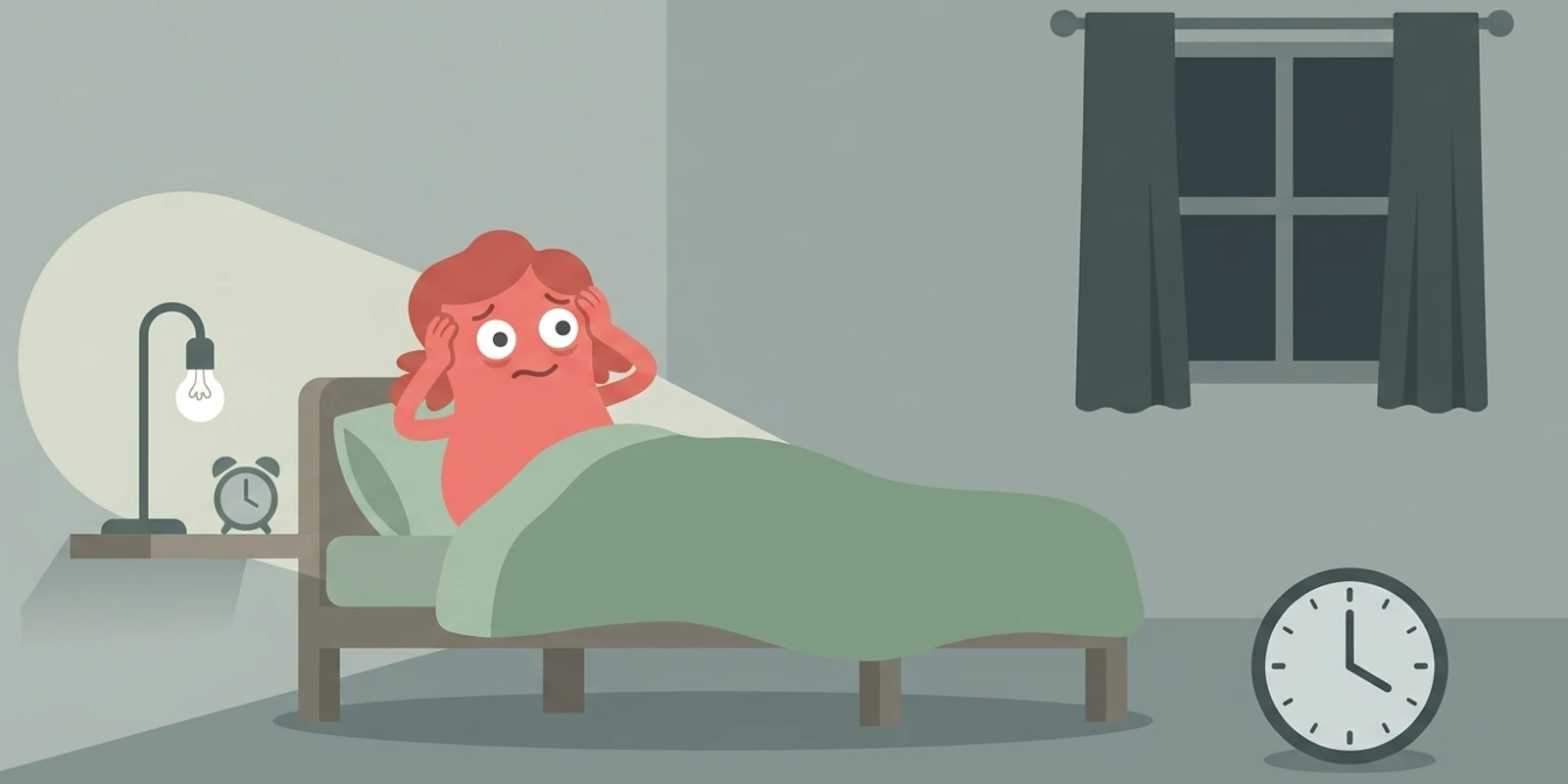
Delayed sleep phase disorder affects up to 73% of adults with ADHD, making it nearly impossible to fall asleep before 2 AM. This isn't laziness—it's a neurobiological mismatch between your internal clock and society's schedule.

ADHD adults experience chronically elevated cortisol from executive function friction, rejection sensitivity, and daily overwhelm. Six supplements have meaningful clinical evidence for cortisol reduction, and several work especially well for the ADHD nervous system.

**Low cortisol—a state of adrenal insufficiency or dysregulation—can amplify ADHD symptoms by depleting energy reserves, impairing focus, and disrupting the brain's stress-response systems.** While ADHD is primarily a dopamine-related executive function disorder, cortisol plays a critical supporting role in maintaining alertness, regulating inflammation, and modulating the body's response to daily demands. When cortisol levels drop too low, adults with ADHD often experience worsening brain fog, fatigue, and difficulty initiating tasks—creating a compounding effect that standard ADHD treatments may not fully address.

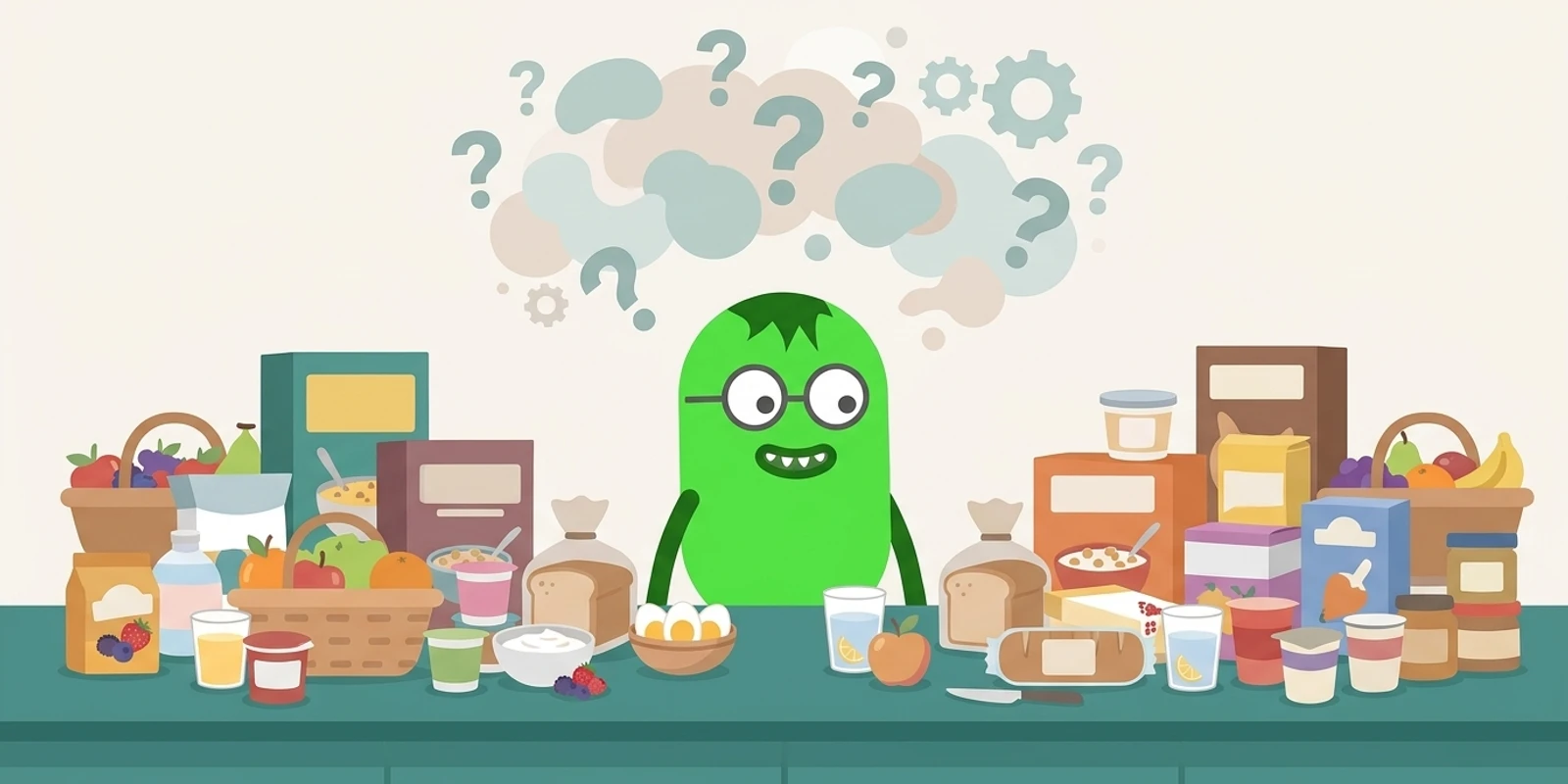
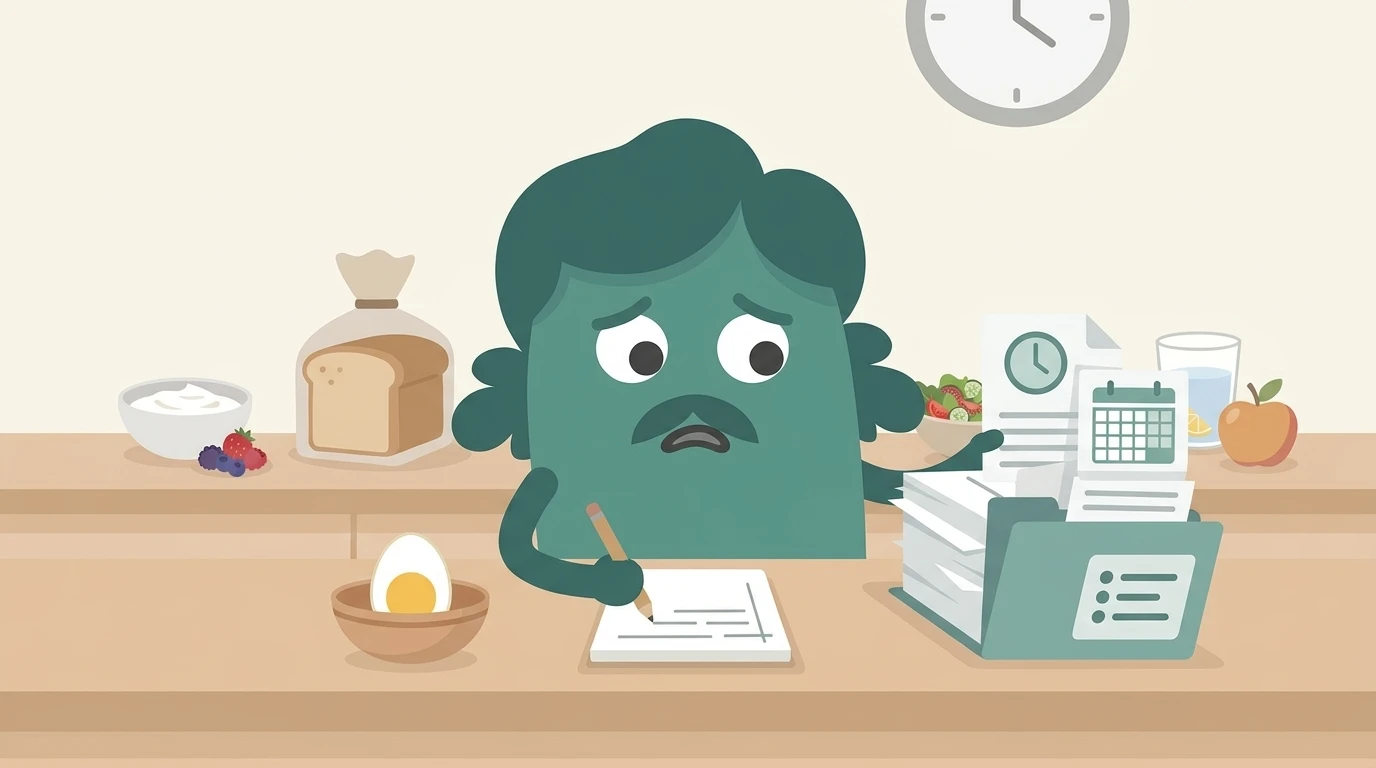
ADHD creates a predictable set of food challenges: forgetting to eat until hypoglycemic, impulsive eating driven by dopamine-seeking, hyperfocusing through meals, and struggling to plan or prepare anything requiring more than one step. This isn't poor willpower — it's neurological. Here's what drives each pattern and what actually helps.

A morning routine works when it matches your biology, not a productivity guru's schedule. Research shows consistency and sleep alignment matter far more than waking up at 5 AM. Here's what the science actually says about building a routine that sticks.

ADHD makes gym habits uniquely hard to sustain — not because of laziness, but because the ADHD brain's reward system, executive function, and time blindness all work against the slow-burn payoff that traditional gym routines require. Here's what the research says actually works.

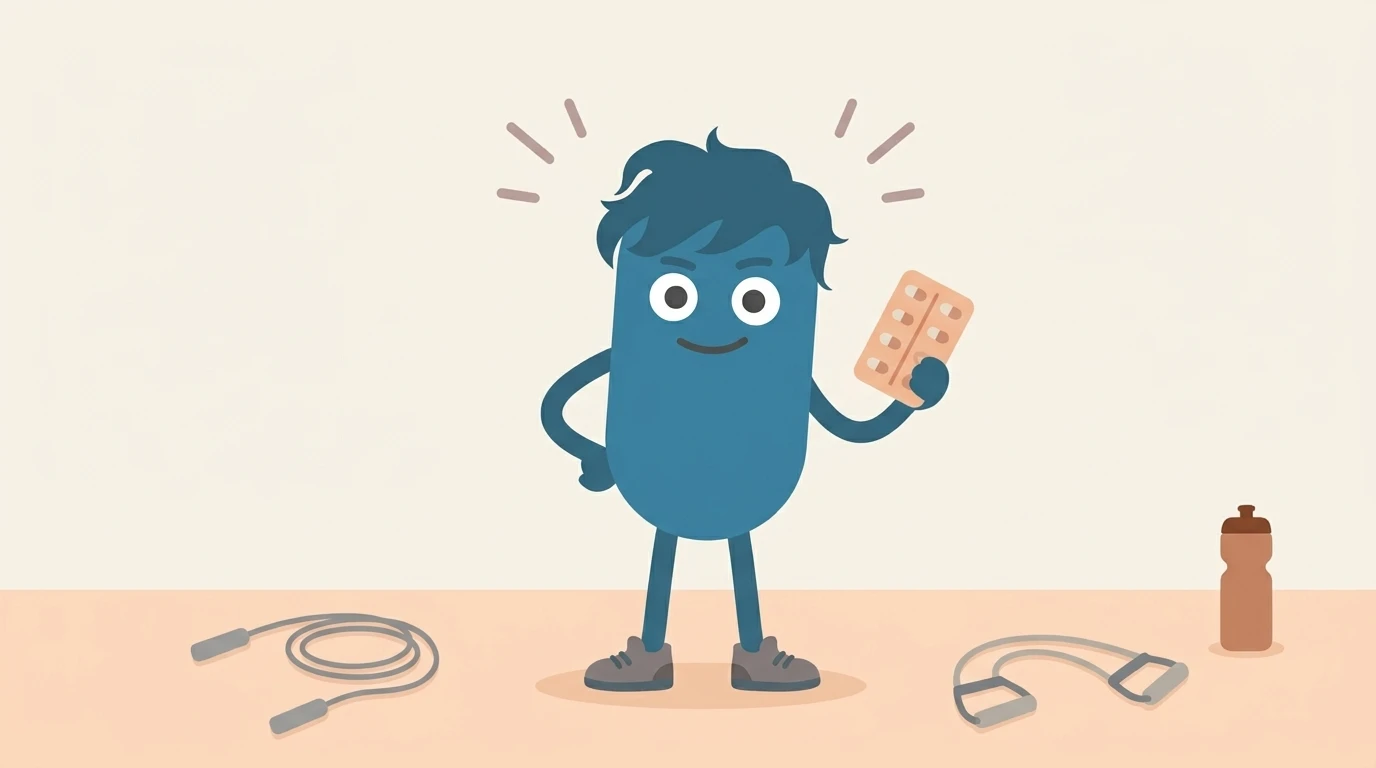
Yes, you can — and combining ADHD medication with regular exercise often produces better outcomes than either alone. Exercise boosts the same neurotransmitters your medication targets, and the two approaches work through complementary mechanisms.

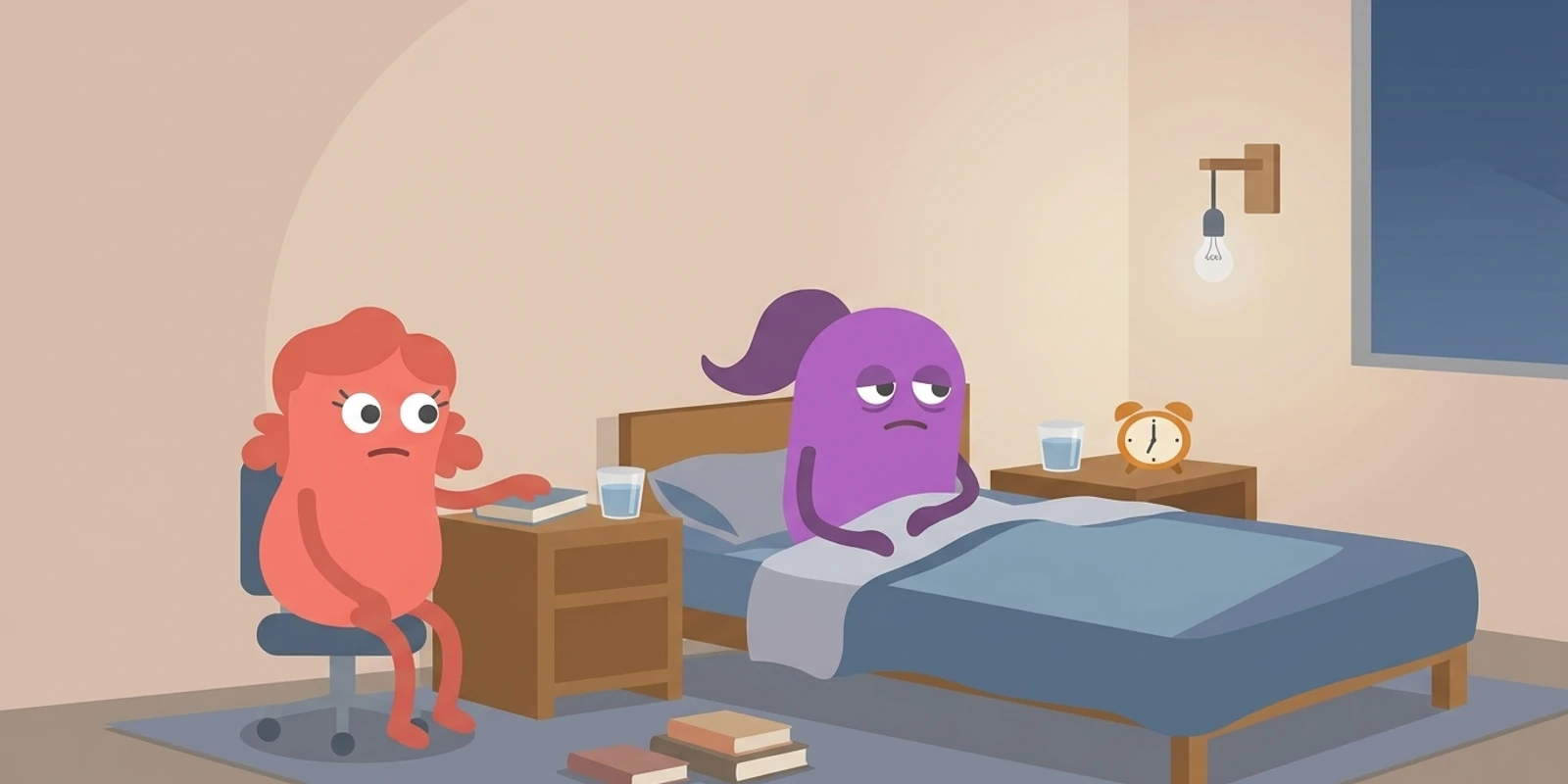
ADHD and sleep problems are neurologically linked — it's not laziness or bad habits. Delayed sleep phase, racing thoughts, and revenge bedtime procrastination are common ADHD experiences. Here's what causes them and what actually works.

The best exercises for ADHD are high-intensity aerobic activities like running, swimming, and martial arts — they raise dopamine and norepinephrine levels the same way stimulant medication does. Here's what the research says and how to actually stick with a routine.

ADHD makes meal prep uniquely difficult — not because of laziness, but because of how the ADHD brain handles planning, time perception, and decision fatigue. Here's what the research shows, and what actually helps instead.

Exercise reduces relapse rates, accelerates brain recovery from substance use, and treats the depression and anxiety that drive most relapses. Here's what 47 studies show about exercise as addiction treatment — and how to actually build the habit in recovery.

Alcohol sedates you but doesn't produce sleep — it produces a neurologically different state that suppresses REM sleep, causes rebound arousal at 3-4 AM, and leaves you more tired than if you hadn't drunk at all. Here's the science and what to do instead.

Sugar addiction is a real neurological phenomenon — not a lack of willpower. Research shows sugar triggers the same dopamine reward pathways as addictive drugs. Here's what the science says and what actually helps you quit the cycle.

Starting to exercise again after a long break requires a different approach than beginning for the first time. The science shows that your body remembers — but your schedule, motivation, and habits need rebuilding from scratch. Here's how to do it without burning out again.

Exercise reduces depression symptoms as effectively as antidepressants in mild-to-moderate cases, according to multiple clinical trials. But the hardest part is starting when depression robs you of motivation. Here's what the research says works — and how to actually begin.

Starting an exercise habit is hard — but the research points to clear, specific factors that determine success or failure. This guide covers what beginners actually need to know to start exercising and stick with it.

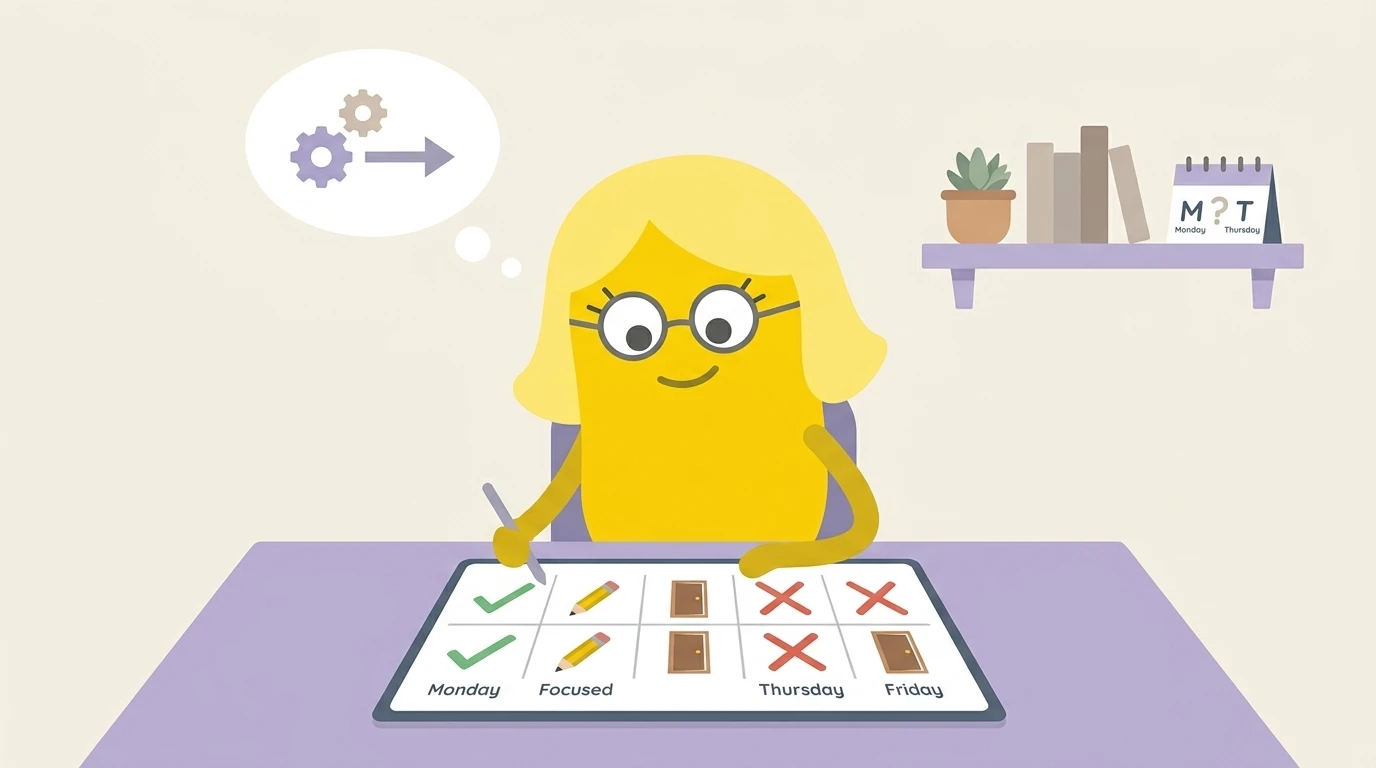
ADHD makes exercise consistency brutally hard — not because you're lazy, but because your brain needs structure, not willpower. Here's what actually works.