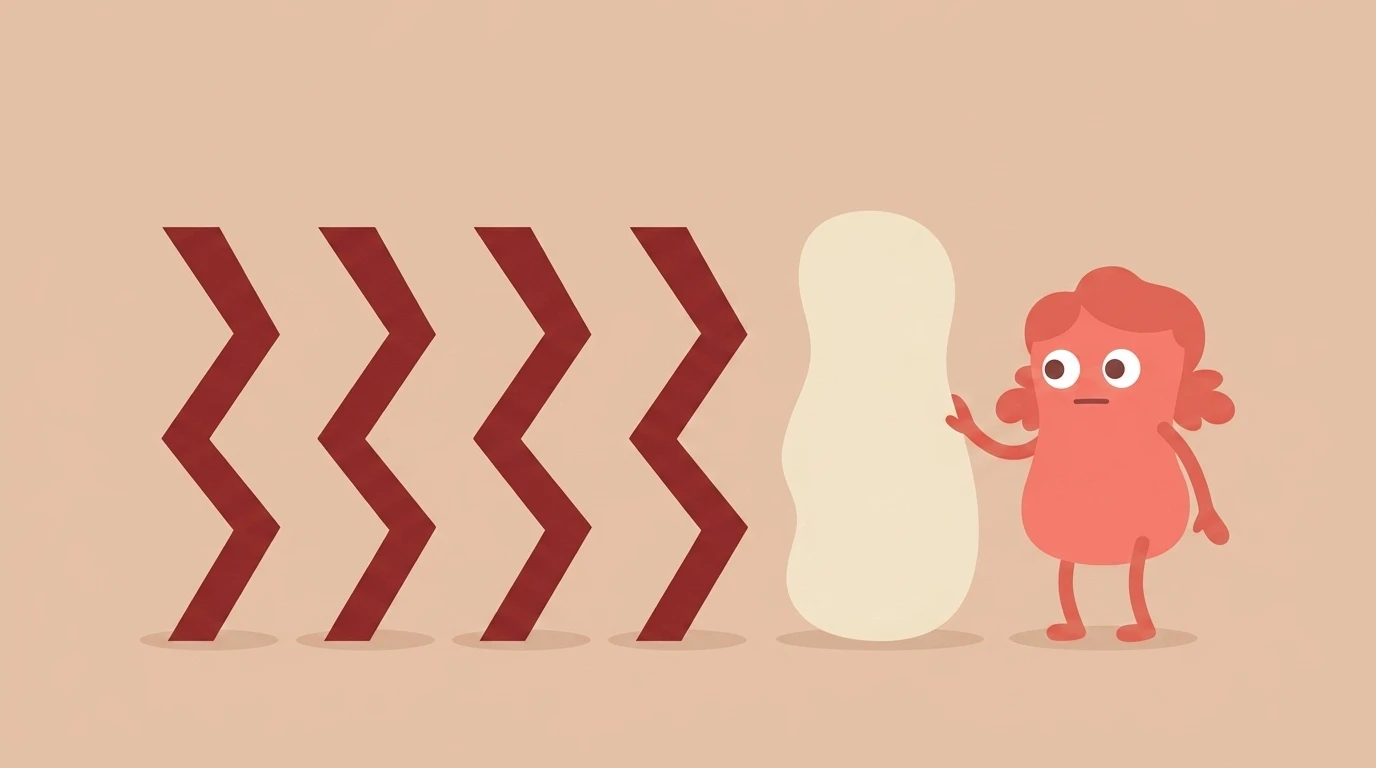
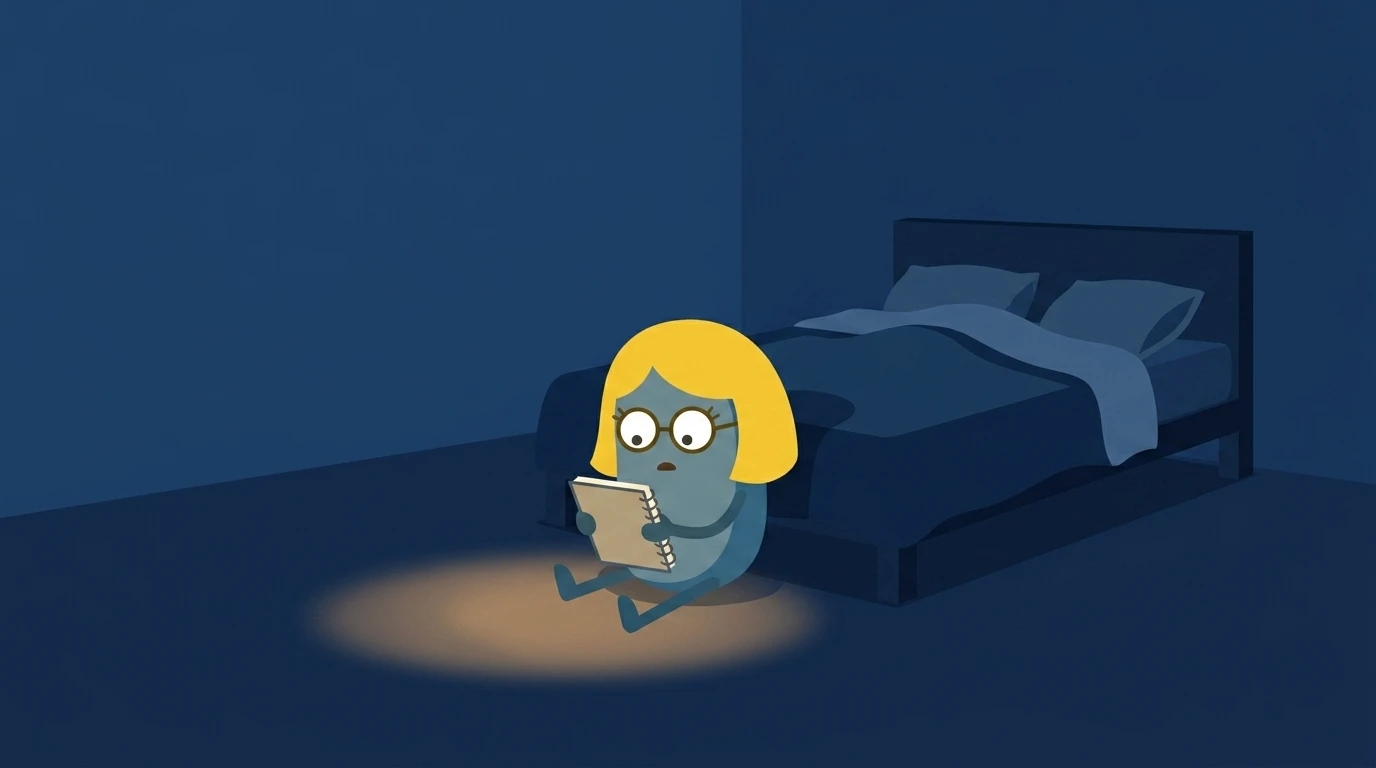
You are not bad at falling asleep. You are bad at stopping. By the time you decide to go to bed, your brain is still mid-reward, and closing the laptop or putting down the phone feels like walking away from something unfinished. That gap between "I should sleep" and "I am willing to stop" is the real problem, and it has almost nothing to do with sleep hygiene.
Why can't I stop what I'm doing at night
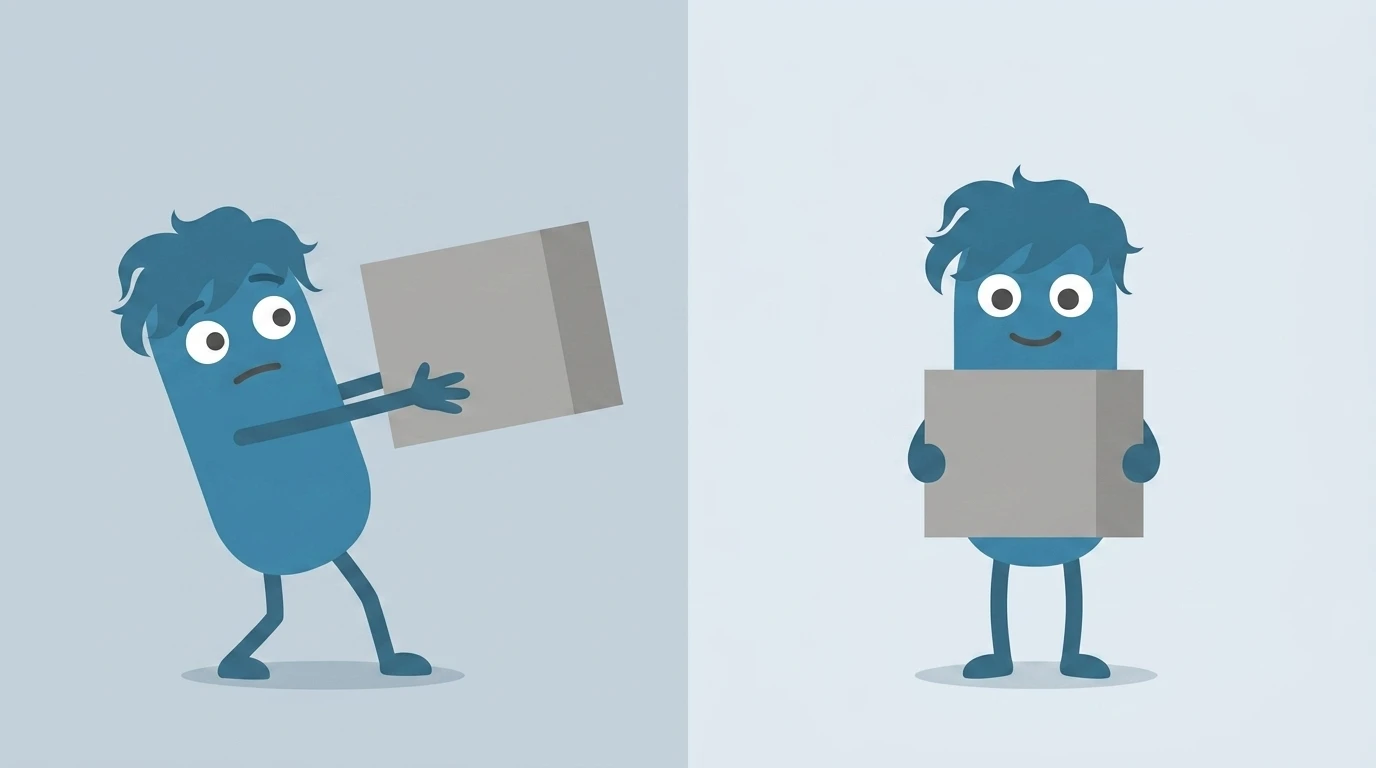
Most sleep advice assumes the problem is falling asleep once you're in bed. For a lot of people with ADHD, that's not where it breaks down. The breakdown happens earlier, at the moment you're supposed to close the tab, put the controller down, or stop texting. A scoping review of daily routines in people with ADHD found that bedtime routines depend on the same executive functions that ADHD disrupts: planning, attention shifting, and behavioral regulation. When those are impaired, a routine that should be automatic, stop the screen, brush your teeth, get in bed at a consistent time, stays effortful instead of becoming a habit. You're not skipping the routine because you don't care about sleep. You're skipping it because the part of your brain that's supposed to make "stop now" feel automatic isn't doing that job.
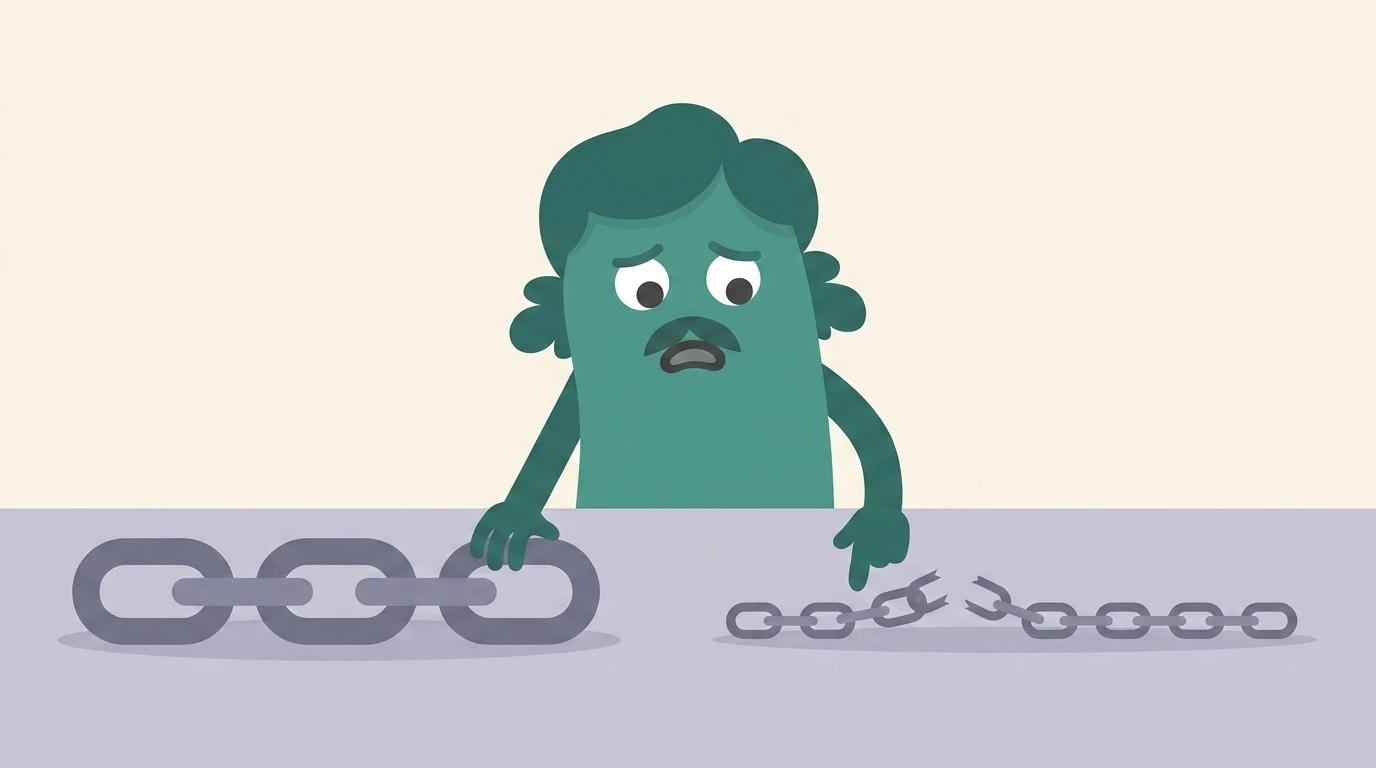
This is also why telling yourself to "just go to bed earlier" doesn't work. It treats the problem as a scheduling failure. It's an initiation failure, and initiation is one of the specific executive functions the research on ADHD routines flags as disrupted. The scoping review frames routines and habits as sitting on a continuum of automaticity: the more a behavior repeats in a stable context, the less thought it takes to perform. A neurotypical bedtime routine gets easier the longer you keep it, because attention and planning get needed less and less. For someone with ADHD, that same continuum doesn't build the same way, because the executive functions that would normally turn "brush teeth, dim lights, get in bed" into something automatic are the ones most affected. The routine stays a list of decisions instead of becoming a single habit, which is exactly why it keeps collapsing on the nights you're tired, distracted, or already mid-activity.