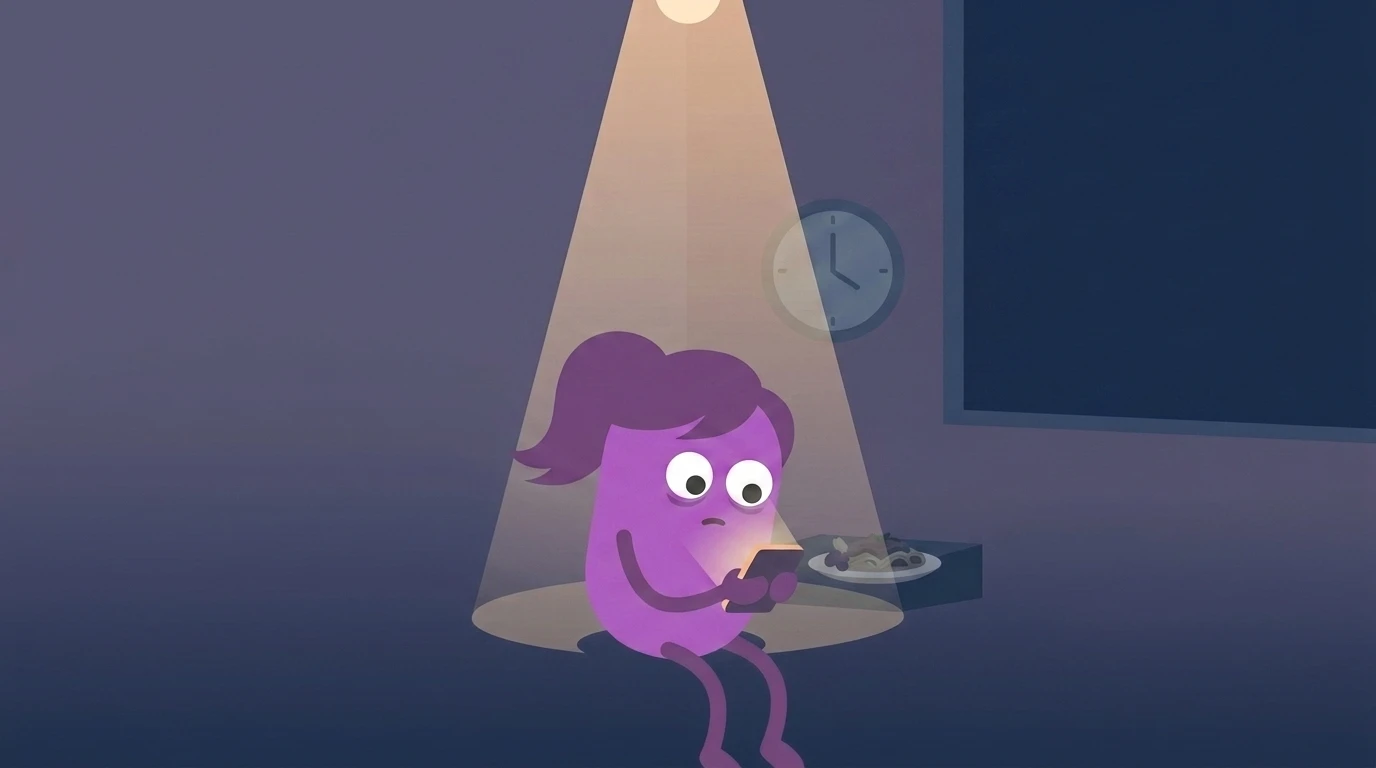
Sugar cravings are not a character flaw. They are a neurological event. When you eat something sweet, your brain releases dopamine, the same chemical involved in every reward the nervous system has ever tracked, from a warm meal to social approval. Processed sugar, in particular, hits the dopamine circuit harder and faster than almost any natural food source. That spike is the beginning of a biological loop that is genuinely difficult to exit through willpower alone.
The good news is that the loop can be interrupted. Research from neuroscience and behavioral science has mapped exactly how sugar rewires reward circuits and, more importantly, what restores them. This post covers the mechanism behind cravings, why standard "just eat less sugar" advice fails reliably, and the specific interventions that actually shift the brain back toward baseline. If sugar has felt like it has power over you, that feeling is accurate. But power can be reclaimed.
The Dopamine Spike: What Happens in Your Brain When You Eat Sugar
The moment sugar hits your tongue, a signal travels to the nucleus accumbens, the region at the center of the brain's reward circuit. Dopamine floods in. The message is simple: do that again.
This is not a design flaw. For most of human history, sweet foods signaled ripe fruit and caloric availability. Seeking them was adaptive. The brain learned to associate sweetness with survival and encoded that association deeply. What changed is the stimulus. A ripe fig and a bag of sour gummy worms both taste sweet, but they are not neurologically equivalent.
Processed sugar, refined into hyperconcentrated form and often combined with fat and salt, produces a dopamine response that bears little resemblance to what reward systems evolved to handle. Stanford neuroscientist Andrew Huberman, in his widely shared lecture on dopamine and motivation, explains that the brain's dopamine circuits respond not just to the magnitude of a reward but to its novelty and speed of delivery. Processed sugar delivers both: a fast, intense hit unlike anything found in nature.
What Dopamine Actually Does (It Is Not Pleasure)
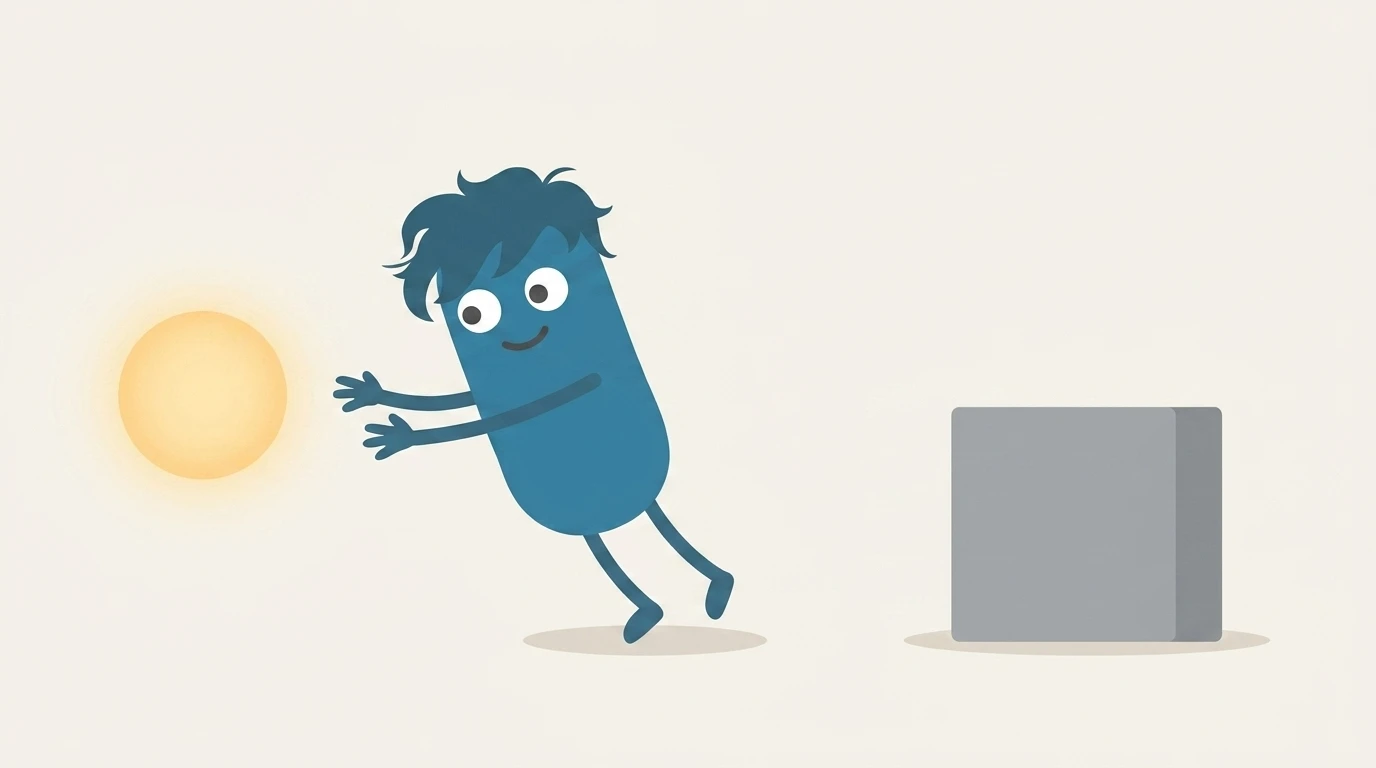
A persistent misconception is that dopamine is the "pleasure chemical." It is more accurately the anticipation and motivation chemical. Dopamine drives the wanting, not the having. This distinction matters for understanding cravings.
When your dopamine system learns that sugar is available, it generates the urge to seek it, not because sugar feels good in the moment, but because the brain has tagged it as high-value prey worth pursuing. This is why you can eat an entire bag of chips without feeling satisfied. The wanting circuit runs independently of the pleasure circuit. You can keep wanting long after any enjoyment has disappeared.
Why Cravings Intensify the More You Give In
If a single dopamine spike were the whole story, cravings would be manageable. The real problem is what happens after repeated spikes: the brain adapts.
Psychiatrist Anna Lembke describes this process in "Dopamine Nation" (2021) as the pleasure-pain balance. Dopamine receptors do not stay fixed. Every time you flood the reward circuit with sugar, the brain compensates by downregulating receptor sensitivity. It tilts the pleasure-pain balance toward the pain side to restore equilibrium.
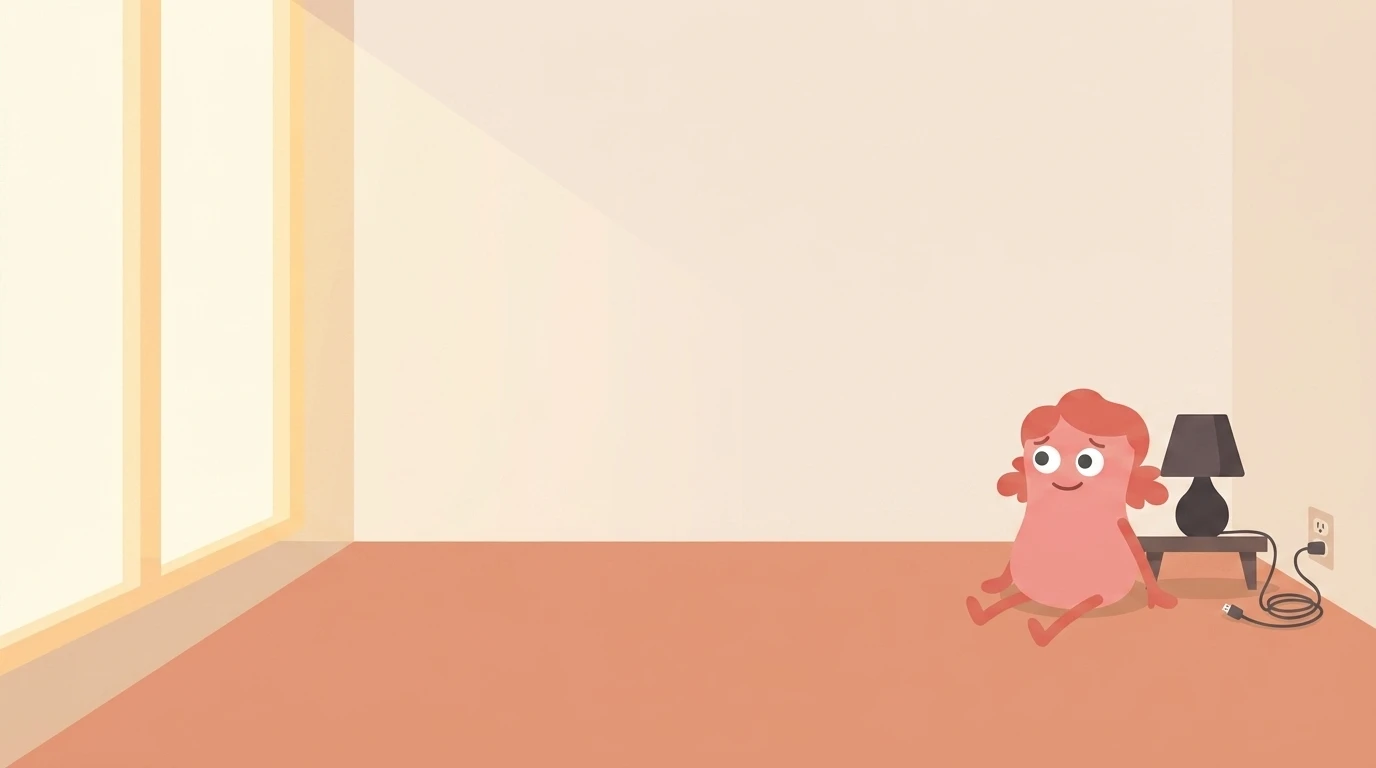
The result is that baseline dopamine falls below normal after each sugar episode. You feel flat, irritable, or vaguely empty. That low is what generates the next craving. You are not craving sugar for the pleasure it brings. You are craving it to escape the deficit the last hit created.
This mechanism matches what the National Institute on Drug Abuse documents in research on substance addiction: "repeated drug use alters the brain's reward system and dopamine levels, leading to tolerance and impaired self-control." Sugar activates the same receptors via the same circuitry. The intensity differs in degree, not in kind.
The Escalation Pattern
Tolerance means yesterday's portion no longer produces yesterday's relief. The serving size grows. The frequency increases. What started as an afternoon cookie becomes a compulsive ritual that intrudes on decisions you made clearly earlier in the day.
Many people recognize this progression but attribute it to weakness. The attribution is wrong. Tolerance is a biological process, not a moral one. Treating it as a character failure guarantees the cycle continues, because it keeps the person looking in the wrong place for the solution.
Why Willpower Is the Wrong Tool for This Problem
The standard cultural prescription for sugar cravings is "just have more discipline." This advice fails reliably because it misidentifies the problem.
Willpower is a prefrontal cortex function. It requires clear deliberate thought, low stress, and adequate sleep. Cravings, however, originate in subcortical structures: older, faster, and more powerful regions of the brain that operate below conscious awareness. When a craving fires, the prefrontal cortex is not losing a fair fight. It is being outgunned by a system that evolved to be near-impossible to override.
Stress compounds this directly. Cortisol, the primary stress hormone, accelerates dopamine-seeking behavior. Under stress, the reward circuit becomes more sensitive to cues associated with past rewards. This is why cravings intensify when you are tired, anxious, or overwhelmed. The brain treats stress as a signal to seek high-reward food sources, because under ancestral conditions, stress often meant scarcity.
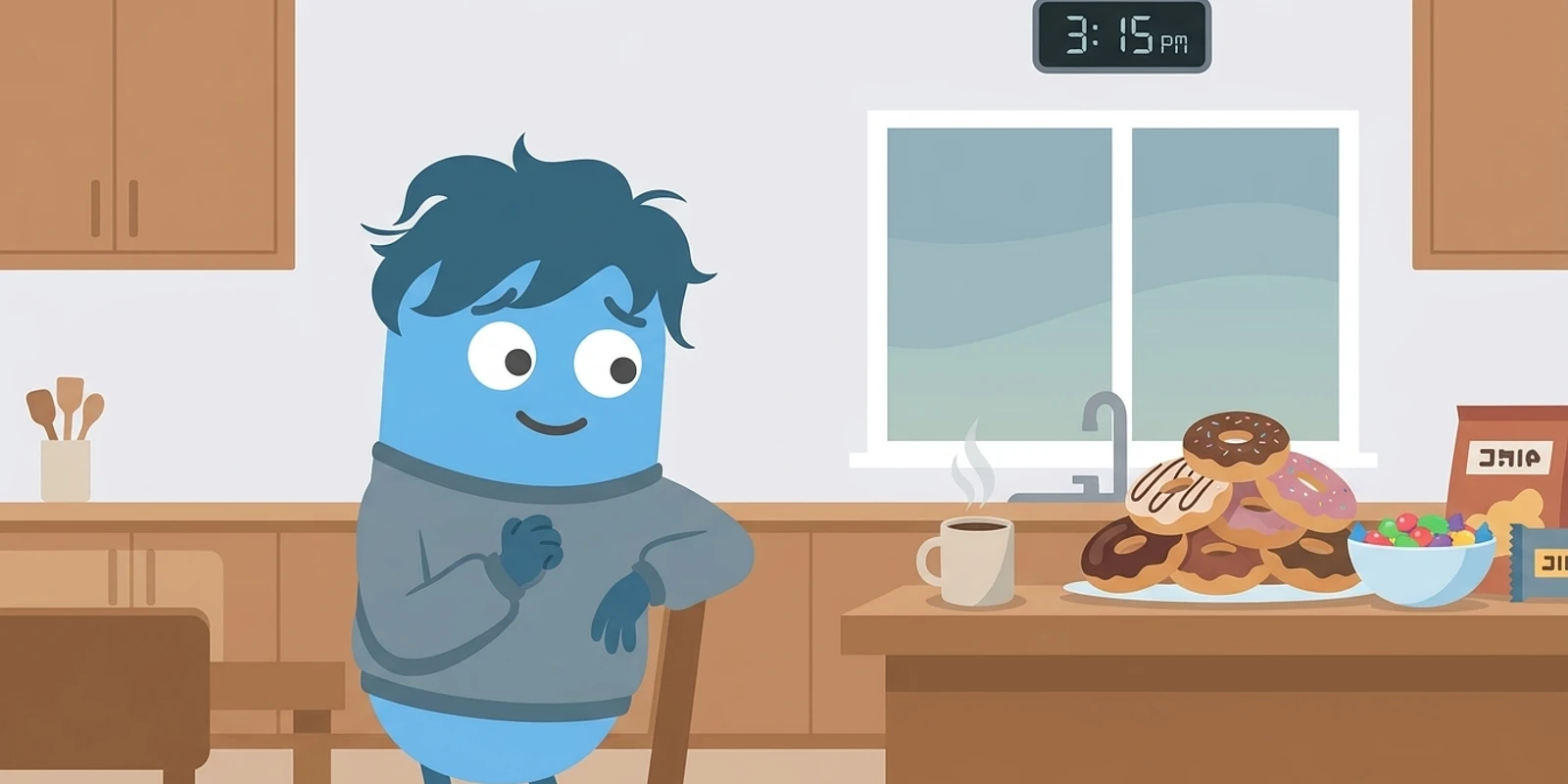
This is why every "I'll be better starting Monday" plan tends to collapse by Tuesday afternoon, after a hard meeting and a 3pm energy crash. The craving is not waiting for you to be ready, and it has better neurological resources than the resolve that set the rule.
Five Science-Backed Strategies to Break the Craving Cycle
Interrupting this loop requires interventions that operate at the level of the loop, not above it. These strategies are supported by behavioral neuroscience and have practical entry points.