What actually helps someone stay in recovery
The clearest finding across the research is that recovery is not just abstinence. It's a shift in identity, and other people are part of how that shift happens.
A qualitative study of 27 people in structured recovery from problematic pornography use identified a three-phase arc: personal collapse, group engagement, and identity transformation. Accountability was the most consistently named mechanism of change in that transformation, associated with increased sincerity and lower relapse risk among participants. What the researchers called the "mirror effect," seeing themselves reflected honestly by people who'd been through the same collapse, combined with what they called "rational hope," produced a shift the authors described as moving from a "spoiled identity" to personal authenticity. That shift didn't come from being watched. It came from being known.
A separate pilot randomized controlled trial tested this more directly. Forty-five men in a residential rehabilitation setting were assigned to an eight-week narrative therapy group, standard psychoeducation, or a waitlist. Only the narrative therapy group, built around telling and revising your own story with other people listening, showed significant gains on a validated measure of recovery-oriented self-identity, along with lower relapse-risk scores that held at two-month follow-up. The mechanism wasn't oversight. It was a structured space to say what actually happened and be heard by people who didn't flinch.
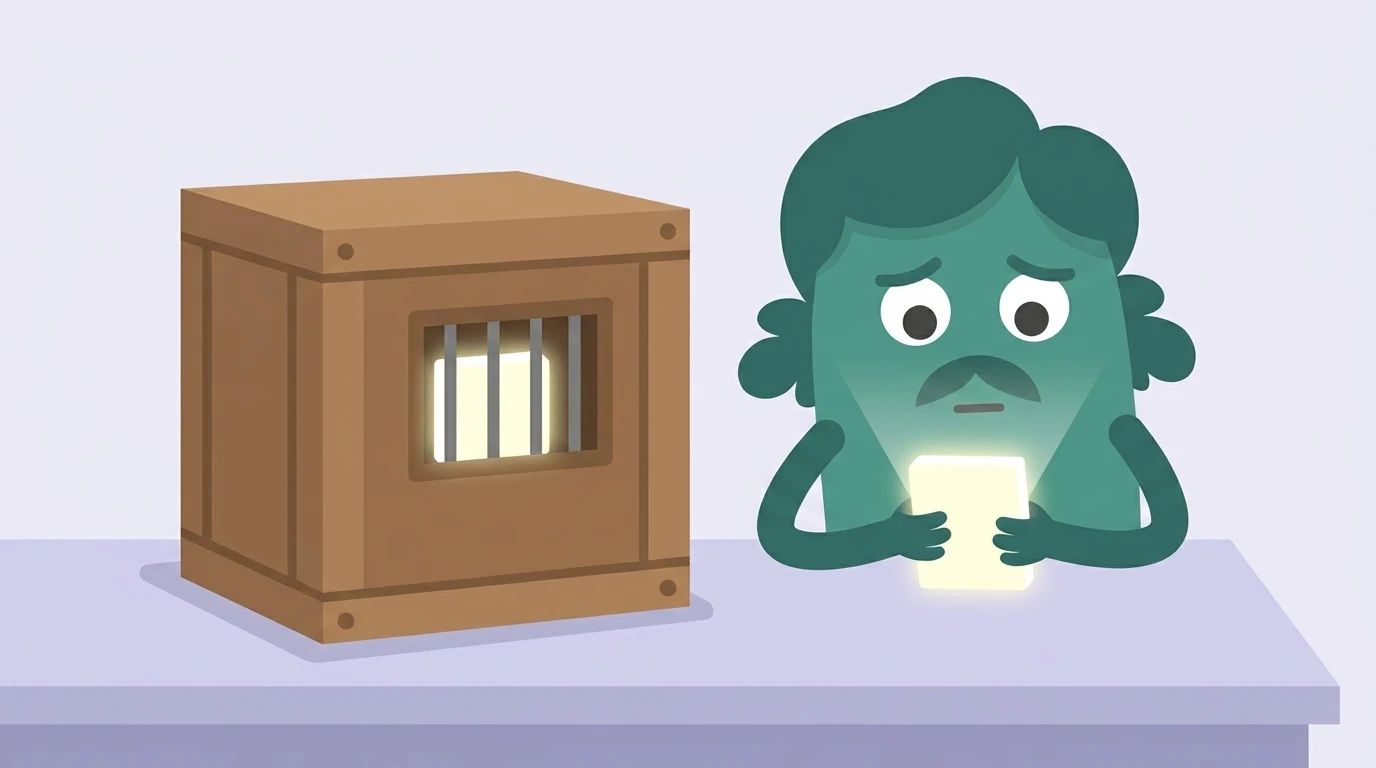
This is the distinction worth sitting with: accountability is something a person opts into with someone they trust. Surveillance is something done to a person, often without their consent, and it teaches them to get better at hiding rather than better at staying honest. You can offer accountability. You cannot install it.
What to do instead of monitoring them
Say the fear out loud instead of acting on it in secret. "I'm scared you might be struggling right now, and I don't know how to bring it up" is a harder sentence to say than opening an app, but it's the one that keeps the relationship intact either way the conversation goes.
Ask what kind of accountability they actually want. Some people want a daily check-in text. Some want you to ask directly once a week and otherwise leave it alone. The stigma research is clear that internalized shame drives relapse risk, so a check-in that feels like an accusation will often backfire compared to one they asked for.
Support the structure they've chosen, not the one you'd pick for them. If they have a sponsor, a therapist, a support group, or a program, your job is to make room for it, not to compete with it or replace it. The identity-transformation research above points to peer accountability, chosen and mutual, as the mechanism that moves people. You can't be that peer group for someone you're also in a close relationship with, and trying often puts you in the monitor role by default.
Notice the difference between "how are you doing" and "did you do it." The first invites a real answer. The second only has two answers, and one of them is a lie people learn to tell well.
Give them somewhere to fail without losing you. A slip that gets met with punishment or an immediate trust audit teaches concealment. A slip that gets met with "okay, what do we do now" keeps the door open for the next honest conversation.
You can't do the recovering for them
This is the hardest part to hold onto, especially if you're a parent. You did not cause this, and you cannot fix it by watching closely enough. The person in recovery is the one doing the work, session by session, day by day. Your role is to be a stable presence they can be honest with, not a backstop that catches every possible slip before it happens. Those are different jobs, and trying to do the second one usually costs you the first.
That's not a smaller role. Consistent, trustworthy connection is one of the few things the research keeps pointing to as protective, while exclusion, judgment, and shame keep showing up as risk factors. Showing up steadily, without an audit trail, is not passive. It's the thing that's actually associated with better outcomes.
Support the supporter too
Watching someone you love navigate recovery is its own kind of hard, and it doesn't go away just because you're not the one in treatment. The vigilance, the sleepless nights, the rehearsed conversations you never end up having the way you planned: that toll is real, and it deserves its own support, whether that's a therapist, a group for family members, or just one honest friend you can say the scared parts to. You cannot pour from a place you're not refilling.
Recovery is rarely a straight line, for the person doing it or for the people around them. What moves it forward, according to the people who've actually studied it, isn't tighter watching. It's steadier connection, freely given, from people they trust enough to be honest with. You can be one of those people. That's the whole job, and it's enough.