GetMotivated.ai Logo
How It WorksBlogLog in
  1. Home
  2. /
  3. Blog
  4. /
  5. How to Overcome Exam Stress: What Actually Reduces It
September 14, 20265 min readMental Health

How to Overcome Exam Stress: What Actually Reduces It

Test anxiety does something specific to memory recall in the exam room. Research on mindfulness, emotion regulation, and coping strategies shows what actually reduces it.

Rachel Stein

Last reviewed: August 2026

Illustration for the article: How to Overcome Exam Stress: What Actually Reduces It

What does exam stress actually do to your performance?

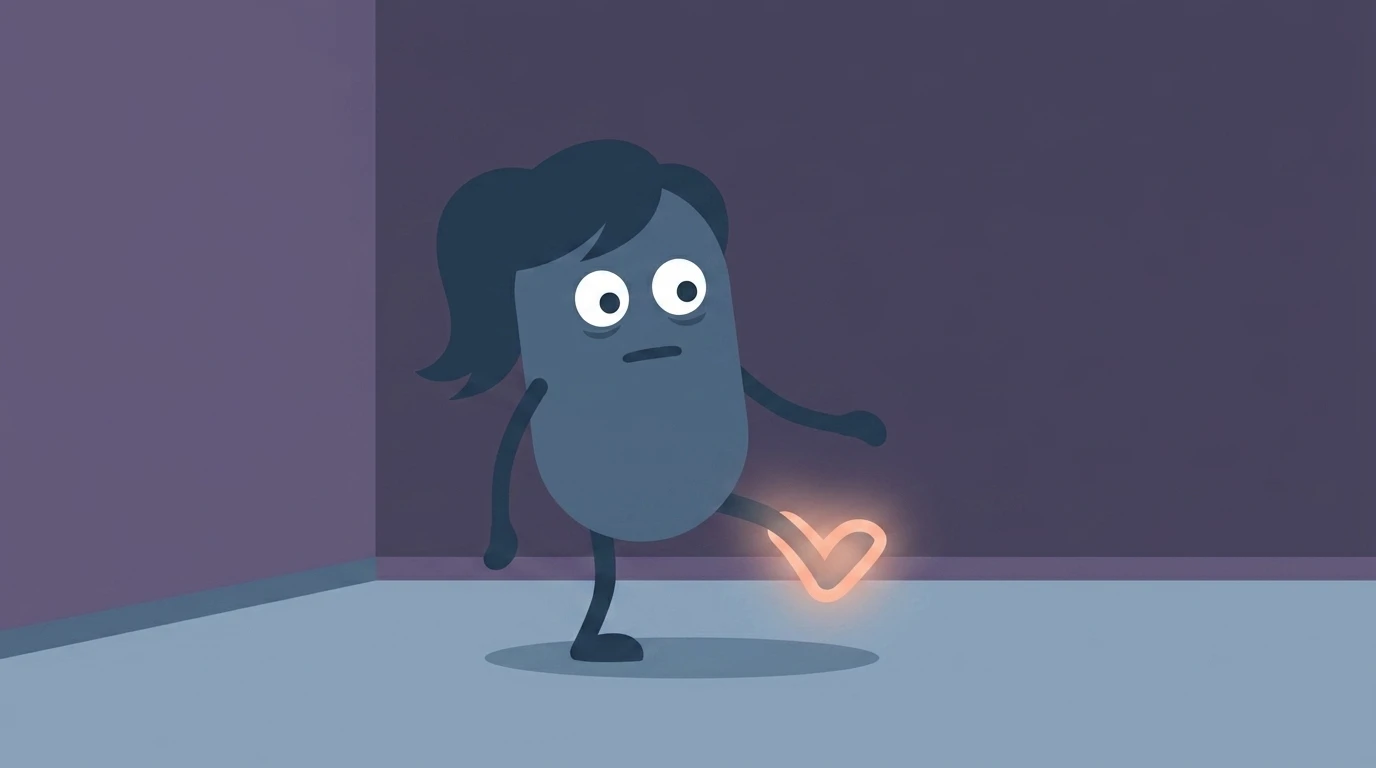
A qualitative study of 22 medical students found test anxiety directly interfered with their ability to recall information they had already learned, with students describing their minds going blank during exams despite adequate preparation, and reporting that emotion regulation and coping strategies made a measurable difference in whether that happened. This confirms something that pure willpower advice ignores: exam stress isn't just an unpleasant feeling layered on top of your knowledge. In a large-sample study of 239 Chinese and Taiwanese undergraduates, test anxiety was found to directly mediate the relationship between broader trait anxiety and academic performance, meaning the anxiety itself, not a lack of preparation, was statistically responsible for part of the performance drop.

Why does exam stress make you blank on things you actually know?

The mechanism reported in the 22-student qualitative study is that acute anxiety during the exam competes directly with working memory, the same limited mental workspace you need to retrieve and organize an answer. Students described specific moments where anxious thoughts about the exam itself, how much time was left, what would happen if they failed, crowded out the retrieval process for the actual content, even when that content had been solidly learned beforehand. This is different from not knowing the material. It's the anxious thought process occupying the same cognitive space the recall process needs, so the two compete and recall loses.

This distinction matters because it points to a different fix than "study more." If the material was already learned and the block happens specifically under exam conditions, the target for improvement is the anxiety response during the exam, not additional content review beforehand.

Does test anxiety affect everyone the same way, or does it hit some students harder?

A study comparing 239 undergraduates in three groups, typically developing students, students with typical-functioning specific learning disabilities (SLD), and students with high-functioning SLD, found the typical-functioning SLD group reported the highest levels of test anxiety of all three groups, and that test anxiety significantly mediated the link between trait anxiety and academic performance specifically in the high-functioning SLD group. In the typically developing group, no significant mediation effect was found at all. This means the same exam-stress response can carry very different consequences depending on a student's underlying profile, and generic anxiety advice built around an average student may understate what's happening for a student whose test anxiety is doing more of the performance damage.
Related Challenges & Plans

Lifechallenge

Reclaim Focus: Quit Porn

Reclaim your mental focus, energy, and self-control by quitting porn in this 30-day challenge with daily science-backed accountability.

Gabriele Oettingen
Based on Gabriele Oettingen · by GetMotivatedBuddies
10 min3×/week30dL2
Lifechallenge

Clean Any Room in 5 Steps with Ann Russell

Clean any room with Ann Russell’s 5-step method. A direct, realistic 14-day plan for building cleaning habits that actually stick.

Ann Russell
In partnership with Ann Russell · by GetMotivatedBuddies
10 min3×/week14dL1
Lifechallenge

Dopamine Detox: Break the Overstimulation Cycle

Reset your brain's reward system and reclaim your focus in just 14 days with this science-backed dopamine detox challenge.

Andrew Huberman
Based on Andrew Huberman · by GetMotivated.ai
10 min3×/week14dL1
Health & Fitnesschallenge

Health & Fitness Daily Check-In

Intro challenge with 5-min daily check-ins. Build consistency with diet or exercise—alongside peers.

GetMotivatedBuddies
Created by GetMotivatedBuddies
10 min3×/week21dL1

Does mindfulness actually reduce test anxiety, or is that overstated?

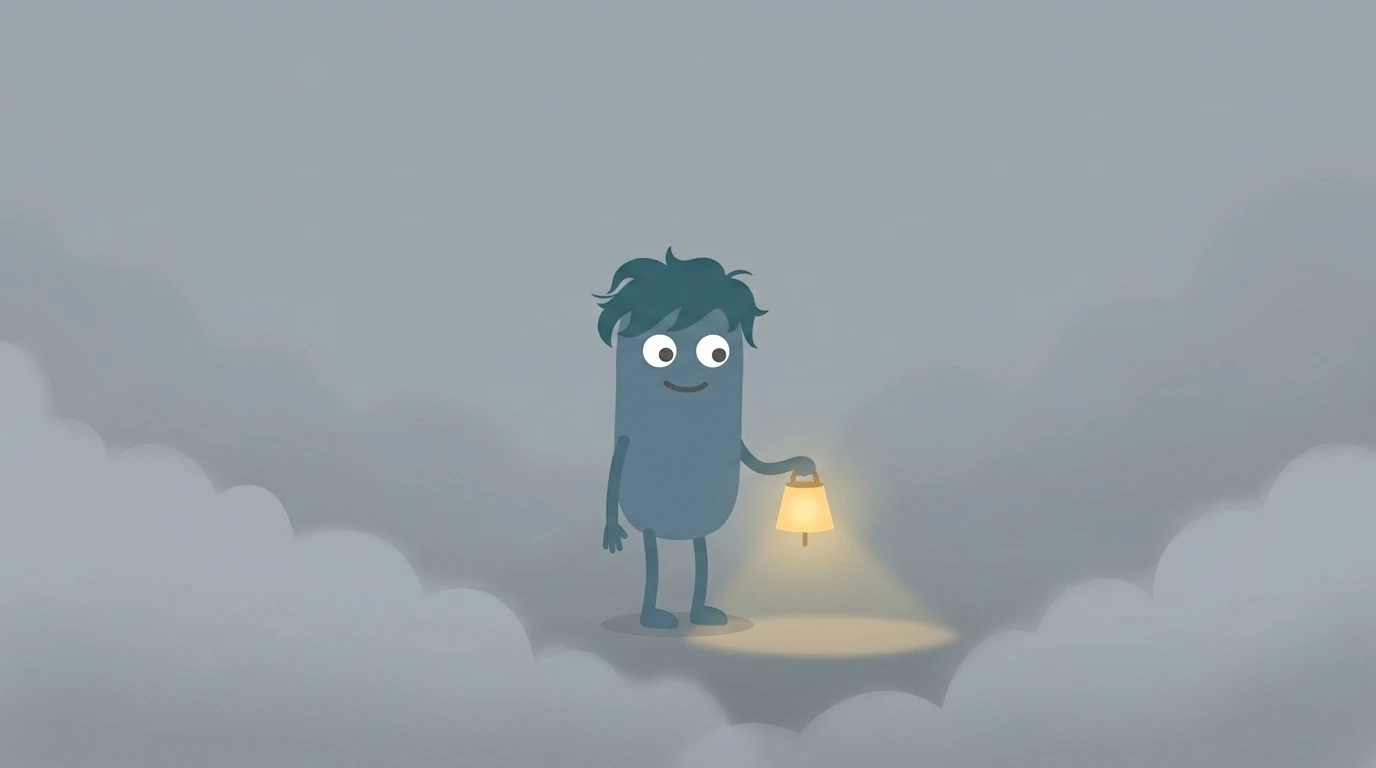
A study of 151 nursing students found a significant inverse correlation between mindfulness and test anxiety (r = -0.170, p = 0.033), along with a significant positive correlation between mindfulness and academic performance (r = 0.284, p = 0.001) and a significant negative correlation between test anxiety and academic performance (r = -0.170, p = 0.037). The correlations are moderate, not dramatic, which is an honest picture: mindfulness isn't a switch that turns off exam stress. It's one measurable lever among several that moves both anxiety and performance in the right direction at the same time.

Mindfulness in this context means conscious, present-focused attention to thoughts, emotions, and physical sensations, not a specific app or ritual. The mechanism lines up with what the 22-student qualitative study described: if anxious thoughts compete with working memory during recall, a practiced ability to notice and step back from those thoughts, rather than get pulled fully into them, frees up some of that competing space.

Does anxiety about exams also make you avoid studying for them in the first place?

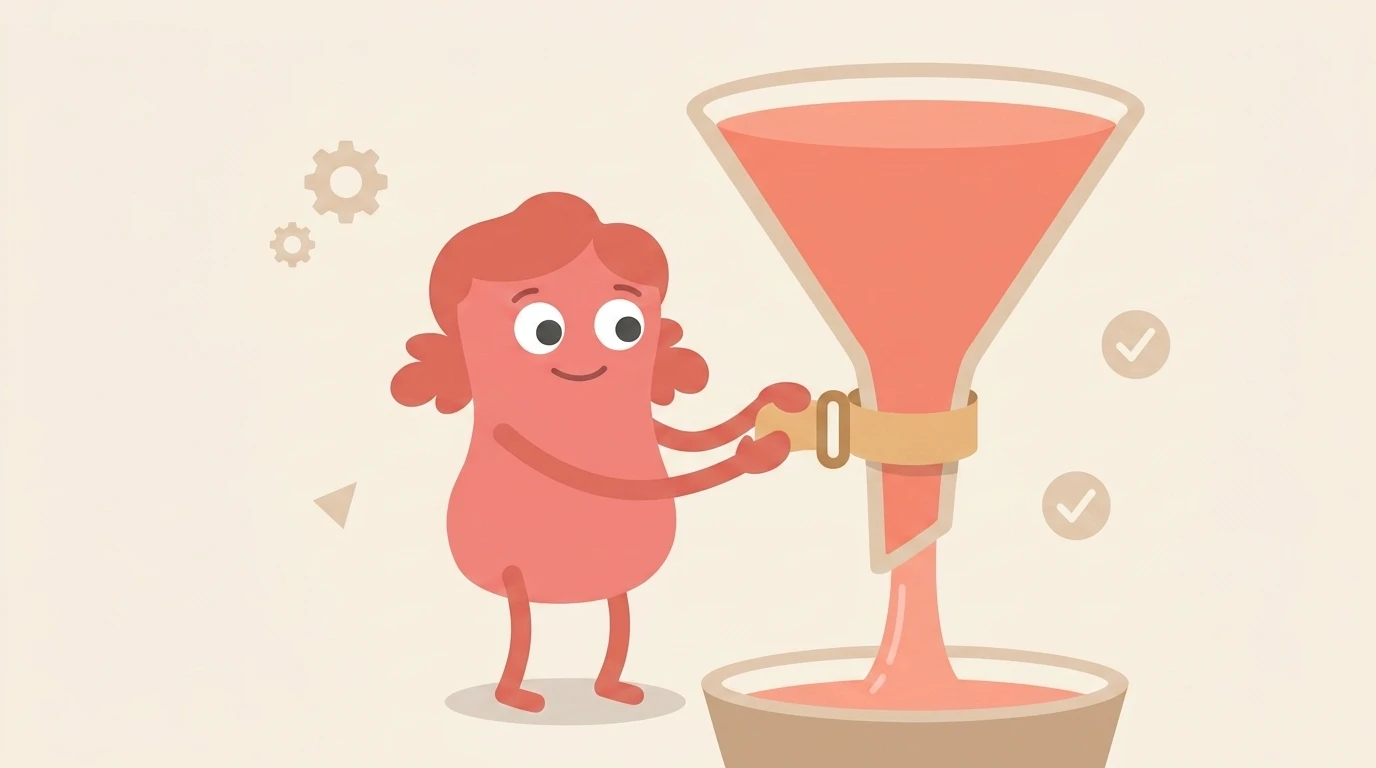
A survey of 3,370 college students found trait anxiety significantly predicted academic procrastination, with academic self-efficacy (your belief that your effort will produce a result) partially explaining that link, and the effect was stronger for students with lower autonomous motivation. This creates a compounding pattern worth naming directly: anxiety about an exam can make you avoid preparing for it, which then reduces the actual preparation that would have lowered anxiety on exam day. The avoidance isn't laziness. It's the anxiety response extending backward from the exam itself into the days before it.

Breaking that cycle usually means treating avoidance as a stress symptom to work around, not a discipline failure to punish yourself over. A small, low-stakes first study session, one you commit to regardless of how ready you feel, interrupts the avoidance loop without requiring the anxiety to disappear first.

What actually reduces exam stress, based on the research?

Practice retrieval under conditions closer to the real exam, not just review. Since the 22-student study found the block specifically happens during high-stakes recall, not during calm review, practicing recall under mild time pressure or in front of another person builds tolerance for the exact condition that triggers the block, rather than only reinforcing calm-condition recall that doesn't transfer.

Build a brief present-focus habit before you don't need it under pressure. Given the moderate but real correlations in the 151-student mindfulness study, a short, consistent practice, noticing your breath or your body for even a minute before starting a study session, gives you a tool that's already familiar by the time you need it during the actual exam, rather than trying to learn it cold in the exam room.

Separate the two problems: exam-day anxiety and pre-exam avoidance. Since trait anxiety in the 3,370-student study drove procrastination through lowered self-efficacy, name the avoidance for what it is when it happens, and commit to a small first study block specifically to interrupt it, separate from any technique aimed at exam-day recall itself.

Get support calibrated to your actual profile. Since the SLD study found high-functioning SLD students carried disproportionately more test-anxiety-driven performance loss than typically developing peers, a generic stress tip that works for one student may do much less for another. If accommodations, extended time, or a different testing format are available and relevant to your situation, they address a real and measured effect, not a workaround for a lack of effort.

Use structure and accountability to counter avoidance specifically. A scheduled study session with someone else expecting you to show up removes the decision point where anxiety-driven avoidance usually wins, without requiring the anxiety itself to be resolved first.

Where to start today

Pick your next practice test or review session and run it under the conditions closest to the real exam, timed, without notes, ideally with someone else present. That single change targets the actual mechanism the research points to: recall under pressure is a different skill than calm review, and it's the one that gets you through the exam itself.

Next time you search, our newest guide shows up.

Sources

Test anxiety, emotional regulation and academic performance among medical students: a qualitative studyResearch
Alshareef N et al.
Medical education online (2025 Dec). PMID 40380803.
Relationship between mindfulness, test anxiety, and academic performance among nursing studentsResearch
Hayat AA et al.
Journal of education and health promotion (2025). PMID 40271269.
The impact of trait anxiety on academic procrastination among college students: the mediating role of academic self-efficacy and the moderating role of autonomous learning motivationResearch
Junqiang Fan et al.
This source represents a security interstitial page for PubMed Central (PMC). It informs the user that an automated browser verification process is occurring before they can access the requested research article. The page provides a five-second window for automatic redirection and offers a manual link if the process fails.
Relationships of trait anxiety, test anxiety, and academic performance of Chinese undergraduates with typical developments and high- and typical-functioning specific learning disabilitiesResearch
Wang LC & Chung KK
Annals of dyslexia (2025 Jul). PMID 40240672.

Topics

mental healthmental healthmindfulnessfocusAcademic Performance

AI-ready summary

Test anxiety does something specific to memory recall in the exam room. Research on mindfulness, emotion regulation, and coping strategies shows what actually reduces it.

Related Challenges & Plans

Lifechallenge

Reclaim Focus: Quit Porn

Reclaim your mental focus, energy, and self-control by quitting porn in this 30-day challenge with daily science-backed accountability.

Gabriele Oettingen
Based on Gabriele Oettingen · by GetMotivatedBuddies
10 min3×/week30dL2
Lifechallenge

Clean Any Room in 5 Steps with Ann Russell

Clean any room with Ann Russell’s 5-step method. A direct, realistic 14-day plan for building cleaning habits that actually stick.

Ann Russell
In partnership with Ann Russell · by GetMotivatedBuddies
10 min3×/week14dL1
Lifechallenge

Dopamine Detox: Break the Overstimulation Cycle

Reset your brain's reward system and reclaim your focus in just 14 days with this science-backed dopamine detox challenge.

Andrew Huberman
Based on Andrew Huberman · by GetMotivated.ai
10 min3×/week14dL1
Health & Fitnesschallenge

Health & Fitness Daily Check-In

Intro challenge with 5-min daily check-ins. Build consistency with diet or exercise—alongside peers.

GetMotivatedBuddies
Created by GetMotivatedBuddies
10 min3×/week21dL1

Keep reading

How to Get Motivated When You're Depressed
September 13, 20265 min readMental Health

How to Get Motivated When You're Depressed

Motivation does not return before you act when you're depressed; it shows up after. Here is the research-backed order of operations, plus one three-minute tool that works even on the worst days.

depressionmotivationmental healthBehavioral Activation
Rachel SteinRead →
Illustration for the article: How to Focus on Studying When You Feel Depressed
September 13, 20265 min readMental Health

How to Focus on Studying When You Feel Depressed

Trouble concentrating during a low mood isn't a discipline problem. Research on attention and depression explains the mechanism, and what actually helps you study through it.

depressionfocusmental healthstudents
Rachel SteinRead →
Illustration for the article: How to Study Effectively at Home (Without the Structure of a Classroom)
September 11, 20265 min readHabits & Behavioral Change

How to Study Effectively at Home (Without the Structure of a Classroom)

A classroom hands you structure automatically. At home you have to build it yourself, and the two techniques that make the biggest measurable difference are not the ones most students reach for first.

Study Habitsproductivityproductivityproductivity
Rachel SteinRead →
GetMotivated.ai

Behavioral health. Built with intention.

Structured support for ADHD, chronic health, recovery, focus, and long-term change.

Stay in the loop

Research, program launches, and behavioral health insights. Only useful updates.

By joining, you agree to receive emails from GetMotivated.ai. Unsubscribe anytime. See our Privacy Policy.

Explore

  • Browse Plans & Challenges
  • Challenges
  • ADHD Support
  • Health Support
  • Recovery Support
  • Blog
  • Creators
  • Sources
  • Tools
  • How It Works
  • Pricing

Topics

  • Focus
  • Habits
  • Work
  • Learn
  • Health
  • Life

Company

  • About
  • Contact
  • How We Research
  • Our Guarantee
  • Privacy
  • Terms

Work With Us

  • For Organizations
  • For Behavioral Health
  • For Education
  • Careers
  • Affiliates
  • Partners
  • Sponsors
Explore+
  • Browse Plans & Challenges
  • Challenges
  • ADHD Support
  • Health Support
  • Recovery Support
  • Blog
  • Creators
  • Sources
  • Tools
  • How It Works
  • Pricing
Topics+
  • Focus
  • Habits
  • Work
  • Learn
  • Health
  • Life
Company+
  • About
  • Contact
  • How We Research
  • Our Guarantee
  • Privacy
  • Terms
Work With Us+
  • For Organizations
  • For Behavioral Health
  • For Education
  • Careers
  • Affiliates
  • Partners
  • Sponsors

© 2026 GetMotivated.ai. All rights reserved.

PrivacyTerms

Calm structure. Clear next steps. Human accountability.